
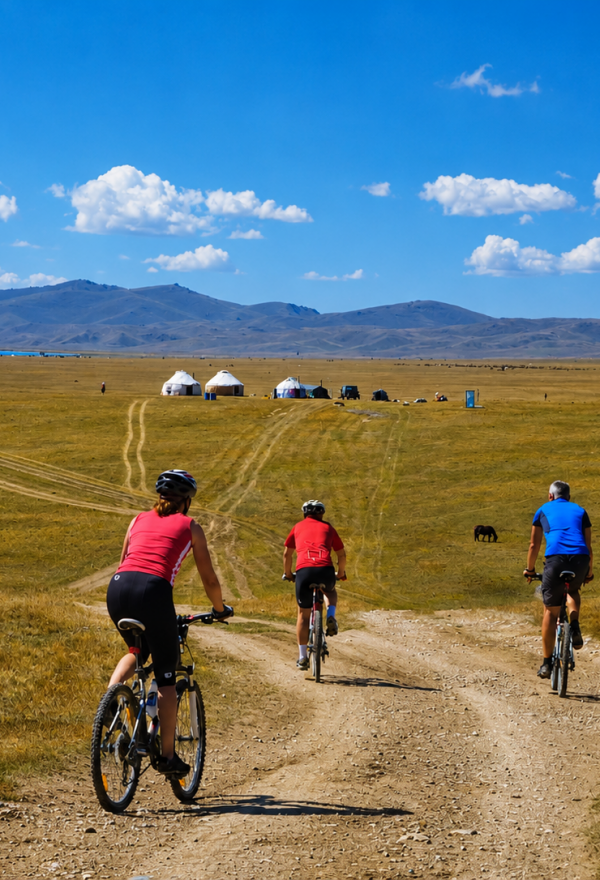
Kyrgyzstan – The Shepherd’s Way
Ride Kyrgyzstan’s high mountain passes and wild valleys, discovering nomadic culture in the heart of Central Asia

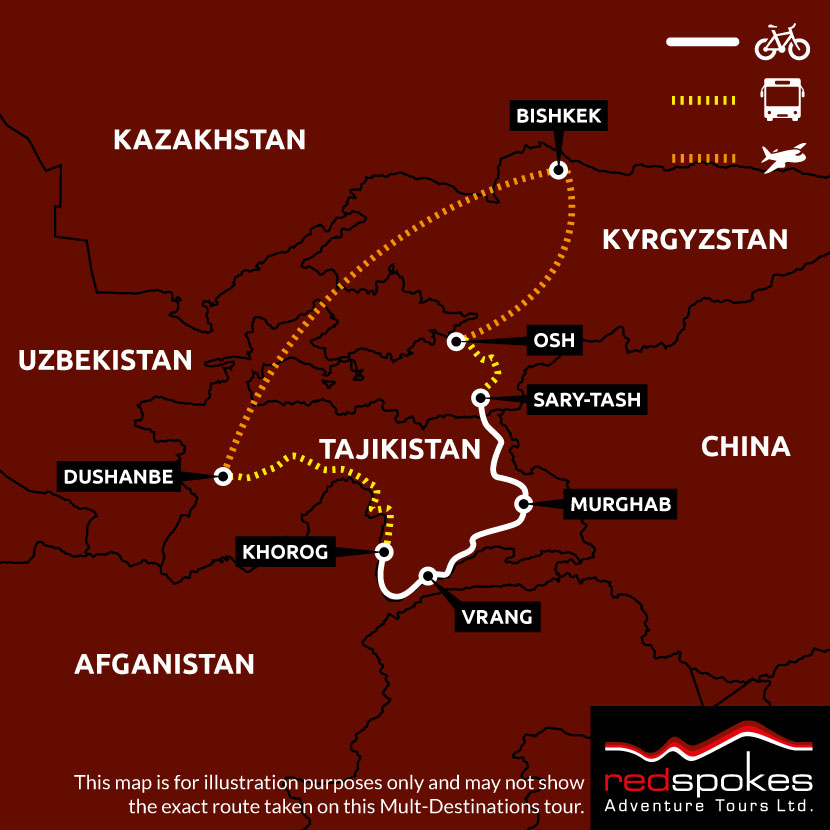
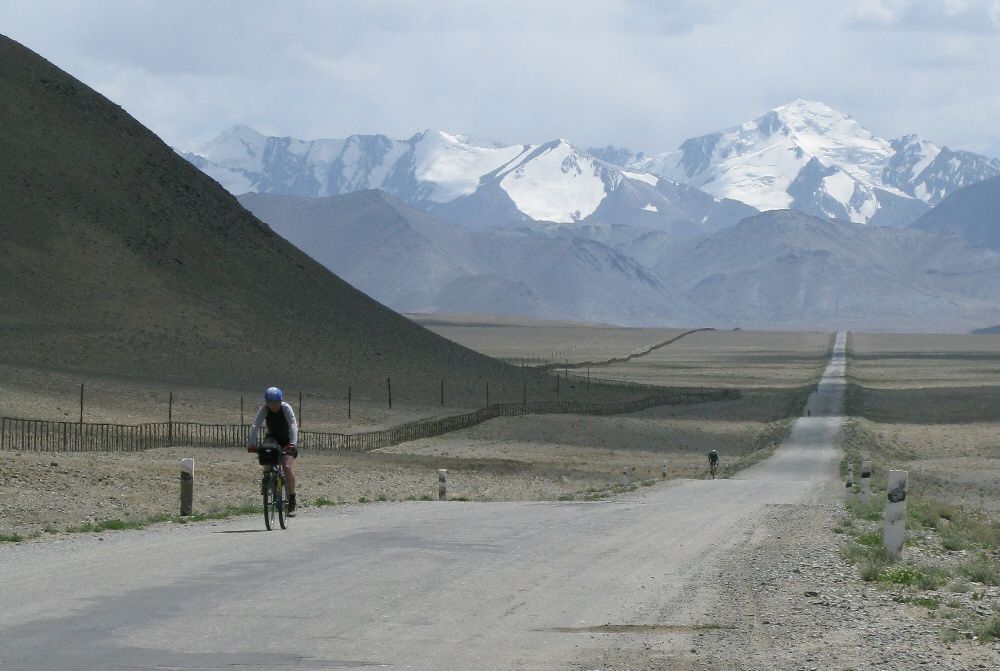
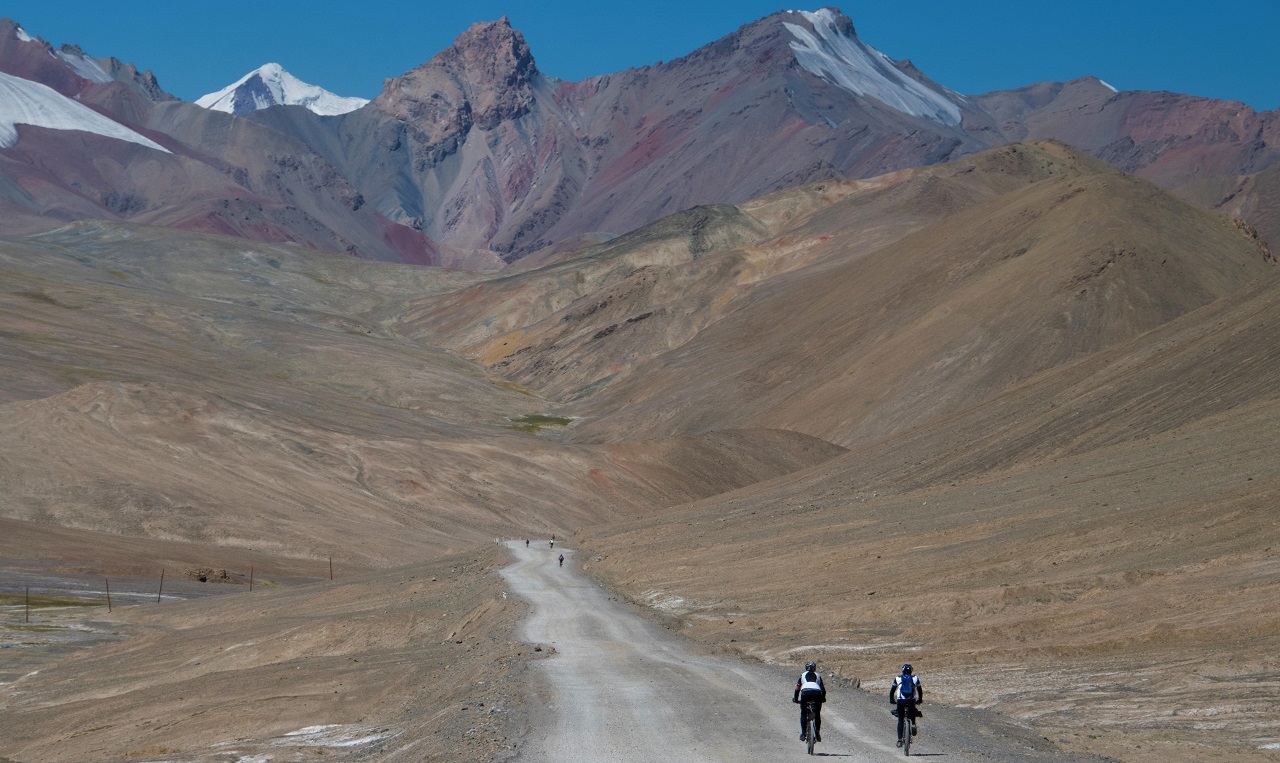
The redspokes Tajikistan to Kyrgyzstan cycling holiday is an epic expedition along the legendary Pamir Highway, one of the world’s most remote and dramatic high-altitude routes. Beginning in Dushanbe, the journey climbs through the Pyanj Valley along the Afghan border before ascending to towering passes above 4,000 metres. Vast valleys, snow-capped peaks and turquoise lakes define this stark and unforgettable landscape.
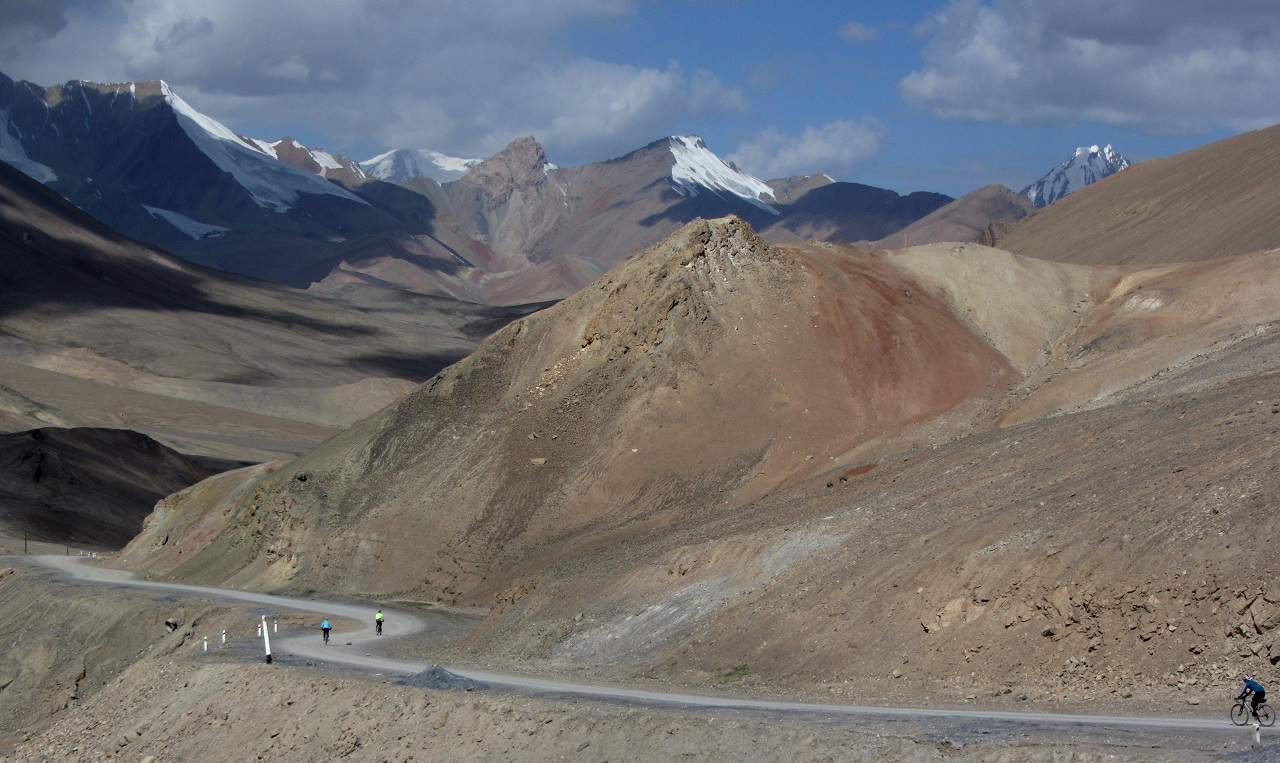
Riding across the Pamir plateau and over the formidable Ak Baital Pass at 4,655 metres, the highest point of the tour, the route continues into Kyrgyzstan via the Kyzyl Art Pass. The adventure concludes amid the sweeping grasslands of the Alay Valley, with views of 7,000m peaks, before finishing in Osh and Bishkek. This is high-altitude cycling at the cutting edge of adventure.
Dushanbe, the relaxed, leafy capital of Tajikistan, is located in Hissar Valley in the south of the country at the confluence of two rivers: Varzob and Kofarnihon. There is refreshingly little traffic along the wide tree-lined avenues. You can take a tram ride or stroll through the streets. The centre comprises one long street, crossed by a few other main streets.
Dushanbe means Monday in the Tajik language and is named so because it was once a small village with a popular Monday market. Today the city has a population of 600,000. Nowadays there are number of markets in the city, the busiest is Barakat Bazaar, selling textiles such as sequined embroidered clothing in bright colours with gold stitching and beautiful traditional ‘Suzane’ embroidered wall hangings. Shakhmansur is the biggest of Dushanbe’s bazaars where you will find local produce such as nuts, dried and fresh fruit, vegetables, meat, spices, and bread.
The National Museum of Tajikistan is just one of several you will find in the city. There are specialist museums with collections of antiquities, musical instruments and archaeological treasures. Evidence of Dushanbe’s historic past dates back over 3000 years.
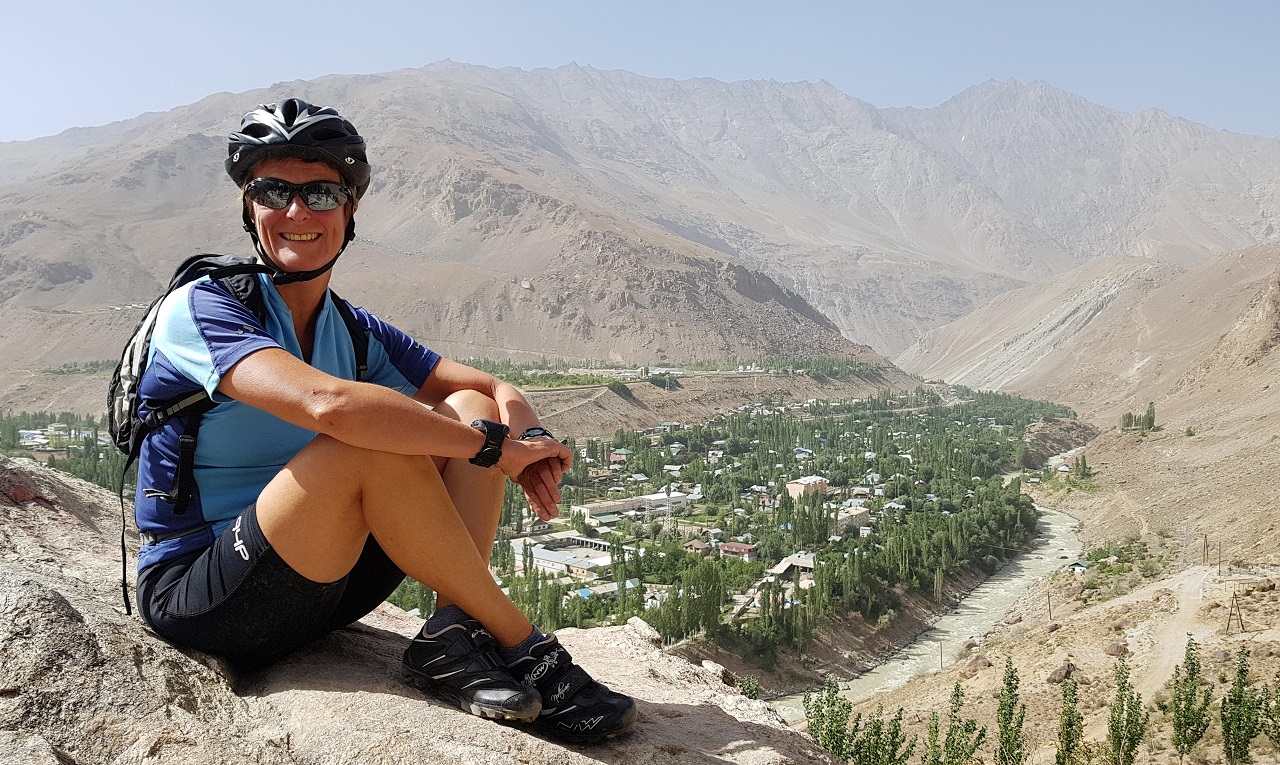
Khorog is the quiet capital of the Gorno-Badakhshan Autonomous Province (GBAO) in Tajikistan. It has a population of 28,000. At an elevation of 2,200 m (7,200 ft0 in the Pamir Mountains the town stands at the confluence of the Ghund and Panj rivers. The two rivers merge and flow as one water through the middle of the city, until reaching a delta in the Panj River on the border with Afghanistan.
Khorog is known for its beautiful poplar trees. A central town park is located at the riversides with immaculately maintained lawns and flower beds. Khorog museum contains historic and archaeological artefacts. Almost every guidebook on the area mentions the piano that was carried here by soldiers over the mountains from Osh for a general’s daughter to play. The town’s 100 year old botanical gardens are the second highest in the World. There is a lively bazaar in the town.
There are a number of hotels and restaurants were you can to sample some traditional Pamiri food. Typical dishes include laghman, manti, plov and other Central Asian classics, served with bread. Khorog is situated in a beautiful mountain valley along the Gunt River there are many NGO’s working here, with the Aga Khan Foundation taking the lead. Near Khorog there is a weekly market where Afghans and Tajiks can meet, talk and trade.
With a population of 4000 Murghab is about the only major town in eastern Gorno-Badakhshan. It is the highest town in Tajikistan at 3,650m and is located where the Murghab River meets the Pamir Highway. The modern town was constructed during the era of Soviet rule stopping point along the Pamir Highway. The population is half Pamiri and half Kyrgyz. There is a bazaar in the town where you will see local men mingling in their white embroidered felt Kyrgyz hats. Traders operate their stalls out of metal containers.
There was an important Russian military garrison here (the Pamirsky Post) established in 1893. It was the most advanced Russian military outpost in Central Asia. An imposing statue of Lenin in the town centre remains.
In the Persain language Murghab means ‘river of the birds’. Its location high on the Pamir plateau is quite stunning and around Mugab a number of tours run including trekking, wildlife watching, camel riding and visits to historic landmarks. On a clear day you will have a good view of the 7546m-high Chinese peak Muztagh Ata 100 km away in a direct line of vision.
Osh is often referred to as the Southern capital of Kyrgyzstan, it is one of the oldest known cities in Central Asia dating back over 2,500 years.
Osh city is built around the Islamic sacred ‘Sulaiman Too Mountain’ which rises dramatically out of the plains of the surrounding Fergana Valley. The site has long been a pilgrim tourist destination. Within the mountain you will find the National Memorial Museum ‘The Silk Road’ and Asaf in-Burkhia mausoleum. On the mountain’s highest peak where there is a small mosque originally built by Babur in 1510 much of which was rebuilt during the late 20th century.
The City’s Jayma Bazaar is one of Central Asia’s best markets, with an array of Uzbek, Kyrgyz and Tajik wares. Goods on sale include kalpaks (the Kyrgyz national felt hat), knives, horseshoes (forged by a back smith within the bazaar), Chinese tea sets and an array of seasonal fruit and vegetables. It stretches for about 1km along the west side of the Ak-Buura River, and crosses it in several places.
Be sure to visit a traditional tea house (Chaihana) and try authentic traditional Uzbek and Asian dishes oftandirnaya samsa and plov made with red rice (grown on red clay soil) and yellow carrots.

redspokes’ Tajikistan to Kyrgyzstan cycling tour begins in Dushanbe. On arrival, you will be met at Dushanbe airport and taken to your guesthouse. If you have arrived on an early morning flight you can arrange to check in early (for an additional charge) and catch up on your sleep (flights arrive at 4am). You are free today to explore the relaxed, leafy capital of Tajikistan. We will have a group meeting and trip briefing this evening.
Accommodation: Hotel (D)
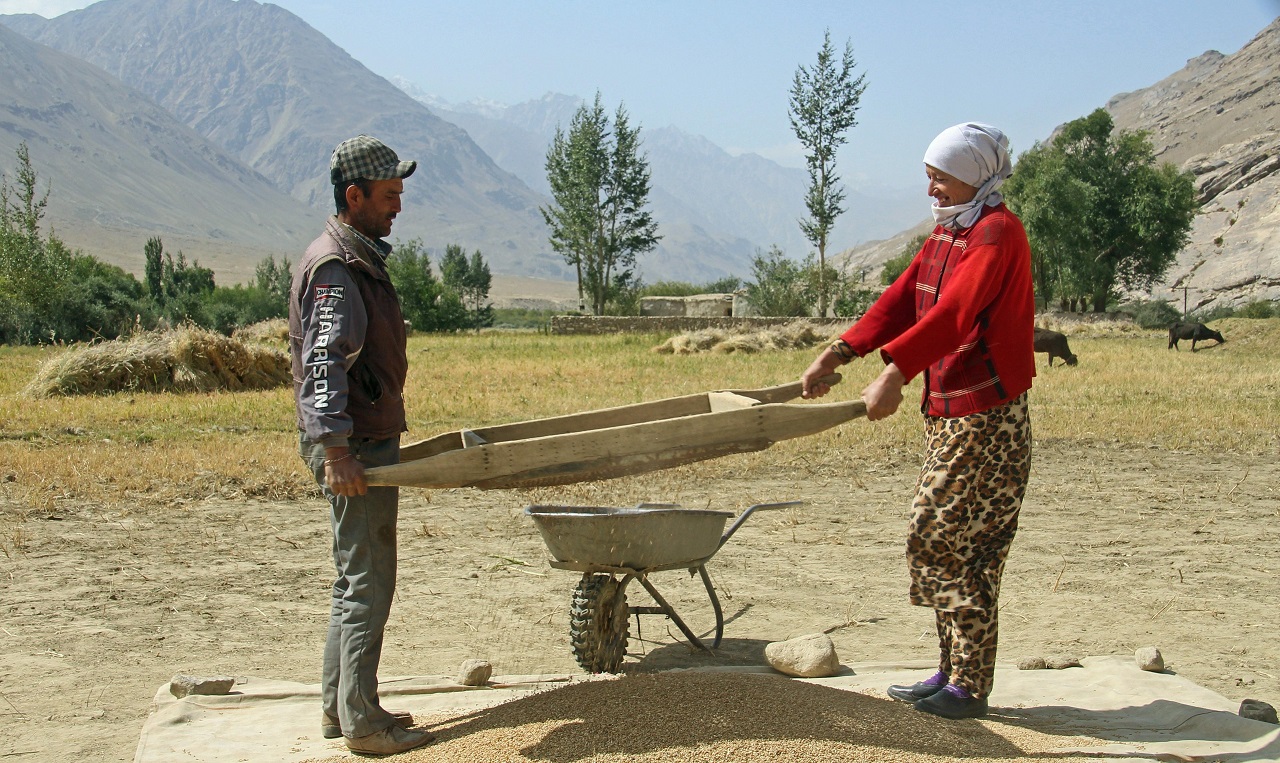
Today we transfer by vehicle heading towards the Pamir over the Shurabad mountain pass. As our journey progresses the road becomes very rough. Along the way we may see men and women toiling in the fields using scythes and other traditional farming methods. Over the pass the road meets with the Pianj River which marks the border between Afghanistan and Tajikistan. From here onwards we will enjoy views of the Pamir Mountains.
Accommodation: Guest House (B,L,D)
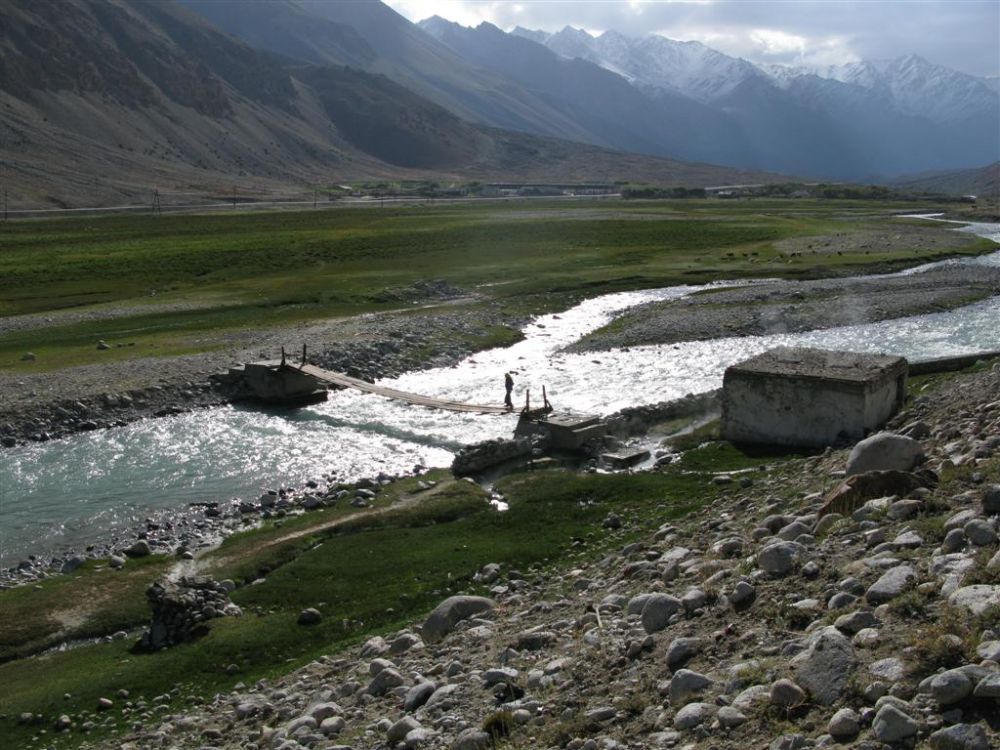
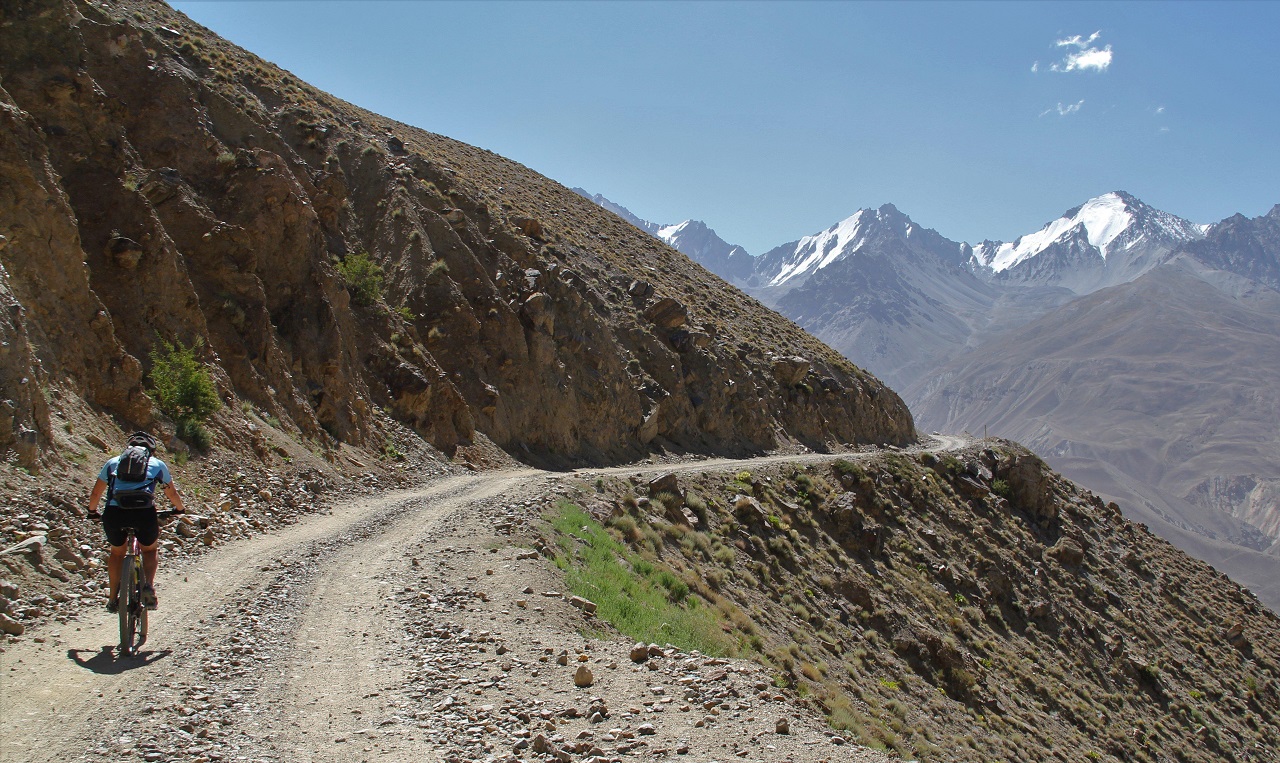
Today we continue with a short transfer before our cycling begins. As we reach the Pamir region (GBAO province) the landscape changes from lowlands to huge mountains. From Rushan we set off on our bikes, heading along the deep Pyanj valley towards Khorog. Afghanistan is just a short distance away across the river. The road rises and falls along this steep rocky valley as we cycle through small villages and apricot orchards. It will take most of the day to cover the distance to Khorog as we acclimatise to cycling at 2,000m above sea level.
Cycling Distance: 62km (39 miles)
Total Climb: 557m (1,827ft)
Total Descent: 376m (1,233ft)
Sleeping Altitude: 2,050m (6,726ft)
Accommodation: Guest House (B,L,D)
Khorog is the capital of (GBAO) Gorno-Badakhshan region; you have time today to visit the bazaar, the museum and 100 year old botanical gardens (Just outside the town on the road towards Roshtkala). You can sample some traditional Pamiri food. Typical dishes include laghman, manti, plov and other Central Asian classics, served with bread.
Khorog is situated in a beautiful mountain valley along the Gunt River there are many NGO’s working here, with the Aga Khan Foundation taking the lead. Near Khorog there is a weekly market where Afghans and Tajiks can meet, talk and trade.
Accommodation: Guest House (B)
Sleeping Altitude: 2,050m (6,726ft)
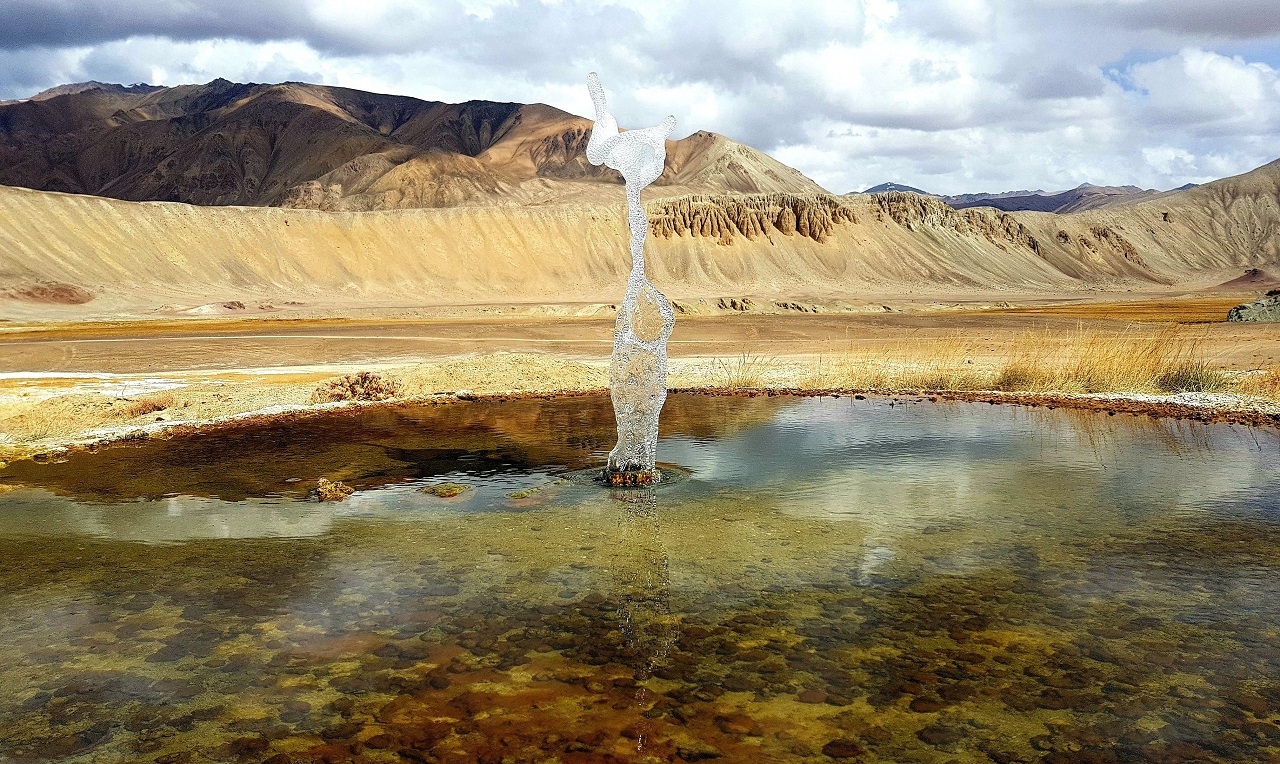
Today we continue our Pamir Highway cycling tour, riding along the valley. Our cycling route follows the Panj River upstream to Andarob for 44 km, we then ride a further 7km to Garam Chashma. This area is known for its hot springs which are popular with local communities. We can partake in a hot soak, a welcome reward for tired legs. The springs are characterised by distinctive calcium deposits and they are believed to have healing powers.
Cycling Distance: 45km (28 miles)
Total Climb: 822m (2,696ft)
Total Descent: 384m (1,260ft)
Sleeping Altitude: 2,575m (8,448ft)
Accommodation: Homestay (B,L,D)
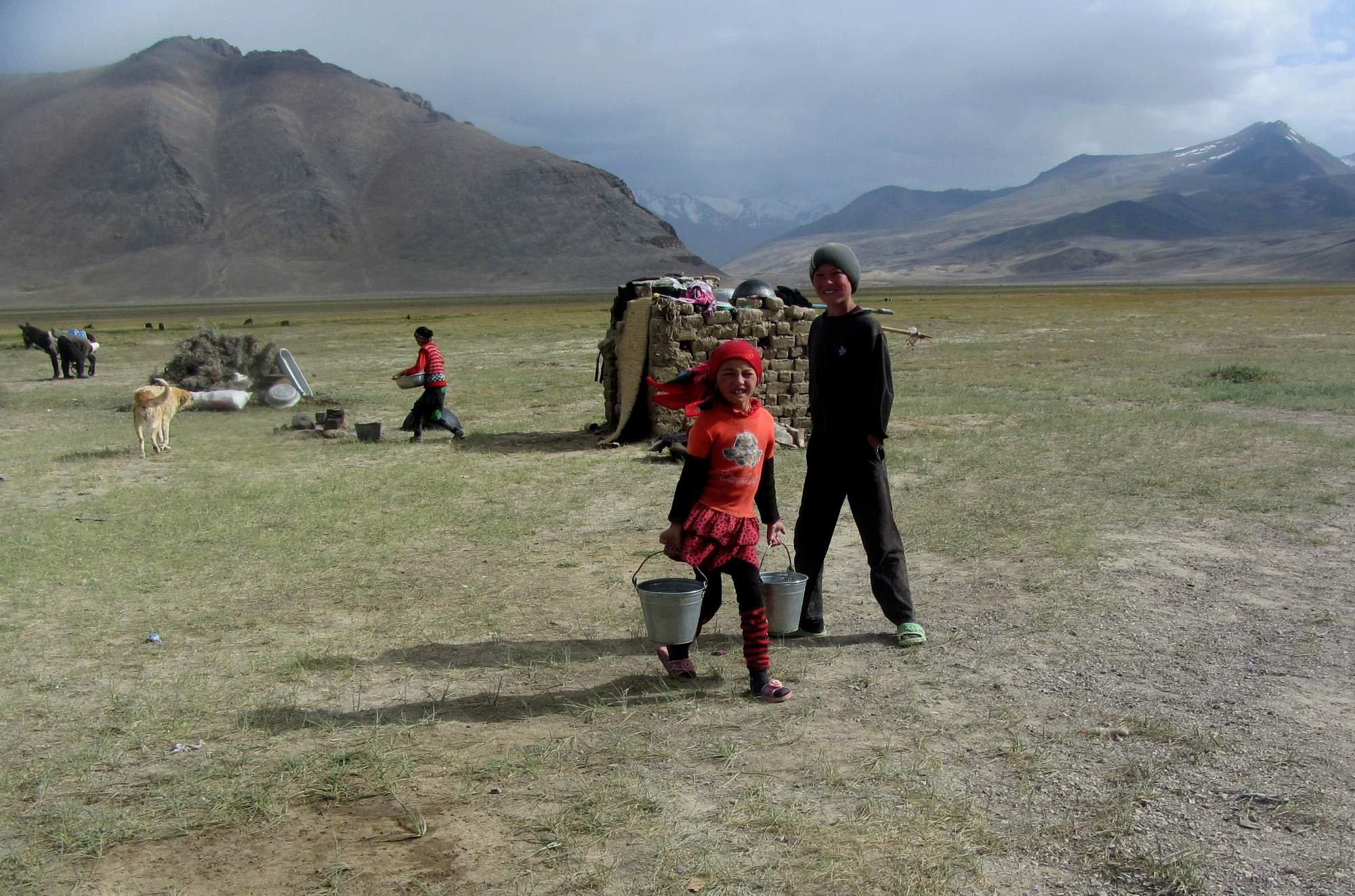
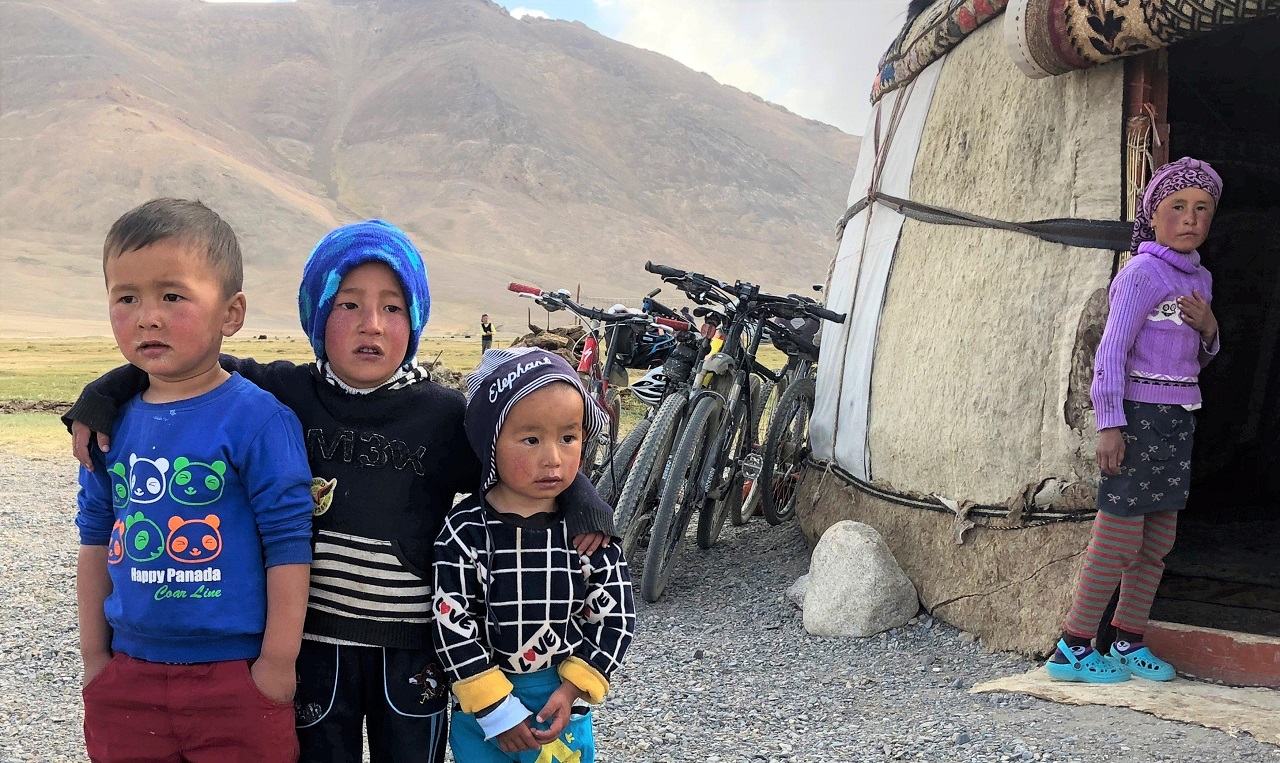
Our ride continues today as we cycle through an historic area, known for its gemstone mines. It is even referred to by Marco Polo in his writings. As we cycle south of Anderob we will see the Koh-i-lah ruby mine set back from the road. You have clear mountain views of the Afghan side of the Wakhan Valley from here. Tonight we stay in Ishkashim, the Wakhan’s regional centre and largest village. We will be welcomed by friendly and curious local children. Ishkahsim is home to a lively bazaar.
Cycling Distance: 75km (47 miles)
Total Climb: 572m (1,877ft)
Total Descent: 646m (2,119ft)
Sleeping Altitude: 2,465m (8,087ft)
Accommodation: Guesthouse (B,L,D)
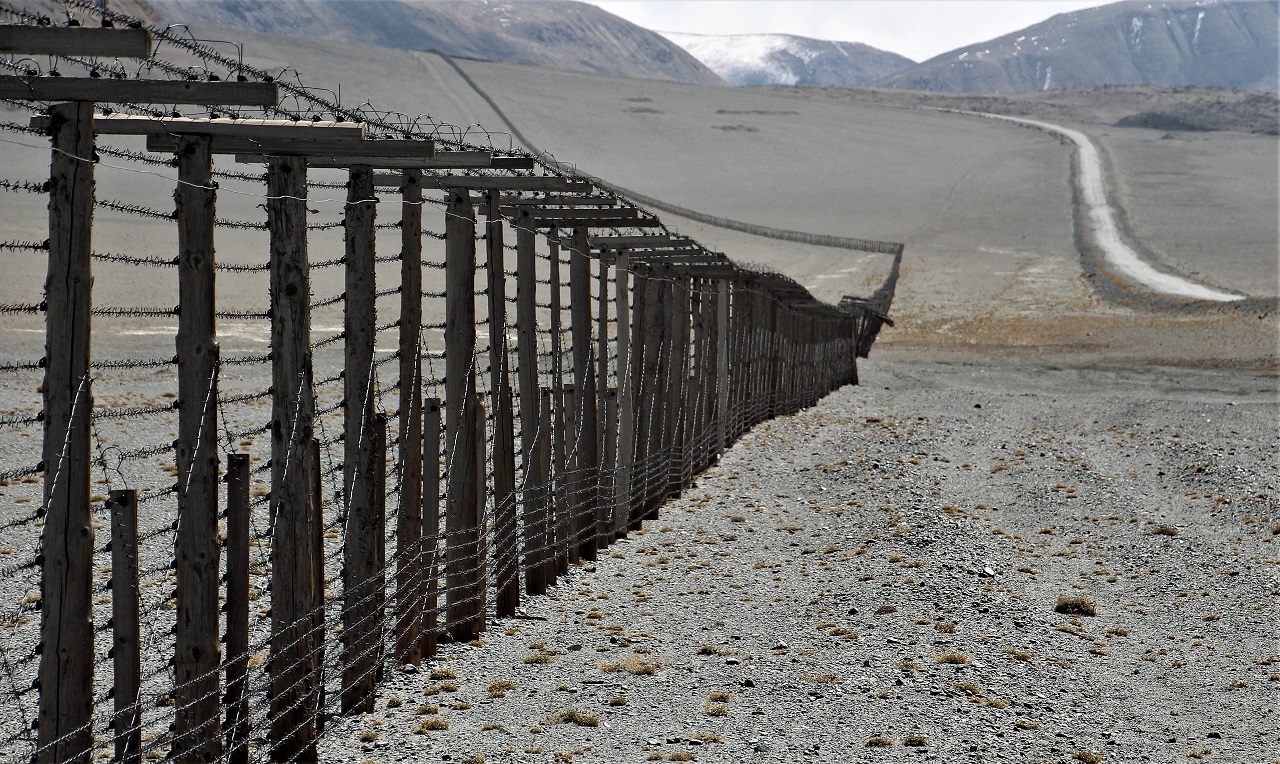
We ride today on the northern side of the Panj, following the river upstream. There are fantastic views of Afghanistan and the snow-capped Hindu Kush Mountains which rise up to the skyline on the far side of the water. Whilst on our side of the river we follow a well beaten track, over on the Afghan side there is only a dirt trail for people and donkeys to journey on. 15km beyond Ishkashim along the road to Namdguti, we pass the Khakha Fortress.
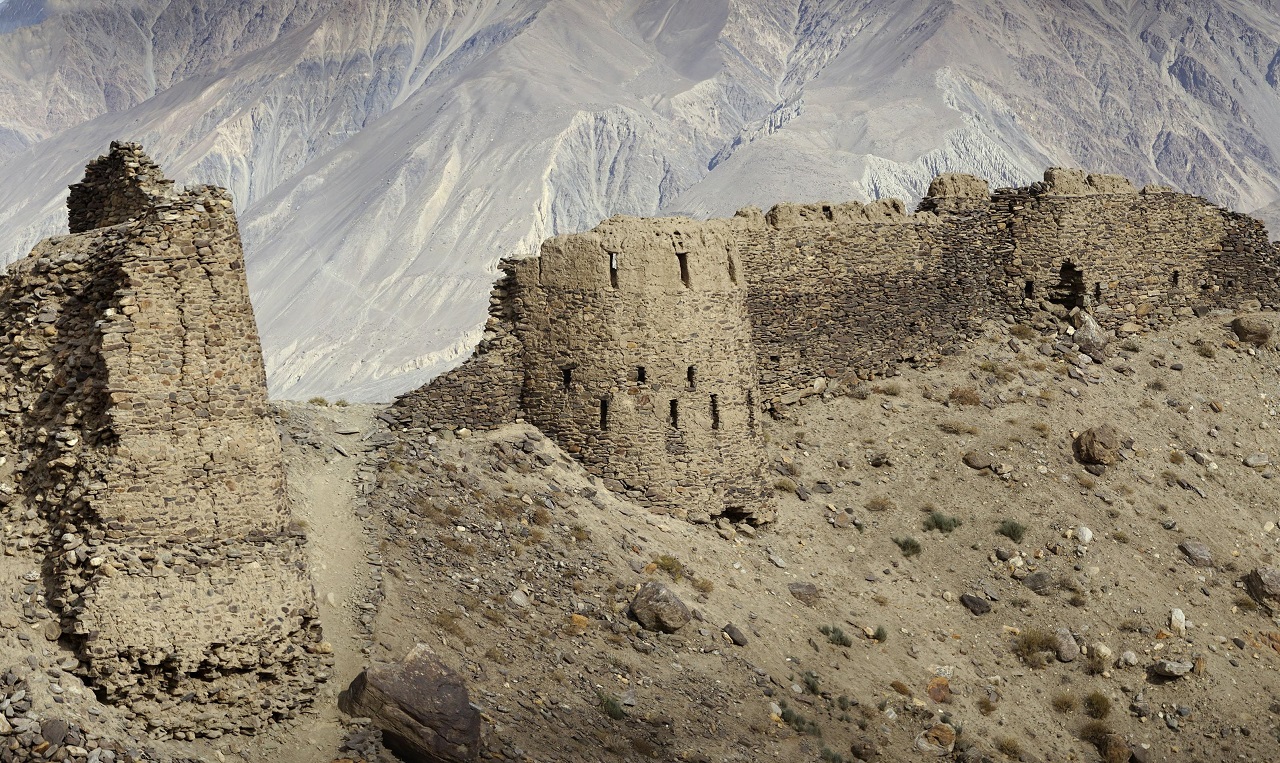
This impressive landmark dates back to the third century BC and rises out of a natural rock platform. It is currently used by Tajik Border guards, so it is best to check before taking any photos. 300m further from along the road from here is the Ismaili mazar (tomb) of Shah-i-Mardan Hazrati Ali, one of many places in Central Asia that claim to be the final resting place of the Prophet’s son-in-law.
We end the day in village of Yamchun.
Cycling Distance: 73km (45 miles)
Total Climb: 915m (3,002ft)
Total Descent: 690m (2,264ft)
Sleeping Altitude: 2,782m (9,127ft)
Accommodation: Guest House (B,L,D)
An important day to acclimatise and get ready for the hard cycling days ahead. Today there is time to visit Yamchun’s stunning 3rd Century BC fortress and take a soak in the Bibi Fatima hot springs. The waters of the springs are believed to increase a woman’s fertility. As a result they are a popular destination for Tajik women. This area is one of the most spectacular area of the Wakhan. The ruins of the 12th-century Yamchun Fort, magical amidst Tajikistan’s Pamir Mountains, are just below the spring.
Accommodation: Guest House (B)
Sleeping Altitude: 2,782m (9,127ft)
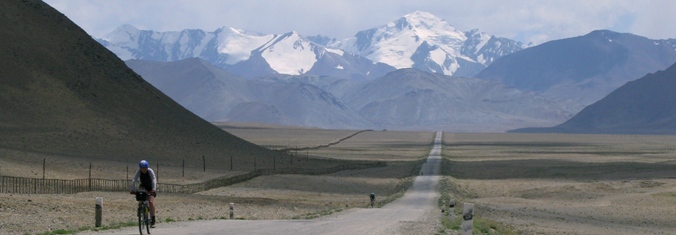
Today is a short cycling day as we continue to follow the Panj River upstream. After 7km we arrive for our first stop in the village of Vrang, where we will find a ruined fortress and some interesting 4th C Buddhist Stupas. There are sulphurous traces of geothermic activity and many caves around the area. Around 16km from Vrang we pass hot springs that are popular with the local community. Cycling a further 4km along our way, across the river we will see the ruined Afghan fort of Qala-i-Panja. This was once the largest settlement in the Wakhan.
We continue cycling for a further 29km coming to Abrashim Qala (Vishim Qala in Wakhi), the ‘Silk Fortress’ of Zong. The fortress was built to guard this stretch of the Silk Road from Chinese and Afghan invaders. There are wonderful scenic views of the valley from here. Our destination for this evening is Langar. Langar marks the start of Afghanistan’s Upper Wakhan, or Sarkhad region, located at the point where the Pamir and Wakhan Rivers join to form the Pyanj.
Cycling Distance: 42km (26 miles)
Total Climb: 310m (1,017ft)
Total Descent: 250m (820ft)
Sleeping Altitude: 2,824m (9,265ft)
Accommodation: Homestay (B,L,D)
Today we will cycle a long, tough ride. The sandy roads combined with a lack of oxygen make this one of the hardest days of the trip. However the stunning views of the Hindu Kush on the Afghan side of the river make it all worthwhile. Soon after we depart Langar, we leave the Panj River behind, we then cycle a route that follows the Pamir River upstream. The Pamir River is much smaller than the Panj, so we have a closer view of Afghanistan. The road is quite rough with loose stones so we need to take care. Keep an eye out for Bactrian camels on the far (Afghan) side of the Pamir River. We camp just after the military check post at Khargush.
Cycling Distance: 68km (42 miles)
Total Climb: 1,560m (5,118ft)
Total Descent: 395m (1,296ft)
Sleeping Altitude: 3,960m (12,992ft)
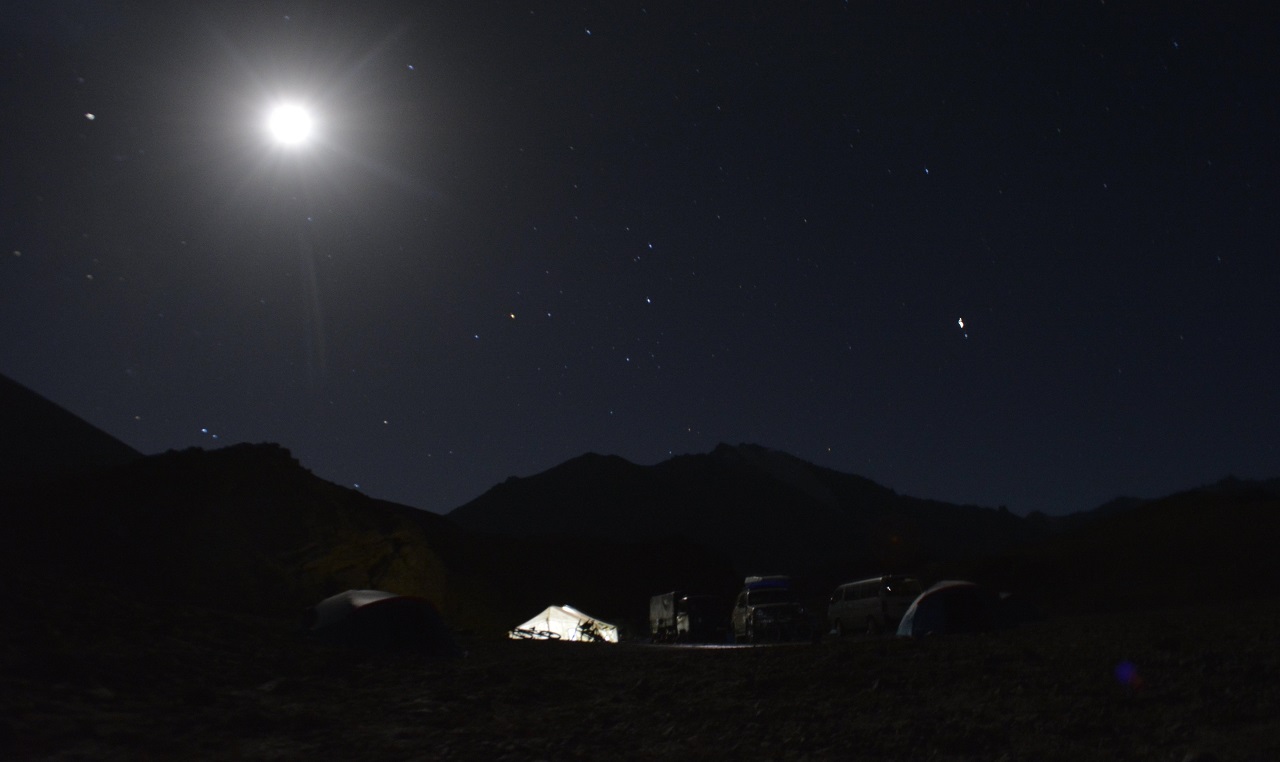
Accommodation: Camp (B,L,D)
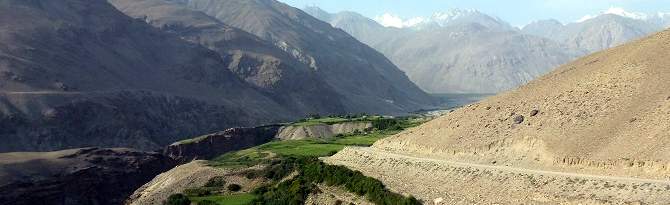
Today’s ride begins with a gruelling 10km cycle to the top of the 4,344m Kargush Pass. This is our highest point so far, on the least visited mountain range in the world. From here we will have a clear view of the Koh-i-Pamir massif in Afghanistan. We ride on for a further 22km mainly descending on difficult, sandy roads until we re-join the Pamir highway. After another kilometre we are riding off road again towards Lake Yashilkul, a fresh water lake surrounded by wet lands, sand and pebble shores, at an altitude of 3700m.
We stop at a small cluster of houses close to the lake where we will stay the night. Later this afternoon we can visit the eastern lakeside and go for a dip in the small hot springs.
Cycling Distance: 48km (30 miles)
Total Climb: 560m (1,837ft)
Total Descent: 743m (2,437ft)
Sleeping Altitude: 3,604m (11,824ft)
Accommodation: Camp (B,L,D)
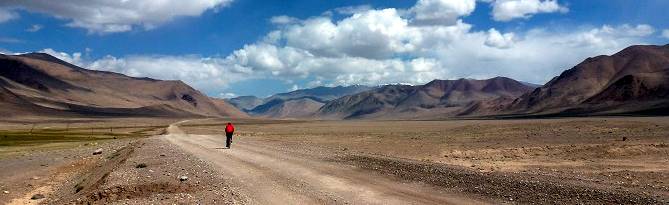
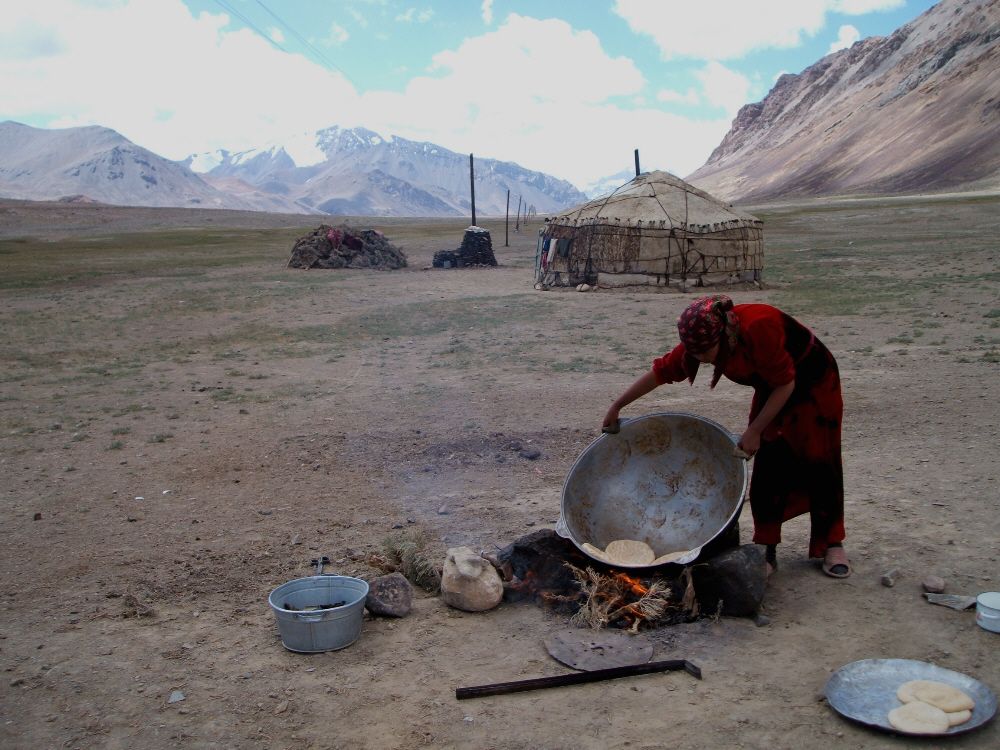
We start the day cycling off road around the eastern part of lake where the waters have an emerald hue. Yashilkul means ‘the green lake’. The lake’s deepest point is 50m from the surface and is 19km long. The water is clean and clear; trout and marinka fish are visible from the surface. We cycle on re-joining the Pamir Highway at Alichur where we will stop for lunch. This afternoon we ride a further 26km along a route that passes nomding dwellings, yak and moonscape terrain to reach our Yurt camp.
Cycling Distance: 82km (51 miles)
Total Climb: 620m (2,034ft)
Total Descent: 395m (1,296ft)
Sleeping Altitude: 3,938m (12,919ft)
Accommodation: Yurt (B,L,D)
Today ride begins with a gentle 30km climb to the summit of Niezatash Pass (4,314m). This is followed by a lovely descent as we cycle on to Murghab – Tajikistan’s highest town at a dizzying altitude of 3,650m. The ride feels like the true bam-i-dunya (roof of the world). We will stay tonight in a friendly guesthouse and can stock up on supplies in the small bazaar.
Cycling Distance: 78km (48 miles)
Total Climb: 1,497m (4,911ft)
Total Descent: 1,946m (6,385ft)
Sleeping Altitude: 3,618m (11,870ft)
Accommodation: Guest House (B,L,D)
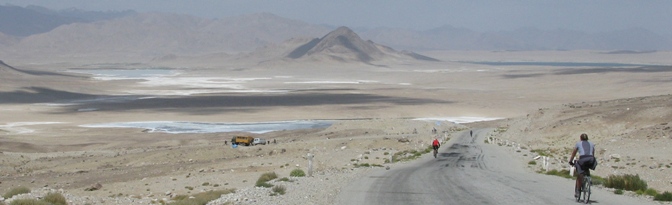
Murghab is the highest town in Tajikistan at an altitude of 3,650m. It was built at the meeting point of the Pamir Highway and the Murghab River and is the capital of the Gorno-Badakhshan Autonomous Region. In the Persain language Murghab means ‘river of the birds’.
Sleeping altitude: 3,618m (11,870ft)
Accommodation: Guest House (B)
Cycling distance won’t be a problem today; the challenge is the thin air as we cycle through increasingly sparse but beautiful scenery all the way towoard the Ak Baytal Pass and our camp/lodgings at over 4,400m.
Everyone will want a good night’s rest before our final mountain pass tomorrow which can be difficult at this altitude. It is usual to experience fragmented sleep at these heights.
Cycling Distance: 49km (30 miles)
Total Climb: 857m (2,812ft)
Total Descent: 49m (161ft)
Sleeping Altitude: 4,429m (1,4531ft)
Accommodation: Camping/lodging (B,L,D)
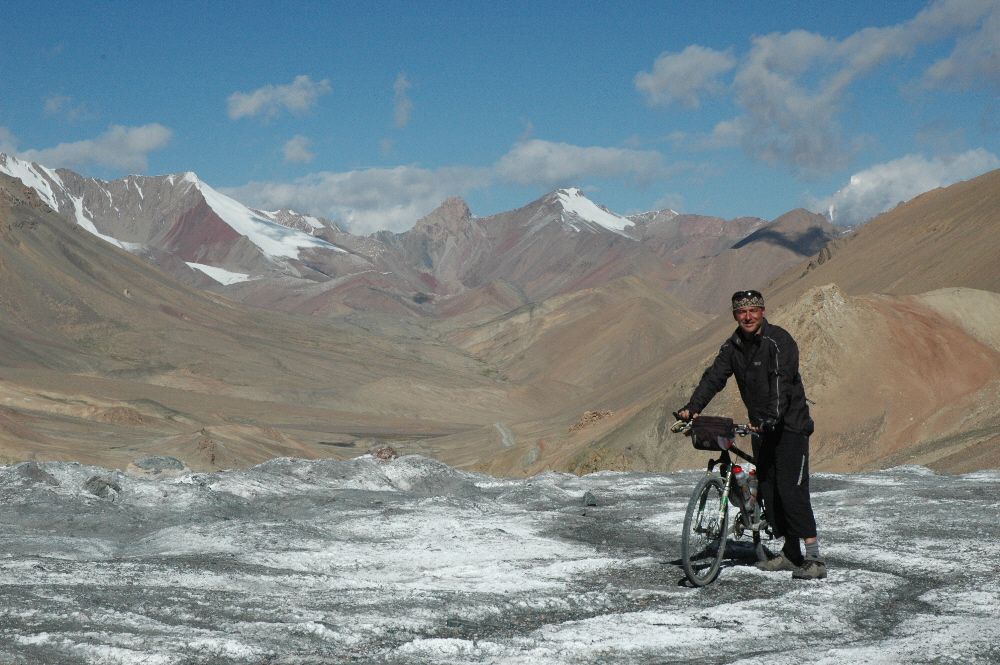
We start the day with a steep 3km (300m) climb to the summit of Ak Baital Pass at 4,655m, the high point of the trip! Although it’s a steep climb in the thin air, it is not desperately long.
After riding very rough, equally steep 7km descent from the pass we ride a gentle 58km through the remote valley that leads us to the lakeside settlement at Kara Kul. Formed by a meteorite some 10 million years ago the lake at Kara Kul is a hauntingly beautiful place with a stunning view of the Pamir Mountains. Today is undoubtedly one of the highlights of the trip.
Cycling Distance: 62km (38.5 miles)
Total Climb: 399m (1,309ft)
Total Descent: 860m (2,822ft)
Sleeping Altitude: 3,768m (12,365ft)
Accommodation: Homestay (B,L,D)
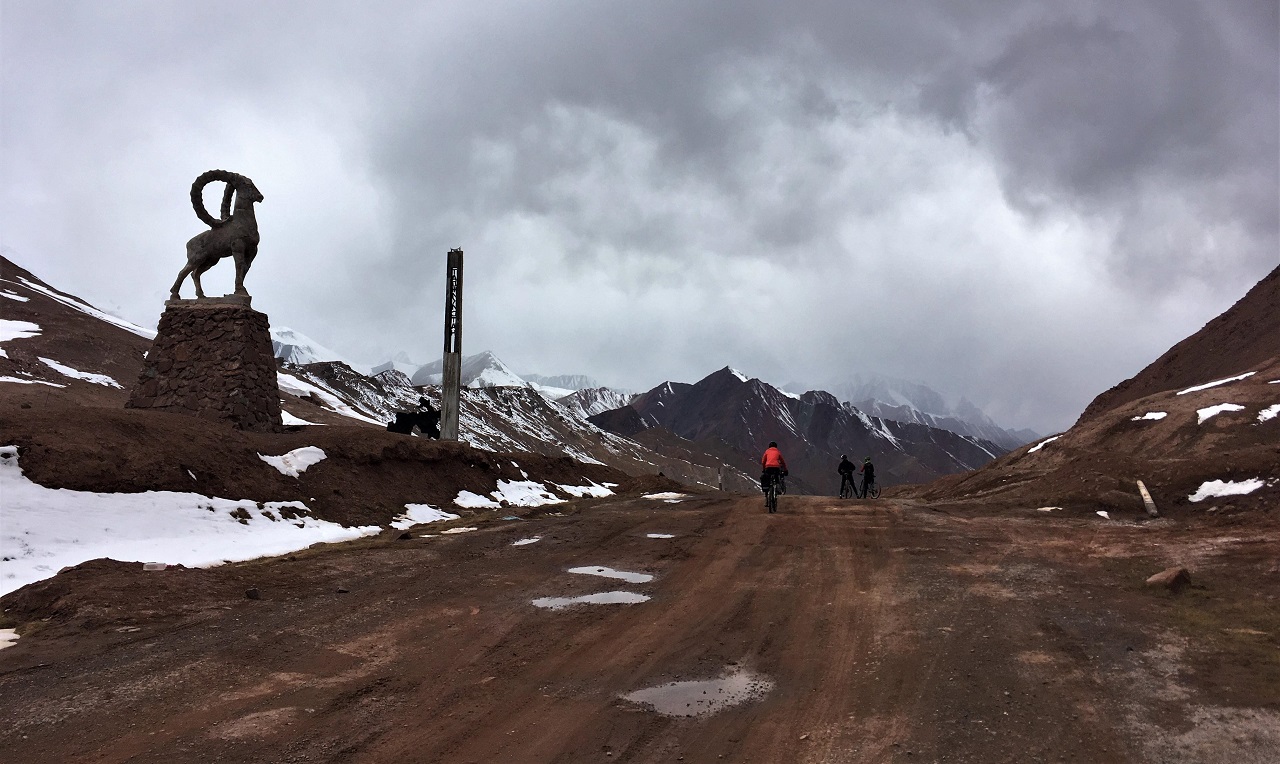
We continue biking around the lake for a flat 20km before cycling the first of two climbs to the Kyzl-Art Pass, the border point between Tajikistan and Kyrgyzstan.
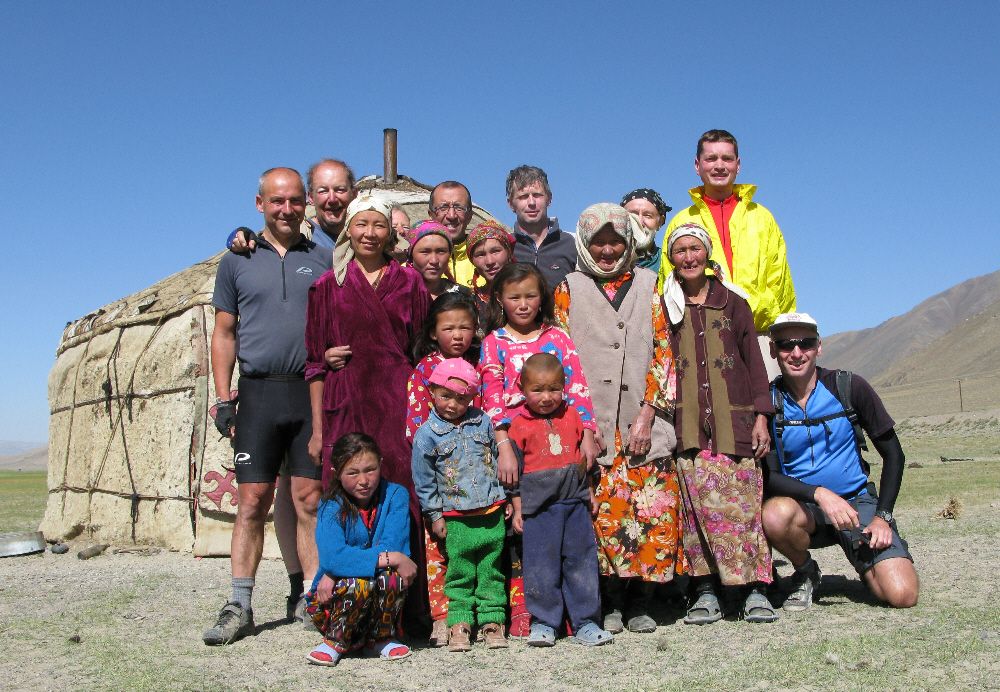
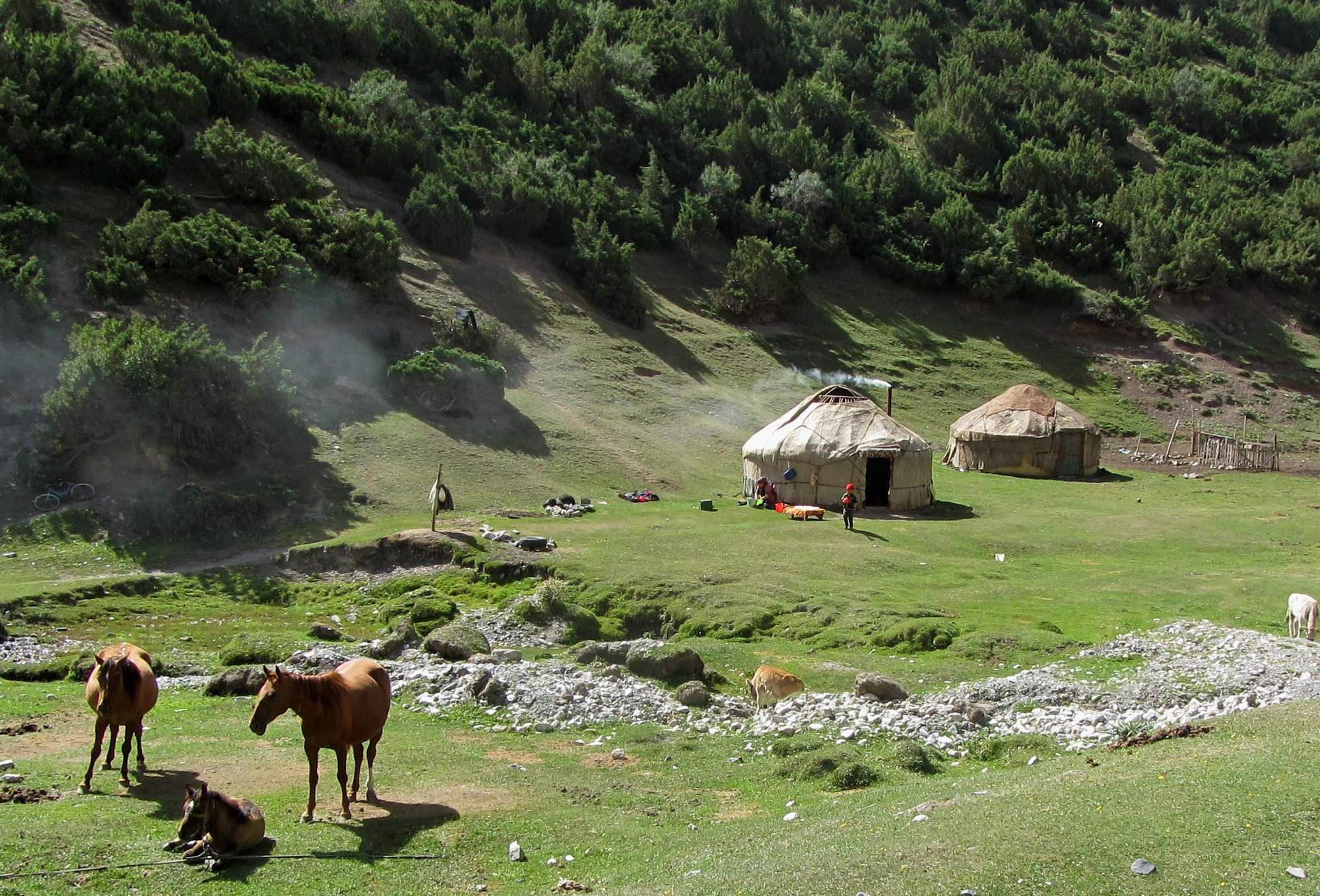
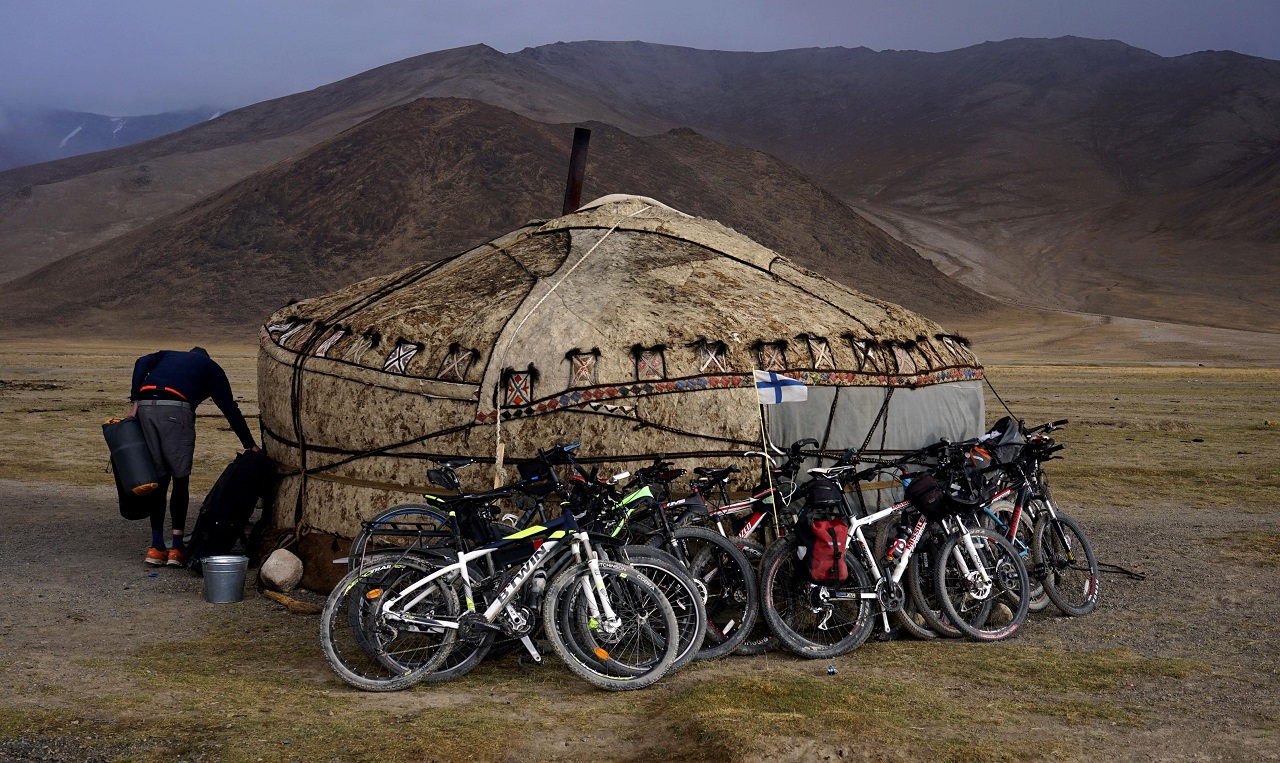
After a thorough security check at the border, a very rough descent takes us into the wide Alay valley. We have spectacular views of the 7,000m summits of Koh-I-Samani and Koh-I-Garmo. The valley is a favourite spot for Kyrgyz nomads and the grasslands are studded with their traditional yurts. Tonight, we stop in Sary-Tash, a tiny remote village surrounded by picturesque mountains.
Cycling Distance: 94km (58 miles)
Total Climb: 756m (2,480ft)
Total Descent: 1,307m (4,288ft)
Sleeping Altitude: 3,169m (10,397ft)
Accommodation: Yurt/homestay (B,L,D)
Today we will transfer by road to Osh (about 3 hours). We take an afternoon flight to Bishkek.
Accommodation: Hotel (B)
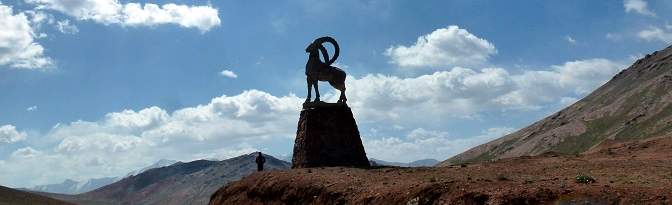
redspokes Tajikistan to Kyrgyzstan: Pamir Highway tour ends this morning. You will be transferred to the airport this morning for your flight home.
Tour Status Definitions
Booking & Payments
Small Group Note
For groups of fewer than four participants, the guide may lead from the support vehicle rather than cycling with the group, ensuring full logistical and guiding support.
Meal Key (used in the itinerary)
Tour Start
Tour End
Flights
We choose accommodation on the basis of comfort rather than luxury. Our prices are based on sharing a twin room. Should you wish to have a room all to yourself there is a single supplement option on the majority of our tours. For more information on the additional costs please see dates and prices.
The accommodation for this trip is split between either Camping, Yurts, Homestays, Guest House & Hotel.
Some hotels will have en-suite facilities and air conditioning.
Meals on Tour
Most meals are included in your tour price, except on rest days and a few other occasions.
Please check the itinerary for all meals provided.
Dietary Requirements
If you have any special dietary needs, please let us know at the time of booking.
We can cater for most diets, but advance notice is essential to ensure the best experience.
Food in Tajikistan and Kyrgyzstan is hearty, simple and full of Central Asian flavour. Meals are usually based around bread, rice, noodles, vegetables and meat, with tea served throughout the day.
Breakfast is often straightforward: tea, bread, butter, jam and sometimes eggs or porridge. Flat bread is served with most meals and is an important part of local hospitality. It is treated with respect and should not be placed upside down.
Typical dishes include plov, a rice dish cooked with vegetables and small pieces of meat, and laghman, a noodle soup usually made with mutton. Fresh salads are commonly made with tomato and cucumber, and local yoghurt is often very good. Pork is not eaten.
Outside the main towns, Western food is limited. Restaurants in larger settlements may offer Russian or Western-style dishes, while traditional teahouses, known as choihonas, serve local meals. In some places, guests sit on raised platforms around low tables with thin mats.
Vegetarians can be catered for, but choices may be limited, particularly in remote areas where meat-based dishes are common and fresh produce can be scarce. Fruit is seasonal, with apricots and watermelon among the most common when available.
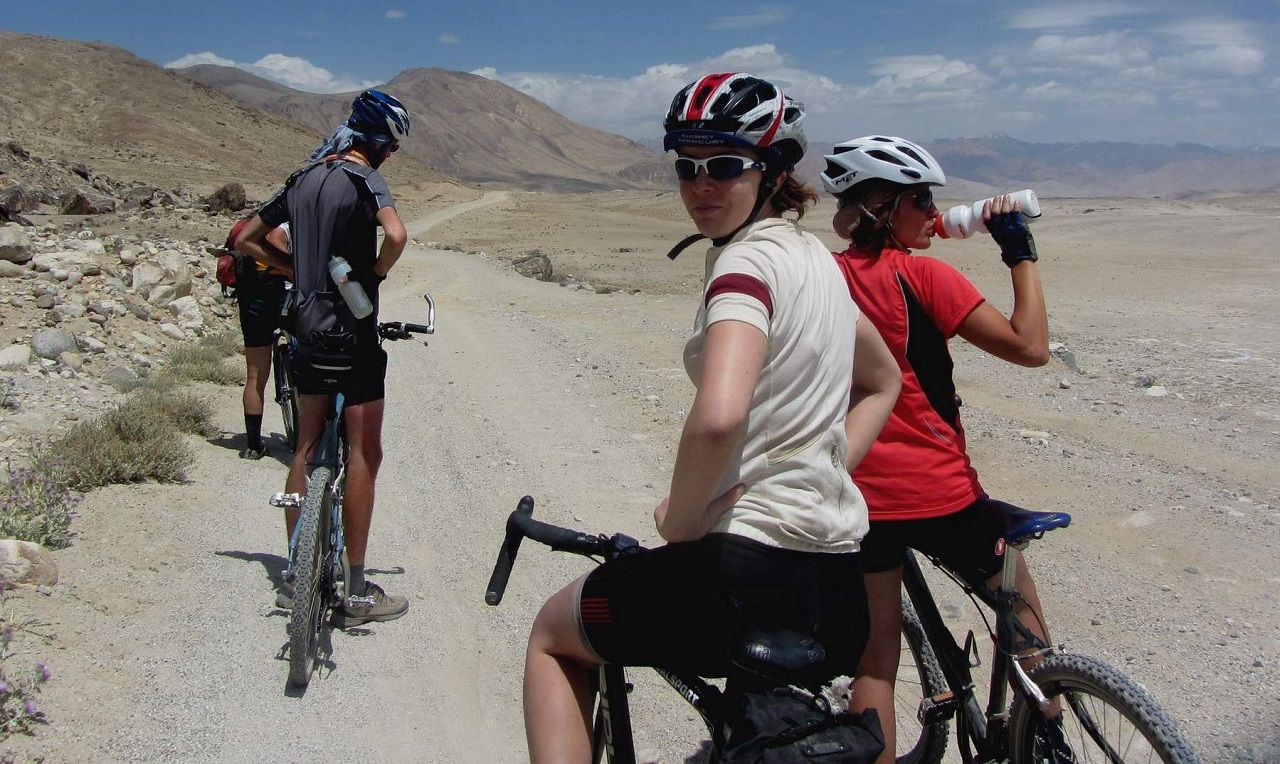
The staple drink is tea, usually black or green. Soft drinks can be found in towns and occasional roadside shops. Safe drinking water is not always widely available, so bottled or treated water will be provided during the tour.
In Kyrgyzstan, you may also come across kymyz, a traditional, slightly alcoholic drink made from fermented mare’s milk.
Support Vehicle
On-Ride Support
Helmet Policy
For this tour we are unable to offer bike hire. Please see details in Bringing your own bike section for advise on what kind of bike is suitable for this trip.
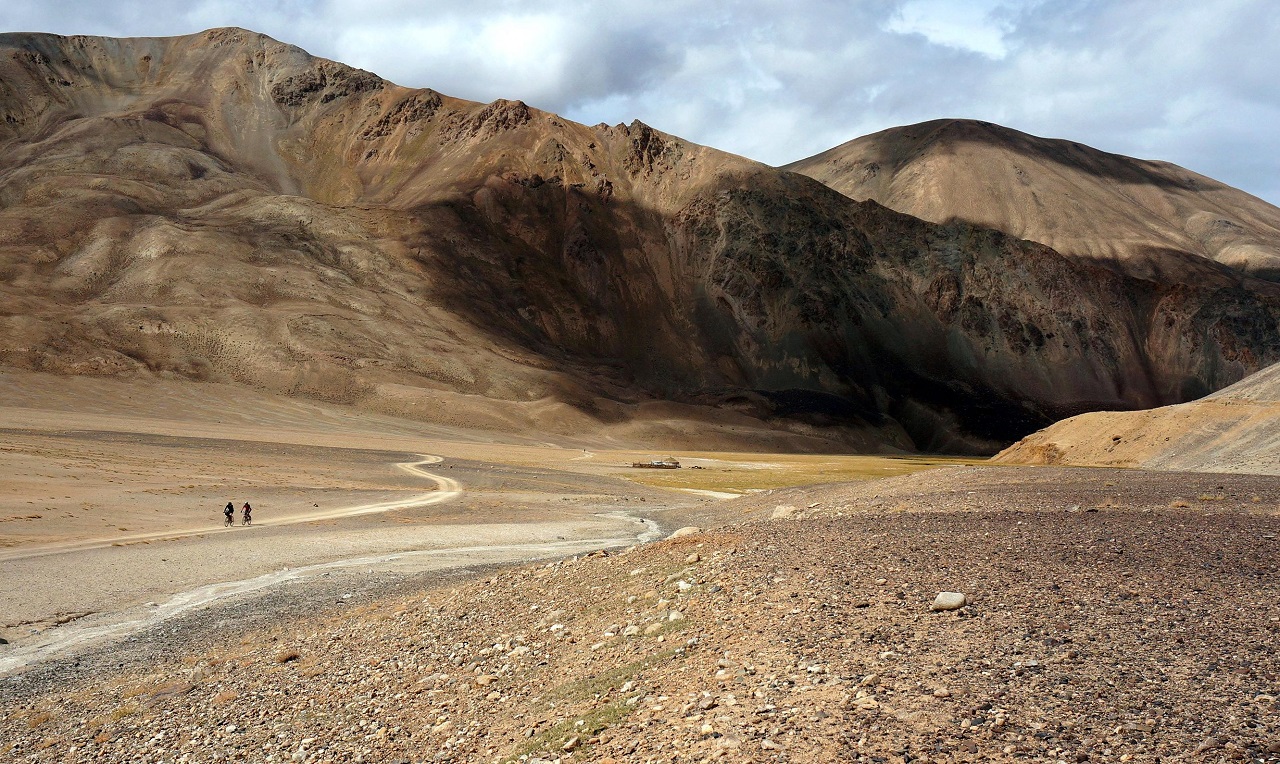
For this tour we recommend a good, tough mountain bike. The route includes a mix of poorly maintained tarmac, rough gravel tracks, washboard surfaces and potholes, so a strong, reliable bike is important.
Front suspension is recommended and will make the rougher sections more comfortable, although it is not essential. A full-suspension bike is also suitable, but may feel harder work on the longer tarmac sections. If you ride with flat bars, bar ends can be useful, giving you an alternative hand position on the climbs and longer days.
The tour can be ridden on a traditional touring bike, but only if it is robust and well prepared. You will need strong wheels, low gearing and sufficiently wide tyres. We would suggest 37mm tyres as an absolute minimum, with wider tyres preferable. Strong 36-spoke wheels with good quality rims are recommended.
Low gearing is important, as there are long climbs and some demanding rough-road sections. A 22-tooth granny ring on the front, with an 11–32 or 11–34 cassette on the back, should be suitable for most riders.
Comfort is also essential. There are some long days in the saddle, so please make sure your saddle, riding position and bike set-up are all tried and tested before the tour.
The best tyre choice is a tough, hardwearing touring or expedition tyre with enough tread for gravel, but not so much that it feels slow on tarmac. Schwalbe Marathon XR, or a similar robust tyre, would be a good option.
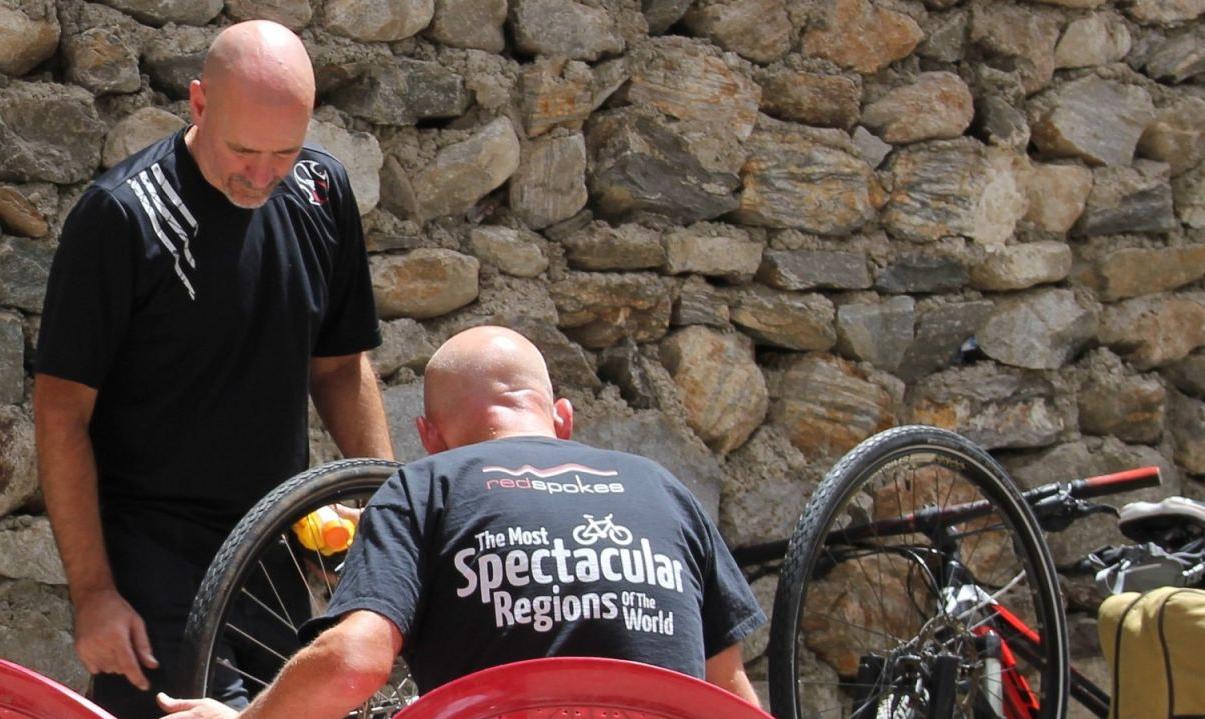
We strongly recommend that your bike is fully serviced before departure. Please check the wheels, spokes, bearings, gear and brake cables, chain, quick releases, tyres and wheel rims. All nuts and bolts should be tightened, and we recommend fitting new inner tubes before travel.
We recommend bringing the following spares and tools:
Your bike must be carried as part of your airline luggage allowance. A bike packed in a cardboard box usually weighs around 15–20kg, so please bear this in mind when packing. You may need to pay excess baggage charges depending on your airline.
Currency
The local currency in Tajikistan is the Tajikistani Somoni (TJS). In Kyrgyzstan, the local currency is the Kyrgyz Som (KGS). You will need local currency for most small purchases, drinks, snacks and personal expenses.
Foreign currencies are not usually accepted for day-to-day purchases, especially outside the main towns. USD is generally the easiest currency to exchange, followed by Euros. GBP may be harder to exchange once outside larger cities.
ATMs are available in Dushanbe and Bishkek, and in some larger towns, but they should not be relied upon in remote areas. Card payments are limited outside the main cities, so cash is essential for this tour.
We recommend bringing:
Where to Exchange
Spending Money
How much you spend depends on personal preferences, but £250 / $300 is usually enough for drinks, snacks, small souvenirs and extras during the tour.
Tajikistan and Kyrgyzstan are generally affordable, but opportunities to spend money are limited in remote mountain areas. In the larger towns, you may wish to budget extra for additional drinks, souvenirs or meals not included in the tour.
Tipping
Tajikistan
Kyrgyzstan
Important
.
Travel Insurance
Mandatory for all participants and must cover:
Health & Vaccinations
Staying Hydrated on Hot Rides – 6 Tips for Cyclists
As a cycling company, we know how important proper hydration is—especially when you’re out riding in hot conditions. Below are some general hydration tips that riders find helpful for staying fuelled and feeling strong on the bike.
Please note: We are not medical professionals and this information should not replace advice from a qualified healthcare provider. Each cyclist is different, so if you have specific health concerns or conditions, it is always best to consult your doctor and adhere to their advice.
1. Prioritize Gut Health
2. Time Your Hydration
3. Hydrate Beyond Water
4. Don’t Forget the Minerals
5. Absorb Water Better
6. Keep Your Electrolytes in Check
In terms of clothing this is clearly up to you and we can only supply a rough guide as to what to take. This guide is entirely flexible and should be tailored to your specific needs.
Our guides carry first aid supplies, however we recommend you bring your own first aid kit which should contain the following item;
Miscellaneous
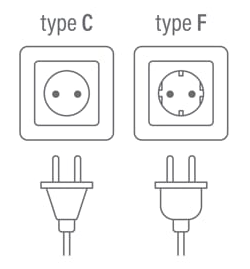
Electricity in both Tajikistan and Kyrgyzstan usually runs at 220 volts with a frequency of 50Hz.
Both countries use plug and socket types C and F.
Type C has two round pins.
Type F has two round pins with earth clips on the side.
Travellers from the UK will need a travel adaptor. We recommend bringing a universal adaptor and a power bank, as electricity may be limited in remote areas.
Republic of Tajikistan
Kyrgyz Republic
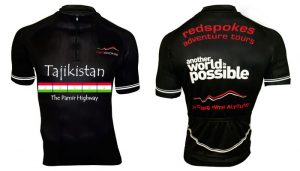
Our professional cycling tops are designed with three rear elasticated pockets to give you plenty of space for your cycling essentials and comes with a silicone bottom hem. Lined with COOLMAX ® to keep you cool and comfortable and ensure moisture wicking. Available in varies sizes so please refer to size charts for more information.

See our Accommodation Grading page for more details.
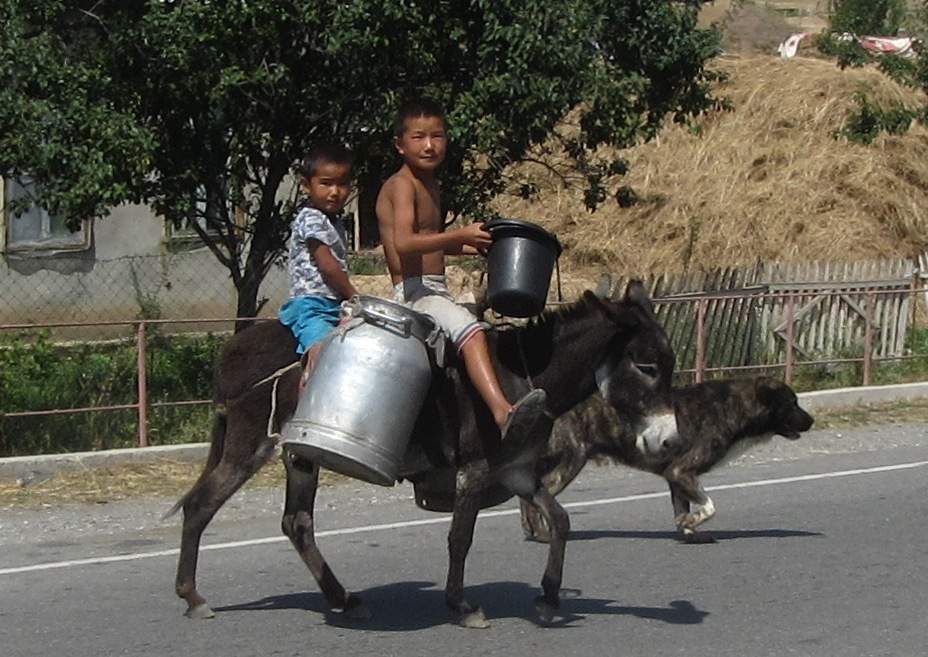
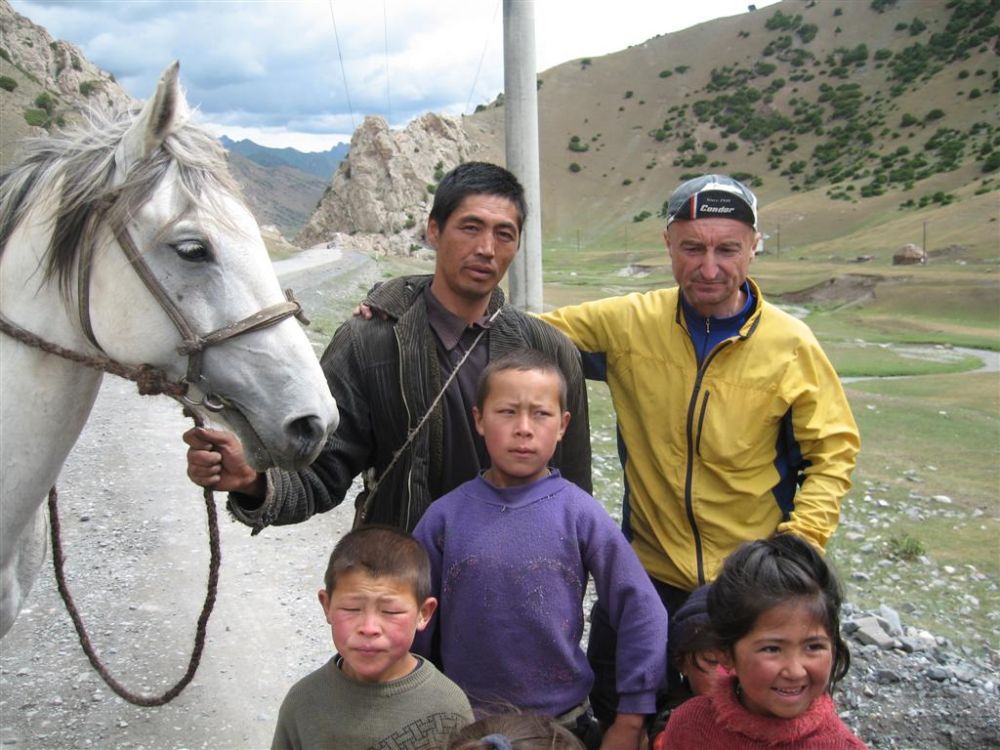
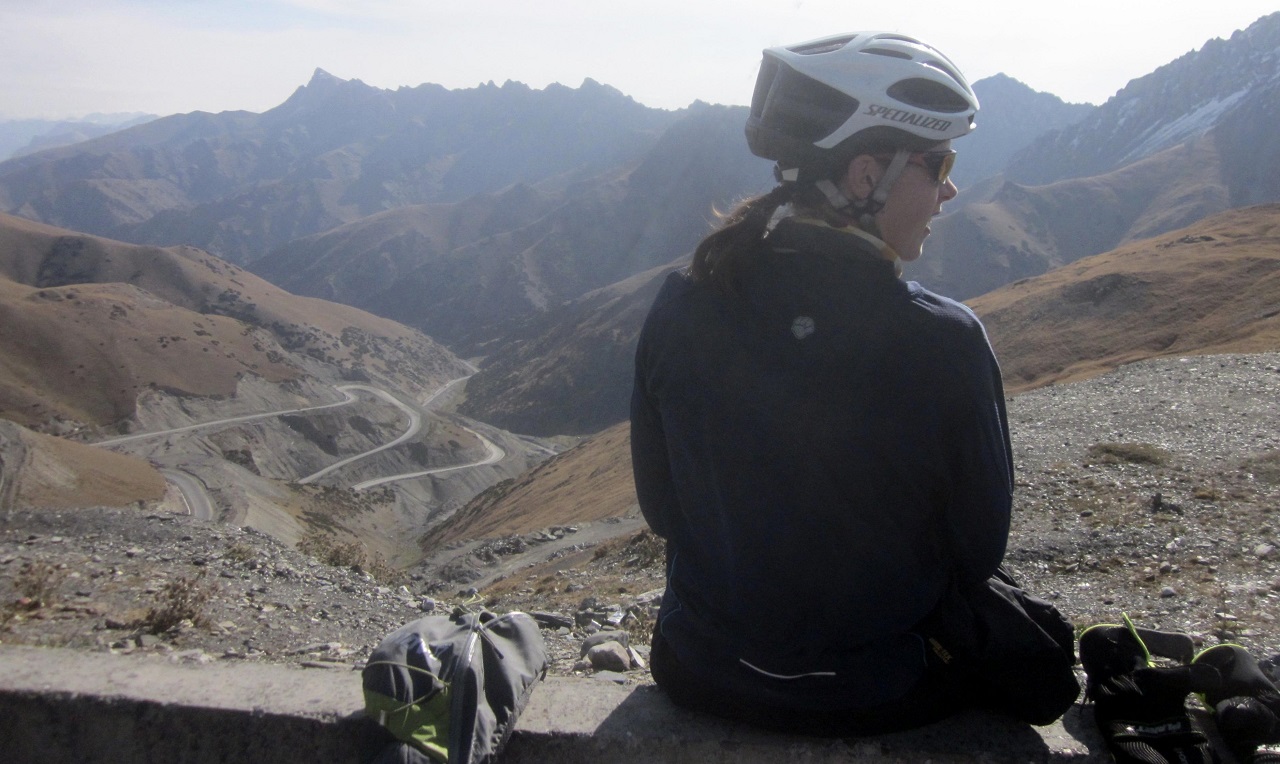
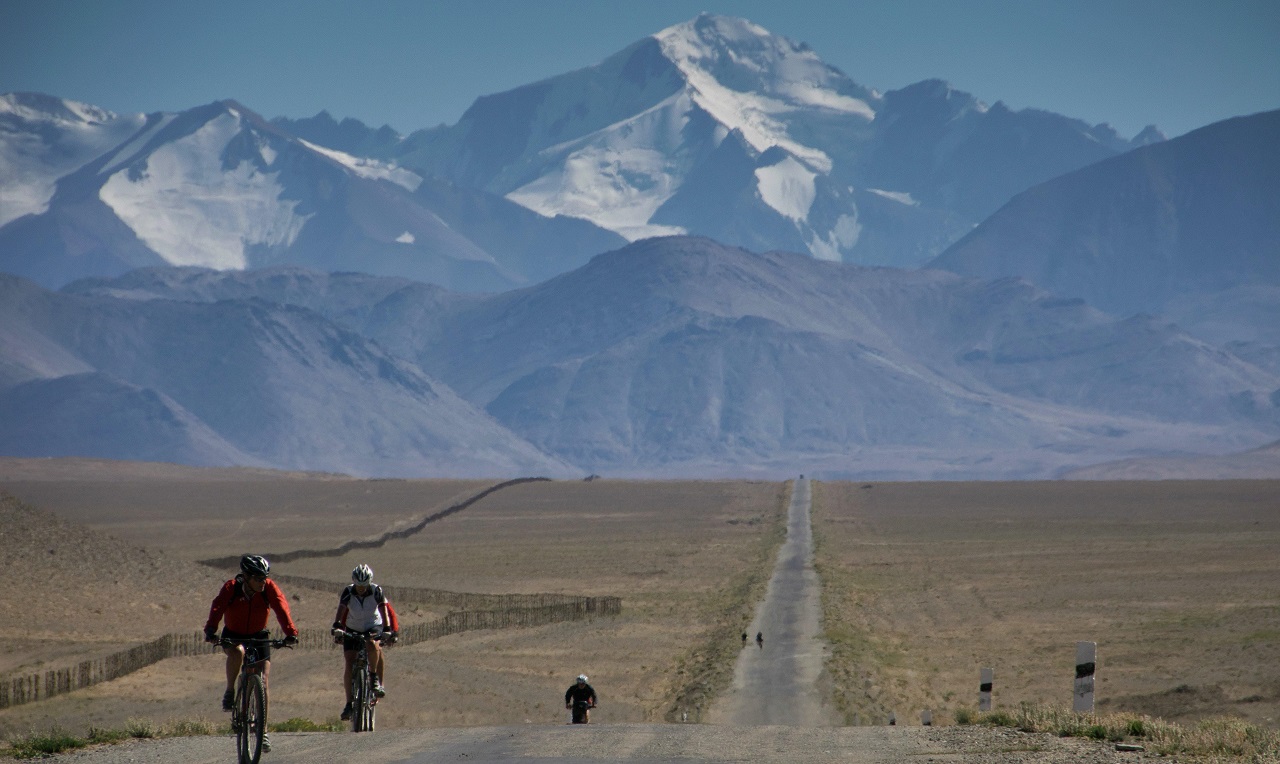
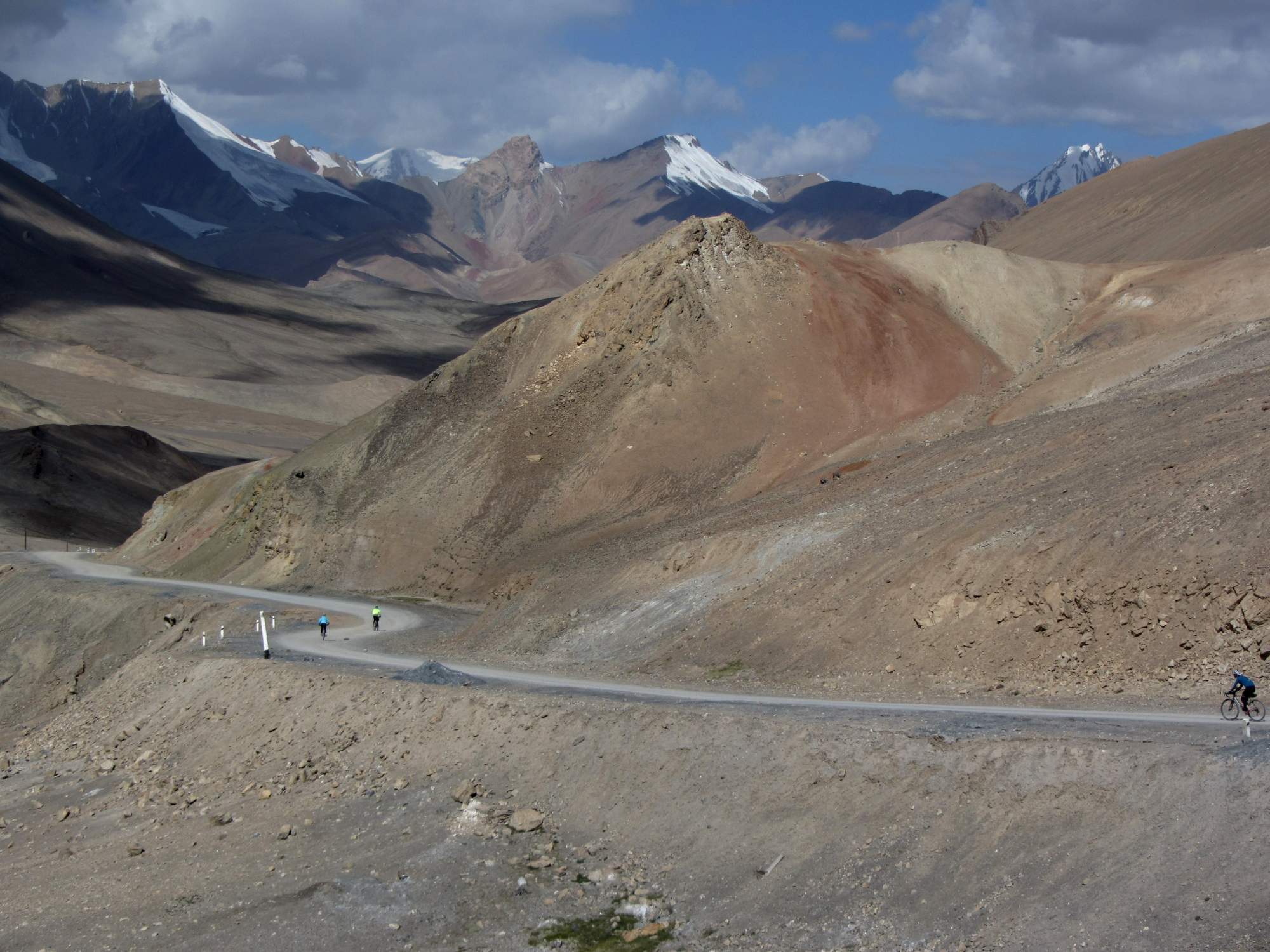
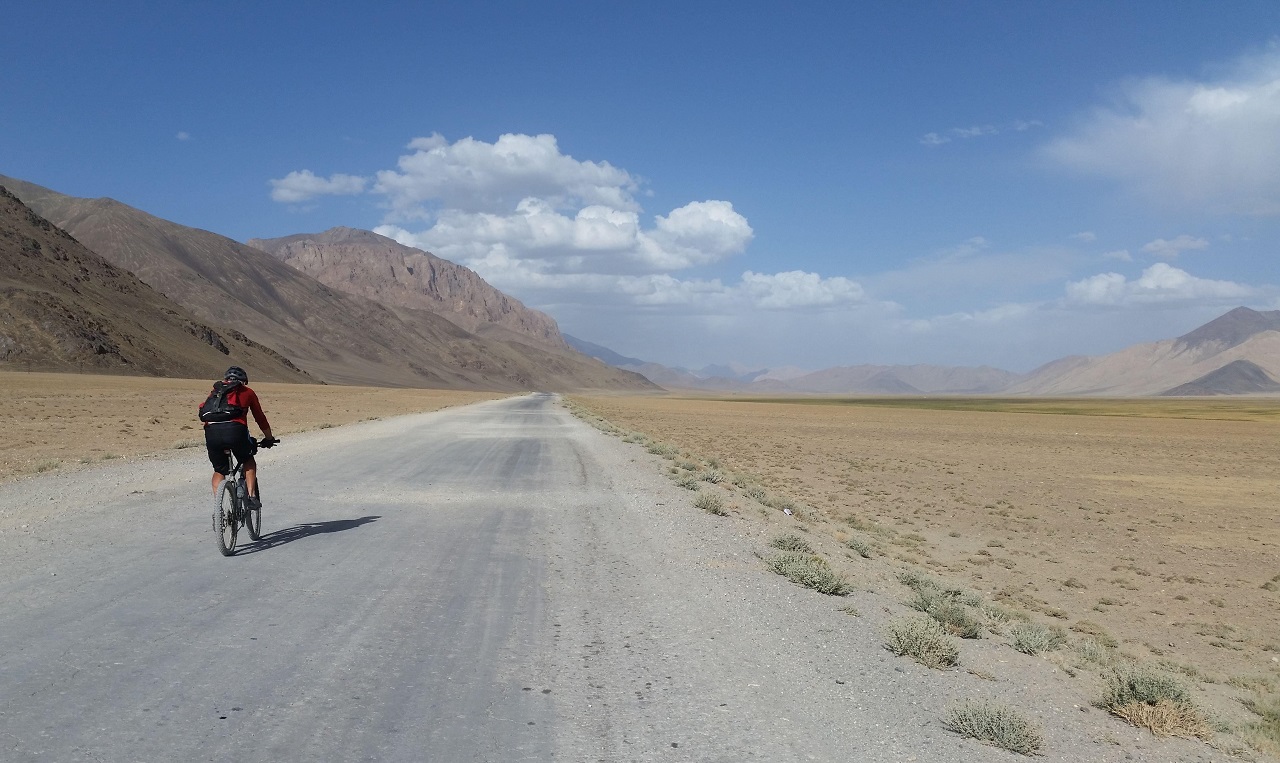
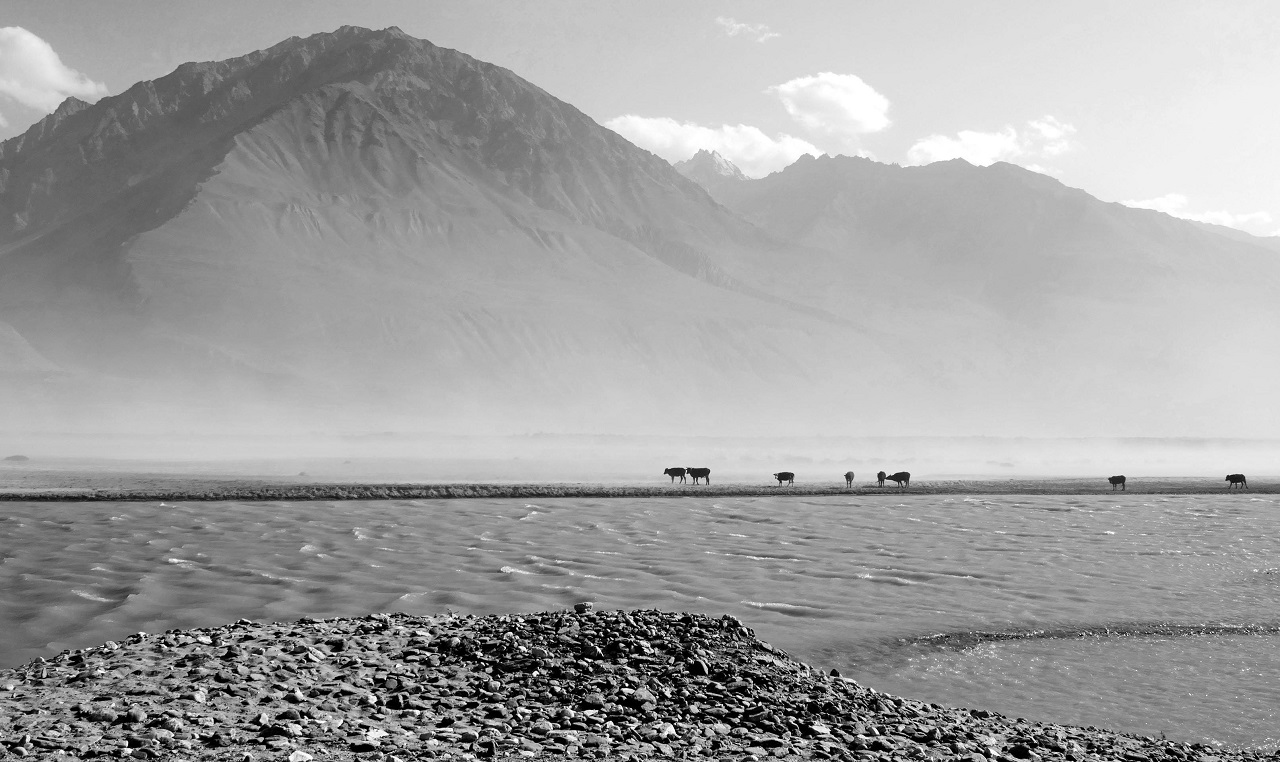
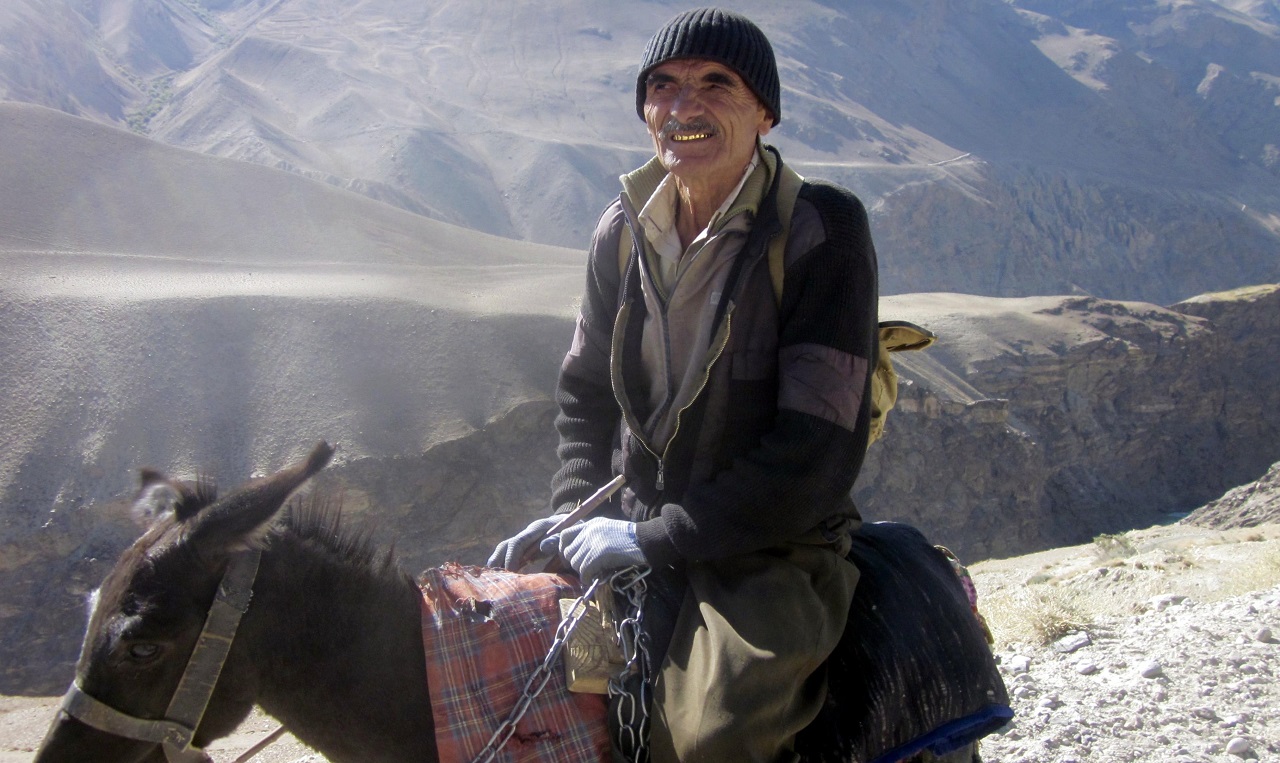
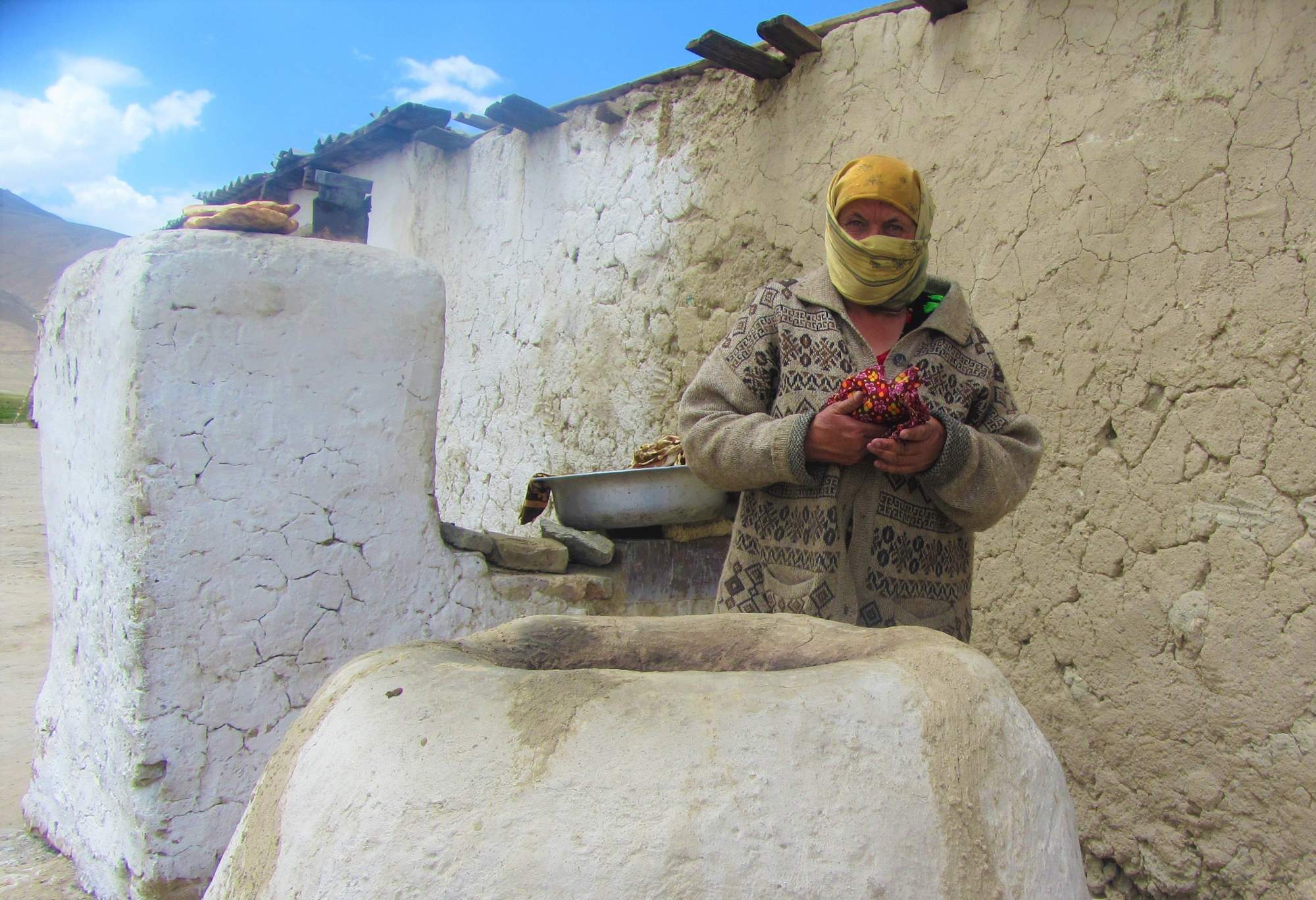
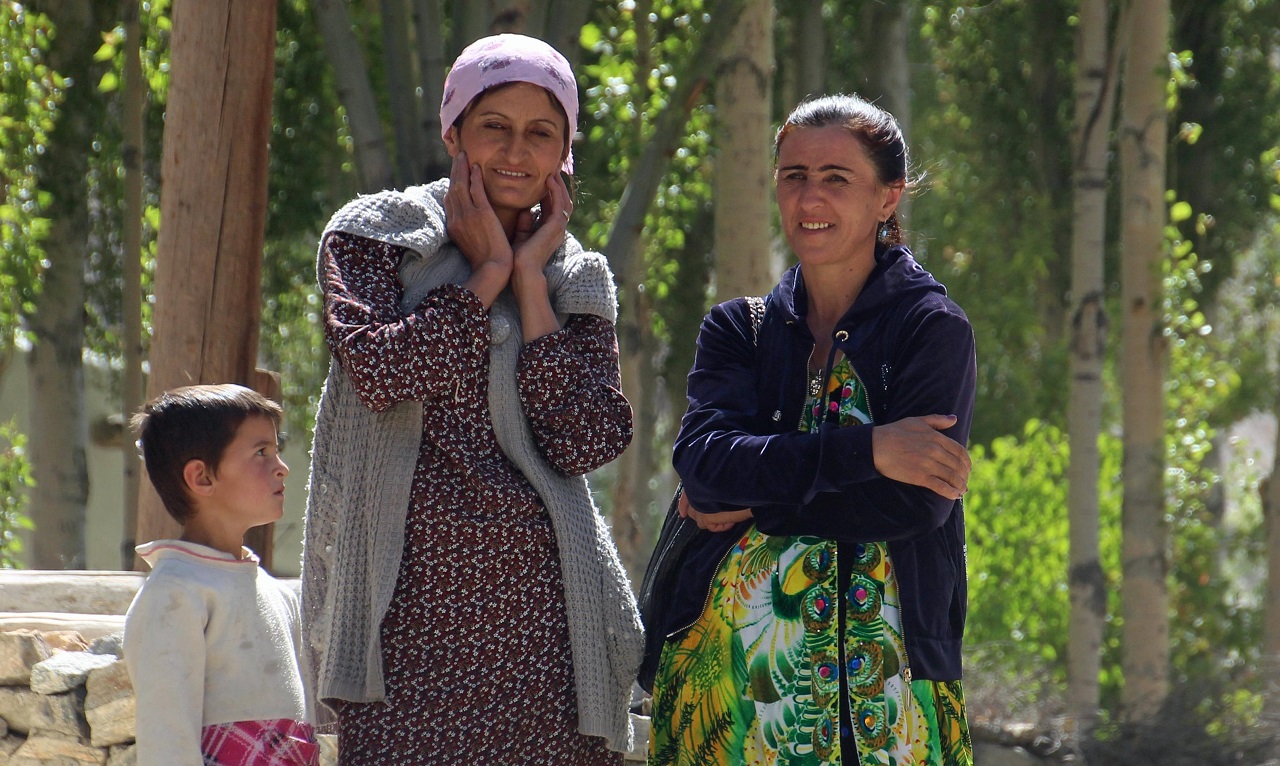
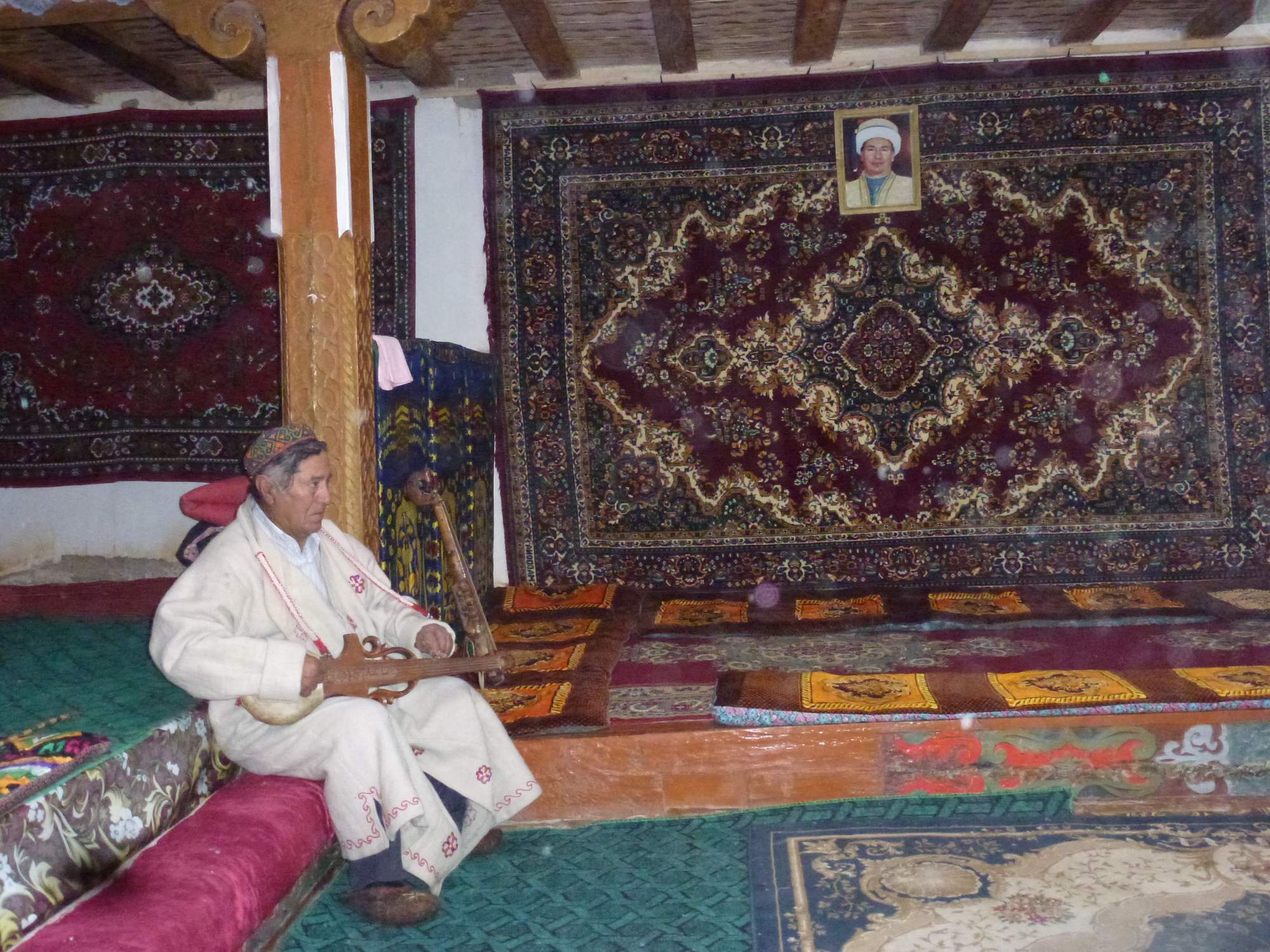
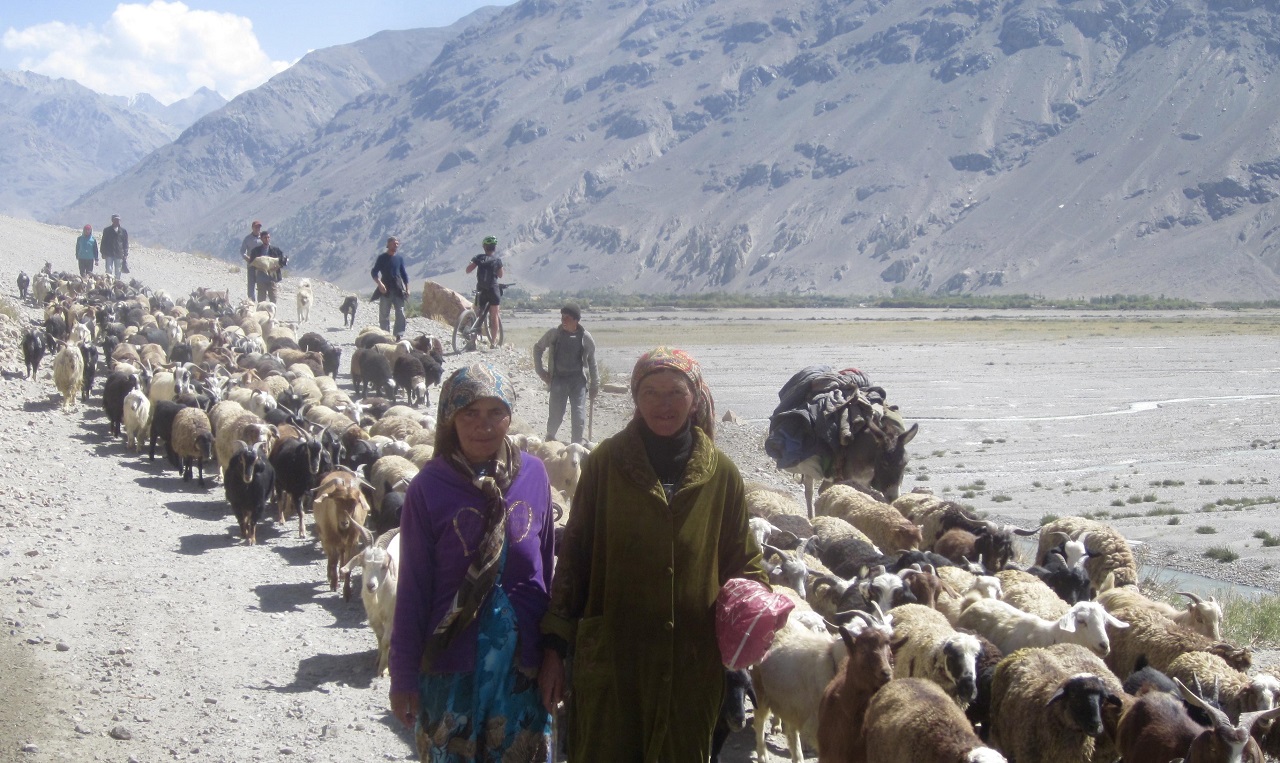
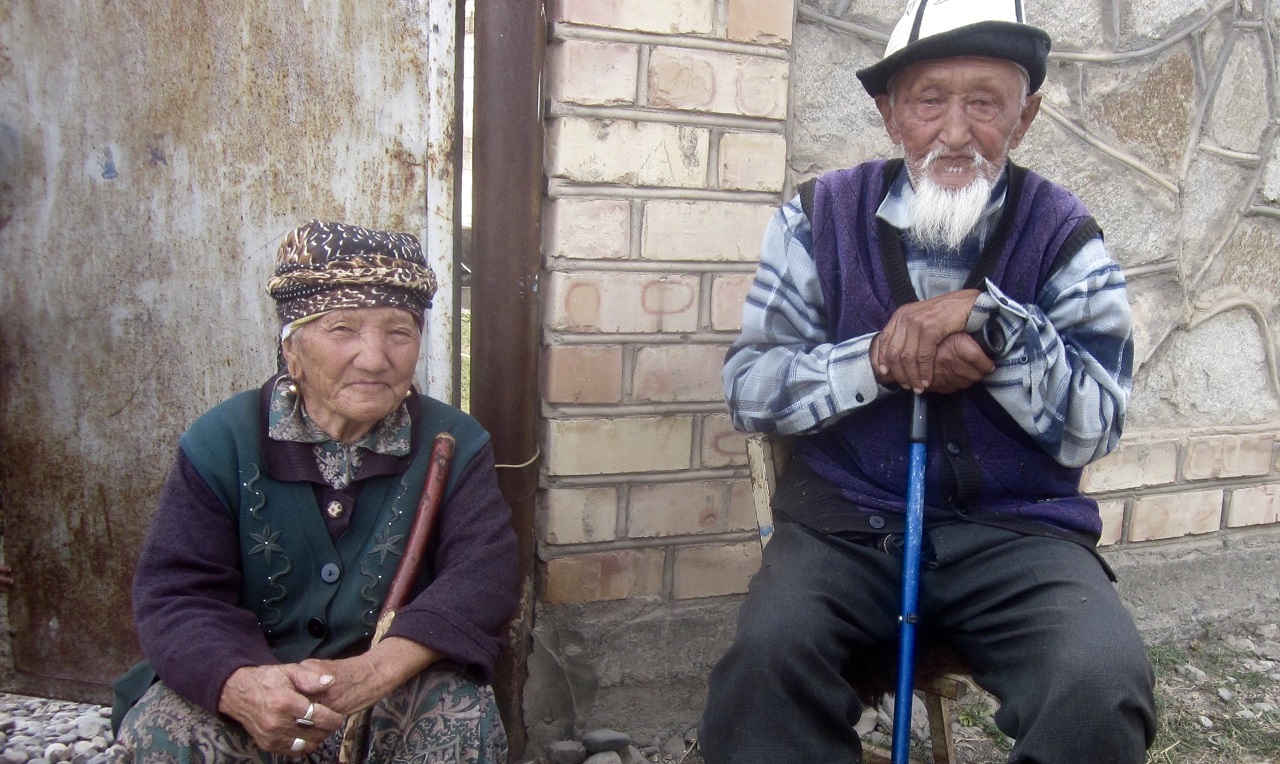
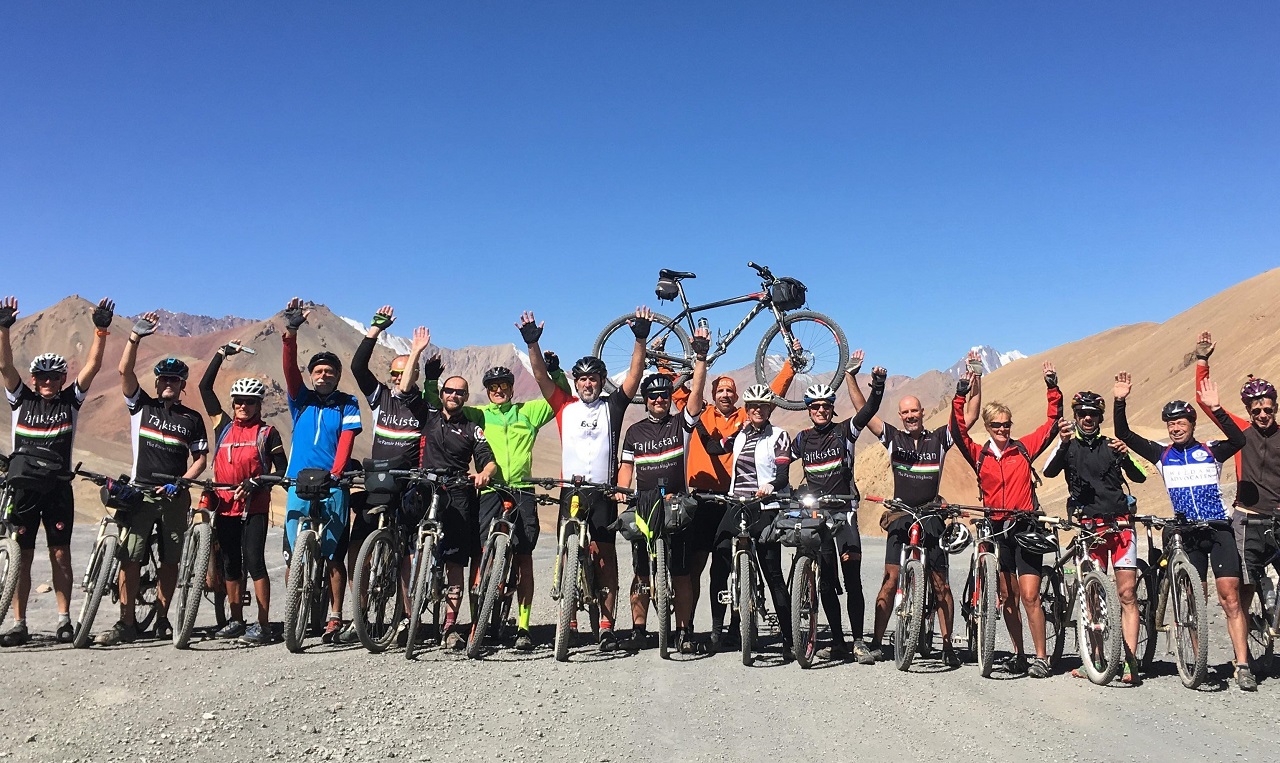
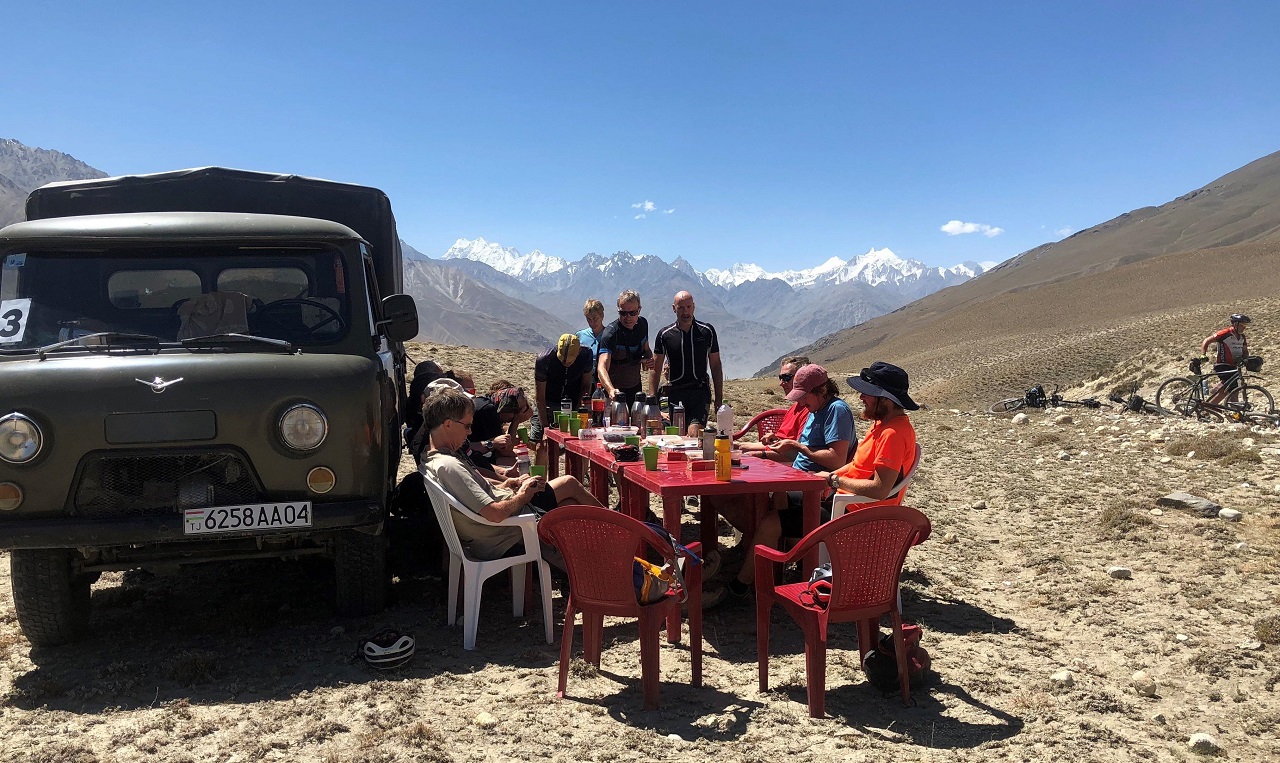
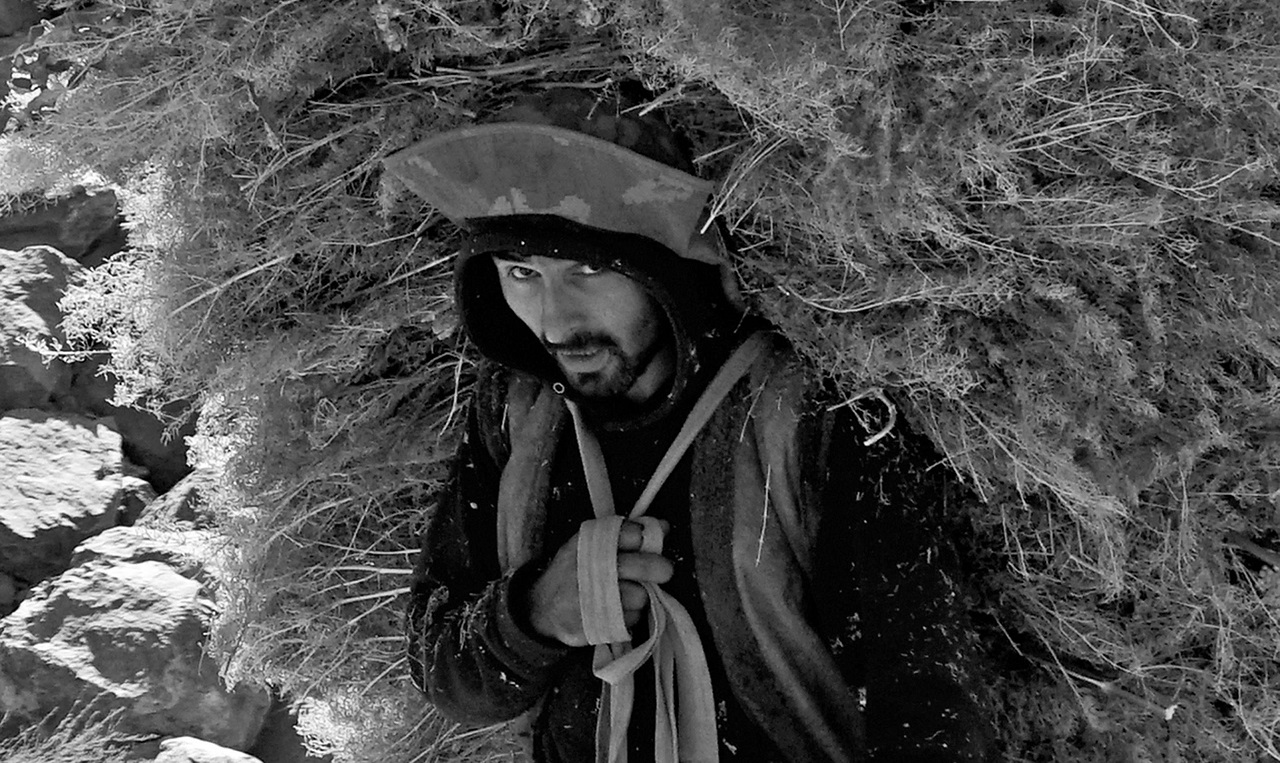
Here are a selection of photos for our ‘Tajikistan to Kyrgyzstan’ Cycling holiday.
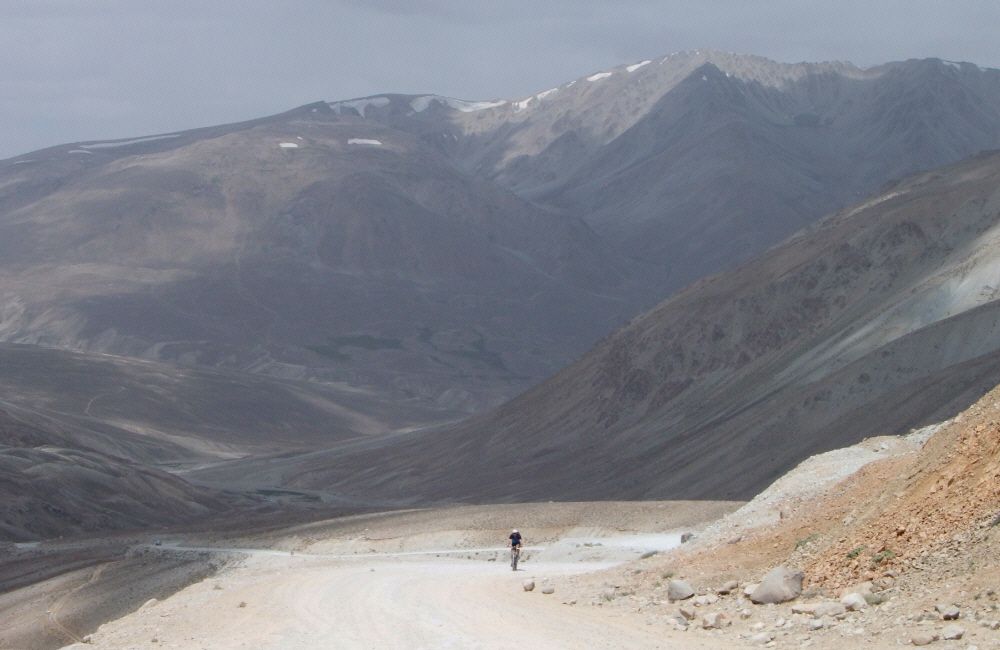
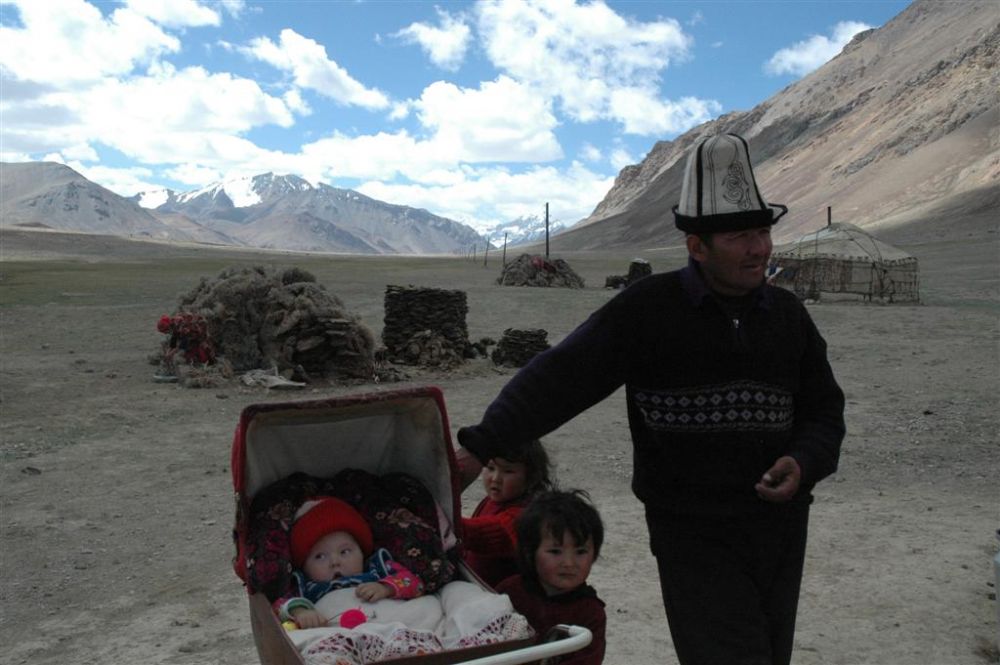
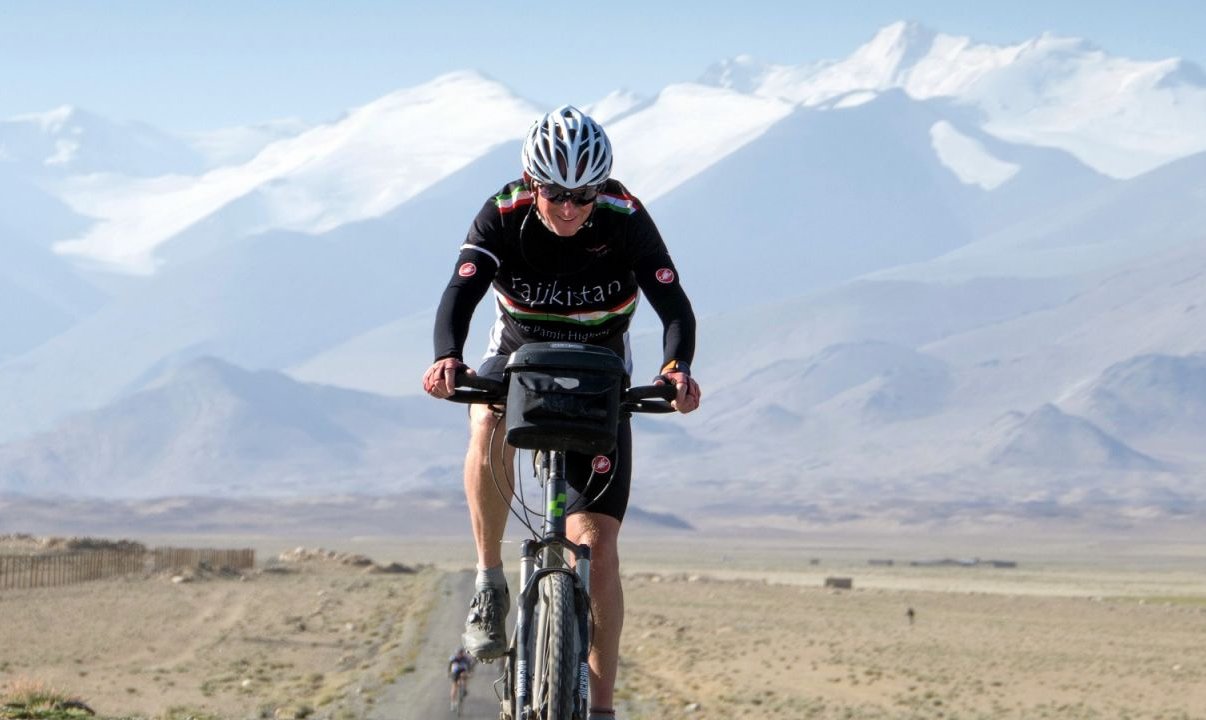
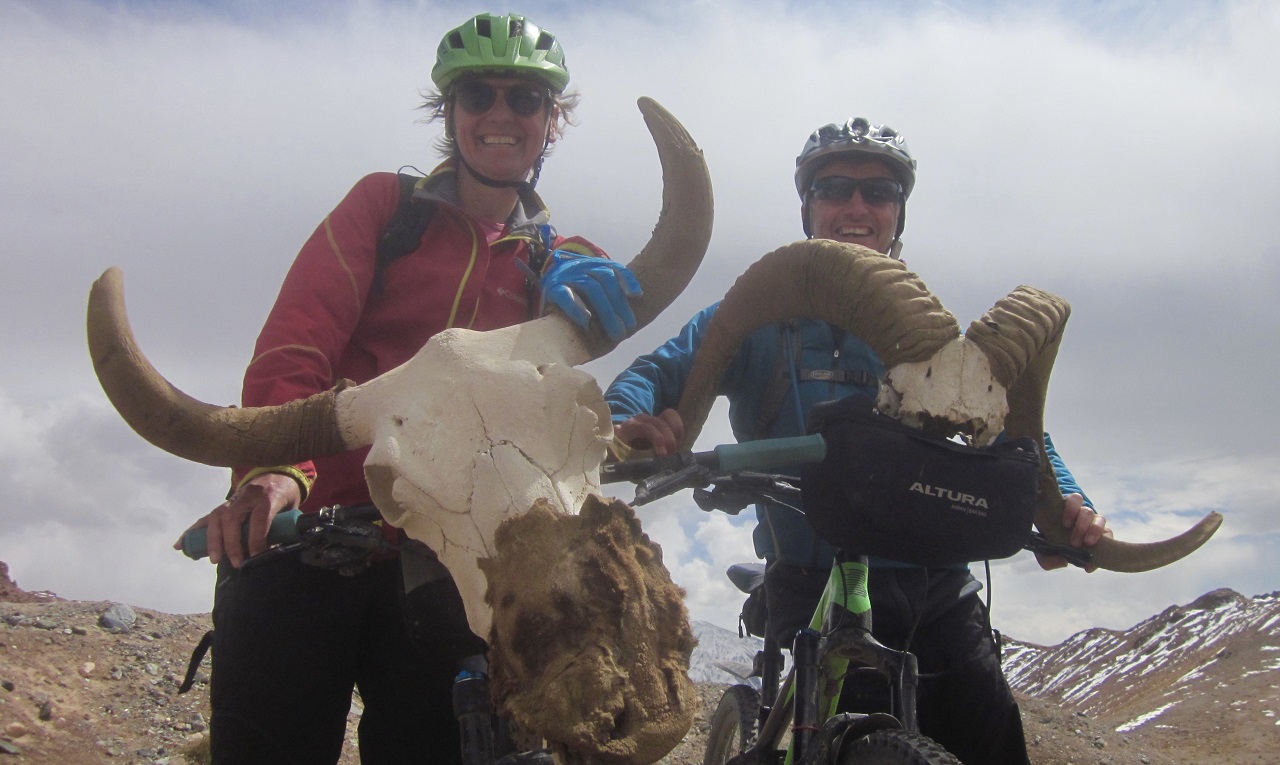
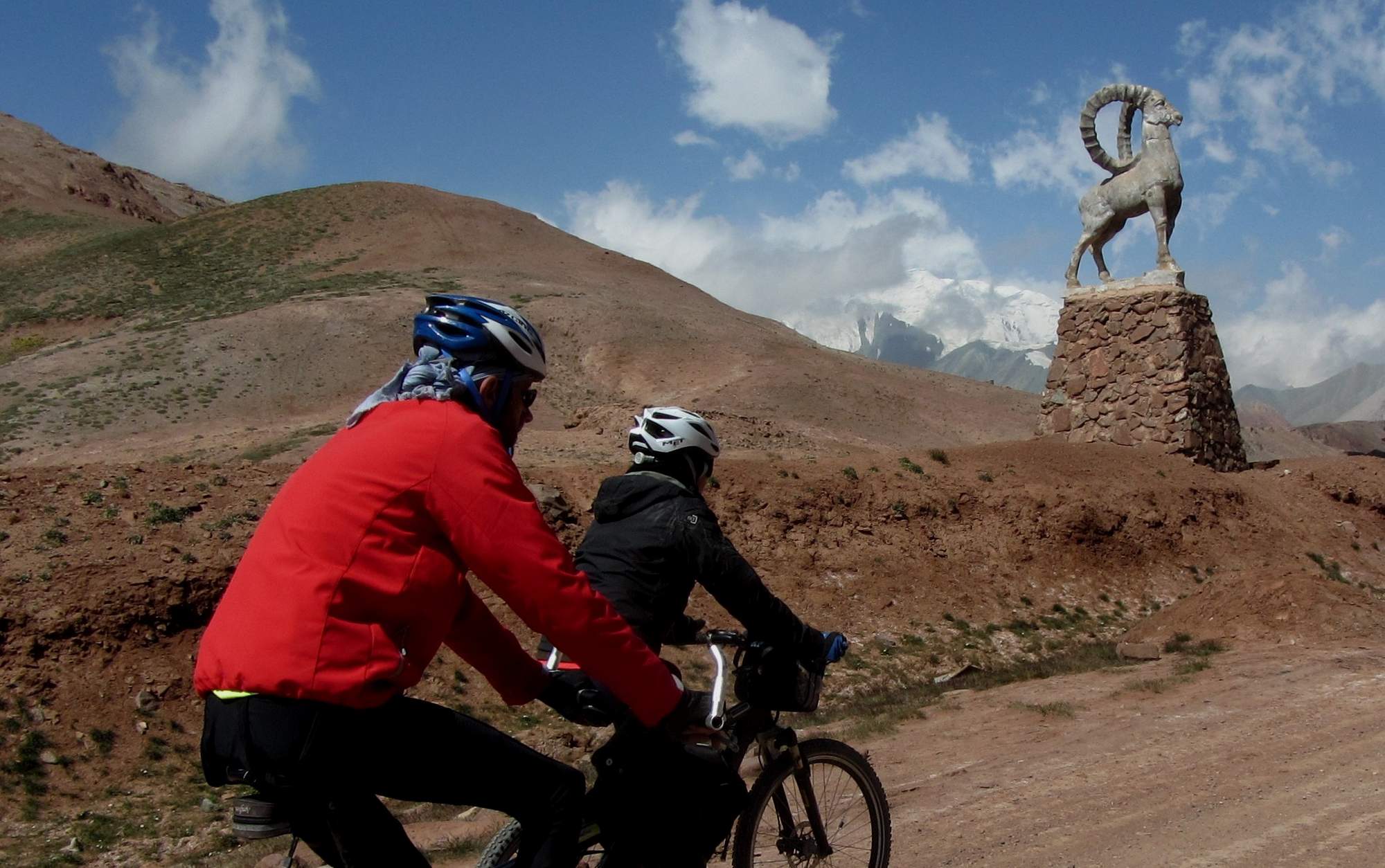
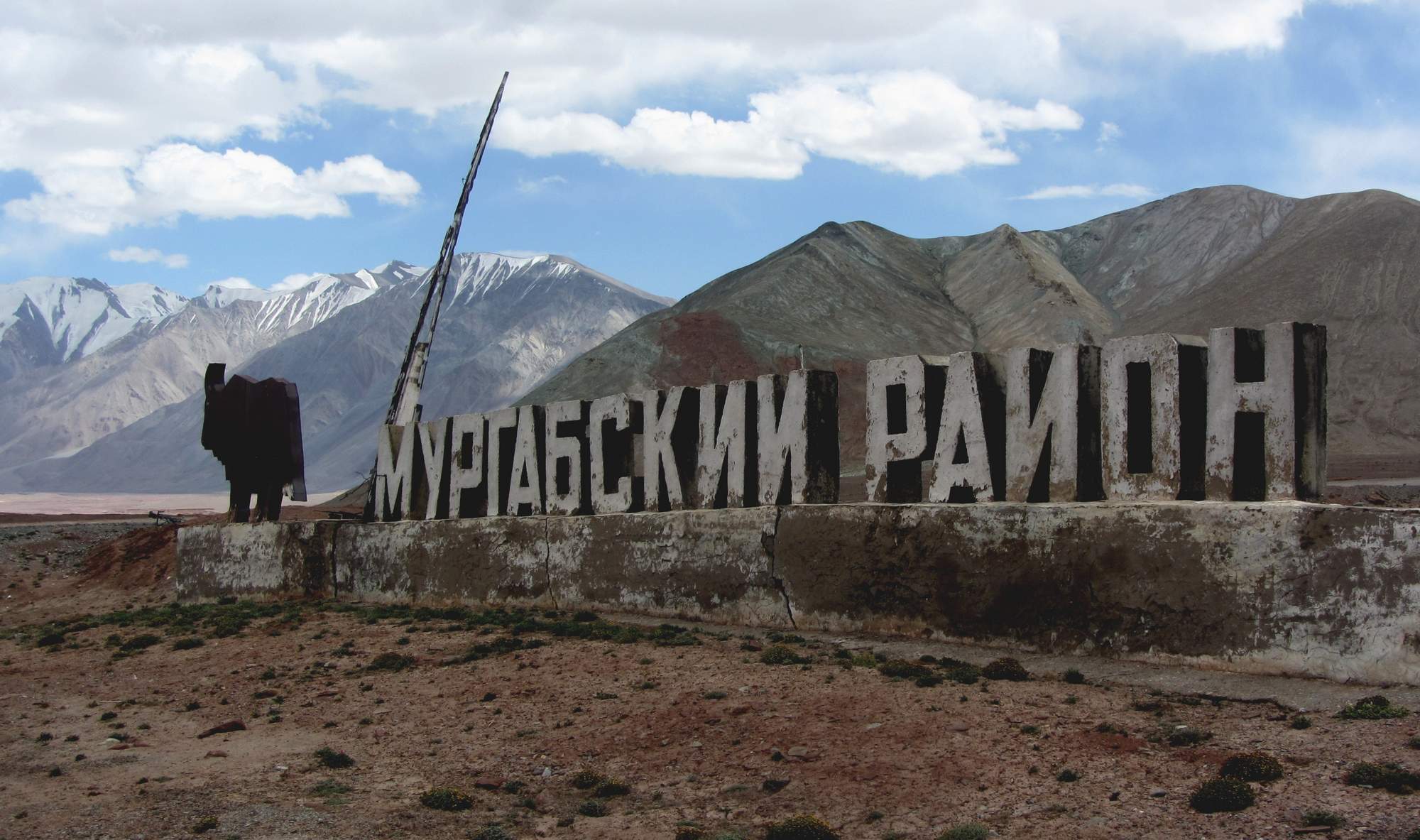
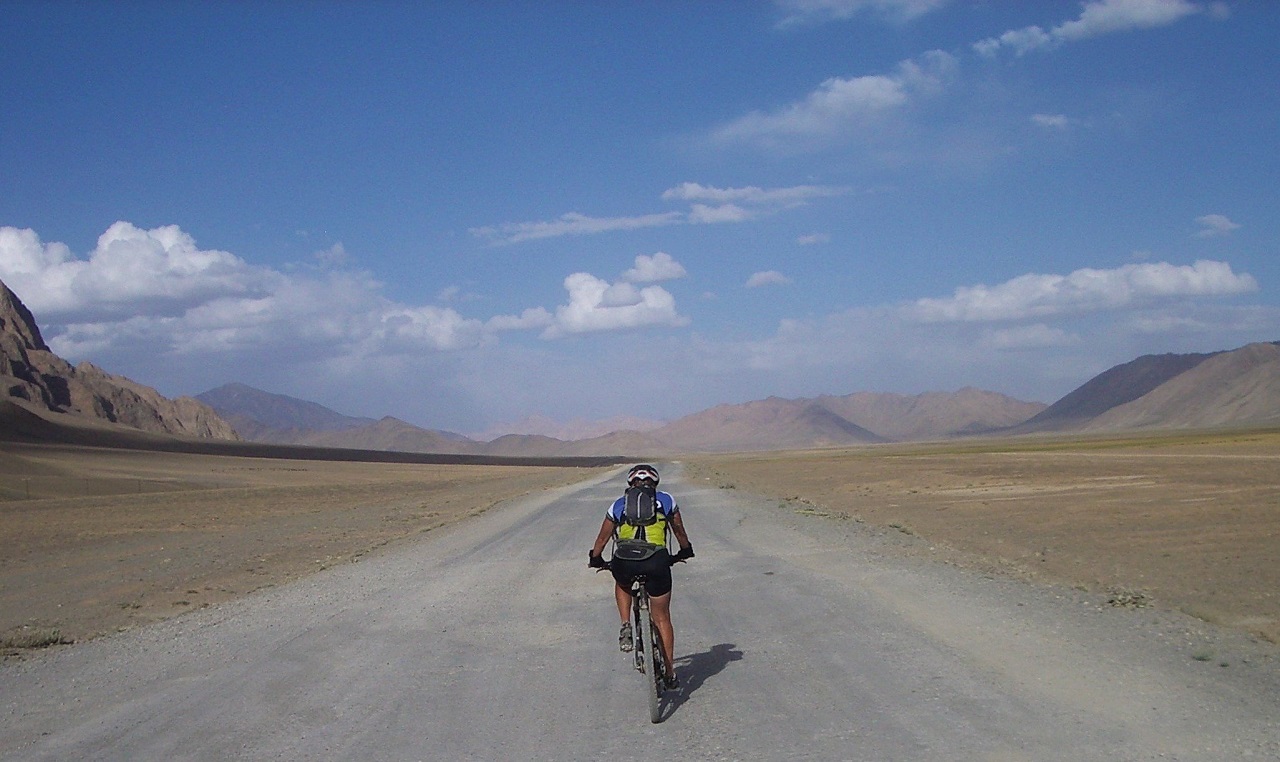
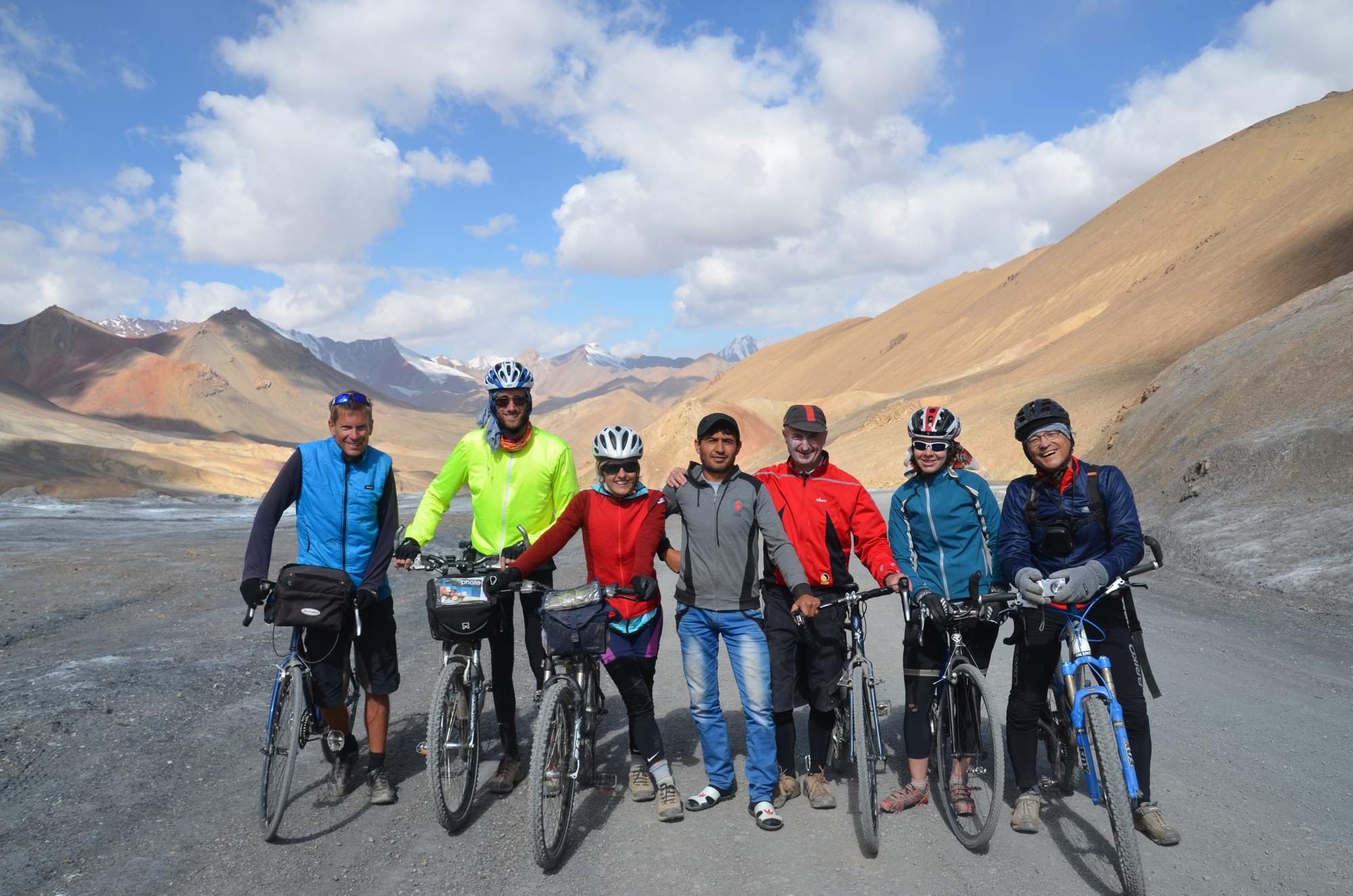
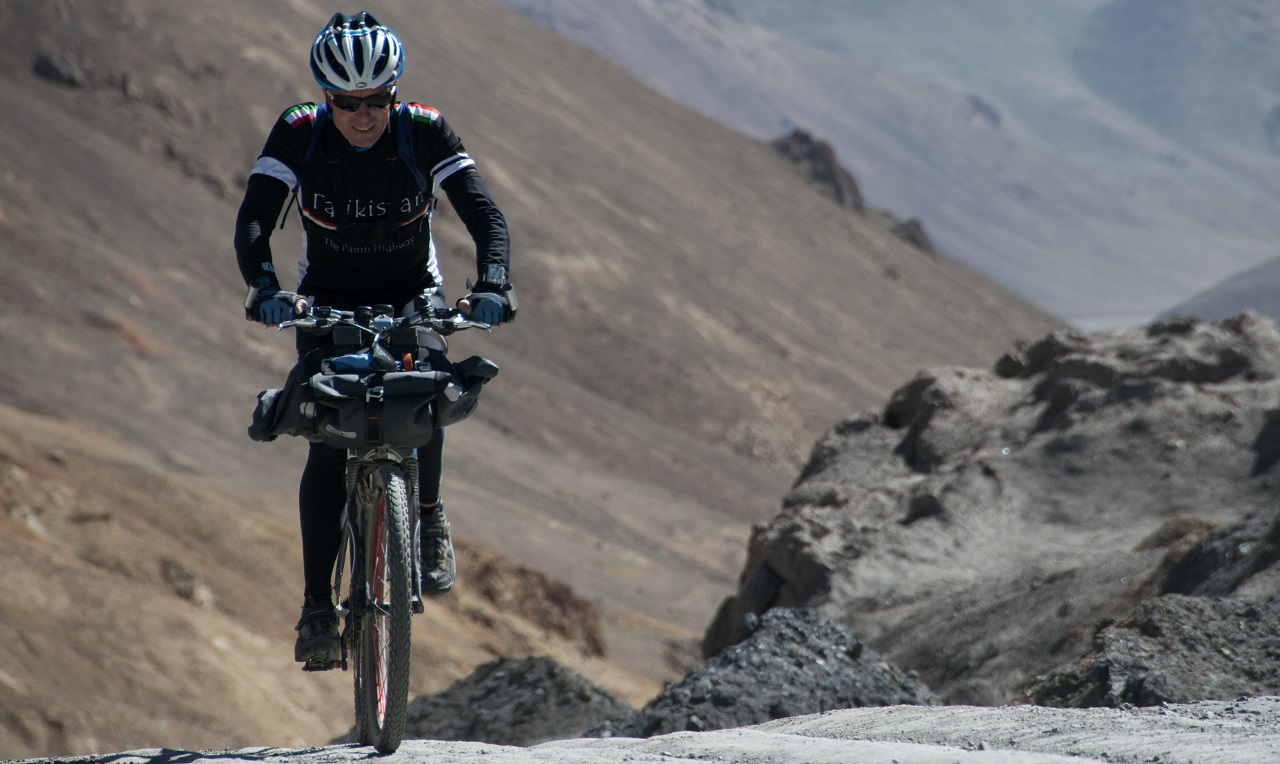
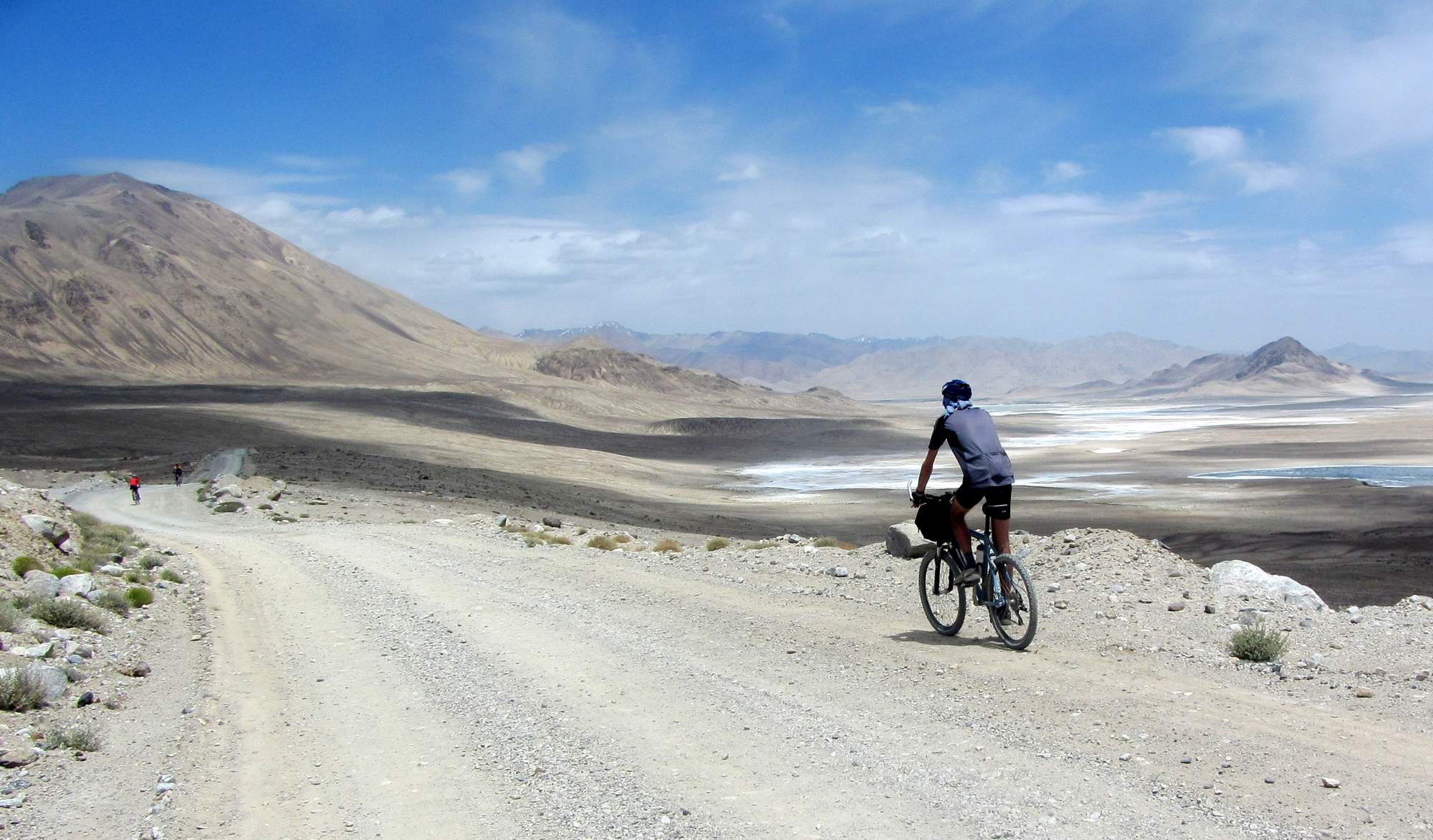
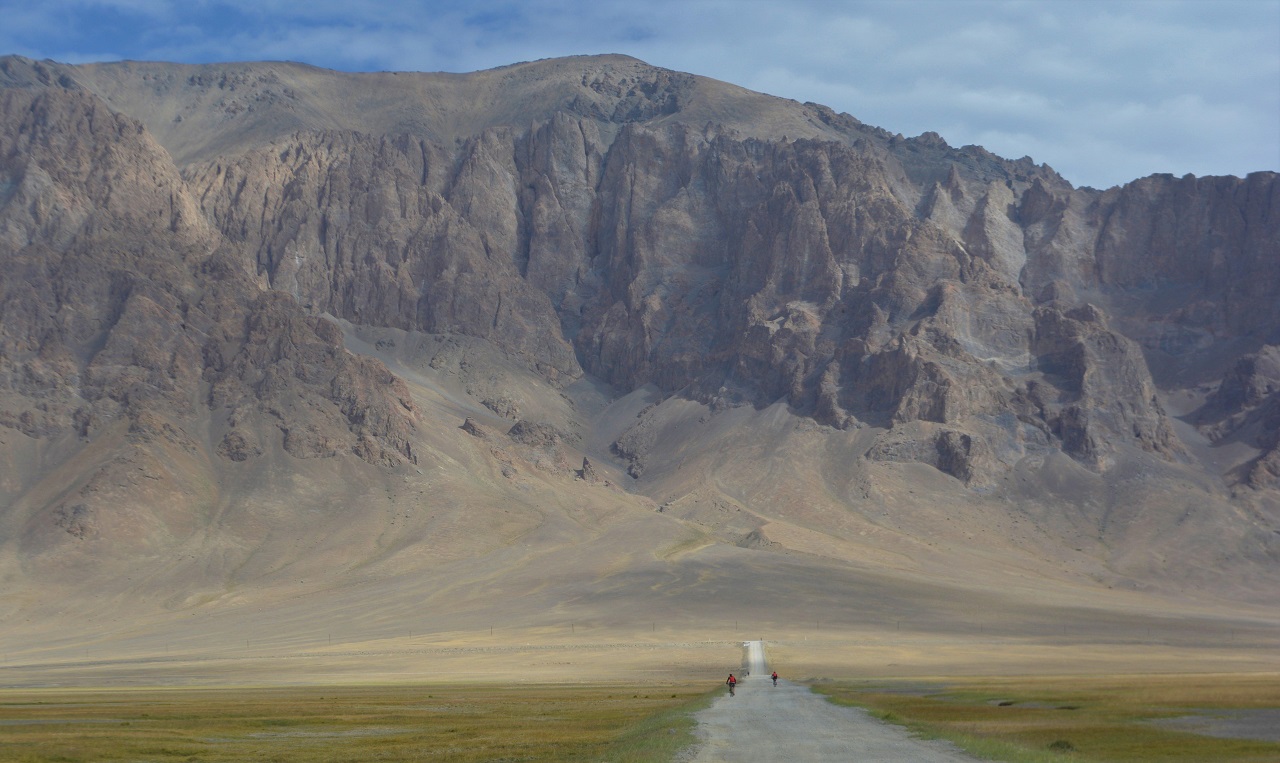
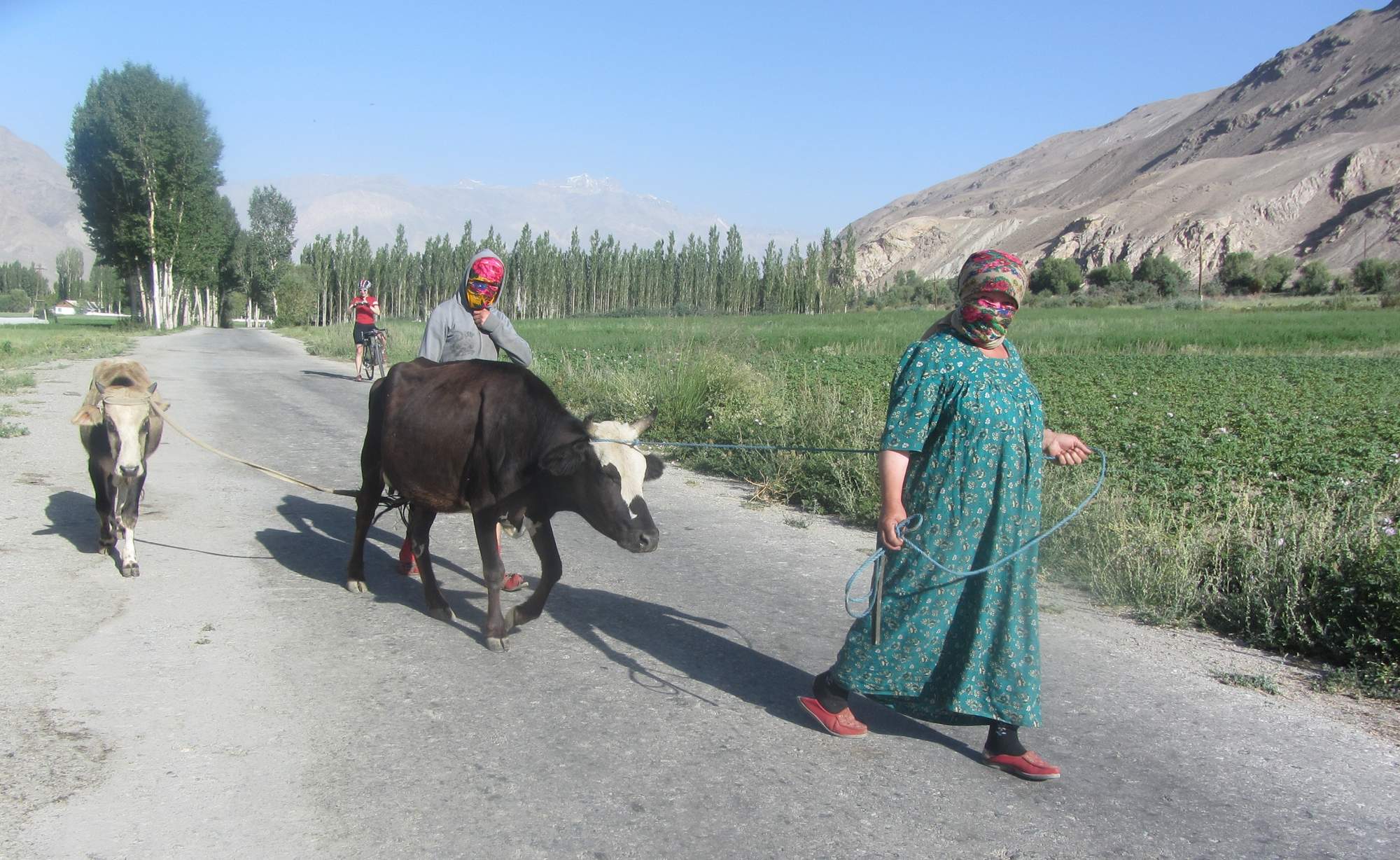
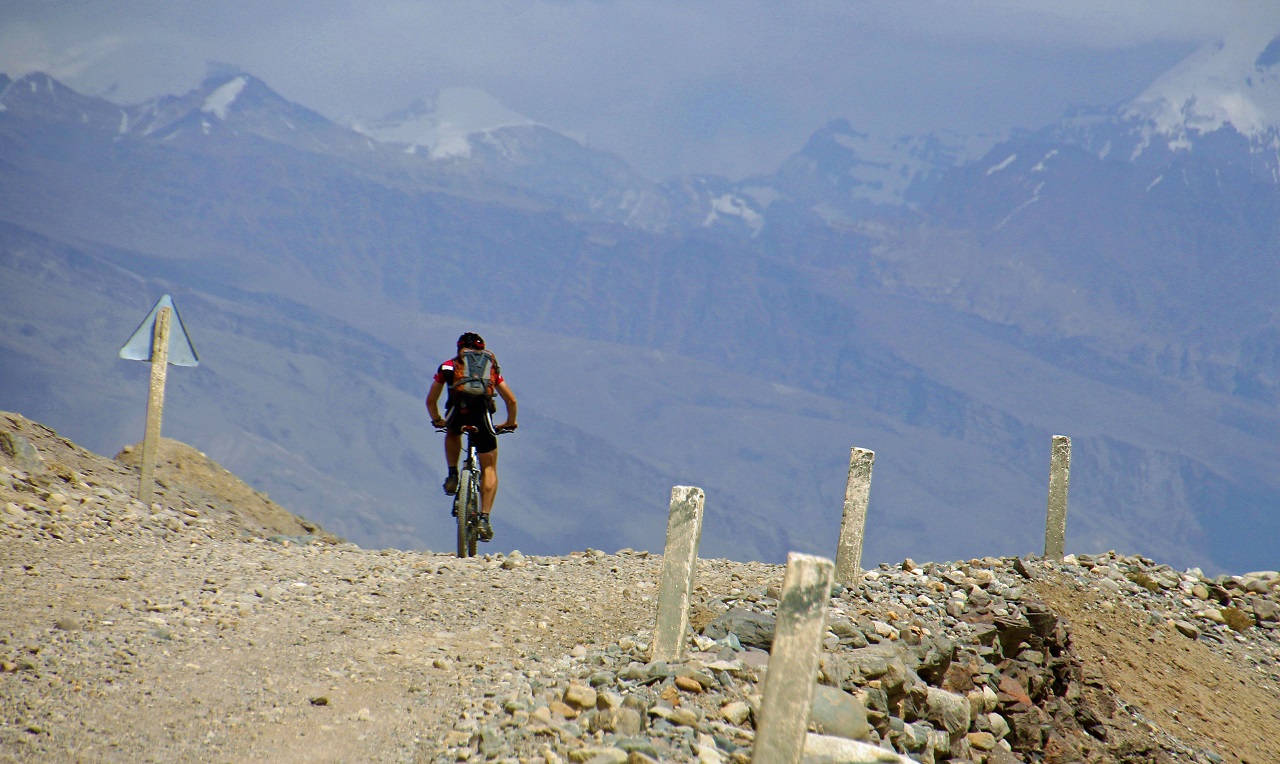
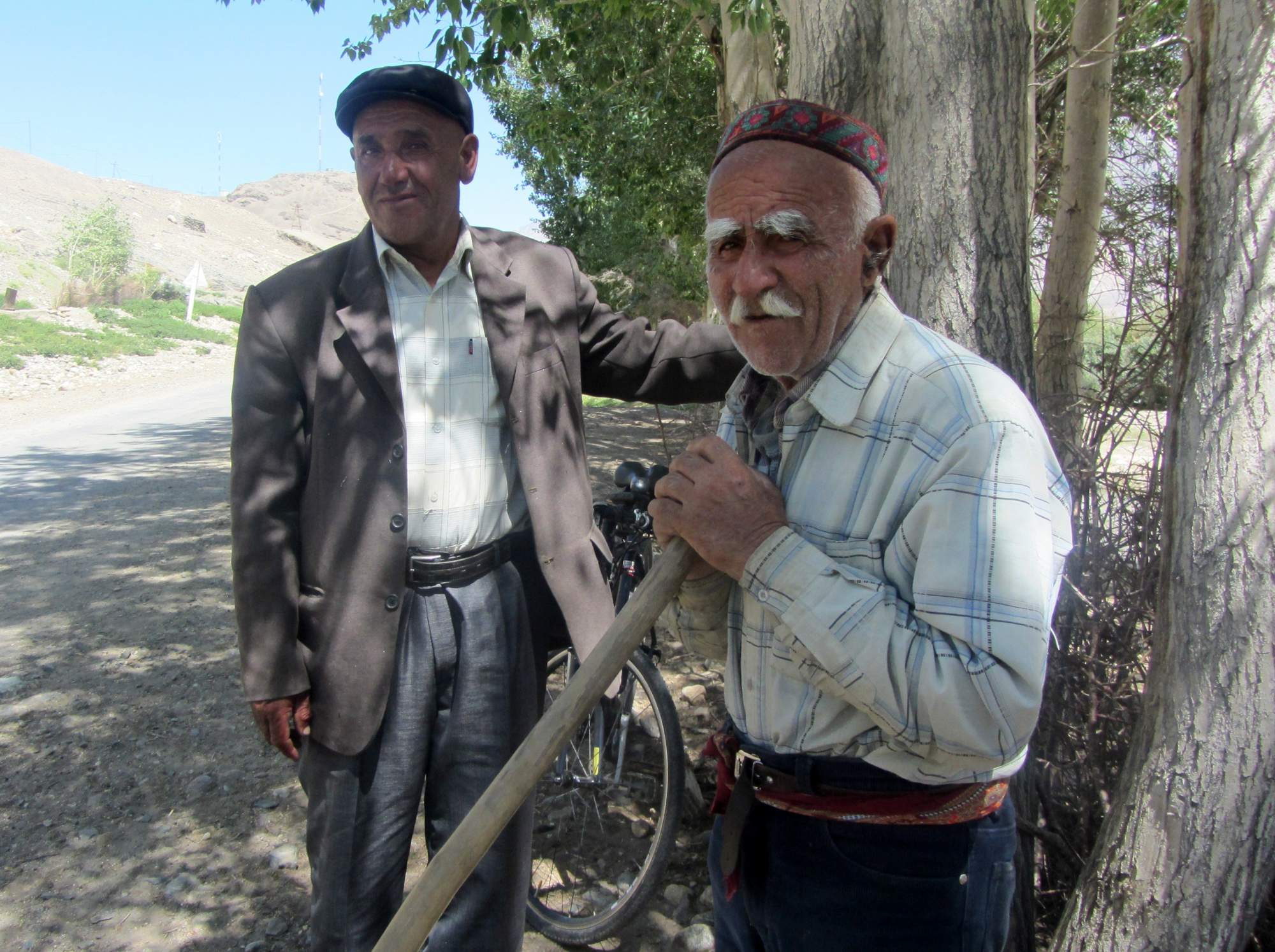
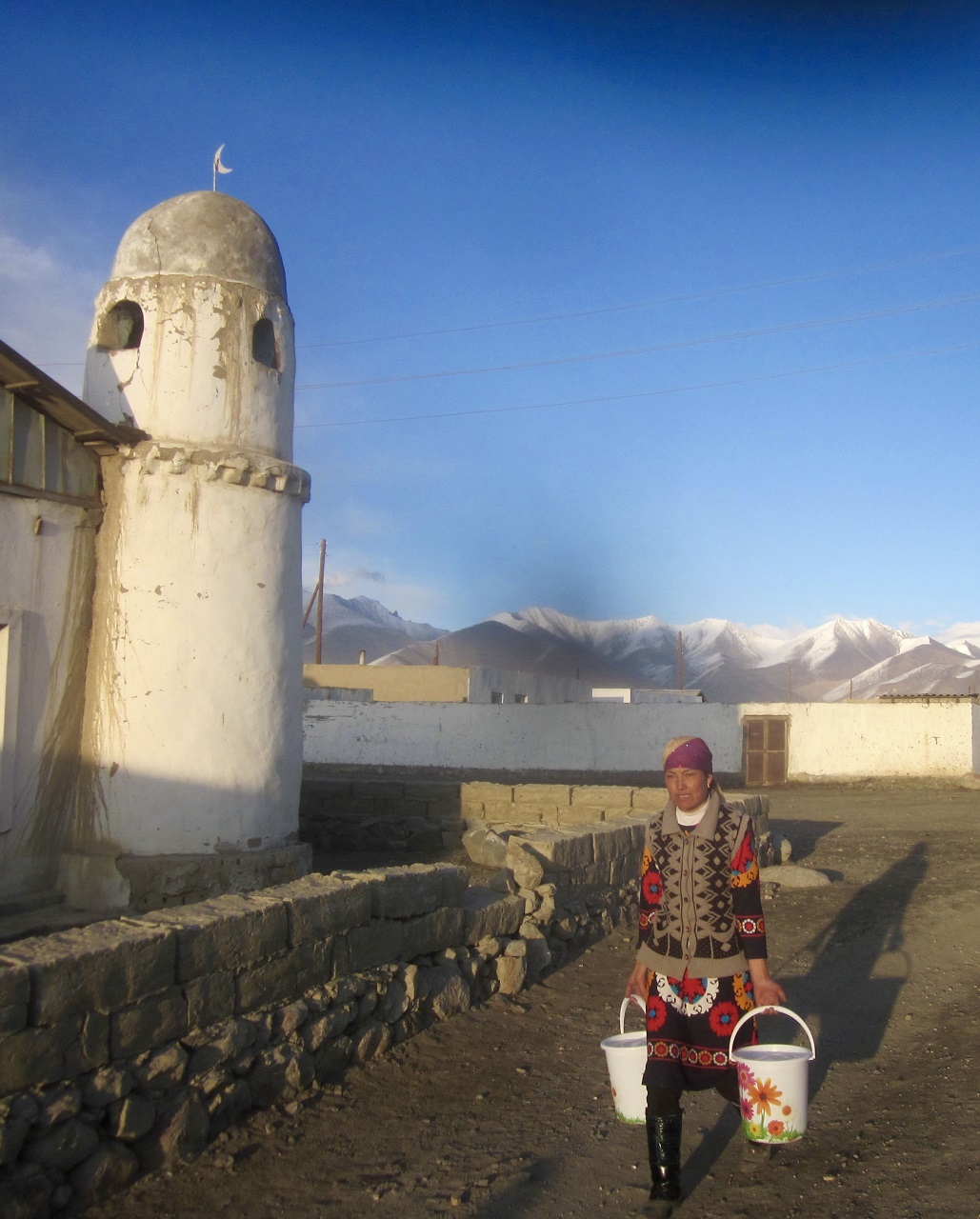
Here are a selection of videos for our ‘Tajikistan to Kyrgyzstan’ Cycling holiday.
Ride Kyrgyzstan’s high mountain passes and wild valleys, discovering nomadic culture in the heart of Central Asia
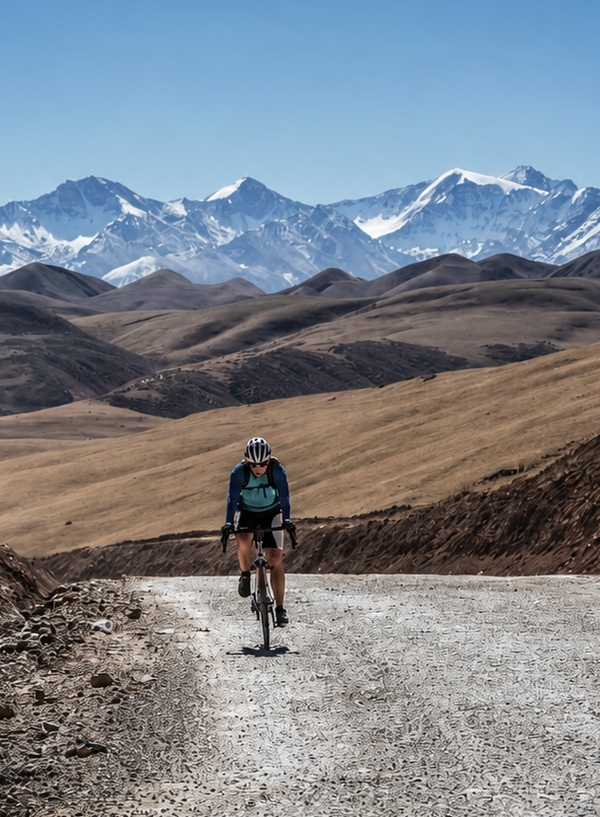
Cycle the legendary Karakoram Highway from Pakistan to Kyrgyzstan, crossing high passes and vast mountain landscapes in three epic countries.