Lhasa to Kathmandu
Cycle from Lhasa to Kathmandu across the Tibetan Plateau, conquering 5,000m passes and riding to Everest Base Camp.

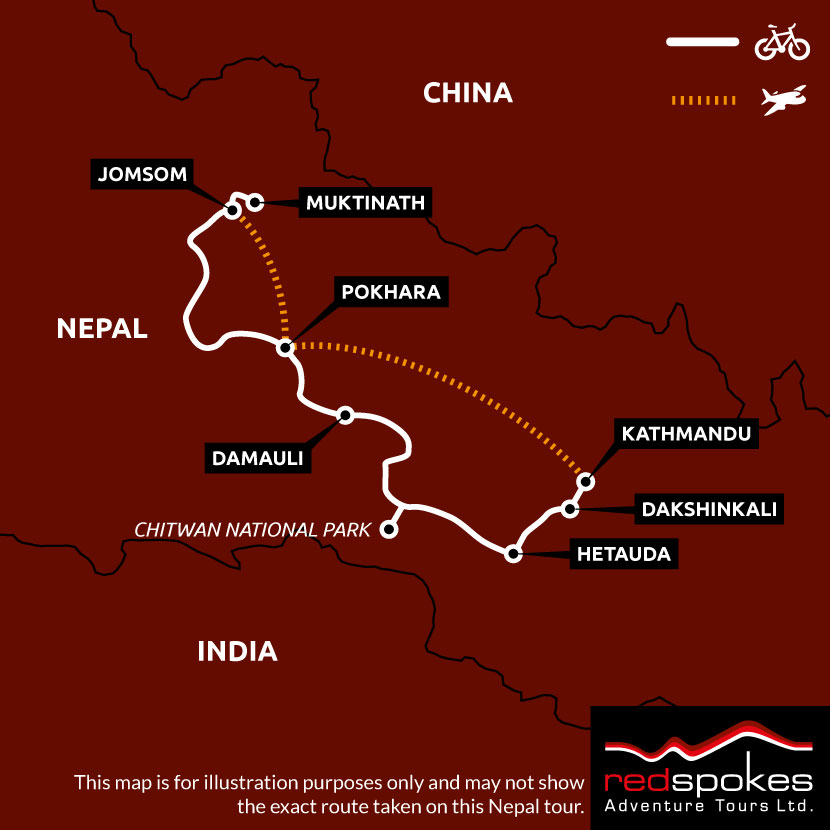
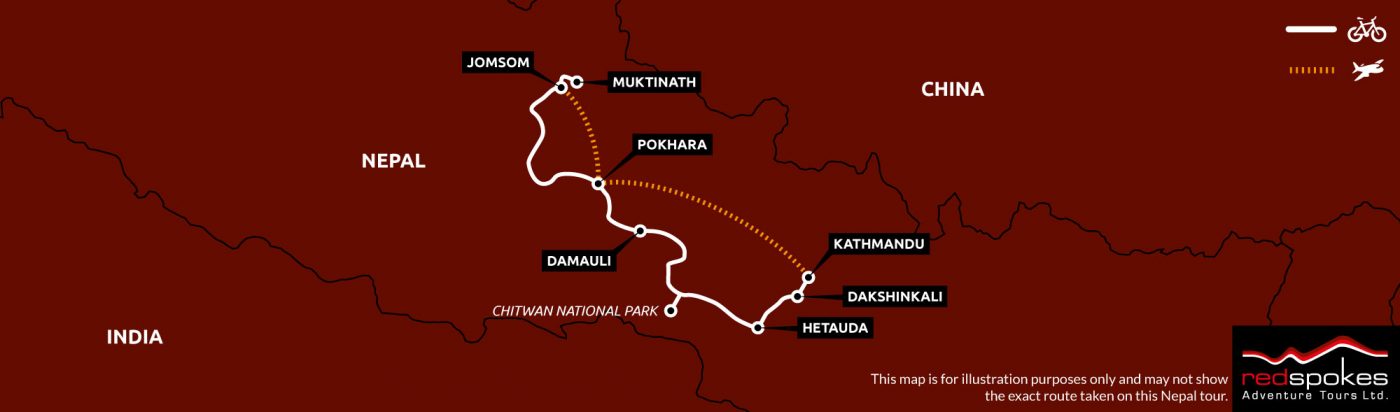
The redspokes Nepal cycling holiday is one of the most culturally and geographically diverse adventures in the Himalayas. Beginning in the Kathmandu Valley, the journey winds through medieval cities, hillside villages and mountain passes before reaching Pokhara and continuing along the Annapurna region toward Muktinath. From subtropical plains to high alpine terrain, Nepal offers extraordinary variety within a relatively small country.
Highlights include exploring Chitwan National Park, flying between the towering peaks of Annapurna and Dhaulagiri to Jomsom, and cycling the dramatic Kali Gandaki Gorge beneath snow-capped giants. Encounters with ancient monasteries, suspension bridges and traditional communities create a deeply immersive experience, blending physical challenge with rich cultural heritage in the heart of the Himalayas.
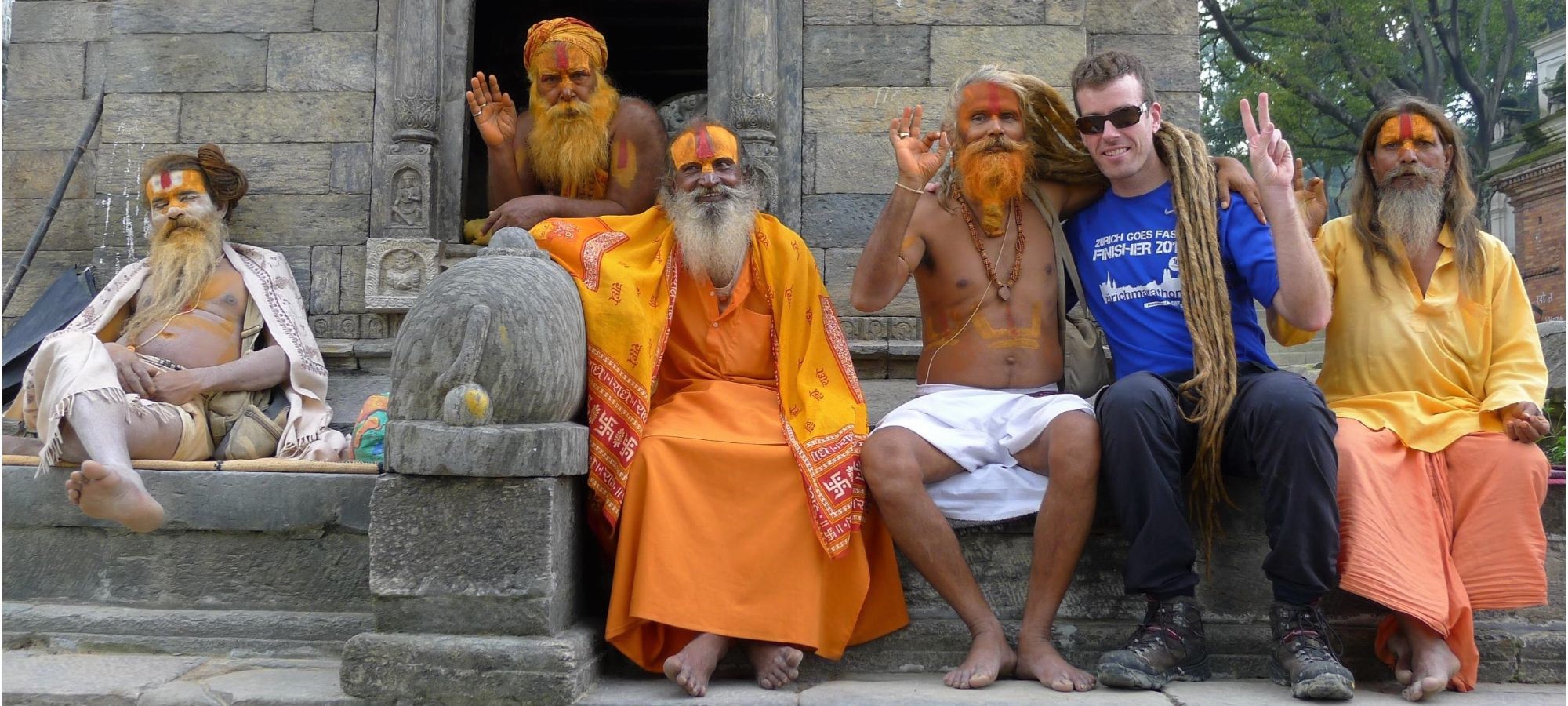
Kathmandu is a vibrant and atmospheric starting point for the Nepal cycling adventure. Set in a broad valley surrounded by hills, Nepal’s capital is a fascinating blend of ancient temples, lively markets, Buddhist stupas, Hindu shrines and everyday street life.
The city offers a vivid introduction to Nepal’s cultural richness, where prayer flags, incense, carved wooden balconies and bustling bazaars all form part of the experience. From the historic old quarters to the surrounding valley roads, Kathmandu sets the tone for a journey that combines culture, mountains and adventure.
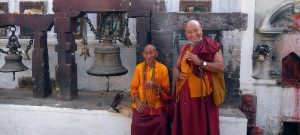
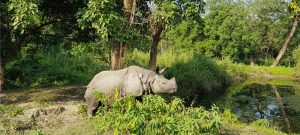
Chitwan National Park brings a completely different side of Nepal into the journey. Leaving the hills behind, the route descends into the warmer lowlands of the Terai, where subtropical forest, grasslands and river systems provide a rich habitat for wildlife.
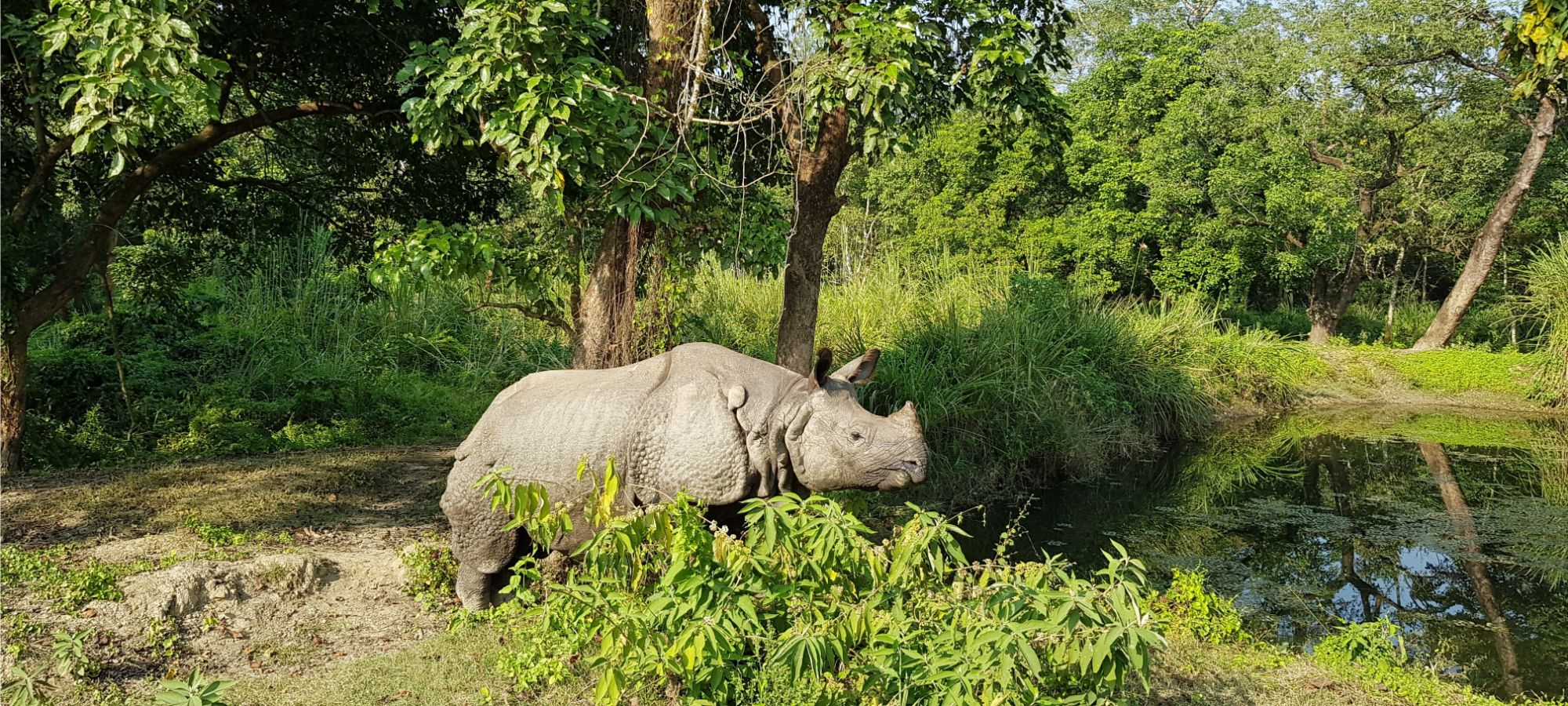
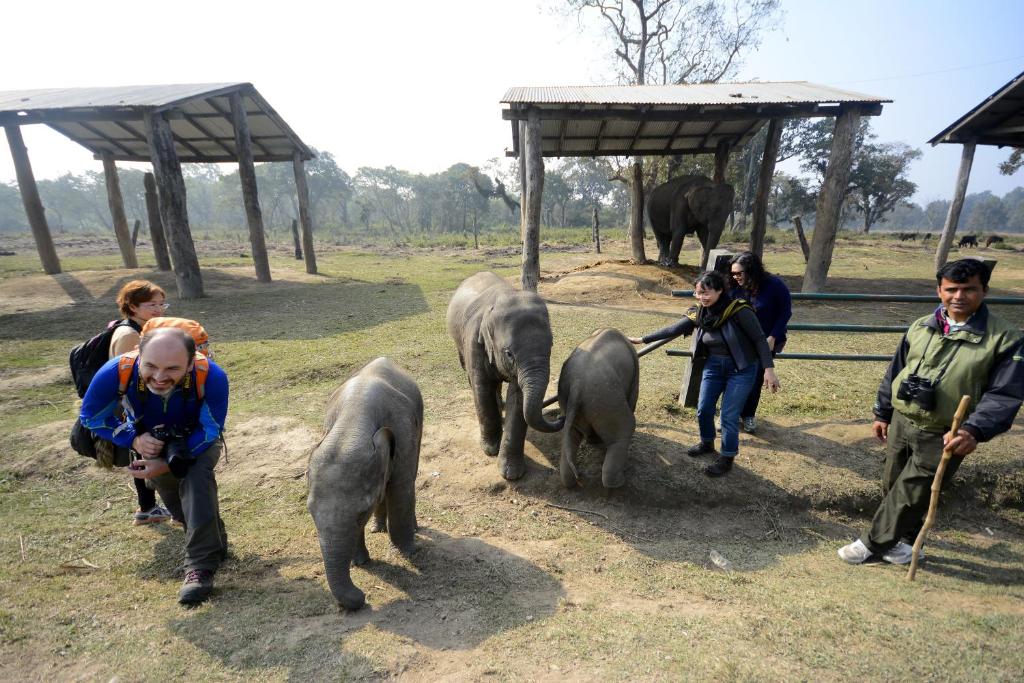
The park is one of Nepal’s great natural treasures, best known for its one-horned rhinos, birdlife, crocodiles and, with luck, sightings of more elusive animals such as leopard or tiger. Time in Chitwan offers a memorable pause from the cycling, with the chance to experience Nepal’s jungle landscapes and rural lowland culture.
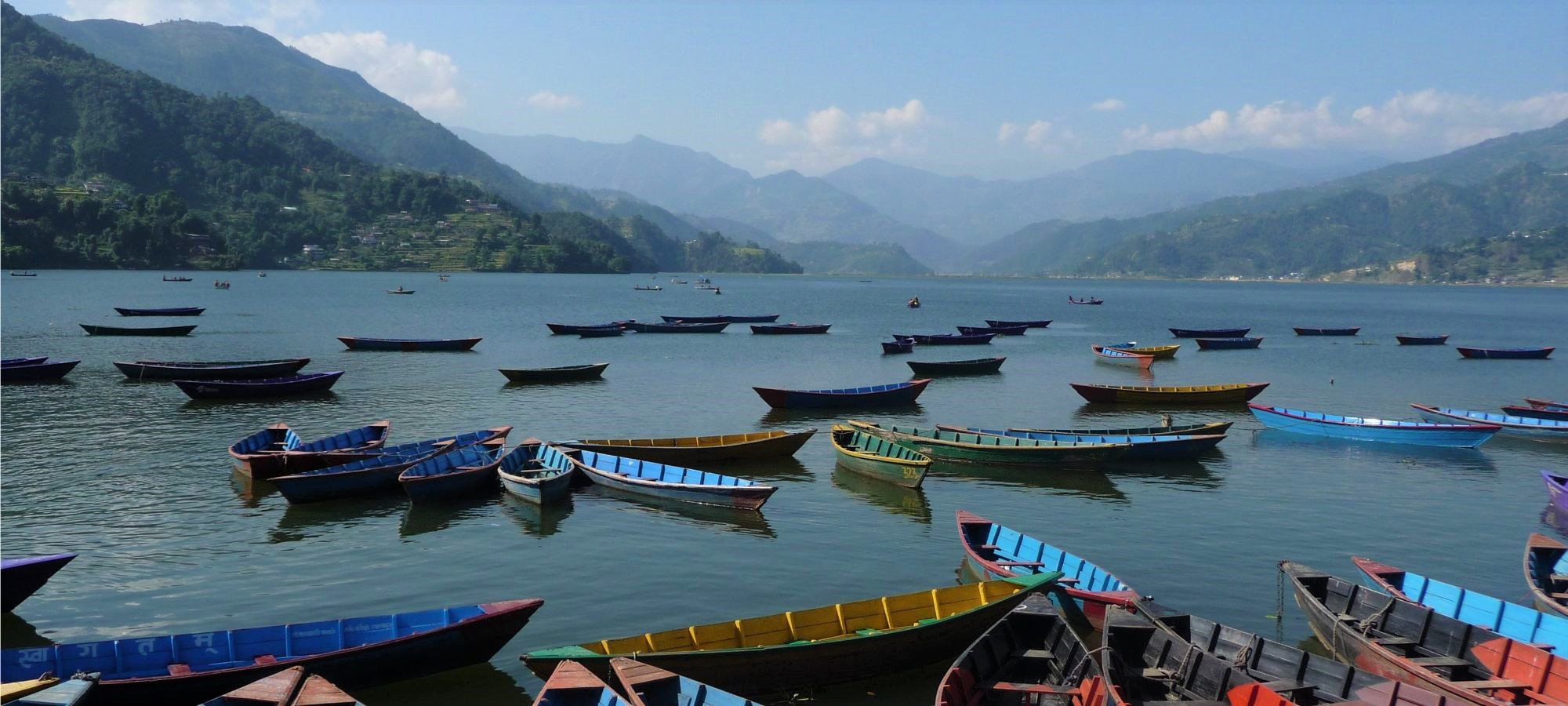
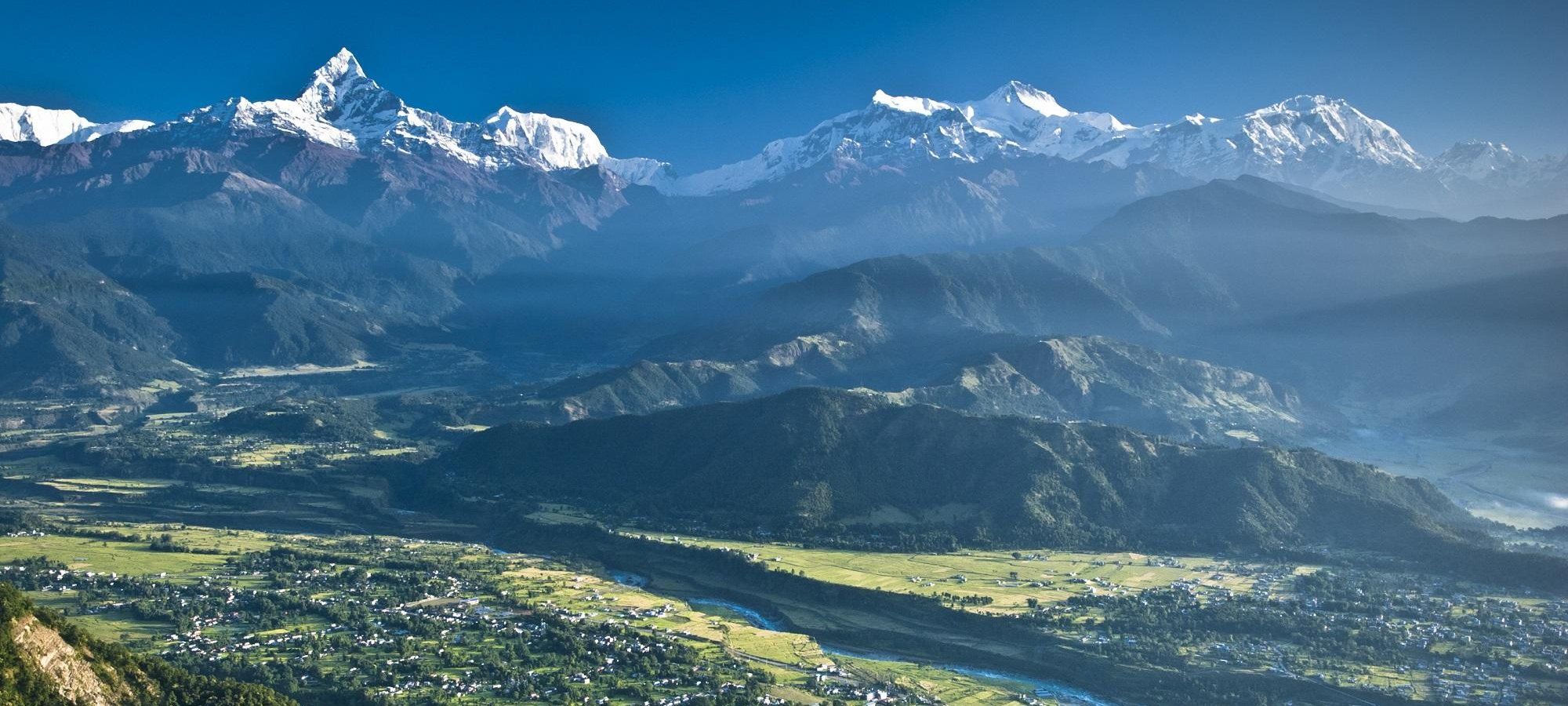
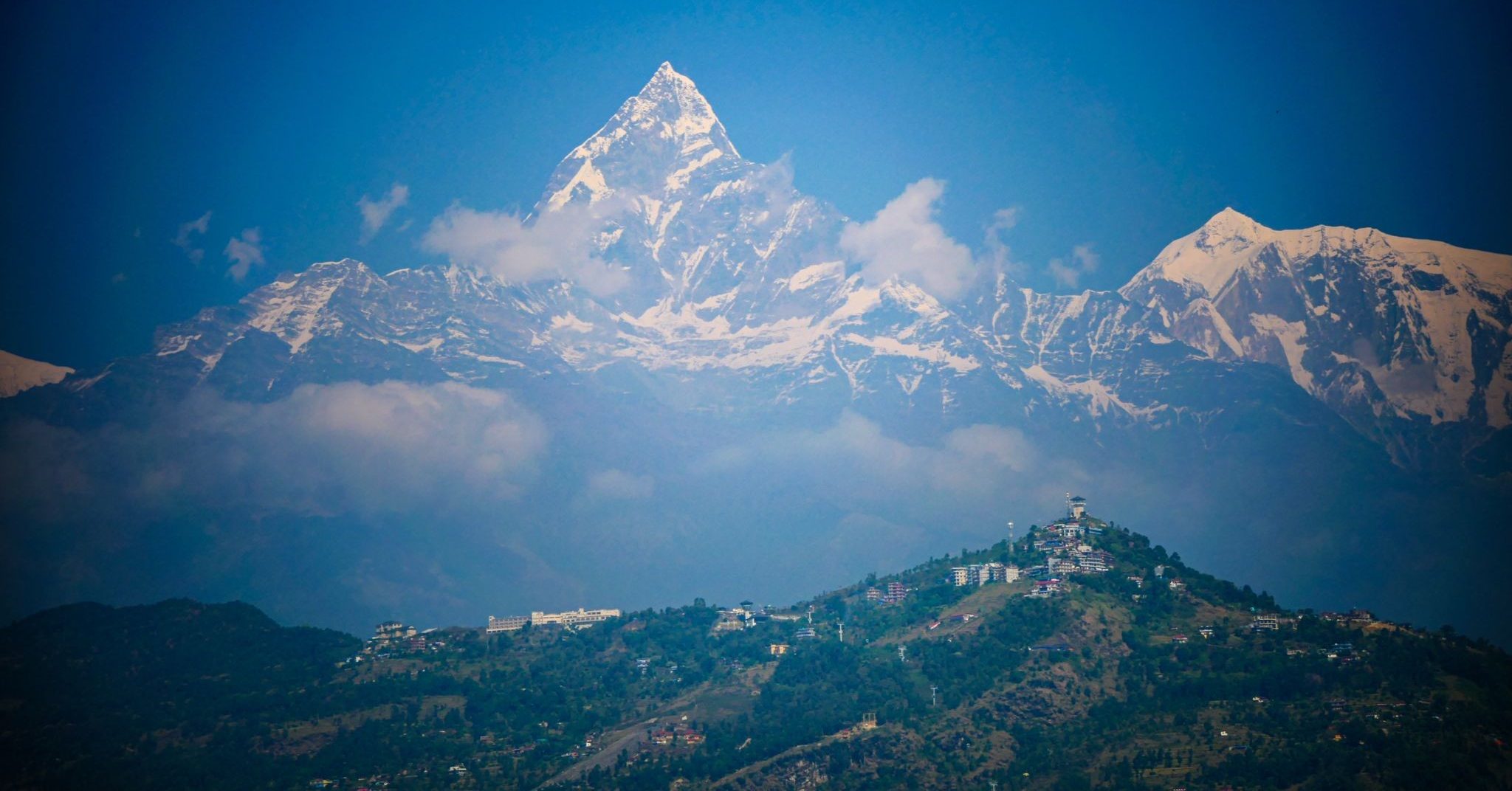
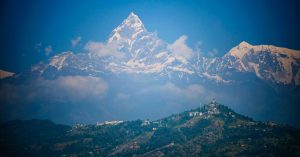
Pokhara is one of Nepal’s most scenic and relaxed destinations, set beside Phewa Lake with the Annapurna range rising dramatically to the north. On clear days, the views of Machhapuchhare — the famous “Fishtail” mountain — are unforgettable, reflected in the lake and framed by forested hills.
The town has a laid-back lakeside atmosphere, with cafés, small shops and peaceful waterside paths. After days on the bike, Pokhara offers a welcome chance to rest, explore and enjoy one of Nepal’s most beautiful mountain settings before the journey continues into the higher landscapes of Mustang.
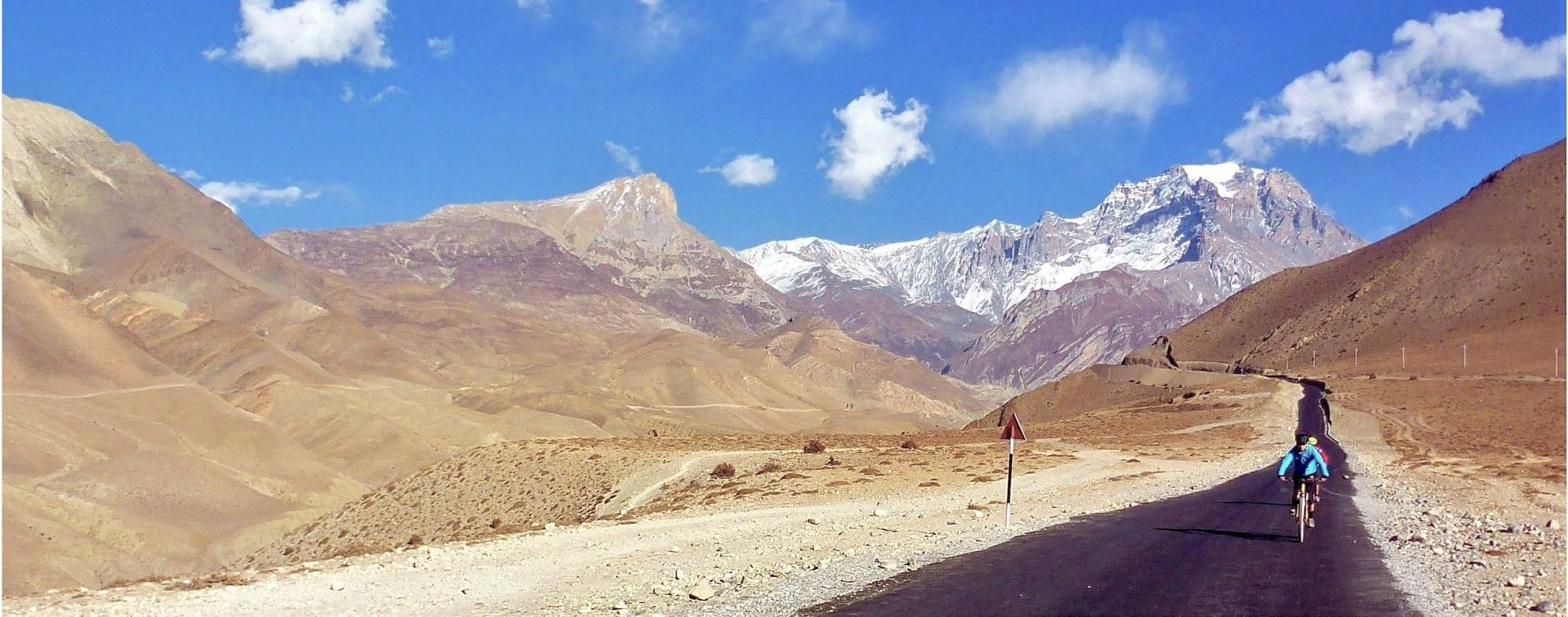
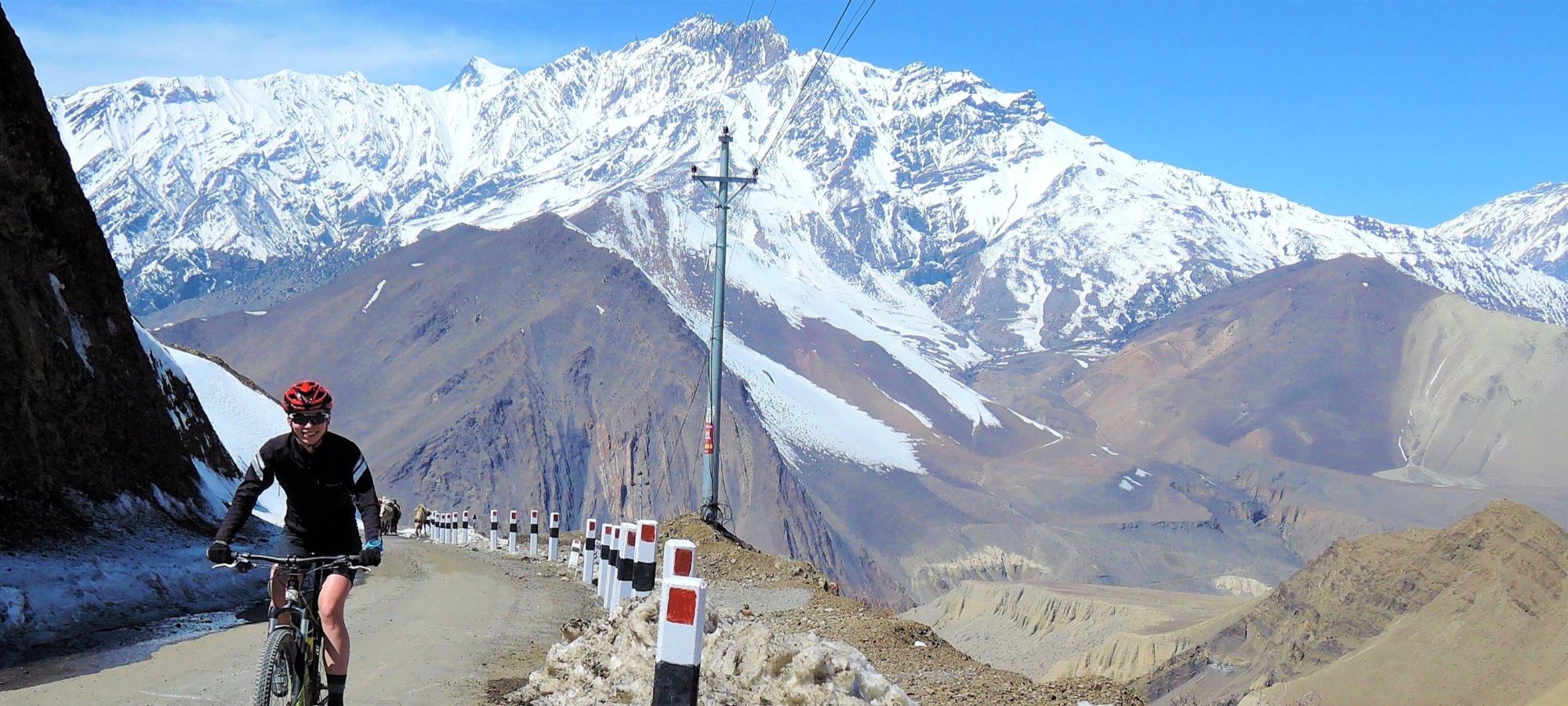
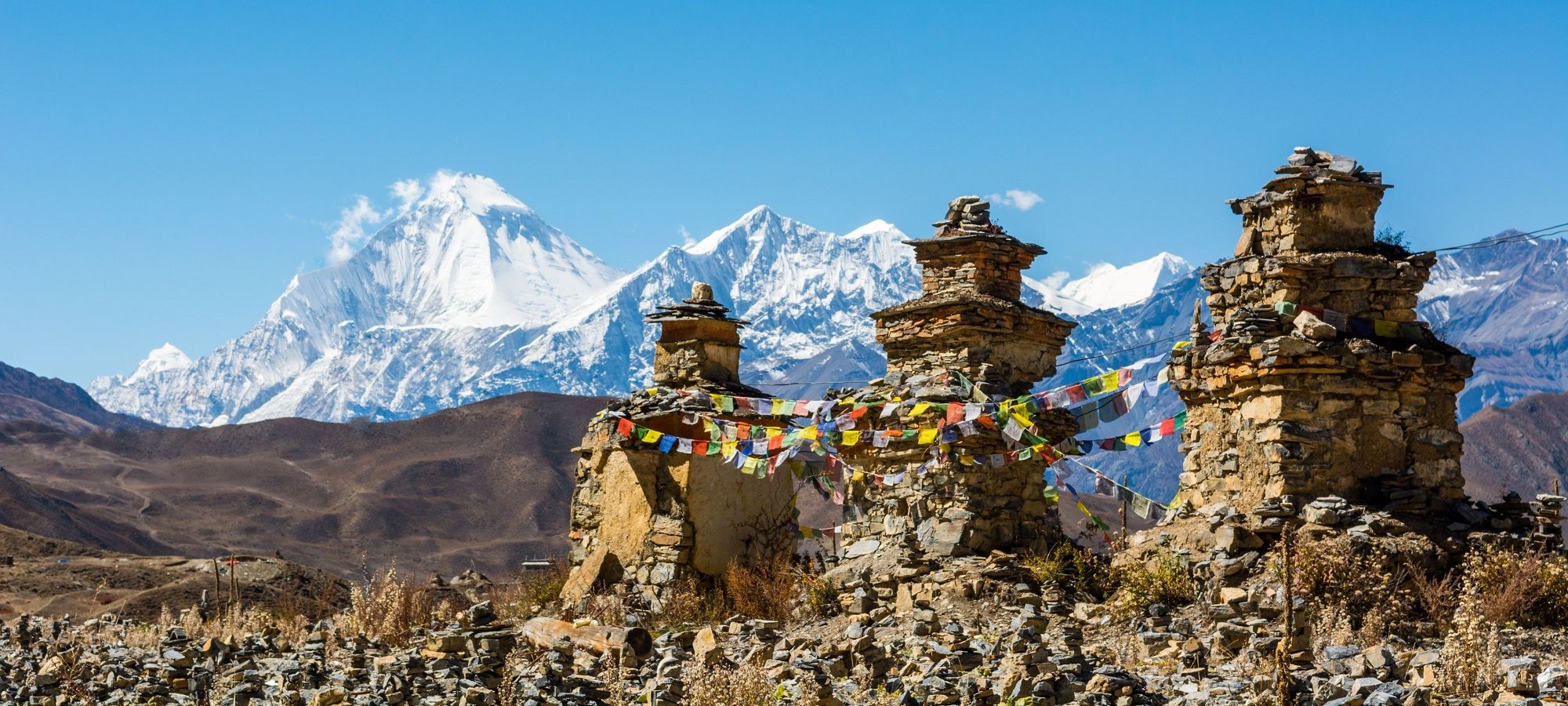
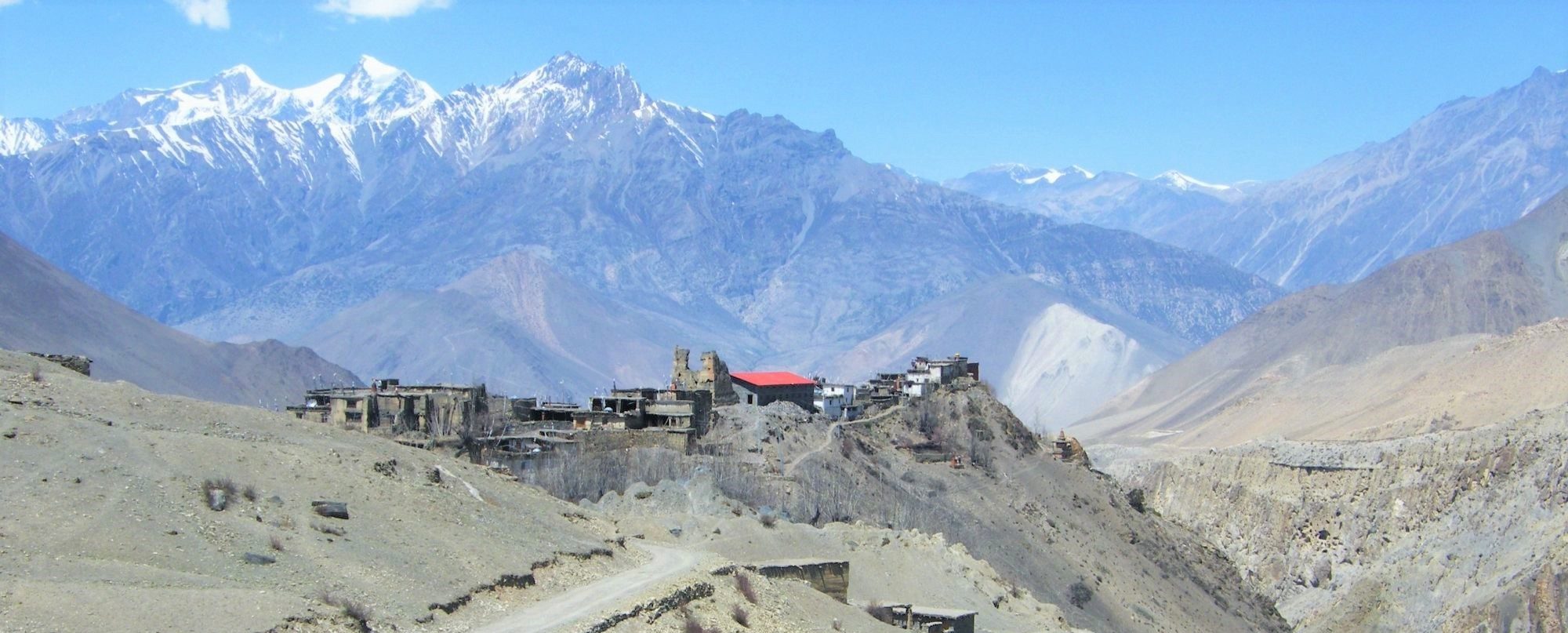
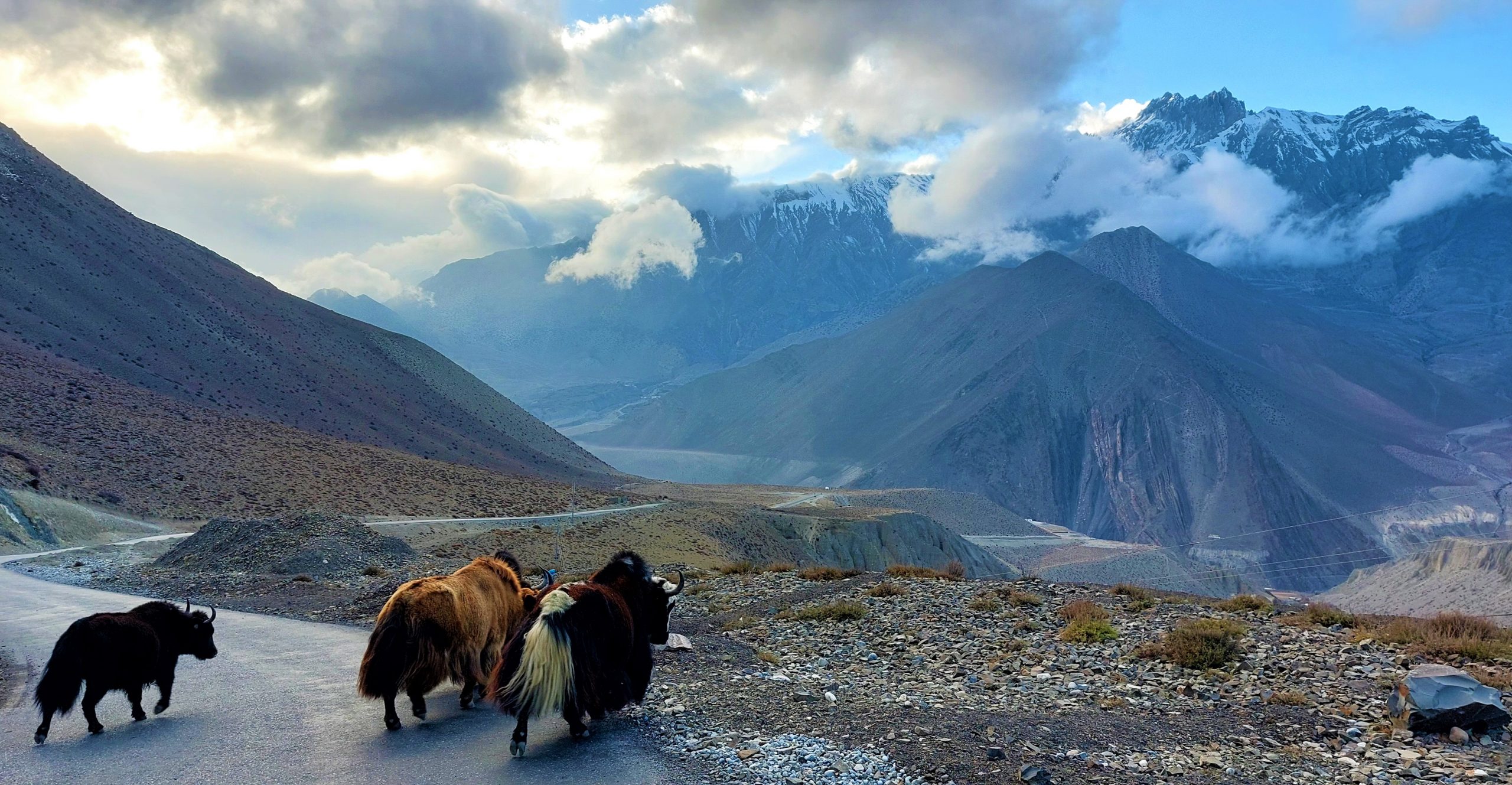
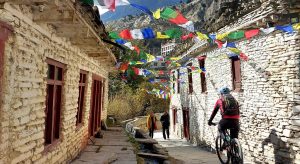
The journey to Jomsom and Muktinath takes riders into one of Nepal’s most dramatic high-altitude regions. Set in the rain shadow of the Annapurna and Dhaulagiri ranges, this part of the route feels very different from the greener hills below, with arid valleys, windswept trails, Tibetan-influenced villages and immense mountain views.
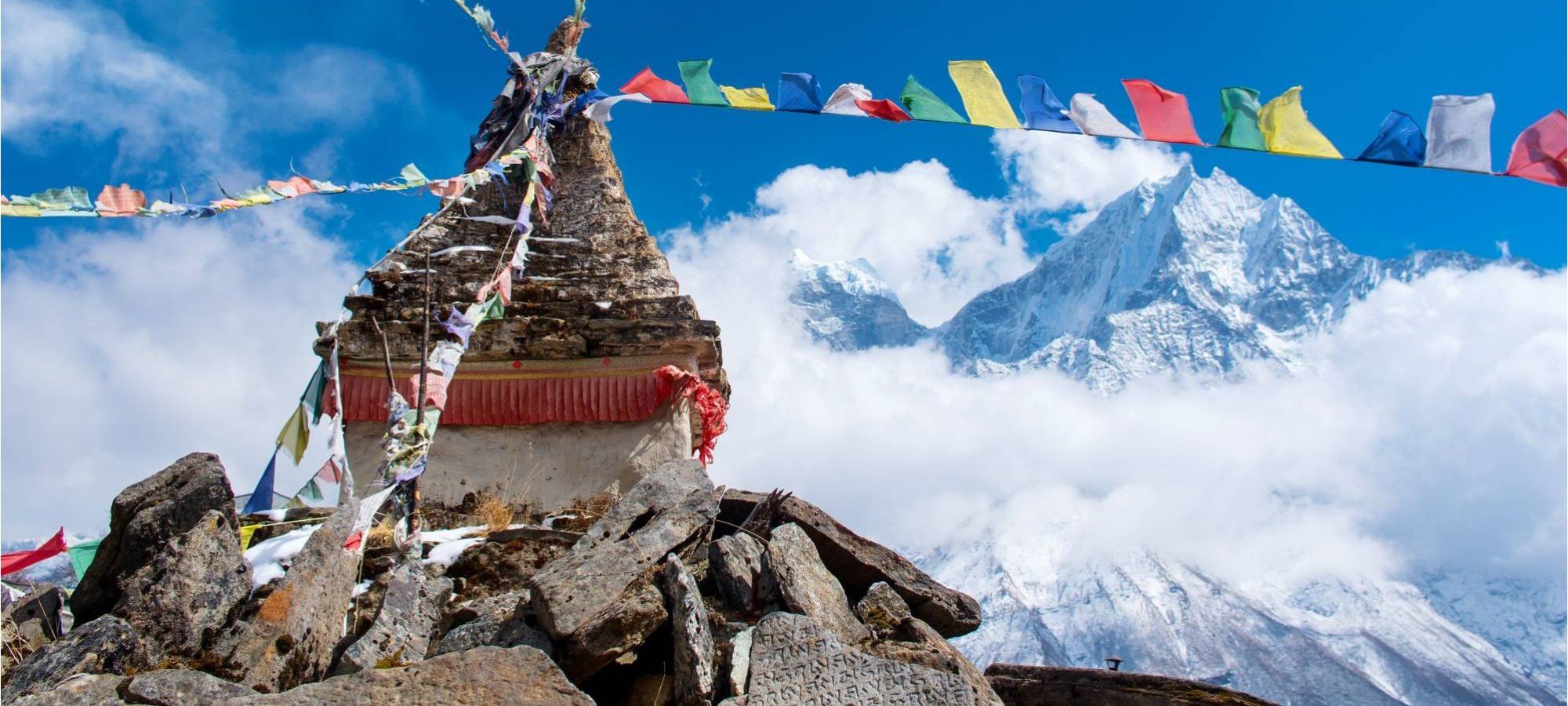
Muktinath is an important pilgrimage site for both Hindus and Buddhists, set at high elevation beneath vast Himalayan skies. Reaching this remote sacred place is a real highlight of the tour, combining spiritual significance with the raw beauty of Mustang’s mountain desert landscape.
The ride through the Kali Gandaki Valley and around Jomsom offers a powerful sense of scale, with deep valleys, ancient trade routes and some of the most striking scenery in Nepal. It is a fitting high mountain finale to a journey that begins in Kathmandu and travels through an extraordinary range of landscapes.

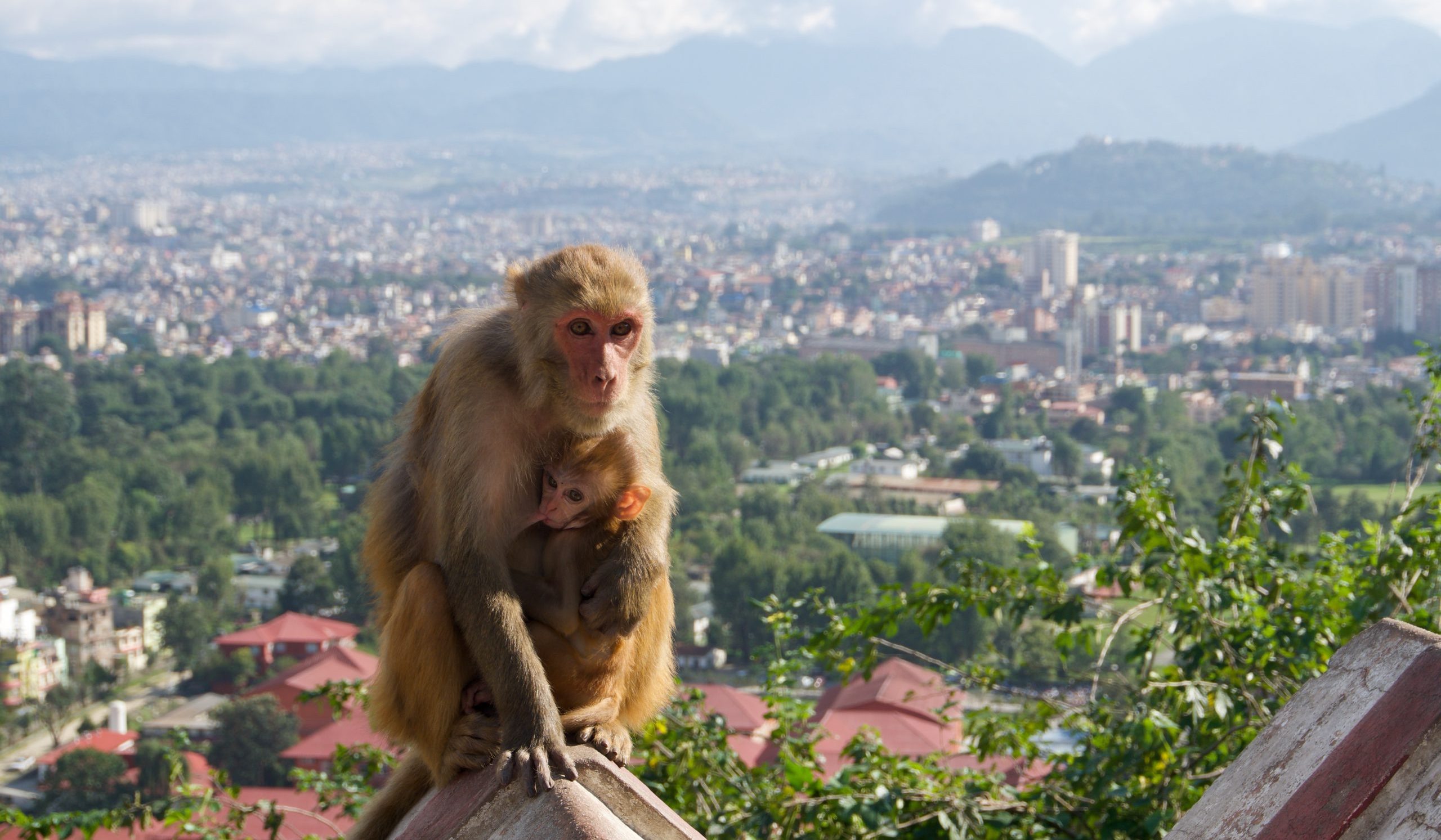
redspokes Kathmandu to Muktinath cycling tour begins in Kathmandu. On arrival you will be met at Tribhuvan International Airport (located 6 miles from central Kathmandu) and transferred to our hotel. For the rest of the day you are free to acclimatise and explore Nepal’s bustling capital city. Kathmandu is one of the world’s oldest cities and has a rich cultural heritage. The old city quarter is criss-crossed with narrow medieval streets. Durbar Square, a World Heritage Site, sits at its centre. The old quarter boasts distinctive pagoda-roofed temples, old monasteries and numerous historic monuments. Other key sites include the Royal Palace, Swayambhunath Stupa (one of the holiest Buddhist sites in Nepal; known as Monkey Temple) Boudhanath Stupa (for an insight into Tibetan culture) and Pashupati Temple (one of the holiest Hindu shrines in the world). Take some time to wander through the bustling markets and lively backstreets. Souvenirs are plentiful and include Nepali clothing, embroidery and ceramics.
This evening we will have group introductions and hear more about the journey ahead from our local team.
Accommodation: Hotel
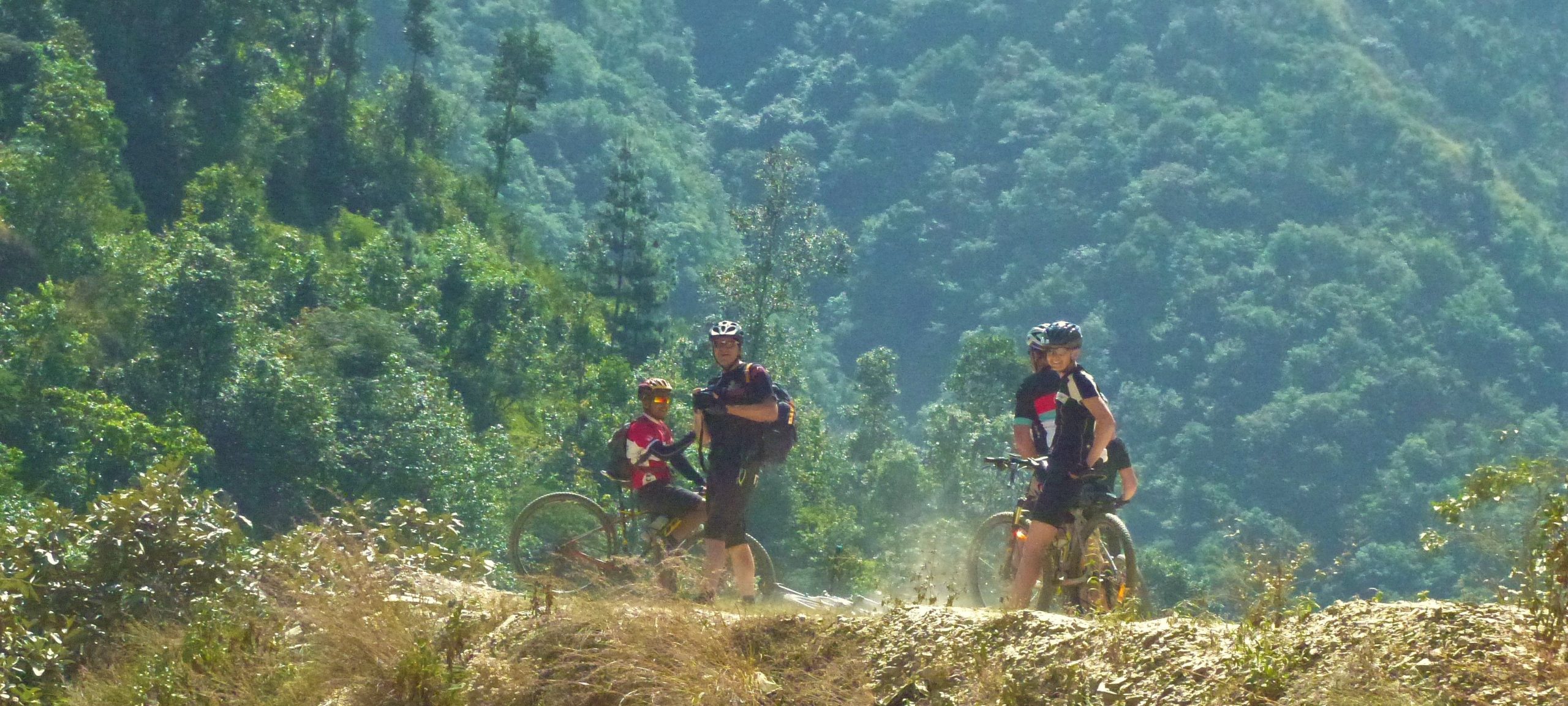
Our first day of cycling in Nepal takes us from the bustling streets of Kathmandu through the serene countryside, with picturesque hills and terraced fields lining our route. After our ride we will organise a visit to the Dakshinkali Temple, one of Nepal’s major Hindu temples. Dedicated to the goddess Kali, who represents the destructive aspects of cosmic energy, the temple is nestled amidst lush forests and attracts thousands of devotees who seek blessings and offer sacrifices. The temple visit is a perfect way to cap off an exhilarating day of cycling, providing a unique insight into the cultural and religious practices of Nepal.
Cycling Distance: 32.4km (20.6 miles)
Cycling Ascent: 789m (2,588ft)
Accommodation: Hotel (B,L,D)

This is a tough but rewarding day, we cycle along dramatic trails passing through pine forest and villages on our way to Markhu, where we stop for lunch beside a beautiful lake. This afternoon we ride the 14km stretch of the Tribhuvan Highway between Nauboise and Daman. This has been described as the most spectacular bike ride in Nepal, if not the world. Until the bypass through Mugling opened about two decades ago this was the only road to India.
Today there is little traffic. We cycle along a reasonably good tarmac road which spirals up and down endless hills and passes, through broad valleys and small villages. We climb in two stages towards Daman. First cycling to a pass at 2,000m. We then descend a few hundred metres before embarking on a final climb of 500 – 600m. Our accommodation is in Palung located 8 km before Daman.
Cycling Distance: 44km (27 miles)
Cycling Ascent: 1,145m (3,756ft)
Accommodation: Hotel (B,L,D)

After breakfast, we continue our Nepal tour cycling to Daman. At 2,400m Daman has a most spectacular outlook on the Himalaya – an incredible 400km panorama which extends from Annapurna to Everest. There are also great views over the Terai to India. There is a short 5 km ascent to the pass above Daman at 2,500 m. From the summit we look down over the plunging slopes of the Mahabharat Lekh which leads to the Terai, the low plains of Nepal.
For the rest of the day we enjoy thrilling downhill riding through pine and rhododendron forests which eventually give way to semi-tropical vegetation as the air becomes more humid. Small clusters of houses cling to lonely hill tops, but as we approach the Terai we cycle through more and more villages. Watch out for stray animals and children as you ride through! All the while the road snakes down to the ground, nearly 2,000m below. The town of Hetauda (455m) lies at the bottom of the hill and you will end today’s cycling on an unforgettable high.
Cycling Distance: 78km (48 miles)
Cycling Ascent: 1,090m (3,576ft)
Accommodation: Hotel (B,L,D)

A much flatter ride today after the adrenalin-pumping downhill of yesterday. We are now in central Terai, a region of hot subtropical plains, and the surrounding vegetation reflects this. Sal (hard wood) and Kal (silk cotton) trees line the roads on our route cycling towards the Chitwan National Park, a World Heritage Site since 1984.
At Tadi, the route diverts onto a dirt track to the outskirts of the park area at Sauraha. Tonight we will stay at a hotel in the park. The park is the largest and most famous wilderness in Nepal, and covers a pristine area with a unique ecosystem. It boasts more than 43 species of mammals and is especially renowned for the endangered one-horned rhinoceros and Bengal tigers. It is also home to 450 species of birds and 45 types of amphibians and reptiles. This evening we hear more about the range of activities on offer tomorrow.
Cycling Distance: 72km (45 miles)
Cycling Ascent: 129m (423 ft)
Accommodation: Hotel (B,L)

Today is a welcome break after the exertion of the previous days of cycling. You may choose to rest and recuperate at the hotel or explore the Chitwan National Park. The best place to start is the Visitor Centre at Sauraha where you will find plenty of information on wildlife and conservation programmes.
The park is a popular destination for eco-tourists and activities (arranged through our local team at extra cost) include:
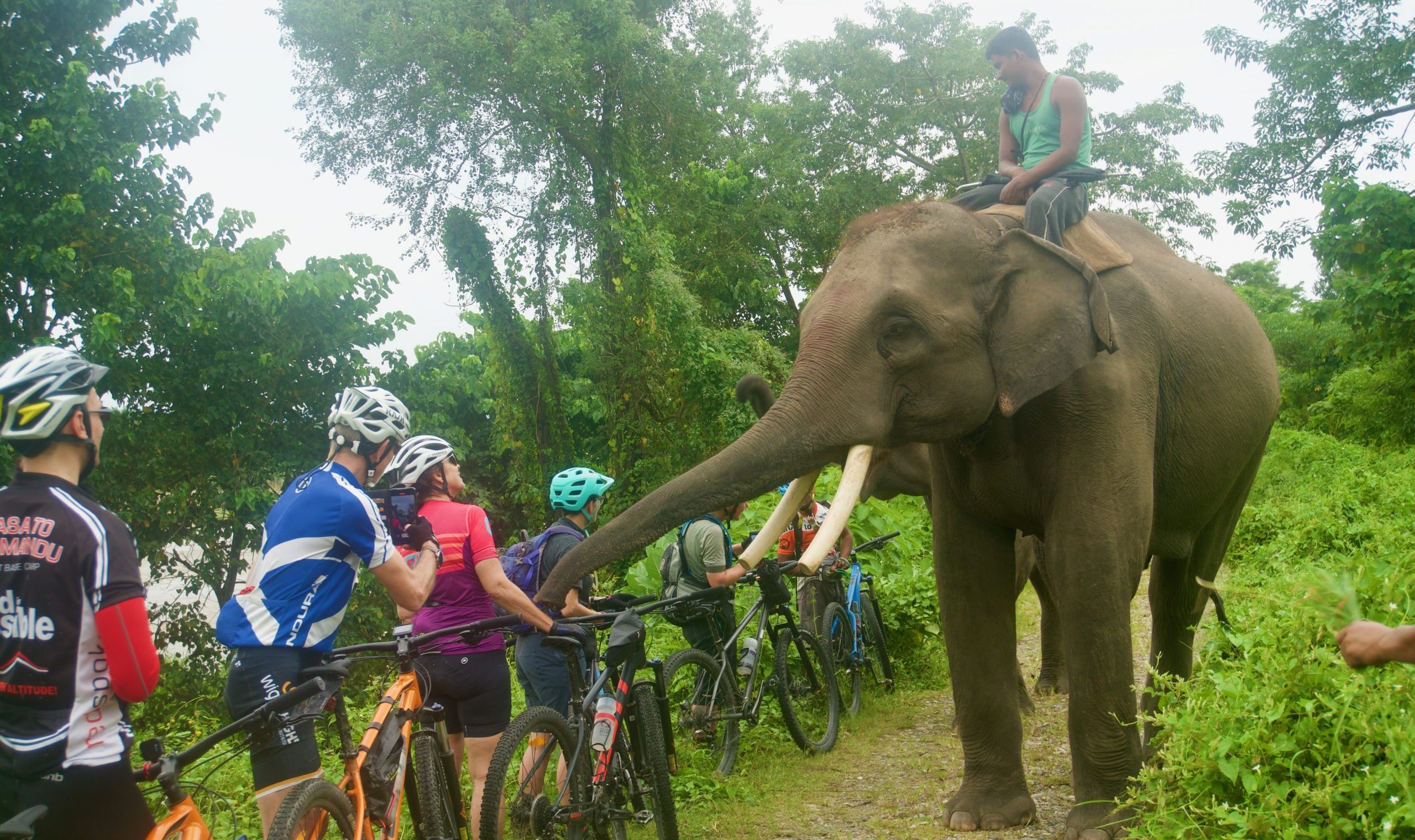
Canoeing: A journey down the river Rapti in a traditional ‘dug out canoe’ and an opportunity to quietly observe the exotic species of birds and animals that come to drink at the water’s edge.
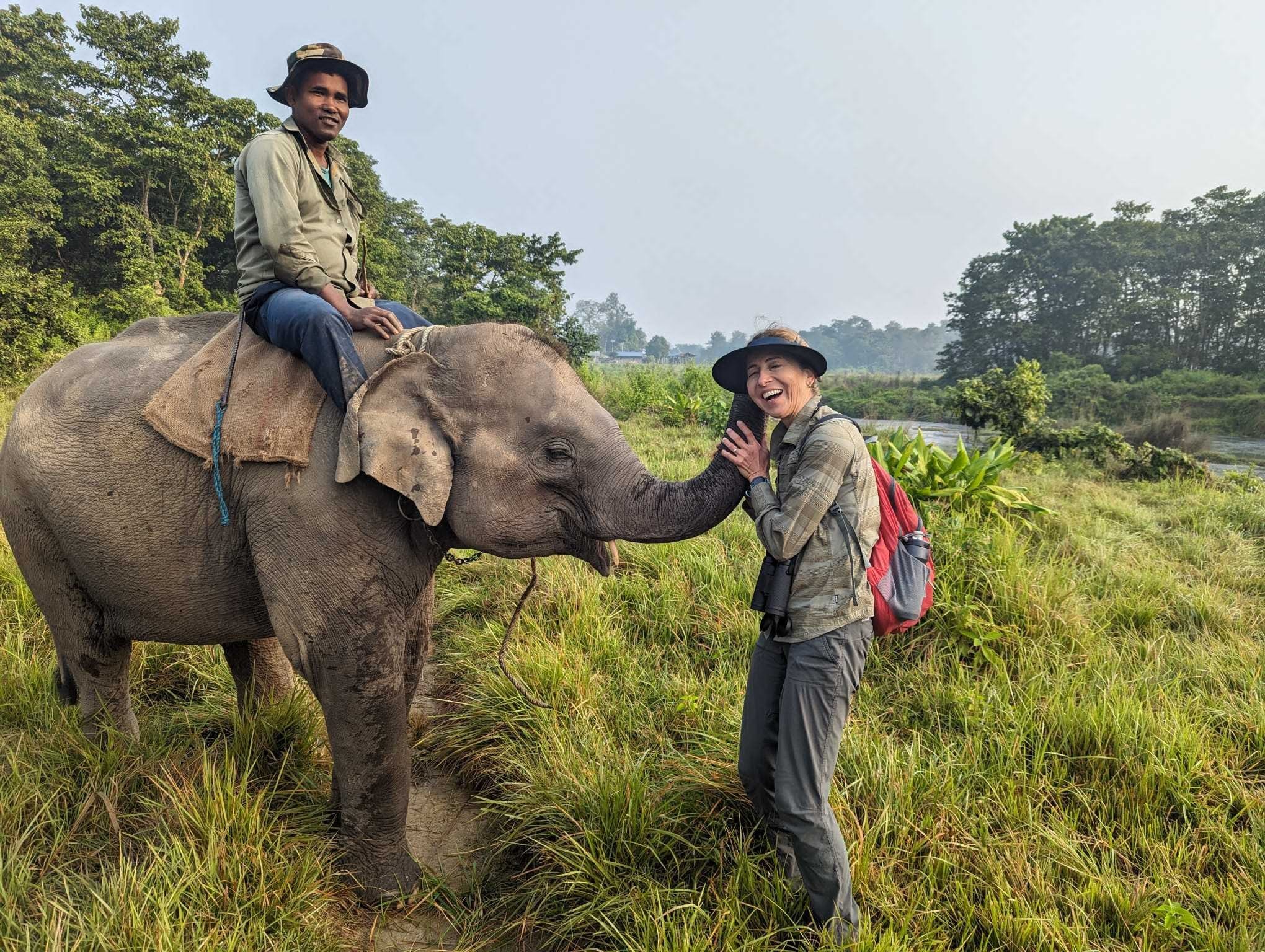
Elephant safari: Get a closer view of the endangered one-horned rhinoceros and possibly the elusive Bengal tiger from a safe vantage point.
Guided jungle walk or drive: Accompanied by an experienced naturalist you can walk or drive deep into the jungle, to prime locations in search of rare animals.
Bird watching: An early morning walk through the bush and along the Rapti River, with an expert guide to view some of the 450 species of exotic birds including the Giant Hornbill, Lesser Florican and Paradise Flycatcher.
Observation tower: Climb the 22 foot high wooden tower built in a prime location within the park for a unique perspective on wildlife.
Village tour: Visit a traditional Tharu village deep in the jungle.
Accommodation: Hotel (B)
Our first 50 km ride is relatively flat, and we advise caution for the first 15 km due to traffic. However, our van is always available for anyone who would prefer to use it. Later in the day, we face two challenging 500-meter climbs, making it one of the most challenging days on the trip.
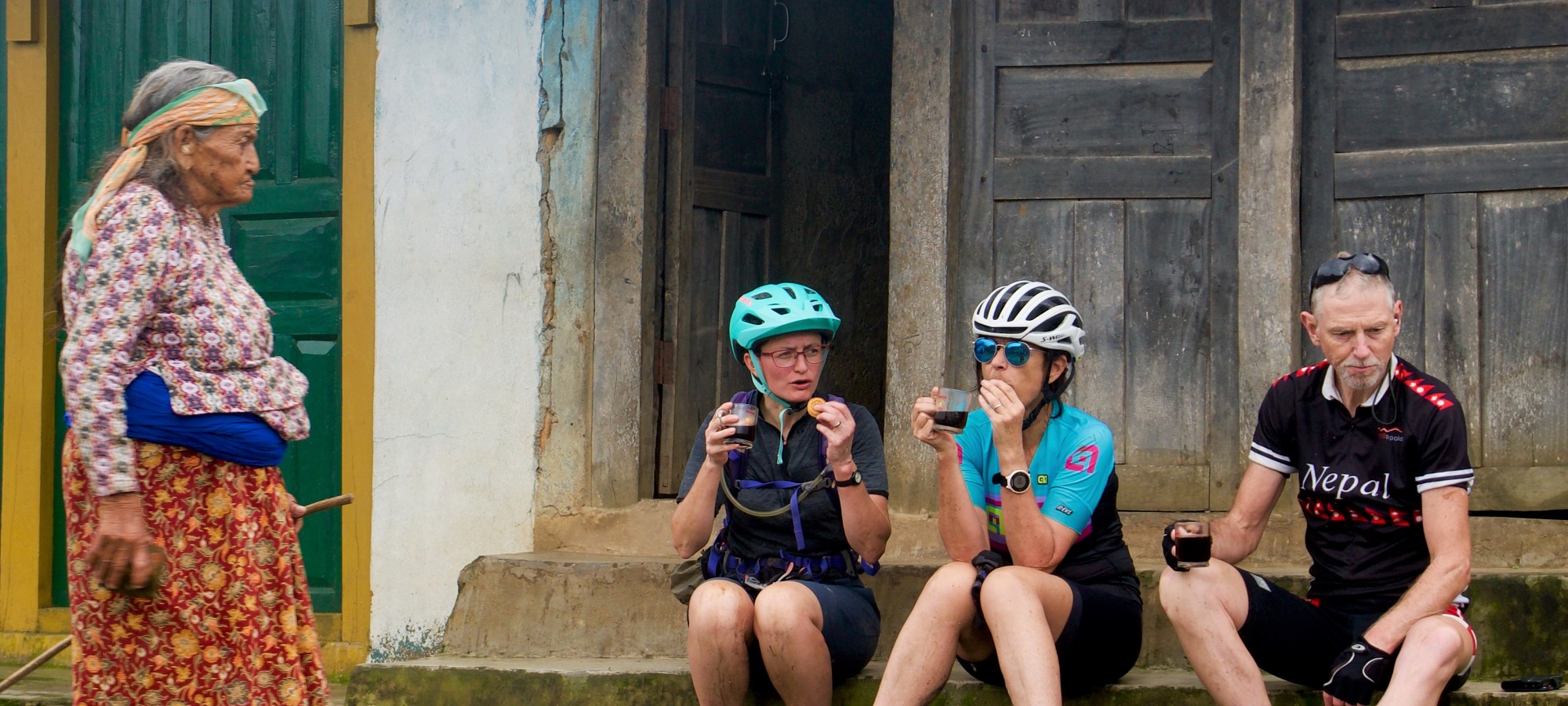
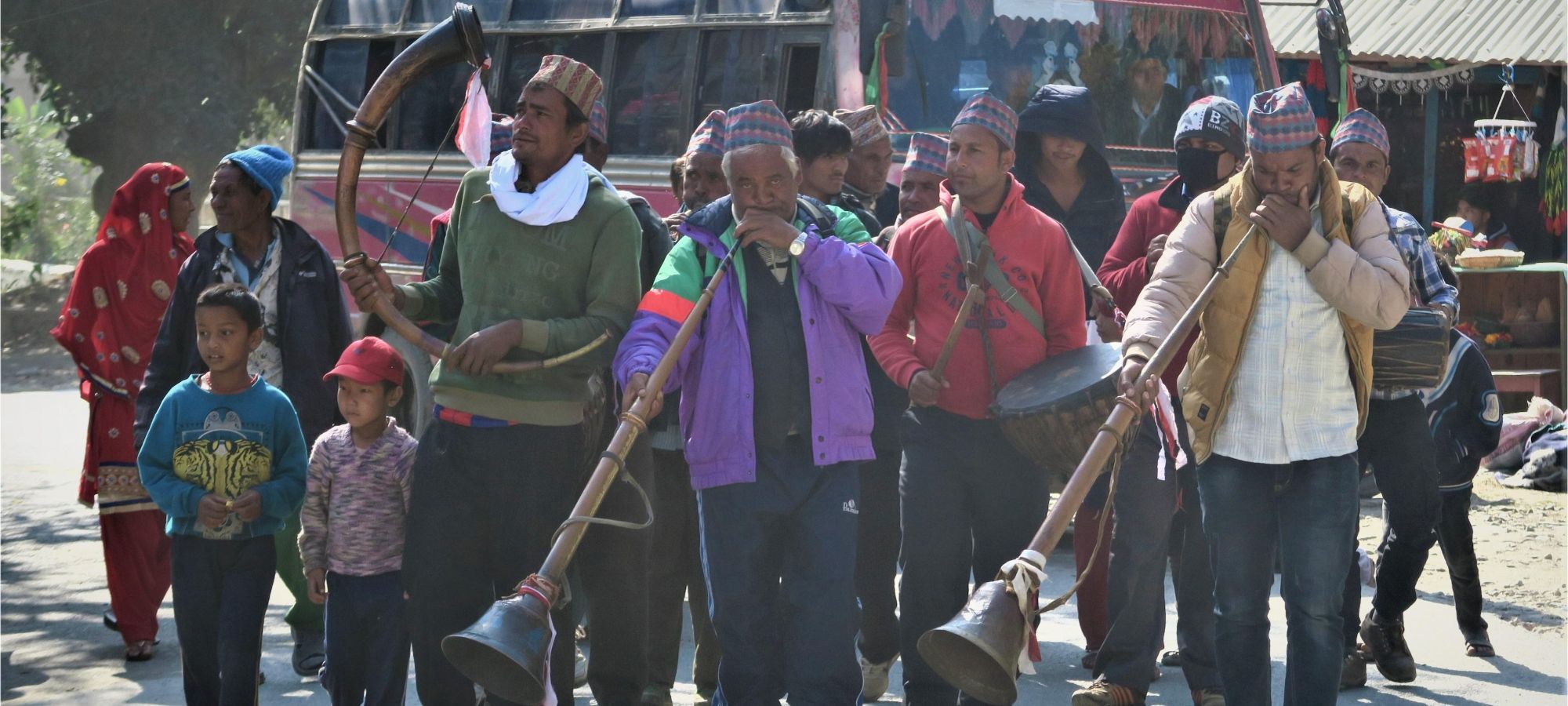
Today’s ride offers a real glimpse into local life in this part of Nepal. We pass through picturesque thatched villages where farming methods have changed little in centuries. Cycling is the ideal way to discover this beautiful area and to meet friendly villagers living a traditional and simple life. We finish cycling for the day at Bandipur, a picturesque Newar (historical inhabitants of the Kathmandu valley) mountain village with stunning views of the Annapurna Range and the peaks of Dhaulagiri, Manaslu, and Langtang. Retaining much of the charm of ‘old Nepal’ there are shrines, temples and pagodas to visit. There are also holy caves in the area featuring limestone formations of geographical and religious interest, including what is said to be the largest cave in Asia the Siddha, which is 750m long. The caves attract many pilgrims and adventurers. The historic trail to Bandipur was immortalized in a poem by King Mahendra, who observed how remarkably long and steep it was.
Cycling Distance: 71km (44.2 miles)
Cycling Ascent: 1,670m (5,479ft)
Accommodation: Hotel (B,L,D)

Today’s cycle from Bandipur to Damauli is full of adventure and natural wonders. The morning starts with a walk around Bandipur before we set off on our bikes. We enjoy a stunning 10-kilometer descent, taking in the panoramic views of the Annapurnas along the way. Our journey takes us to the awe-inspiring Siddha Gufa cave in Bimal Nagar, where we explore the intricate rock formations. The last hour of our ride to Damauli is on a paved road, but as we cycle up into the mountains, the scenery becomes more rugged and awe-inspiring.
Cycling Distance: 24km (15 miles)
Cycling Ascent: 248m (813ft)
Accommodation: Hotel (B,L,D)

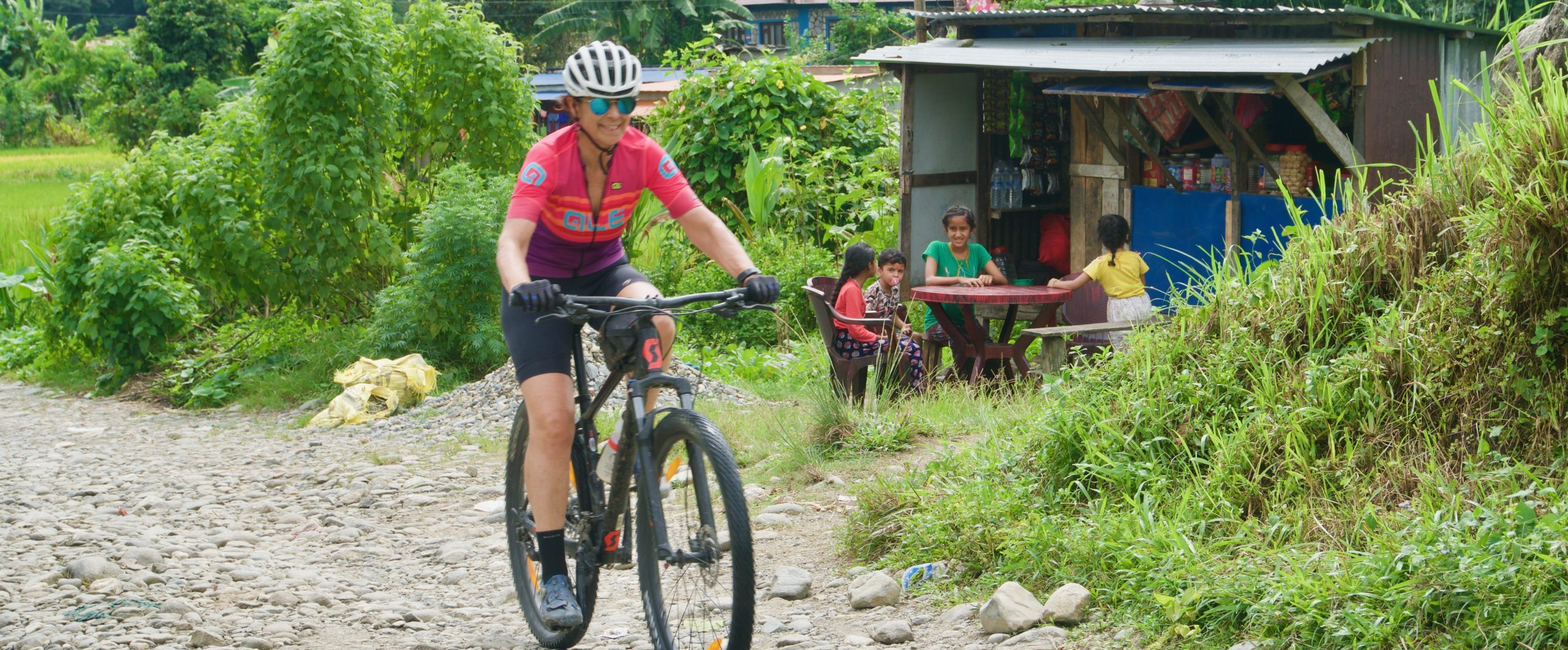
Today’s cycle ride takes us through breathtaking scenery, with stunning views of the Himalayas, and hardly any traffic on the way to the outskirts of a beautiful city. As we cycle along, we pass through small villages with traditional mud houses and thatched roofs, giving us a glimpse into a bygone era. We see children playing with homemade toys, elderly villagers basking in the sun on grass mats, and farmers tilling the land by hand.
The city we’re heading to is situated in a magnificent valley of lakes and mountains, and it’s a popular tourist destination. It boasts some of the best mountain panoramas in the world, with Machhapuchhre (Fishtail Mountain) being the most impressive peak, located just 25 km away. The reflection of the peak in Lake Phewa is considered one of the most beautiful sights in the region.
Cycling Distance: 66km (41 miles)
Cycling Ascent: 1,455m (4,773ft)
Accommodation: Hotel (B,L)

We have a break from our bikes today in order to spend more time exploring Pokhara and its surroundings. If Kathmandu is the cultural hub of Nepal, Pokhara is its adventure centre. There are opportunities to participate in some of the activities on offer in this spectacular setting (for an extra charge). They include: trekking, rafting, kayaking, paragliding, horse riding and jungle safaris.
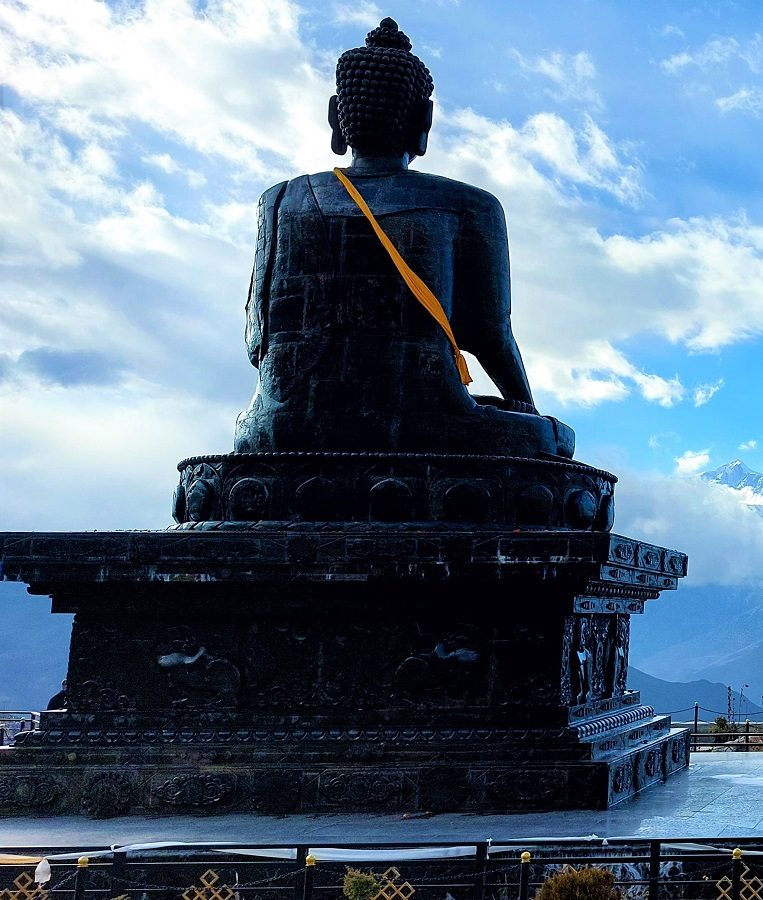
Pokhara is also a place of outstanding natural beauty. The serenity of Phewa Lake and the magnificence of the fish-tailed summit of Machhapuchhre rising behind it create an ambience of peace and tranquillity. You may decide to simply relax by the lake enjoying the temperate, sub-tropical climate. Alternatively, you can explore the town: Pokhara bazaar, Devi’s Falls, World Peace Pagoda and Seti Gorge. This evening we hear more about our final 3 days of cycling in Nepal from the local team.
Accommodation: Hotel (B)
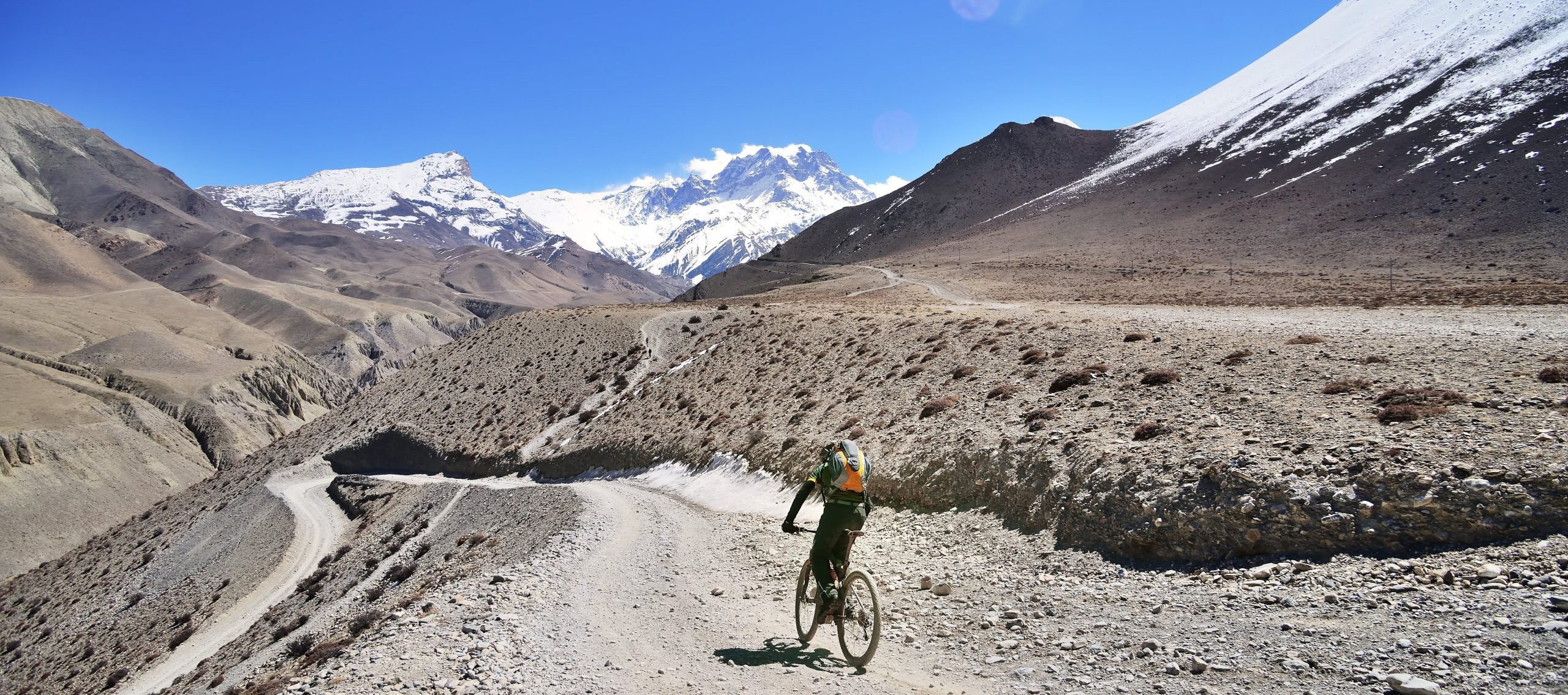
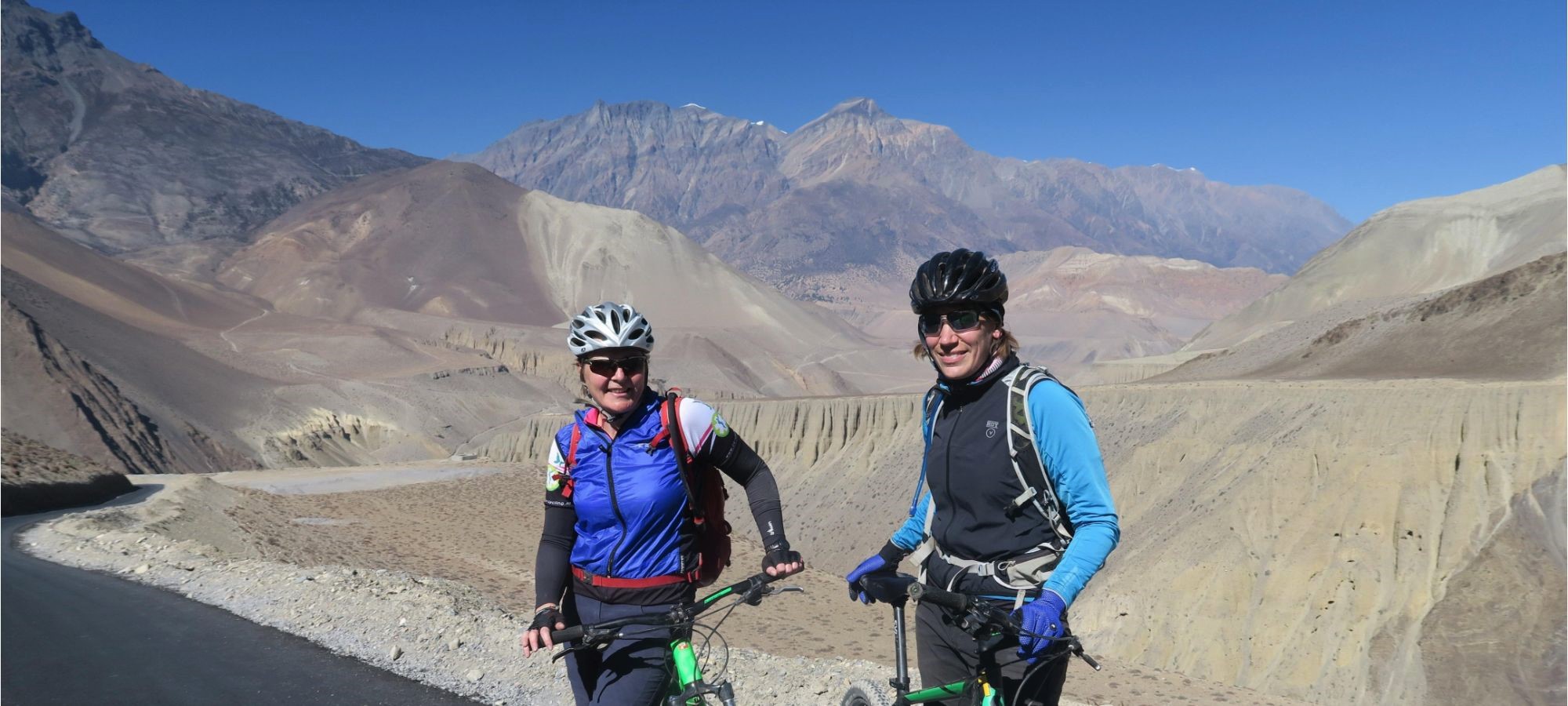
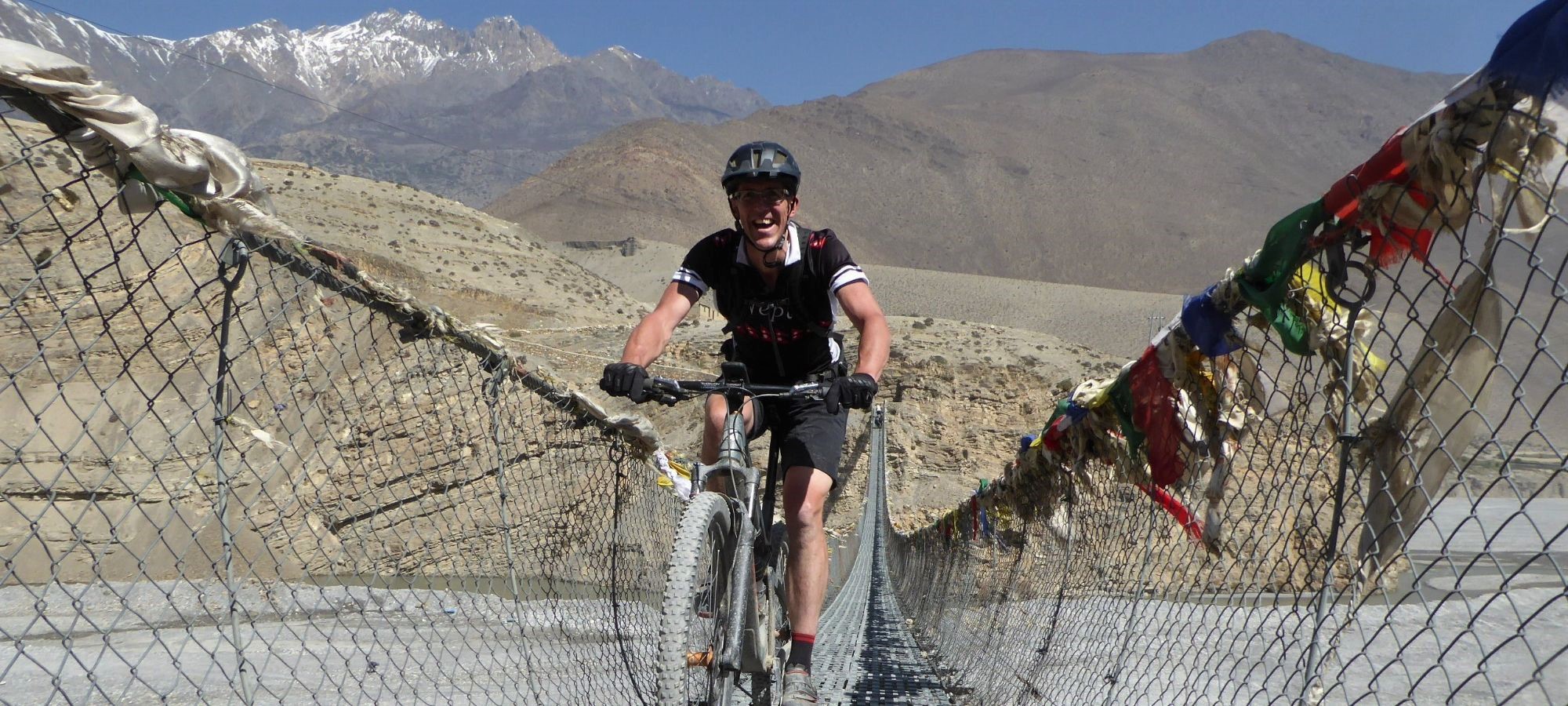
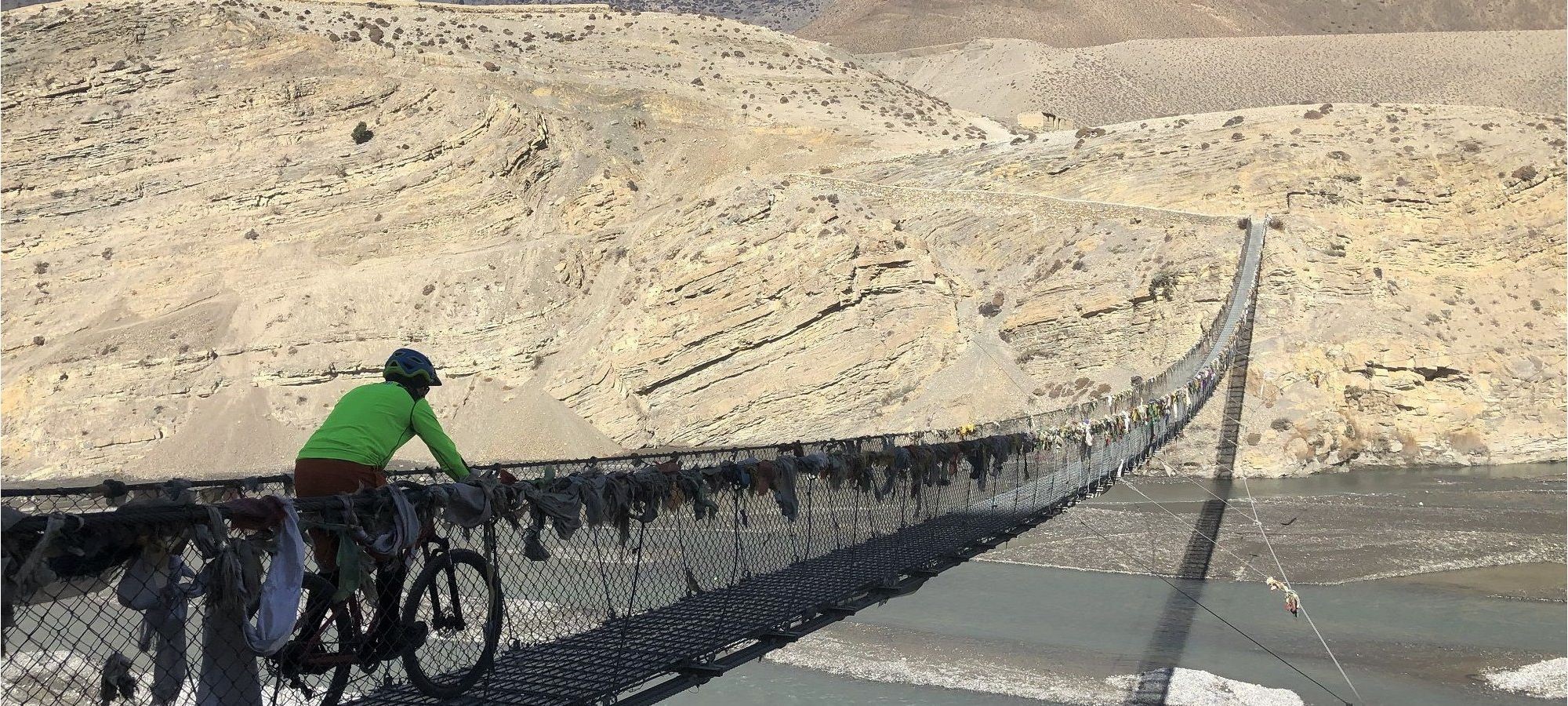
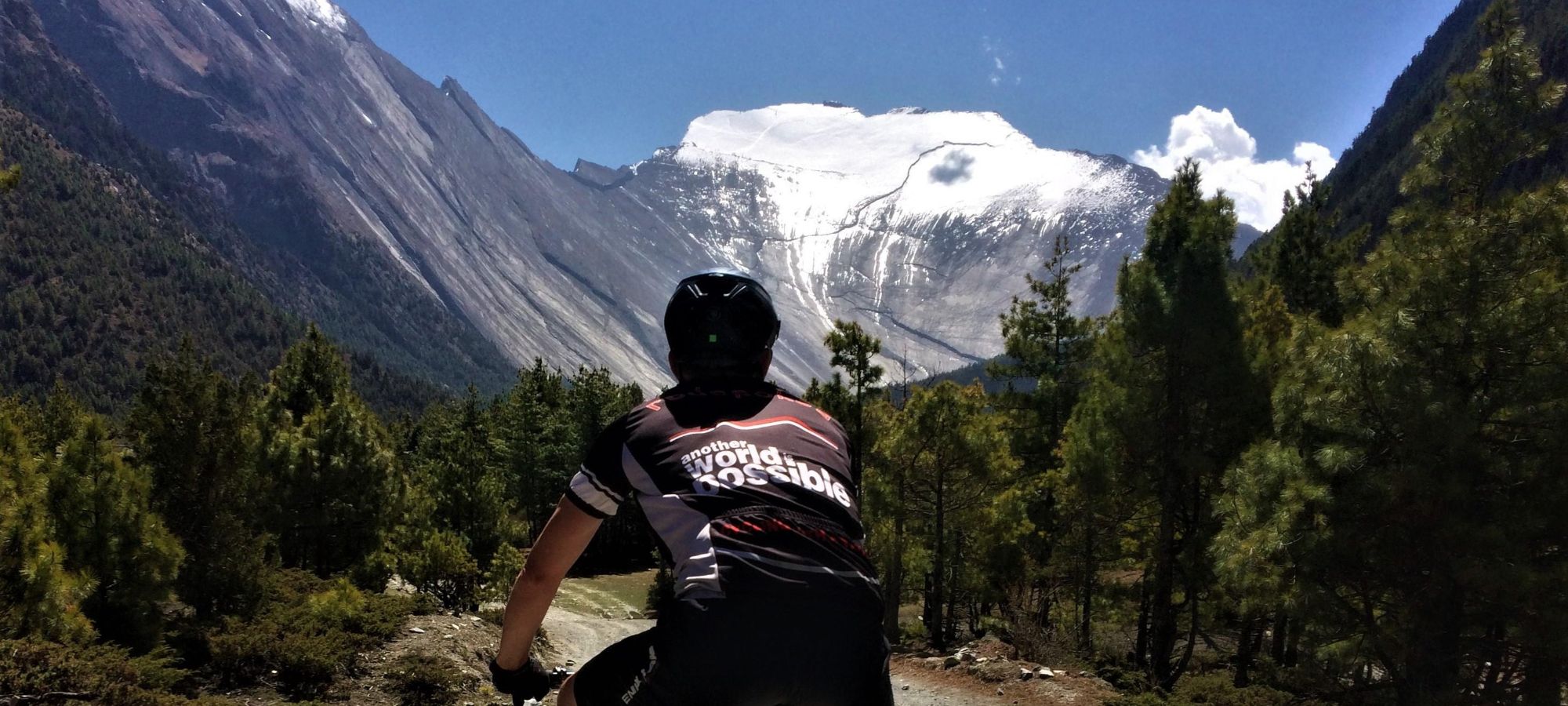
This morning we take a short flight from Pokhara to Jomsom (2,713 m). Jomsom is the headquarters of the Mustang District and a key location along the popular Annapurna Circuit trekking route. We cycle off-road from here through a dramatic, arid landscape towards Muktinath (3,825 m). It is a tough ride over rocky terrain which resembles the Tibetan plateau with some fascinating rock formations en route. Muktinath is as pilgrimage centre for Buddhists and Hindus. The shrines, in a grove of trees, include a Buddhist monastery and the Vishnu temple of Jiwala Mayi. An old temple nearby shelters a spring and natural gas jets which provide Muktinath’s famous eternal flame. The earth – water – fire combination accounts for Muktinath’s great religious significance. Spectacular views of the Dhaulagiri, Nilgiri, Tukuche peaks and several other 8,000m peaks are visible. We return to Jomsom where we stay tonight.
Cycling Distance: 42km (26 miles)
Cycling Ascent: 1,065m (3,494ft)
Accommodation: Hotel (B,L,D)

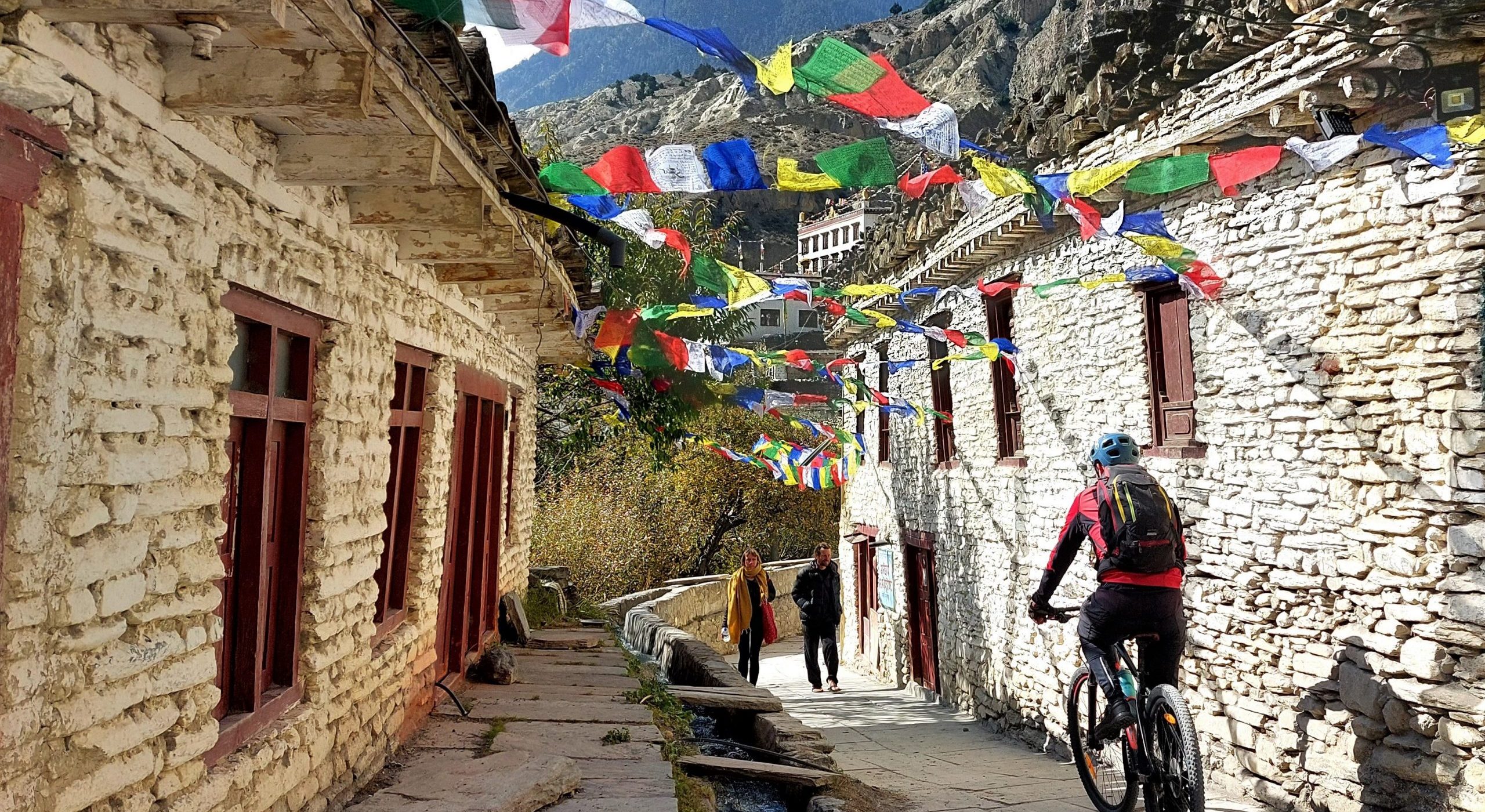
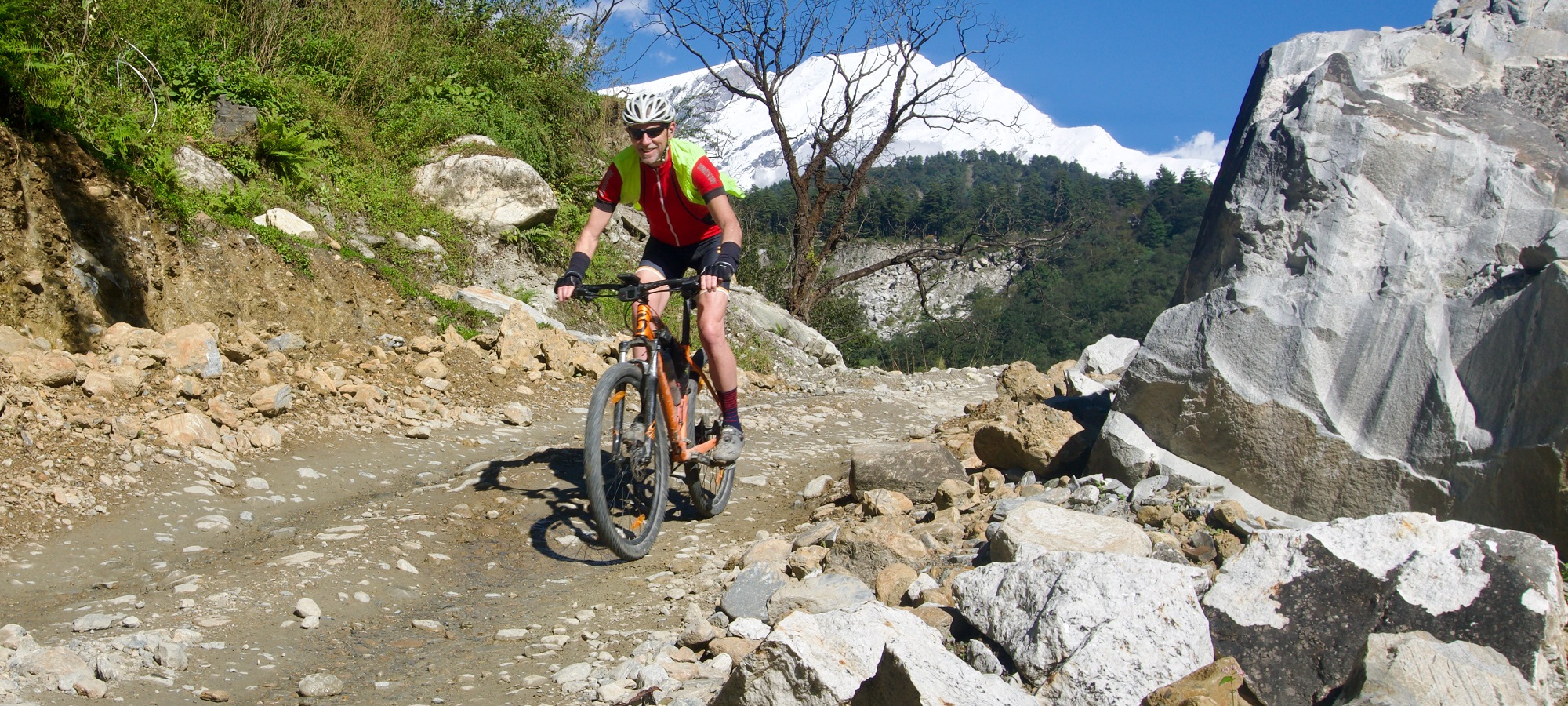
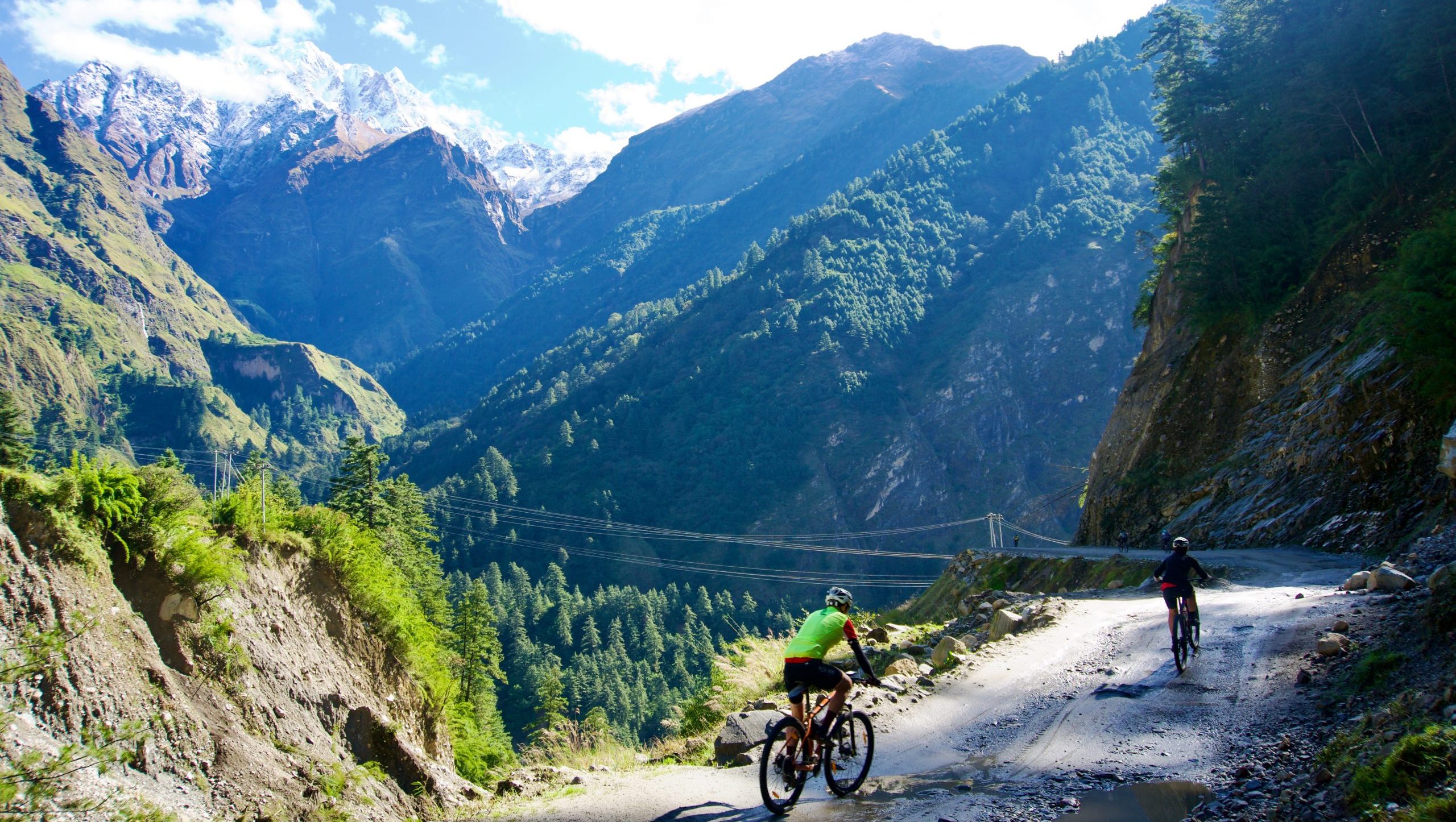
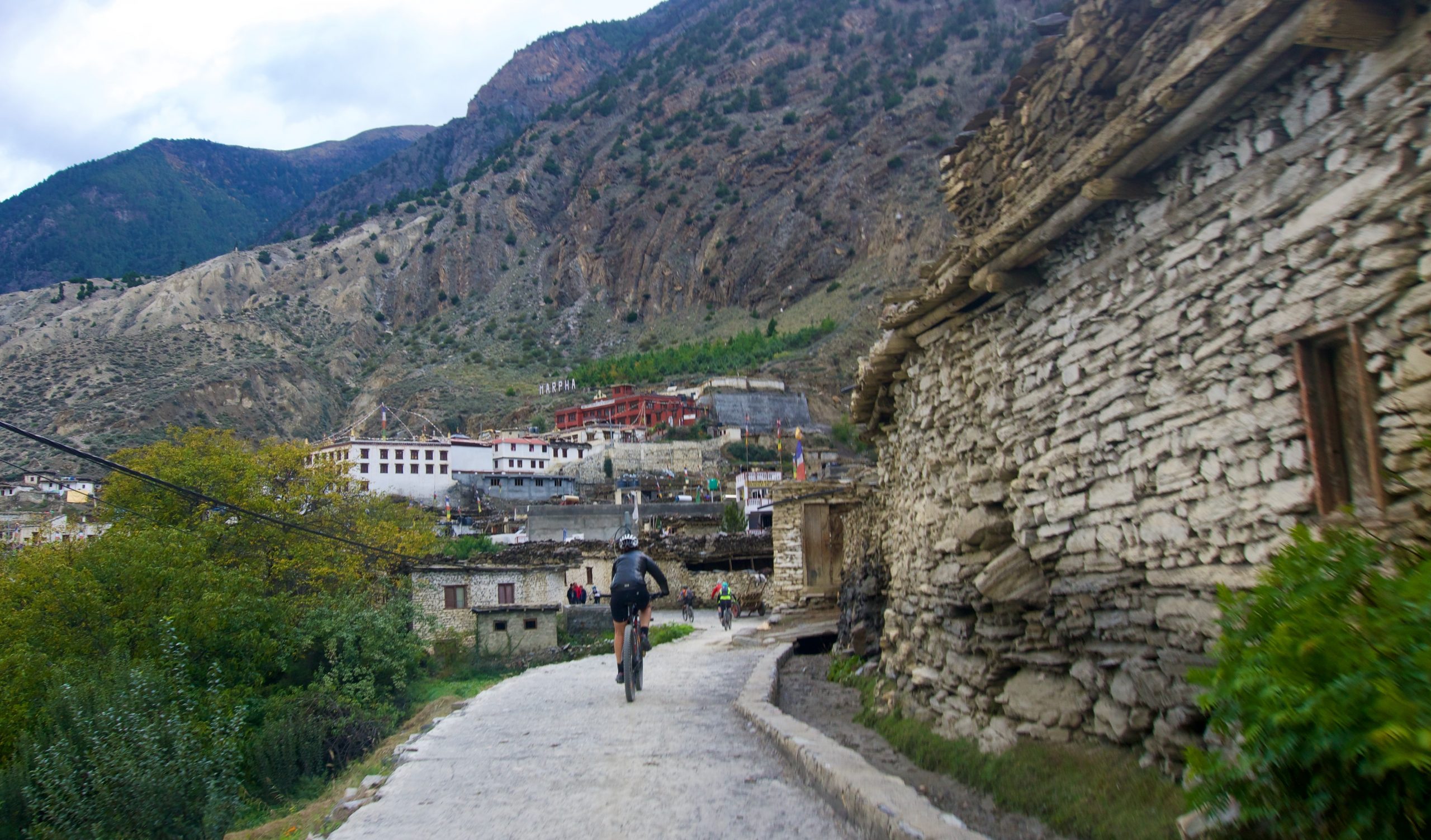
We set off from Jomsom cycling alongside the Kali Gandaki river, riding over sandy and rocky tracks. We pass through various villages including Marpha, a picturesque place with white-washed houses and cobbled streets that is well known for its apple production. The next section is easy riding, we cycle following a jeep track to Kalopani, a beautiful village set below the Dhaulagiri Himal. From the village there are panoramic views of Dhaulagiri, the Nilgiri peaks and Annapurna I. After about 25 km we reach Kalopani (2,530m) which means ‘black water’.
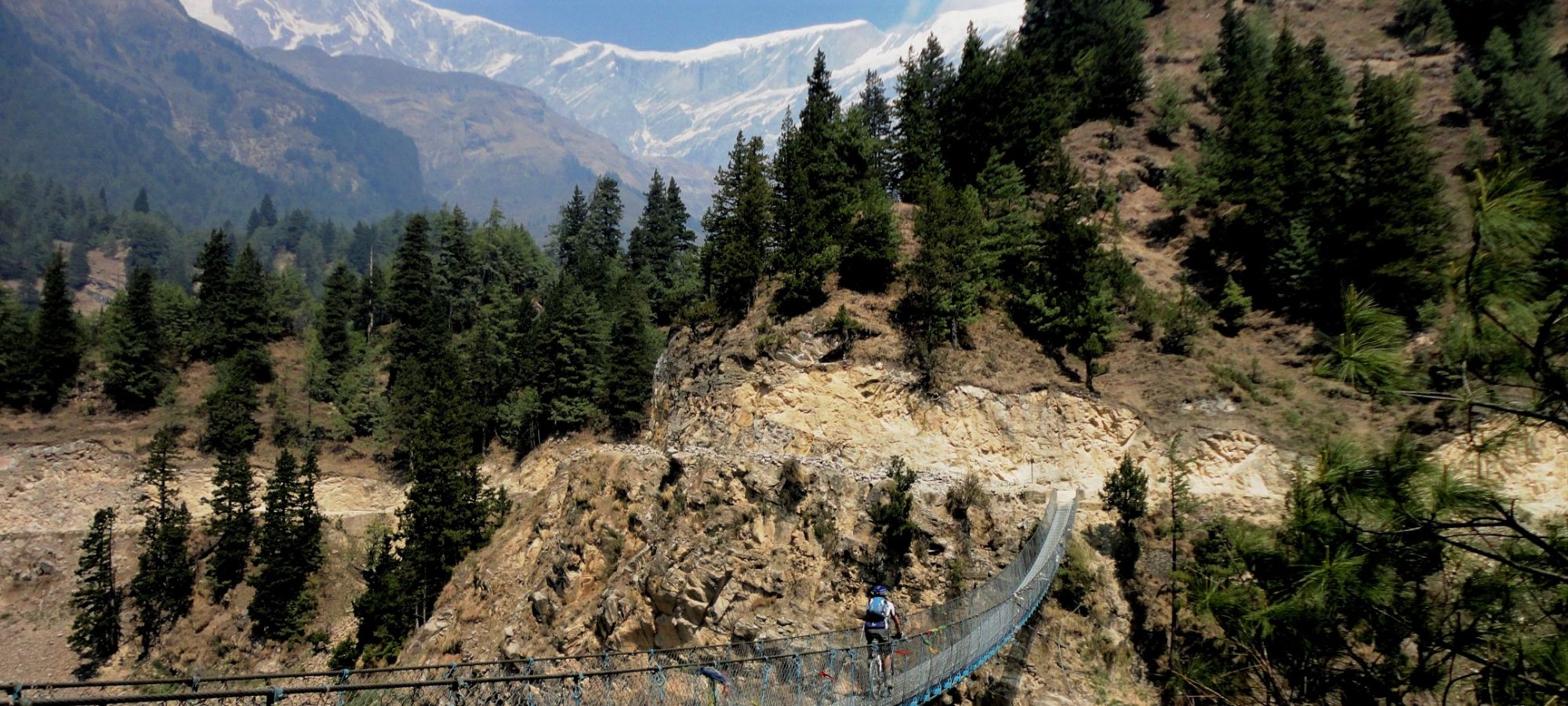
From there the route is downhill at first. We cross a suspension bridge and ride through pine forest to reach Ghasa. The trail then goes steeply down to the Rupse waterfall, one of the biggest along the route. Beyond, the trail is much easier, passing through Dana village and crossing rice paddies to Tatopani (1,190m), a small town on the north bank of Kali Gandaki River. Tatopani means ‘hot water’ in Nepali and the village took its name from the hot springs nearby. At this point we have cycle 48 km today.
Cycling Distance: 48.1 km (29.9 miles)
Cycling Ascent: 319m (1,047ft)
Cycling Descent: 1,678m (5,505.3ft)
Accommodation: Hotel (B,L,D)

Today’s cycling trail follows the Kali Gandaki River as we ride through the world’s deepest gorge to reach Beni. (830m). This is an easy ride through stunning scenery. The remainder of today’s route is 100% on-road which will be a relief after the last couple of days of riding on dirt tracks. We leave Beni, headquarters of the Parbat District, and head back into the tranquil countryside. We continue following the Kali Gandaki river in order to reach the Baglung Highway. We cycle along this road to Naudanda, an attractive village perched on a hilltop surrounded by steep rice terraces. From here we ride to the Sarangkot viewpoint (1,592m) which offers the best and most spectacular panoramas in the Pokhara area.
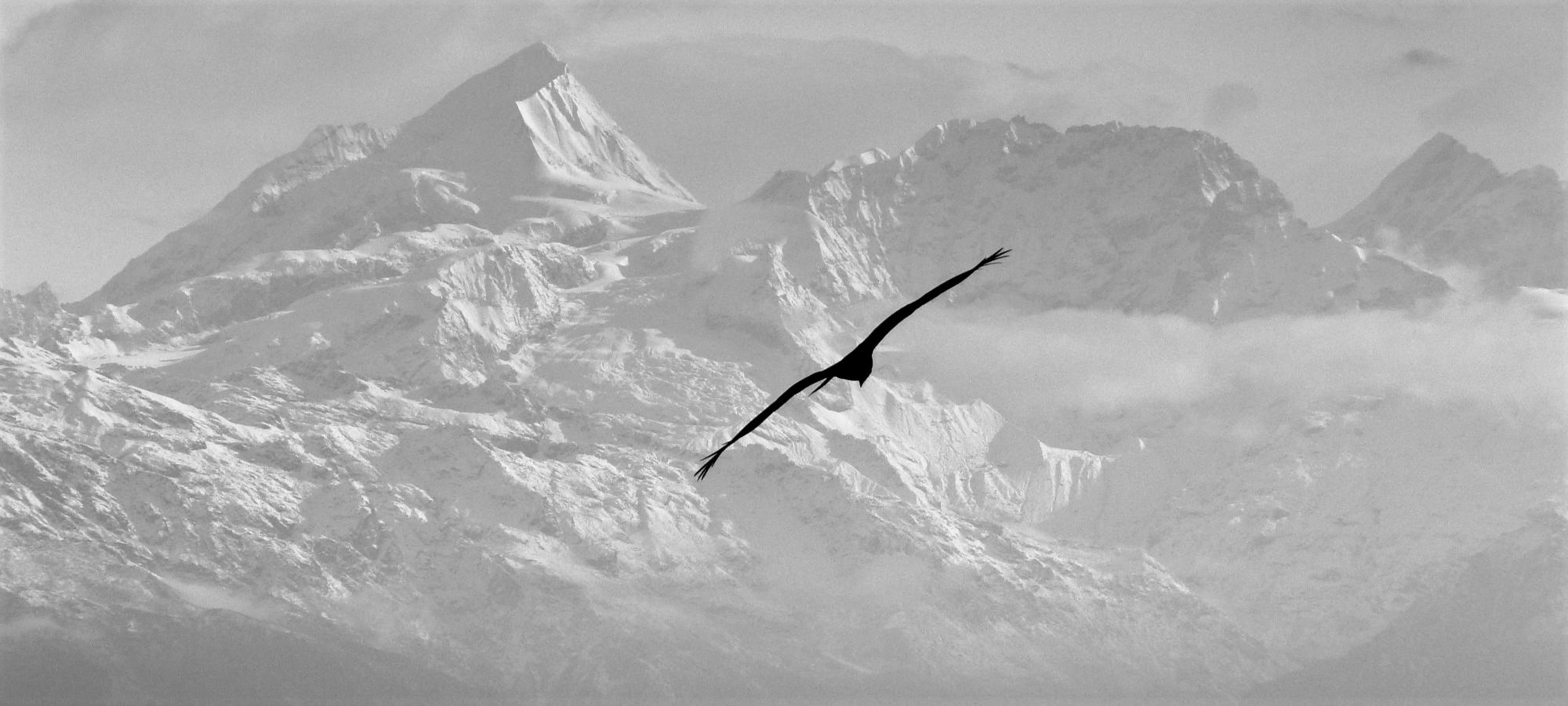
You will marvel at the views of Annapurna (8,019m), Manasalu (8,165m), Ganesh Himal (7,446m), Dhaulagiri (8,167m) and Machhapuchhre (6,993m). We now have a final steep downhill ride back to Pokhara with lakeside views en-route. We bid farewell to our bicycles here as our Nepal cycle itinerary comes to an end. We will transfer by road back to Pokhara.
Cycling Distance: 68 km (42 miles)
Cycling Ascent: 248 m (813 ft)
Accommodation: Hotel (B,L)

As the Kathmandu to Muktinath cycle tour comes to a close, participants bid farewell to the amazing journey they’ve had. You will be transferred to the airport for your return flight home, cherishing the memories and experiences gained.
Accommodation: Hotel (B)
Tour Status Definitions
Booking & Payments
Small Group Note
For groups of fewer than four participants, the guide may lead from the support vehicle rather than cycling with the group, ensuring full logistical and guiding support.
Fully supported cycling holiday
Meal Key (used in the itinerary)
Tour Start
Tour End
Flights
We choose accommodation based on comfort rather than luxury. Our prices are based on sharing a twin room. Should you wish to have a room to yourself there is a single supplement option on most of our tours.
Meals on Tour
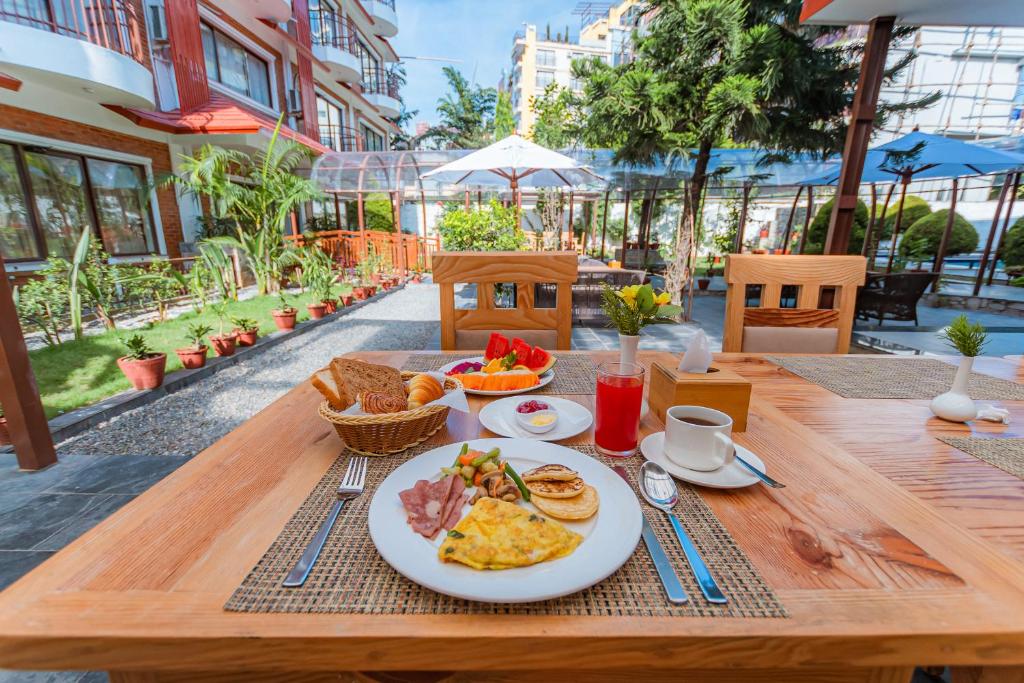
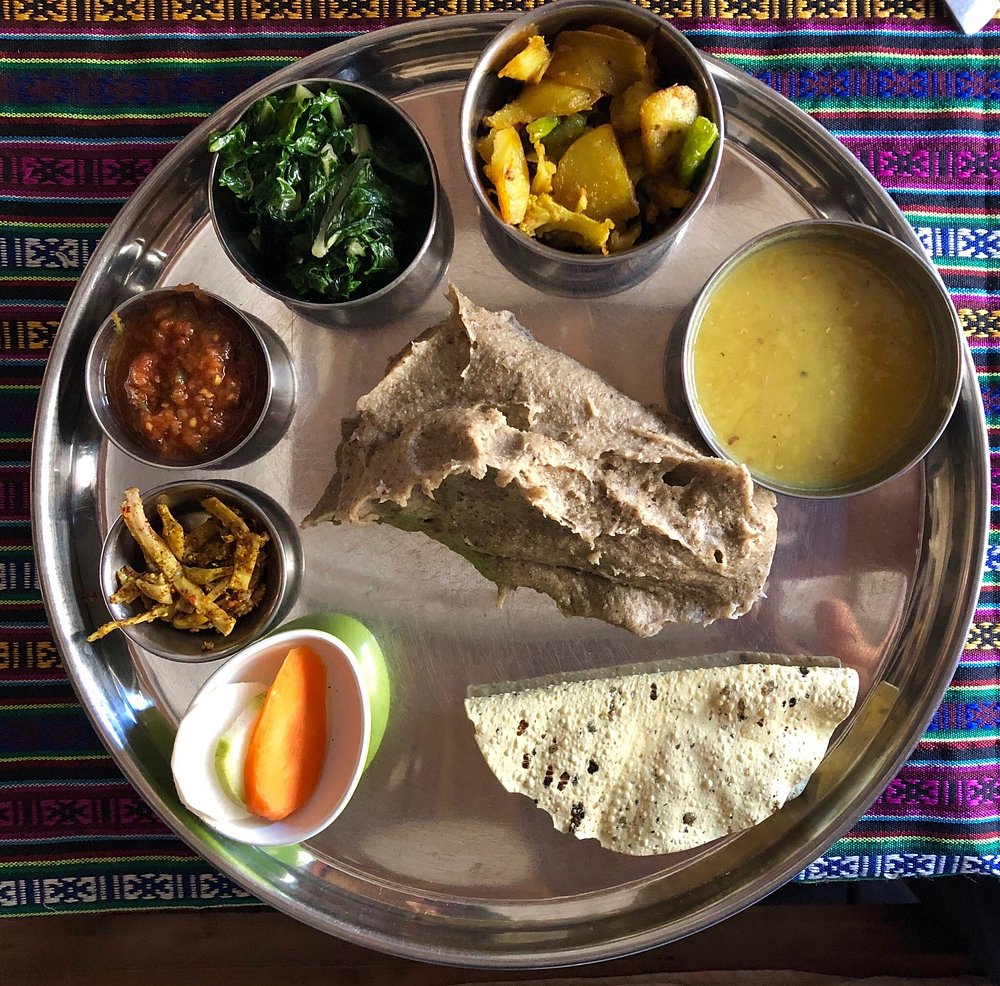
Most meals are included in your tour price, except on rest days and a few other occasions.
Please check the itinerary for all meals provided.
Dietary Requirements
If you have any special dietary needs, please let us know at the time of booking.
We can cater for most diets, but advance notice is essential to ensure the best experience.
Taste of Nepal
Support Vehicle
On-Ride Support
Helmet Policy
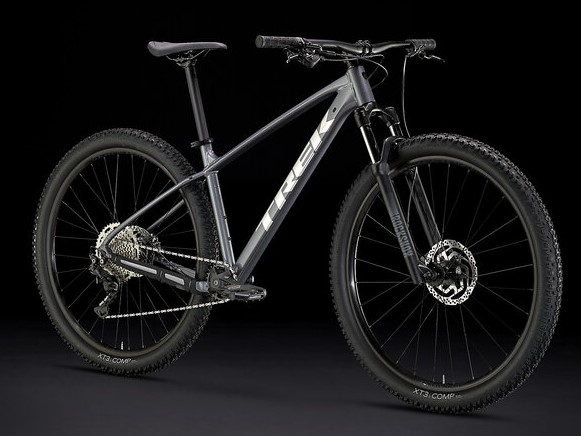
For this tour we have Trek Marlin 7 bikes and similar, in a range of sizes.
What’s Included with Bike Hire
Customising Your Bike
Pre-trip bike servicing
We strongly recommend having your bike fully serviced before travelling. Please make sure:
What to bring
We recommend packing the following essential items:
Travelling with your bike
Your bike will need to be packed within your luggage allowance. A bike packed in a cardboard box typically weighs between 15–20 kg, and some airlines may charge excess baggage fees.
If you would prefer not to travel with your own bike, bike hire is available — simply request this when booking.
What to Bring
Where to Exchange
Spending Money
Staff Tipping
Travel Insurance
Mandatory for all participants and must cover:
Health & Vaccinations
Staying Hydrated on Hot Rides – 6 Tips for Cyclists
As a cycling company, we know how important proper hydration is—especially when you’re out riding in hot conditions. Below are some general hydration tips that riders find helpful for staying fuelled and feeling strong on the bike.
Please note: We are not medical professionals and this information should not replace advice from a qualified healthcare provider. Each cyclist is different, so if you have specific health concerns or conditions, it is always best to consult your doctor and adhere to their advice.
1. Prioritize Gut Health
2. Time Your Hydration
3. Hydrate Beyond Water
4. Don’t Forget the Minerals
5. Absorb Water Better
6. Keep Your Electrolytes in Check
In terms of clothing, we have provided below a rough guide as to what to bring. This guide is entirely flexible and should be tailored to your specific needs.
Our guides carry first aid supplies, however we recommend you bring your own first aid kit which should contain the following item;
Miscellaneous
Plug types used in Nepal:
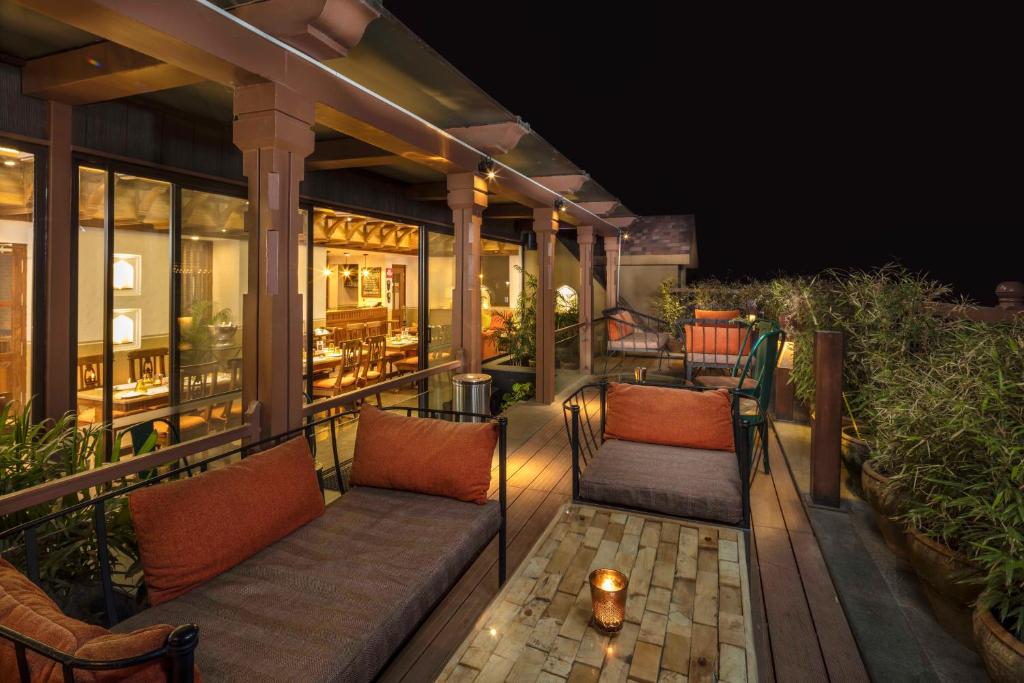
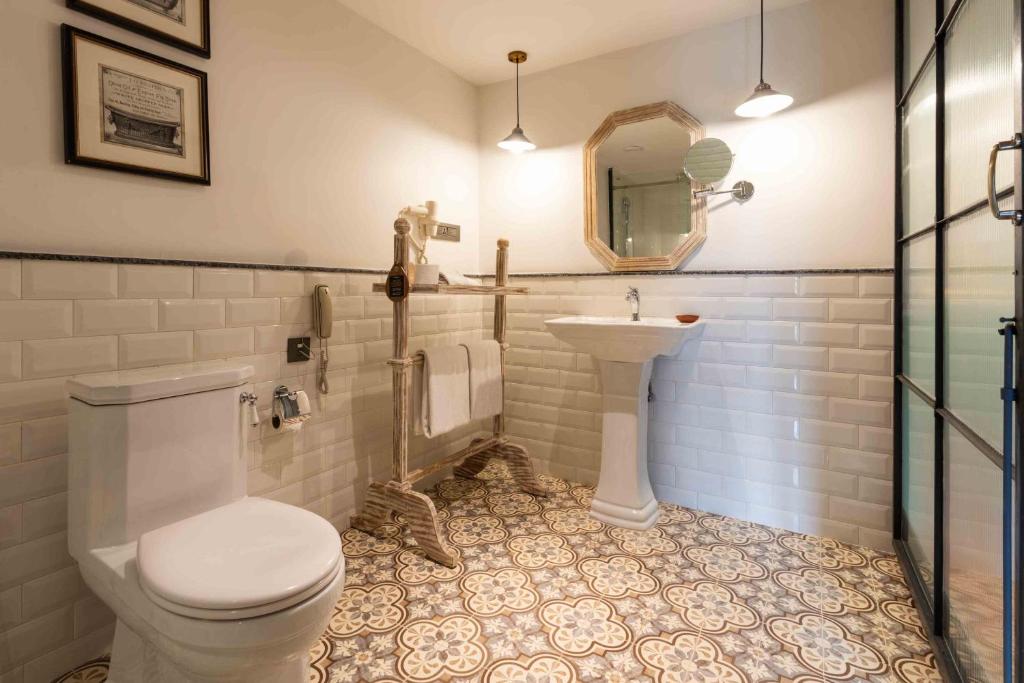
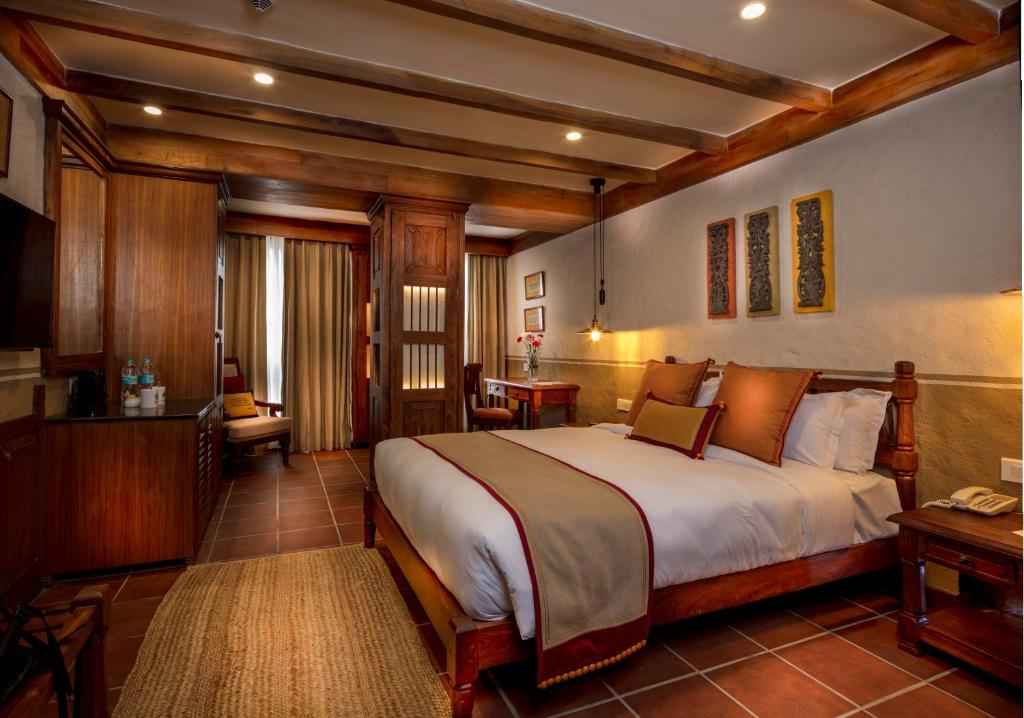
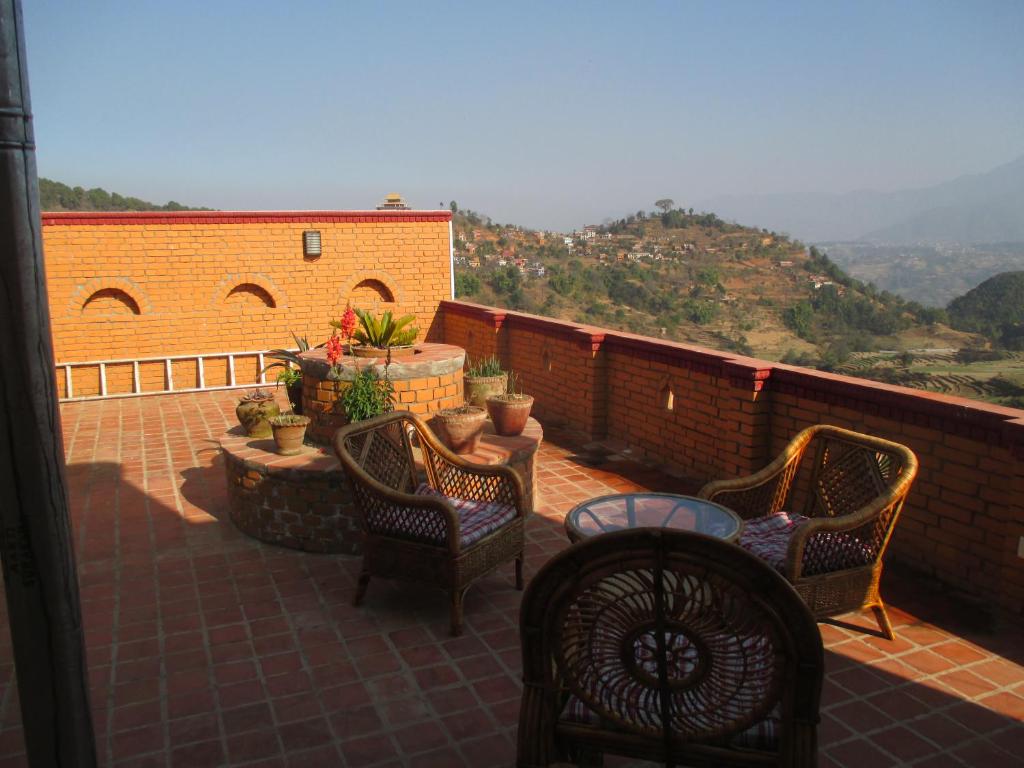
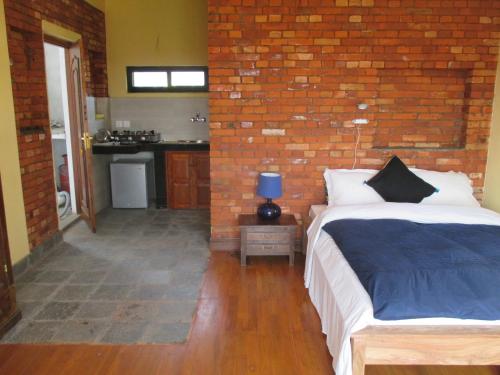
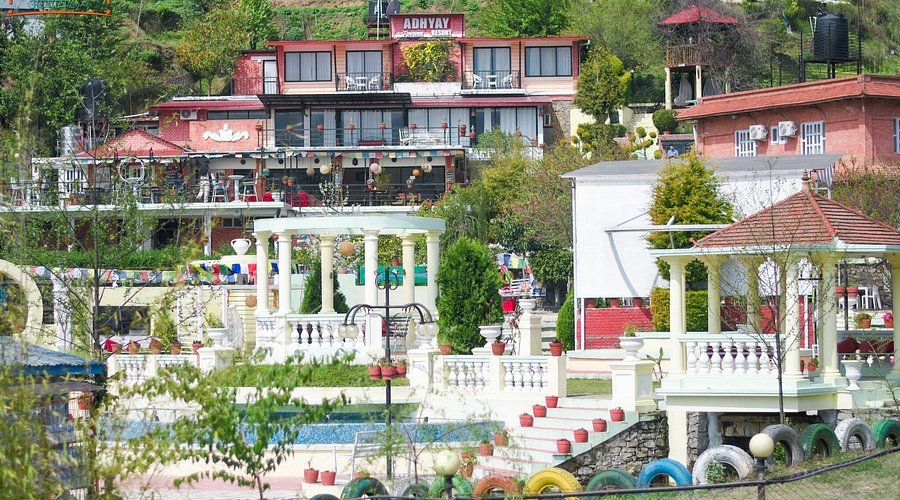
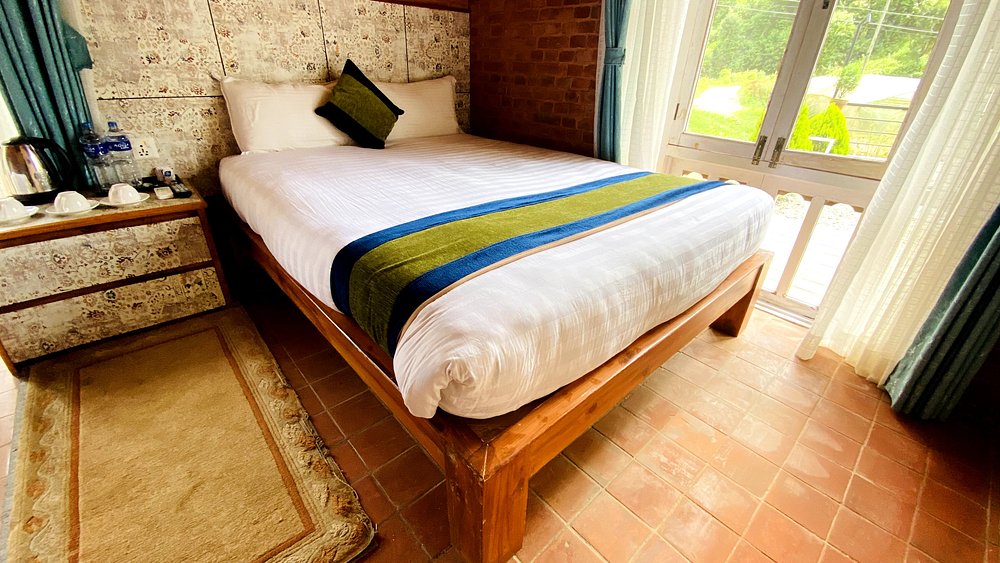
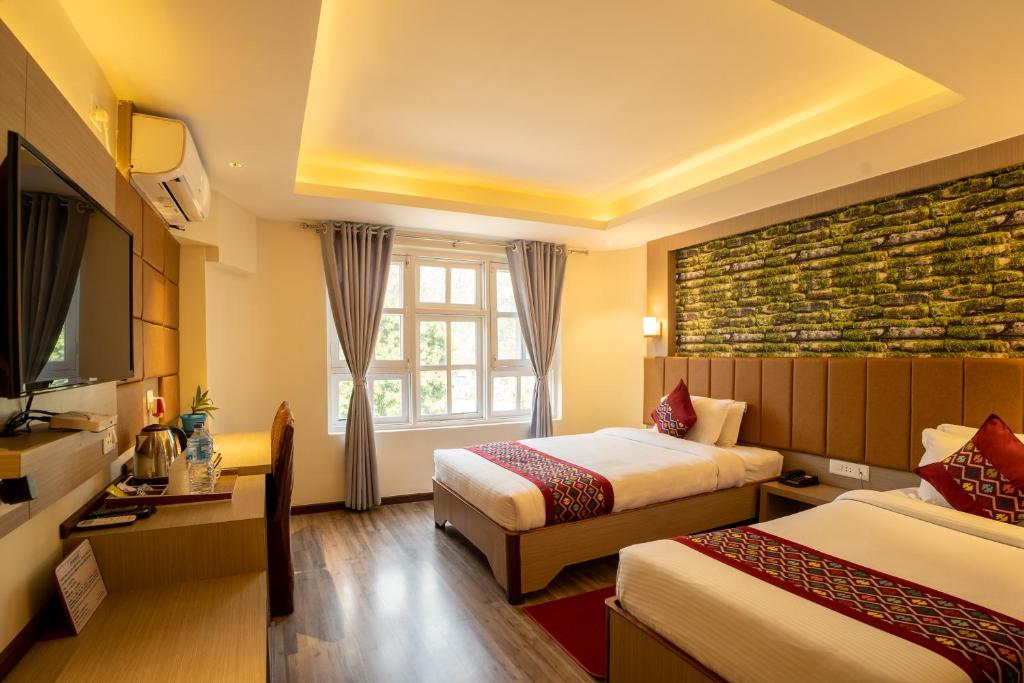
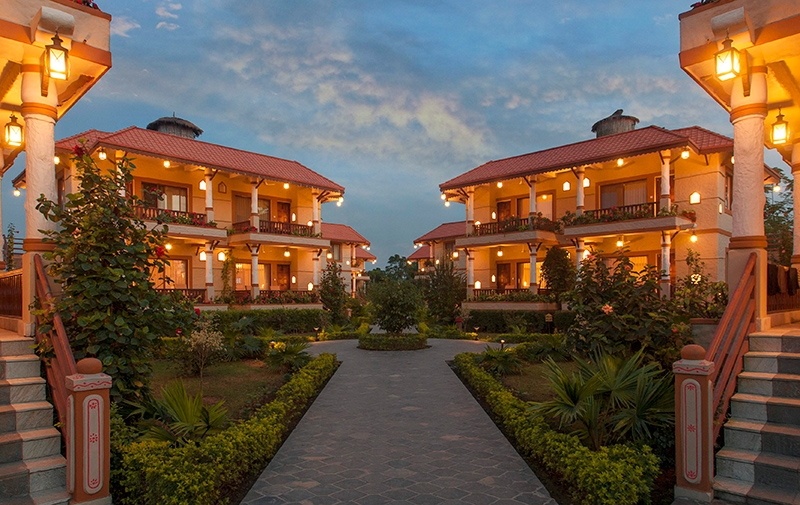
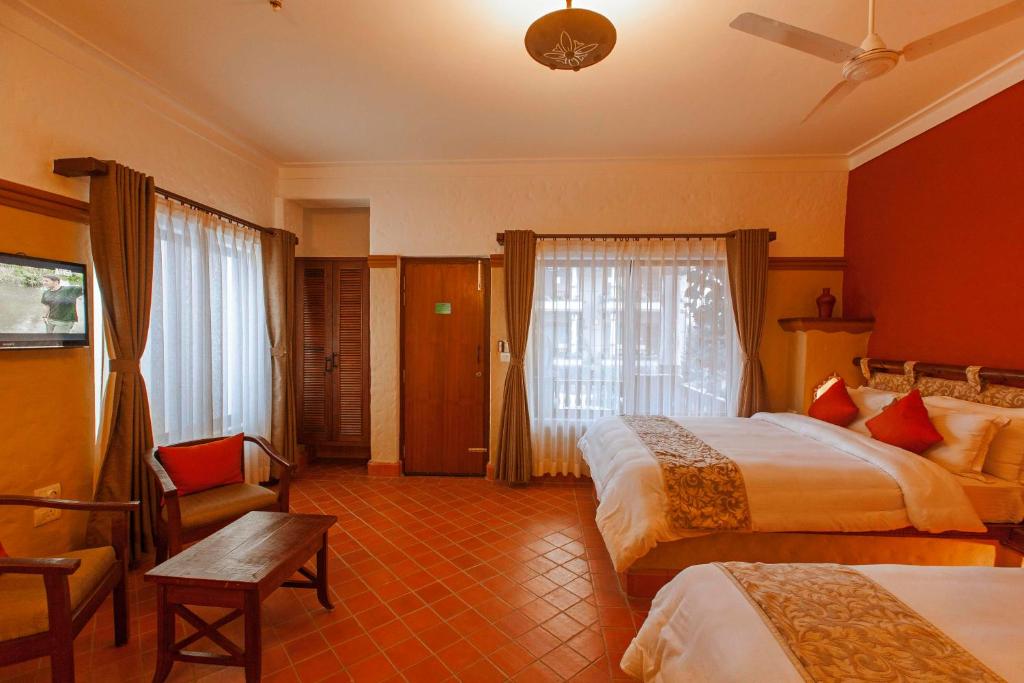
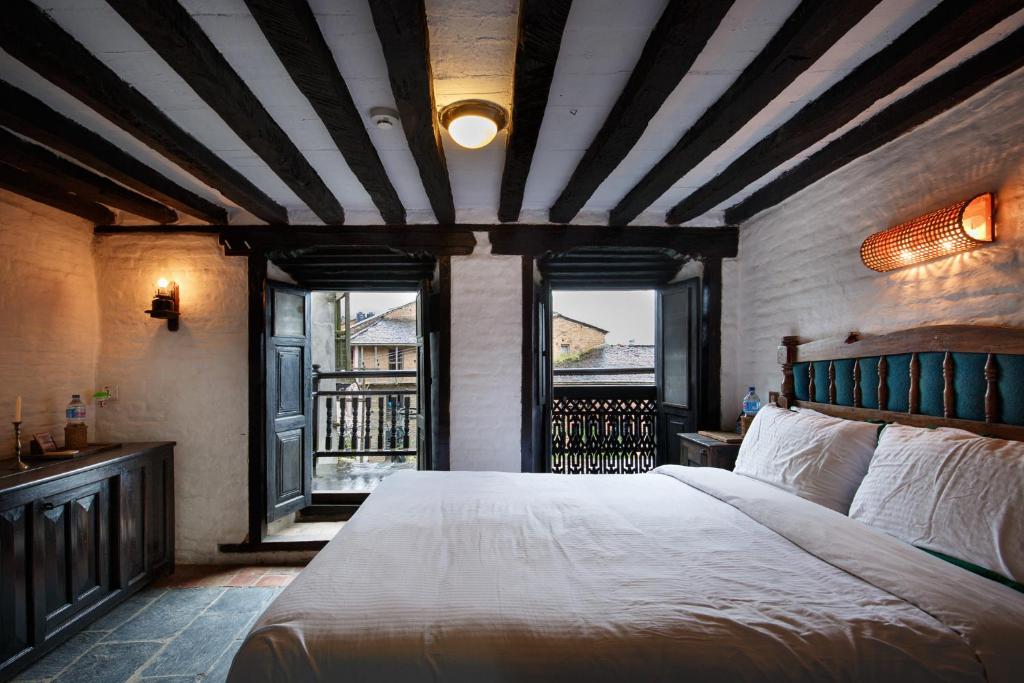
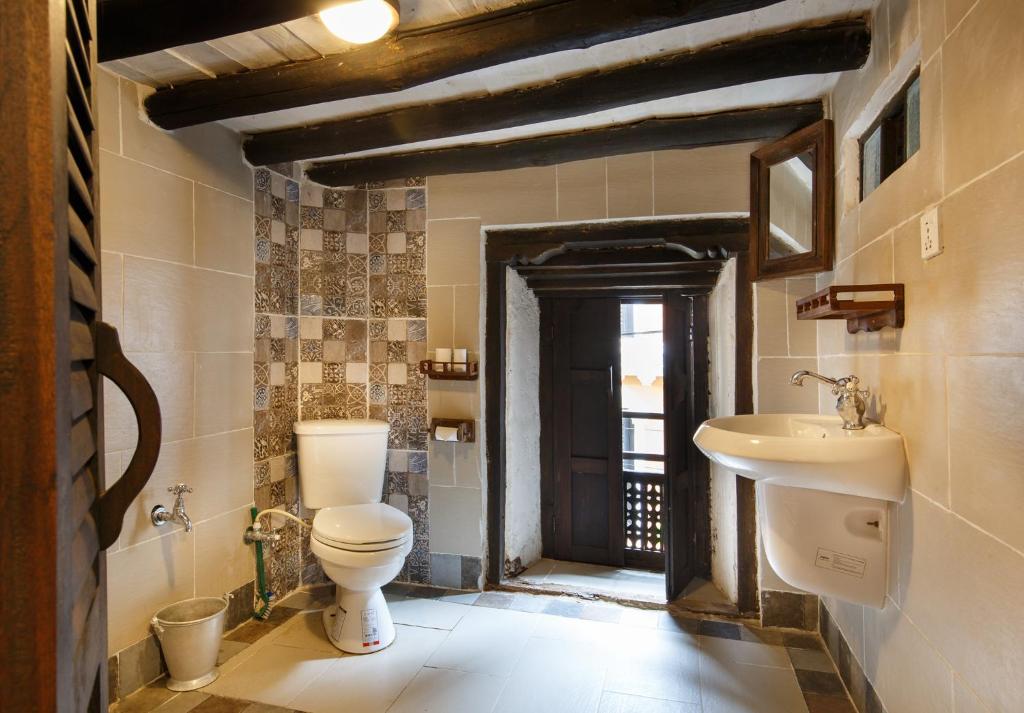
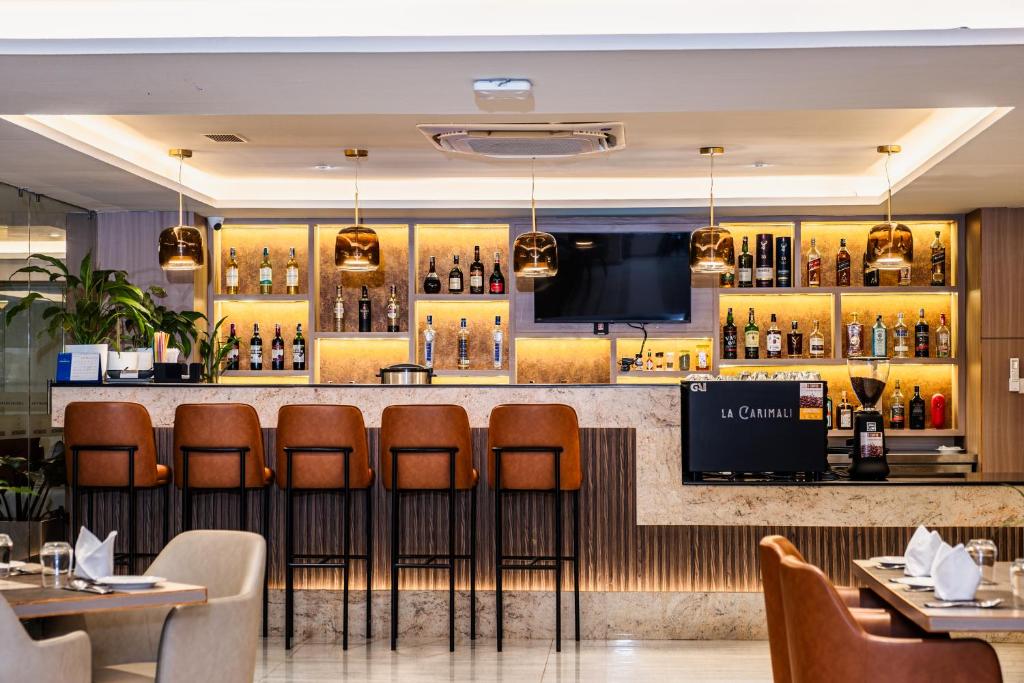
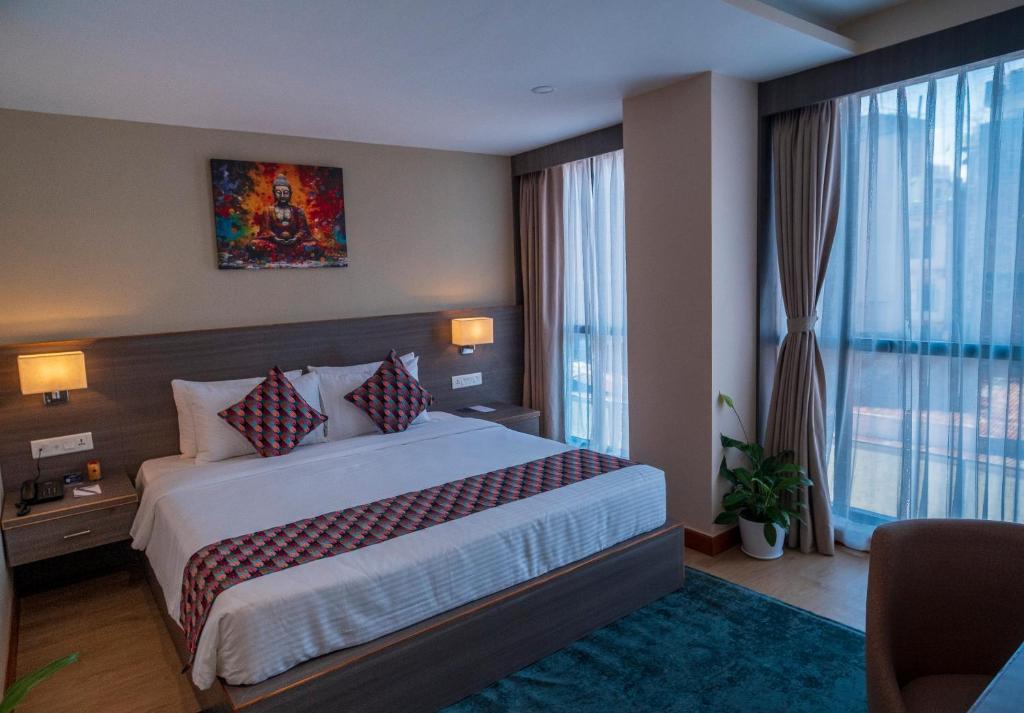
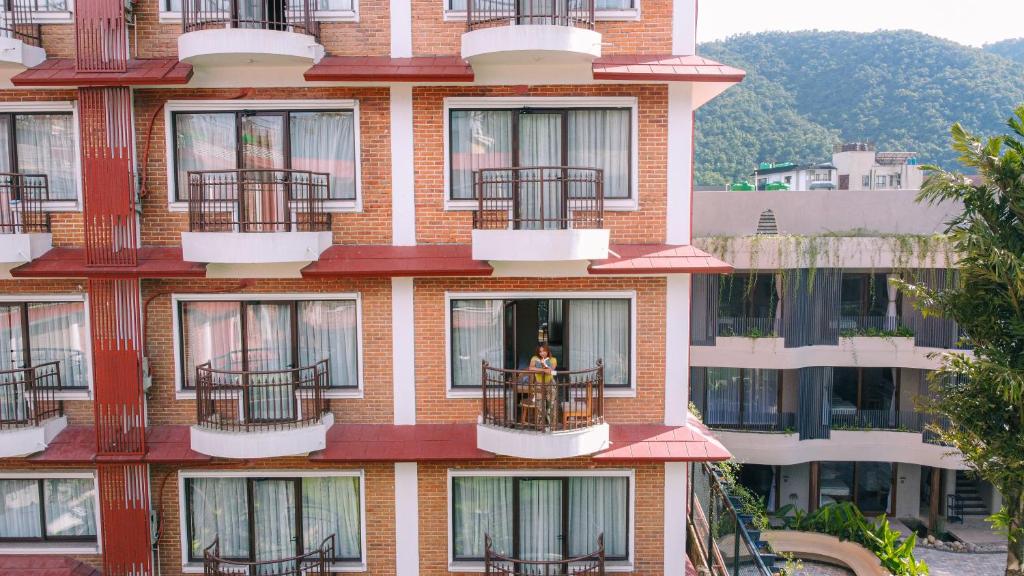
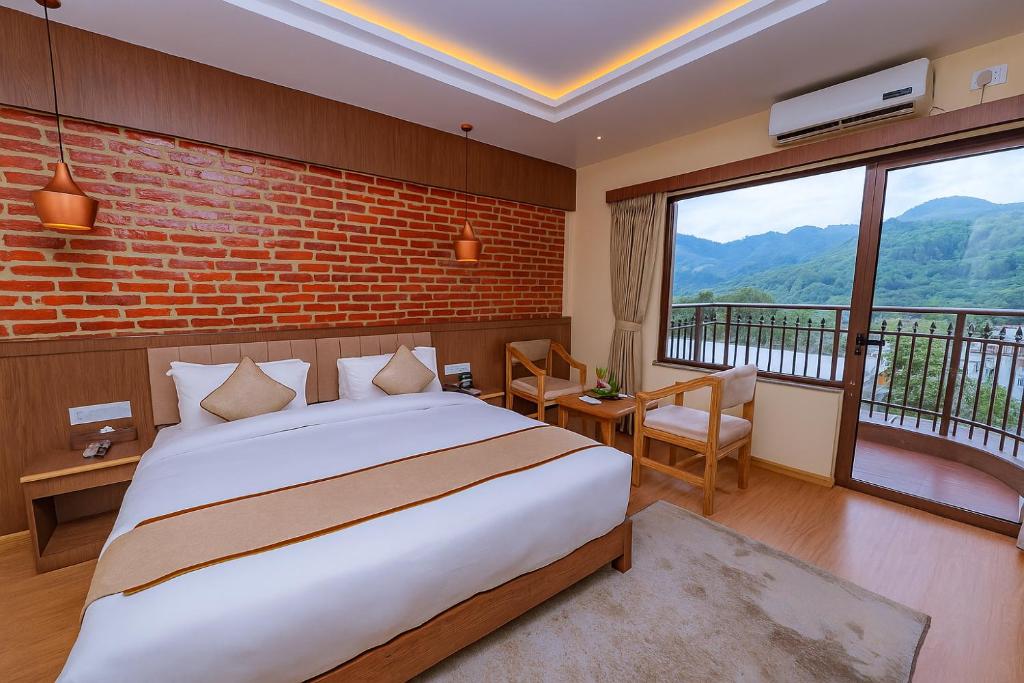
This tour uses a consistently comfortable mix of boutique city hotels, characterful heritage inns and scenic resort-style properties, with all nights spent in hotels or lodges (no camping).
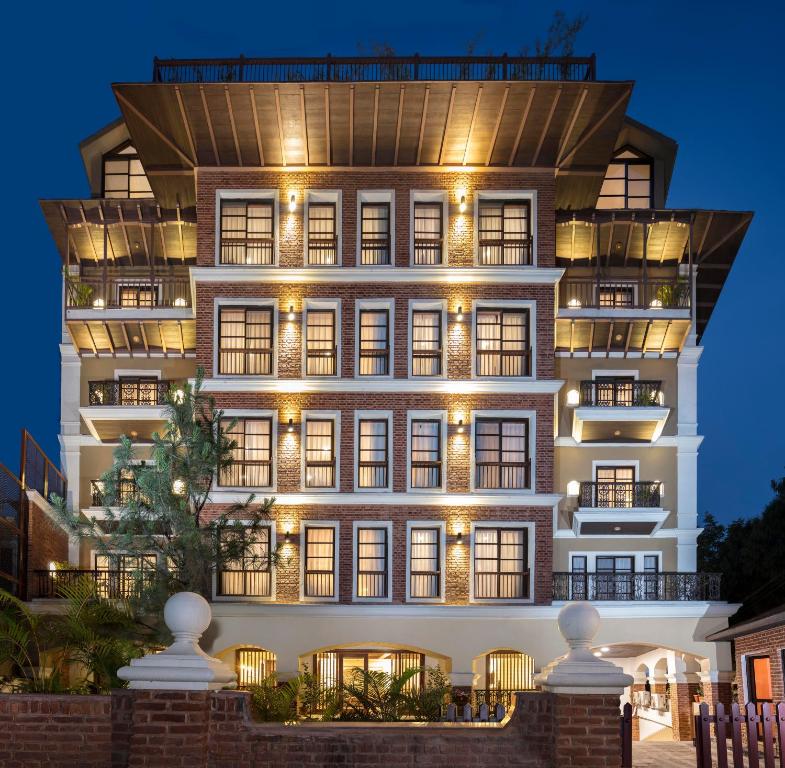
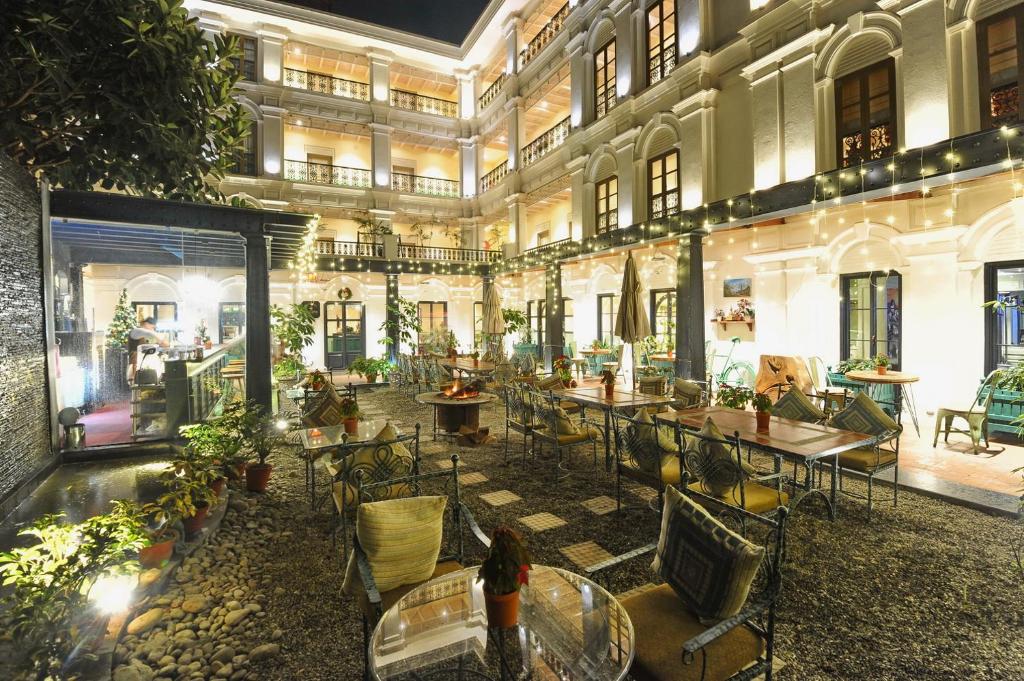
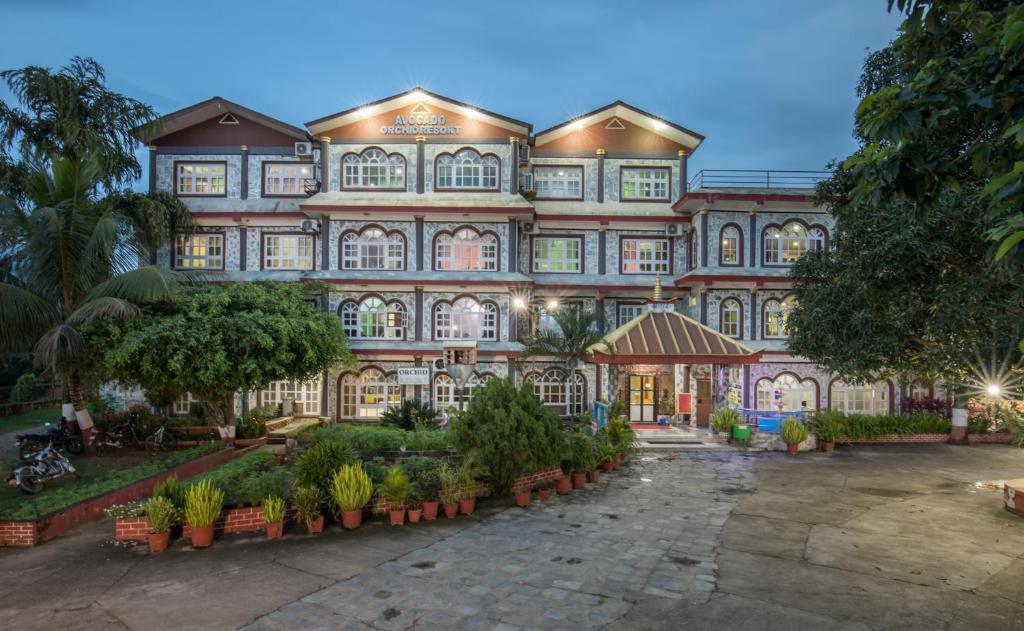
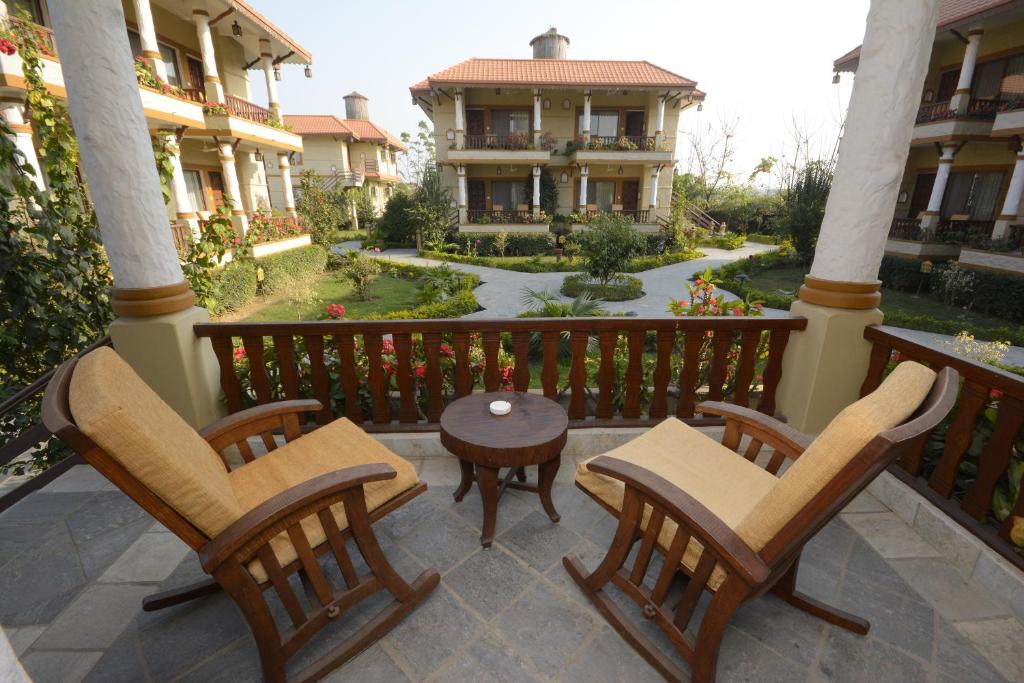
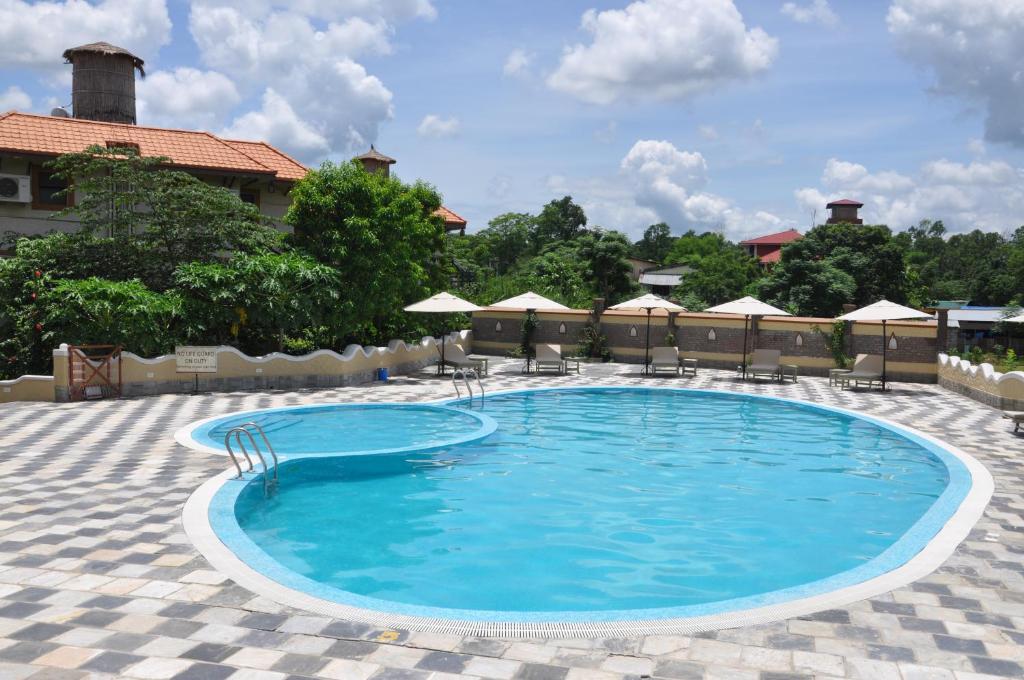
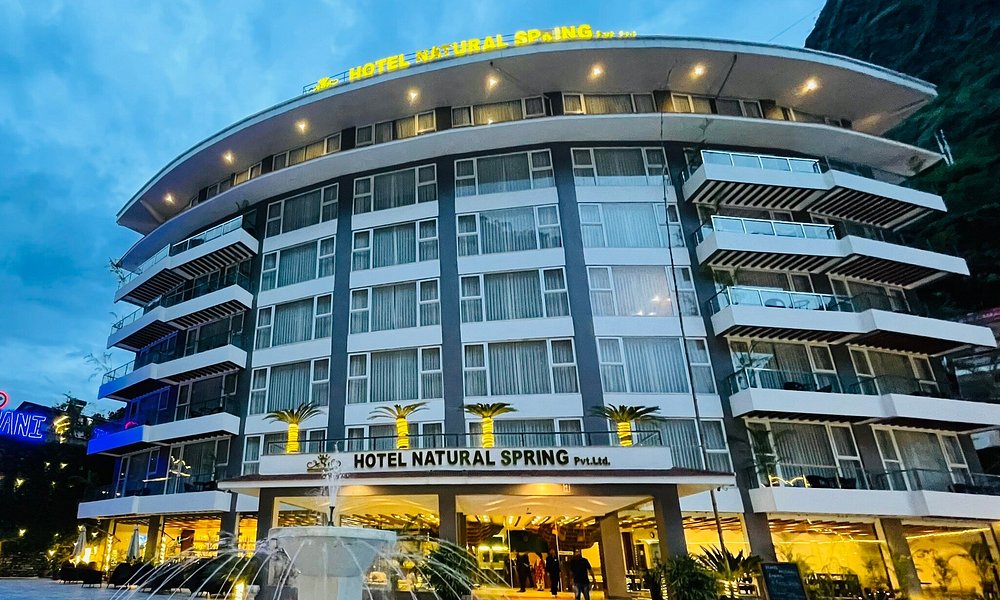
We begin in Kathmandu at Nepali Ghar, a fantastic boutique hotel in the heart of the city, before moving to peaceful countryside resorts such as Hotel Swiss / Swiss Resort Dakshinkali and Lhamhendo Retreat or Om Adhaya Retreat Resort in Palung. As we descend to the Terai, nights are spent in solid mid-range hotels including Hotel Orchid in Hetauda and the well-regarded Green Park in Chitwan, offering a higher standard and a relaxing base close to the national park.
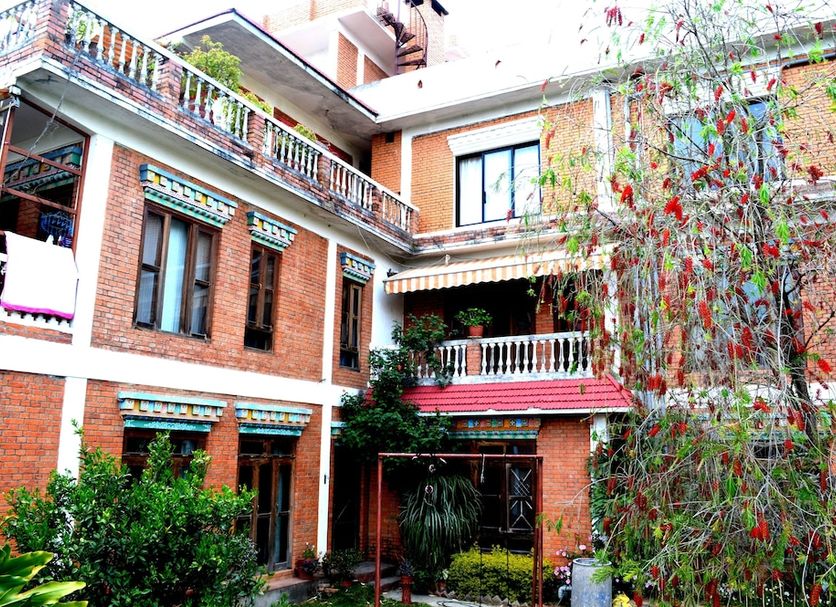
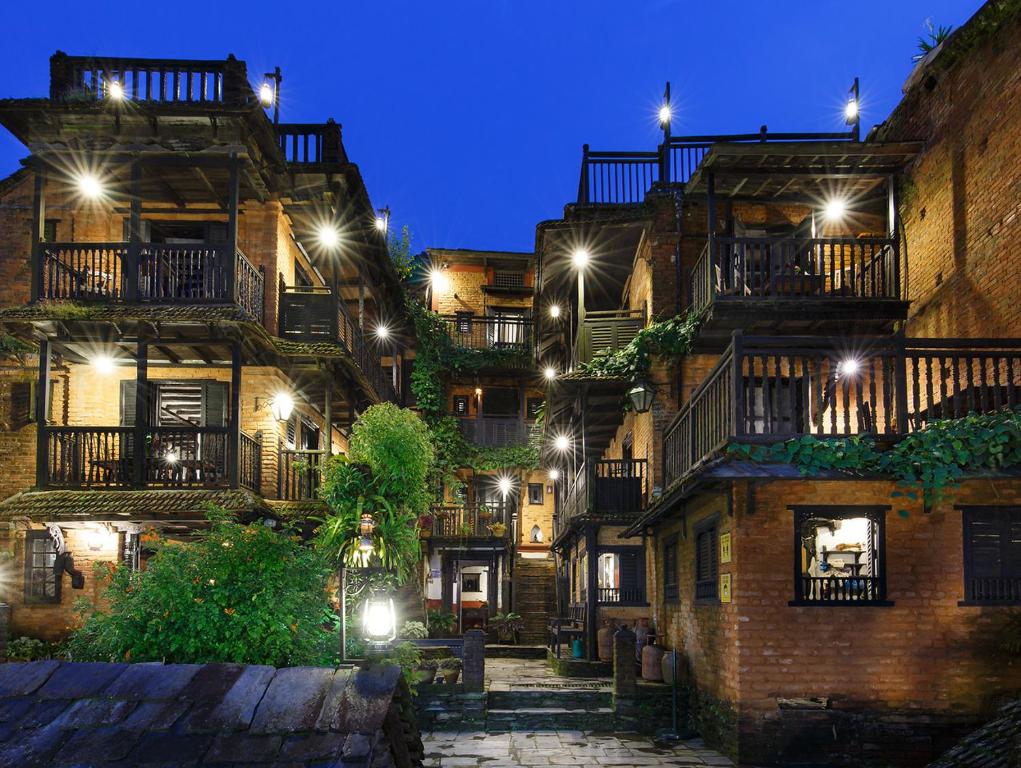
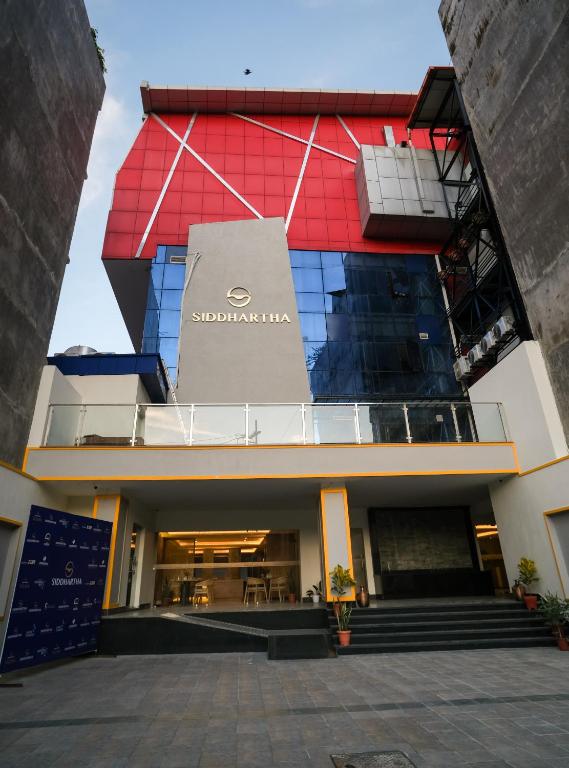
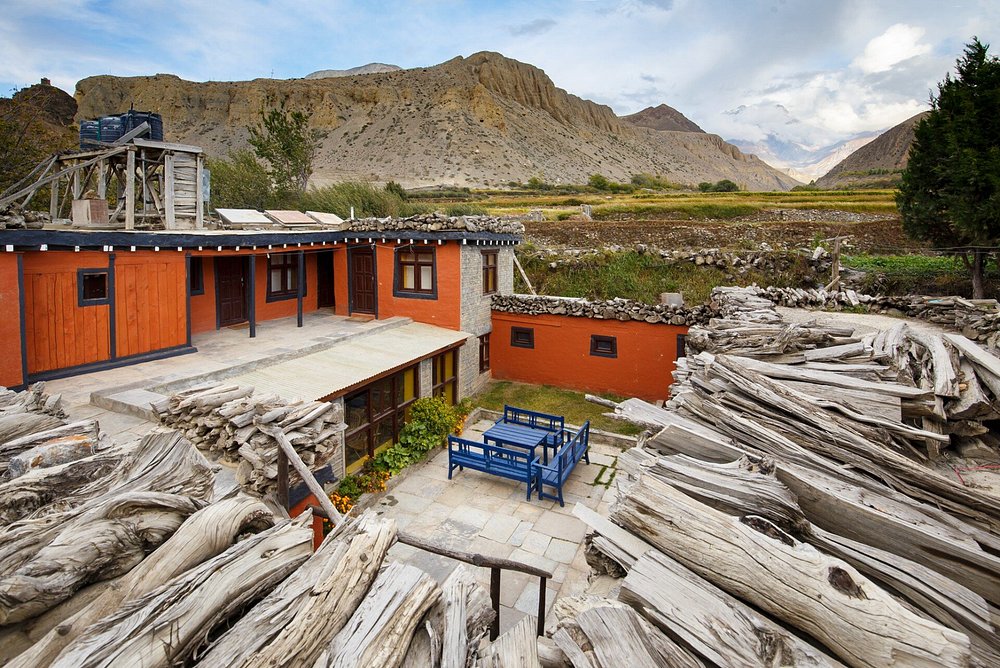
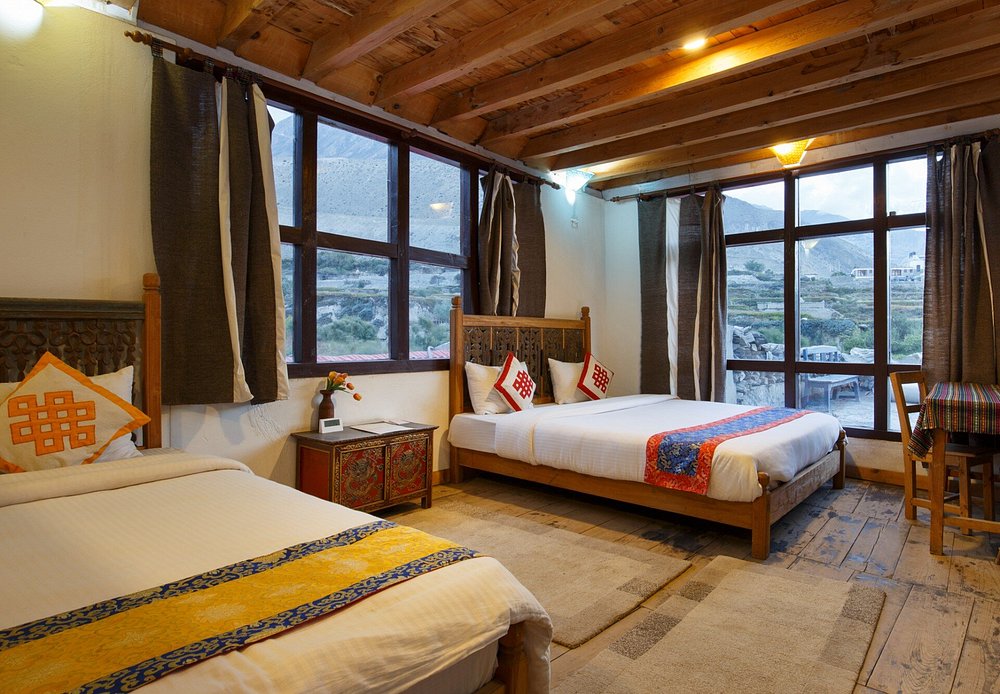
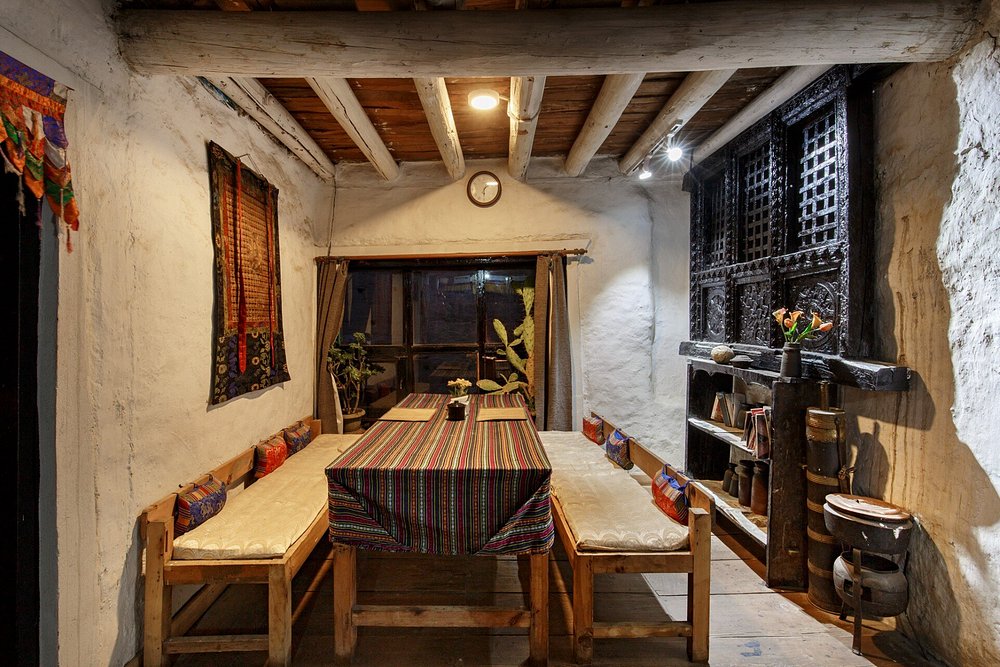
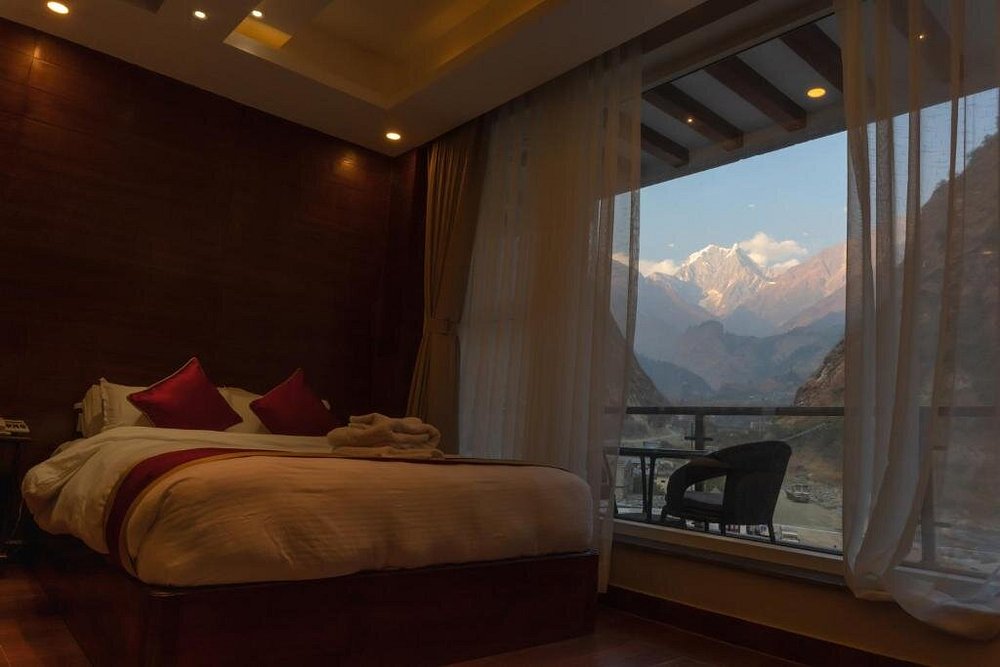
In the hills, we stay in atmospheric smaller properties like The Old Inn in Bandipur and Siddhartha Resort in Damauli, then enjoy multiple nights in Pokhara at Temple Himalaya, a comfortable lakeside base. Higher up on the Muktinath extension, accommodation becomes a little simpler but still welcoming, with traditional-style mountain hotels such as Red House in Kagbeni and Spring Resort in Tatopani reflecting the remoteness of the Kali Gandaki valley.
Expect:
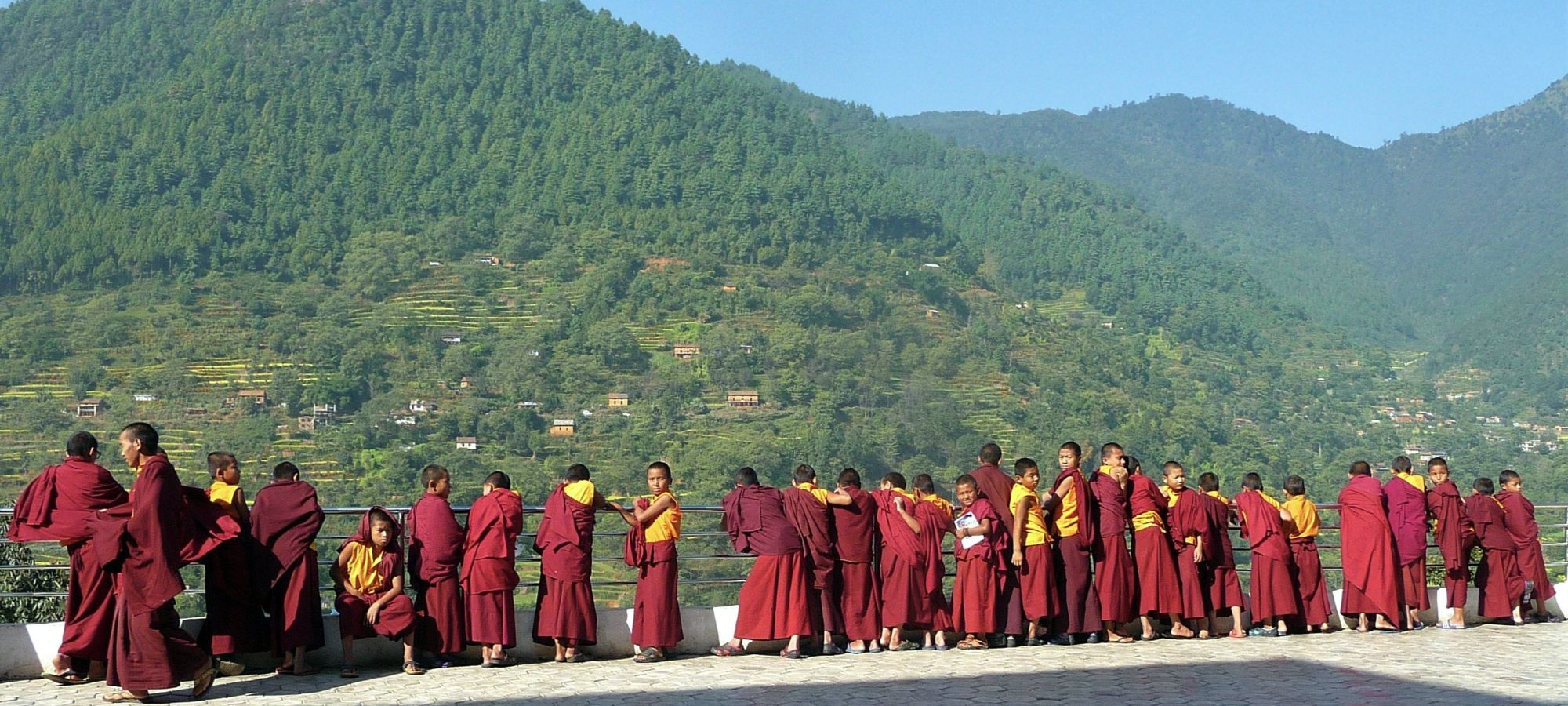
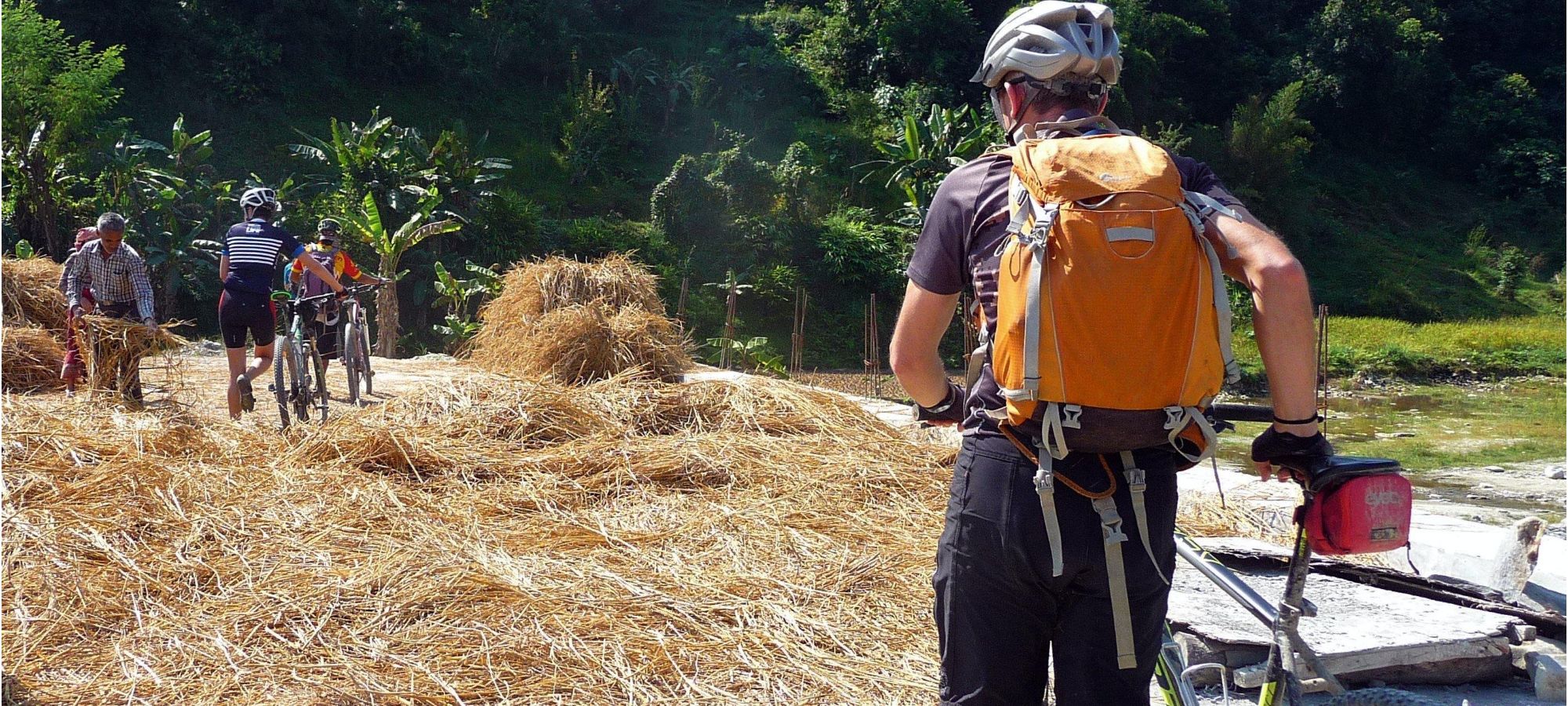
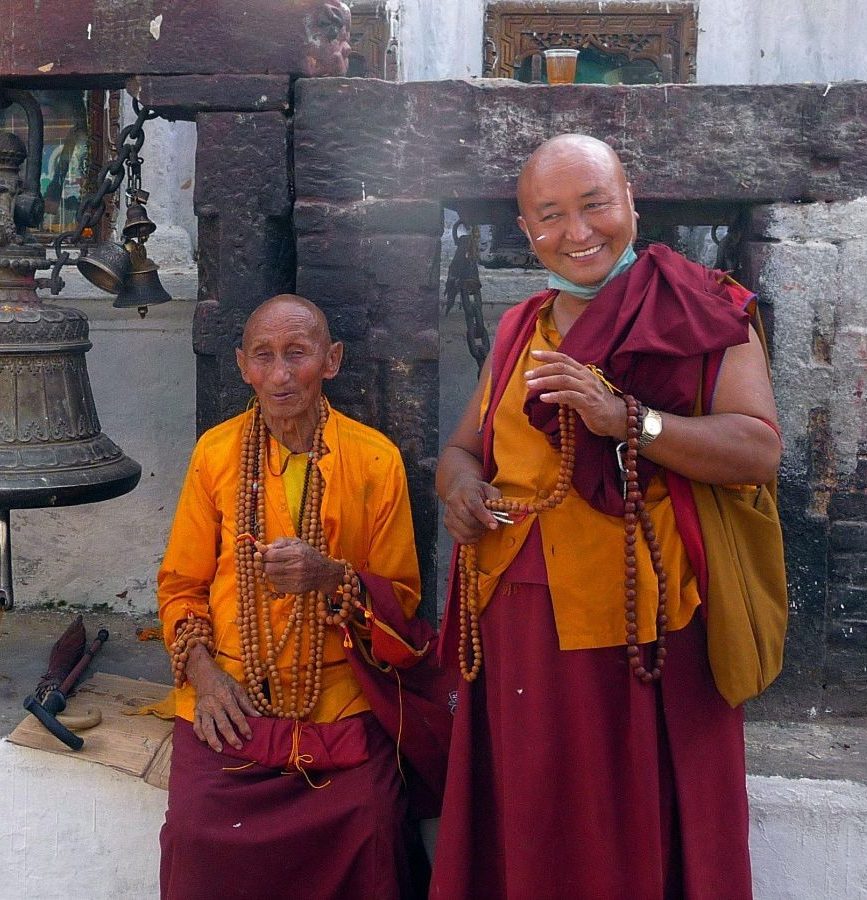
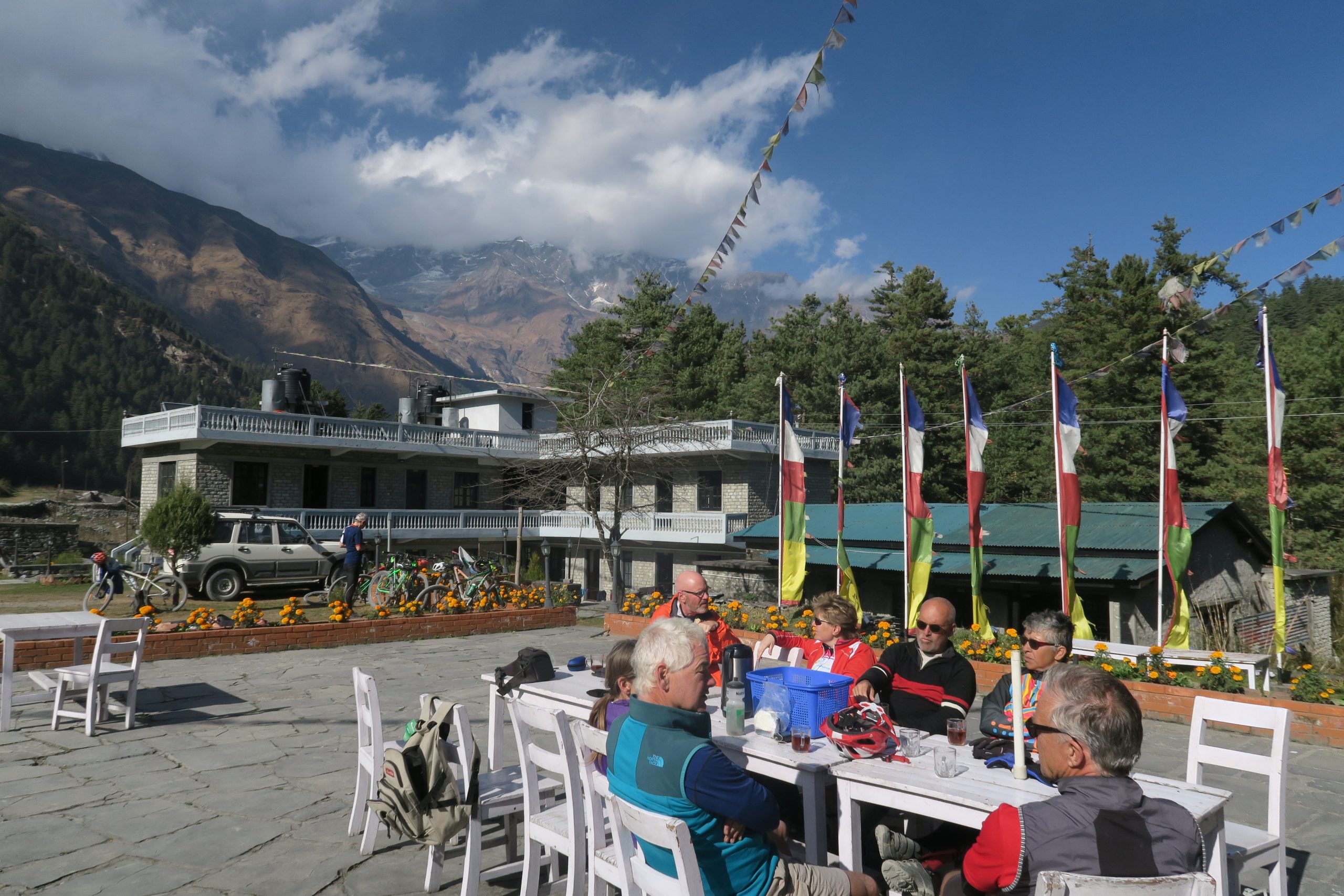
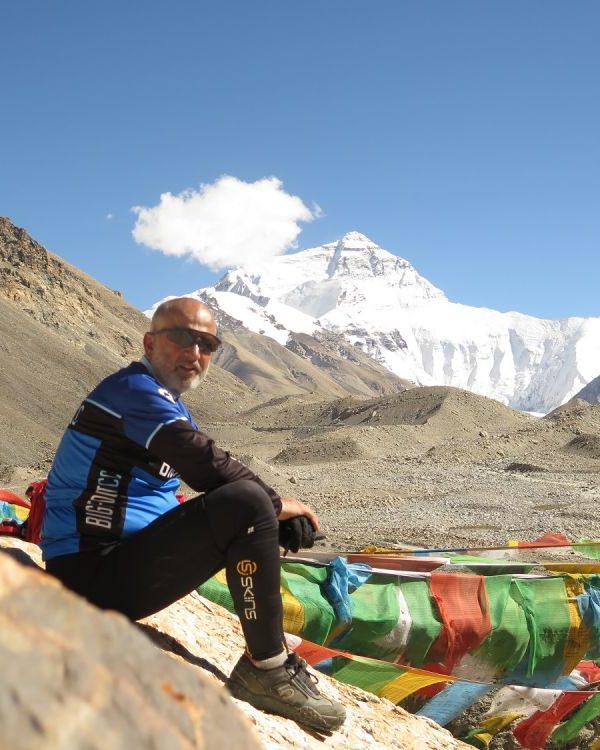
Here are a selection of photos for our ‘Nepal’ Cycling holiday.