


India – Kerala
Cycle Kerala and Tamil Nadu through tea hills, temples and backwaters, from the Western Ghats to tropical coastlines.

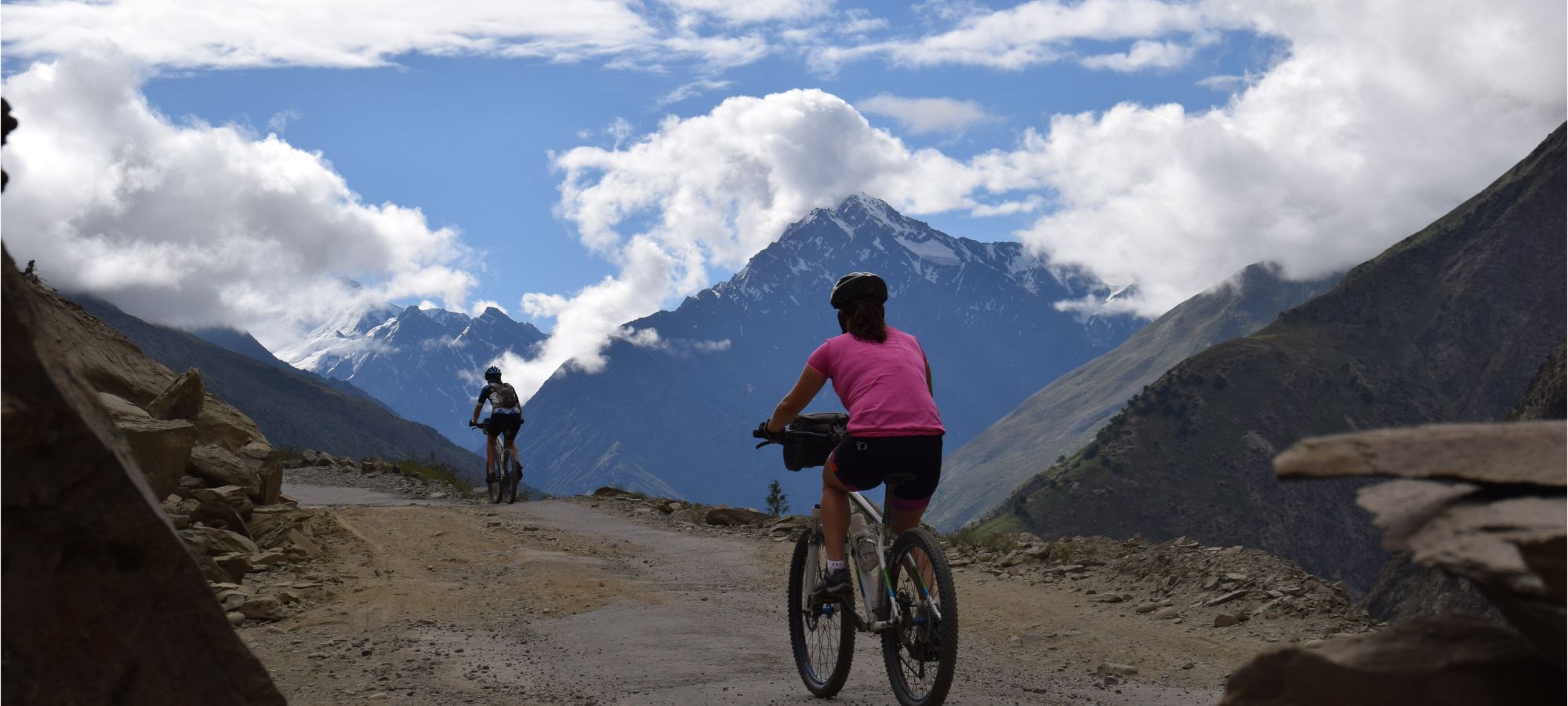
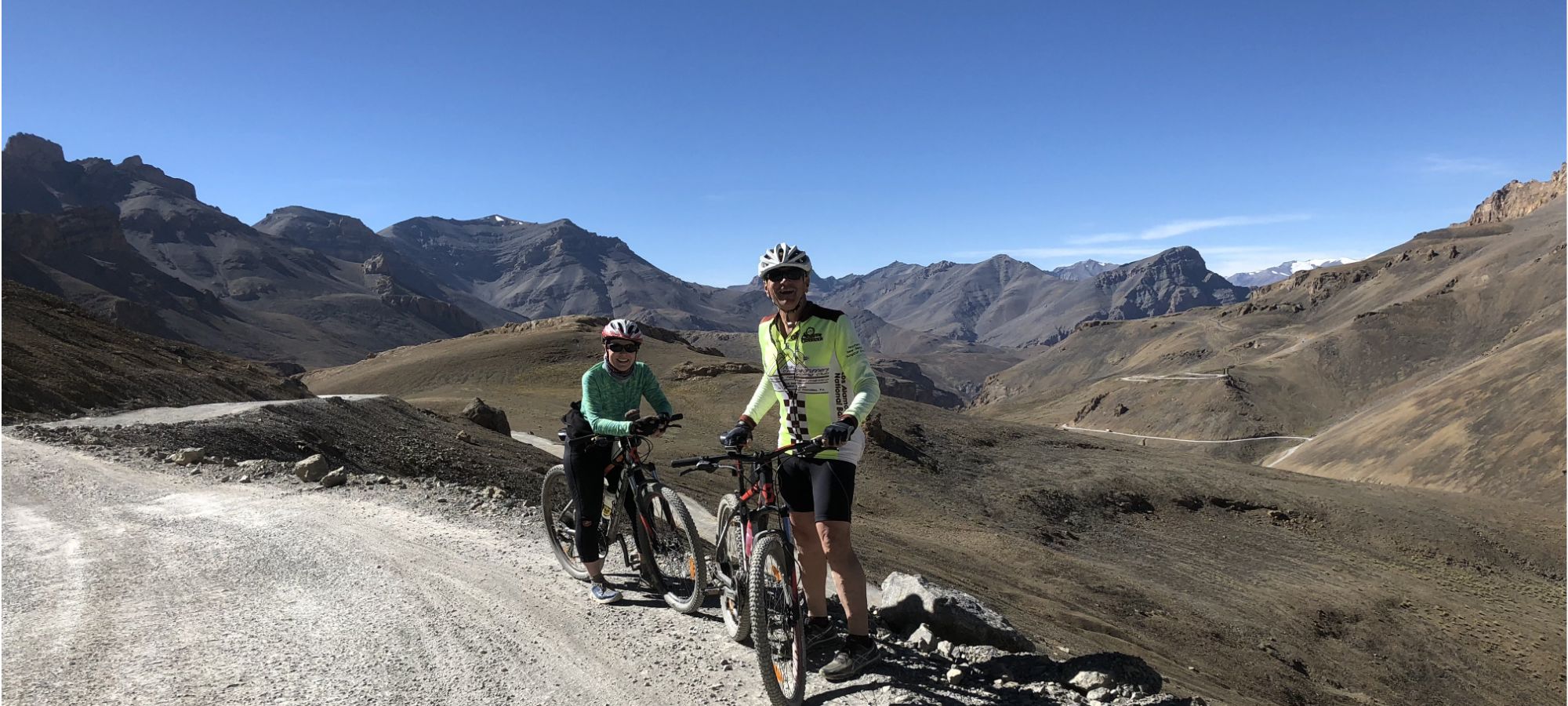
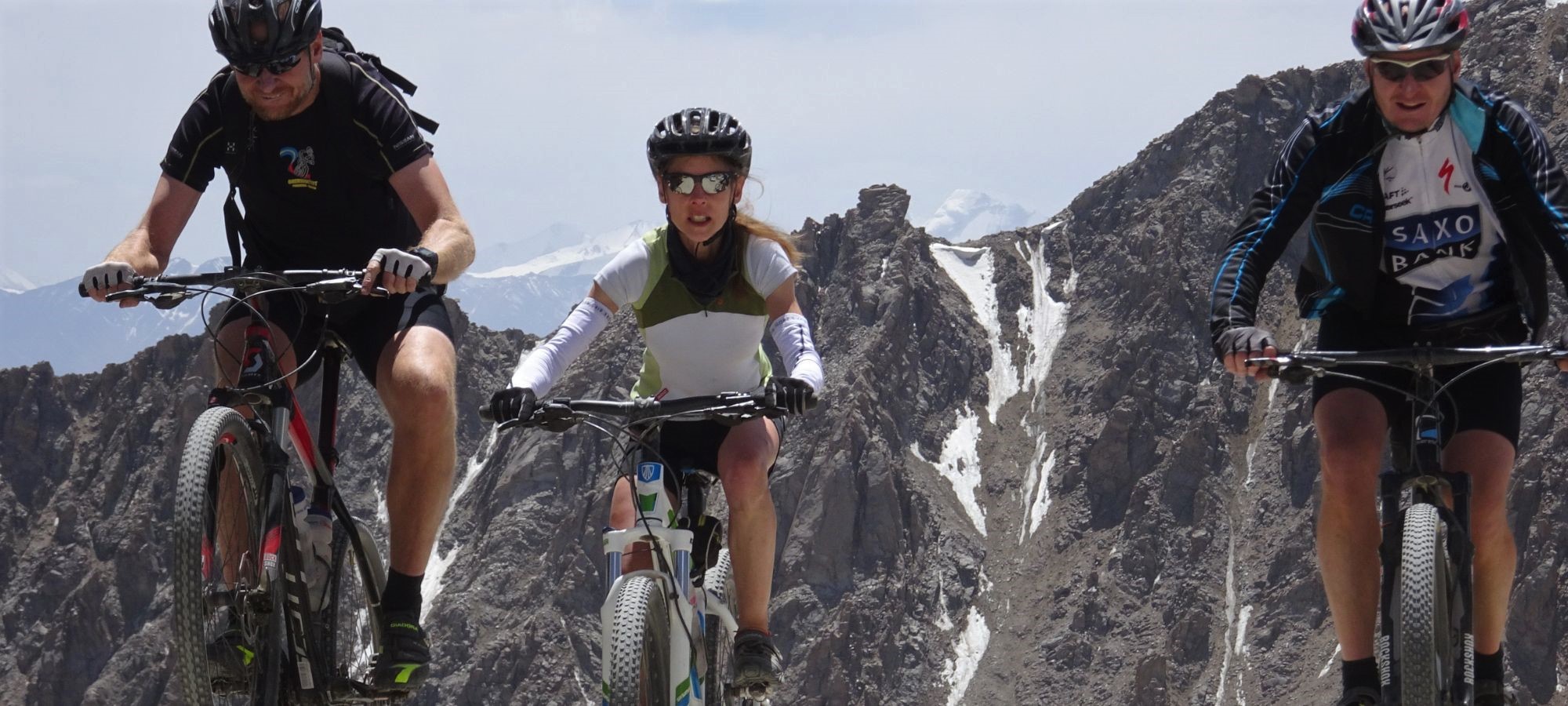
The redspokes Manali to Leh cycling holiday is one of the world’s great high-altitude mountain biking challenges. Crossing the heart of the Indian Himalayas, this demanding adventure tackles five major passes above 5,000 metres, including Taglang La and the legendary Khardung La. Hairpin bends, barren high-altitude deserts and vast Himalayan panoramas create a riding experience that is both physically extreme and visually unforgettable.
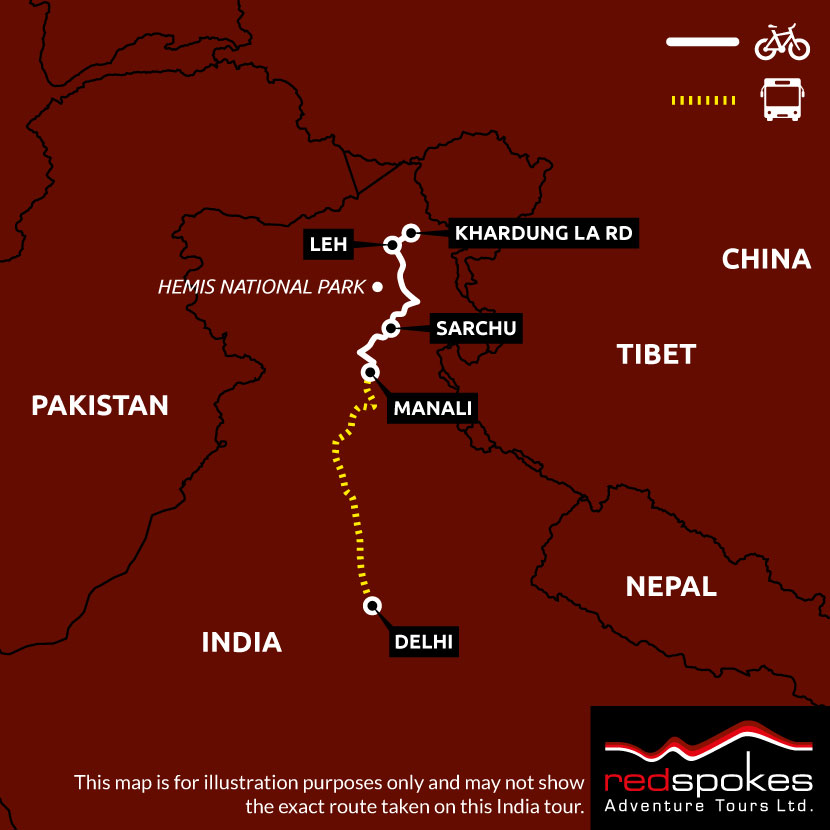
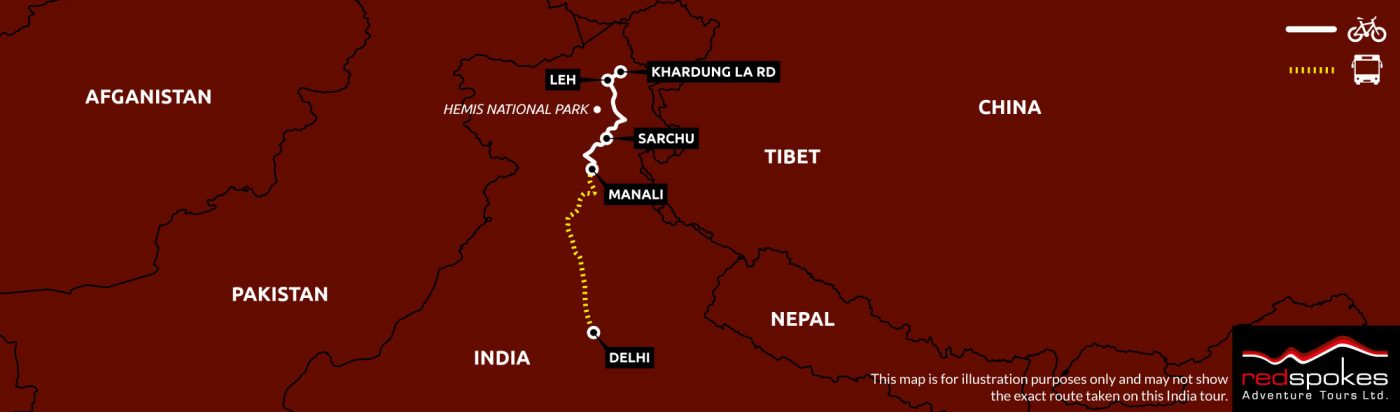
Beginning in Delhi and acclimatising in the mountain town of Manali, the route follows an ancient trading road through remote valleys and across soaring passes to reach Leh in Ladakh. Snow-capped peaks, rugged canyon walls and stark Himalayan landscapes define the journey, while rest days in Leh allow time to explore monasteries and historic sites before the final ascent to one of the highest motorable roads in the world.
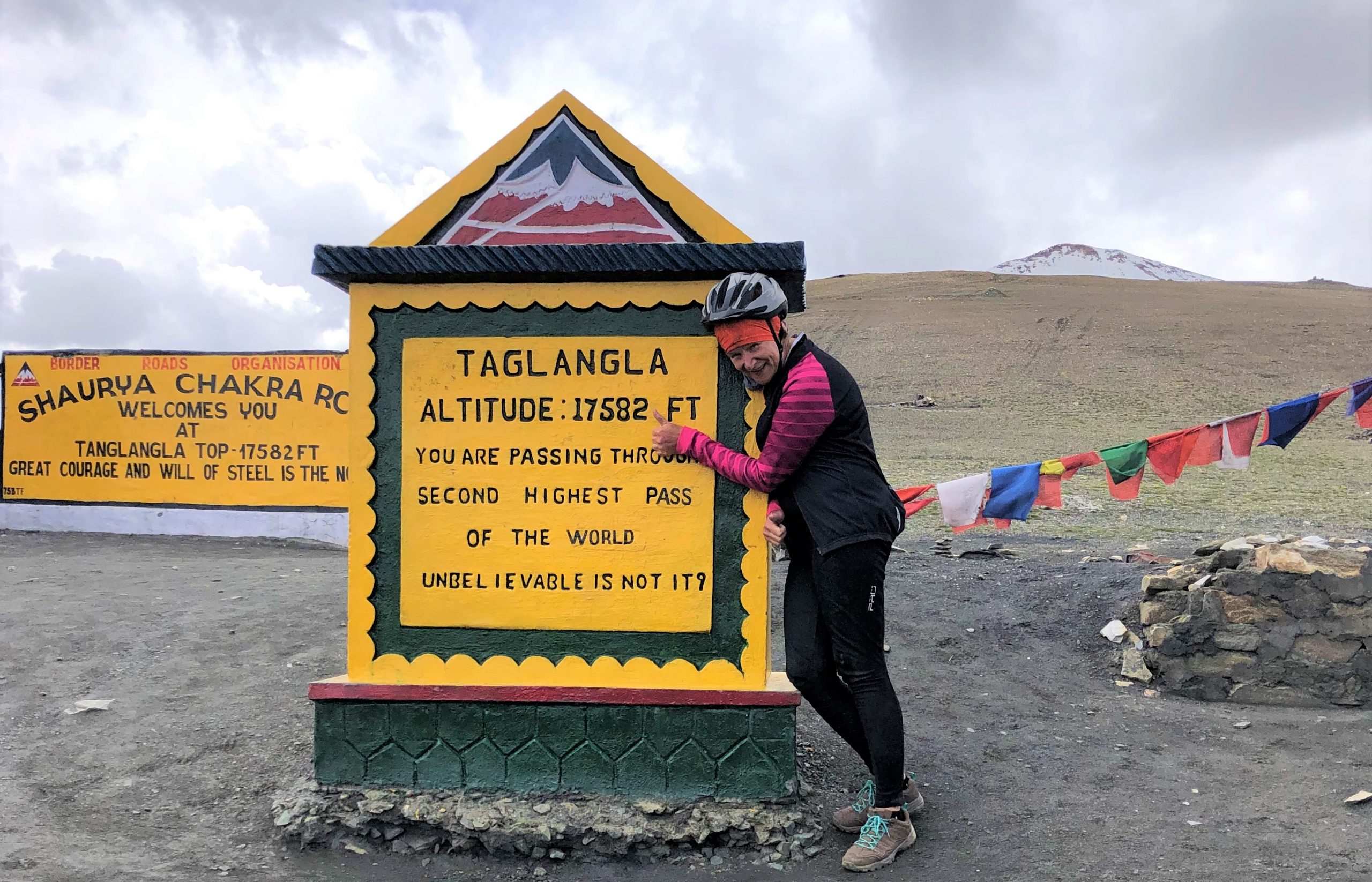
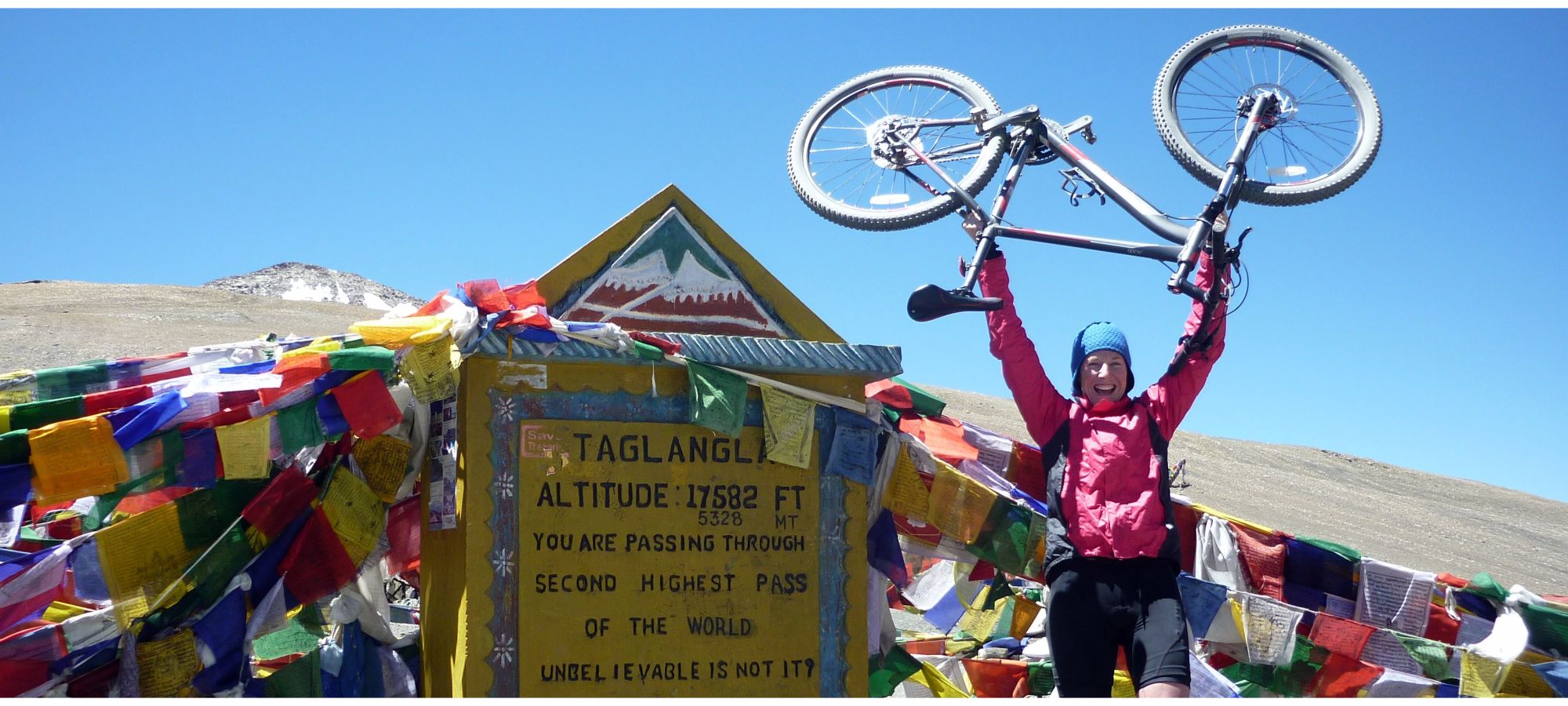
Taglang La is one of the highest motorable mountain passes in the world and one of the greatest cycling achievements in the Himalayas. Rising to an altitude of 5,328 metres, the ascent is physically demanding but immensely rewarding, with thin mountain air, dramatic switchbacks, and extraordinary views across Ladakh’s rugged landscape.
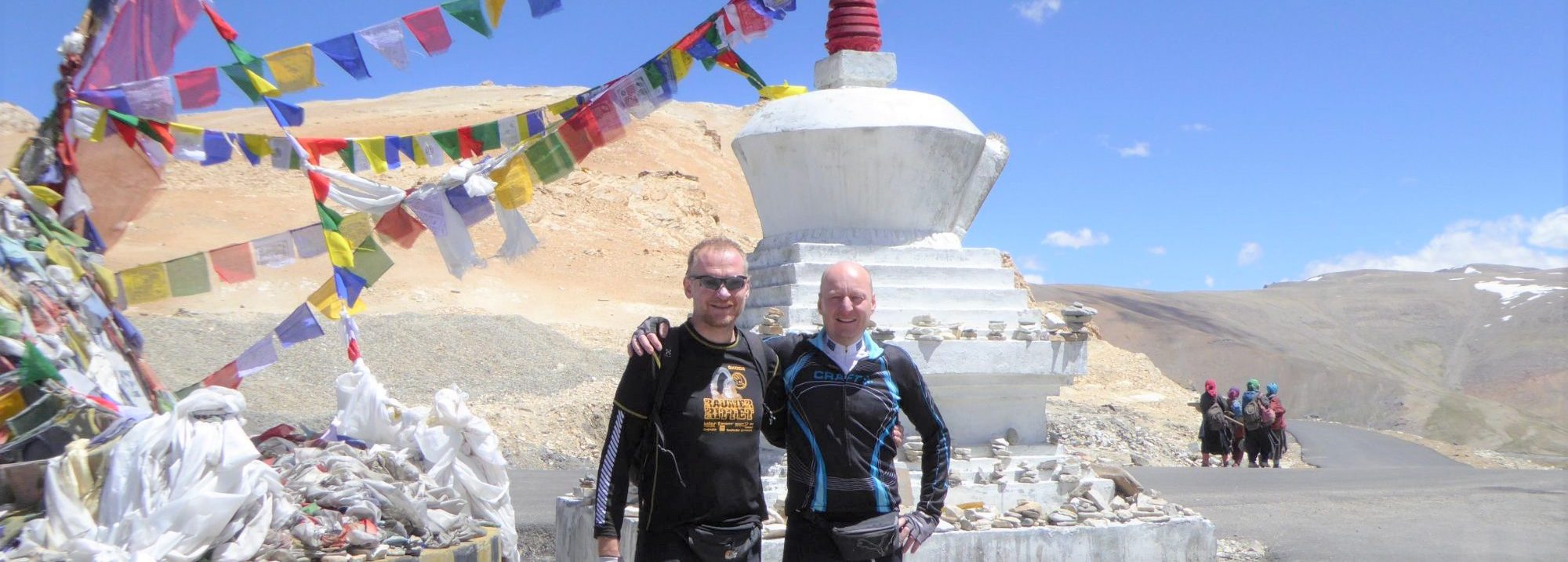
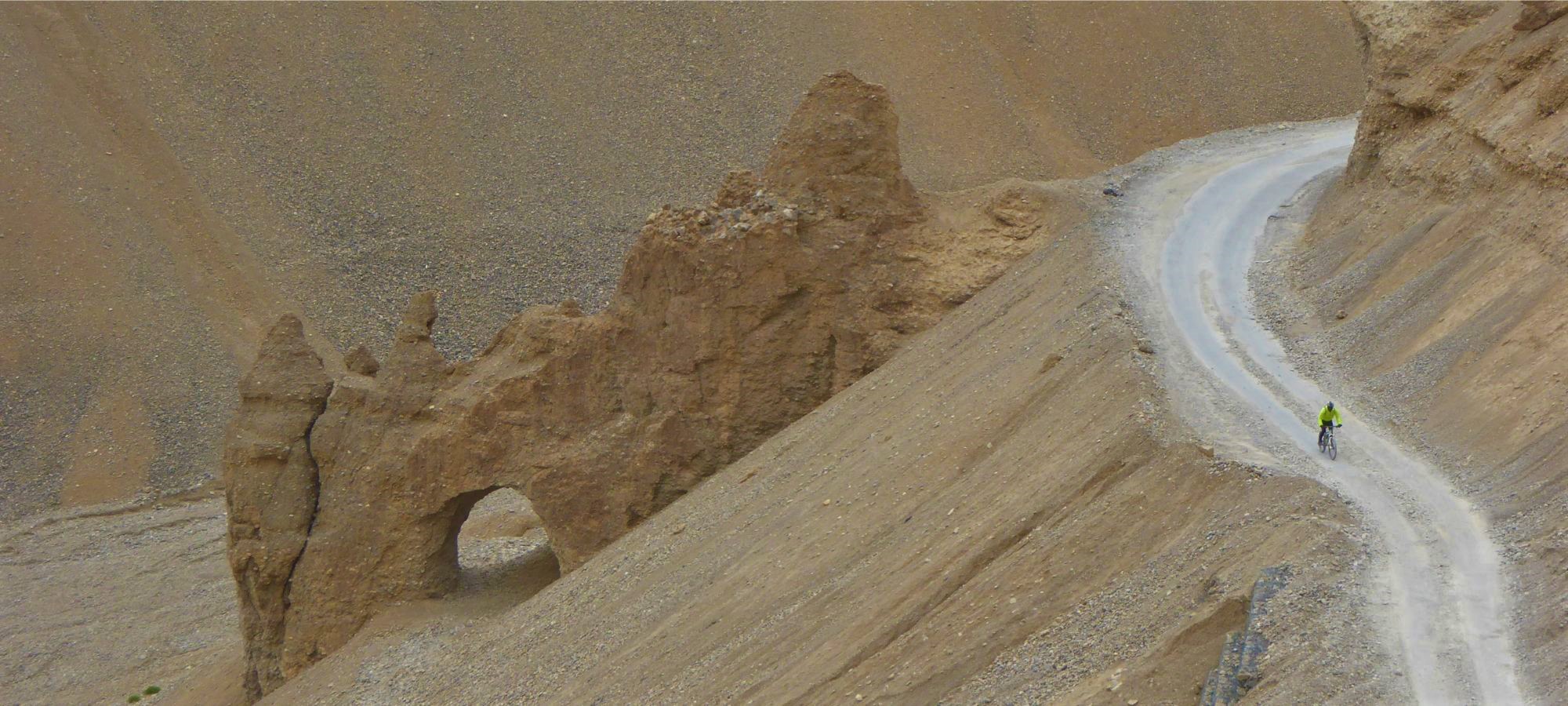
Reaching the summit is a defining moment of the tour. Prayer flags flutter in the icy wind while vast mountain ranges stretch endlessly across the horizon. From the pass, cyclists enjoy a thrilling descent towards lower valleys and greener terrain, passing tiny villages and dramatic rock formations. For many riders, conquering Taglang La represents the ultimate highlight of the Manali to Leh journey.
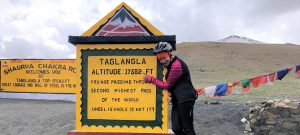
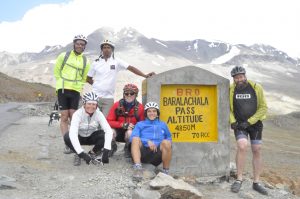
Baralacha La is one of the great high passes of the Manali–Leh highway, set amid wild, open and uncompromising mountain scenery. The landscape here feels vast and elemental, with loose rock, gravel slopes, mountain streams and sweeping views across the Higher Himalayas.
The ride to the pass is demanding, but the rewards are immense. This is where the tour takes on a true expedition feel, with remote valleys, thin air and dramatic horizons reminding riders just how far they have travelled into the mountains.
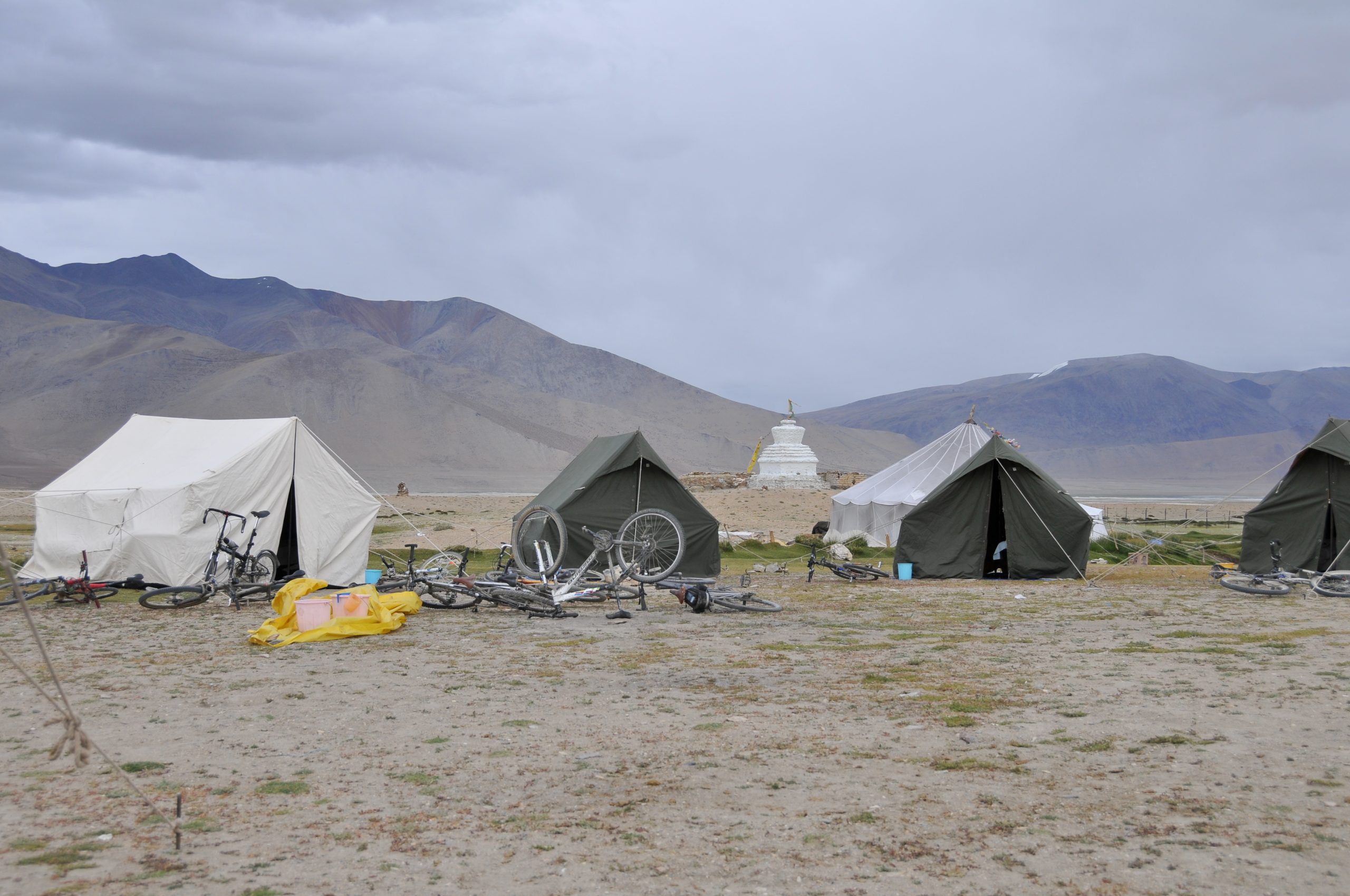
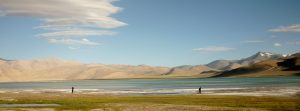
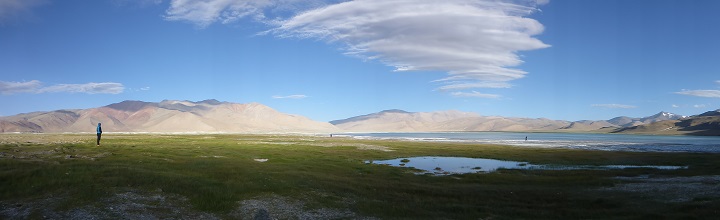
Tso Kar is a striking high-altitude salt lake set on the remote Changthang plateau. Reached after crossing the wide Moray Plains and leaving the main road for a rougher track, it offers one of the most distinctive and beautiful landscapes of the tour.
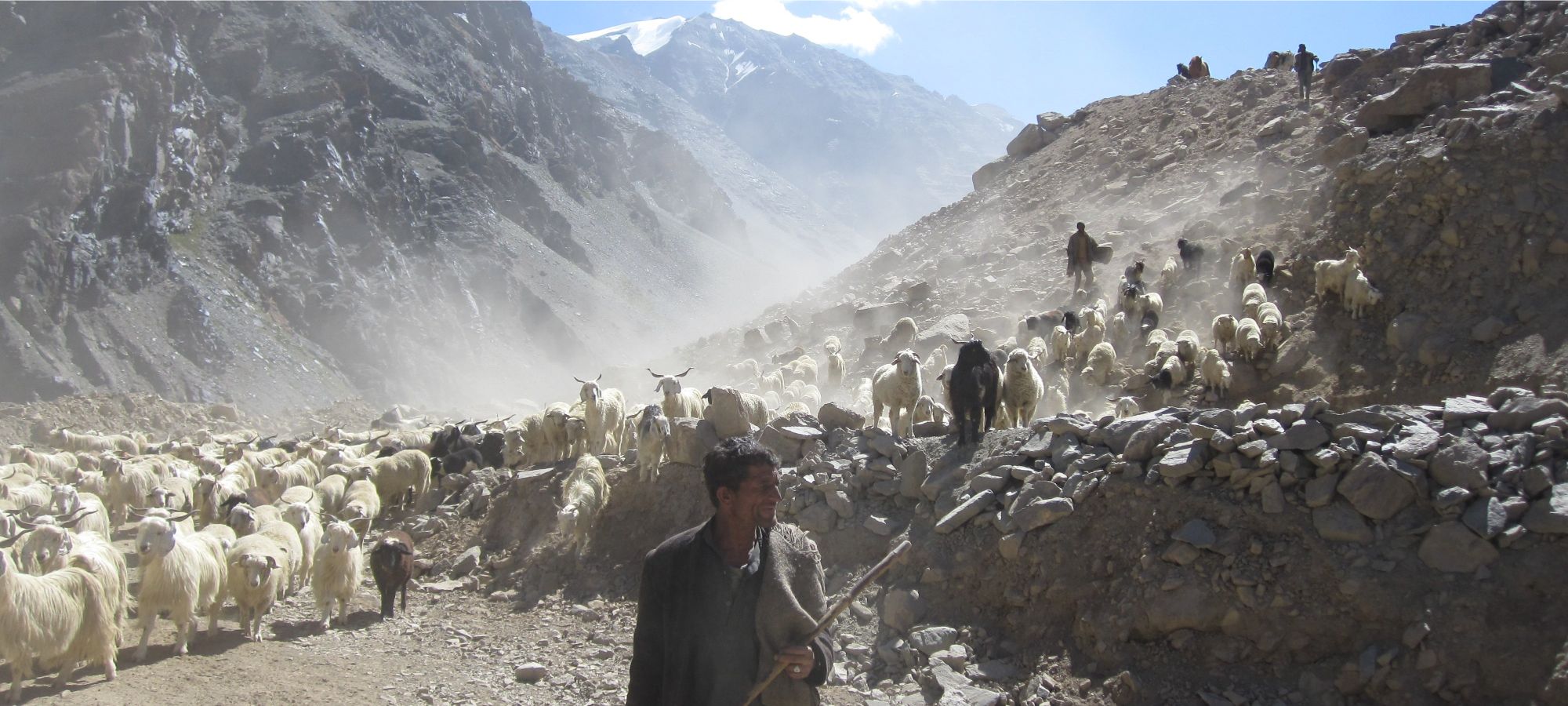
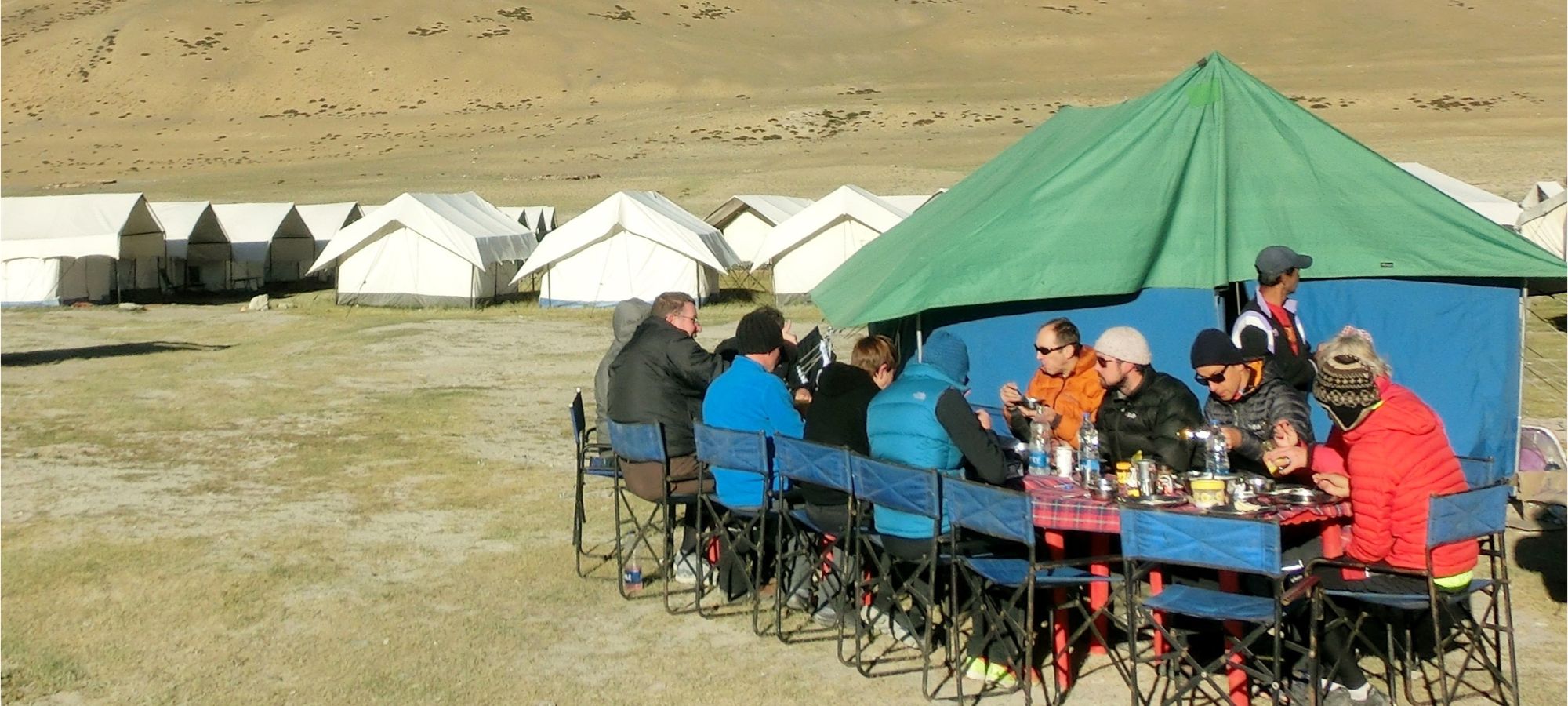
The surrounding area is stark, windswept and atmospheric, with open skies, distant peaks and traditional nomadic life. Changpa herders can sometimes be seen tending their yaks and sheep in this harsh but beautiful environment. Camping near the lake is a memorable highlight, giving riders a real sense of the solitude and scale of Ladakh.
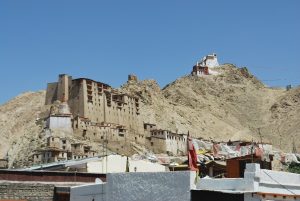
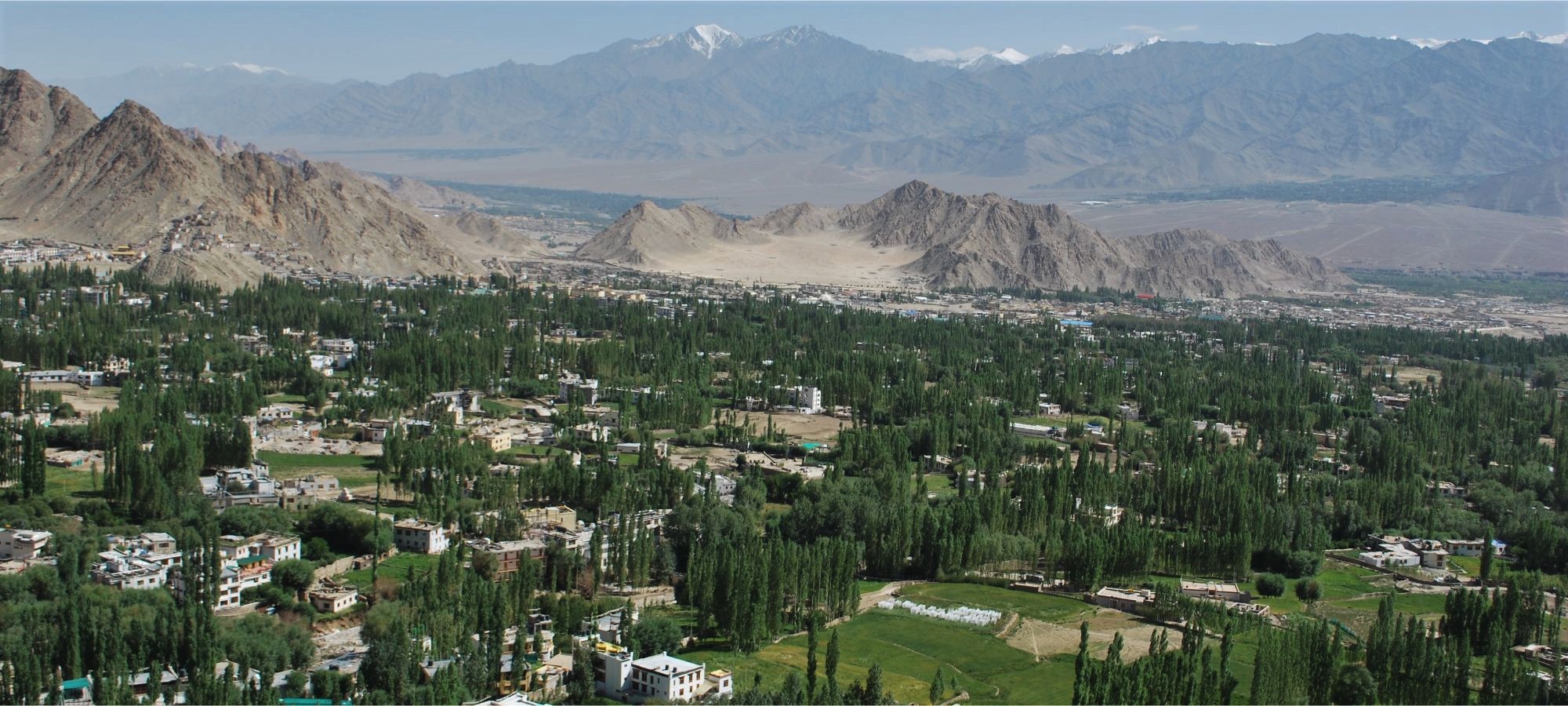
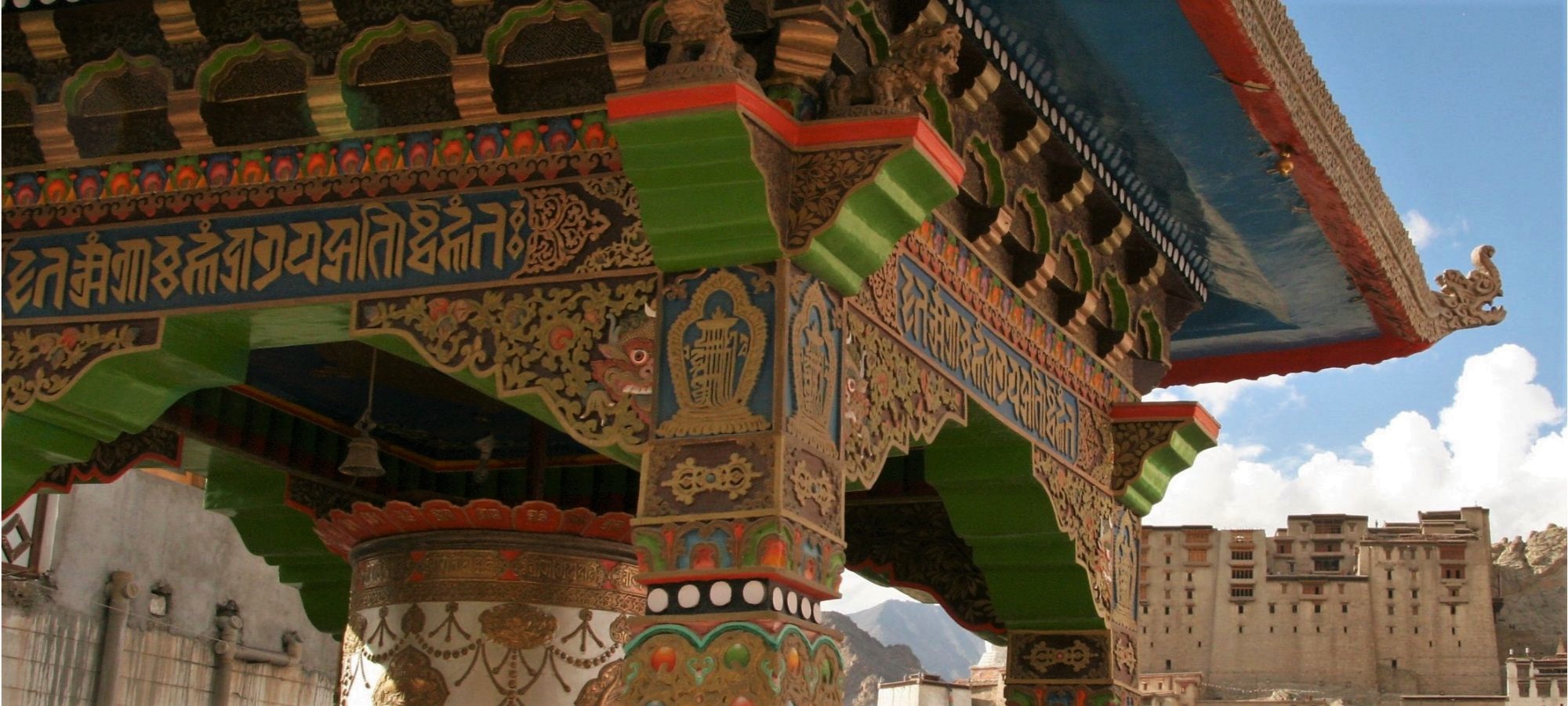
Leh is the cultural heart of Ladakh and a welcome place to pause after days of high mountain riding. Set in a fertile valley surrounded by rugged, red-hued mountains, the town blends Tibetan Buddhist culture, lively markets and dramatic Himalayan views.
A rest day here gives riders time to explore Leh Main Market, visit the historic Leh Palace or watch the evening light fall across the mountains from Shanti Stupa. It is also the perfect place to recover and gather strength before the final challenge of the tour: Khardung La.
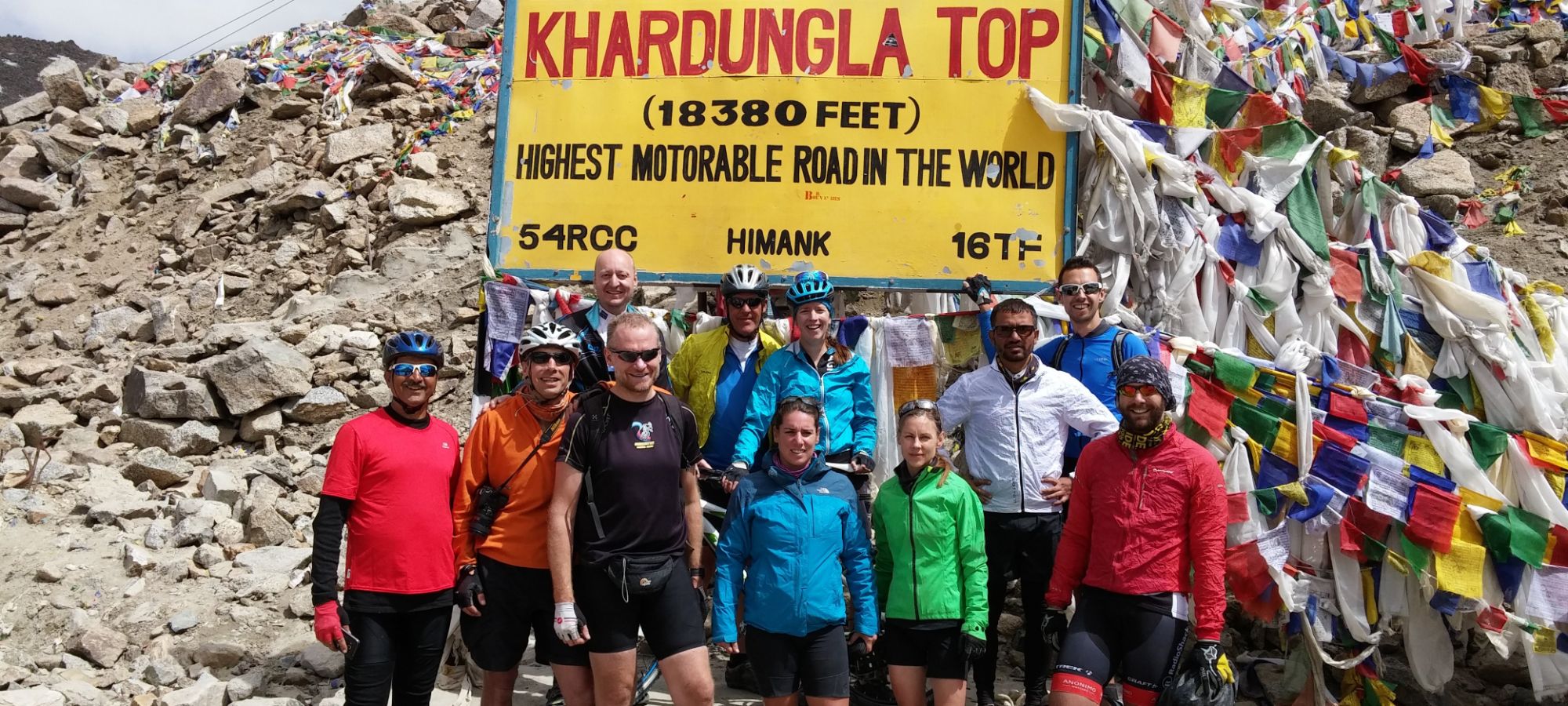
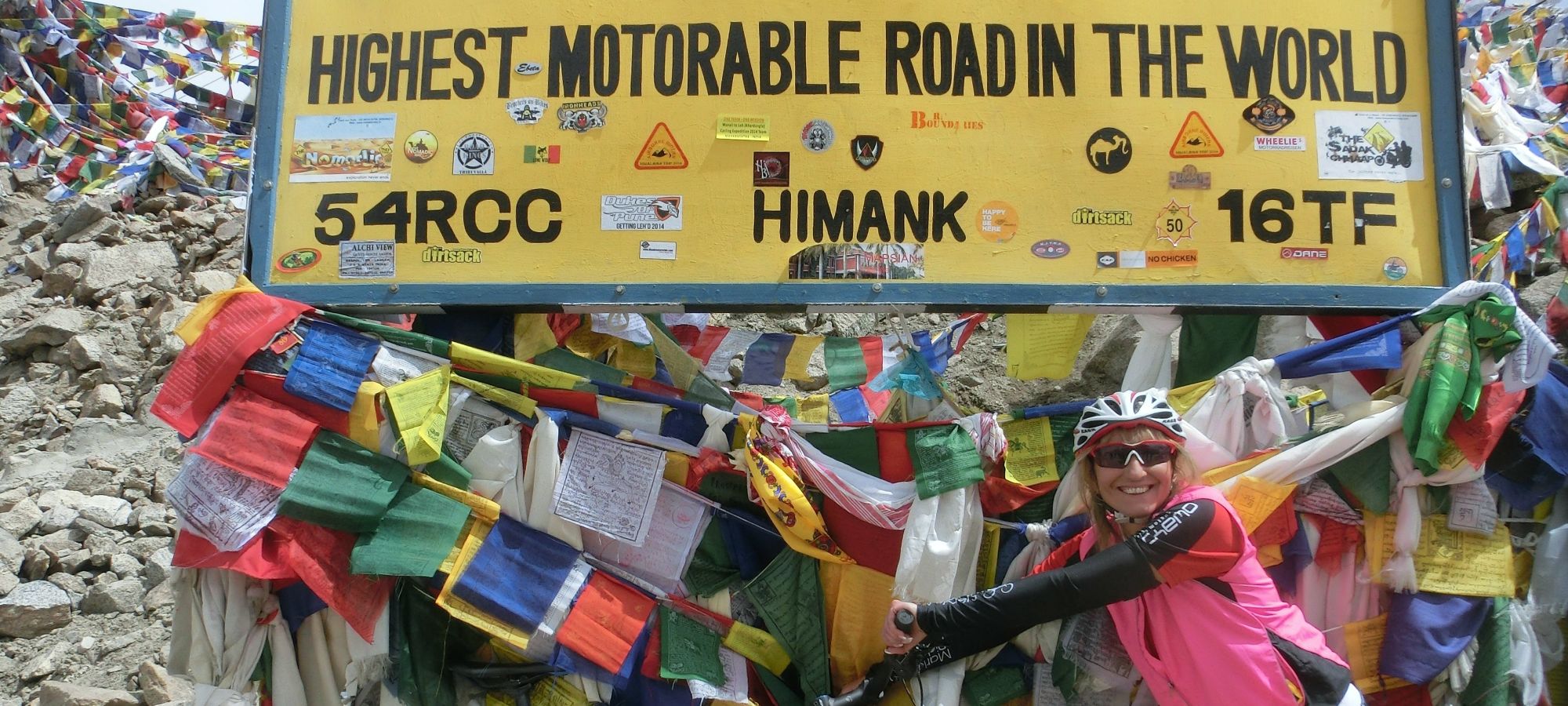
Khardung La is the grand finale of the journey and one of the most iconic cycling challenges in the Himalayas. Rising to 5,359m, the climb from Leh is a true test of endurance, patience and determination as the air thins and the road winds higher into the mountains.
Reaching the summit is an unforgettable achievement, with panoramic views of snow-capped peaks, deep valleys and the vast Ladakhi landscape. The descent back to Leh offers a thrilling end to the ride and time to reflect on one of the world’s great high-altitude cycling adventures.

Upon your arrival at Delhi airport, our team will arrange for you to be escorted to the designated joining hotel. The vibrant capital city of India provides an exciting and mystical initiation to your Indian cycling adventure. To kick off the expedition, there will be a group briefing this evening, where you’ll receive essential information and connect with fellow cyclists. Get ready for an unforgettable adventure as you begin the pedal-powered exploration from Manali to Khardung La.
Accommodation: Hotel
This morning, our journey continues as we depart from Delhi and embark on a scenic road trip to Mandi, our destination for the day. Mandi, also known as Zahor to Tibetans, is a captivating bazaar town nestled along the picturesque banks of the Beas River. The town is renowned for its rich cultural tapestry, adorned with a multitude of temples and shrines that reflect the deep-rooted spiritual essence of the region.
As we bid farewell to Mandi on the morning of Day 3, our adventure unfolds further as we set our sights on the enchanting destination of Manali. Upon reaching our hotel, a haven amidst the stunning landscapes, we’ll have the opportunity to unwind and acclimatise to the mountainous surroundings. Take the time to breathe in the crisp mountain air and absorb the tranquility that Manali has to offer, setting the stage for the next leg of our unforgettable journey.
Accommodation: Hotel (B,L)
Sleeping Altitude: 2,050m (6,398ft)
Manali, in Himachal Pradesh, nestles at the head of the lush green Kullu valley, on the banks of the Beas River and at the base of the Himalayas. Towering two miles above Manali, to the north of the town, we can see 6,600m high snowy peaks beneath which we will soon be cycling. This is an important acclimatisation day. We will put our bikes together this morning and warm our legs up for the tour riding a short distance from Manali.
We cross the River Beas cycling to Vashisht, a beautiful village famed for its sulphurous hot water springs and temple. The waters are believed to have great healing powers. There are separate Turkish-style bath houses for men and women, fitted with showers, where hot baths can be taken in privacy. There are several other shrines in the village dedicated to local saint Vashisht and to Lord Rama.
Cycling Distance: 16km (10 miles)
Altitude: 340m (1,115ft)
Sleeping Altitude: 2,050m (6,398ft)
Accommodation: Hotel (B)
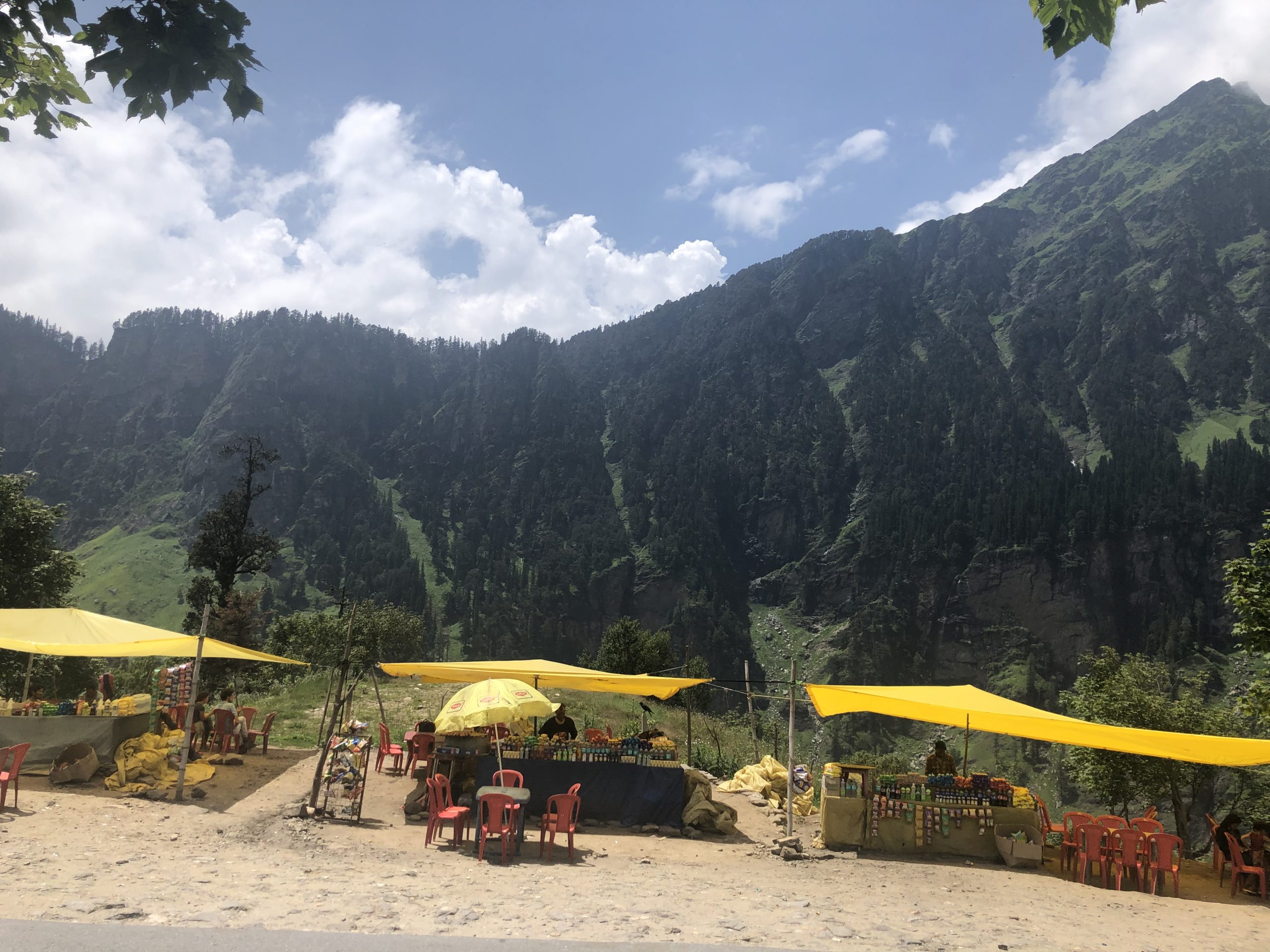
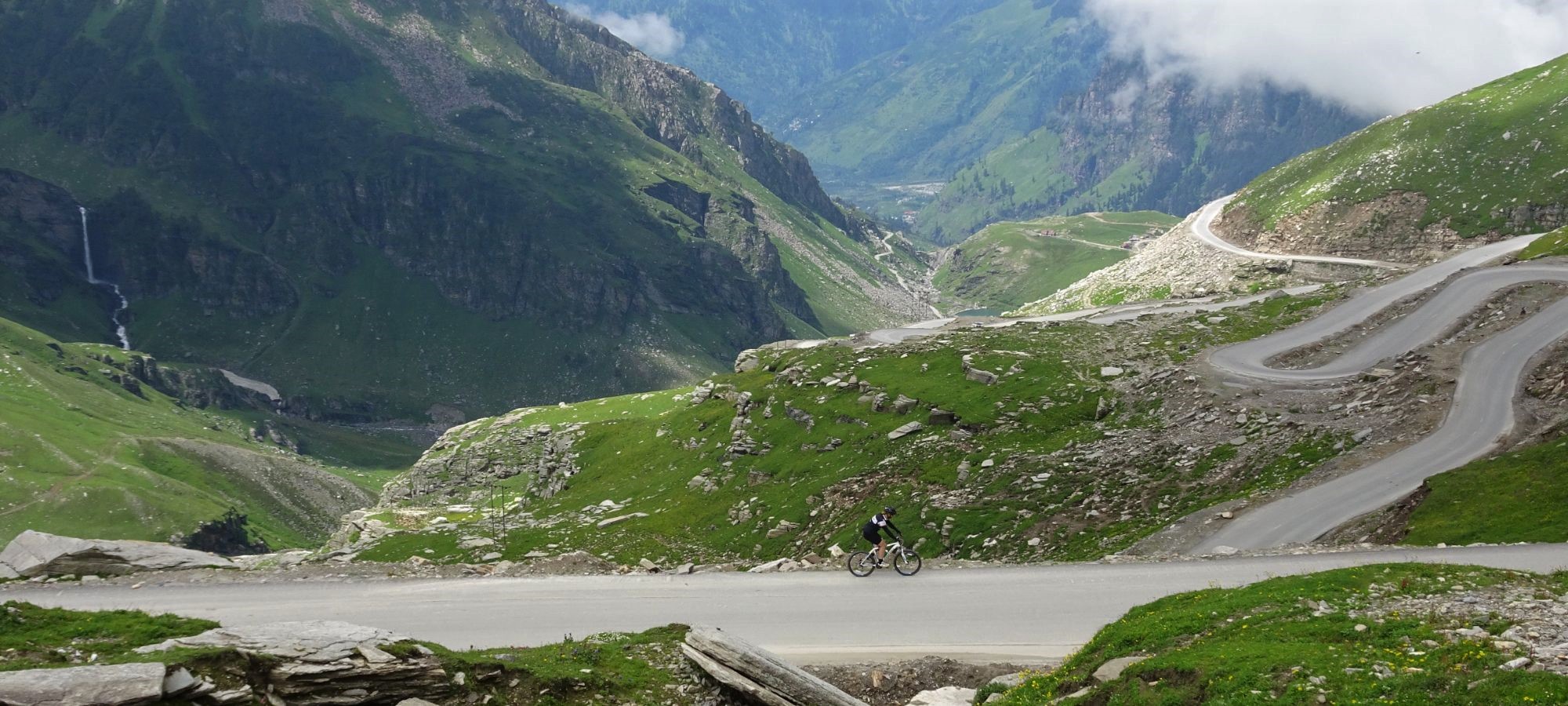
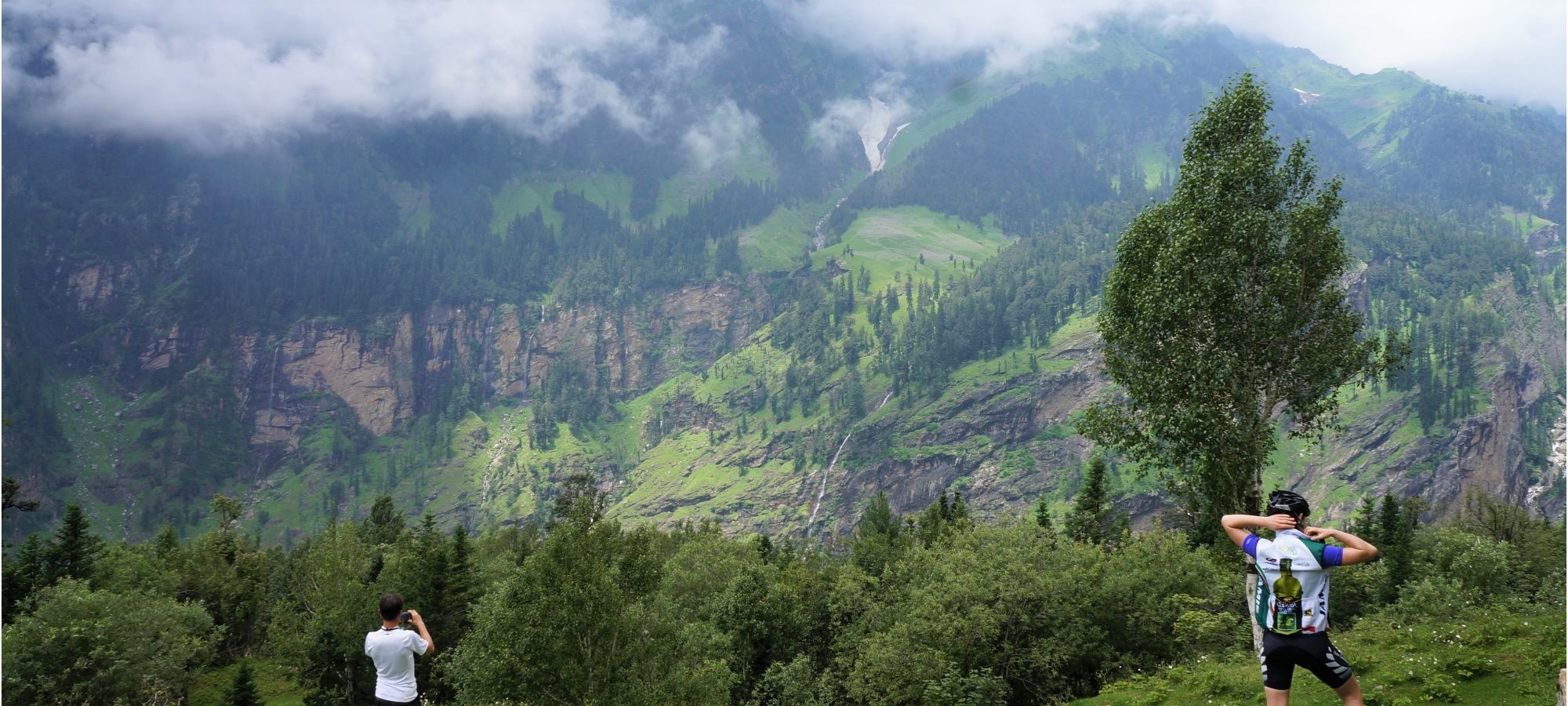
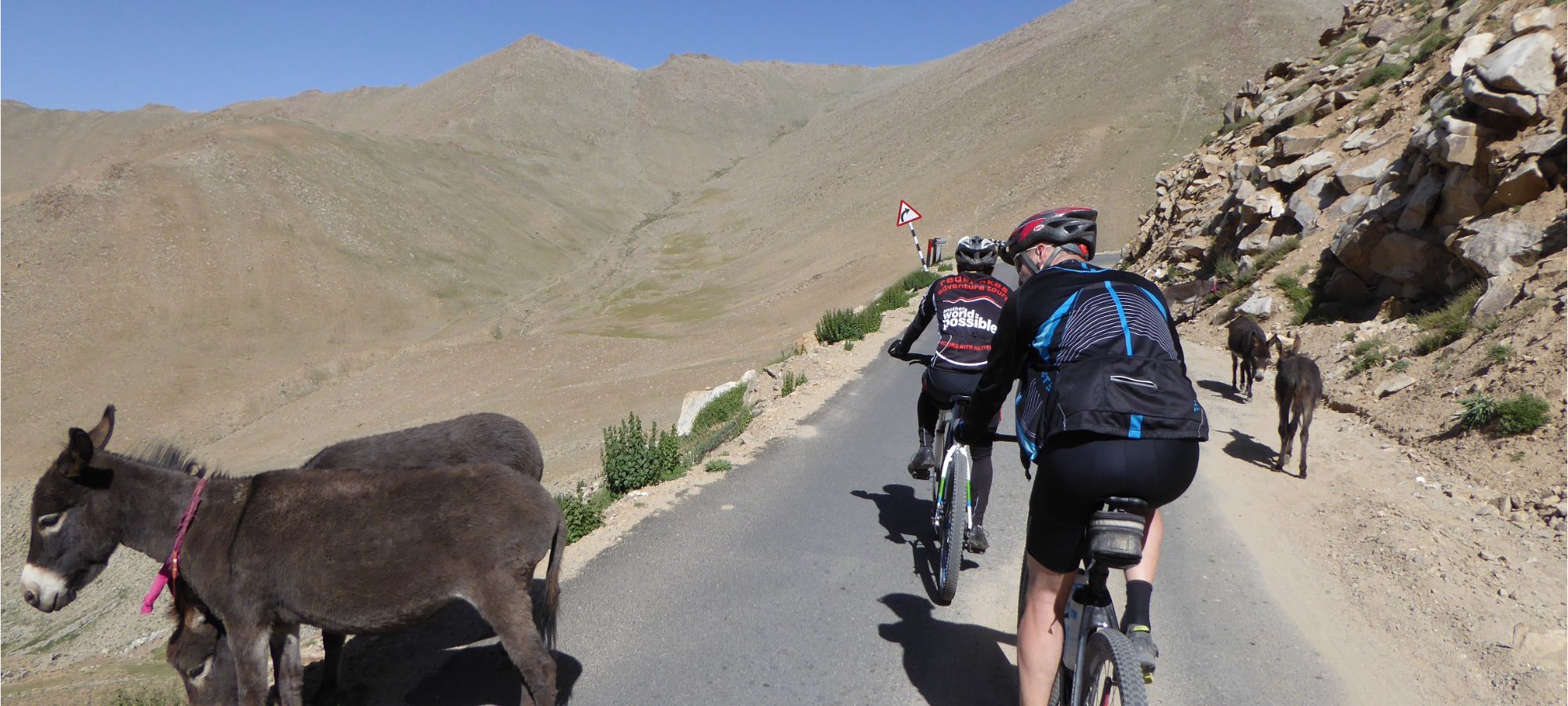
We depart Manali for our first full day’s cycling on the tour. Cycling out of Manali through an evergreen area of pine and deodar trees, we tackle the first set of many hairpin bends and switchbacks on the way to the Rohtang Pass with a full day of uphill cycling. This is our first ascent as we ease into the tough ride ahead. There are also orchards of apple trees and small hamlets along the route and as we ascend, we pass waterfalls tumbling down the mountains.
Cycling Distance: 38km (24 miles)
Total Climb: 1,506m (4,940ft)
Total Descent: 56m (183ft)
Sleeping Altitude: 3,312m (10,866ft)
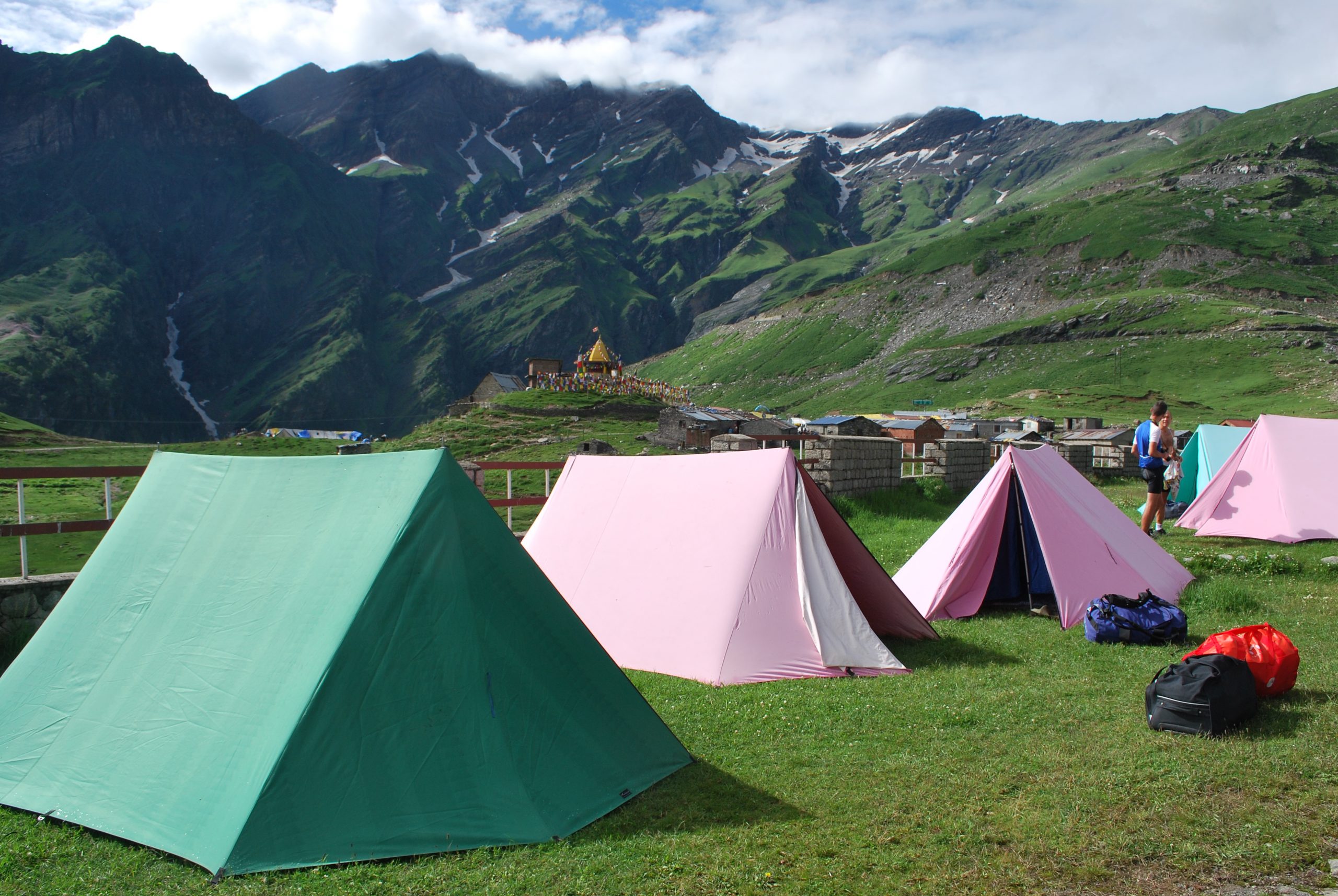
Accommodation: Camping (B,L,D)

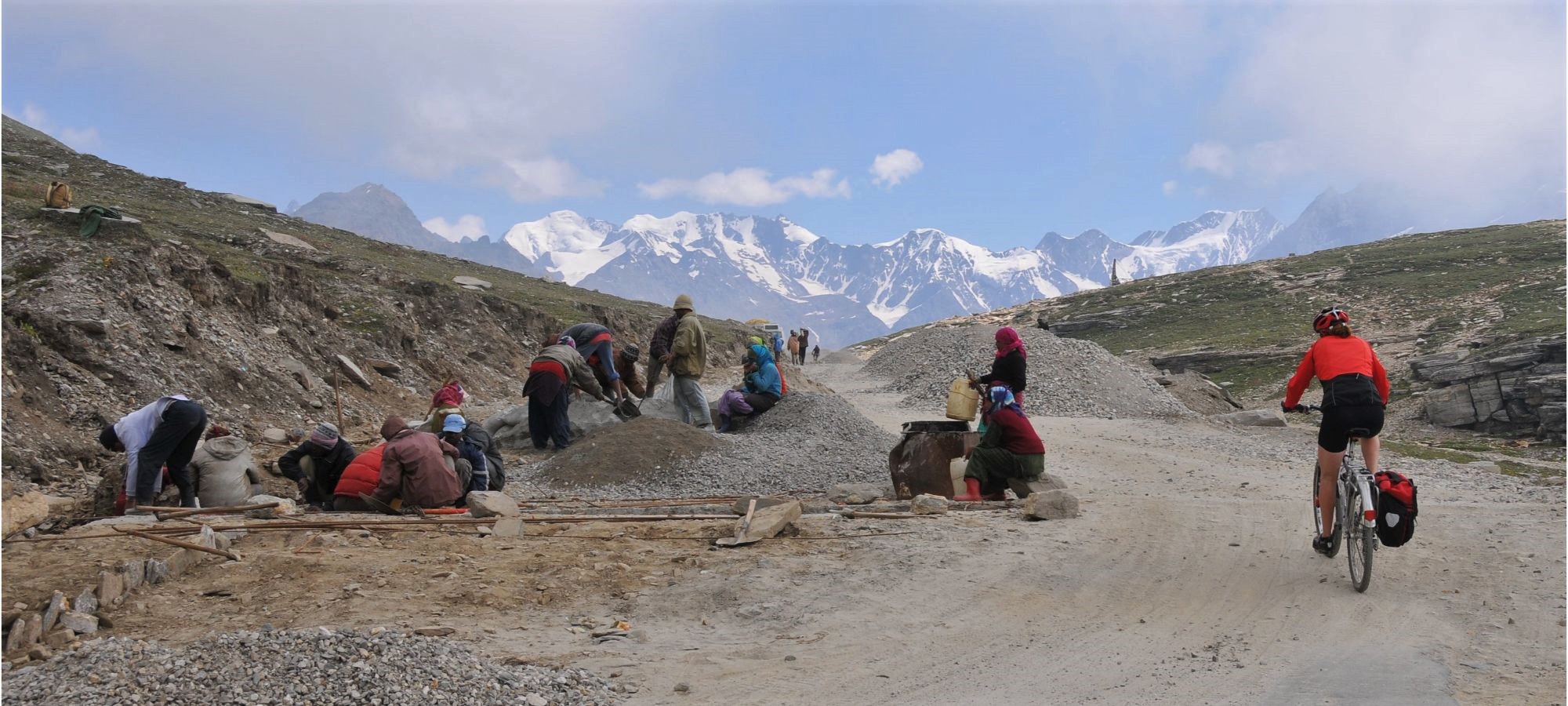
We start the day by continuing riding uphill for 12km of ascent to the Rohtang Pass. On a clear day, there are some lovely scenic views on the horizon of snow covered peaks and glaciers. After a refreshment stop in Rohtang, we leave the lush scenery behind and continue cycling with a descent into Gramphu. From here we ride along some unmarked stretches of flat road and cross the raging torrent of the river at Khoksar. We continue with a short and easy cycle to Sissu in the foothills of the Pir Panjal range.
Cycling Distance: 51km (32 miles)
Total Climb: 791m (2,595ft)
Total Descent: 1,088m (3,569ft)
Sleeping Altitude: 3,120m (10,236ft)
Accommodation: Guesthouse (B,L,D)

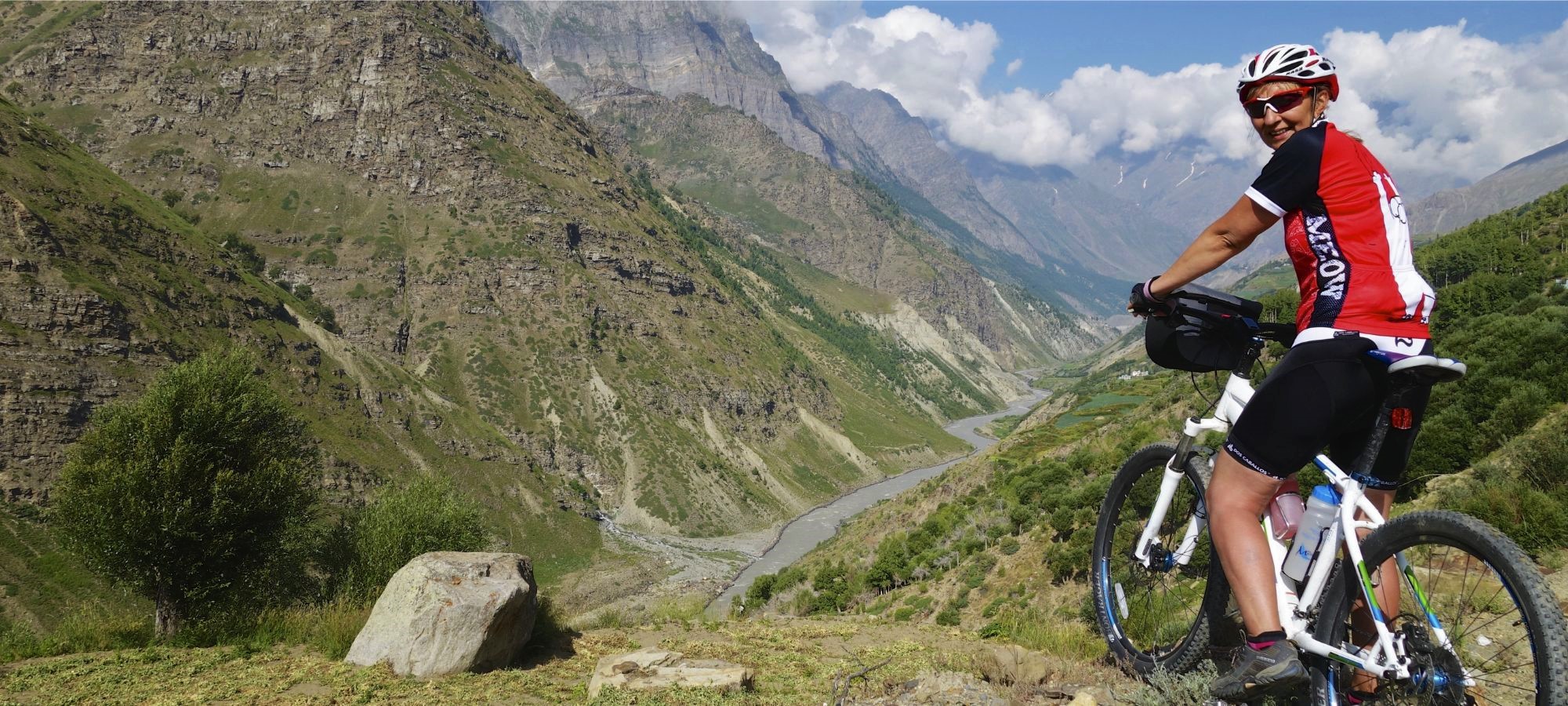
We set off with a short ride to Keylong keeping high on the valley side cycling several large up and downs stretches on mostly good roads. You will notice that the terrain is becoming much more arid. From Keylong we continue riding with a steady climb. The day ends with a long downhill into the hamlet of Jispa where we end the day on the bikes. This will be a relatively easy day of cycling on our Manali to Leh tour.
Cycling Distance: 57km (35 miles)
Total Climb: 951m (3,120ft)
Total Descent: 685m (2,247ft)
Sleeping Altitude: 3,350m (10,990ft)
Accommodation: Hotel (B,L,D)

Leaving Jispa we come out of a gorge and briefly ride downhill before starting the cycle ascent to Patseo crossing through streams that flow across the road. We begin to get a sense of the remoteness of the area, with just a few sheep dotted here and there. Travelling on we enter territory occupied by Lamas. On the horizon you can see the bleak, magnificent spectacle of the Higher Himalayan ranges. From Patse we continue cycling uphill for a further 10km to Zing Zing Bar then we ride on a further 5 km up a series of zigzags to our campsite. Road conditions are good – mostly sealed with short sections under repair.
Cycling Distance: 36.5km (22.5 miles)
Total Climb: 1,158m (3,799ft)
Total Descent: 172m (564ft)
Sleeping Altitude: 4,020m (13,188ft)
Accommodation: Camping (B,L,D)

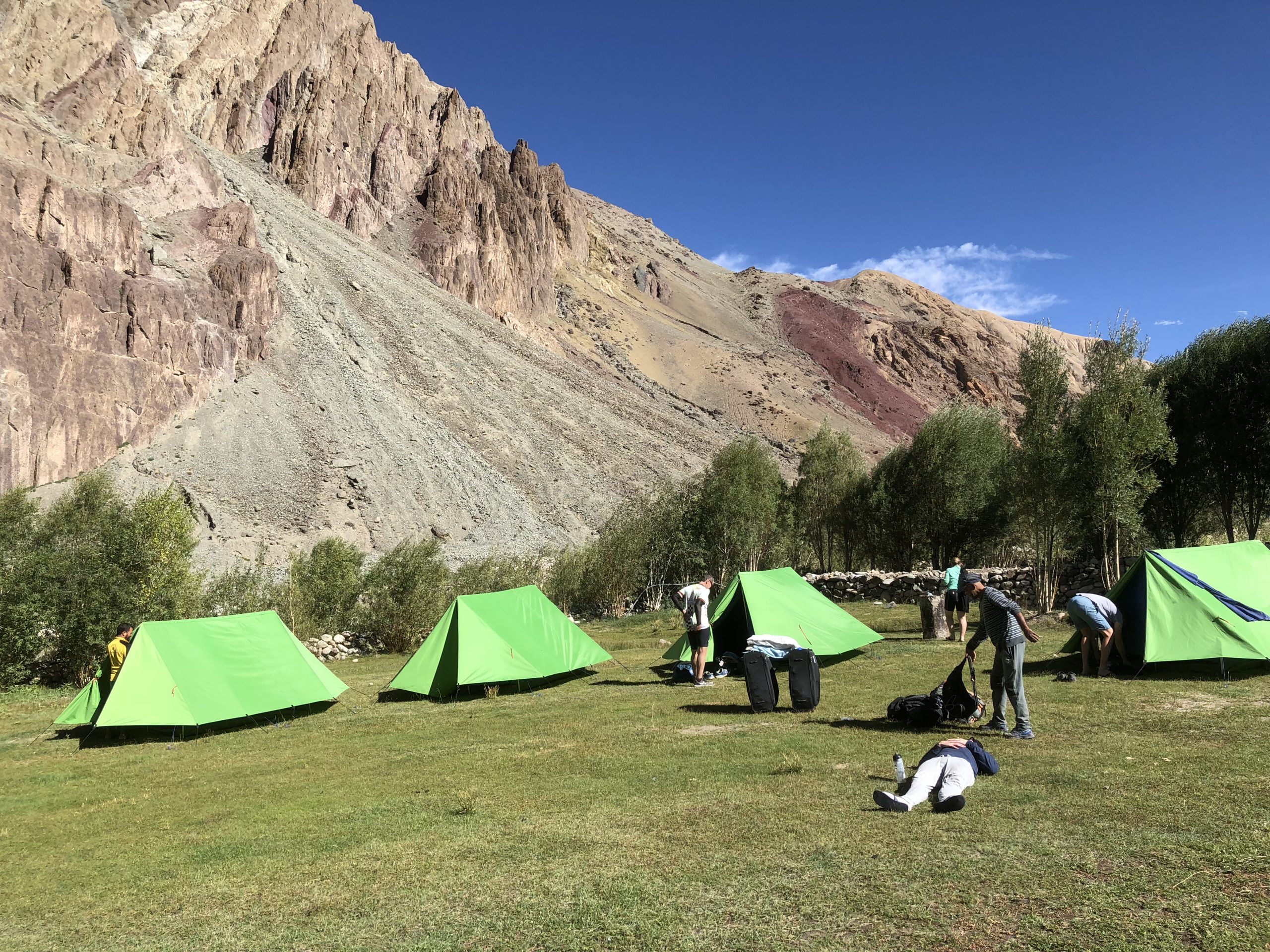
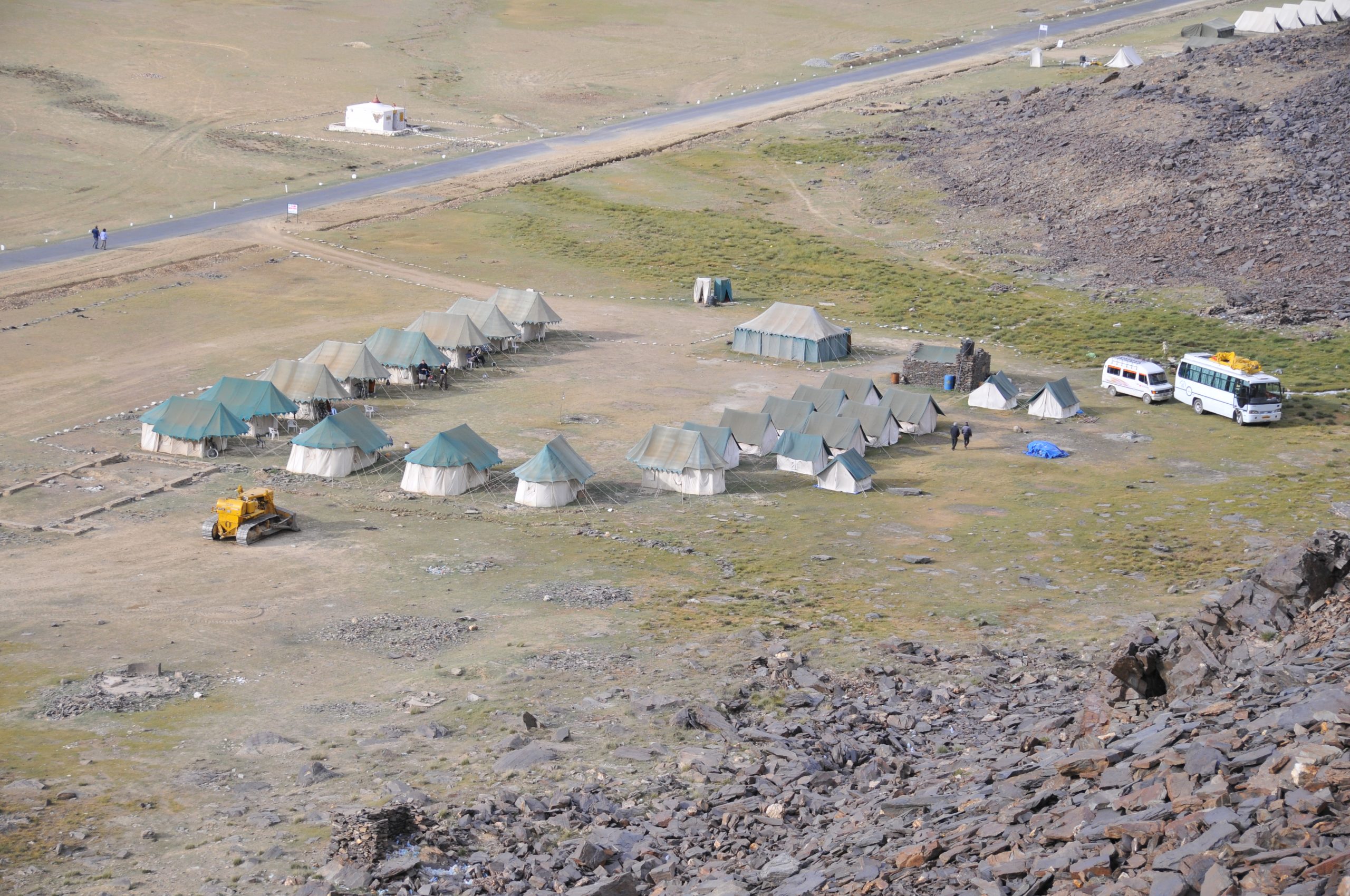
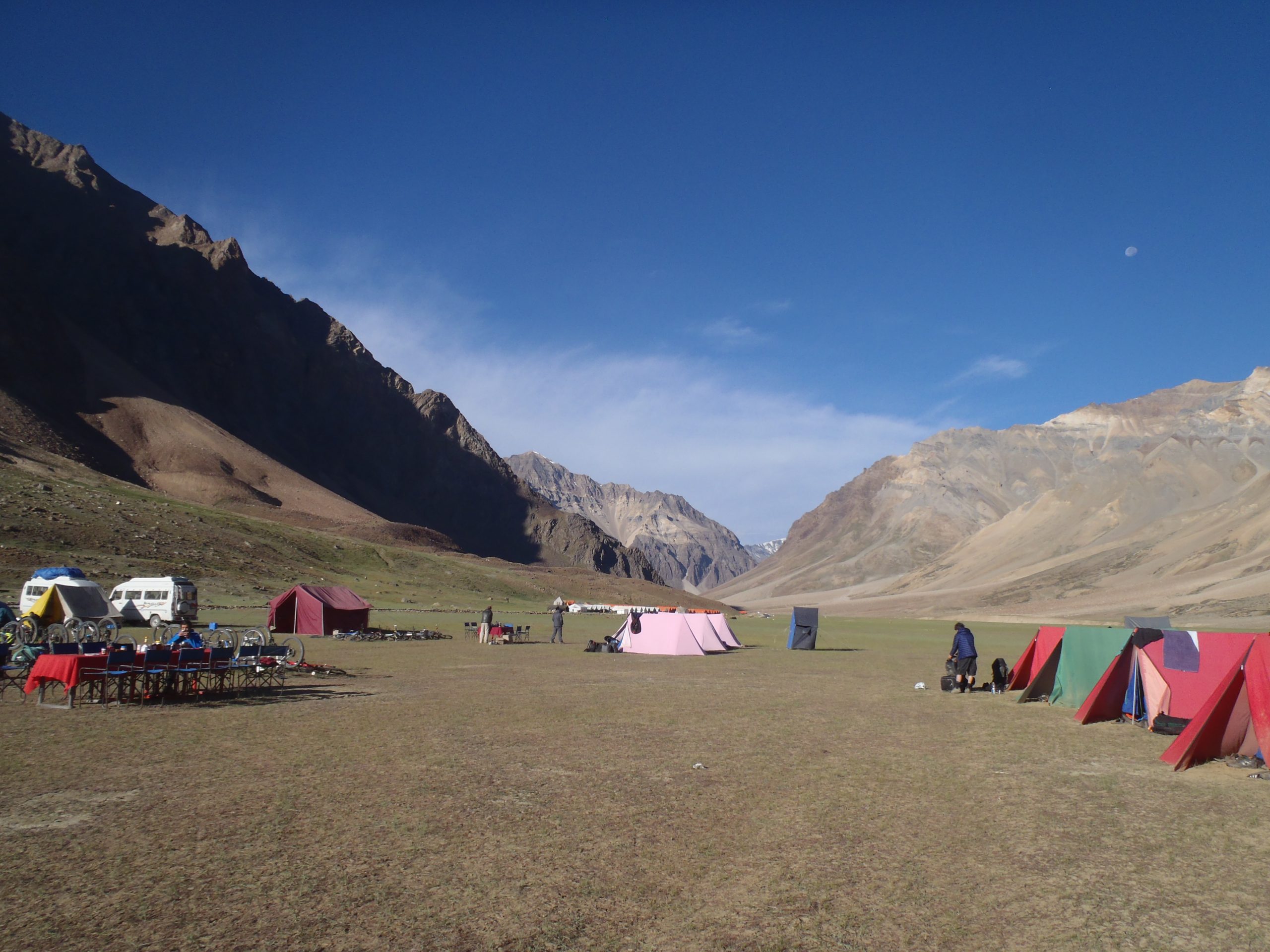
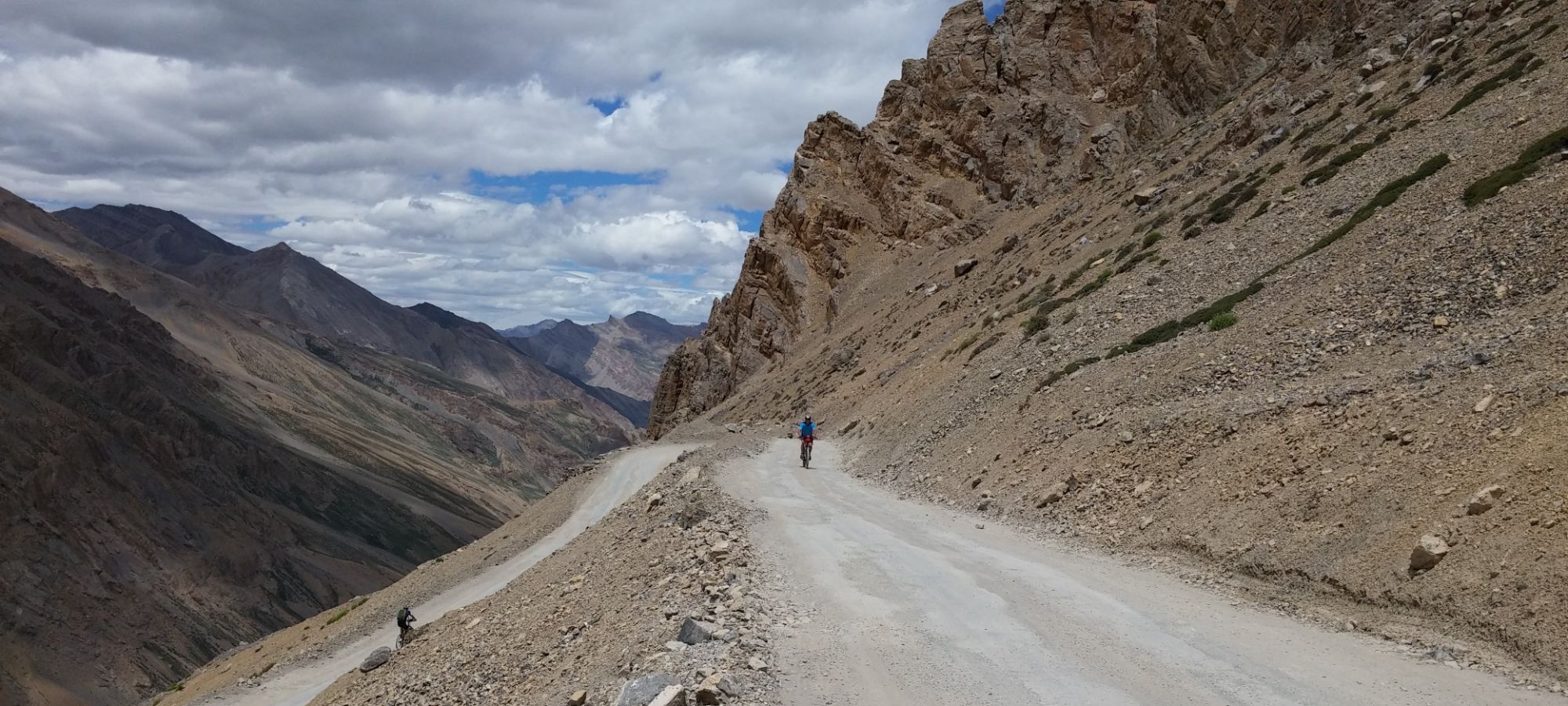
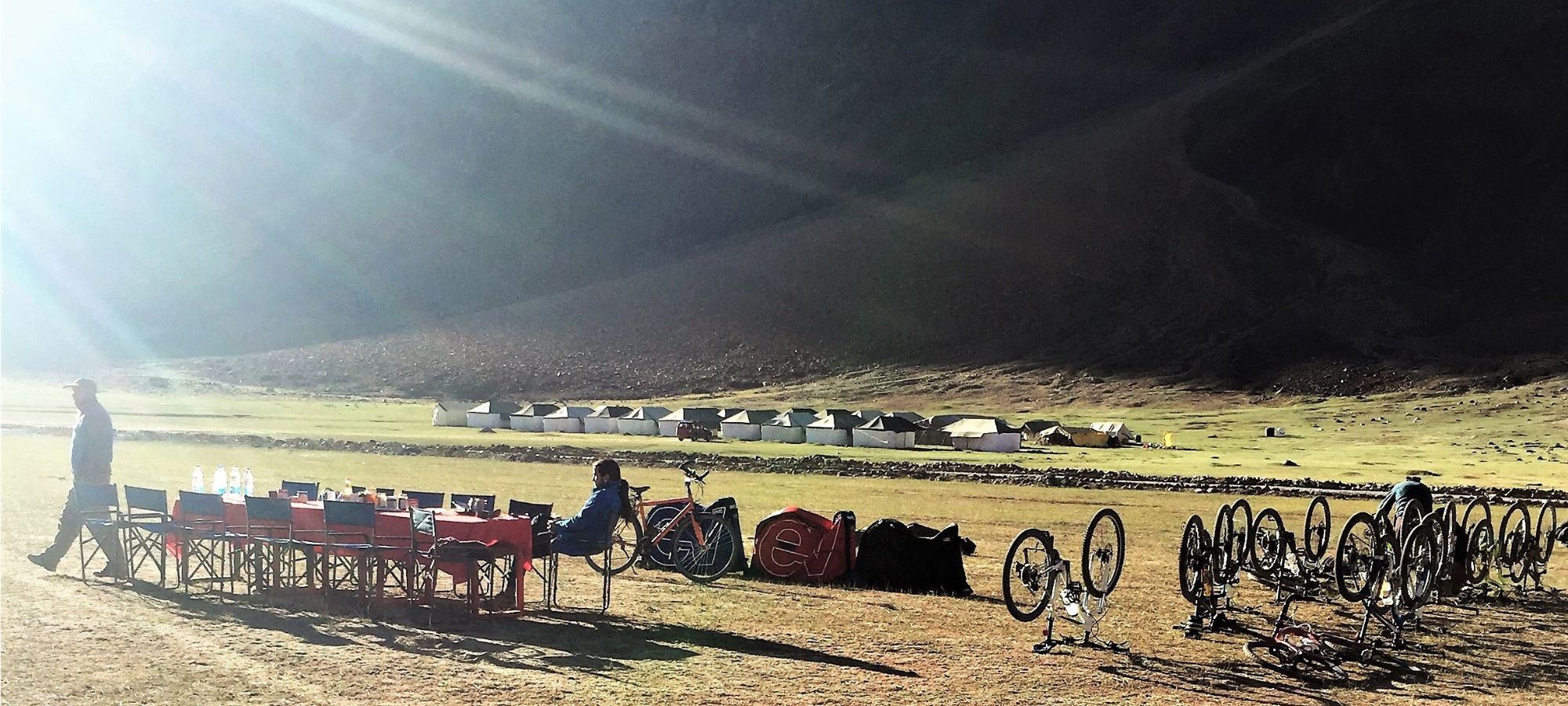
The hard long climb to the Baralacha La Pass continues today. However the tough cycling is rich in rewards as we ride through wild, scenic country. The pass itself is arid with no vegetation, the mountainside resembles a quarry, covered with loose rocks and gravel. Descending into the gorge area of Bharatpur we cross mountain rivers en-route to our campsite 6km before Sarchu. Tonight you will be able to relax and enjoy the magnificent surroundings from our campsite in a wide open valley surrounded by impressive mountains.
Cycling Distance: 63.5km (39 miles)
Total Climb: 969m (3,179ft)
Total Descent: 921m (3,021ft)
Sleeping Altitude: 4,381m (14,373ft)
Accommodation: Camping (B,L,D)

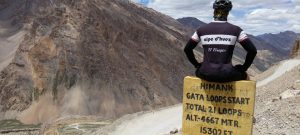
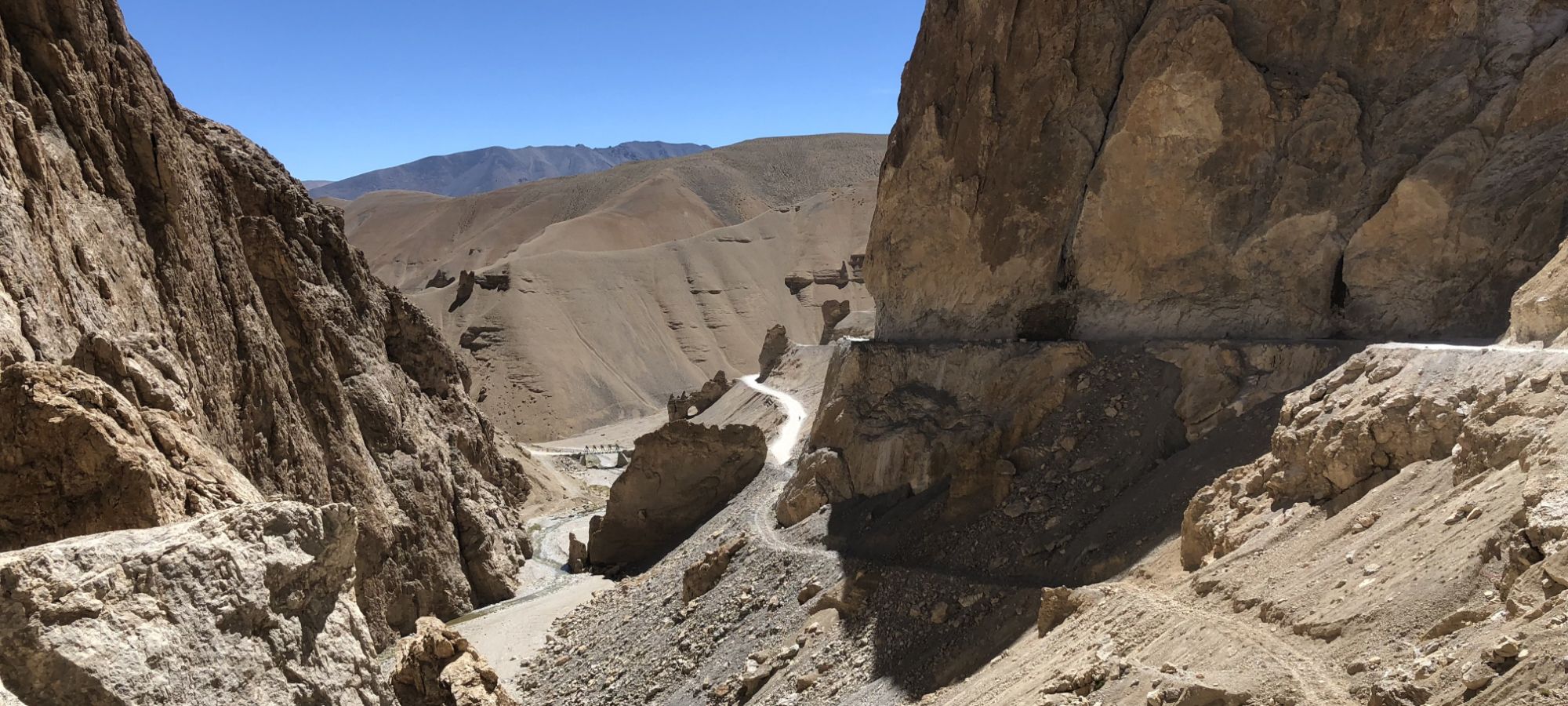
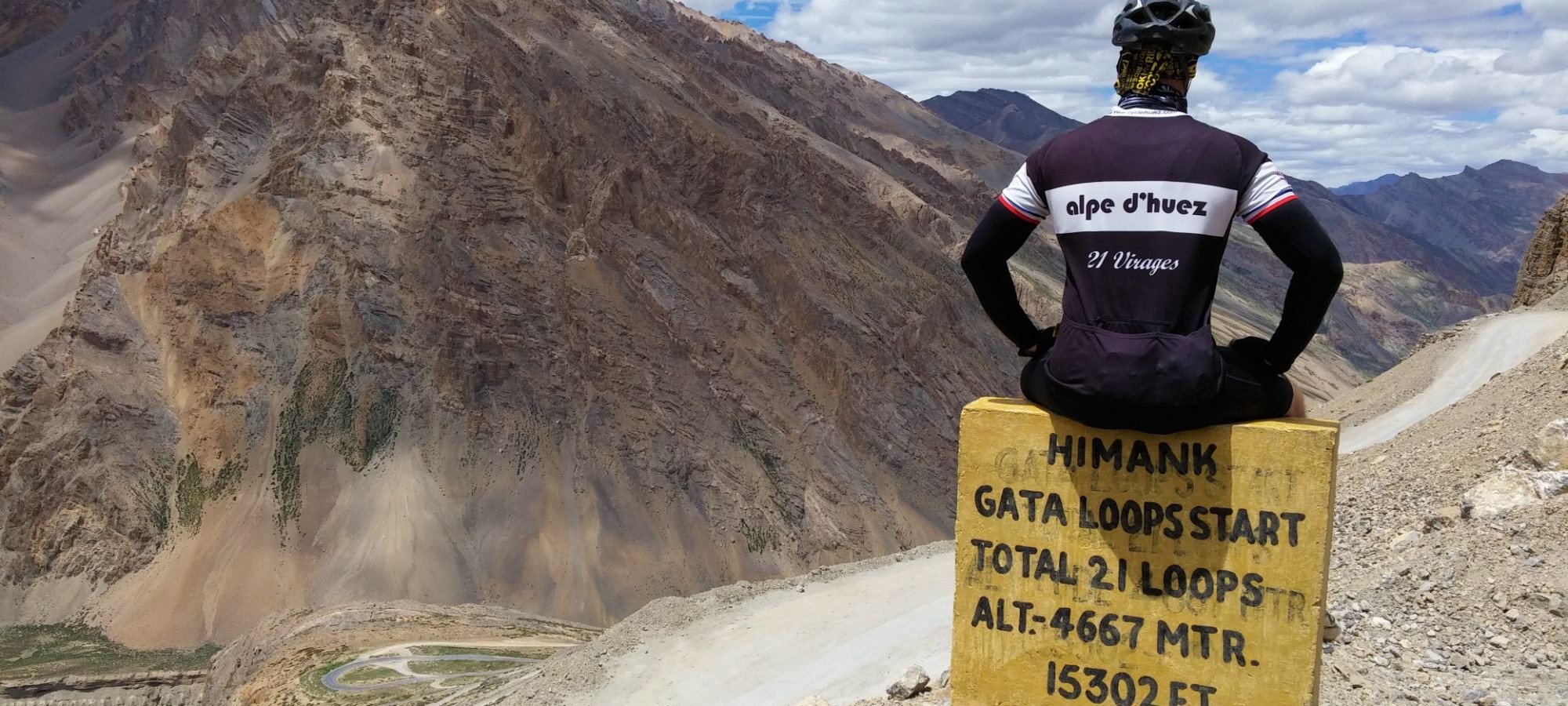
The day starts with some easy cycling along the river valley but we are soon tackling the twenty-one zigzag Gata Loops 15,030ft up the canyon wall. These have a good gradient and road surface but beyond the Loops there is a steeper push as we ride to the summit of the Nakeela Pass. Then it’s a downhill cycle to Whisky Nullah through the beautiful arid mountain scenery of the high ranges.
Cycling Distance: 54km (34 miles)
Total Climb: 925m (3,034ft)
Total Descent: 522m (1,712ft)
Sleeping Altitude: 4,750m (15,583ft)
Accommodation: Camping (B,L,D)

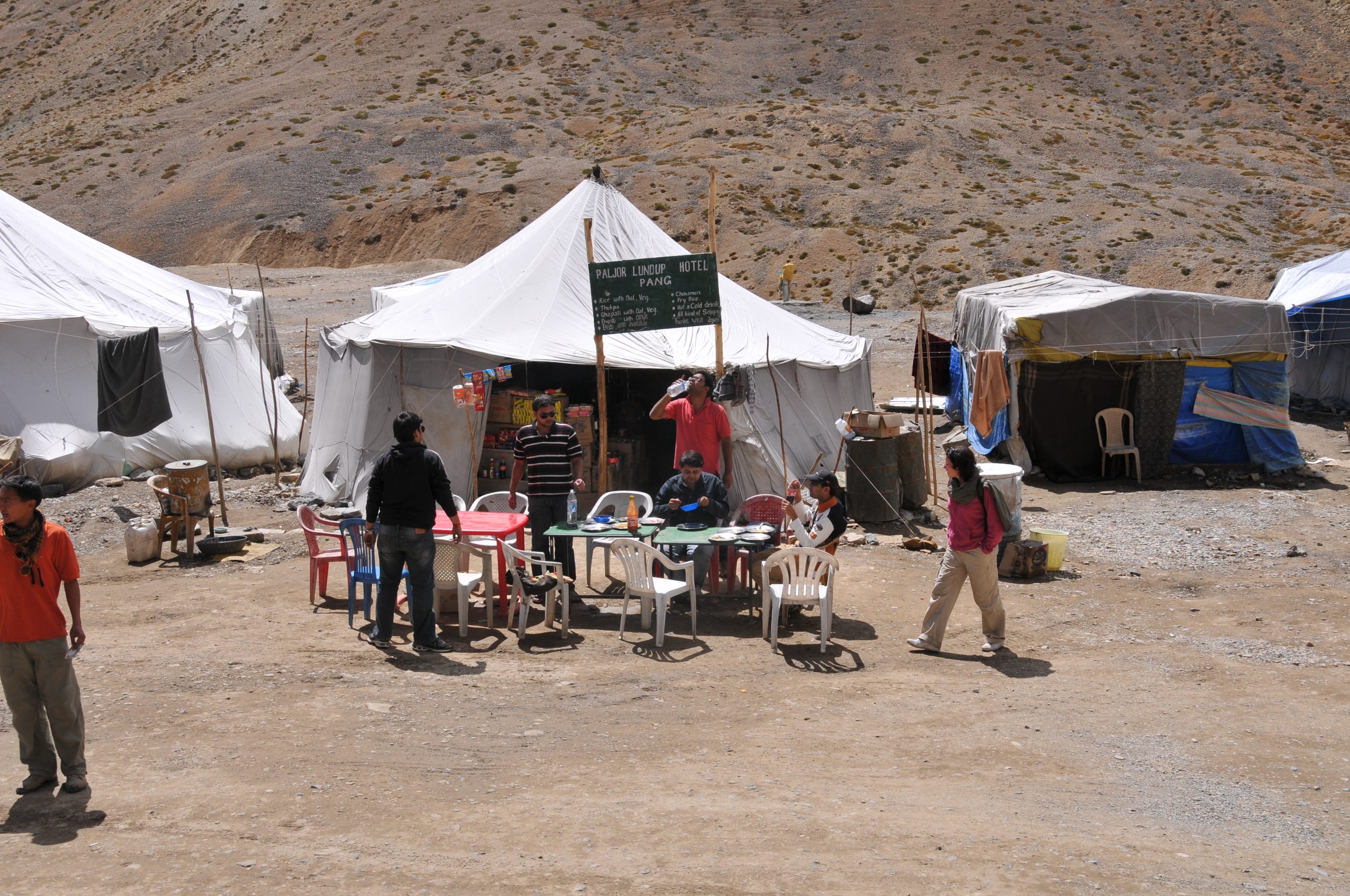
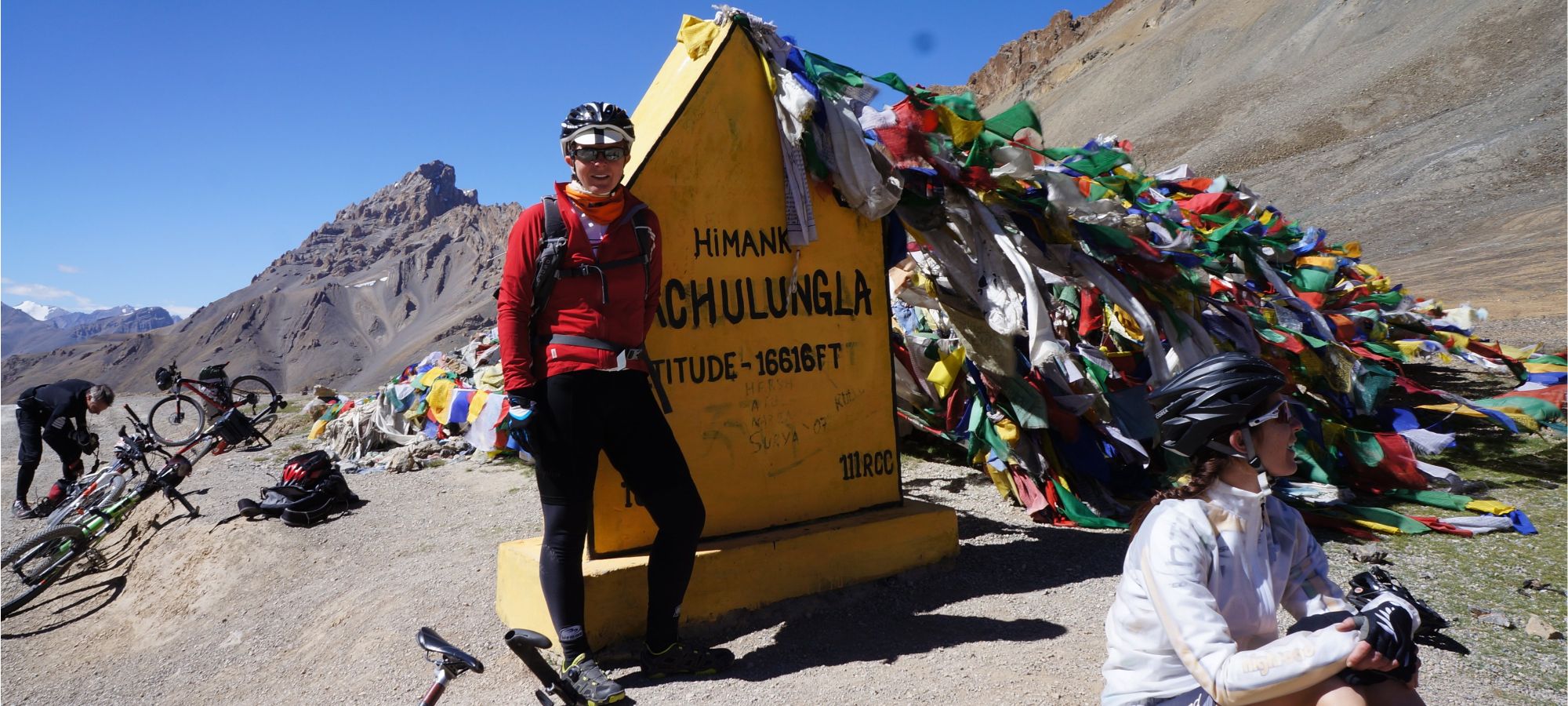
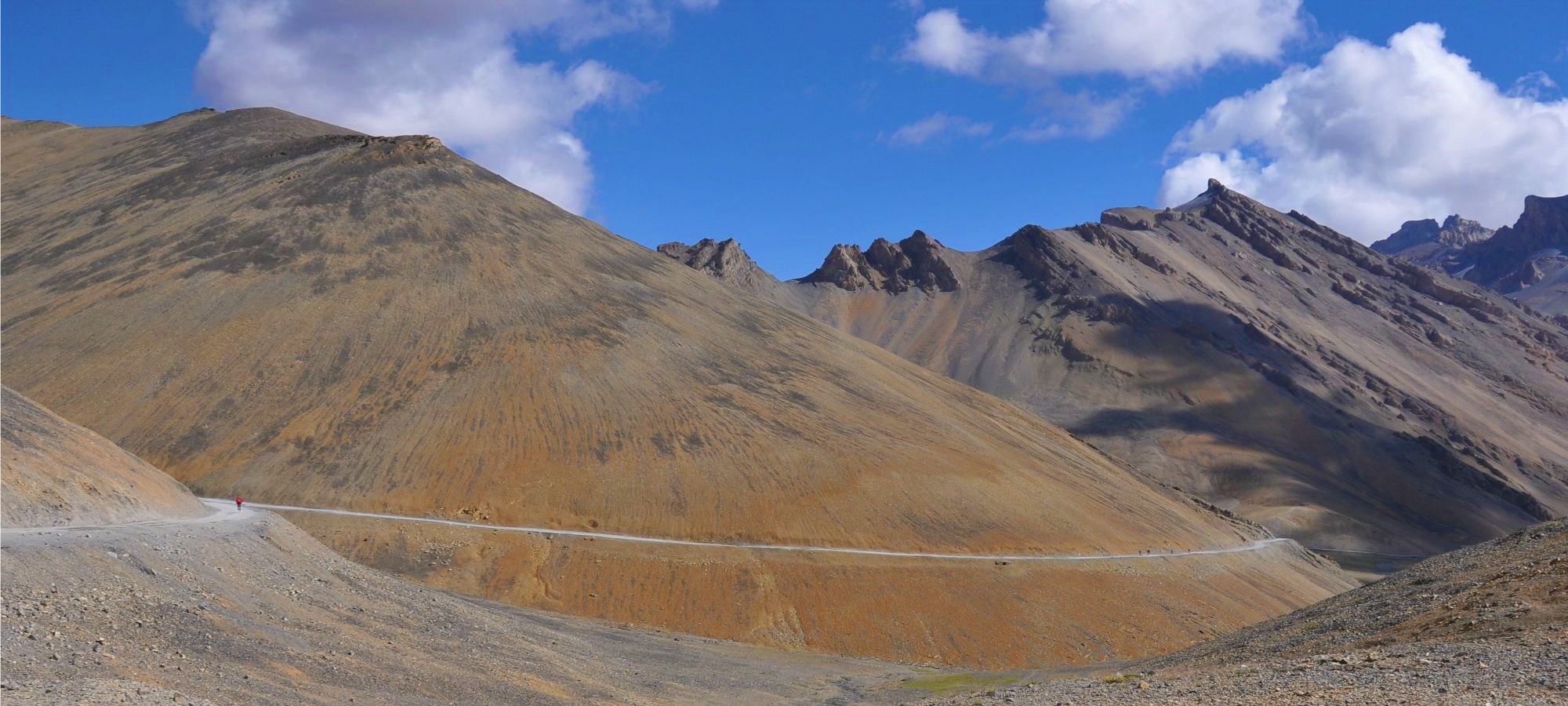
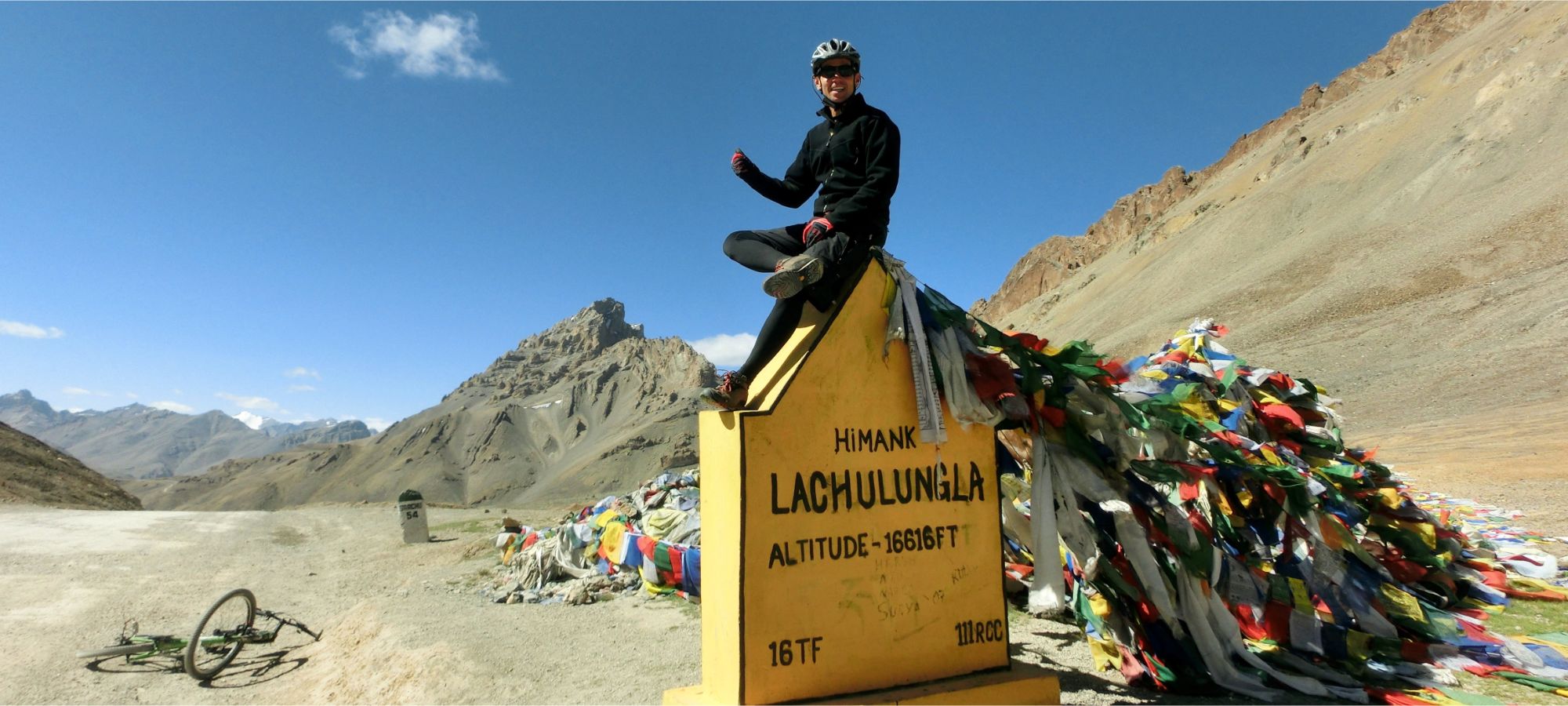
We begin today ascending the zigzags visible from our campsite to cycle up to the second highest pass on the Manali-Leh highway, the Lachulung La. The road has been recently sealed, only a few rough stretches remain. We have a long descent riding to Pang down a steep sided gorge. This is followed by an 8km switchback climb before we reach the flat top of the Moray Plains.
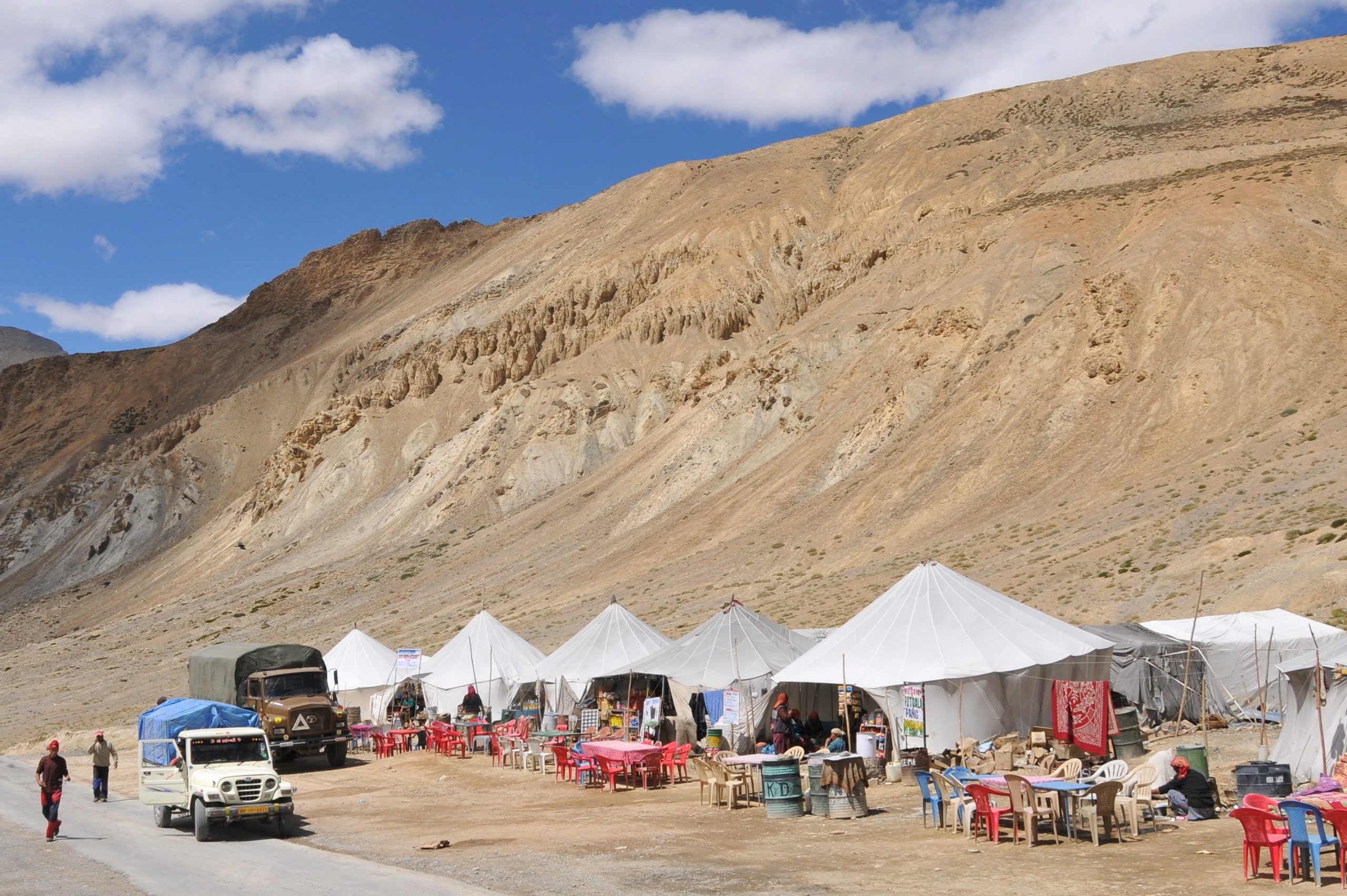
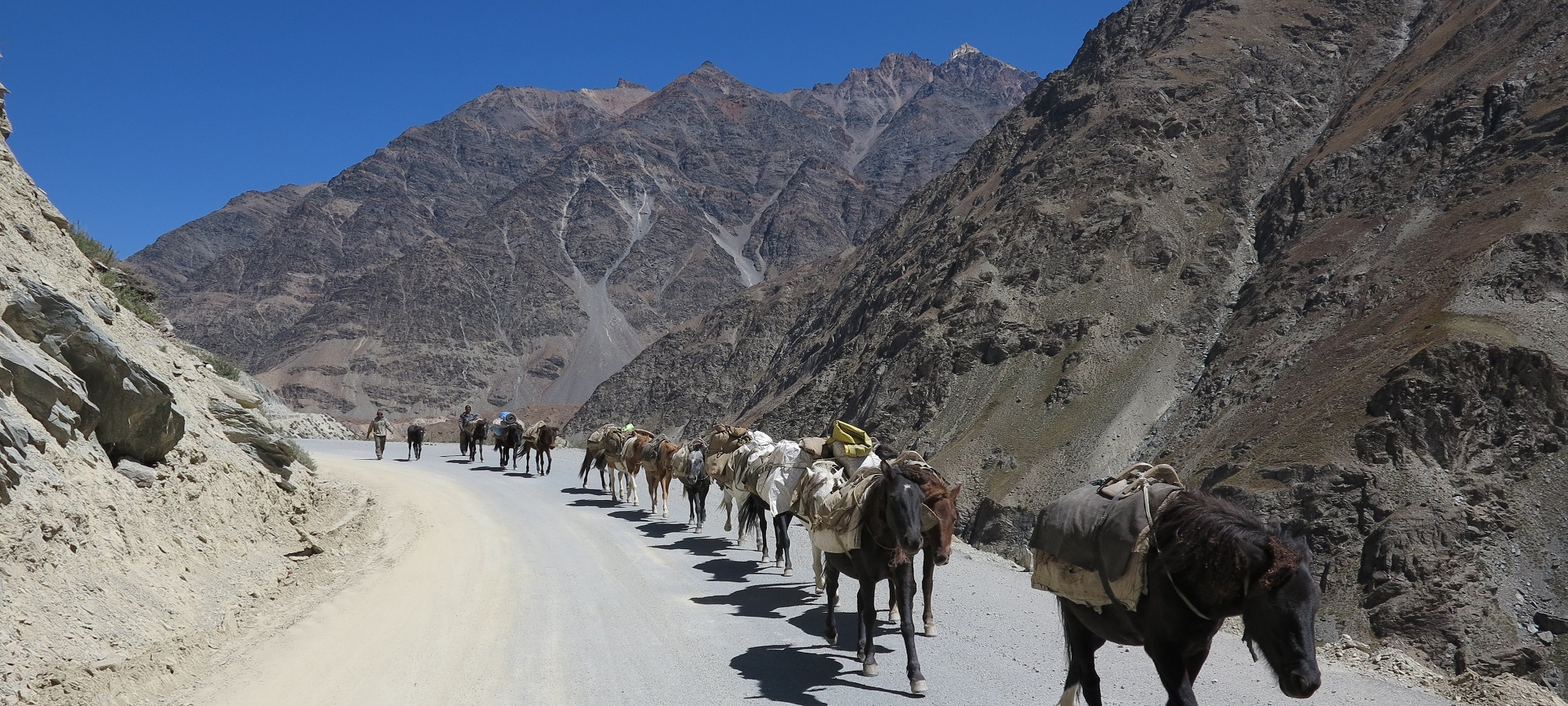
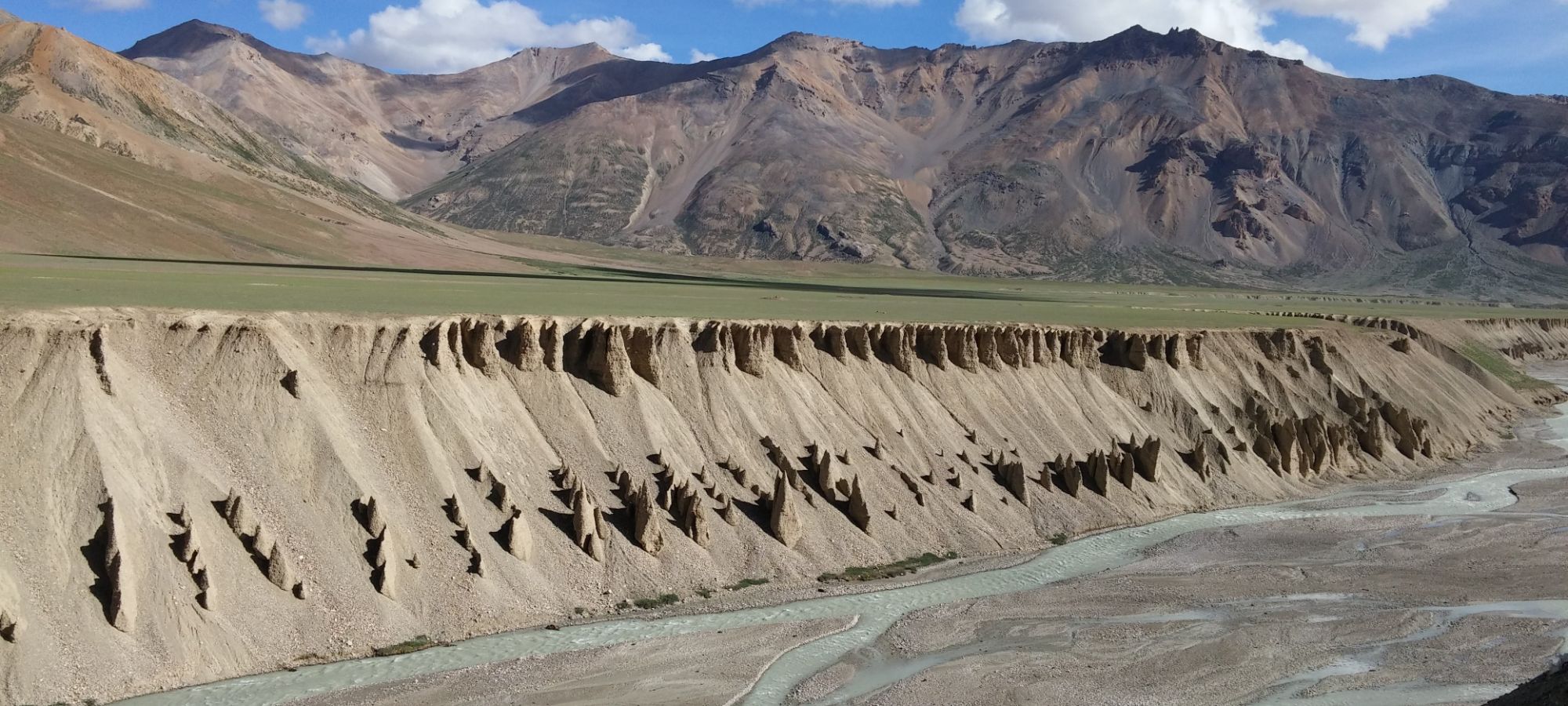
This barren area is known for its extreme temperatures in the morning and evening, fast winds and sandstorms. The hardy nomadic Changpas can be seen tending their yaks and sheep in this most desolate of places. We continue across the plane, cycling mostly downhill on a very good road which even has a white centreline! We turn off cycling onto a rough sandy track for 5km to reach our campsite near the shores of the Tso Kar salt lake.
Cycling Distance: 73km (45 miles)
Total Climb: 685m (2,247ft)
Total Descent: 816m (2,677ft)
Sleeping Altitude: 4,610m (13,123ft)
Accommodation: Camping (B,L,D)

This is a challenge indeed, as we head to the world’s second highest pass, the Taglang La at 5,328m. A tough day but road conditions are good and almost completely sealed. It is truly satisfying when you reach the top. We set off again cycling down the exhilarating 1,200m descent of switchbacks to the village of Rumptse. We ride through a few tiny villages as we enter into populated and more fertile terrain. The air feels warmer as we cycle on to the village of Lato nestled under immense rock faces.
Cycling Distance: 61 km (38 miles)
Total Climb: 725m (2,378ft)
Total Descent: 259m (849ft)
Sleeping Altitude: 4,045m (13,271ft)
Accommodation: Camping (B,L,D)

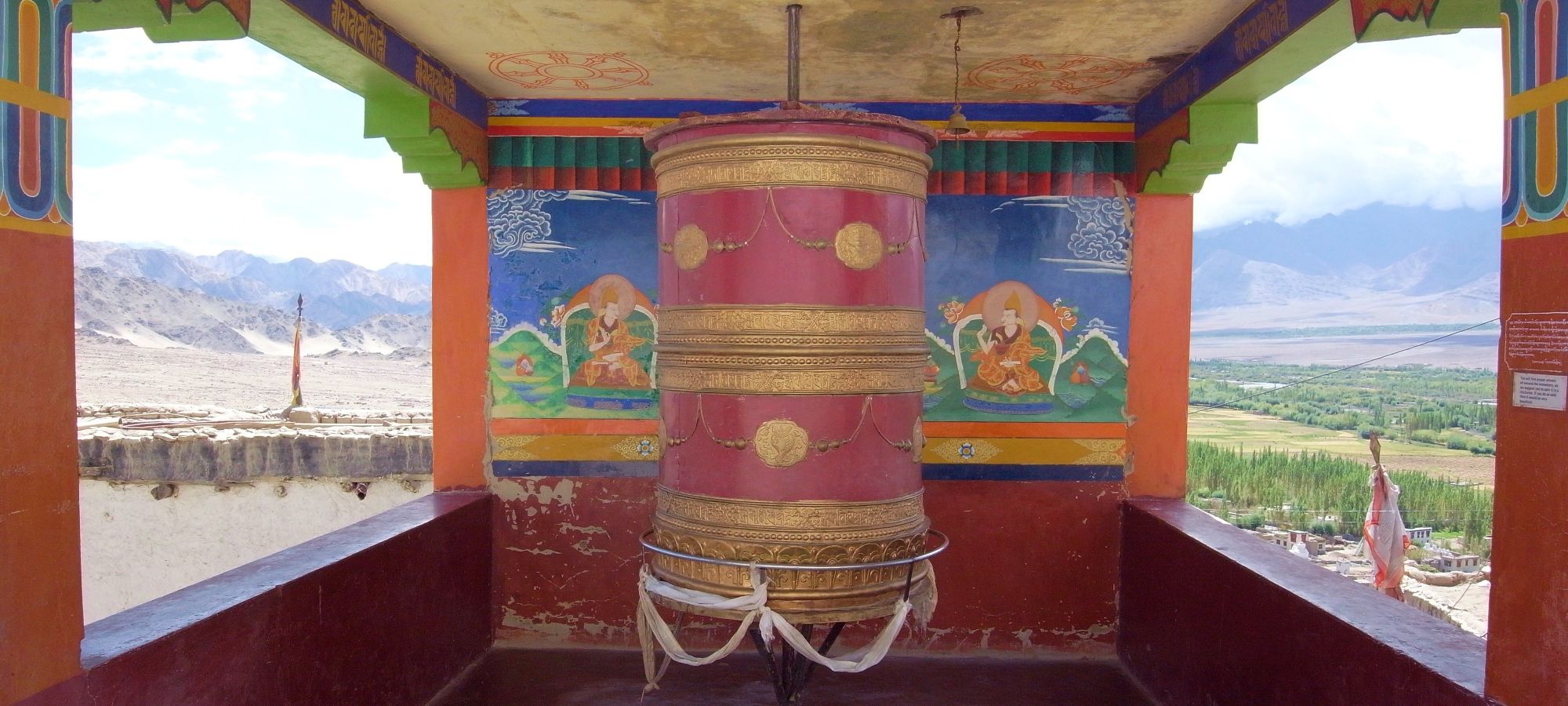
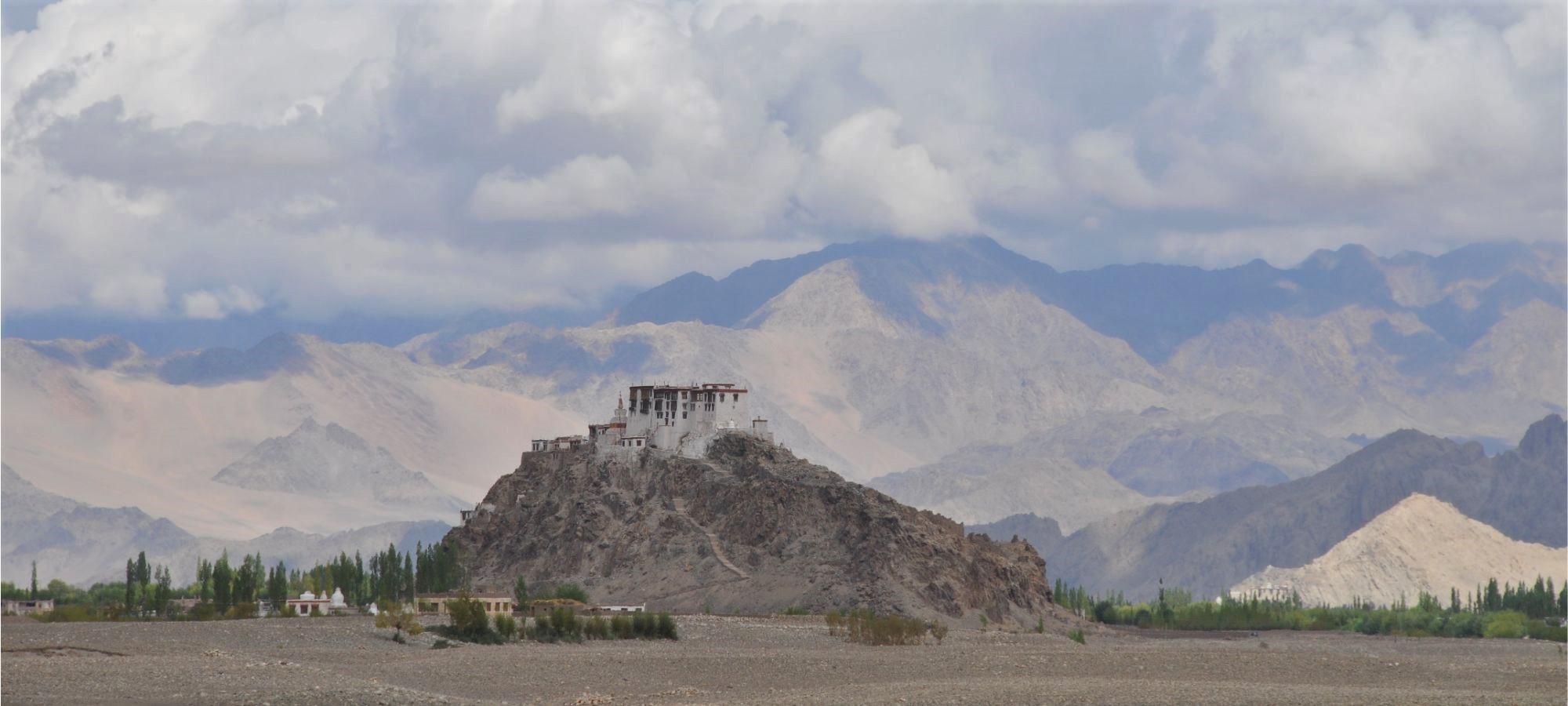
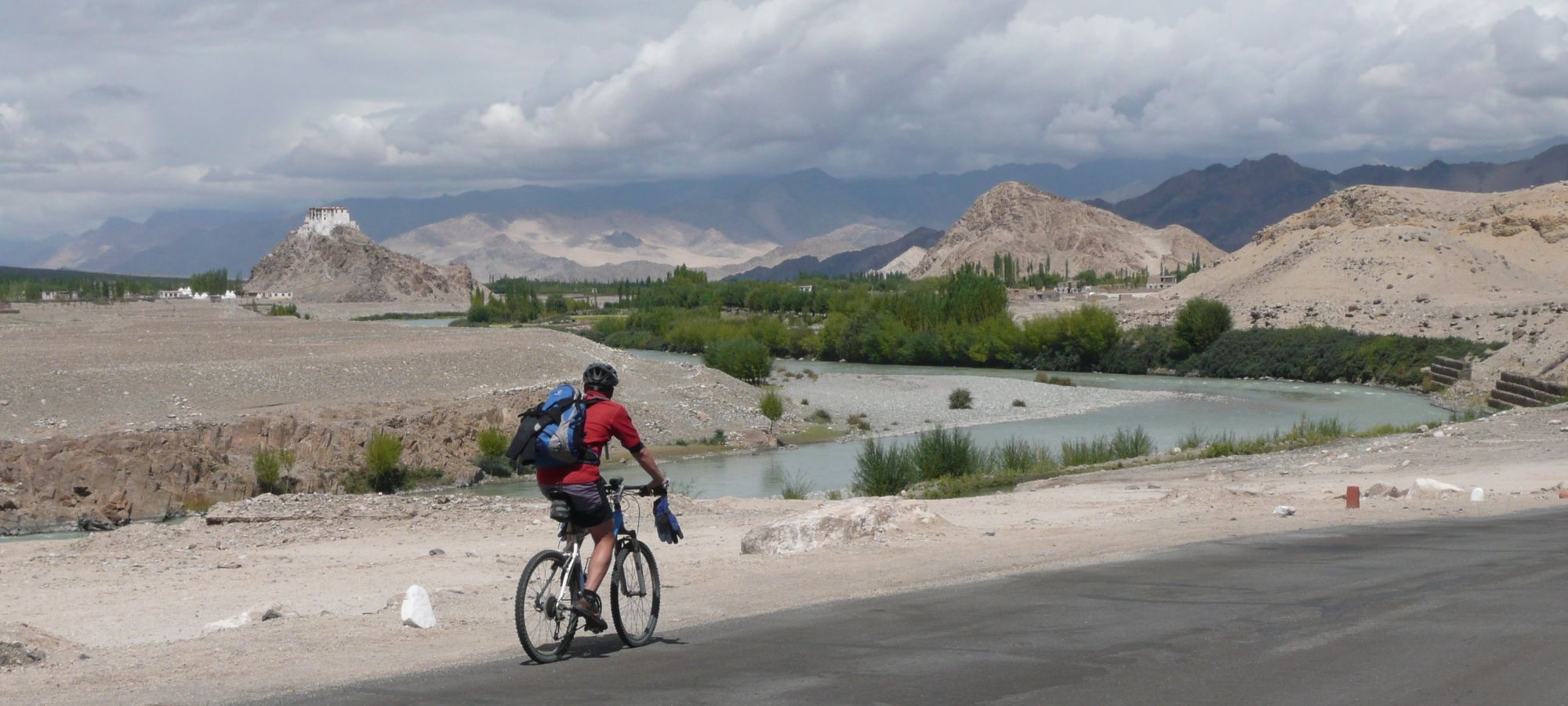
On the tour today we continue riding uphill to Upshi. The scenery changes dramatically as we enter a fertile irrigated river valley dotted with pretty villages and stupas. The spectacular red-hued mountains around us add to the beauty and richness of our environment. Crossing the Indus River the road improves as we head towards Leh. This is an easy stretch to cycle, we pass the Thiksey Monastery and the Chortens Garden en route.
Cycling Distance: 73 km (45 miles)
Total Climb: 525m (1,722ft)
Total Descent: 1,056m (3,464ft)
Sleeping Altitude: 3,500m (11,482ft)
Accommodation: Hotel (B,L)

A well-deserved rest day awaits, perfectly poised before tomorrows ultimate challenge—the ascent to Khardung La Pass. Begin your day by leisurely wandering through the vibrant Leh Main Market, discovering local crafts and enjoying the distinctive flavors of Ladakhi cuisine. Consider a visit to the historic Leh Palace, offering panoramic views of the town and surrounding mountains. To truly unwind, immerse yourself in the tranquility of Shanti Stupa, especially during the evening when the setting sun bathes the mountains in hues of gold.
As the sun sets over the rugged Ladakhi landscape, embrace the quietude of Leh, knowing that tomorrow’s ride will not only be a physical challenge but a journey to conquer the breathtaking heights of the Himalayas. Rest well and gather the strength needed for the remarkable ascent that awaits.
Sleeping Altitude: 3,500m (11,482ft)
Accommodation: Hotel (B)
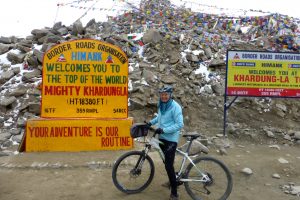
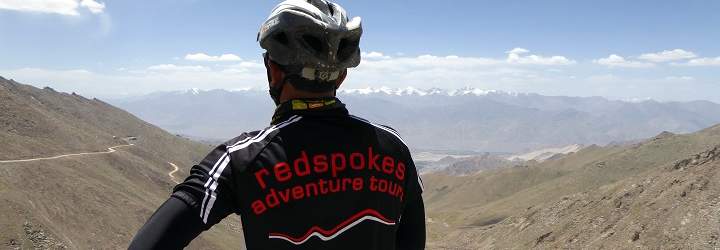
Today’s cycling ride from Leh to Khardung La Pass is a true test of both physical resilience and sheer determination. As you pedal your way towards Khardung La Pass, the air becomes thinner, and the landscape transforms into a stark yet mesmerising panorama of snow-capped peaks and deep valleys. The climb is both physically demanding and mentally invigorating, with each turn unveiling a new facet of the majestic Himalayan scenery.
Reaching the summit at an elevation of 5,359 meters is a triumphant moment, rewarded by panoramic views that make the arduous journey worthwhile. The descent back to Leh provides a different perspective, allowing cyclists to relish the exhilarating ride down the winding roads and reflect on the unique experience of conquering one of the world’s highest motorable passes on a bicycle.
Cycling Distance: 76 km (47 miles)
Total Climb: 1,832m (6,010ft)
Total Descent: 1,832m (6,010ft)
Sleeping Altitude: 3,500m (11,482ft)
Accommodation: Hotel (B,L)

Your Manali to Khardung La cycling adventure concludes this morning, marking the end of an unforgettable journey. To ease your transition back home, we’ve arranged a transfer to the airport. We’ll make sure you get to the airport in time for your flight, ensuring a smooth and hassle-free departure. As you head home, carry with you the sense of accomplishment and the unique experiences from this extraordinary cycling expedition. Safe travels!
(B)
Tour Status Definitions
Fully supported cycling holiday
Meal Key (used in the itinerary)
Tour Start
Tour End
Flights
Meals on Tour
Most meals are included in your tour price, except on rest days and a few other occasions.
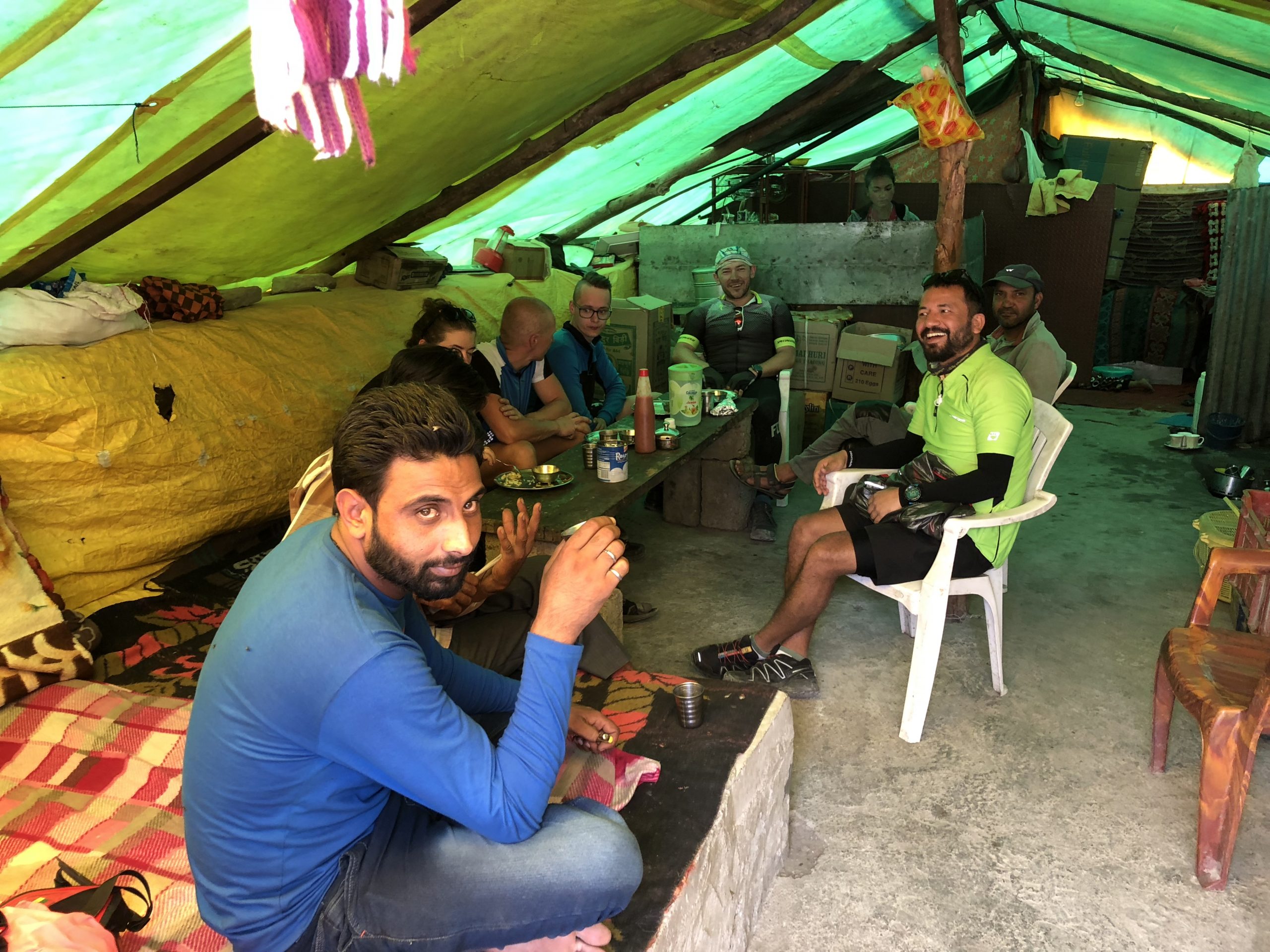
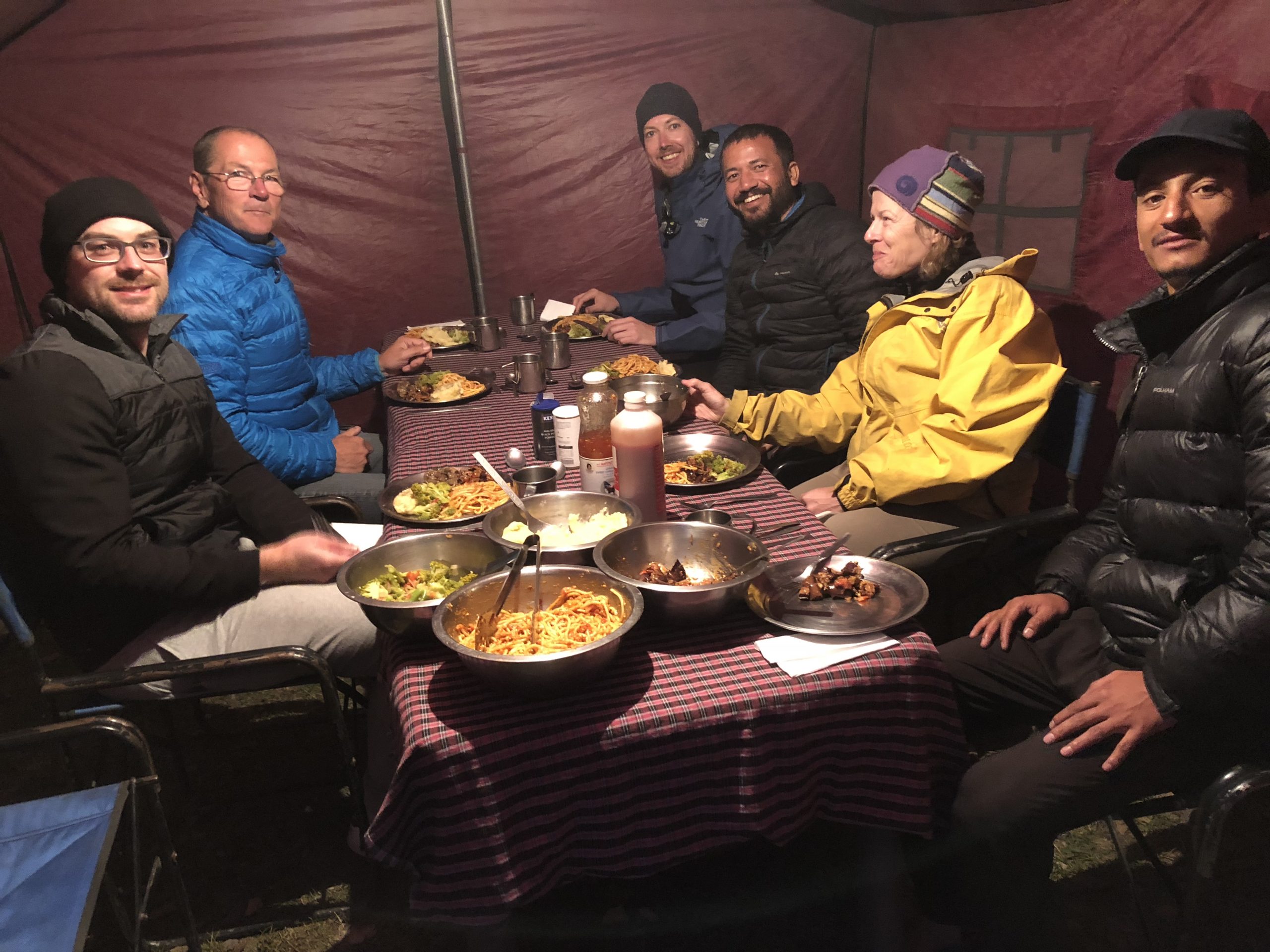
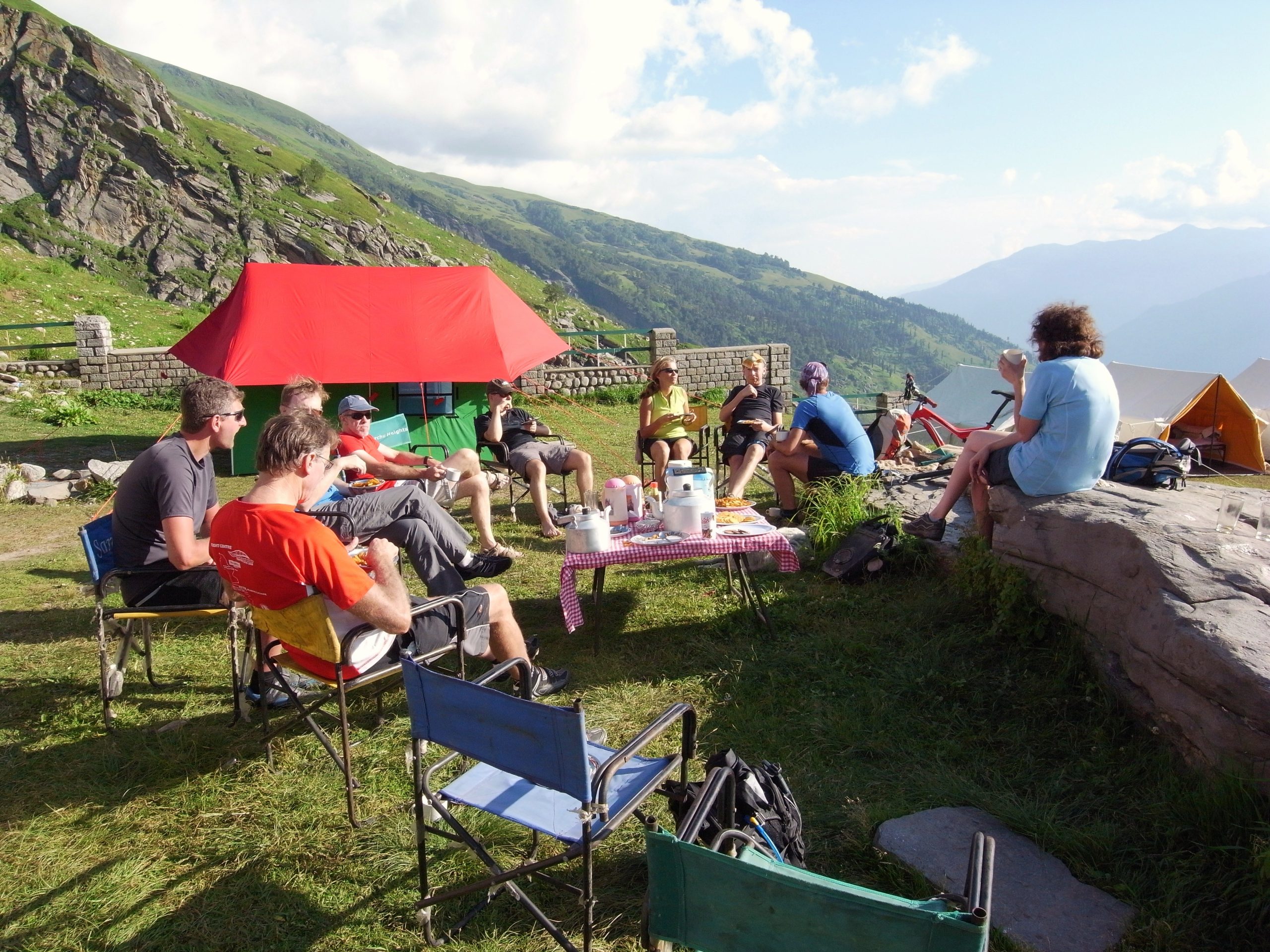
Please check the itinerary for all meals provided. For the camping nights there is a cook and kitchen crew keeping you well-fuelled for the journey ahead.
Dietary Requirements
If you have any special dietary needs, please let us know at the time of booking.
We can cater for most diets, but advance notice is essential to ensure the best experience.
Typical Meals on Tour
Support Vehicle
On-Ride Support
Helmet Policy
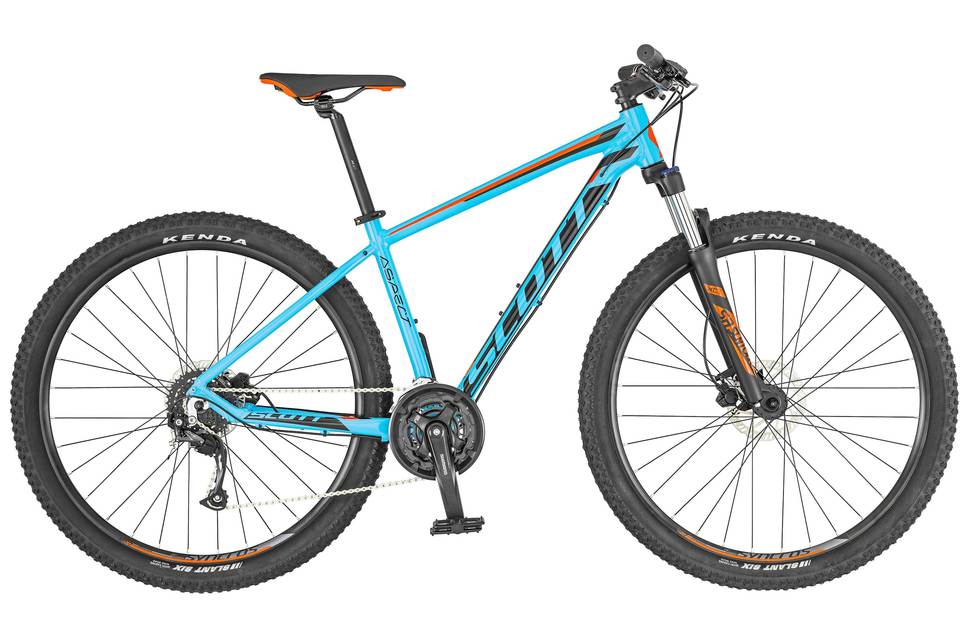
For this tour we have Trek 4300 or Scott Aspect 750 model 2022 in a range of sizes.
What’s Included with Bike Hire
Customising Your Bike
Yes, riding in the Himalayas is tough on bikes — we recommend bringing something durable, comfortable, and well-geared for both the climbs and rough terrain.
Mountain Bike: A popular choice.
Touring Bike: Possible, but make sure it has:
Pre-trip bike servicing
We strongly recommend having your bike fully serviced before travelling. Please make sure:
What to bring
We recommend packing the following essential items:
Travelling with your bike
Your bike will need to be packed within your luggage allowance. A bike packed in a cardboard box typically weighs between 15–20 kg, and some airlines may charge excess baggage fees.
If you would prefer not to travel with your own bike, bike hire is available — simply request this when booking.
Currency
The official currency of India is the Indian Rupee (INR or ₹). You’ll need rupees for all transactions—foreign currency is not accepted in shops, restaurants, or hotels.
We recommend bringing:
Where to Exchange
Spending Money
How much you spend depends on your personal preferences for dining, shopping, and activities. For a 14-day trip, we estimate £350 is more than enough for day-to-day expenses.
Tipping
Travel Insurance
Mandatory for all participants and must cover:
Health & Vaccinations
Staying Hydrated on Hot Rides – 6 Tips for Cyclists
As a cycling company, we know how important proper hydration is—especially when you’re out riding in hot conditions. Below are some general hydration tips that riders find helpful for staying fuelled and feeling strong on the bike.
Please note: We are not medical professionals and this information should not replace advice from a qualified healthcare provider. Each cyclist is different, so if you have specific health concerns or conditions, it is always best to consult your doctor and adhere to their advice.
1. Prioritize Gut Health
2. Time Your Hydration
3. Hydrate Beyond Water
4. Don’t Forget the Minerals
5. Absorb Water Better
6. Keep Your Electrolytes in Check
Here’s a general packing guide for your cycling adventure in the Himalayas. Please tailor this list to suit your personal needs and preferences. Conditions can vary widely, so prepare for both warm and cold weather.
Essential Cycling Gear
Clothing
Toiletries & Personal Care
Sleeping
First Aid Kit (Bring Your Own Small Kit): Your guide will carry a full first aid kit, but we recommend you carry personal items, including:
Mobile Phones & SIM Cards
Most travellers bring a mobile phone to stay connected, take photos, or use maps and translation apps.
Other Useful Items
In India, the standard voltage is 230 volts with a frequency of 50 Hz, which is compatible with most appliances from Europe, Asia, and other countries that use similar standards. India primarily uses Type C, Type D, and Type M plugs:
Republic of India – Capital: New Delhi
Our professional cycling tops are designed with three rear elasticated pockets to give you plenty of space for your cycling essentials and comes with a silicone bottom hem. Lined with COOLMAX ® to keep you cool and comfortable and ensure moisture wicking. Available in varies sizes so please refer to size charts for more information.
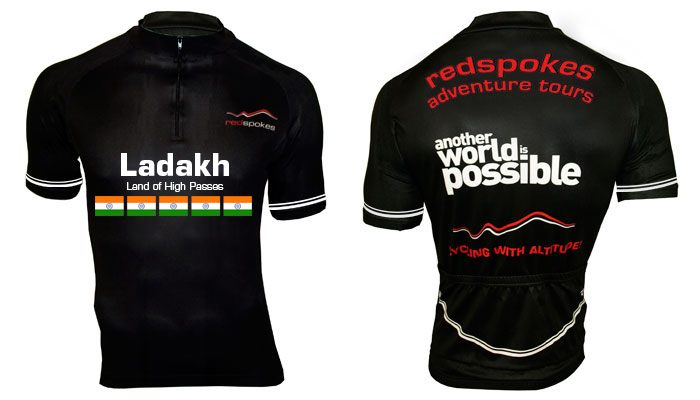
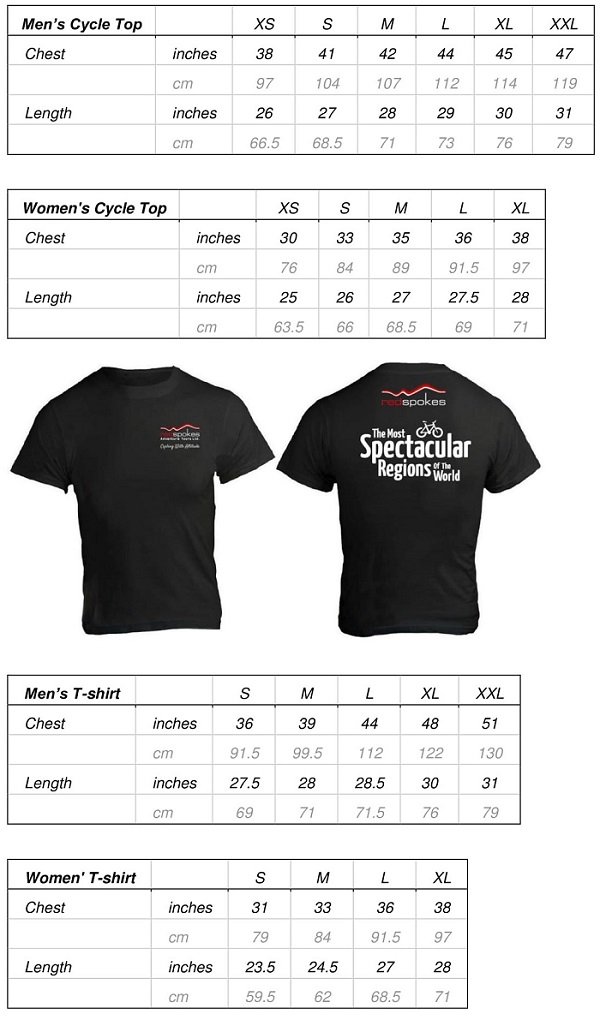
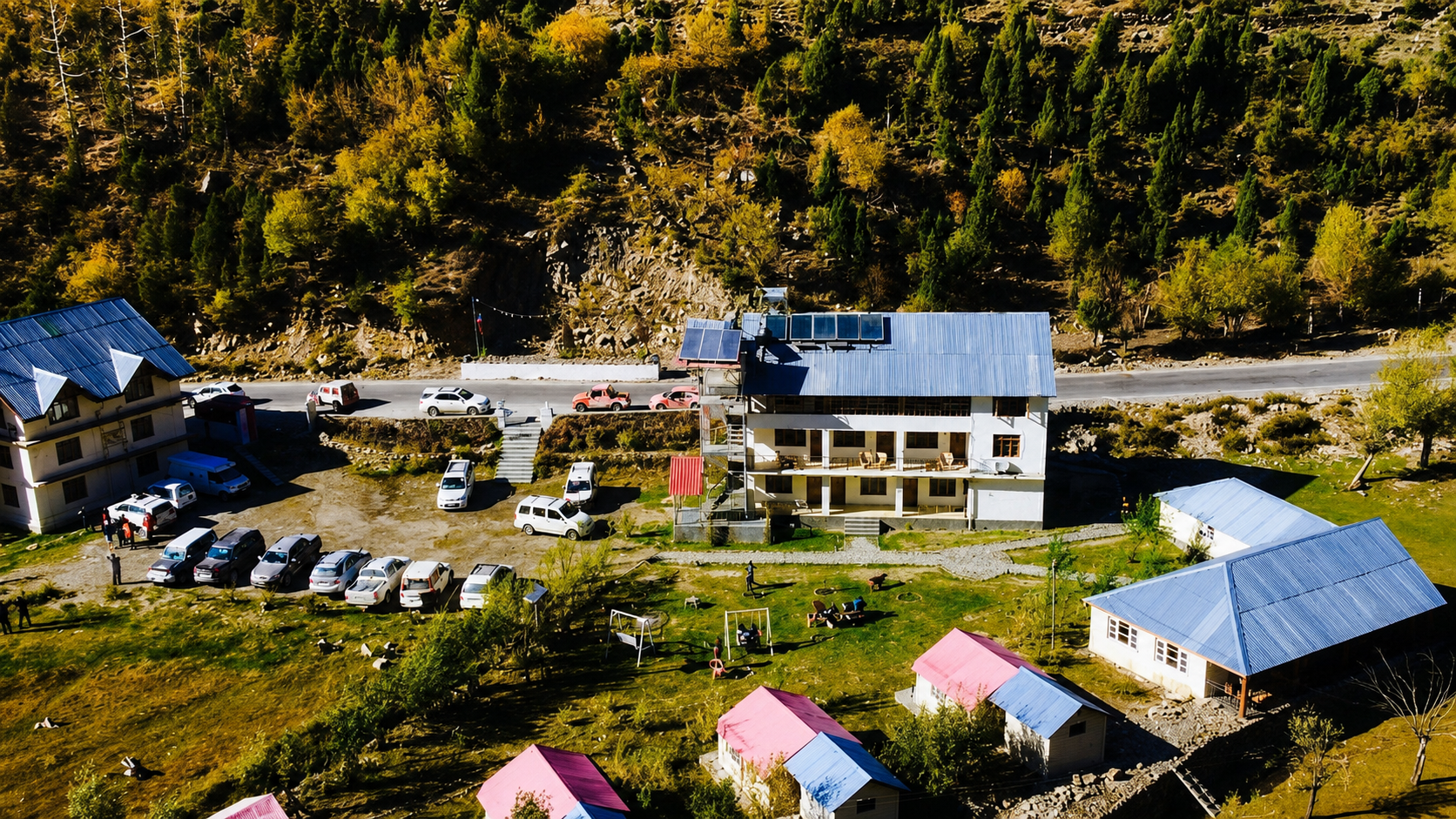
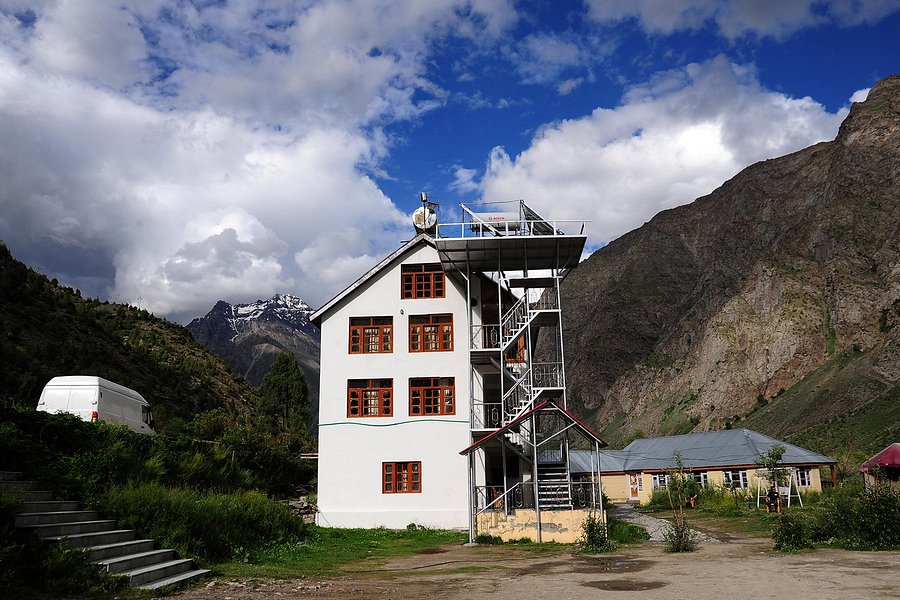
This is one of redspokes’ most challenging and adventurous tours, with accommodation chosen for altitude, remoteness and access to the high Himalayan passes. Standards vary significantly between the bustling cities of Delhi and Leh and the rugged mountain region between them.
Across the route, you will stay in:
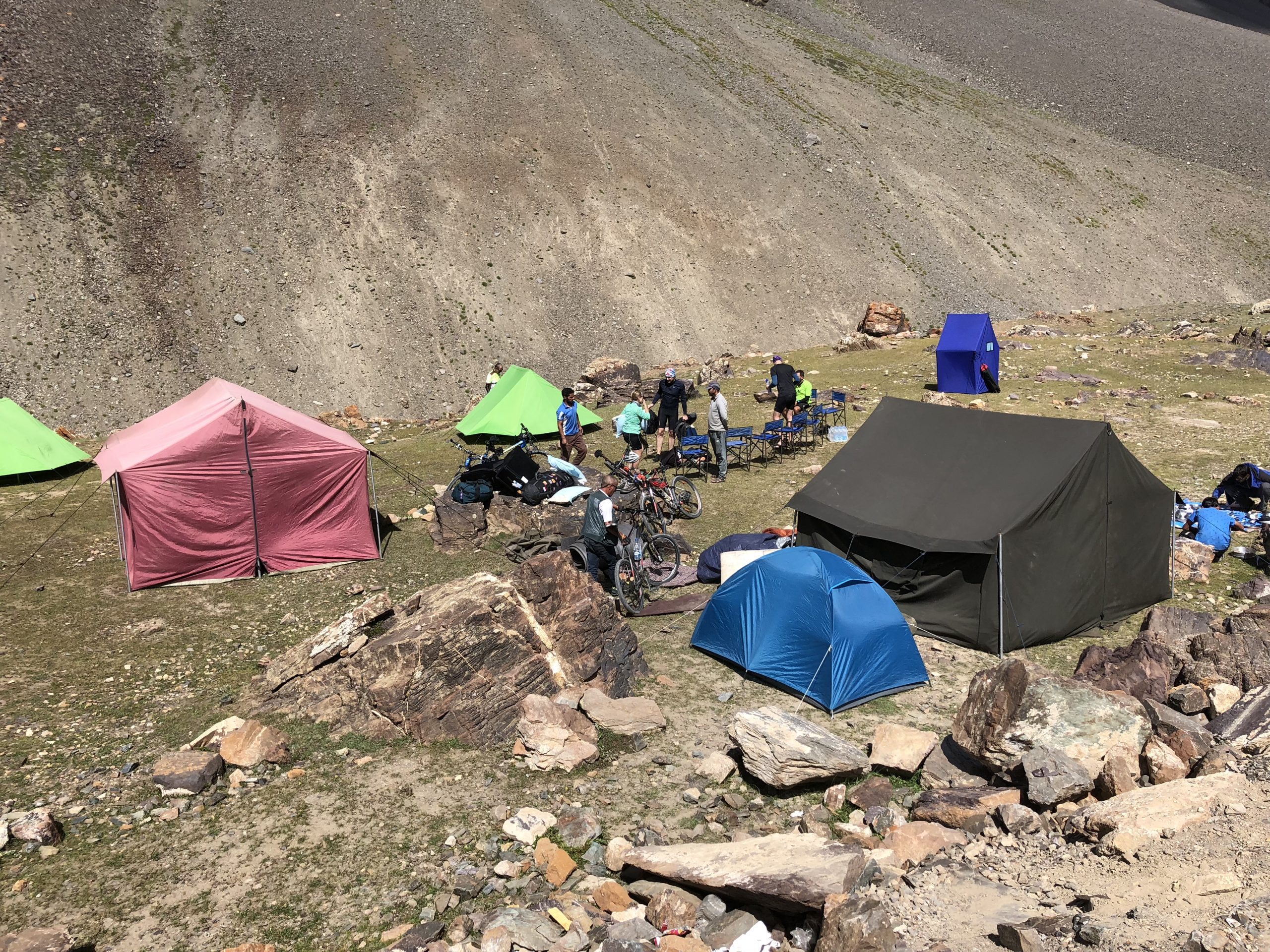
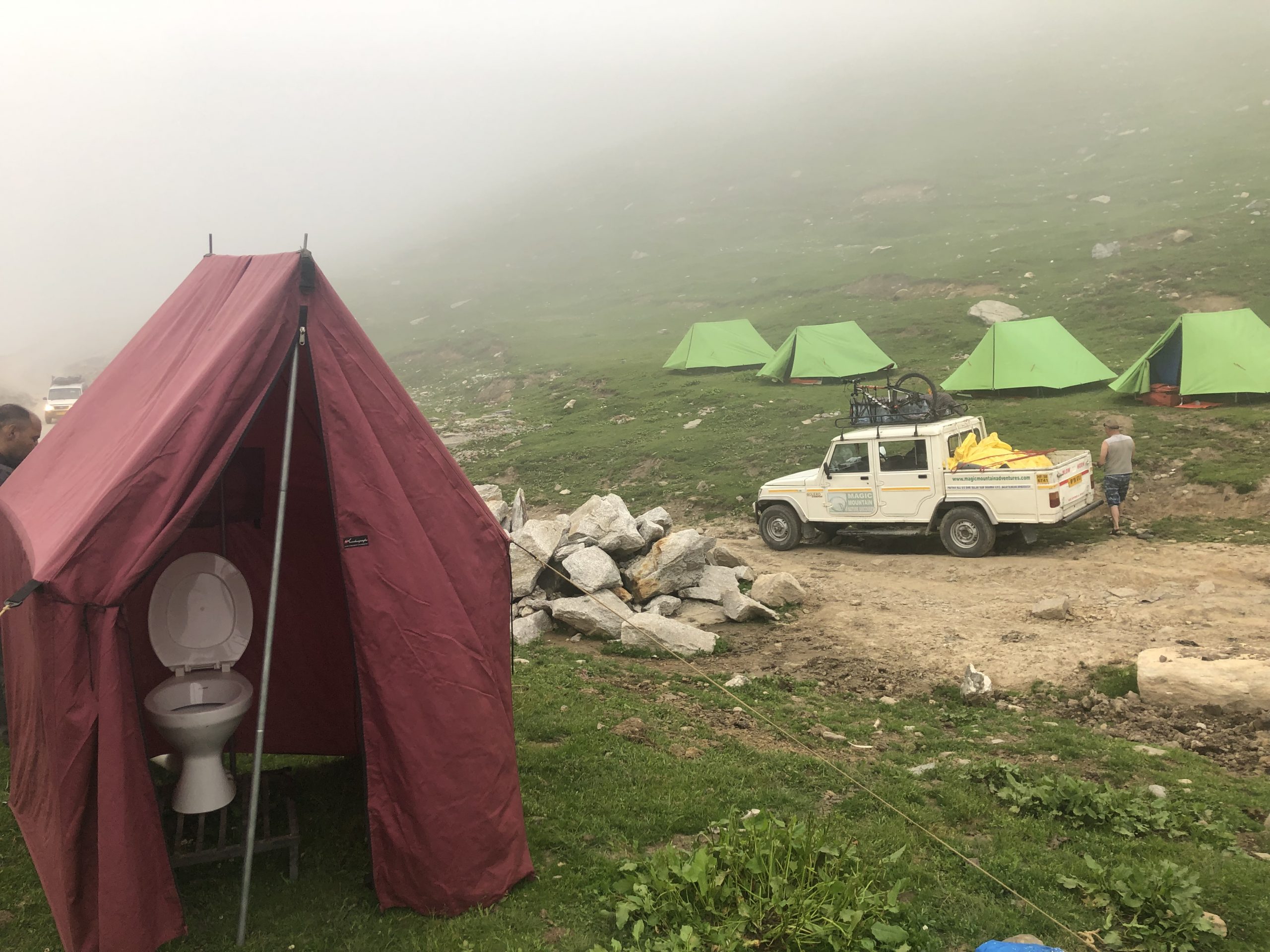
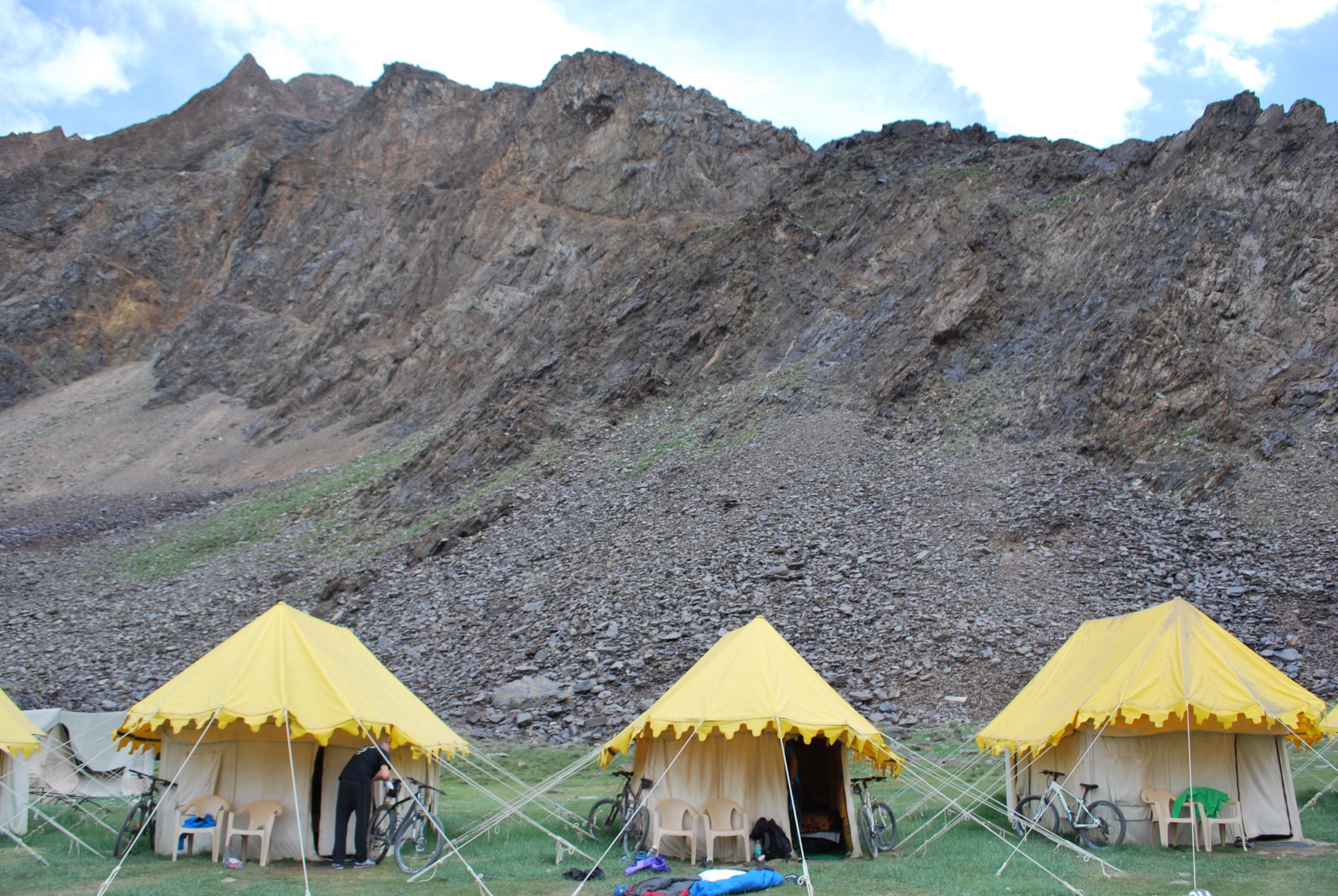
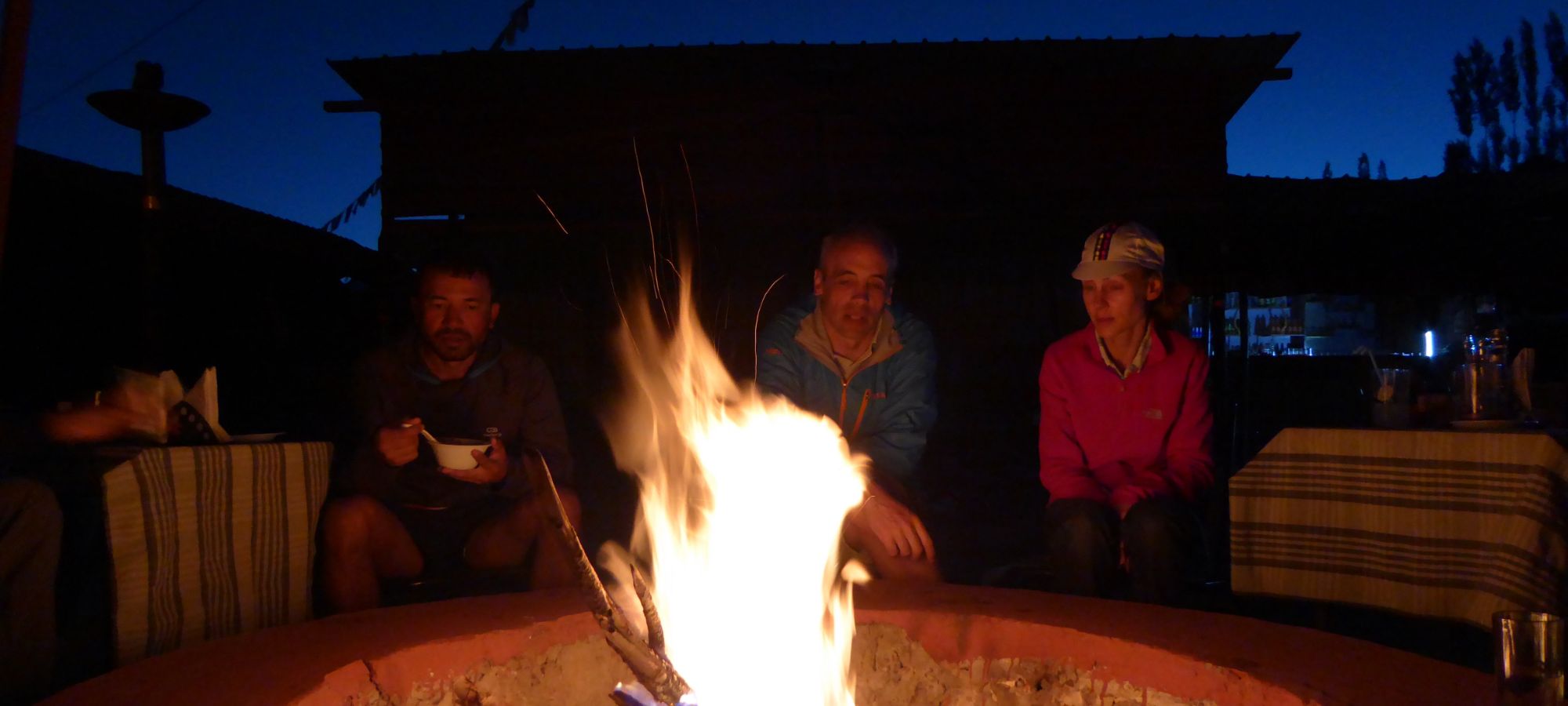
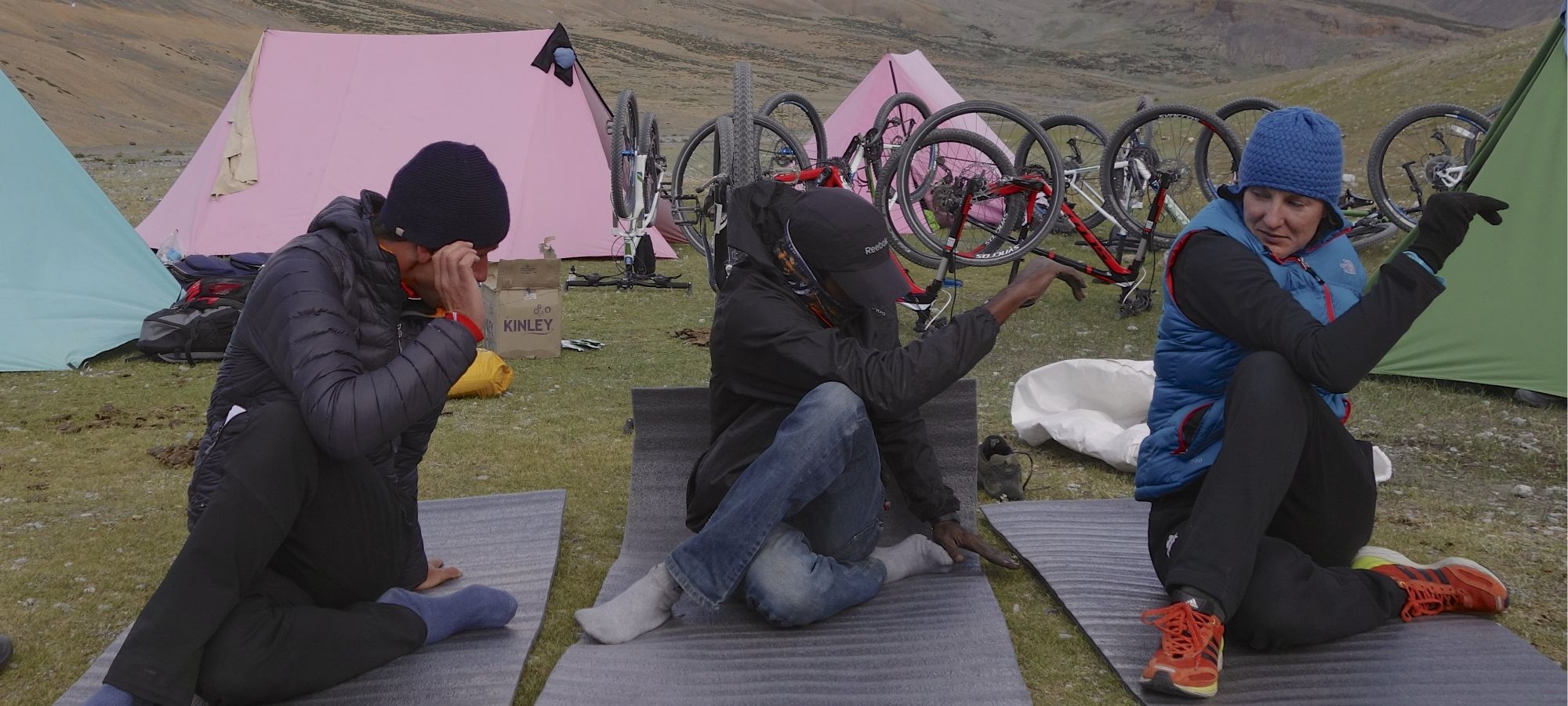
Camping nights offer spectacular alpine scenery and full expedition support — tents, warm meals, mattresses and skilled crew. Facilities are basic but well organised, with campsites chosen for safety, shelter and the best mountain views.
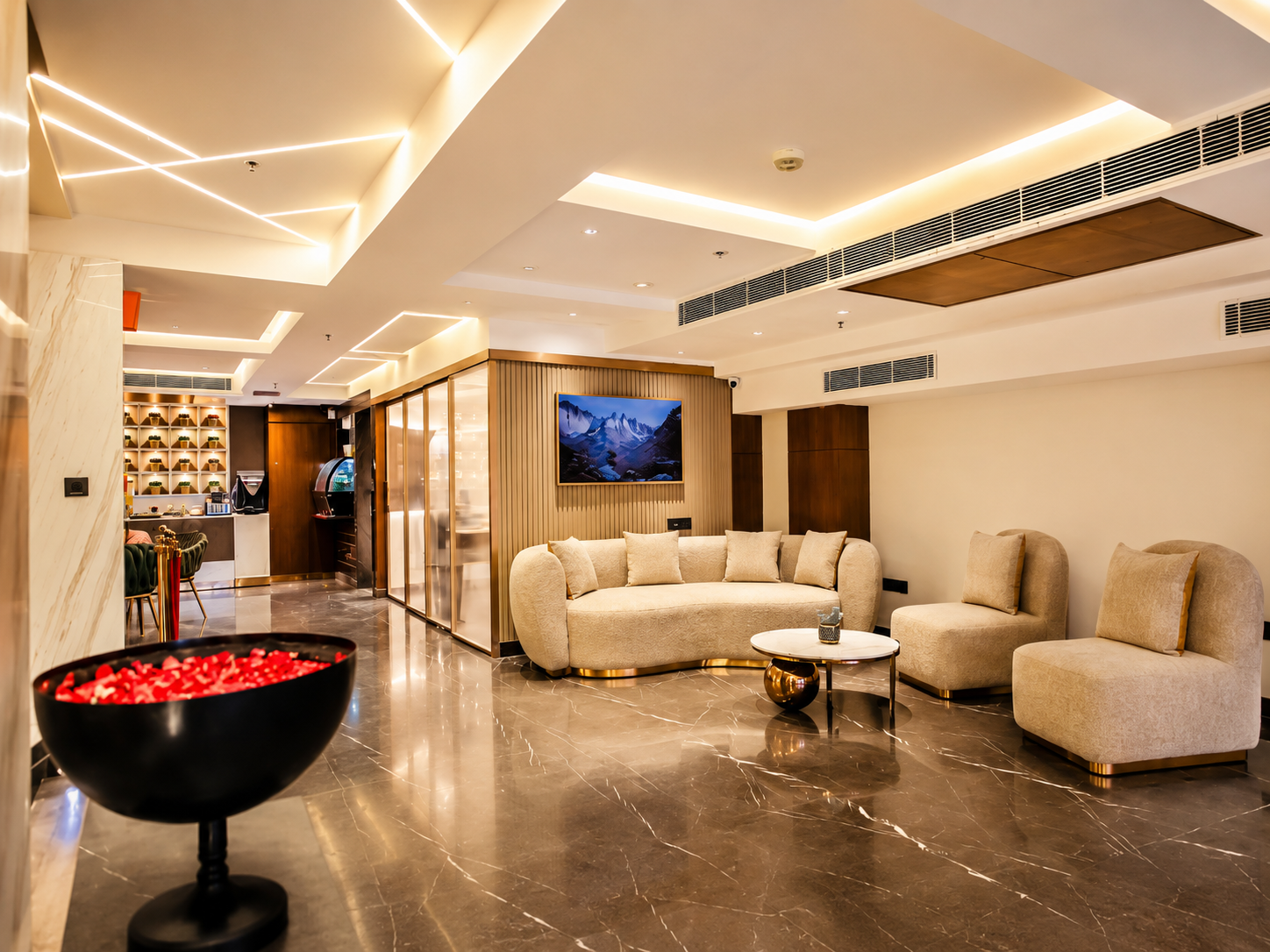
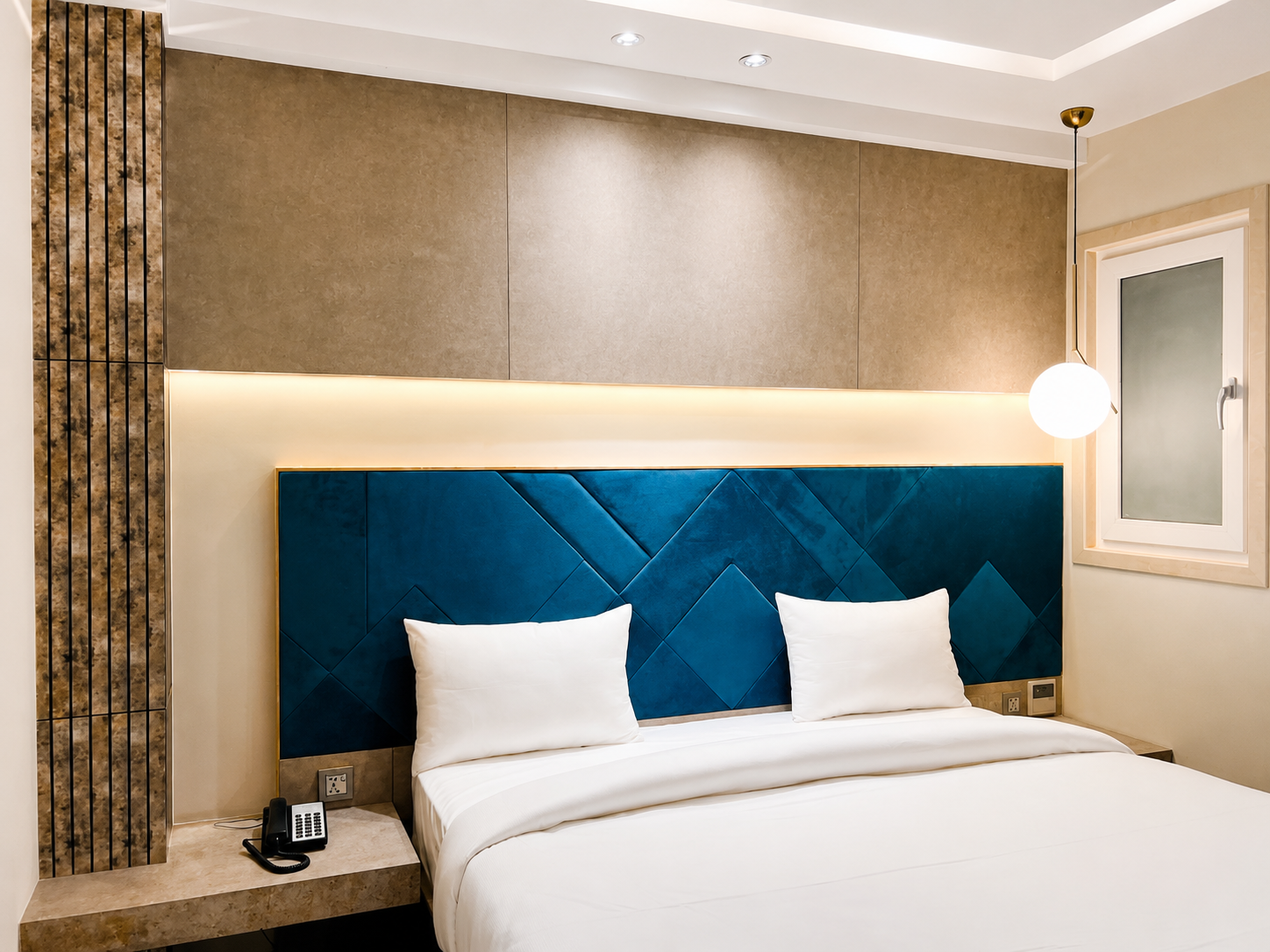
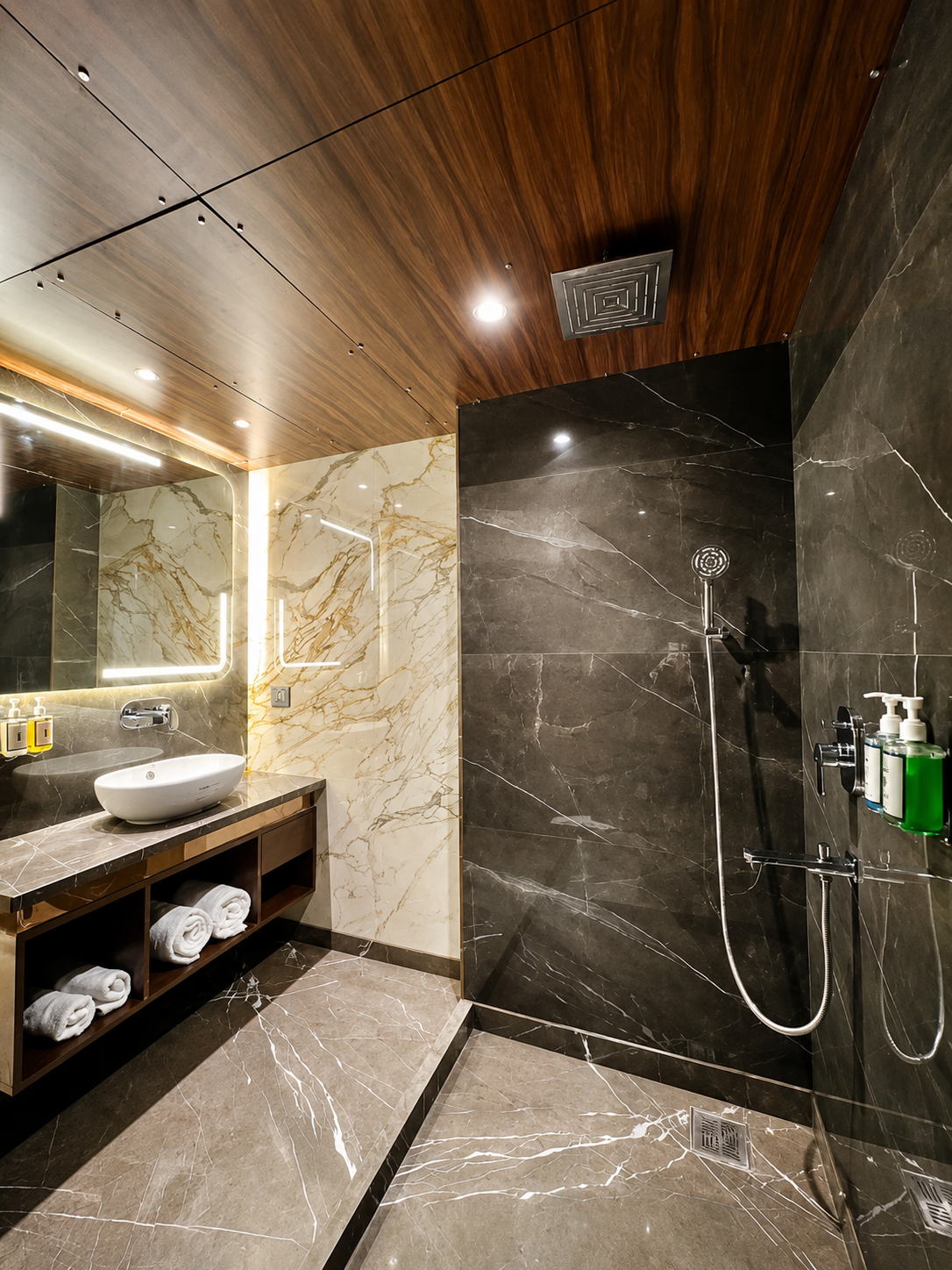
Hotel stays in Delhi, Manali, Jispa and Leh provide welcome comfort, hot showers, private bathrooms and the chance to recover between the tougher cycling stages.
Expect:
Here is what our customers have to say about our ‘Indian Himalayas’ Cycling holiday.
 Directly from the customer
 Indian Himalayas
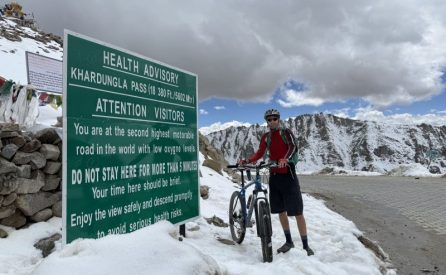
Great trip. Elements (such as riding for several hours in cold rain at altitude) were definitely "type 2 fun", however overall l loved the adventure, despite the weather related adversity, which perhaps even served to enhance the sense of achievement once we reached sunny Leh.
Richard Rae, Warrington, England, UK-446x275.jpg) Directly from the customer
Indian Himalayas
Directly from the customer
Indian Himalayas
I've been on organised treks and bike rides pretty much all over the world with both British and local companies, but this was easily the best. Raju made sure we never wanted for anything.
There were loads of little things that went above and beyond what I would have expected, such as Raju and his team washing our bikes at the end of several of the days and making stuff like chain lube always available, Raju bringing us extra mattresses and pillows, and even tiny things such as being provided with fries with our tea/coffee at the end of the days. There were just loads of nice touches like that. A really professional, well thought-out and friendly trip.
Matt Westby, Sheffield, UK-446x275.jpeg) Directly from the customer
Indian Himalayas
Directly from the customer
Indian Himalayas
The kindness of Raju, Aman, Nanook and all the crew was wonderful. The food which was fabulous, was cooked in the tent and always to such a high standard and served with a huge smile. Raju took such great care of us, ensuring our safety and comfort. He also looked after our bikes very well. He has a wealth of experience in dealing with high altitude and he knows the route so well. He has such passion and love for cycling in the mountains, which shines through.
The whole teams encouragement helped me gain new heights, in fact without that support I doubt I would have been able to get to such heights and had an amazing experience. I was very impressed with The Manali to Leh trip.
Geraldine Connolly, Dublin, Ireland-446x275.jpg) Directly from the customer
Directly from the customer
 Indian Himalayas
The redspokes Himalayas Tour was an awesome experience and everyone should do it! Don't be intimidated by the altitude – it ramps up gradually during the tour, giving you time to acclimatise – although if you can also do a bit of acclimatisation beforehand (as I did, with a short tour in the Alps at around 2000m) then that will help.
Raju and his team on the ground have everything really well organised and we were totally supported and looked after at every stage of the tour. Camp all set up by the time we arrived at the end of each day's ride; good food and plenty of it. On the road the pace is moderate with plenty of time to enjoy the surroundings and take photographs. Definitely an experience of a lifetime. Big thanks to redspokes and all the team!
Tom Brett, Potsdam, Germany.jpeg) Directly from the customer
Indian Himalayas
Directly from the customer
Indian Himalayas
Would highly recommend this trip into the heart of the Indian Himalayas. Manali and Leh are both very picturesque towns and the route between them takes you through some stunning scenery. Very well organised. Nothing seemed to be too much trouble for Ragu and his team. The two cycling guides, Naveen and Vee, both spoke near perfect English and were great company on the road. The camp meals were tasty and varied and the food plentiful ( which was fortunate as everyone seemed continually hungry).
There is a lot of climbing on the trip and the road surface is pretty rough in some places but some great downhill sections as well. A very enjoyable trip all in.
Ian Kirkland, Australia.JPG) Directly from the customer
Indian Himalayas
Directly from the customer
Indian Himalayas
This is a challenging tour with hard earned but ultimately hugely satisfying rewards and stunning scenery. The altitude demands that the pace is slow but the sense of achievement on reaching such dizzying heights arrives, eventually.
The support of the crew as always was first class. The quality of the food on this trip surpassed what I would expect from a good restaurant and yet it is all prepared in the confines of a tent, extremely impressive. You have to work hard during the day to produce an appetite worthy of the cuisine. The trip was particularly special for us as having met my now fiancee on a redspokes tour in Kyrgyzstan it seemed fitting to propose on this tour at the top of the (claimed) highest pass in the world (she said yes). It left our tour leader with the surprisingly difficult task of finding champagne in Leh, he rose to the challenge and procured some on the black market down a dark alley, thanks again Ragu, good effort. Thanks redspokes for another memorable tour!
Brian Ingle, Davos, Switzerland.jpg) Directly from the customer
Indian Himalayas
Directly from the customer
Indian Himalayas
Great trip. Heavy because of the altitude. Great views. Perfect crew. Fantastic tour. I am redspokes addicted. After a fourth wonderful trip with you (Peru, Pakistan, Colombia and Manali Leh), I will not choose any other. Always good organized, good staff, guides that know well, good food, tents etc.
Sandra Groenewold, Wijk bij Duurstede, Netherlands.JPG) Directly from the customer
Indian Himalayas
Directly from the customer
Indian Himalayas
I went on this tour because I wanted to go on my bicycle in the Himalayas, with the security of support. But I wasn't really prepared for the impact the scenery and the mountains would have on me. For me this was a fantastic trip with everything into it. Amazing mountains and challenging cycling, a true adventure with a great support from the local crew. Still looking back to this tour and feeling very lucky that I had the possibility to go on this tour. Will never forget it.
Kenneth Fant, Sweden.jpg) Directly from the customer
Indian Himalayas
Directly from the customer
Indian Himalayas
A big thanks to all the guides that made this wonderful trip possible! Danny and Maddy were fantastic on the bike ánd in sharing stories about Indian history! Raju did everything possible to have every little bike problem fixed. Cook and transport/logistics staff were just amazing by making sure the whole camp was arranged before we arrived. All of this made us feel like we were on a real holiday! :-). The whole trip was just stunning.
Fantastic scenery, great people, challenging, but doable biking experience and the ever present positive vibe were reasons to enjoy every single bit of this journey. Definitely a recommendation to everyone who enjoys high altitude cycling and mountain scenery!
Judith Kimenai, Netherlands.jpg) Directly from the customer
Indian Himalayas
Directly from the customer
Indian Himalayas
I have to be honest: I was as nervous as hell after I signed up for this trip. I'd seen a slide show in my hometown about a woman's trip through four countries with redspokes. As soon as I heard the talk I was hooked! However after I sent in my deposit, I thought, "What the heck am I doing?" This trip is rated extreme and it is! It's extreme altitudes, an extreme, arid climate and day after day of extreme elevation gains. With all that being said, it is also a trip of amazing scenery, incredible people and physical challenges that push you to your limit.
Raju and his support team were absolutely amazing — they were so helpful and encouraging and they will not let you fail! They were there every time I needed a water bottle refill, a banana or just a friendly face and a little encouragement. I also so appreciated the camaraderie and encouragement that developed between myself and the four other members of the group. This was a trip of a lifetime and a dream come true. I loved my experience and am already planning for my next redspokes adventure!
Paula Barclay, Colorado, United States.JPG) Directly from the customer
Indian Himalayas
Directly from the customer
Indian Himalayas
Had a great time. It was challenging, but we always felt well supported. Will definitely look at redspoke tours again, just not sure which ones – there are so many to choose from! Perhaps Thailand/Laos/Vietnam or one of the South American tours.
I was very impressed with the organization both from redspokes and the local operator.
Bryan Lally, Colorado,United States.jpg) Directly from the customer
Indian Himalayas
Directly from the customer
Indian Himalayas
This was my first cycle tour and I was impressed with the level of organisation. The local guides and agent Raju were very good and any problems these guys knew how to fix the problem. The whole tour was very well run and I would consider doing another tour with redspokes.
Glenn Doel, Southampton, UK.jpg) Directly from the customer
Indian Himalayas
Directly from the customer
Indian Himalayas
I knew this would be a very challenging trip and, as someone who has little mountain biking experience, it certainly was. My lack of mountain biking experience, combined with my enthusiasm for regularly stopping to photograph and film the fantastic views, meant I was always the last to arrive at the destination each day. But it wasn't an issue because we were encouraged to ride at a comfortable pace and there was always a support guide at the front and back of the group. I highly recommend this trip.
Martyn Forsey, Al Khor, Qatar.JPG) Directly from the customer
Indian Himalayas
Directly from the customer
Indian Himalayas
I was impressed with the quality of the meals, and the living accomadations that were provided considering we were camping. Well done redspokes, can't wait for my next trip!
Walter Dumont, Edmonton, Canada.jpg) Directly from the customer
Indian Himalayas
Directly from the customer
Indian Himalayas
This trip was amazing and the biggest cycling challenge of my life. Spectacular scenery, passing over some extremely high passes and remote valleys. The road were mostly good, but some downhill stretches were unpaved and lots of fun after the difficult climbs. I found the altitude the biggest challenge of all. It made every day a tough day, but the environment was so outstandingly beautiful, it was worth the hard work. I did all my training at sea-level, and highly recommend training at altitude if you can get the opportunity!!
We were fantastically supported by a large, hardworking team. On arrival at camp in the afternoons, they had already set up our tents, provided hot water for washing and HUGE amounts of delicious food. The chef was outstanding and produced a wide variety of amazing, healthy and tasty meals!! Raju, our leader, was exceptional. He was very careful in ensuring we were not suffering from the altitude and stayed constantly hydrated and full of food. I felt safe and very well looked after for the entire trip. I highly recommend this trip!!
Karen Donnelly, Bali, Indonesia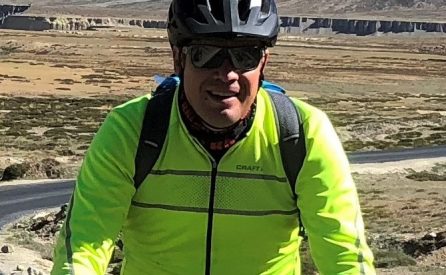 Directly from the customer
Indian Himalayas
Directly from the customer
Indian Himalayas
I do not like to use 'big words' about personal experiences because words are easily devalued. But I have to say that the redspoke Indian Himalayan tour was a great personal experience, which I will remember for many years. I can mention many things that made this trip something special. But if I only have to mention one thing that made a big difference, it must be Rachi and his team. These people are amazing and I wish I can take them with me next time I go on a redspokes tour.
Peter Dahlhus, Stenloese, Denmark_400x0.jpg) Directly from the customer
Indian Himalayas
Directly from the customer
Indian Himalayas
An outstanding trip into the high mountains. The cycling was challenging enough, but not too tough for average cyclists. The support crew and guide were absolutely first-rate – helpful, professional and good-natured throughout. Just pack plenty of warm kit for the nights whilst you're camping!
Nigel Fielden, Cheshire, England, UK.jpg) Directly from the customer
Indian Himalayas
Directly from the customer
Indian Himalayas
What an incredible experience. The scenery was so dramatic, so stunning and changed so dramatically across our journey. The altitude made the journey challenging, but also resulted in a wonderful camaraderie emerging between all the members of the group as we battled to the top of each pass.The trip was superbly run and the support offered by our guides was brilliant. The final challenge of tackling Khardung La on the final day was the perfect end to an incredible journey. If you're up for a challenge, willing to give things a go and have the experience of a lifetime – do this trip.
Kathryn Phillips, New Zealand.jpg) Directly from the customer
Indian Himalayas
Directly from the customer
Indian Himalayas
I didn't know what to expect when I booked this tour but nothing could of prepared me for how well organised it was , Raju, Ravi and Keshu and everyone behind the scenes such as the kitchen staff were excellent and we wanted for nothing . The food , company and staff made this a memorable trip in stunning surroundings .
Simon Rowley, Nuneaton, England, UK.jpg) Directly from the customer
Indian Himalayas
Directly from the customer
Indian Himalayas
I was very impressed with Raju and his team, for being so attentive, caring and ensuring that everyone's well being are well taken care of. I would definitely recommend this tour to anyone.
King Ho Tan, Hong Kong.jpg) Directly from the customer
Indian Himalayas
Directly from the customer
Indian Himalayas
The bike tour from Manali to Leh was wonderful. The tour guide, Susheel, and the rest of the support were great. We had a 120km detour due to flooding that damaged the road, but this only added to the experience as we got to travel through a more remote area.
It's a pity that a few people pulled out of the tour beforehand, as they missed out. Hope you can get the numbers to keep running the trip in future.
Richard Searle, Hornsby, Australia.jpg) Directly from the customer
Indian Himalayas
Directly from the customer
Indian Himalayas
A 100% recommendation, my first tour via redspokes won’t be the last, I think. Before booking all my questions were promptly and fully answered. Also the information before departure was useful to prepare well for the tour. A tour to the Taj Mahal was also arranged, great. The local tour guide and crew were excellent: all the support during cycling, maintenance of the rented bike, the camp ready at arrival, a great variety of delicious food, bed tea, and friendliness all over. The mountains of Ladakh are beautiful, hard work rewarded.
Ines Versteegden, Amstelveen, Netherlands.JPG) Directly from the customer
Indian Himalayas
Directly from the customer
Indian Himalayas
Overall this was a wonderful trip, that will long be remembered as an outstanding experience.
The admin from redspokes was very good, with all queries dealt with efficiently. I also had a very helpful phone conversation with Dermot, who was able to give me some specific information about the trip. This was helpful, as it enabled me to decide to take my own bike, which proved to be a good choice for me.
All of Raju’s support team did an outstanding job. The food was excellent, varied, tasty and nutritious. How do you make quality lasagne in a camp kitchen? The hire bikes were looked after every day, the tents were pitched for us before we arrived each day, with hot water soon following. Raju was also very sensitive to our needs and wishes, and totally willing to help with anything. Not only was the service outstanding, the friendliness and good humour of all the team contributed mightily to the overall experience.
The route was very well planned to provide gradual acclimatisation, which enabled all of us to cope ok with the altitude, Raju had a good though unobtrusive eye on our safety. All in all, 6 stars for all the support team!
Robert McGraw, Banchory, Scotland.jpg) Directly from the customer
Indian Himalayas
Directly from the customer
Indian Himalayas
Well, what an incredible adventure! Extreme and adventure seem to equal "Exhilaration" and this trip has it is bucket loads.
It was well thought out and paced by Raju, the stops were well planned for effort and acclimatization, the scenery is breath-taking both figuratively and literally- the altitude takes some adjusting to, and you feel a sense of pride in doing it by bike rather than motor bike or bus!
The support team are simply superb and the food is plentiful and freshly prepared every evening.
Reggie Johnston, Berkshire, UK.jpg) Directly from the customer
Indian Himalayas
Directly from the customer
Indian Himalayas
Cycling the Manali-Leh highway with my 15 year old son is an experience that we will never forget. The redspokes team took very good care of us and ensured that all we had to focus on was riding our bikes. The food was plentiful and very good quality, and all the guides and support staff were very friendly and went above and beyond to ensure the trip was enjoyable for us.
Jason Cooper, Samut Prakhan, Thailand.jpg) Directly from the customer
Indian Himalayas
Directly from the customer
Indian Himalayas
Superlatives are not my cup of tea.. But this trip just was epic, awesome, amazing, exhilarating, stunning, rewarding, tough, challenging, wonderful, fun and fantastic. Superbe organization by the whole team of guides and cooks, beautiful landscapes and lovely passes made it an experience of a lifetime. I'll be back.
Tobi Grimminger, Stuttgart, Germany.jpg) Directly from the customer
Indian Himalayas
Directly from the customer
Indian Himalayas
Many thanks to redspokes and for a fabulous cycling tour in the Indian Himalayas. The organization was excellent and the food on the tour was delicious. The terrain was tough, but the level of support provided by redspokes made this remote tour enjoyable and safe. In any adventure trip, unexpected events happen, and things did happen but Dermot and his team dealt with them professionally and efficiently. Much kudos to redspokes for offering such a unique cycle tour.
Kiran Nimmagadda, California, USA.jpg) Directly from the customer
Indian Himalayas
Directly from the customer
Indian Himalayas
There was not much that a cyclist could complain about on the ride. The organisation was really good with Raju always available to help out when those small incidences such as punctures occurred and the guides could not have done any more to assist us to achieve our goals and make the ride an enjoyable and fun trip. The food was excellent and the camp team were always as helpful as they could be. Overall, a really good team and thanks to my fellow riders for making a challenging trip so enjoyable. An experience to remember.
Bryan Pooley, New Zealand.jpg) Directly from the customer
Indian Himalayas
Directly from the customer
Indian Himalayas
A once in a lifetime, must do trip. Rewarding, but do not under estimate. Super efficient and friendly crew looked after everyone. A small but friendly group of riders made it one of the best bike trips ever.
Gerard Veglio, London, England, UK.jpg) Directly from the customer
Indian Himalayas
Directly from the customer
Indian Himalayas
The trip has far exceeded my expectations – the sheer beauty and grandeur of the area has been awesome. Our support team led by Dermot from redspokes and their Indian partners have been amazing and made this whole thing possible.
Kenneth Carden, Cape Town, South Africa.jpg) Directly from the customer
Indian Himalayas
Directly from the customer
Indian Himalayas
For adventure "junkies" this had it all, fantastic scenery, challenging riding and a great feeling of accomplishment riding some of the highest roads in the world ! Raju, Naveen, Vee and the team were terrific in ensuring needs were met as well as providing a supportive and encouraging role. A must do trip !
Mike Litchfield, Australia.JPG) Directly from the customer
Indian Himalayas
Directly from the customer
Indian Himalayas
This trip was everything redspokes said it would be and more and I am very glad to have done it. It was physically challenging and I wondered whether I was up to it but the planning and organisation by redspokes who know a thing or two about these matters was first class which at aged 60 made it a within my capabilities.
For anyone who has never been to the Himalayas this trip is perfect to reveal both its magnificence and its magic. Truly an outstanding experience that will remain with me for the rest of my life and I have no hesitation in recommending it and redspokes.
Chris Darke, Oxfordshire, England, UK.jpg) Directly from the customer
Indian Himalayas
Directly from the customer
Indian Himalayas
The Himalaya trip was truly magnificent: beautiful scenery, high challenging mountains, interesting and impressive culture. This all went smoothly due to reliable local crew: many thanks to Raju, Sabu and Keshu and all other crew members!
Aniki and Henk, Netherlands.jpeg) Directly from the customer
Indian Himalayas
Directly from the customer
Indian Himalayas
What an adventure. The redspokes team lead by Raju and Manny looked after us from beginning to end. They listened, advised, adjusted, worried, supported, celebrated, entertained and helped make a memorable trip.
Apart from the amazing location, other participants were a highlight. Interesting fun thoughtful considerate people, always willing to give a helping hand and teach you how to climb a hill efficiently or adjust brakes effectively, or to laugh and share the journey. Two even returned after a 5000m+ pass to encourage me on the last 1km as I struggled up. A great trip, great people, great scenery.
Rodney Ross, Hong Kong.jpg) Directly from the customer
Indian Himalayas
Directly from the customer
Indian Himalayas
The trip was outstanding, had an amazing time and it was really well organised, thank you, a trip of a lifetime!
Rebecca Wardell, New Zealand_400x0.jpg) Directly from the customer
Indian Himalayas
Directly from the customer
Indian Himalayas
Another awesome trip. Fantastic support from the local team, and another excellent group. Only problem was it finished too soon – please could you make the road a bit longer next time!
Bill Silvester, Australia.jpg) Directly from the customer
Indian Himalayas
Directly from the customer
Indian Himalayas
A wonderful, memorable and challenging experience made all the more amazing with the non-stop support of the dedicated and friendly crew. We cannot wait for our next two wheel adventure..
Cheye Lincoln-Hill, Australia.JPG) Directly from the customer
Indian Himalayas
Directly from the customer
Indian Himalayas
I just wanted to personally say how much I enjoyed the biking! I didn't get off to a great start with my lung related uselessness and road hugging experience (I left my knee in Manali!) but due to the amazing Raju and his team it was soo fantastic! I did find it obviously very challenging but with the breathtaking scenery, amazing care and great group it was all made so much easier! I am now plotting the next biking experience next year!
Charlotte Hall, Northants, UK.jpg) Directly from the customer
Indian Himalayas
Directly from the customer
Indian Himalayas
This is the third redspokes trip we have been on and we were not disappointed. Our redspokes guide Felipe and local guide shusheel and his helpers looked after us really well. The locals were friendly and the scenery was awesome. The camp beds were comfortable and the breakfast and evening meals were delicious.
Keith & Pat Green, Dudley, West Midlands, England.jpg) Directly from the customer
Indian Himalayas
Directly from the customer
Indian Himalayas
Quite a challenging trip, but overall it was excellent. I wasn't fully aware of the effects of the altitude but I was confident in the staff should there have been a problem!
Great views and an excellent in site into another culture. Would definitely recommend it…
David Smith, Manchester, England.jpg) Directly from the customer
Indian Himalayas
Directly from the customer
Indian Himalayas
This was a great trip – a physical challenge ++ due to the altitude, wonderful scenery and the support crew could not have done a better job being efficient, helpful and friendly. The meals they produced were full of variety, tasted delicious and there was always more than enough. Big thank you!
Dianne White, Belair, Australia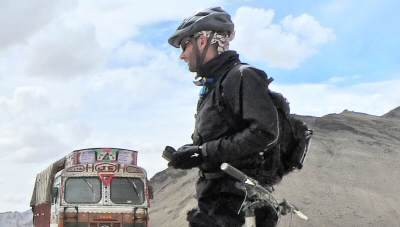 Directly from the customer
Indian Himalayas
Directly from the customer
Indian Himalayas
I had a wonderful time and was very impressed with the organisation, standard of camping accommodation and all other bits redspokes are directly responsible for.
Phil Hurcom, London, UK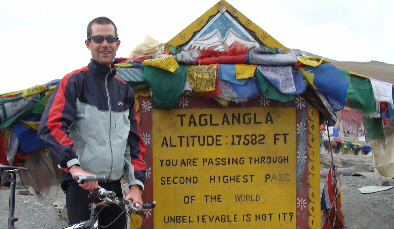 Directly from the customer
Indian Himalayas
Directly from the customer
Indian Himalayas
I want to thank you for a great trip, it more than exceeded my expectations. I was a bit concerned that the price of the trip was somewhat cheaper than other companies, but no corners were cut. The food while camping was excellent as was the standard of hotels.Lee was a great guide too and went out of his way to keep everyone happy. 10 out of 10 to him.
The local guide, "Sushi" was absolutely amazing. We couldn't have asked for a better local guide. Even his English astounded me. Nothing was too much effort for him.The cycling was awesome, some tough days, along with a few easy days. The scenery was something out of this world. The only complaint about the cycling was that we may have had too many sunny days, so one had to apply plenty of sun block.As for another trip, I hadn't even completed this trip and I was thinking about my next cycling holiday. I would definitely be going on another redspokes in the near future.
Stirling Slingerlan, South Africa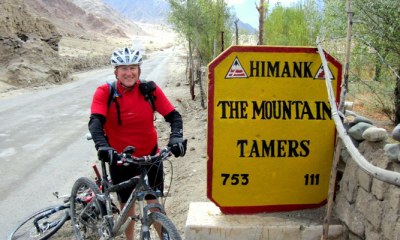 Directly from the customer
Indian Himalayas
Directly from the customer
Indian Himalayas
This was my first redspokes tour and will hopefully not be my last. Our group was a great mix of people, we were in some of the finest cycling landscapes in the World and the organisation and leadership was fantastic. Many thanks for some great memories!
Stuart Williams, Kidderminster, England, UK.jpg) Directly from the customer
Indian Himalayas
Directly from the customer
Indian Himalayas
The Manali to Leh trip was fantastic – big skies, big mountains and a real feeling of being "out there". A real challenge and a journey that I'll never forget. It was my fourth redspokes trip and, as ever, Dermot's knowledge of the issues facing the local population and unfailing good humour and enthusiasm made the experience all the more enjoyable.
Dave Bolton, Monmouth, England , UK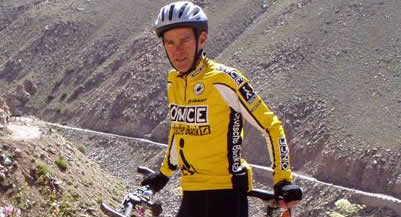 Directly from the customer
Indian Himalayas
Directly from the customer
Indian Himalayas
Thank you Dermot (redspokes) for a wonderful experience, it was a joy and delight to be able to cycle this road with you and the group.
It will always live in my memory.
John Kime, Leek, England, UK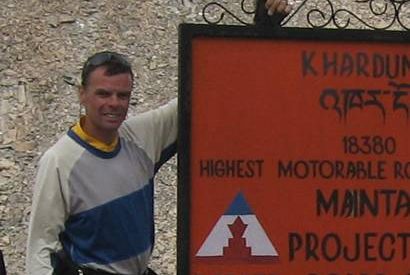 Directly from the customer
Indian Himalayas
Directly from the customer
Indian Himalayas
Dermot, thanks to you I have ridden the highest roads in the world, what a story to tell in the pub!
I will never forget the one hour of flat out descending from the 5,603m Khardung 'la pass I have great memories, amazing photos, and good friends from the trip, thanks again!
Mark Heffer, St Leanard-on-Sea, England, UK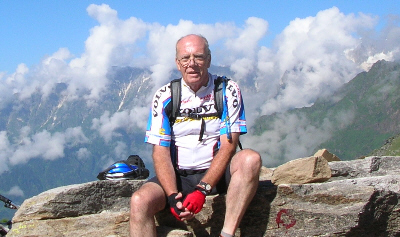 Directly from the customer
Indian Himalayas
Directly from the customer
Indian Himalayas
I would like to thank Dermot and all the other staff for providing me with a truly memorable experience.
It was exactly what I was looking for and as a consequence totally lived up to my expectations.
Keith Swanson, Norfork, England, UK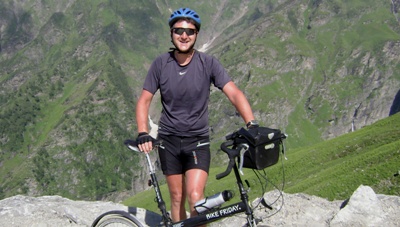 Directly from the customer
Indian Himalayas
Directly from the customer
Indian Himalayas
A truly breathtaking and enjoyable experience, with outstanding leadership and organisation skills allowed me to enjoy the fantastic scenery along the way.
The tour was excellent value for money, with more food provided than you could ever eat.
Tim Lawley, Ludlow, Shropshire, England, UK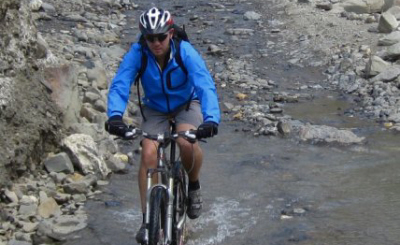 Directly from the customer
Indian Himalayas
Directly from the customer
Indian Himalayas
A fantastic experience. Both challenging and rewarding. Great bunch of people on tour and in support team.
Occasionally very draining, but always enjoyable and fantastic memories to last a lifetime.
Anthony Lengden, Salford, England, UK
Indian Himalayas
From stepping off the plane in Delhi to riding the highest mountain pass in the world the trip was special and full of extremes and beauty. There were very tough moments and the challenges were met by a great group of people helped and guided by the local people, The support and back up were fantastic and with everyone coming home in one piece a great testimony to a well planned expedition.
John Fisher, Leeds, England, UK
Indian Himalayas
A wonderful trip, very well organised and with a superb support system so that everyone who could ride that day/section was encouraged and enabled, but anyone who was sick or otherwise couldn't ride was assisted swiftly and with compassion but no fuss. A great adventure – thoroughly recommended.
Alice Appleton, Leeds, England, UK
Indian Himalayas
Raju and his team were excellent. They had very good local knowledge, they went out of their way to look after us and to make sure that we had everything that we needed to get the most from the trip.
David Brixey, West Sussex, UK
Indian Himalayas
A good tour with Raju being very helpful and Naveem and Vee good to ride with. Another good redspokes trip.
Geoff Bennett, Australia
Indian Himalayas
Despite suffering badly from altiude sickness (I was only well enough to do three days cycling) I have come away feeling I had a great trip and feel privilegd that I was able to stay with the group and to have seen the Himalayas. ( this was only possible because of the excellent care and support I recieved from Felipe Sushil and my husband Mark).I may be tempted one day to give it another go!
Julia Swindall, Worthing, West Sussex, England
Indian Himalayas
Great opportunity to experience a remote wilderness area and really test your cycling. Truly a memorable trip, encompassing a wide variety of scenic and cultural opportunities, and excellent value
Mark Swindall, Worthing, West Sussex, England
Indian Himalayas
Enjoyable and well-organized trip with like-minded fellow cyclists. Enthusiastic leader and great local support team. Gorgeous, spectacular terrain and scenery.
Christine Bratton, Brooklyn, NY, USA
Indian Himalayas
The trip was well planned from the start. We enjoyed a brief taste of Delhi, riding a tuk-tuk around town, and then had a chance to acclimatize riding a train and then driving to Manali. The mountains, monasteries and Indian cuisine offered an exotic experience. With the high altitude, the day long bike rides invigorated us as we enjoyed a close-up experience with the local village people.
Camping was very comfortable, from our cots and dining tent to the home-made food. Ramesh, our guide, and Aneil, our cook, plus our driver, made us feel very welcome. They were professional and personable.I would highly recommend this trip for the fit cyclist who wants to experience northern Indian life.
Ken Moyer, Pennsylvania, USA
Indian Himalayas
What a great trip! Thanks for running with such low numbers after the cancellation of the Tibet trip. Ramesh , our guide, was brilliant and I would definitely go with him again.
He cycled every metre with us and was a fantastic companion ensuring we were comfortable at all times. We had the most fabulous food and always felt that our every comfort was being catered for, right down to early morning tea in bed and a nice steaming bowl of hot water to wash in! Even a hot water bottle on those cold high mountains, it goes without saying that this is one of the most beautiful and dramatic routes in the world and every day was jaw dropping. Brilliant! Particularly good transfers which made life so much less stressed.
Kevin Bailey, Worcestershire, England
Indian Himalayas
This is a great trip! The Indian partners went out of their way to ensure our comfort and safety throughout. Campsites were chosen with care and were all very nice. The food was first rate! The care taken to acclimatize people was appreciated, as most of us had minimal altitude-related issues. I would recommend this trip to any of my experienced cycling buddies; this was probably the best value for money I've received for any cycling trip I have done.
Tom Wojcik, Vancouver, Canada
Indian Himalayas
The trip was superb, the scenery and weather were excellent and I thought that the tour was exceedingly good value for what was included.
Ed Kenney Herbert, Weston-Super-Mare, England, UK
Indian Himalayas
I really had a fantastic trip, it was well organised, the support crew were great and the cycling was beyond what I could have imagined. To cycle through such remote and rugged country and meet up with people who are living as their forefathers have done for hundreds of years has made this the standout of my cycling holidays. This has been the best 'bang' for my cycling 'buck' ever.
Warren Foreman, Trinity Gardens, South Australia
Indian Himalayas
Die Tour war sehr gut organisiert und das begleitpersonal immer freundlich und hilfsbereit. Wir haben bis jetzt noch nie so luxorios gezeltet. Alles in allem ein sehr empfehlenswerte Reise. The tour was very well organised and the local staff were always friendly and helpful. We have never before experienced such luxurious camping. All in all a very recommendable trip.
Melanie Hufnagel and Jurgen Fenn, Germany
Indian Himalayas
It was a great trip and we were well looked after – so thanks again. Felipe is a real star
Alan Swann, Northumberland, UK
Indian Himalayas
The trip was fantastic, as was the camping and all the staff involved in this. Our redspokes guide Felipe was a lovely person, great company and worked really, really hard. The group of people on the trip were all really lovely. Overall we were proud to complete a very tough trip!!
Giselle Devlin, UK
Indian Himalayas
The cycling was tough but very rewarding. The scenery when in Ladakh was astonishing and although the ascents were long and hard, the descents were exhilarating. Felipe did a very good job despite it being his first tour.
Peter Daniel, Cheshire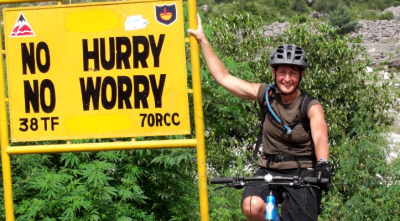 Directly from the customer
Indian Himalayas
Directly from the customer
Indian Himalayas
I had a wonderful adventure and would do another tour with redspokes and recommend your company.
Wendy Morriseau, Vancouver Canada
Indian Himalayas
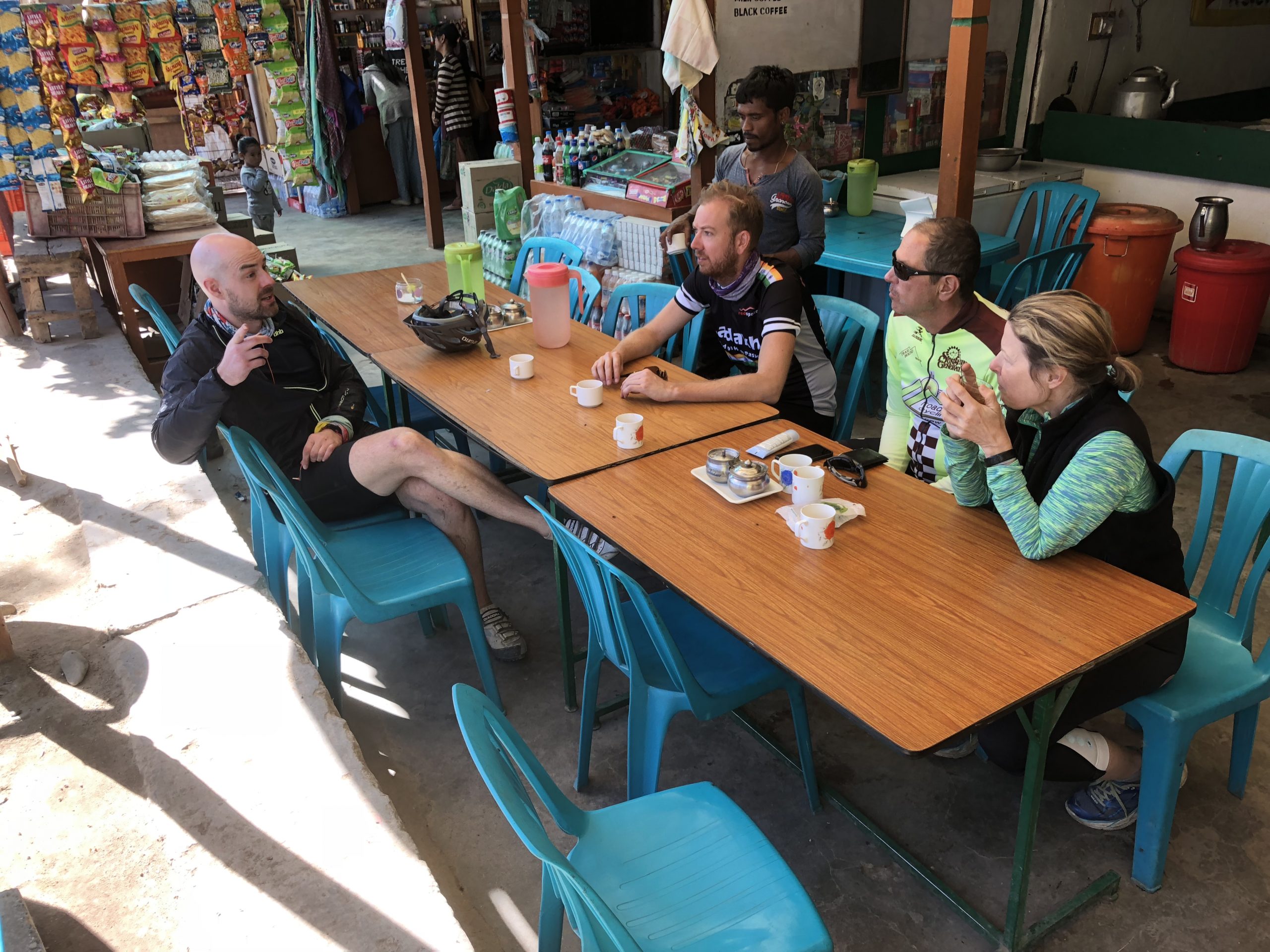
Within the first few days of the trip I realised that the altitude and cycling was going to prove too much for me. However, I was able to travel in the support vehicle & learnt a lot about the landscape & culture from Gini, the local guide. I walked along sections & stopped at chai stalls to take photos and sip cinnamon tea. Obviously, I would have liked to cycle but I don't feel I missed out on anything else.
Christine Daniel, Cheshire, England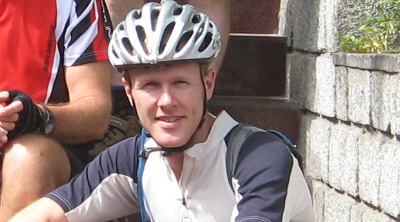 Directly from the customer
Indian Himalayas
Directly from the customer
Indian Himalayas
Unforgettable journey though places I would never get the chance to see otherwise. Truly spectacular landscapes and great companionship made this a very special trip.
Clark Schofield, Kent, England, UKHere are a selection of photos for our ‘Indian Himalayas’ Cycling holiday.



Here are a selection of videos for our ‘Indian Himalayas’ Cycling holiday.