
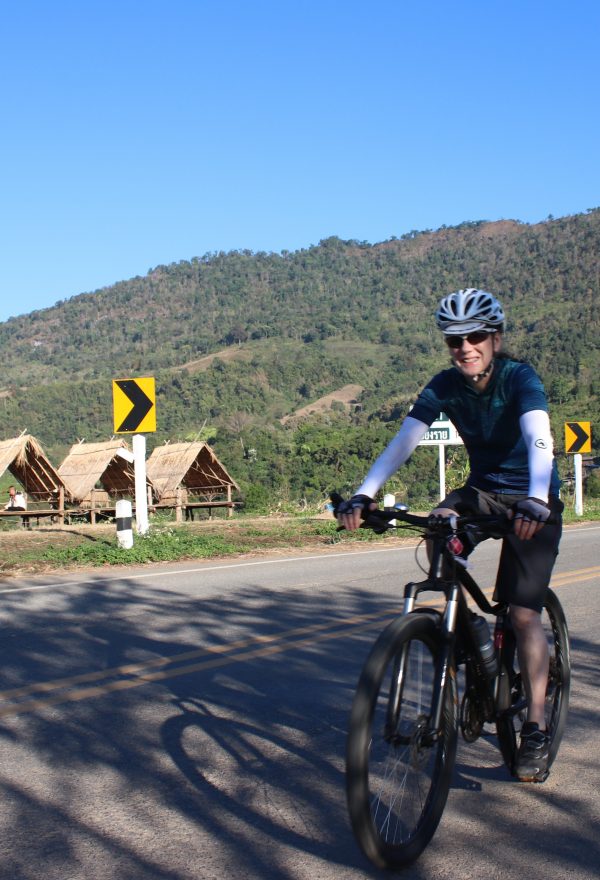
Thailand and Laos
Cycle from Chiang Rai to Vientiane, crossing Thailand and Laos through mountain roads, Mekong valleys and UNESCO towns.


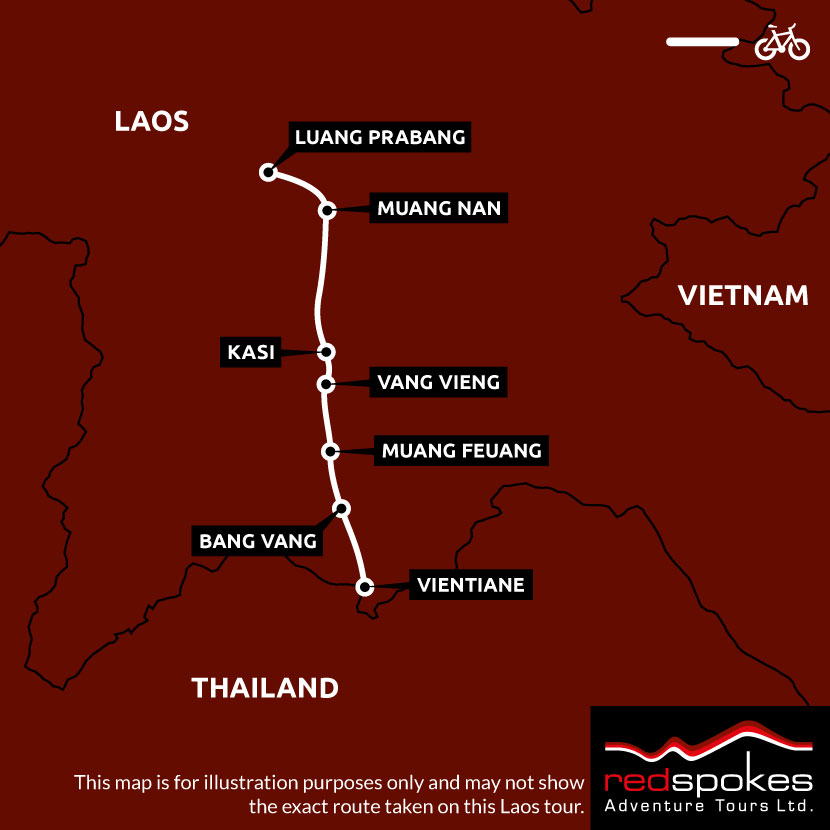
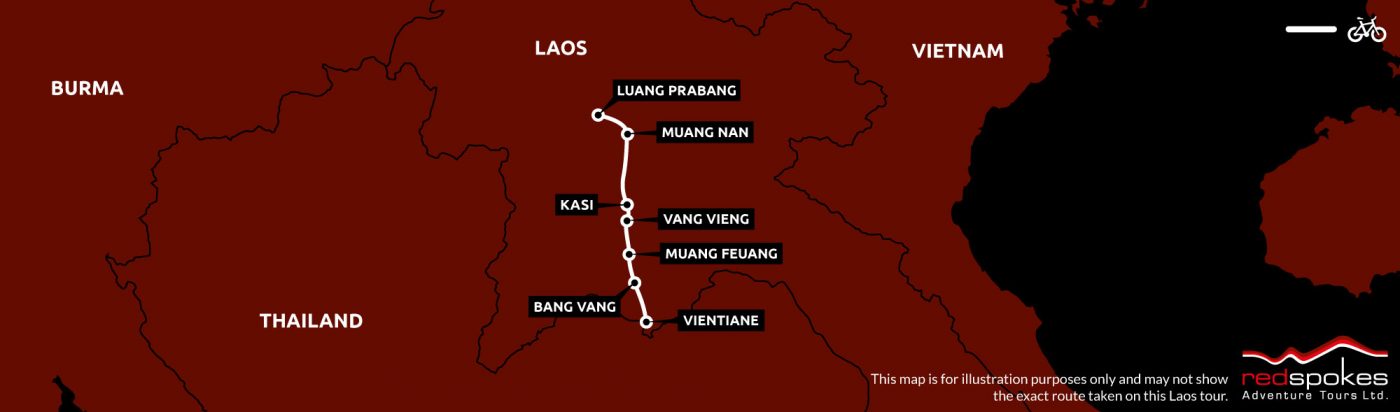
This Laos cycling adventure offers a gentler yet deeply rewarding journey through one of Southeast Asia’s most serene landscapes. Beginning in Luang Prabang, the route winds south through rice paddies, jungle-clad valleys and dramatic limestone karsts, blending cultural discovery with relaxed, scenic riding.
With shorter climbs, flowing descents and quiet backroads, the pace allows time to absorb village life and Buddhist traditions. Resting in Vang Vieng before following the Mekong toward Vientiane, the journey captures the tranquil rhythm and warm hospitality that define Laos.
Luang Prabang
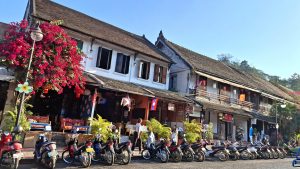
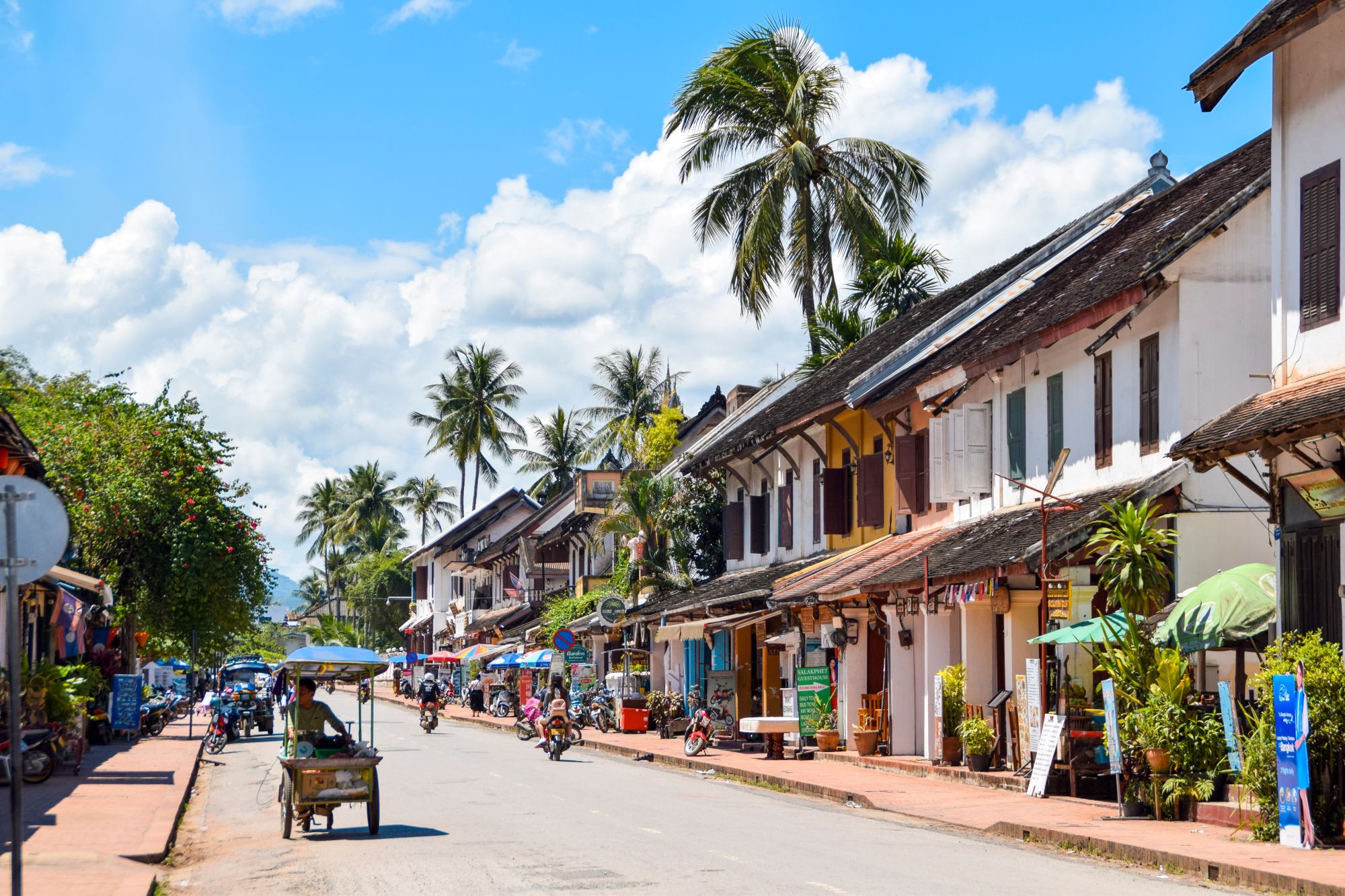
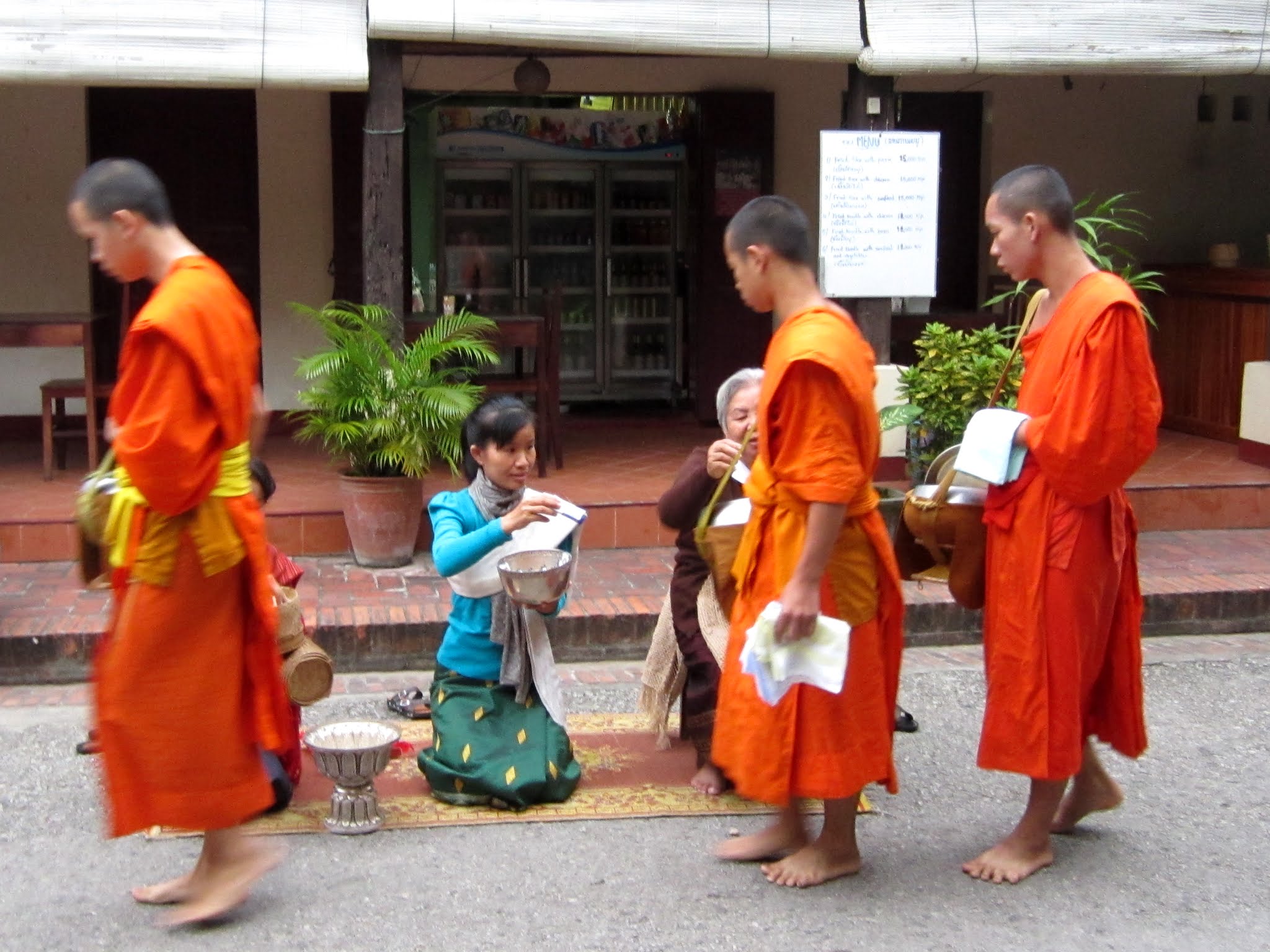
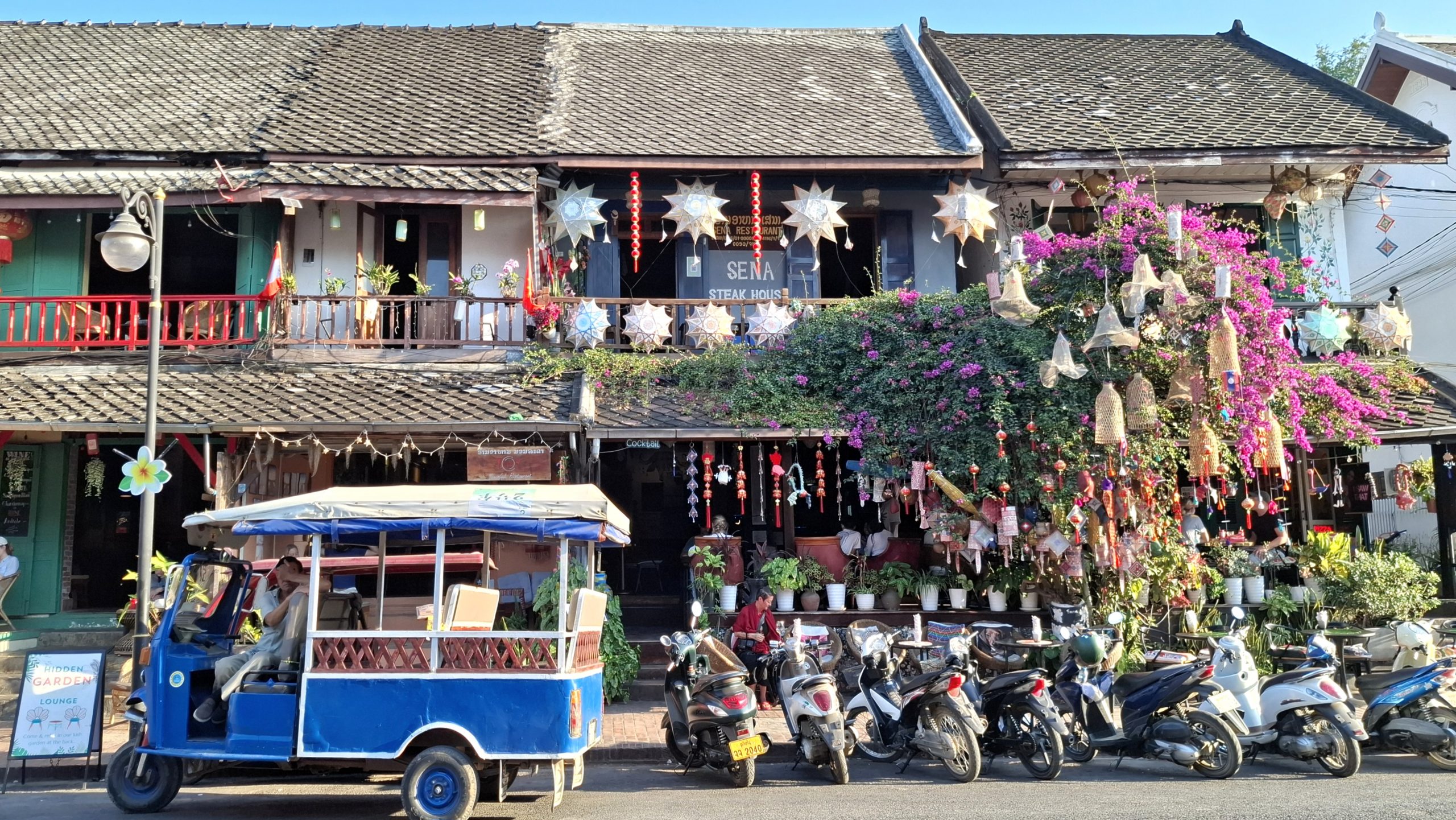
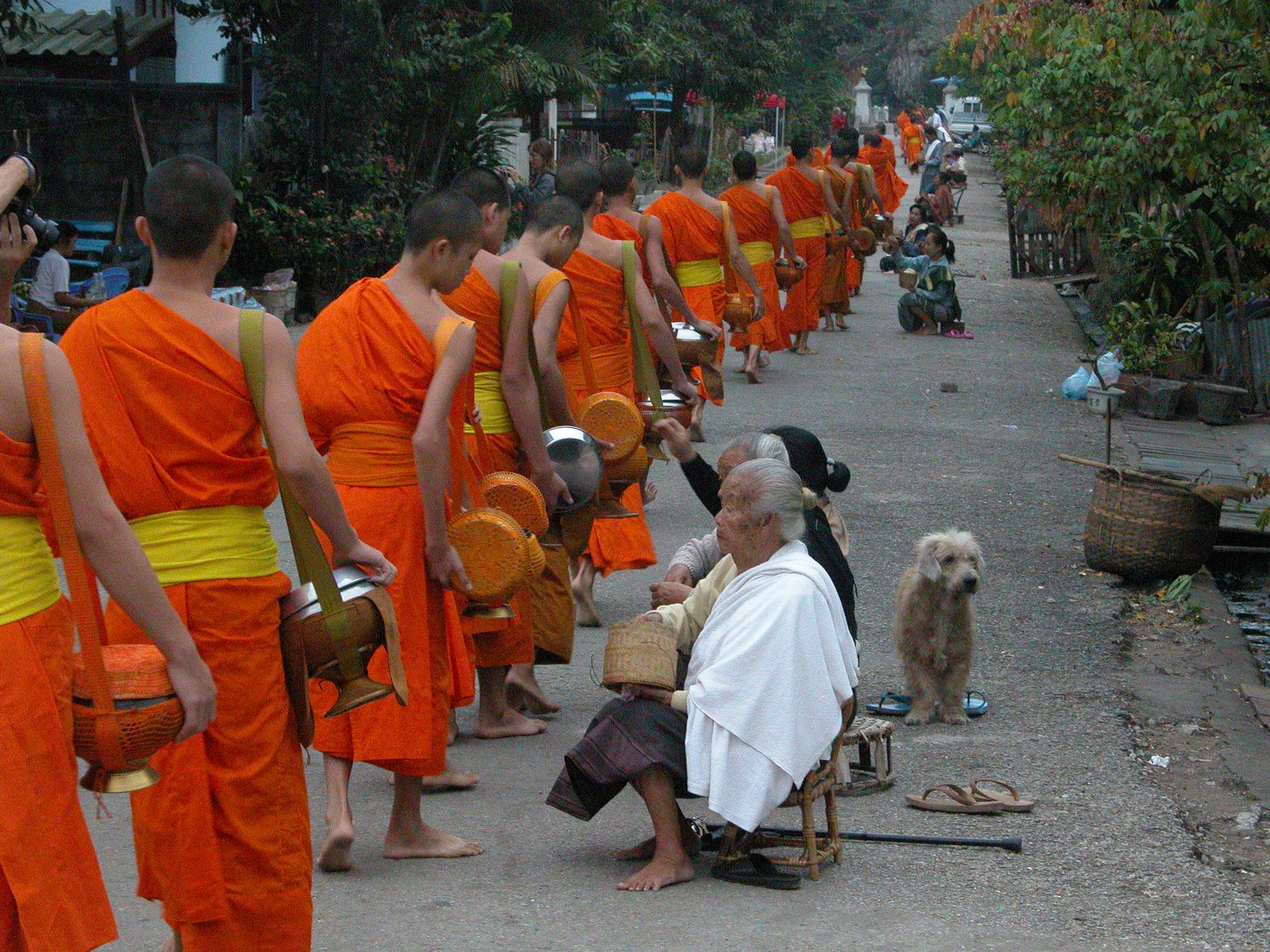
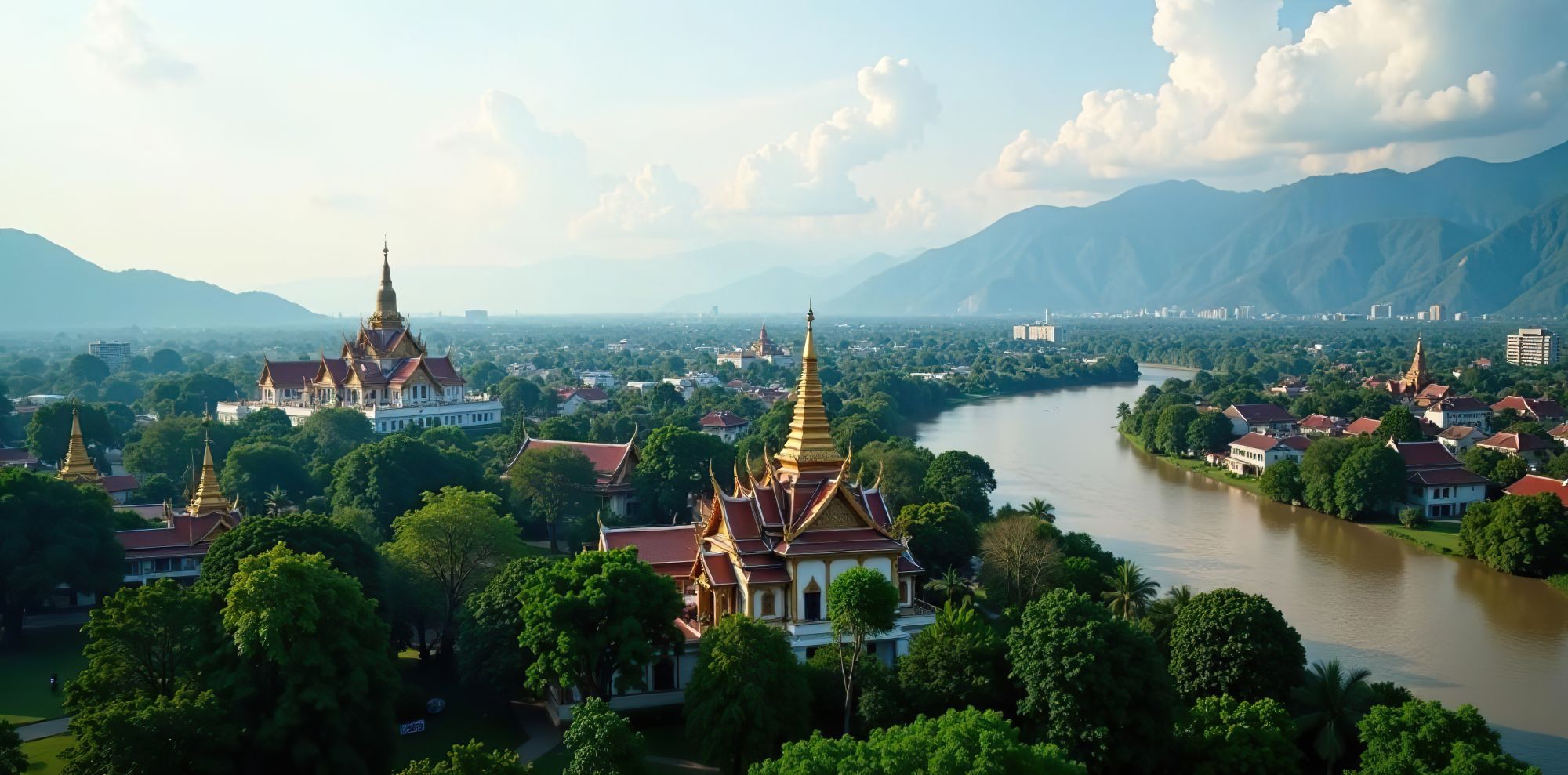
A UNESCO World Heritage city, Luang Prabang is one of Southeast Asia’s most charming destinations. Nestled between the Mekong and Nam Khan rivers, it blends golden Buddhist temples, French colonial architecture, vibrant markets, and a relaxed atmosphere that makes it the perfect introduction to Laos.
Before the cycling begins, there is time to explore highlights such as Mount Phousi, Wat Xieng Thong, and the bustling night market. The town’s unique character and cultural richness provide a memorable start to the journey.
Vang Vieng
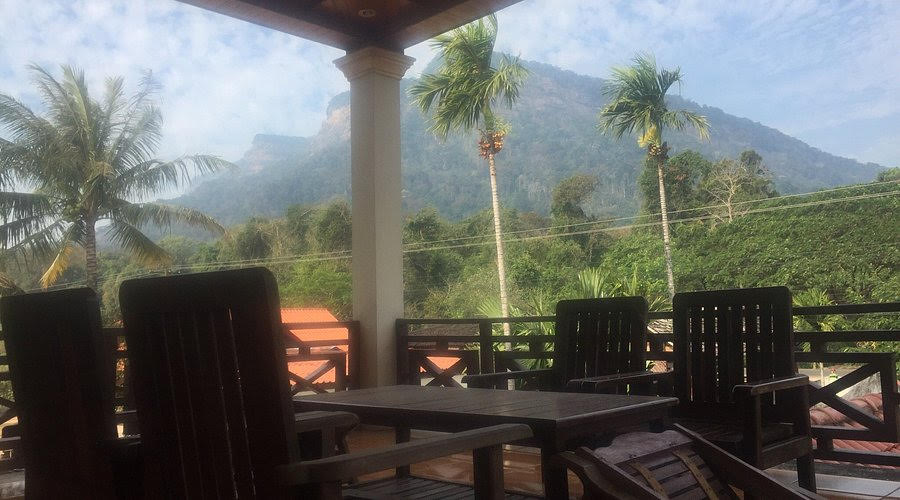
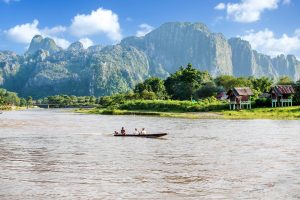
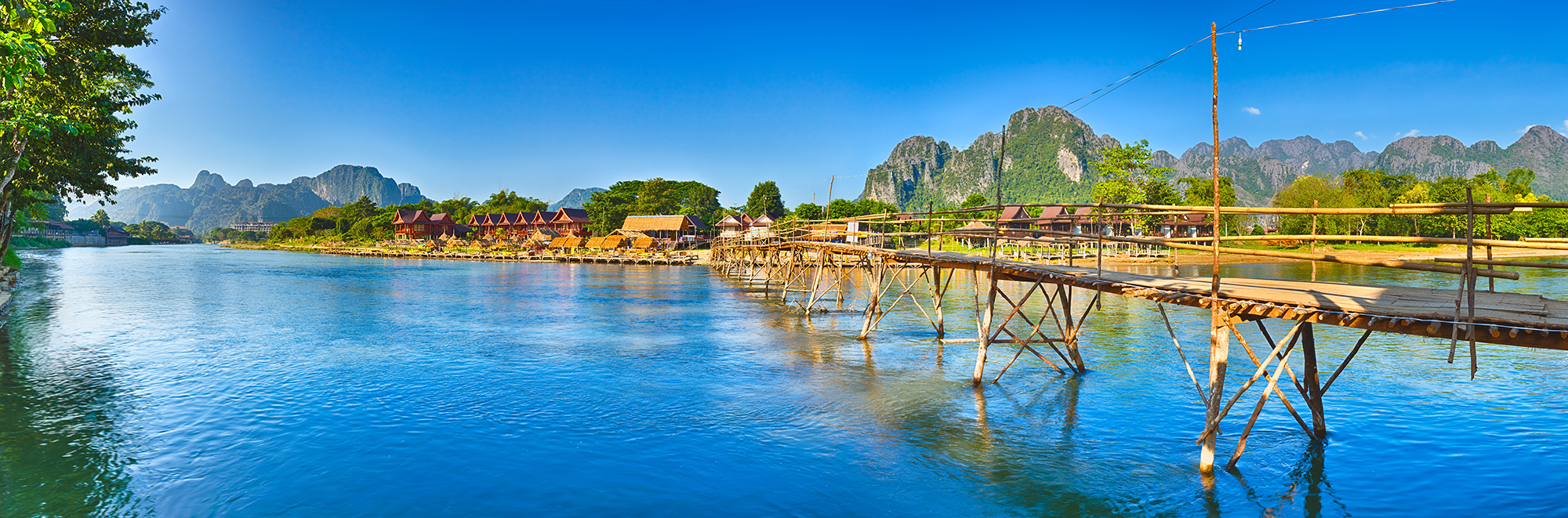
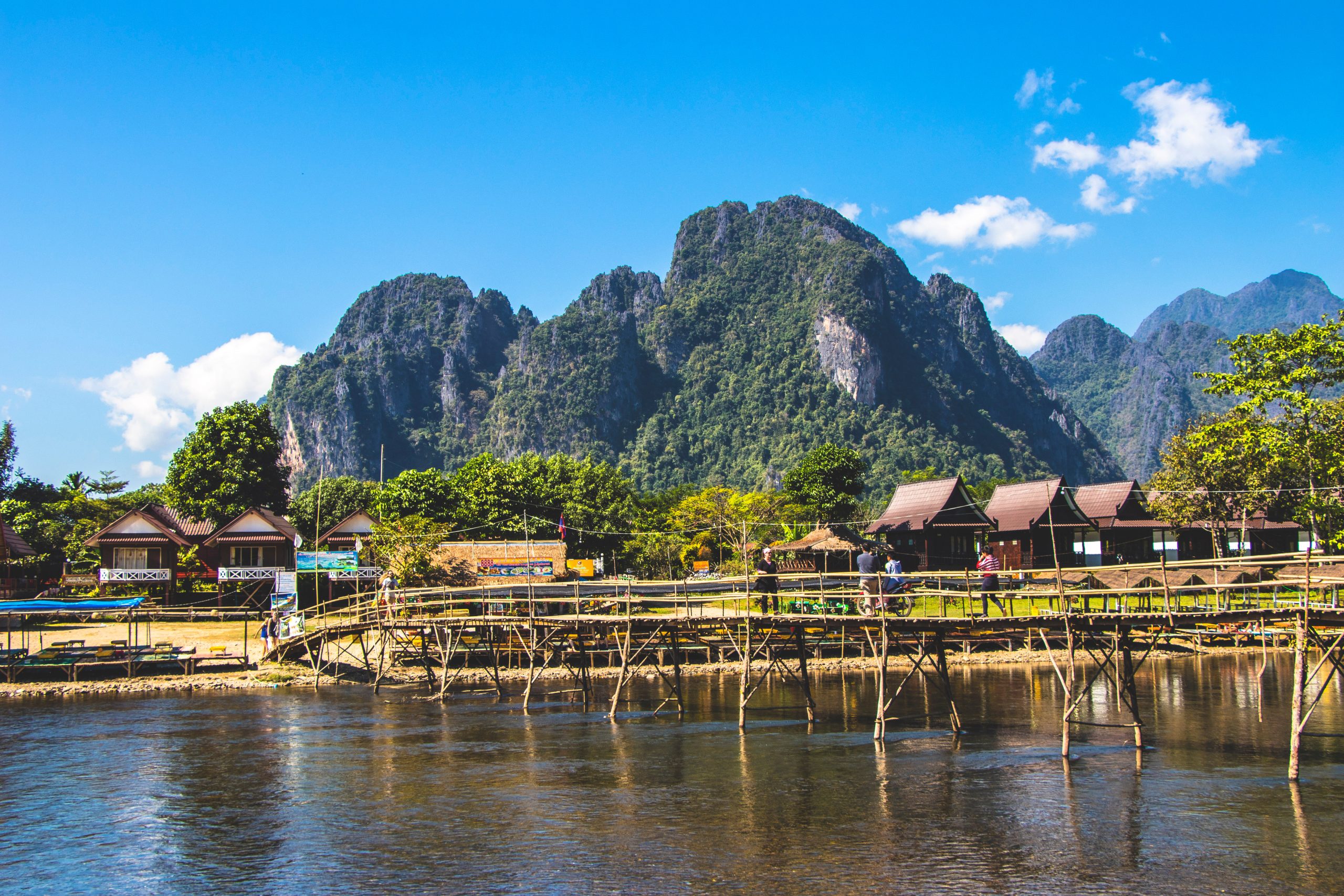
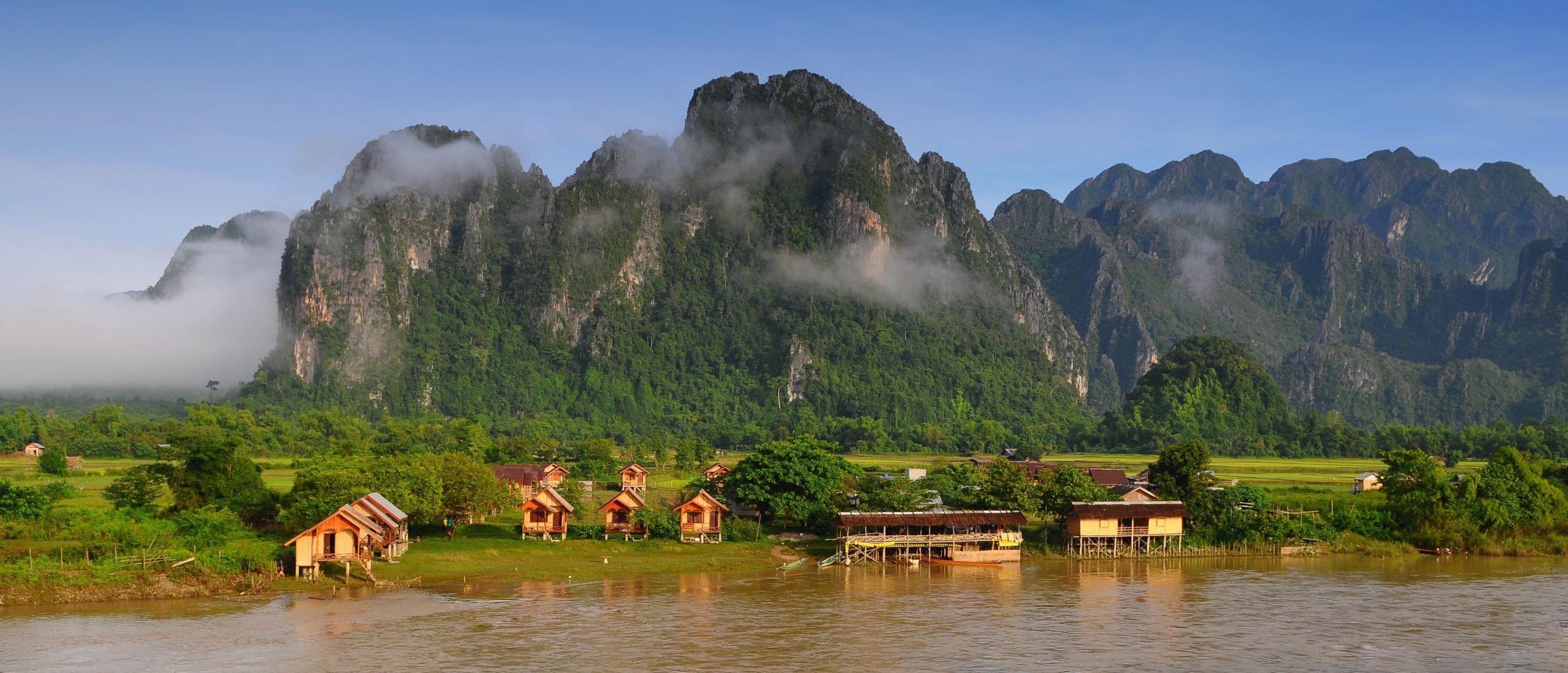
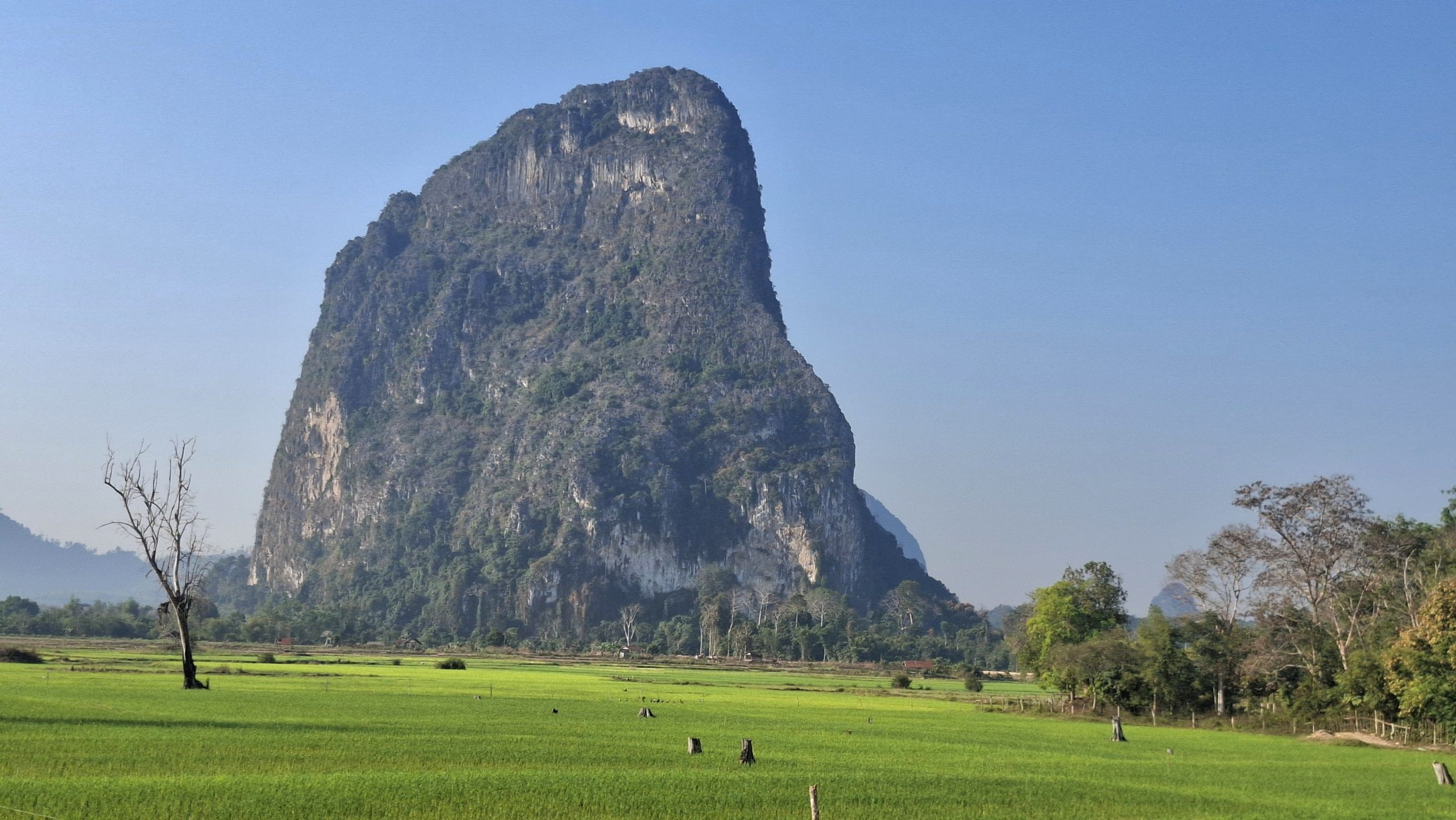
Surrounded by towering limestone karsts and the winding Nam Song River, Vang Vieng is one of Laos’ most spectacular natural settings. The ride into town passes through lush valleys, rice paddies, and dramatic mountain scenery that has made this one of the country’s most photographed landscapes.
Once a backpacker hotspot, Vang Vieng has evolved into a centre for outdoor adventure and relaxation. With riverside cafés, caves, hiking trails, and stunning sunset views, it provides the perfect rest-day destination in the heart of the tour.

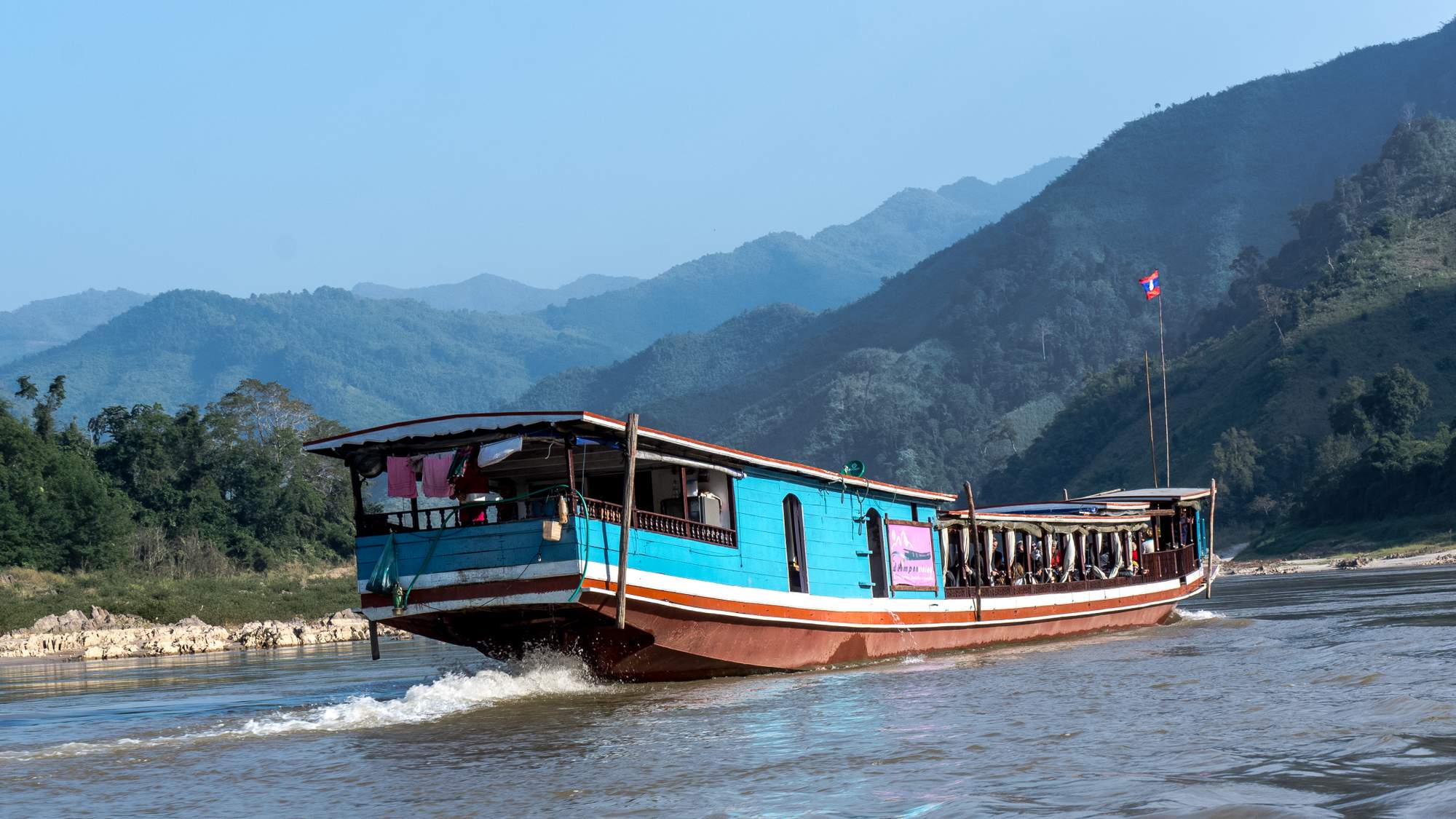
The mighty Mekong is one of the longest rivers in the world and one of the least spoiled. The Mekong is the heart and soul of South East Asia with more that 50 million people depending on it and its tributaries for food, water, transport and other important aspects of daily life. Its floodplains are bursting with food crops during the dry season and the river supports one of the world’s most diverse fisheries.
Vientiane
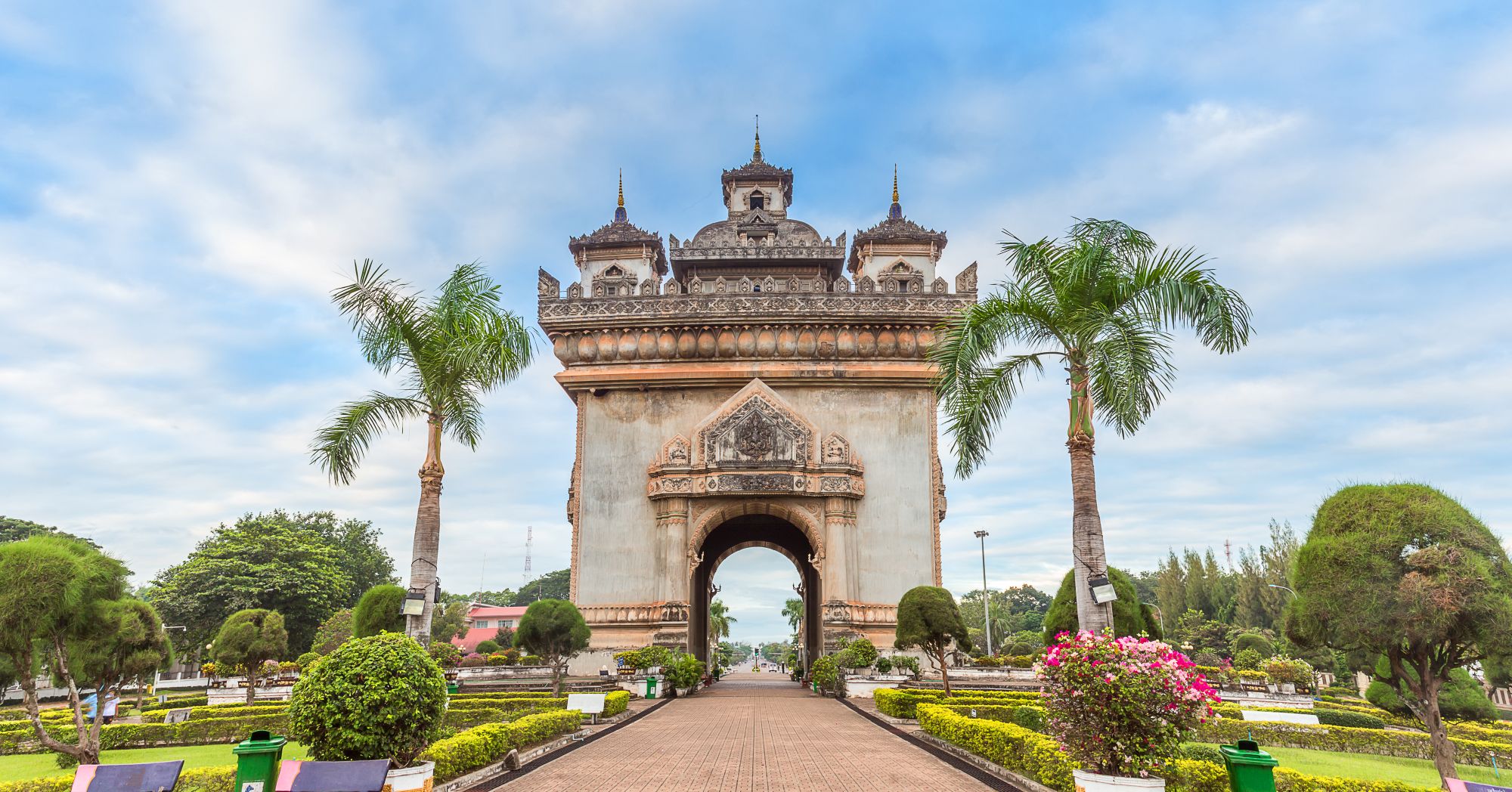
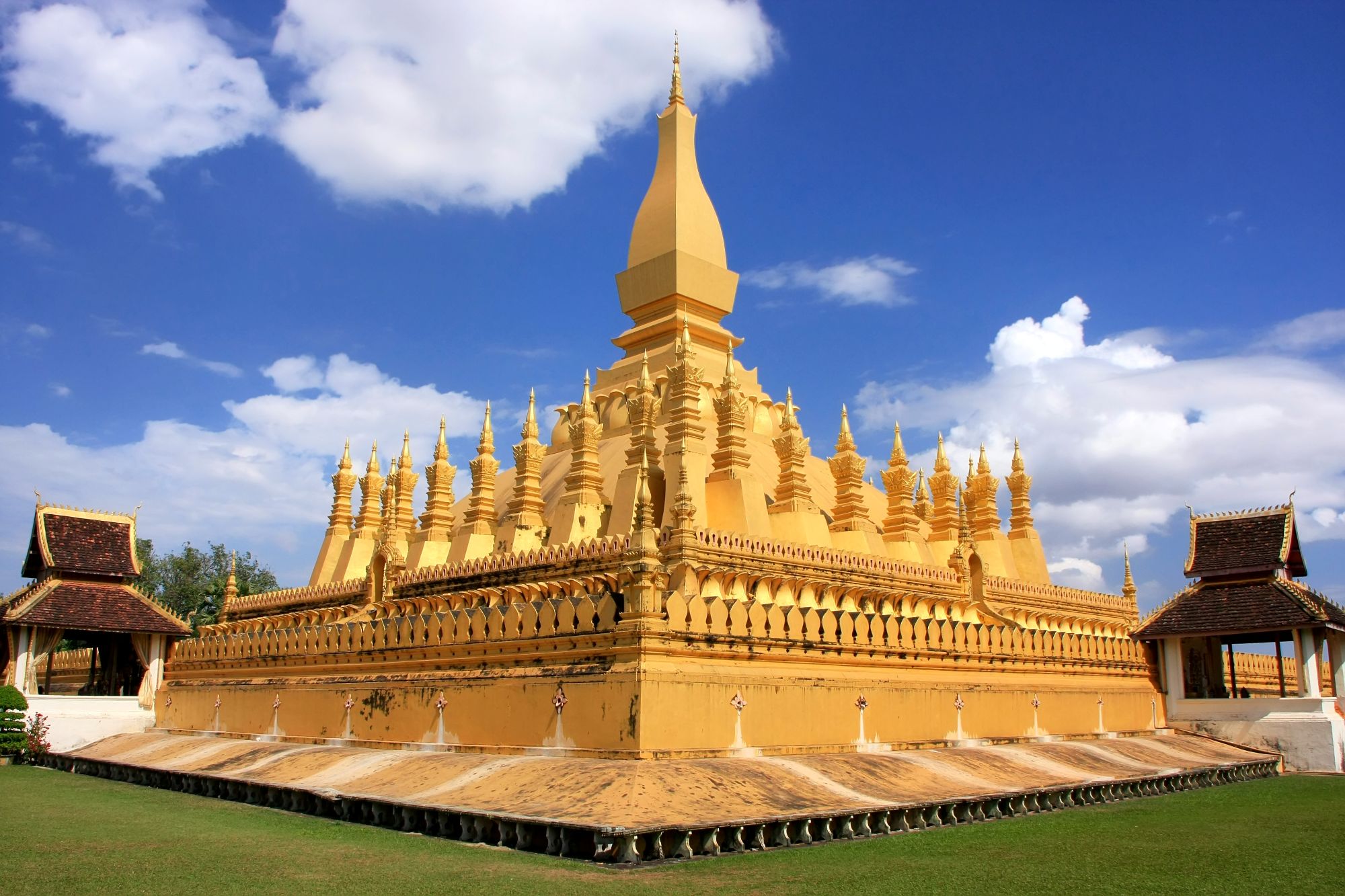
Compared with other Asian capitals, Vientiane has a distinctly relaxed feel; colonial architecture mingles with Buddhist temples and statues in a city of wandering monks and tourists. Vientiane lies along a curve of the Mekong River, its most well-known monument probably being the reclining Buddha at Wat Pha That Luang. Prior to French occupation Vientiane was an important 16th C city to the kingdom of Lan Xang (million elephants). It is the largest city in Laos as well as the capital and home to the Lao National History Museum. Vientiane is actually pronounced “Wiang Jan” (the modern Romanized spelling is of French origin and reflects the difficulty the Gauls had pronouncing the hard “ch” syllable of the Lao word), wiang is Lao for a “settlement with a stockade”, and jan means “sandalwood”.
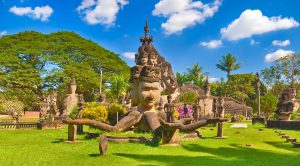
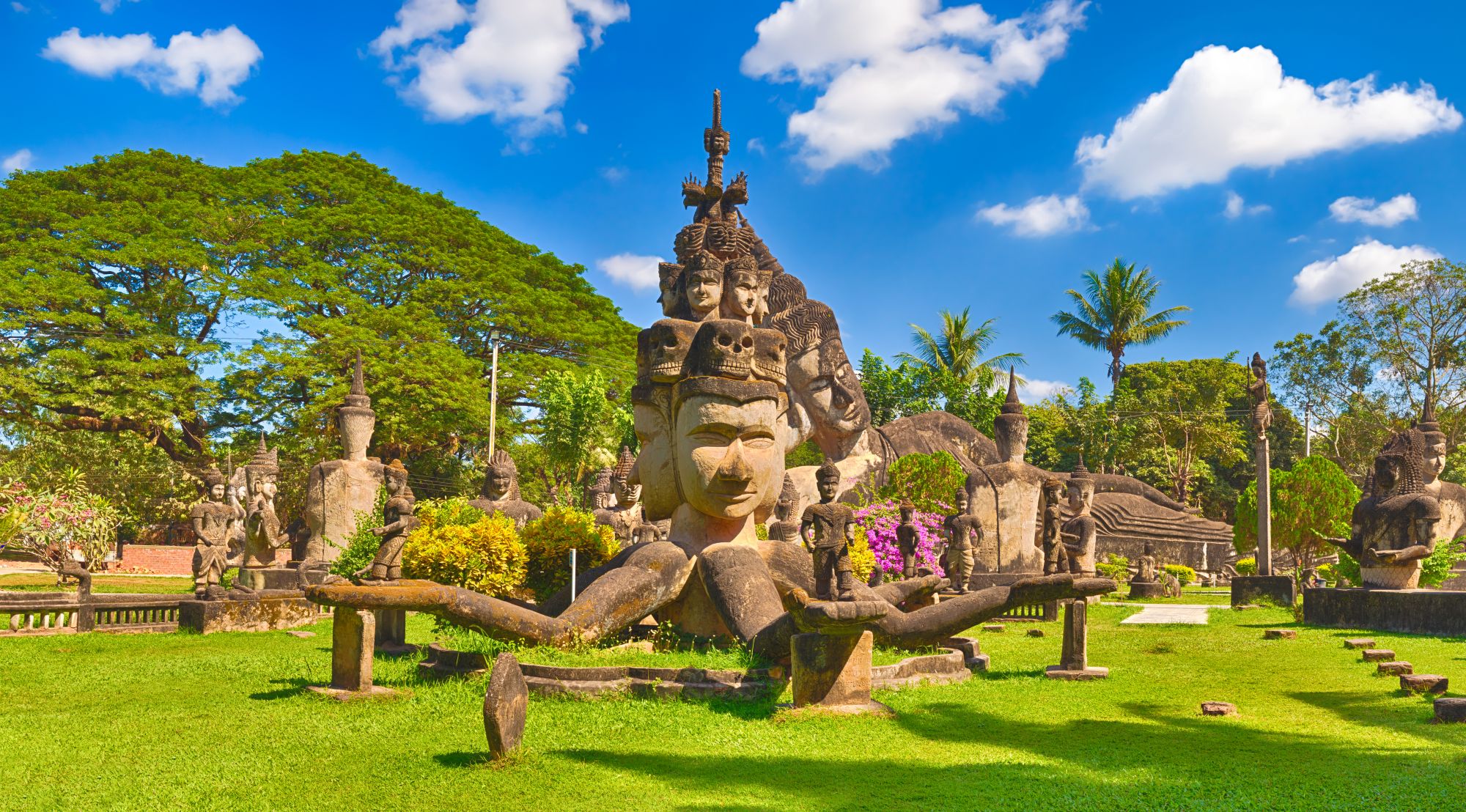
It is easy to navigate the city on foot or by tuk tuk. There are local riverside markets and an extensive sculpture park nearby where there are over 200 Buddhist and Hindu statues, including a 40m-long reclining Buddha. Enjoy a coffee in one of the traditional bakeries or a cold beer Laos as the sun sets over the Mekong.
A short distance from Vientiane is the COPE organisation who provide prosthetic and orthotic devices to Lao people with mobility disabilities, many of whom are victims of UXO unexploded ordinance dating back to the Second Indochina War/Vietnam War.

Upon arrival at Luang Prabang International Airport, you will be met and transferred to your hotel. After checking in, the remainder of the day is free to relax after your journey or to begin exploring this UNESCO World Heritage town at your own pace.
Luang Prabang is renowned for its tranquil atmosphere, golden temples, and French colonial architecture set against a backdrop of mountains and rivers. Depending on your arrival time, you may wish to wander through the quiet streets, visit the lively night market, or enjoy a riverside meal along the Mekong.
In the evening, we gather for a welcome meeting where you will meet your tour leader and fellow riders. We’ll go over the itinerary, answer any questions, and prepare for the adventure ahead.
Accommodation: Hotel (D)
This morning we focus on preparing for the cycling journey ahead. Our team will assist with bike fitting, ensuring that your saddle height, handlebars, and gear setup are comfortable and adjusted to your needs. For those bringing their own bikes, there will be time for assembly and checks; for those using provided bikes, we’ll make sure everything is dialed in before the first ride.
The remainder of the day is free to explore Luang Prabang. You might climb Mount Phousi for panoramic views, stroll through temples such as Wat Xieng Thong, or simply enjoy a coffee at a shaded café while soaking in the town’s unique charm.
In the evening, enjoy the relaxed pace of the city—perhaps browsing the night market. Tomorrow we begin the ride, leaving Luang Prabang behind as we head into the countryside.
Accommodation: Guest House (B)
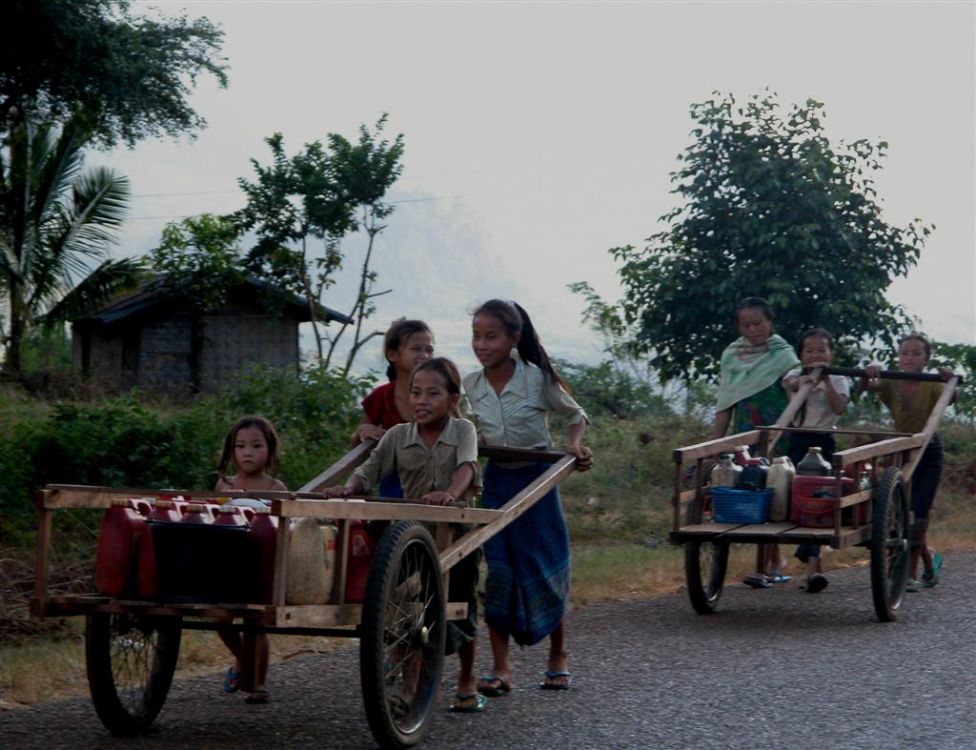
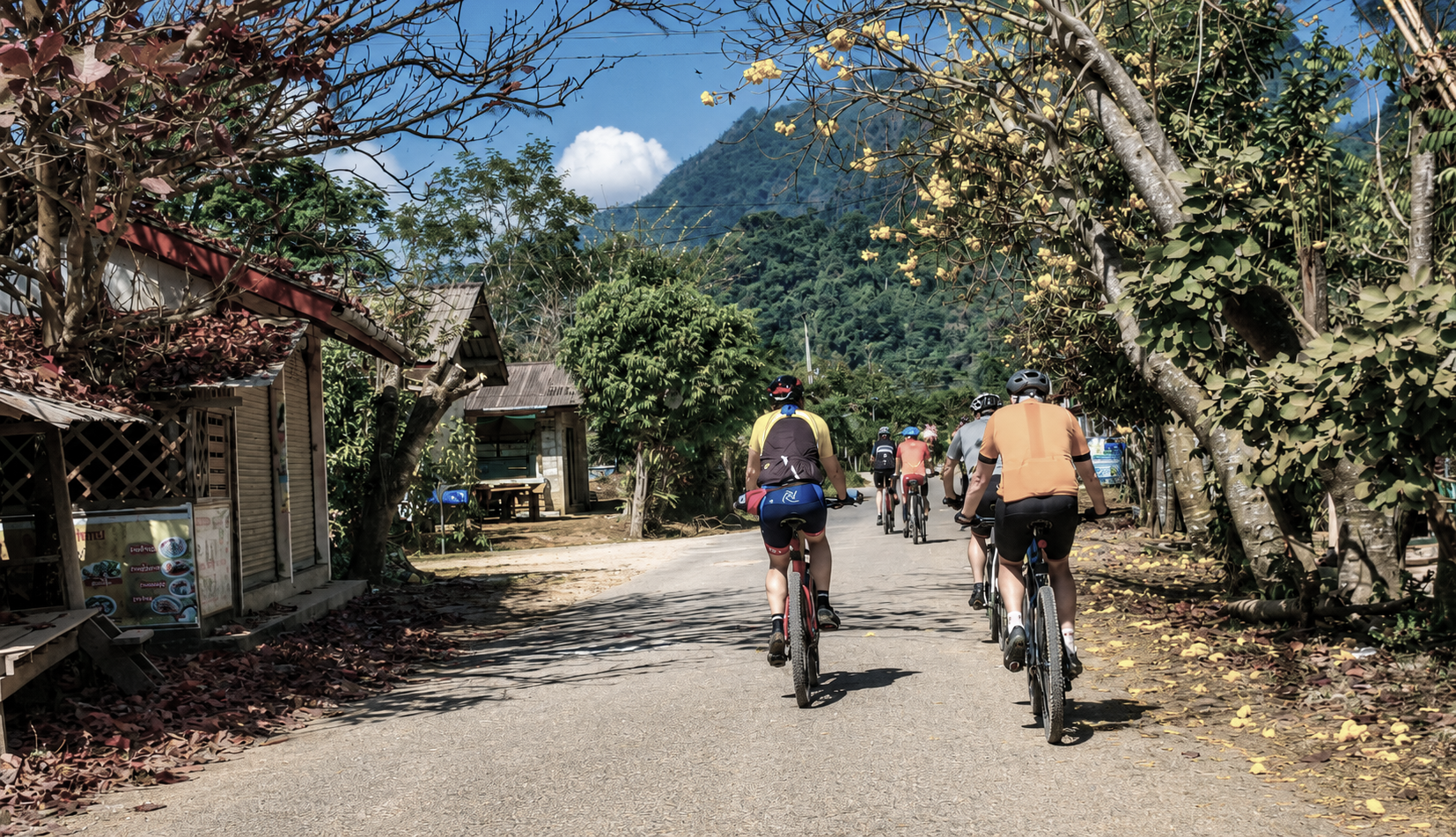
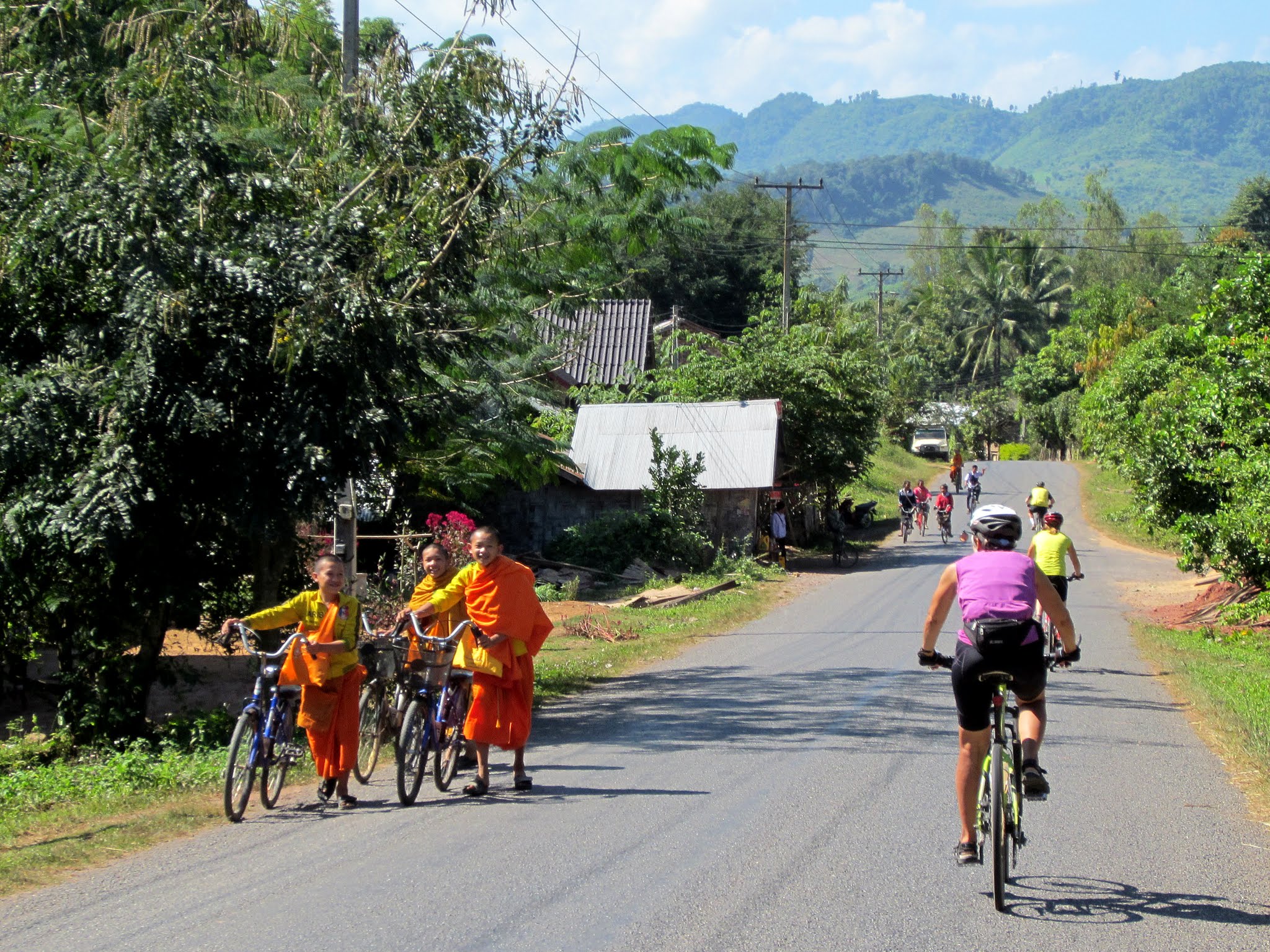
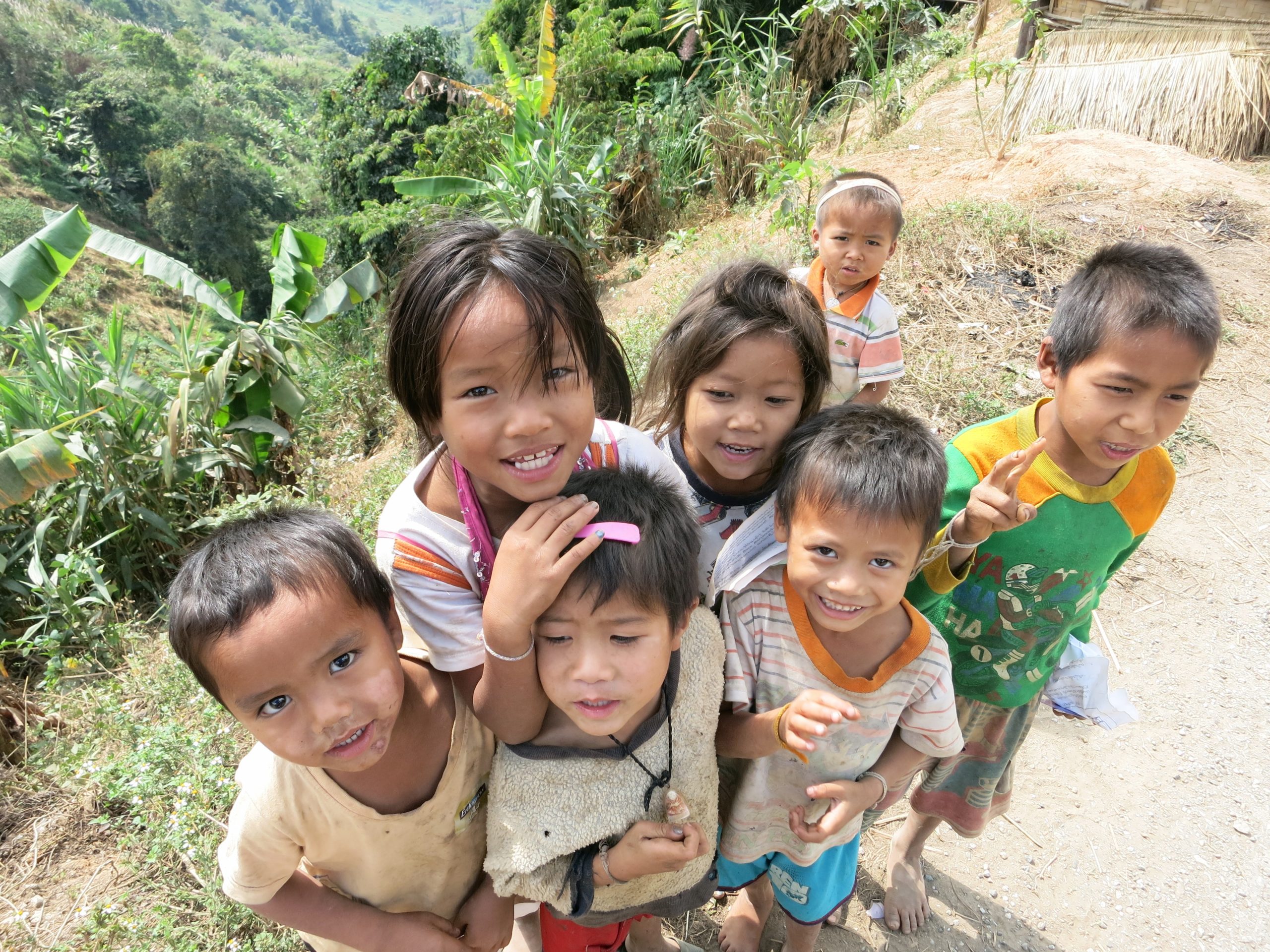
We start with a short transfer out of Luang Prabang. Todays route leads us along quiet backroads, much of it unpaved, winding through shaded woodland, open valleys, and small farming villages. Along the way, we’re greeted by locals, children waving as we pass, and the occasional water buffalo meandering across the track. The scenery blends charm and serenity, with stilted houses and rice fields set against sweeping mountain backdrops.
By afternoon, we roll into Muang Nan, a peaceful town where life moves slowly and authentically. Tonight, we enjoy simple comforts and warm local hospitality — the perfect welcome back to the saddle.
Cycling Distance: 48km (30 miles)
Total Climb: 840m (2,755ft)
Total Descent: 920m (3,018ft)
Accommodation: Guest House (B,L,D)
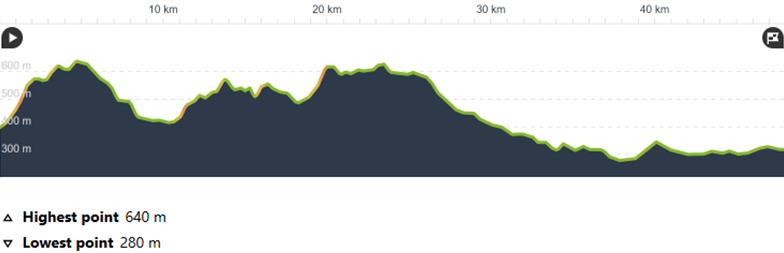
We begin the day with a short transfer up the Phoukaolak Pass, sparing ourselves the toughest climb and starting high in the mountains. From here, the riding feels truly rewarding: a day of long, flowing downhills balanced with a few rolling climbs.
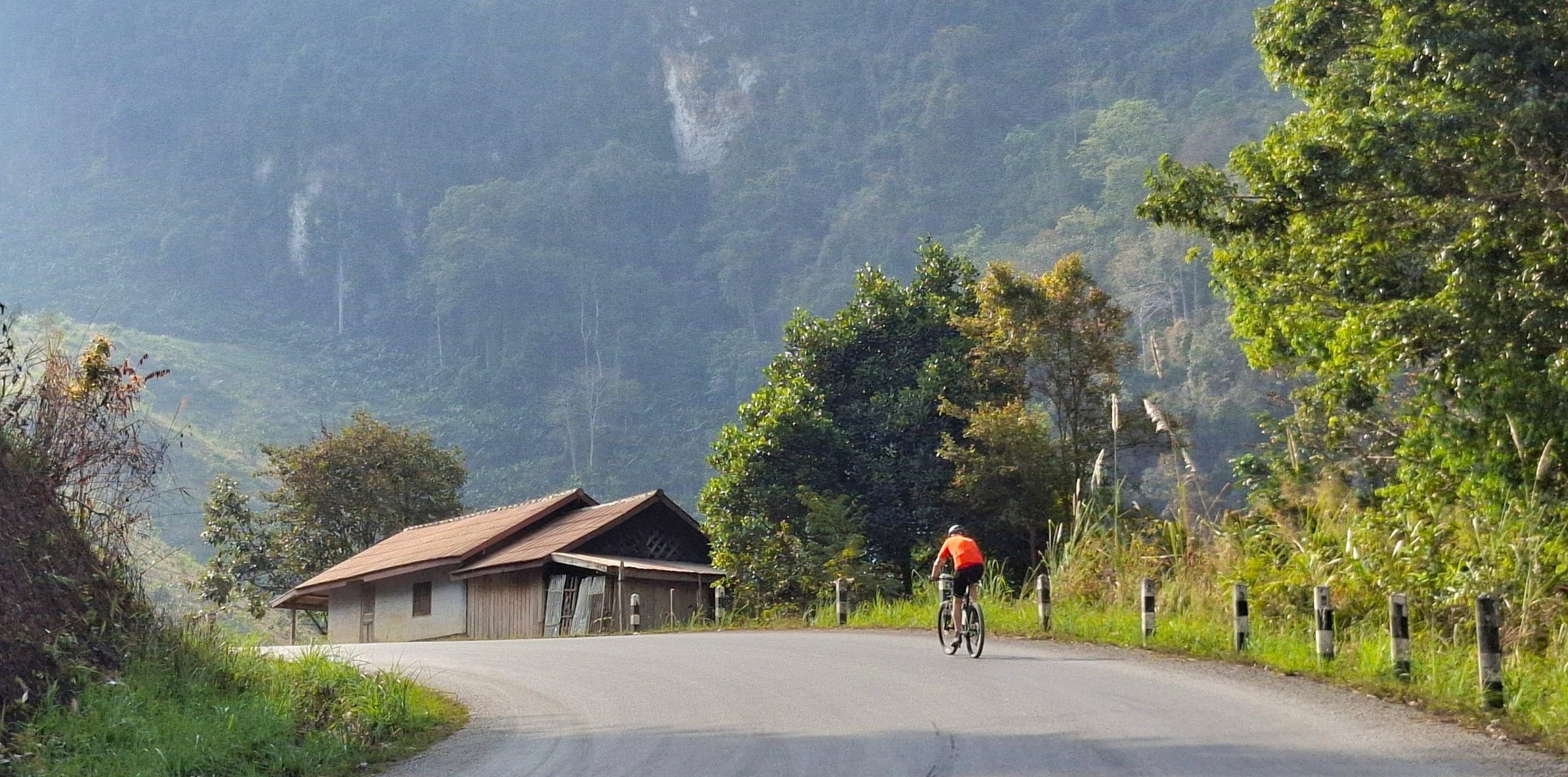
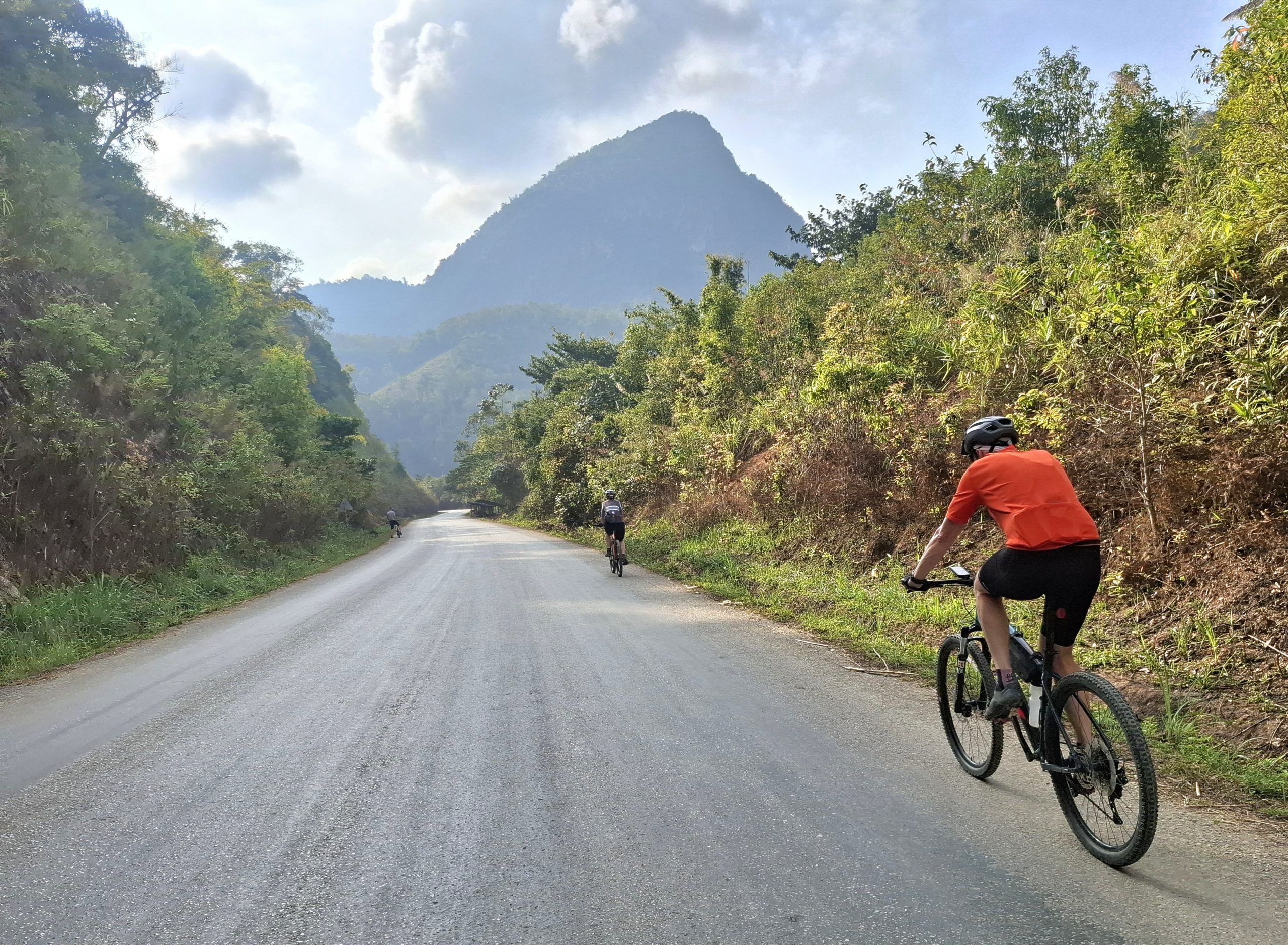
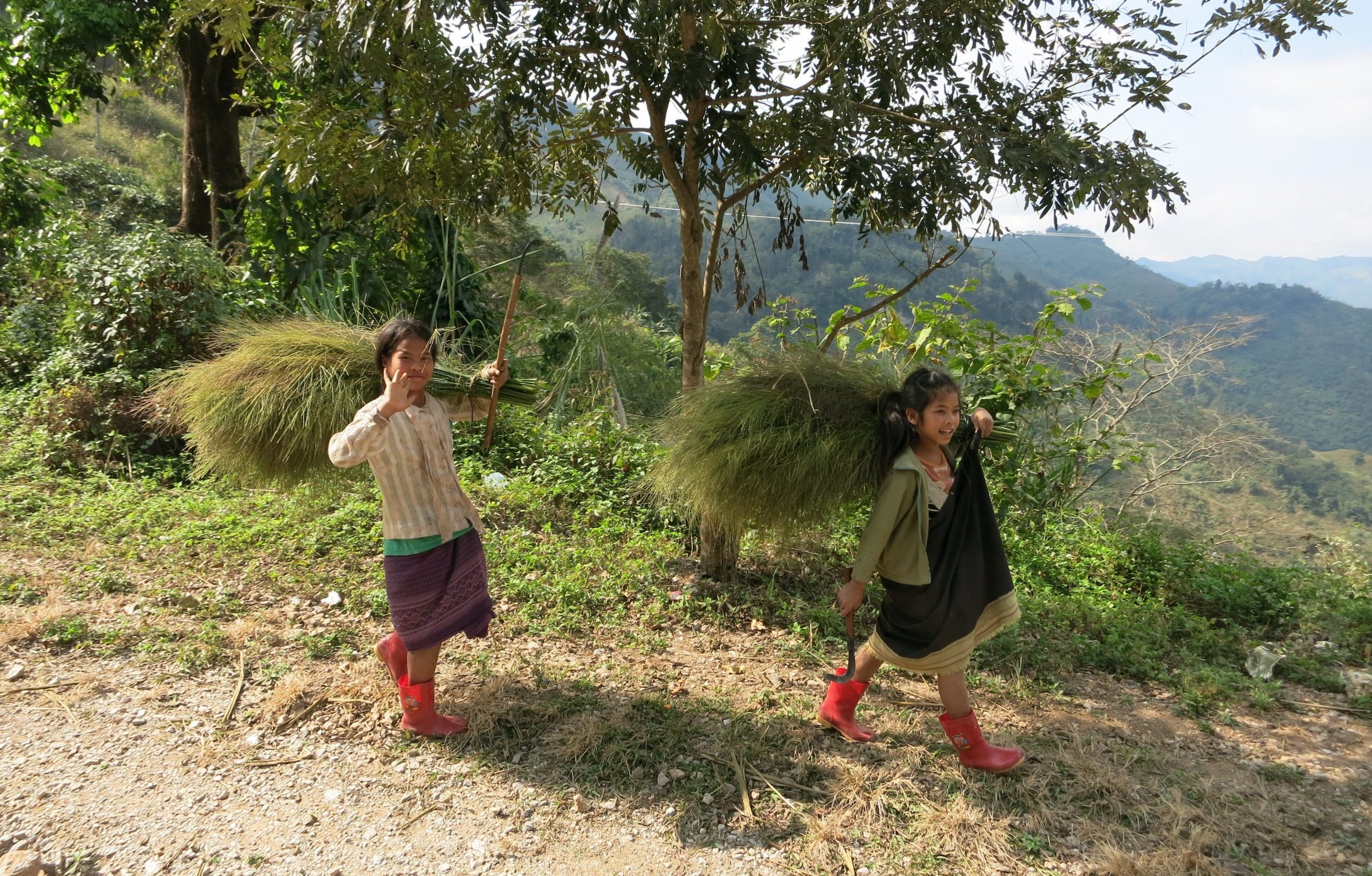
The route covers 650 meters of ascent but rewards us with an exhilarating 1,950 meters of descent, winding through remote valleys and limestone peaks. Villages appear along the roadside, where children wave and farmers pause from their work to greet us. The scenery shifts constantly—from jungle-clad slopes to open farmland and dramatic karst cliffs.
By afternoon we roll into Kasi, a quiet market town set in a fertile valley surrounded by mountains. It’s the perfect place to relax after a day of thrilling descents and to prepare for the next stage of our Laotian adventure.
Cycling Distance: 46.5km (29 miles)
Total Climb: 650m (2,132ft)
Total Descent: 1,950m (6,397ft)
Accommodation: Guest House (B,L,D)
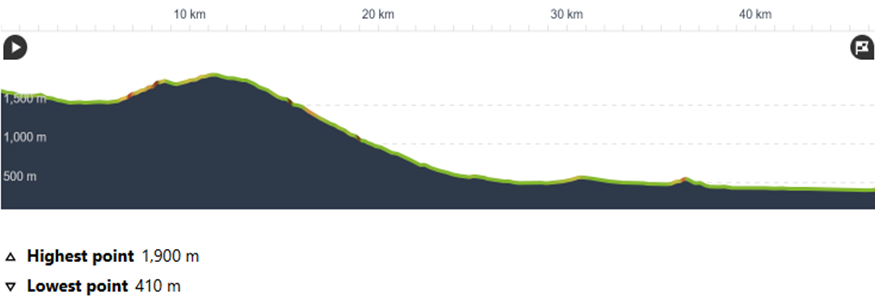
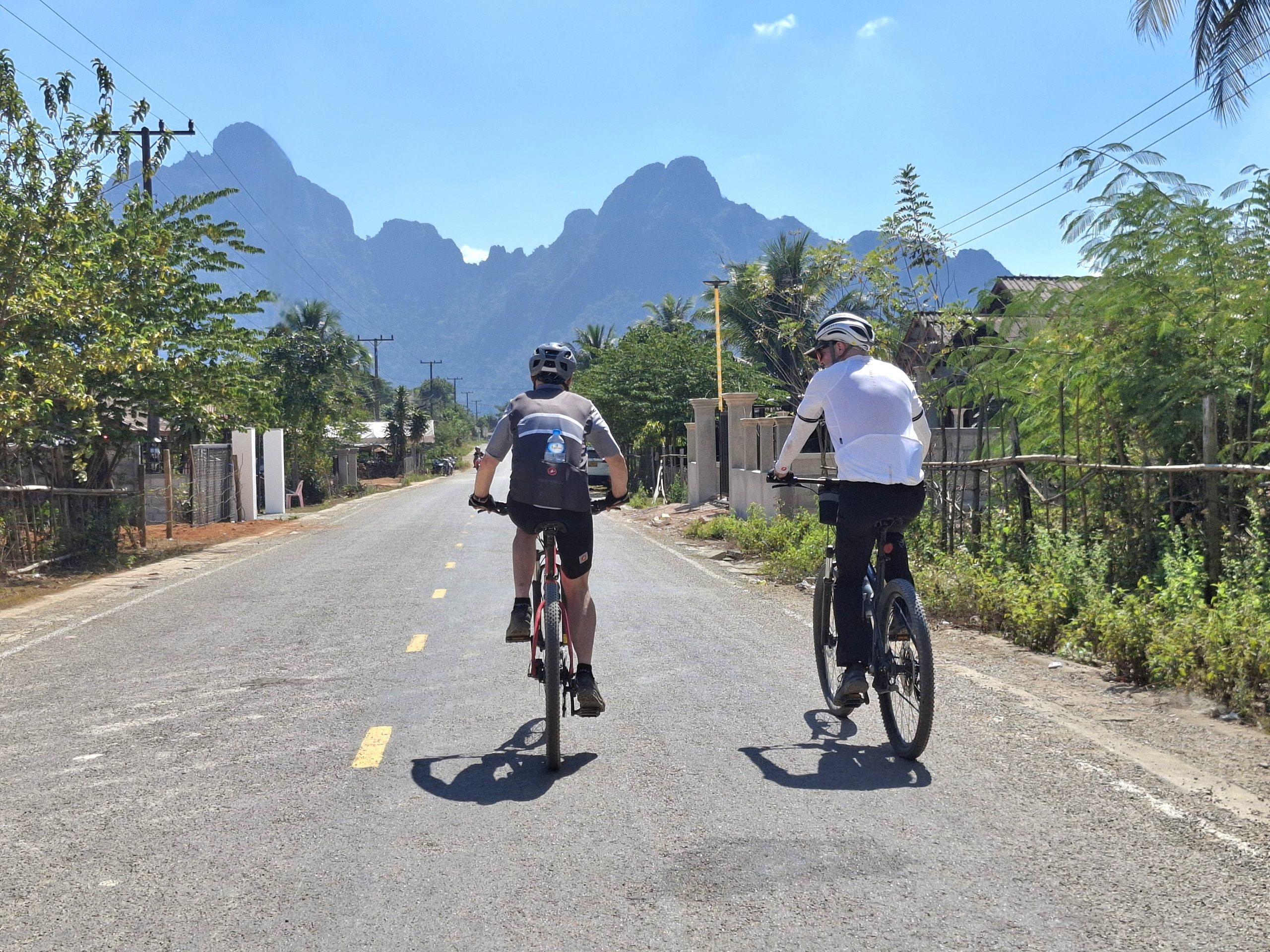
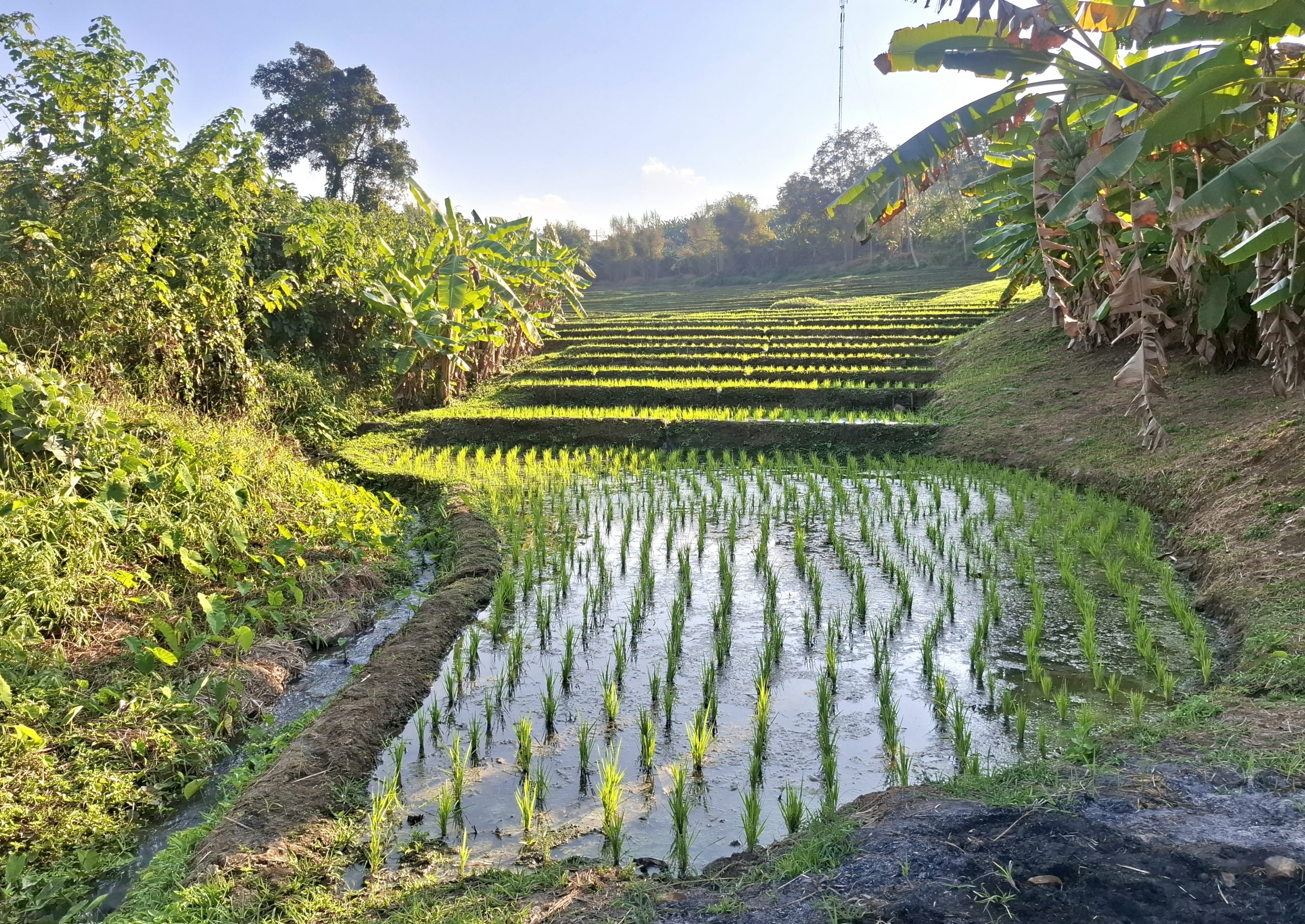
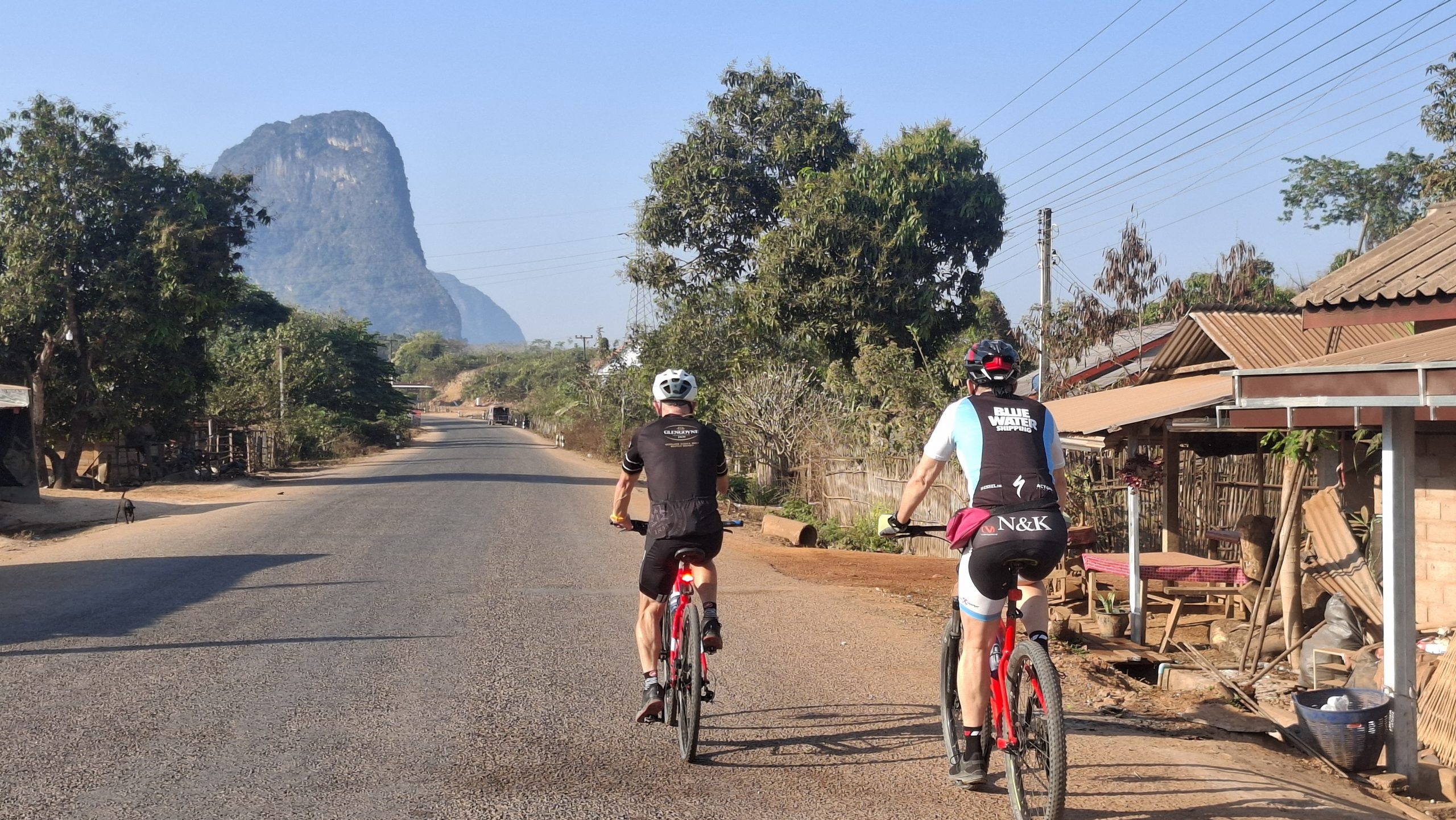
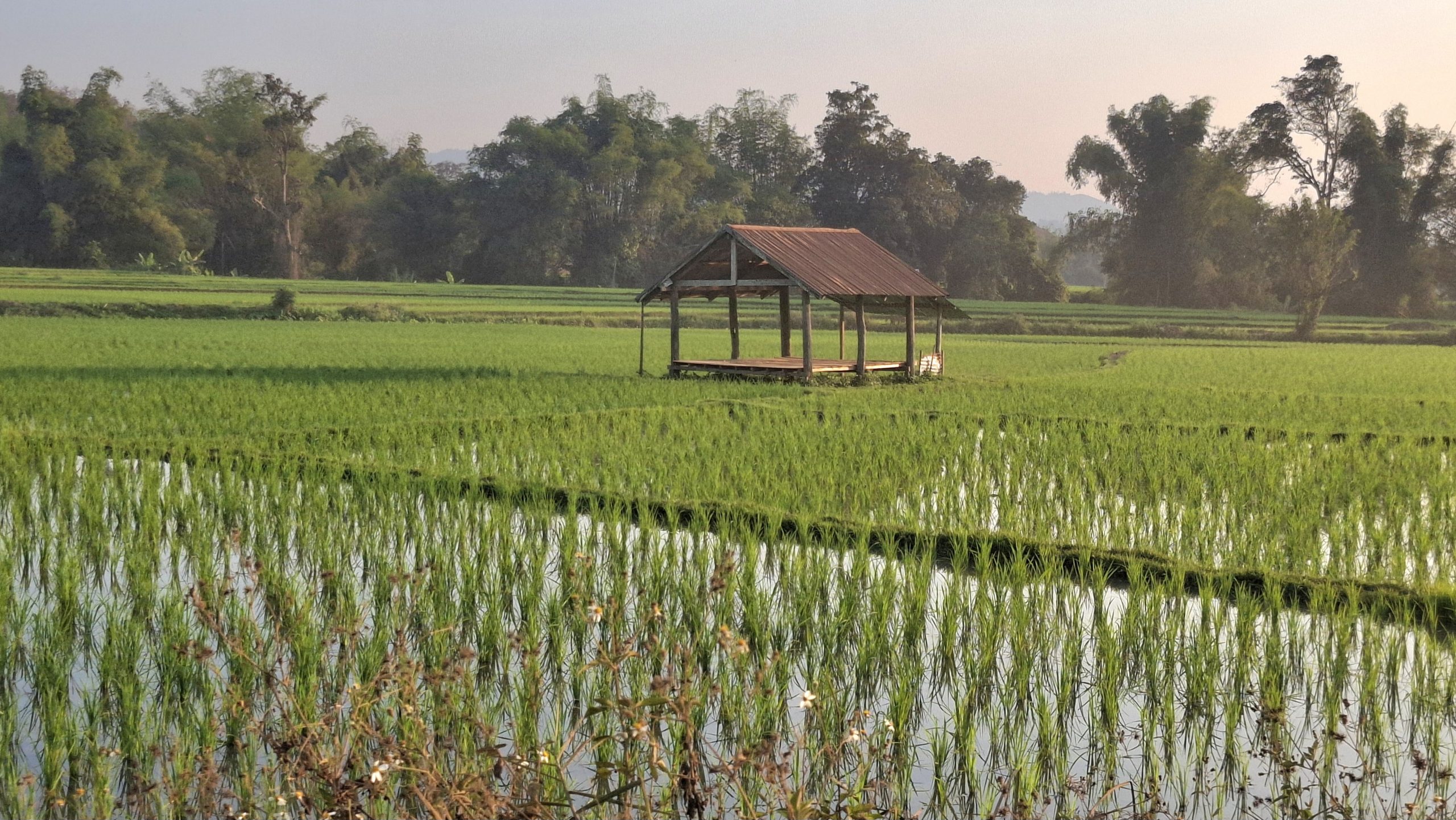
Today’s ride takes us through some of the most iconic landscapes in Laos. Leaving Kasi, the road follows a series of valleys framed by towering limestone mountains and lush green rice fields. The riding is varied but not overly demanding, with a balance of gentle climbs and rolling terrain that keeps the legs moving without the punishing gradients of previous days.
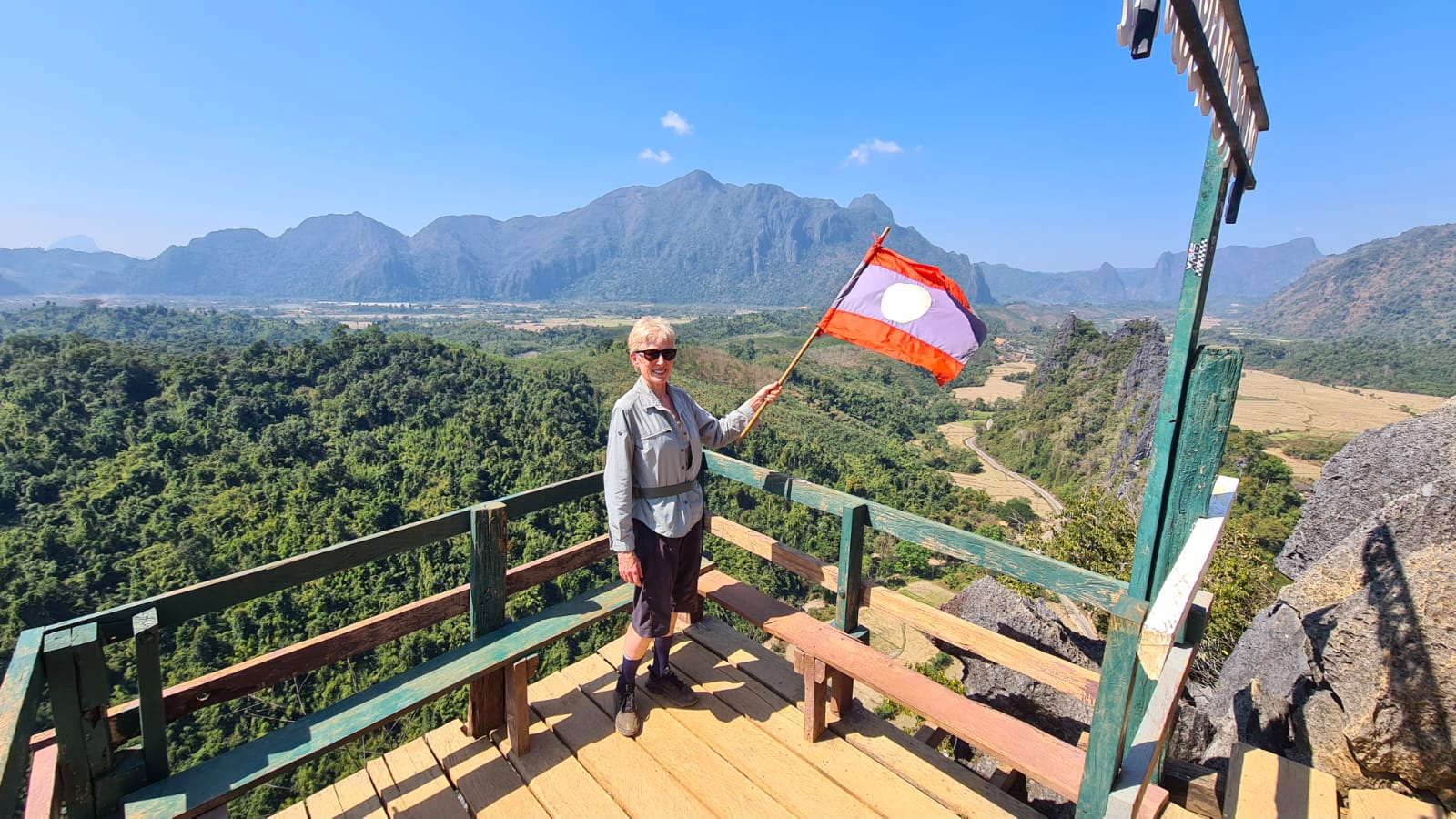
As we approach Vang Vieng, the scenery becomes truly spectacular: jagged karst cliffs rise dramatically from the plain, and the Nam Song River winds its way through the valley. This stretch is one of the most photographed in Laos, and it’s easy to see why—it feels like cycling straight into a postcard.
By afternoon, we arrive in Vang Vieng, a lively riverside town known for its natural beauty and relaxed atmosphere. Once a backpacker hub, it has transformed into a destination for outdoor adventure and serene landscapes. After checking into our hotel, you’ll have time to unwind, perhaps with a drink overlooking the river as the sun sets behind the limestone peaks.
Cycling Distance: 58.3km (36 miles)
Total Climb: 490m (1,607ft)
Total Descent: 660m (2,165ft)
Accommodation: Guest House (B,L,D)
Today is yours to enjoy the natural beauty and relaxed atmosphere of Vang Vieng at your own pace. You may wish to take a leisurely stroll along the Nam Song River, enjoy the view of the dramatic limestone peaks, or relax in one of the riverside cafés.
For those seeking adventure, Vang Vieng offers plenty: you might kayak on the river, explore caves hidden among the karsts, or take a short hike for sweeping views of the surrounding valley. Alternatively, simply rest and recharge—wander the small town, browse local shops, or enjoy a traditional Lao massage.
This pause in Vang Vieng is the perfect opportunity to relax after several days of riding and to prepare for the next stage of our journey south.
Accommodation: Guest House (B)
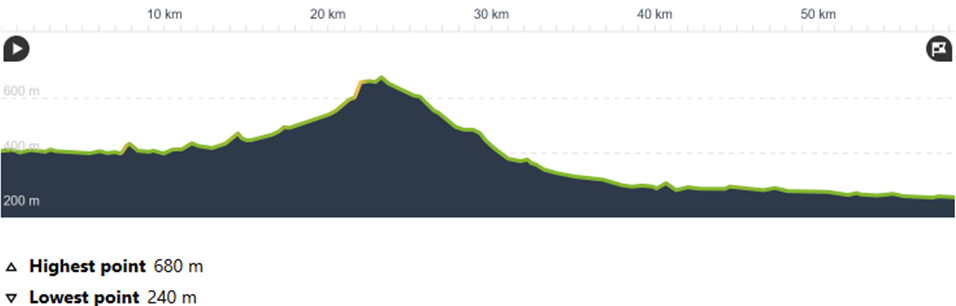
After soaking in the beauty of Vang Vieng, we set out on a quieter stage that follows the Nam Song River before heading deeper into rural Laos. The ride begins with dramatic views of Vang Vieng’s famous limestone karsts fading into the distance as we follow a more peaceful road south.
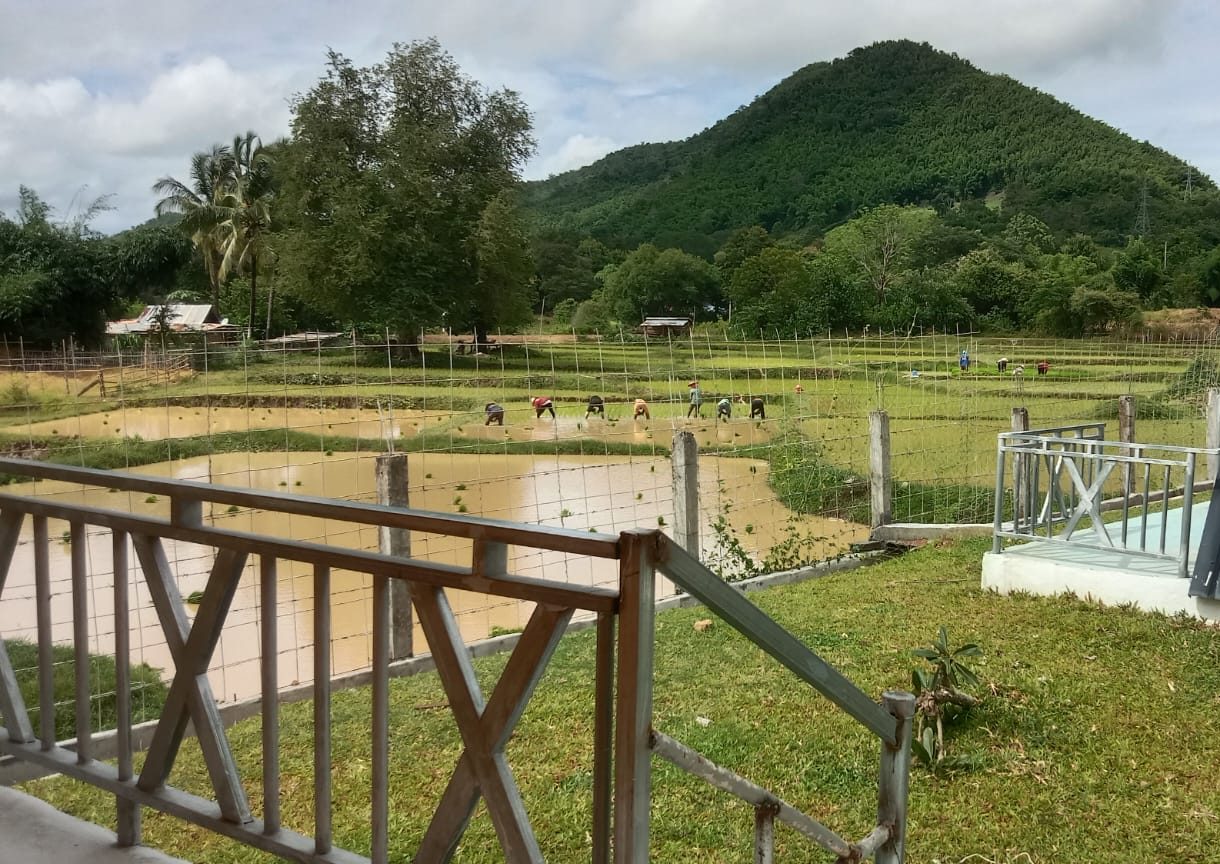
The terrain today is undulating but never extreme—rolling hills, river crossings, and stretches of open farmland framed by jungle-covered mountains. With less traffic, the pace feels relaxed, and the scenery shifts between rice paddies, bamboo groves, and small stilted villages where life moves at a gentle rhythm.
By afternoon, we arrive in Muang Feuang, a small riverside town set against a backdrop of mountains and winding waterways. Far removed from the bustle of Vang Vieng, it’s a place where sunsets linger over the river and evenings are spent in simple, laid-back surroundings.
This stage offers a balance of rewarding riding and cultural immersion, setting us up perfectly for the next part of the journey.
Cycling Distance: 91km (56 miles)
Total Climb: 720m (2,362ft)
Total Descent: 740m (2,427ft)
Accommodation: Guest House (B,L,D)
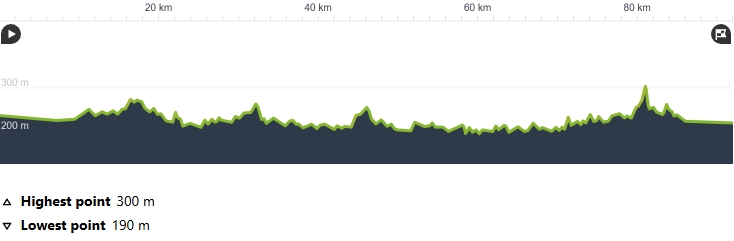
We continue south today, cycling deeper into rural Laos on a stage that blends quiet roads, rolling hills, and authentic village life. Leaving Muang Feuang, the morning ride follows gentle terrain along the river before climbing gradually into low hills covered with jungle and farmland.
This is a day where the beauty is found in the details: wooden stilt houses shaded by banana trees, farmers working in rice paddies, and children running out to greet passing cyclists. The pace is steady, with undulating climbs and descents that keep the ride varied but never extreme.
By afternoon, we arrive in Ban Vang, a small community surrounded by farmland and dramatic limestone ridges. Removed from the bustle of larger towns, Ban Vang offers a glimpse into everyday rural life, where the rhythm is set by the river and the fields. It’s a tranquil stopover, giving us a chance to rest and prepare for the final stages of our journey.
Cycling Distance: 89km (55 miles)
Total Climb: 590m (1,935ft)
Total Descent: 610m (2,001ft)
Accommodation: Guest House (B,L,D)
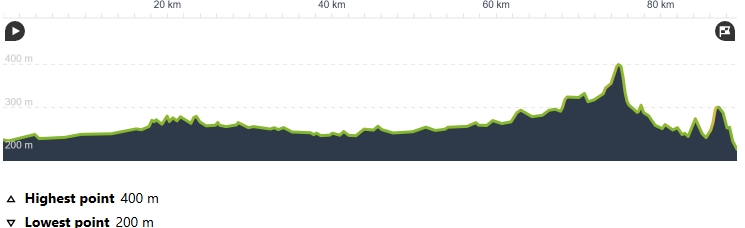
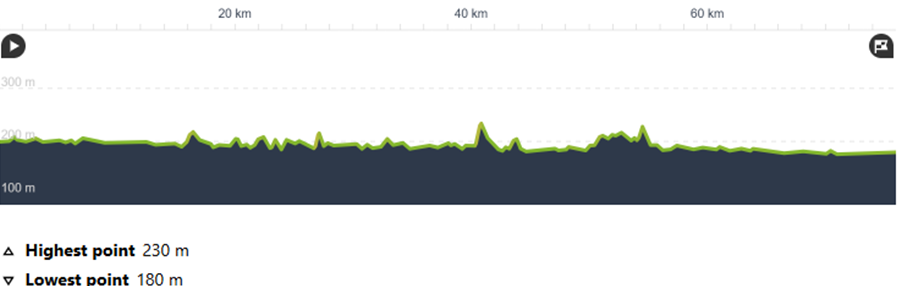
After breakfast, we set off on our final day of cycling, following the main road that gently winds alongside the Mekong River. This peaceful stretch offers panoramic views across the water to Thailand on the opposite bank, with glimpses of riverside villages, fishing boats, and lush vegetation along the river’s edge. The route is mostly flat with a few gentle undulations, allowing us to enjoy the scenery at a relaxed pace.
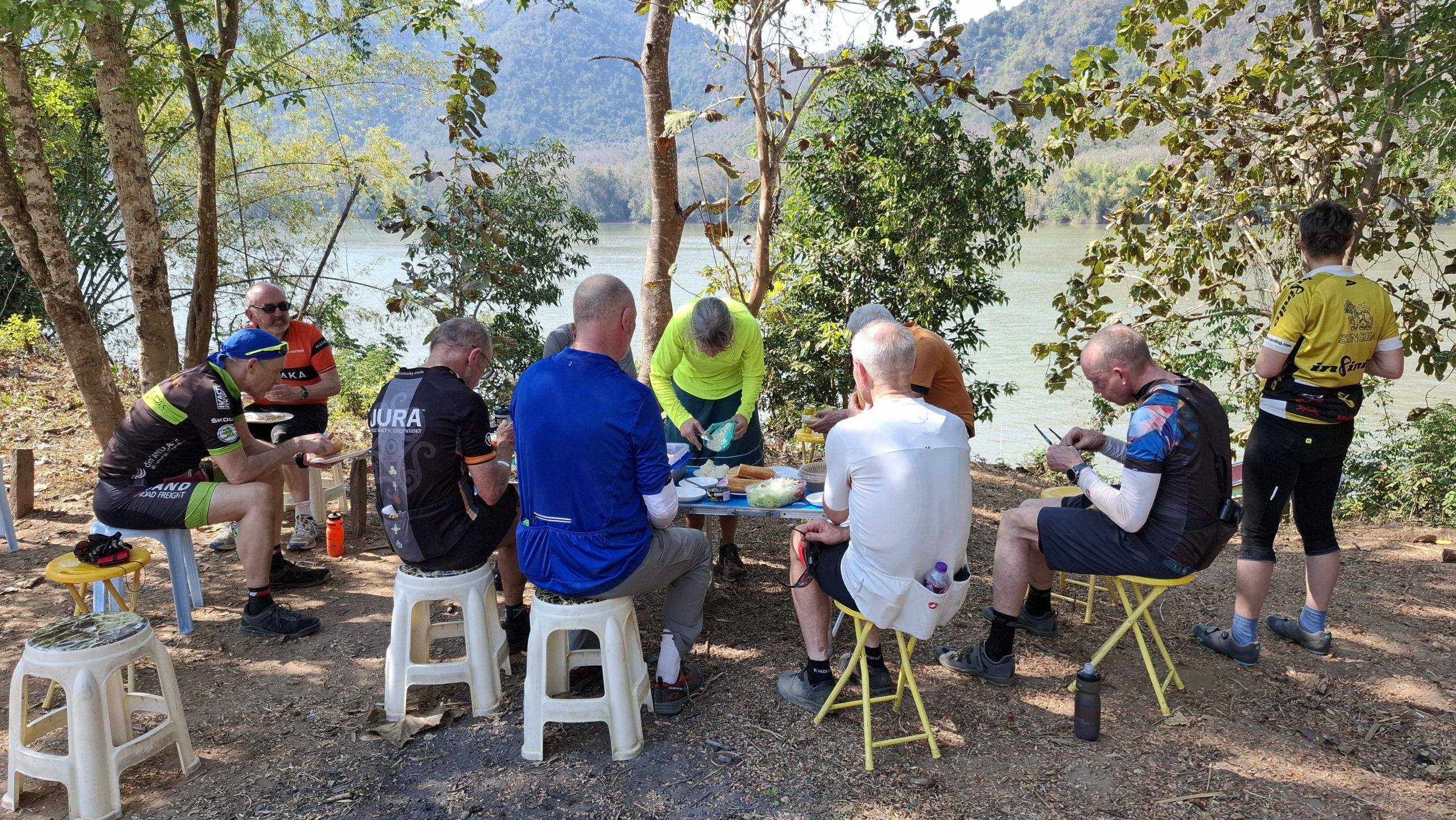
By midday, we arrive in Ban Pak Ton, where we enjoy a celebratory lunch beside the river. From here, we transfer the last 45 km into Vientiane, the laid-back Lao capital. With its blend of golden temples, French colonial villas, and bustling riverside cafés, Vientiane provides the perfect place to conclude our journey.
Cycling Distance: 76km (47 miles)
Total Climb: 490m (1,607ft)
Total Descent: 510m (1,673ft)
Accommodation: Guest House (B,L,D)
Enjoy your final morning at leisure in Vientiane before your airport transfer. If time allows, take the opportunity to explore the laid-back charm of Laos’ capital city. You might visit Pha That Luang, the country’s most important national monument, or admire the colonial architecture and riverside views along Fa Ngum Road.
Tour Status Definitions
Booking & Payments
Small Group Note
For groups of fewer than four participants, the guide may lead from the support vehicle rather than cycling with the group, ensuring full logistical and guiding support.
Fully supported cycling holiday
Meal Key (used in the itinerary)
Tour Start
Tour End
Flights
Meals on Tour
Most meals are included in your tour price, except on rest days and a few other occasions.
Please check the itinerary for all meals provided.
Dietary Requirements
If you have any special dietary needs, please let us know at the time of booking.
We can cater for most diets, but advance notice is essential to ensure the best experience.
Support Vehicle
On-Ride Support
Helmet Policy
For this tour we have Trek Marlin 5, 6 and 7 bikes and Kaze e-bikes, all in a range of sizes.
What’s Included with Bike Hire
Customising Your Bike

Yes, this tour is suitable for most types of bikes.
Pre-trip bike servicing
We strongly recommend having your bike fully serviced before travelling. Please make sure:
What to bring
We recommend packing the following essential items:
Travelling with your bike
The official currency in Laos is the Lao Kip (LAK). All purchases—whether in shops, restaurants, or markets—must be made in Kip. Foreign currencies like USD or Thai Baht may be accepted in limited tourist spots, but Kip is essential throughout the tour.
What to Bring
Where to Exchange
Spending Money
We suggest budgeting around £180–£220 / $230–$280 for the 10-day tour, depending on how much you spend on drinks, souvenirs, and optional extras.
Staff Tipping
Travel Insurance
Mandatory for all participants and must cover:
Health & Vaccinations
Staying Hydrated on Hot Rides – 6 Tips for Cyclists
As a cycling company, we know how important proper hydration is—especially when you’re out riding in hot conditions. Below are some general hydration tips that riders find helpful for staying fuelled and feeling strong on the bike.
Please note: We are not medical professionals and this information should not replace advice from a qualified healthcare provider. Each cyclist is different, so if you have specific health concerns or conditions, it is always best to consult your doctor and adhere to their advice.
1. Prioritize Gut Health
2. Time Your Hydration
3. Hydrate Beyond Water
4. Don’t Forget the Minerals
5. Absorb Water Better
6. Keep Your Electrolytes in Check
This is a flexible guide — please tailor it to your own needs. The weather is typically warm and humid, so lightweight cotton clothing is ideal.
Cycling Essentials
Clothing
Personal Gear
SIM Cards & Mobile Data
Cultural Advice for Tourists
Laos is a welcoming and peaceful country, but understanding local customs will enhance your experience and help you travel respectfully.
Respect for Religion
Greetings & Behaviour
Visiting Homes & Villages
Festivals & Traditions
Dining Etiquette
Environmental & Social Respect
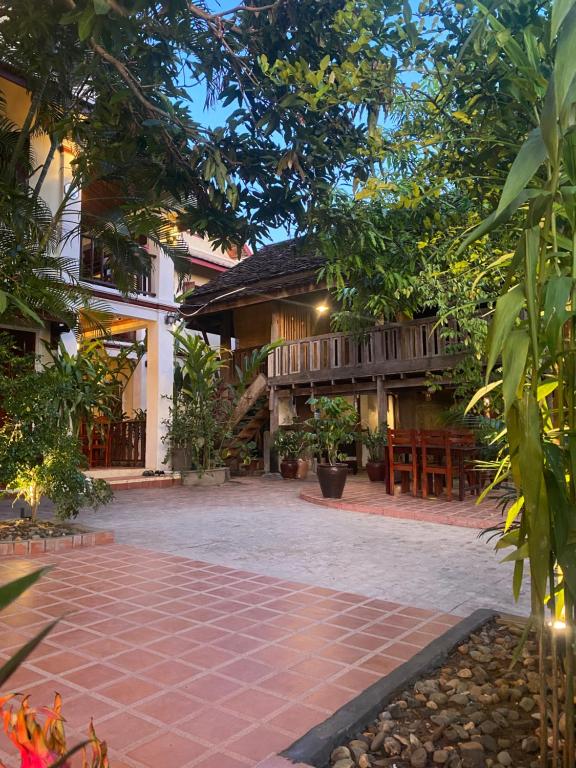
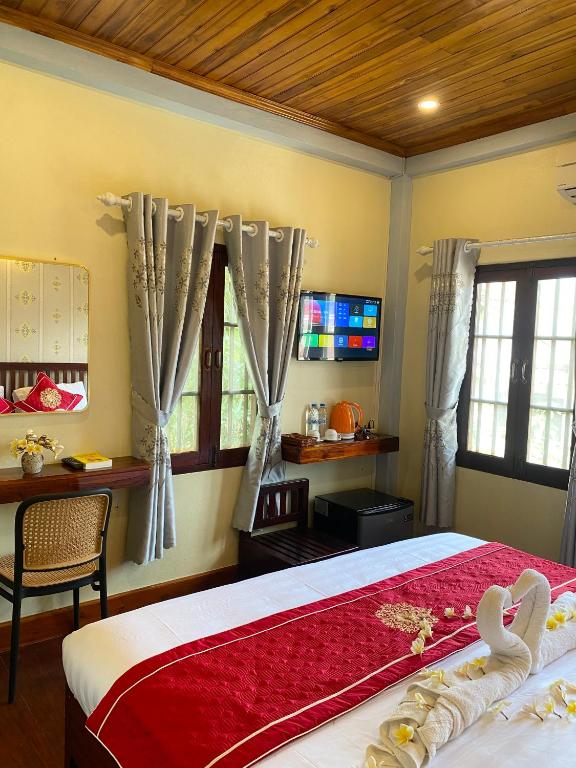
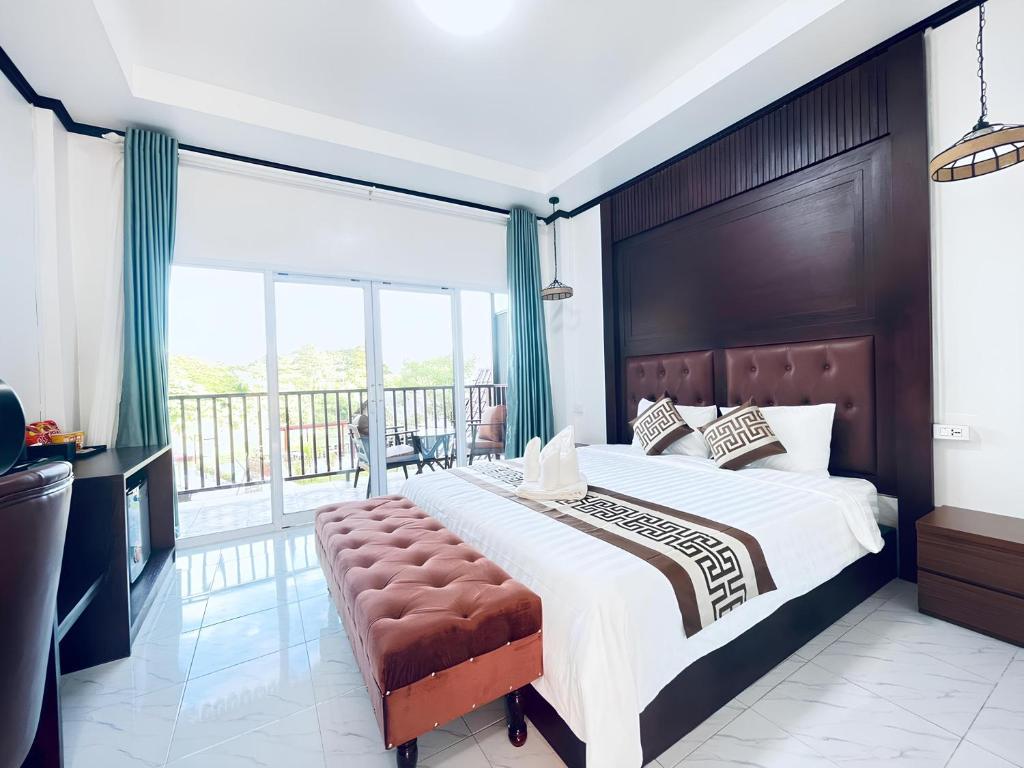
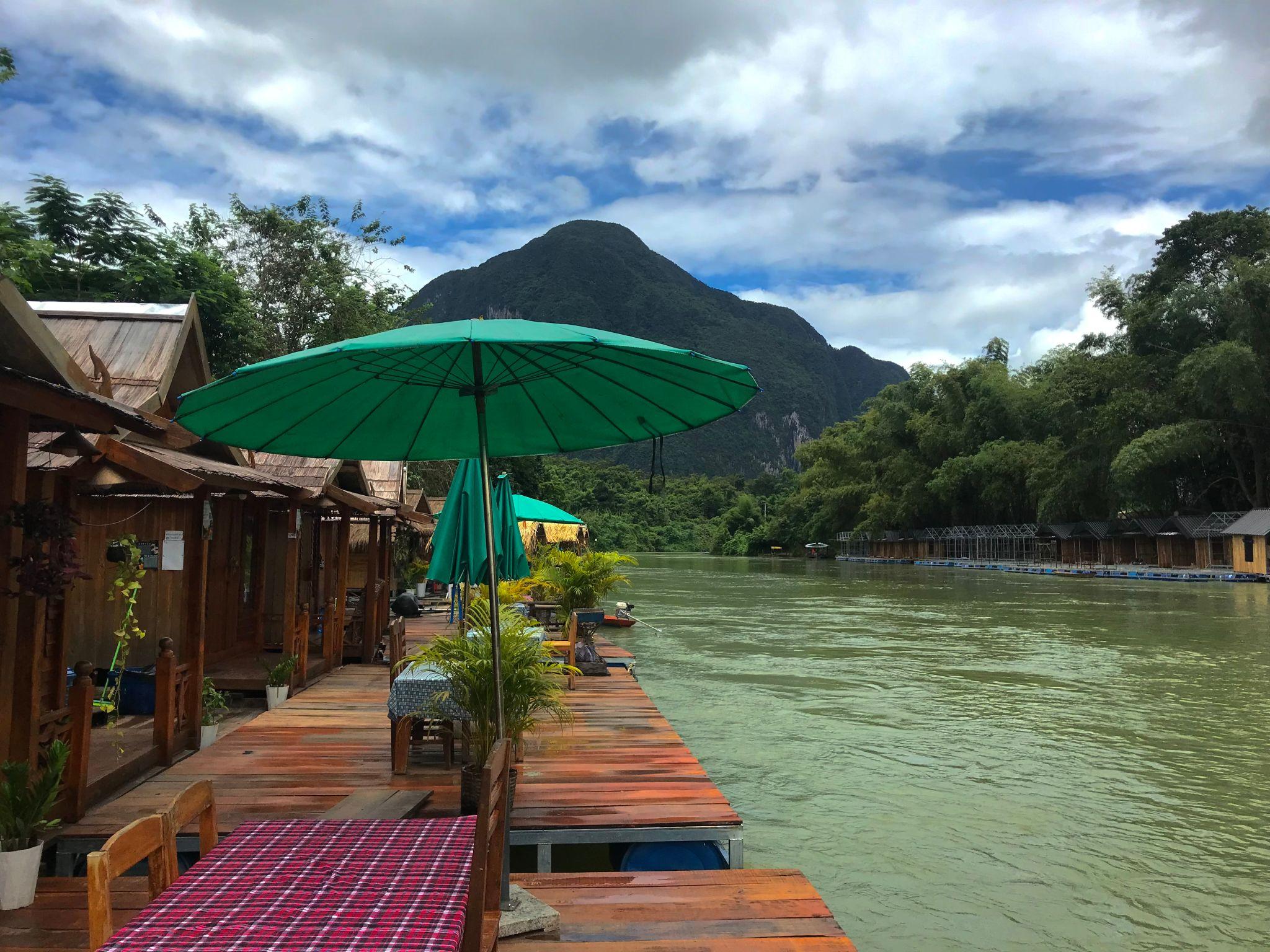
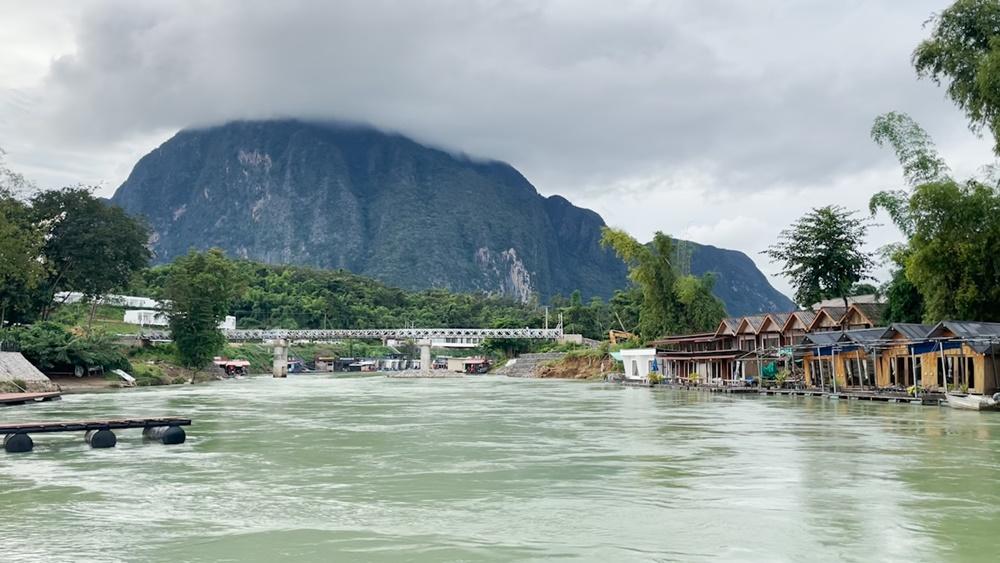
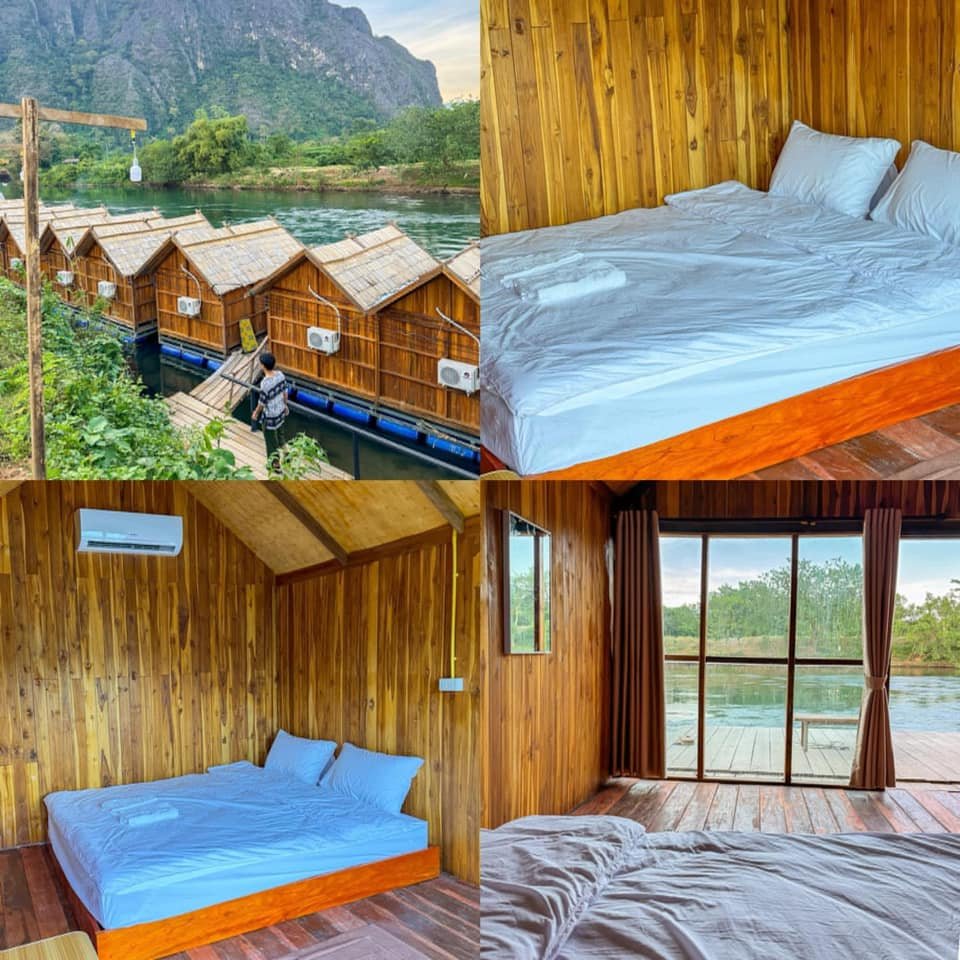
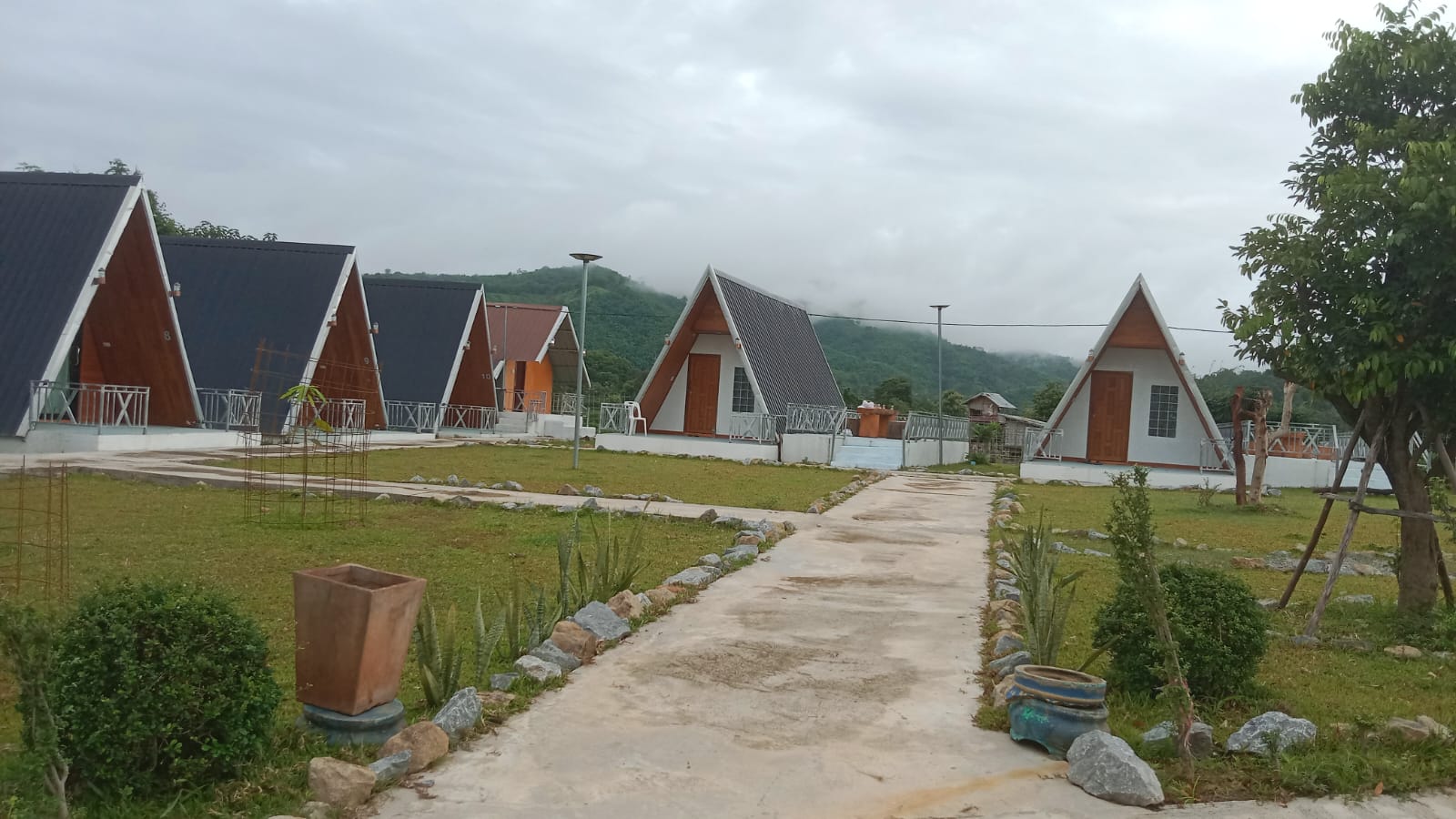
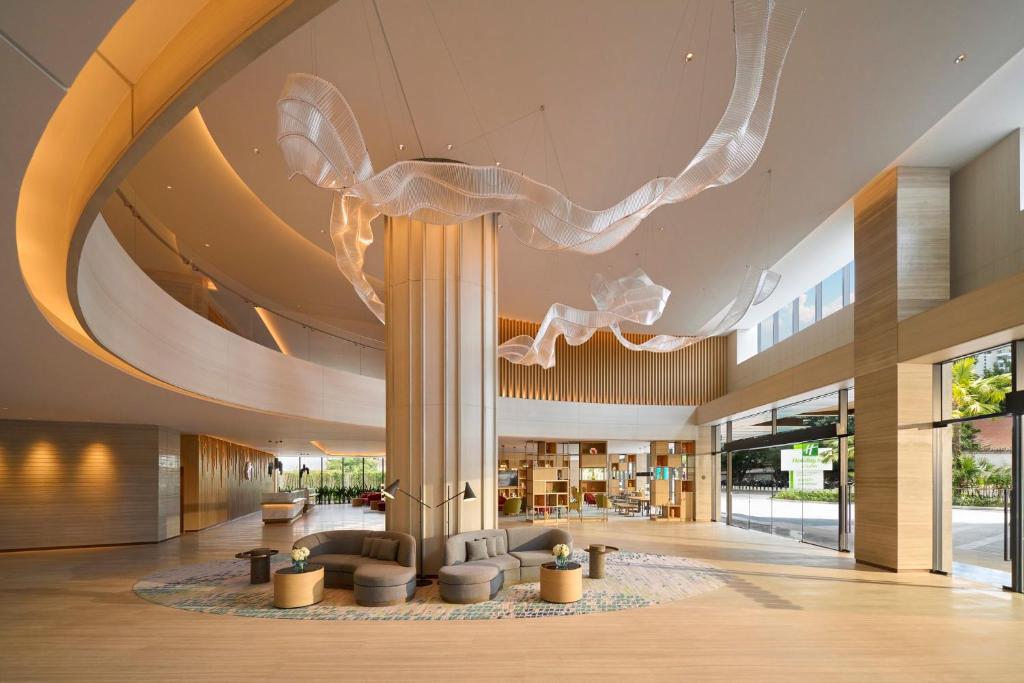
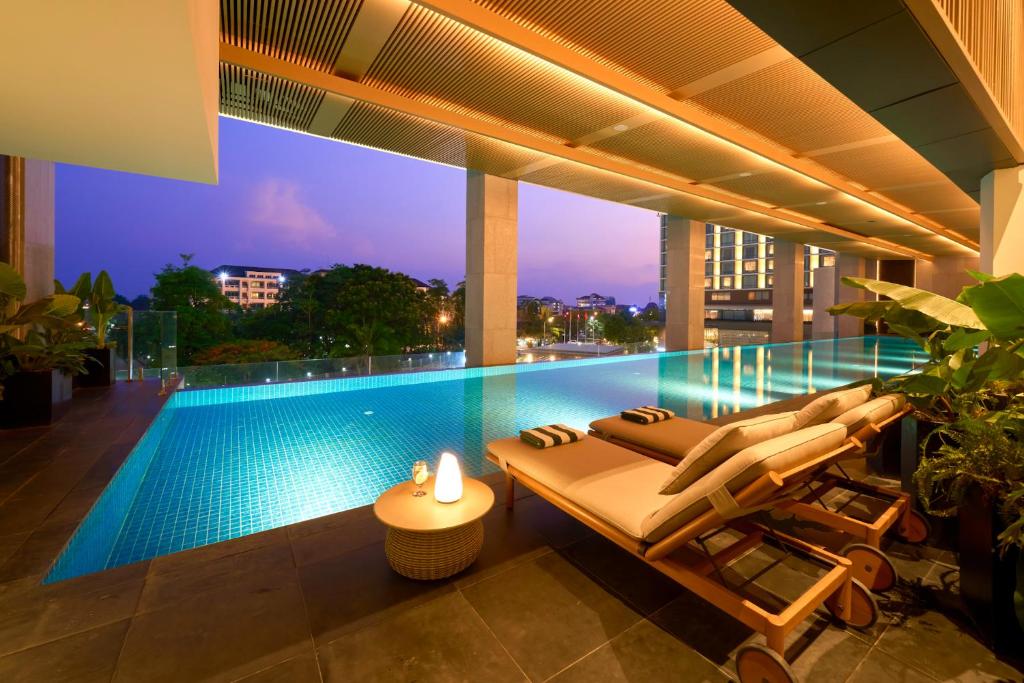
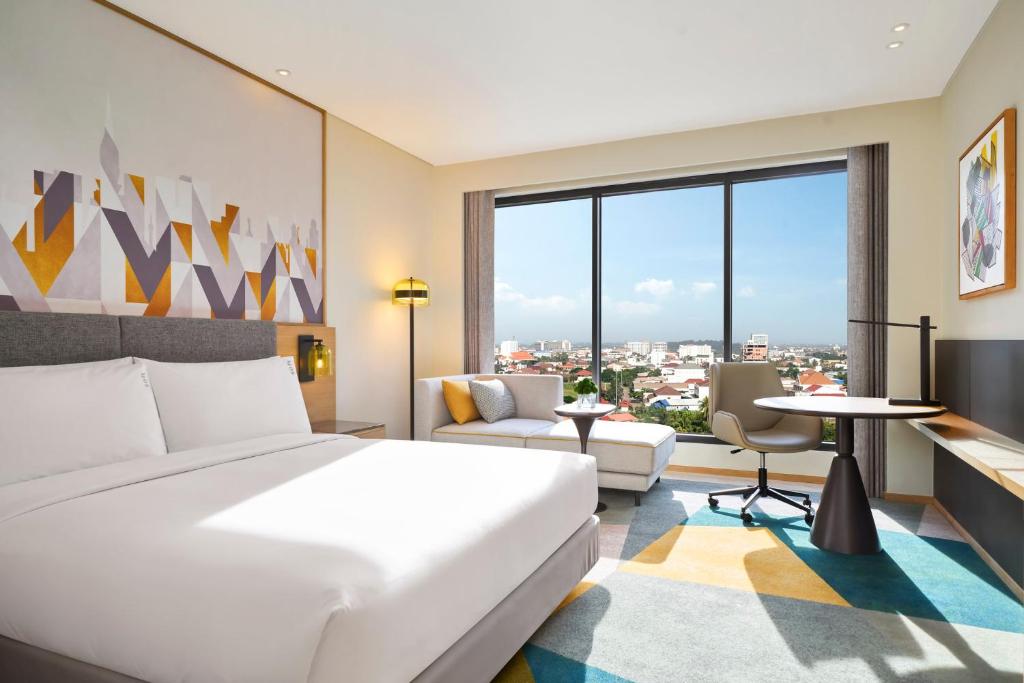
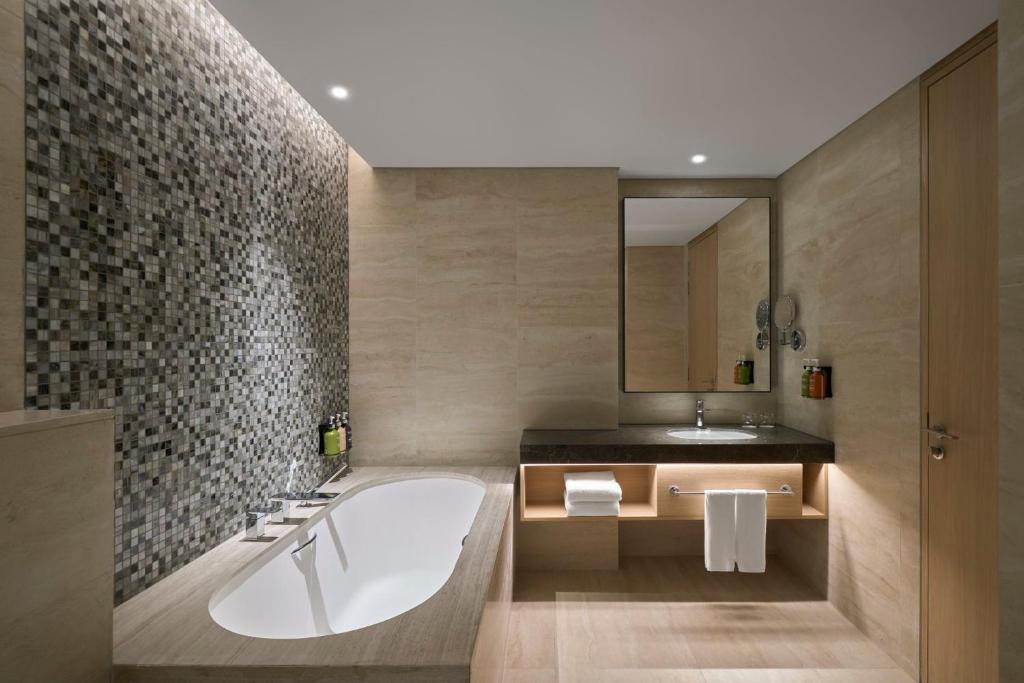
This tour offers a good level of comfort throughout northern Laos, using a mix of boutique hotels, peaceful riverside properties and friendly local guesthouses.
Early in the journey we stay at Sanctuary Pakbeng, a well-regarded riverside lodge overlooking the Mekong. In Luang Prabang nights are spent at Golden Sun Boutique, a modern and comfortable hotel offering clean rooms and good facilities.
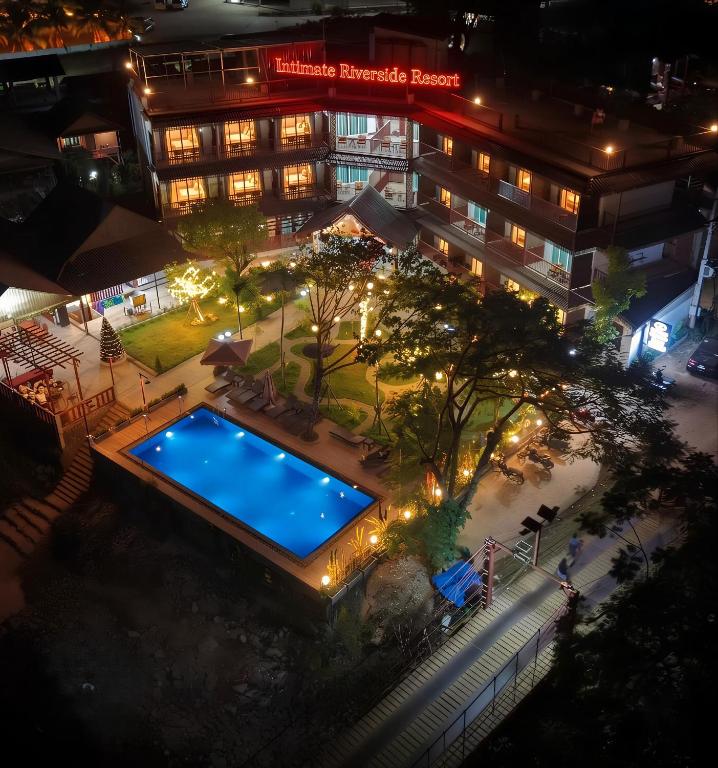
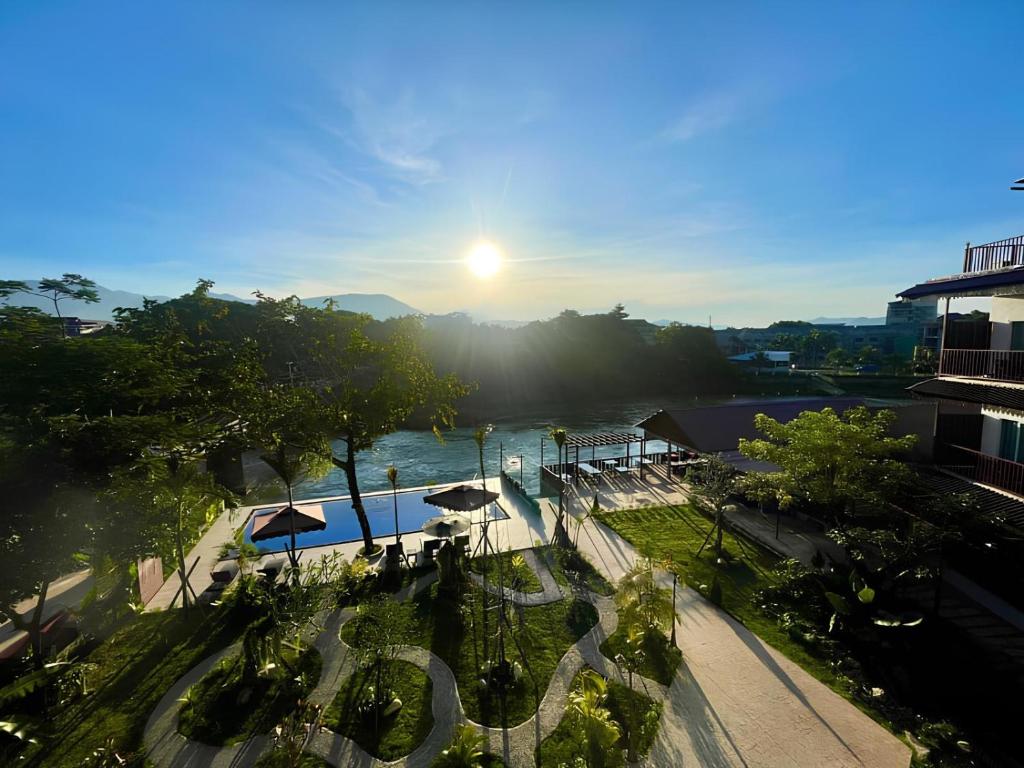
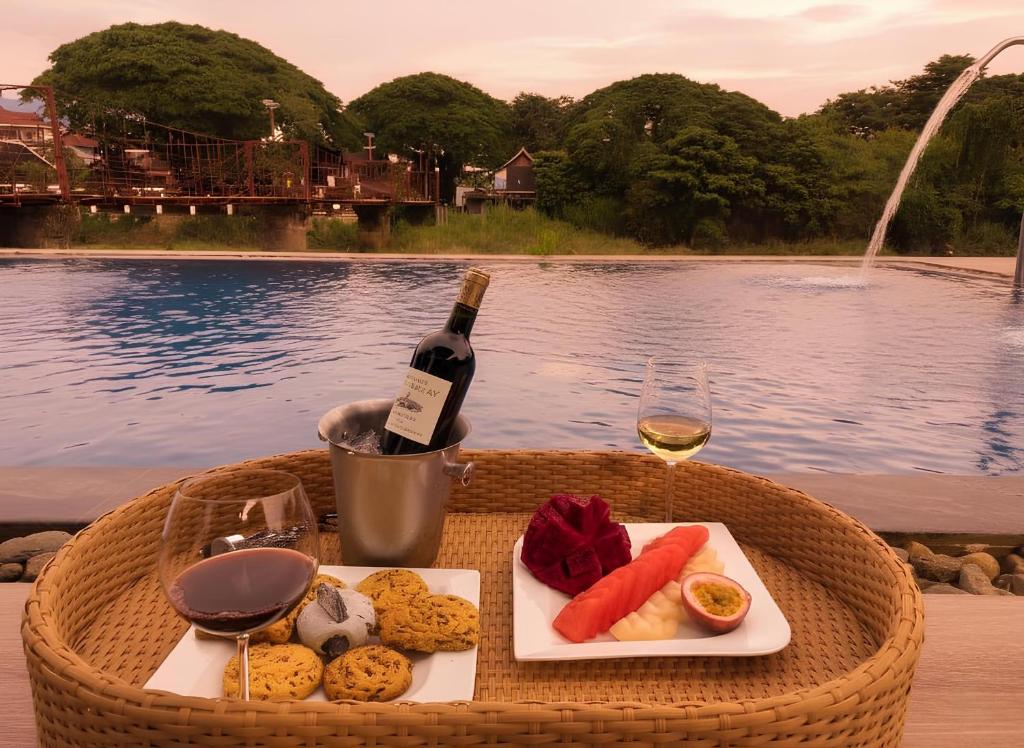
As we ride through remote valleys and smaller towns, accommodation includes simple but welcoming guesthouses such as Sokphaikham Guesthouse, Somchit Guesthouse, Sinsoda Guest House and similar local properties — all chosen for cleanliness, warmth and authentic Lao hospitality. In Vang Vieng we enjoy upgraded comfort at the Intimate Riverside Resort, with spacious rooms and a peaceful setting beside the Nam Khan River. The tour concludes in Vientiane at the upmarket Holiday Inn Hotel.
Expect:
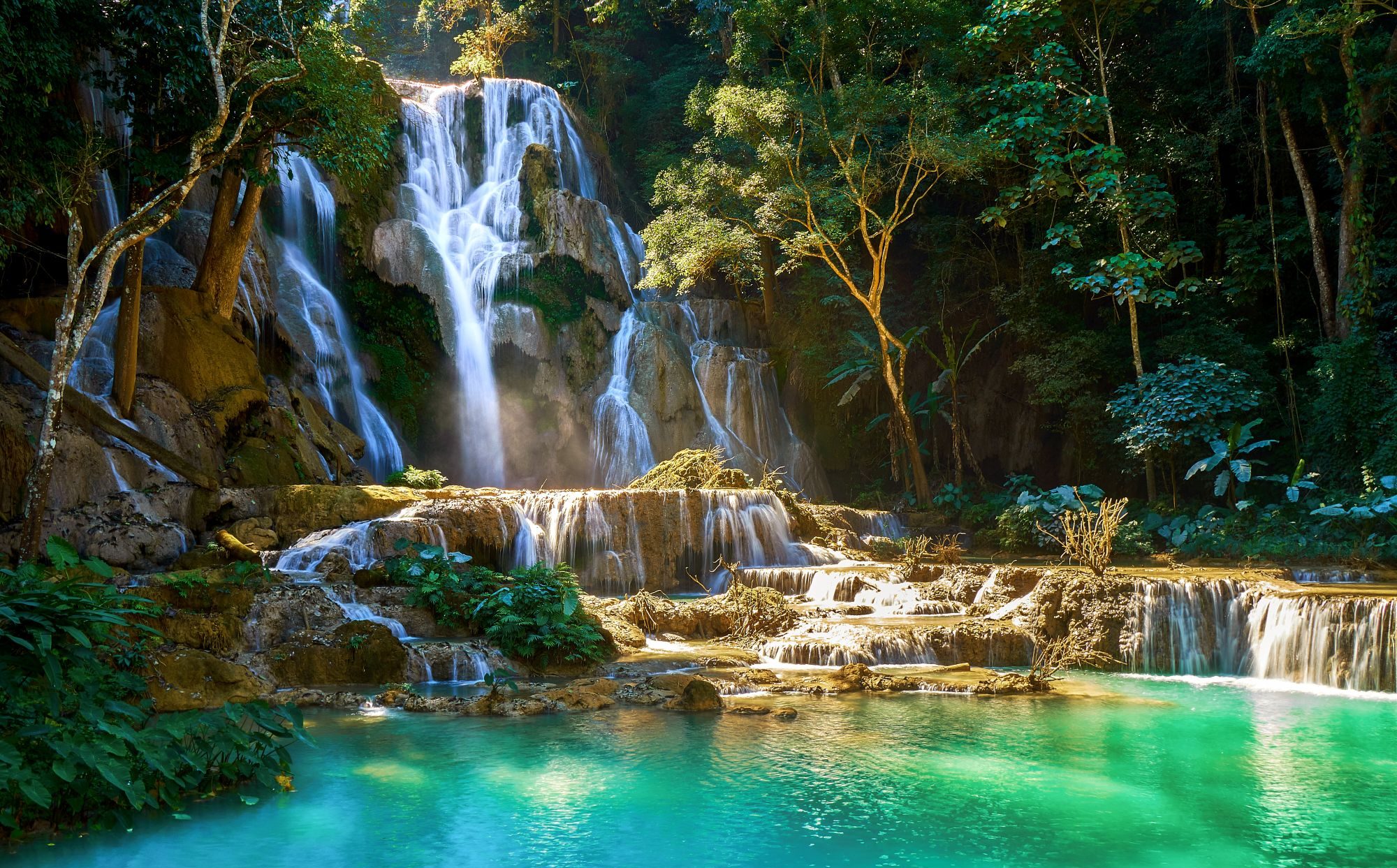
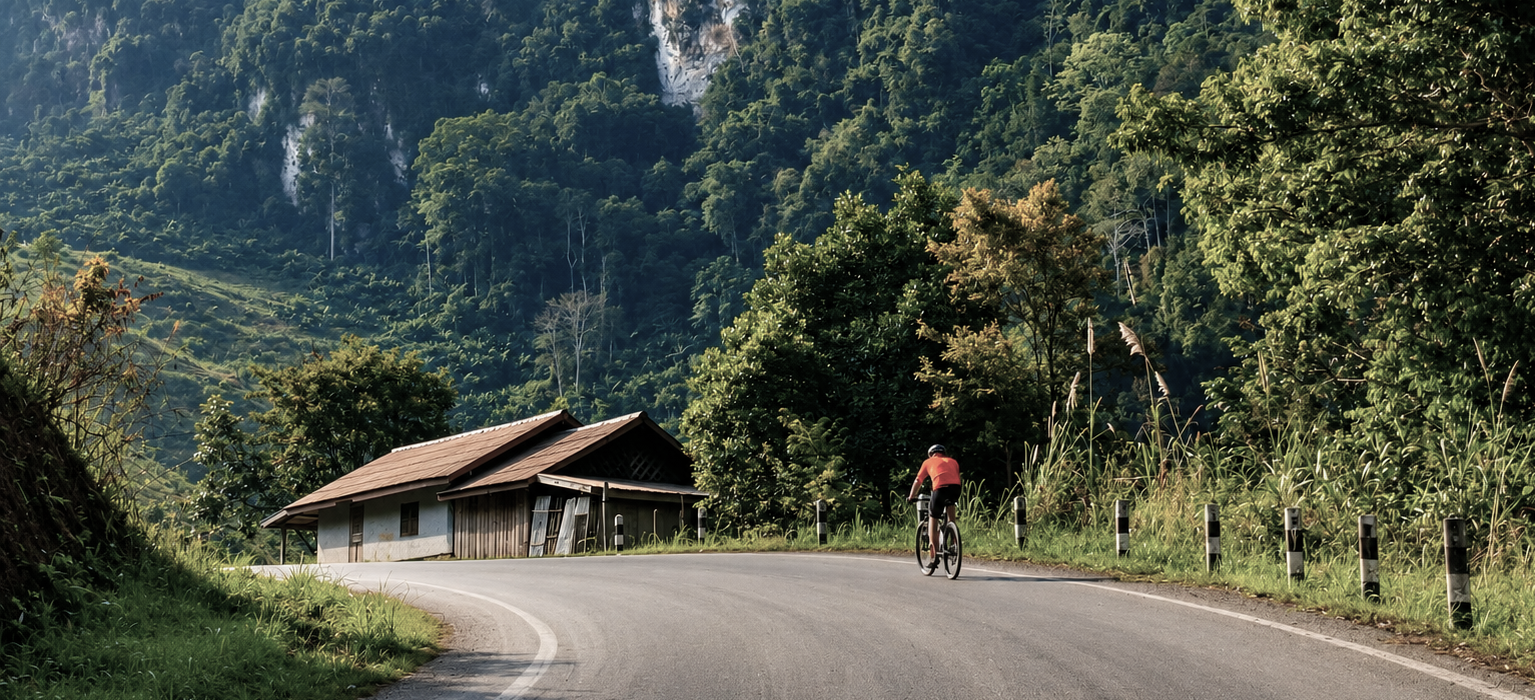
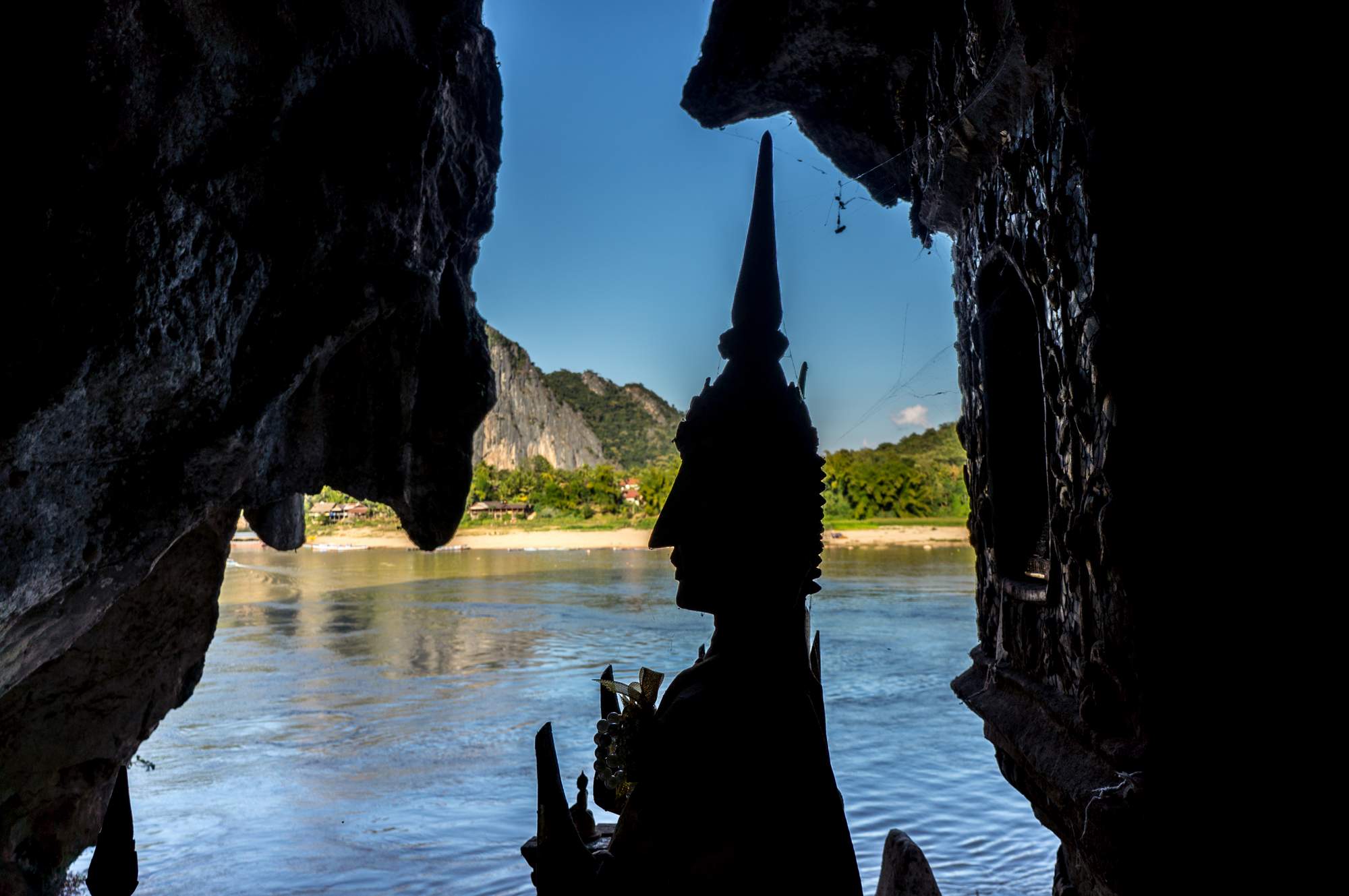
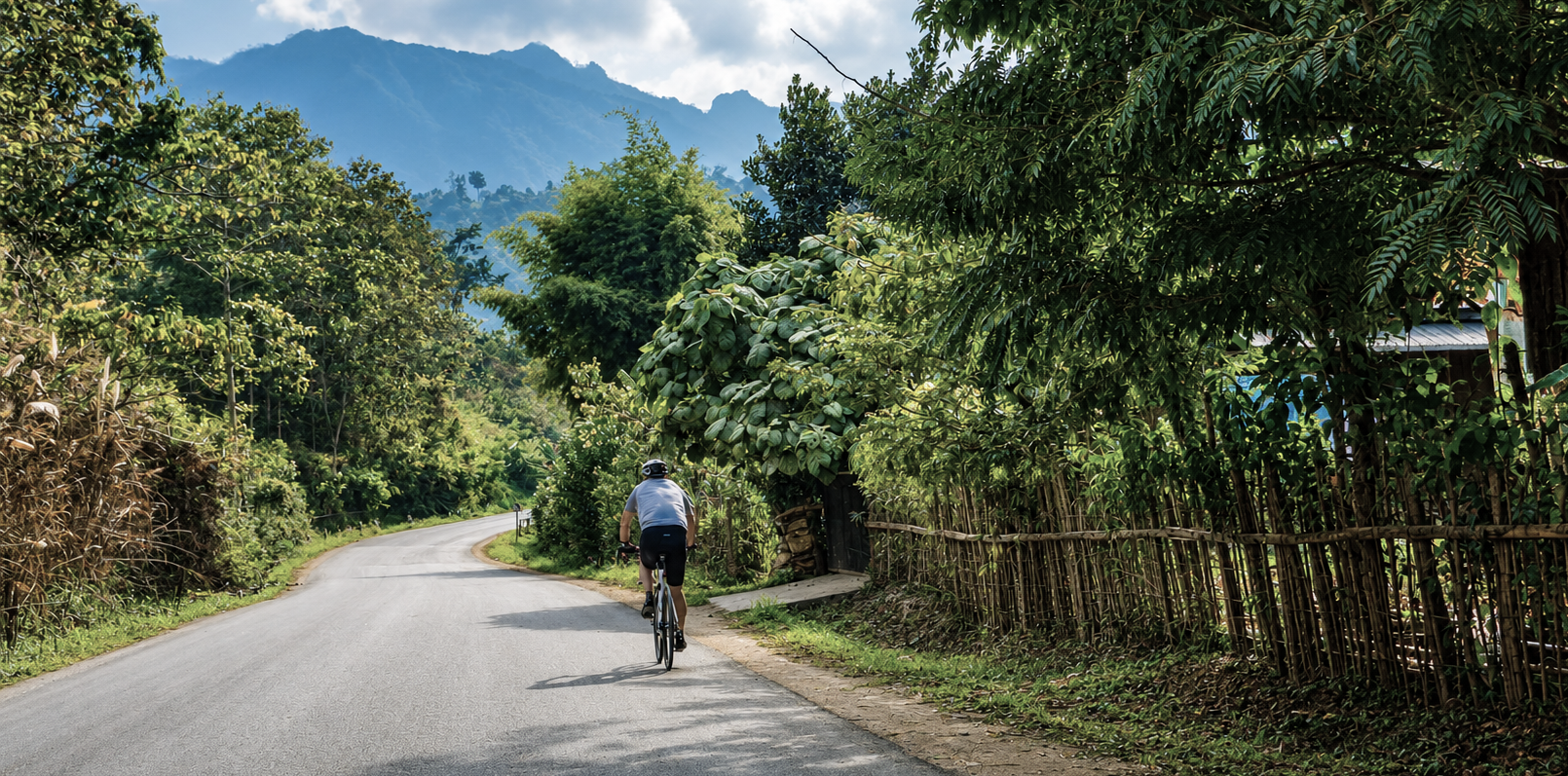
Here are a selection of photos for our ‘Laos’ Cycling holiday.

Here are a selection of videos for our ‘Laos’ Cycling holiday.