

Cambodia
Cycle Cambodia from Phnom Penh to Angkor, exploring rivers, coastlines, temples and rural Khmer life on this immersive adventure.

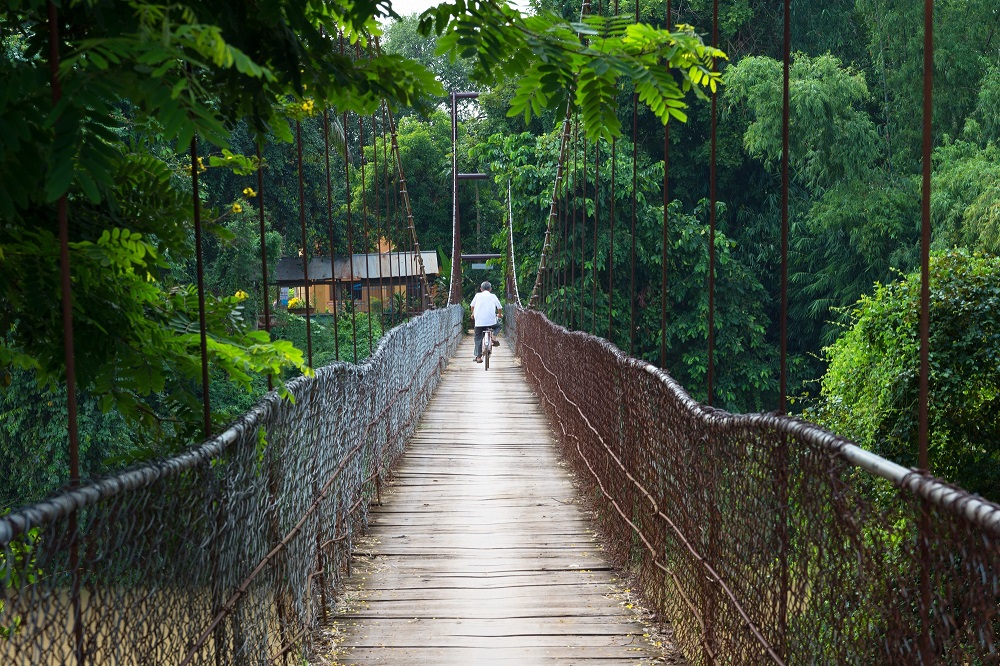
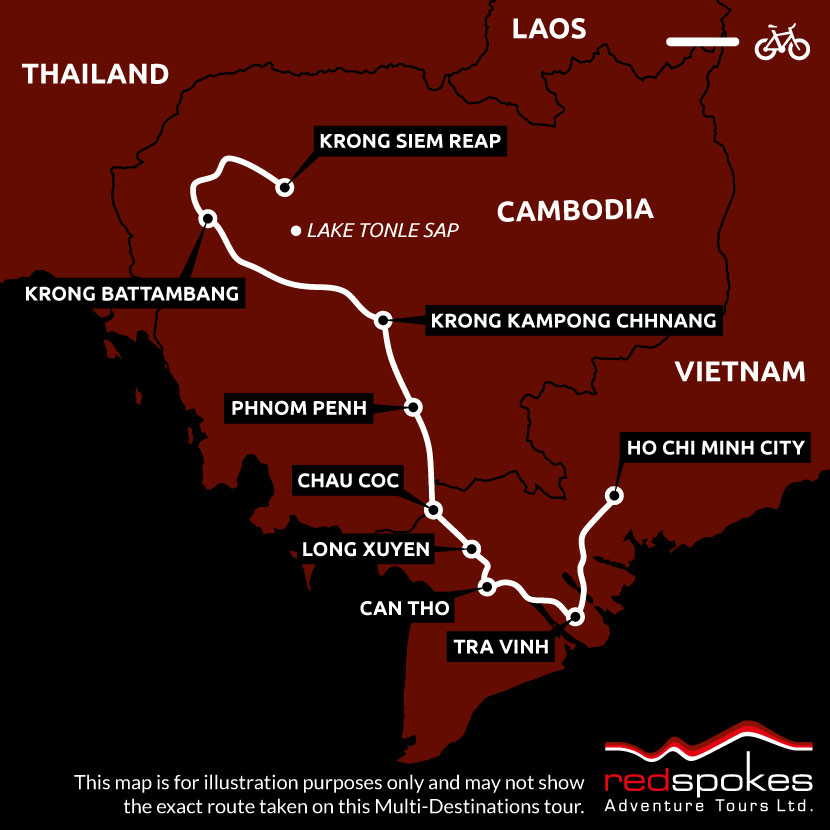
This unforgettable cycling journey begins in Siem Reap, exploring the magnificent Angkor temples, including Angkor Wat and Ta Prohm, before riding through rural Cambodia’s paddy fields, villages and lakeside landscapes. Along the way, experience vibrant markets, traditional crafts and the warm hospitality that defines everyday life in this captivating country.
Crossing into Vietnam, the route continues through the lush Mekong Delta, where floating markets, coconut groves and winding waterways shape the scenery. Visits to Chau Doc, Can Tho, Ho Chi Minh City and the Cu Chi Tunnels add historical depth, creating a richly varied adventure that blends active exploration with cultural discovery across two remarkable nations.
UNESCO World Heritage site, Angkor Archaeological park in Cambodia is the largest religious monument in the world, spread over 400 km². Angkor’s iconic presence has come to symbolize Cambodia itself. The park contains the ruins of buildings form the 9th – 15th ancient capitals of Cambodia. Angkor Wat (Capital Temple) was originally a Hindu temple dedicated to Vishnu built for the Khmer King Suryavarman in the early 12th century as his state temple and eventual burial chamber. It transformed into a Buddhist temple toward the end of the 12th century. It is the best-preserved temple at the site, and the only one to have remained an important religious site since its foundation. The temple is built in a high classical style of Khmer architecture.
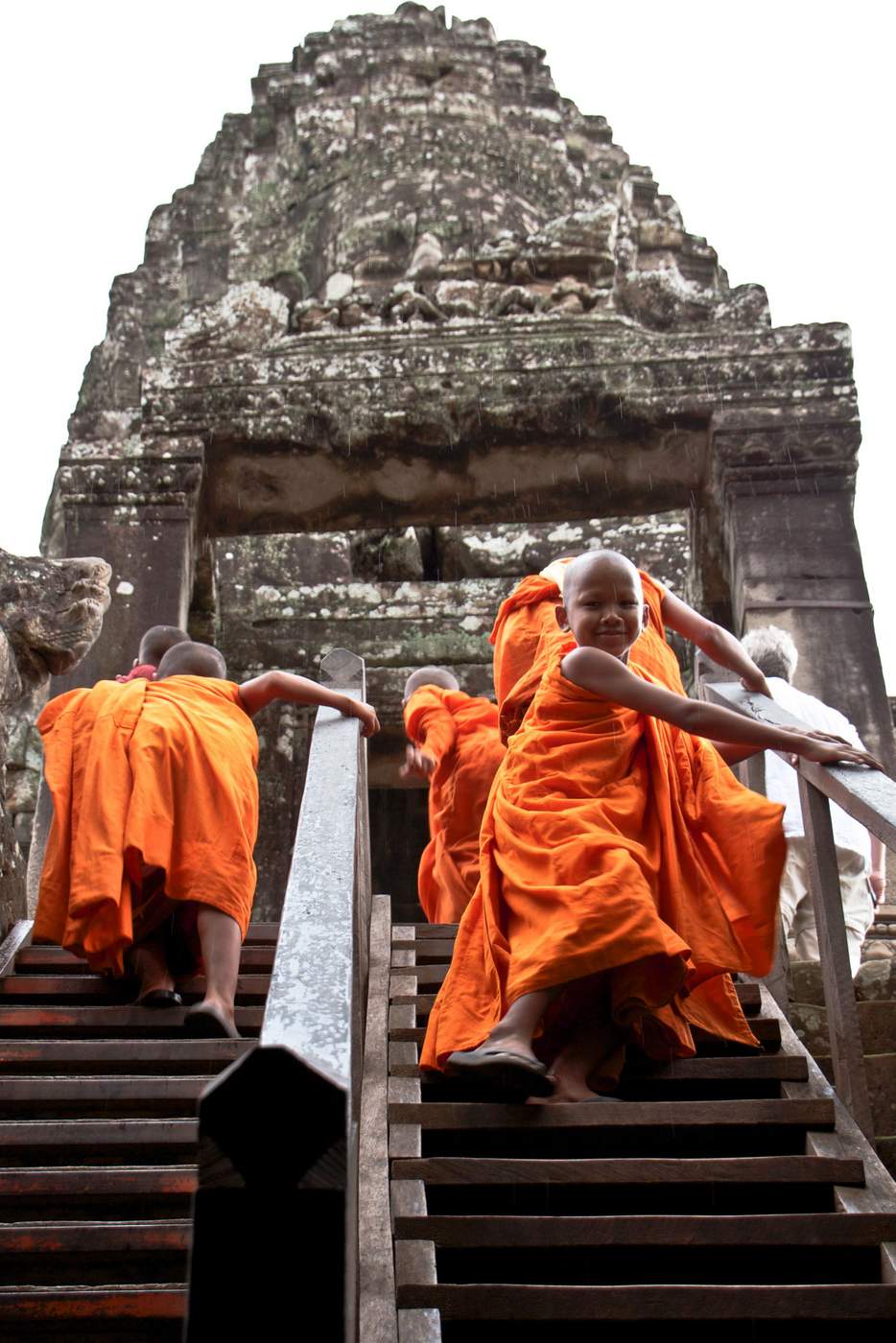
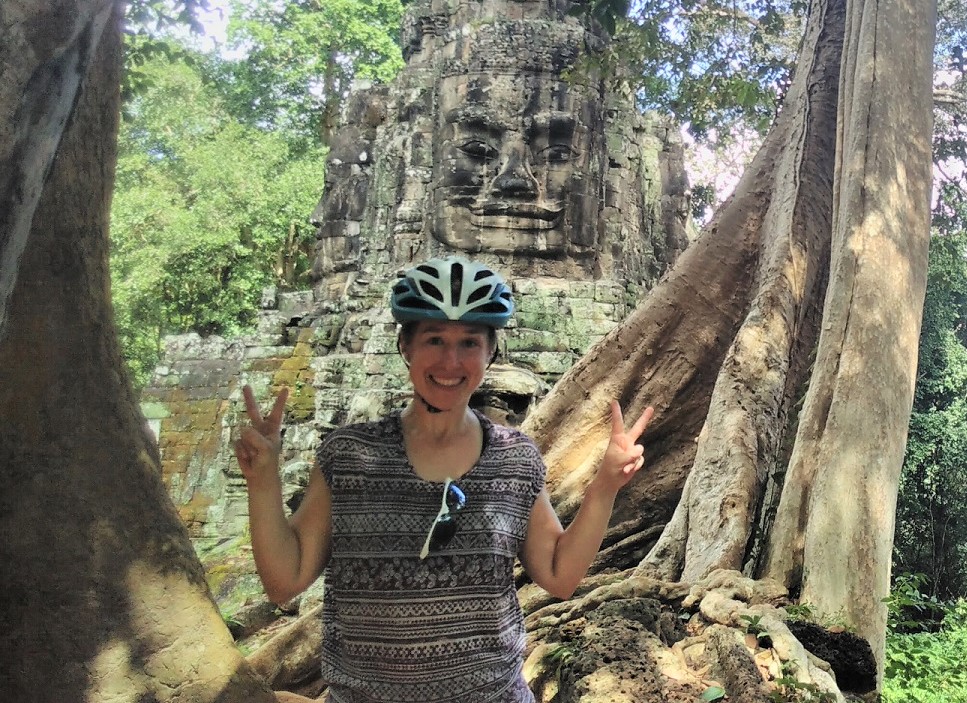
At Angkor Thom you will see the Bayon Temple intricately decorated and featuring an assembly of serene stone faces it is said to represent the intersection of heaven and earth.
Please note that the temples of Angkor are sacred religious monuments to the Khmer people. It is important to dress modestly when visiting. You will not be permitted to visit the highest level of Angkor Wat without long sleeved clothing and shorts to the knees as a minimum.
Formerly known as Saigon, Ho Chi Minh City played a key role in the Vietnam War which ended here in 1975. The city was renamed in 1976 after revolutionary leader Ho Chi Minh although not all Vietnamese people accept the new name, still referring to the city as Sài Gòn. Ho Chi Minh is the most populated city in Vietnam and an economic and cultural hub.
Places of interest include the Reunification Palace built in the 1960’s, the 19th Century Notre Dame catholic cathedral, the French colonial Saigon Post Office. Bến Thành Market is a great place to pick up souvenirs you will find everything on sale here from food stalls to crafts and souvenirs. Get ready to do some bartering.
Combining Khmer culture, French colonial architecture and the modern high rise Phnom Penh has much to offer to the visitor. With a population of 2 million, the Cambodian capital is also its commercial economic and political centre. Highlights include the sumptuous Silver Pagoda with 5000 silver floor tiles located in the Royal Complex, the Royal Palace and the ancient Wat Phnom temple, set apart from the bustling streets. The city’s Psar Tuol Tom Pong (Russian Market) or the art-deco Psar Thmei (Central Market) offer an opportunity to do some bartering.
You can stroll along the river front promenade where there are many cafes and restaurants and boutique hotels. You will find galleries and silk boutiques in the side streets.
A short distance from central Phnom Penh is the Tuol Sleng museum, the former prison also known as S21, and the killing fields, a harrowing reminder of the Khmer Rouge atrocities of the 1970’s. The museum can be reached by taking a tuk tuk.
Seam Riep means “Siam Defeated”. Located in the north west of Cambodia, and the capital of the Seam Reap region, the city is the gateway to Angkor Archaeological Park just 3km away. Throngs of tourists arrive here to visit the sites of the ancient temples. Other nearby ruins include Beng Mealea, Bantaey Srei, and the holy mountain Phnom Kulen.
Once a small village Seam Riep now hosts a large expat community and is geared up for tourism. Built along the banks of a central river, Siem Reap is a mix of colonial and Chinese-style architecture in the old French Quarter, and around the old market. In the centre, traditional Aspara dance performances are staged, there are numerous craft shops and silk farms to visit, and a surrounding landscape of rice-paddy fields, fishing villages and a bird sanctuary near the Tonle Sap Lake.

You will be collected on arrival and taken to your hotel. There will be a group meeting with introductions and to discuss the trip ahead. Your guide will do a bike fitting and provide an overview of Cambodia.
Siem Reap is a riverside town with colonial architecture and the famous temple ruins of Angkor nearby. There is a military museum and an arts & craft markets to explore. This evening we take you to a local restaurant; you will hear more from your guide about traditional cuisine and Cambodian culture.
Accommodation: Hotel (D)
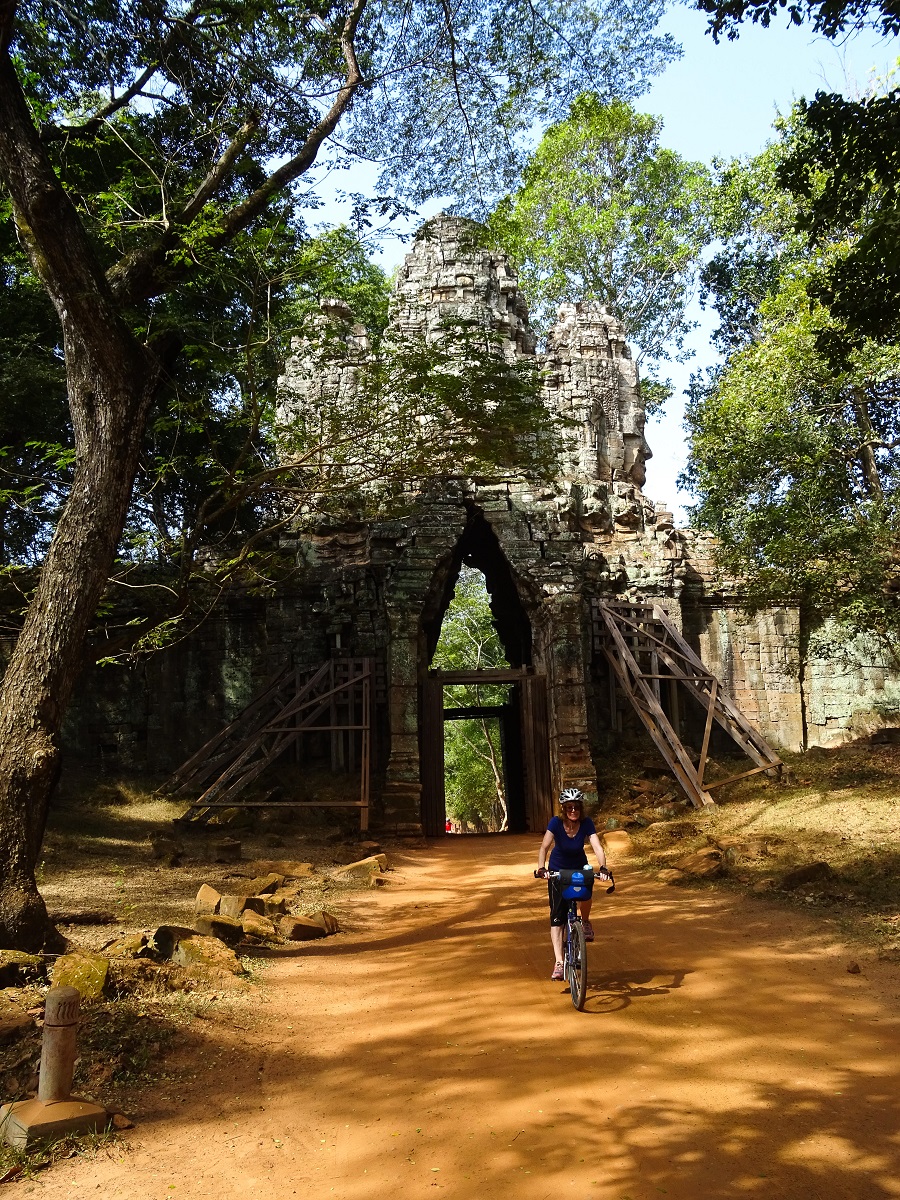
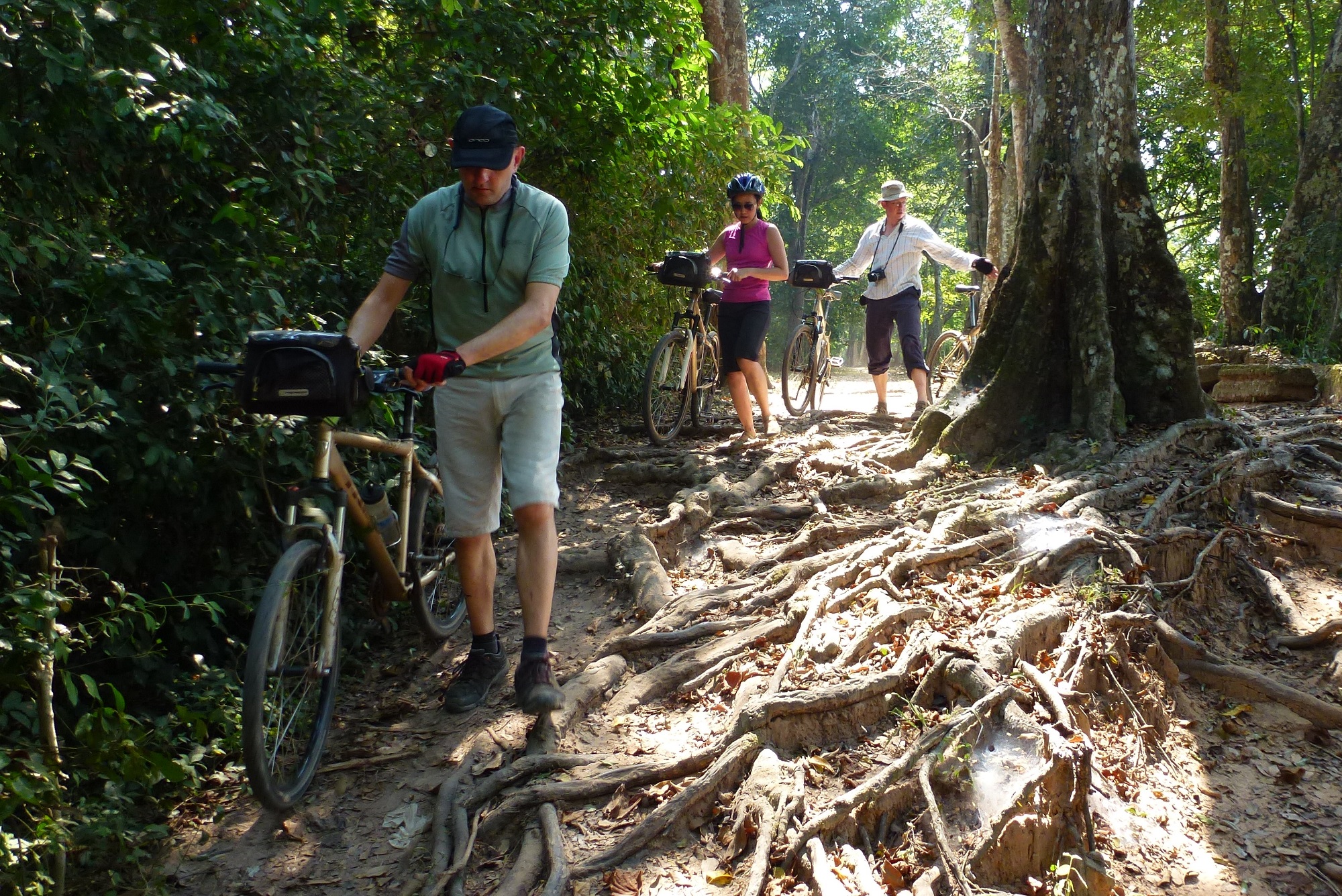
We set off from our hotel, cycling through the Angkor pass checkpoint. As we ride along shady road we may need to stop to re-inflate our tyres because of a few pot holes. The Banteay Kdei temple will come into view before we make a stop at the famous Ta Phrom shrine, encircled by the roots of enormous fig trees and gigantic creepers. We spend about an hour looking around the temple. Ta Prohm was built in the 12th century for King Jayavarman VII and dedicated to his mother. Whilst clearing back the forest, archaeologists decided to leave the vegetation of Ta Prohm in place to serve as a reminder of how the Angkor temples were first discovered. Many trees have grown around and through the remains and soar high above the temples.
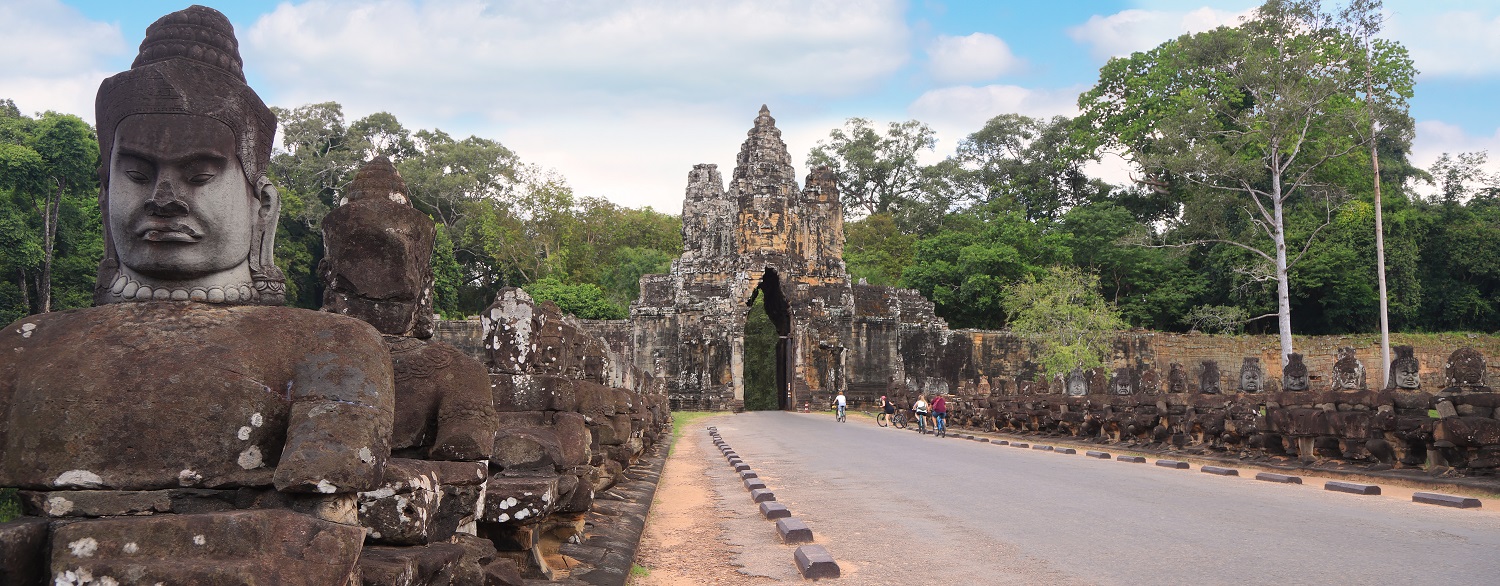
We continue cycling the small circuit, passing Ta Keo Temple, Chau Say Tevoda and Tommanon before reaching Angkor Thom City. Angkor Thom was also built by Jayavarman VII. Here you will see the Terrace of the Leper king, the Terrace of the Elephant and Baphuon, Phimeanakas. We stop at Bayon Temple to have a look around (45 – 60 mins). We will have lunch at the temple area before we visit Angkor Wat, one of the most famous temples in Cambodia. After that we cycle back to our hotel.
Cycle Distance: 30km (19 miles)
Accommodation: Hotel (B,L,D)
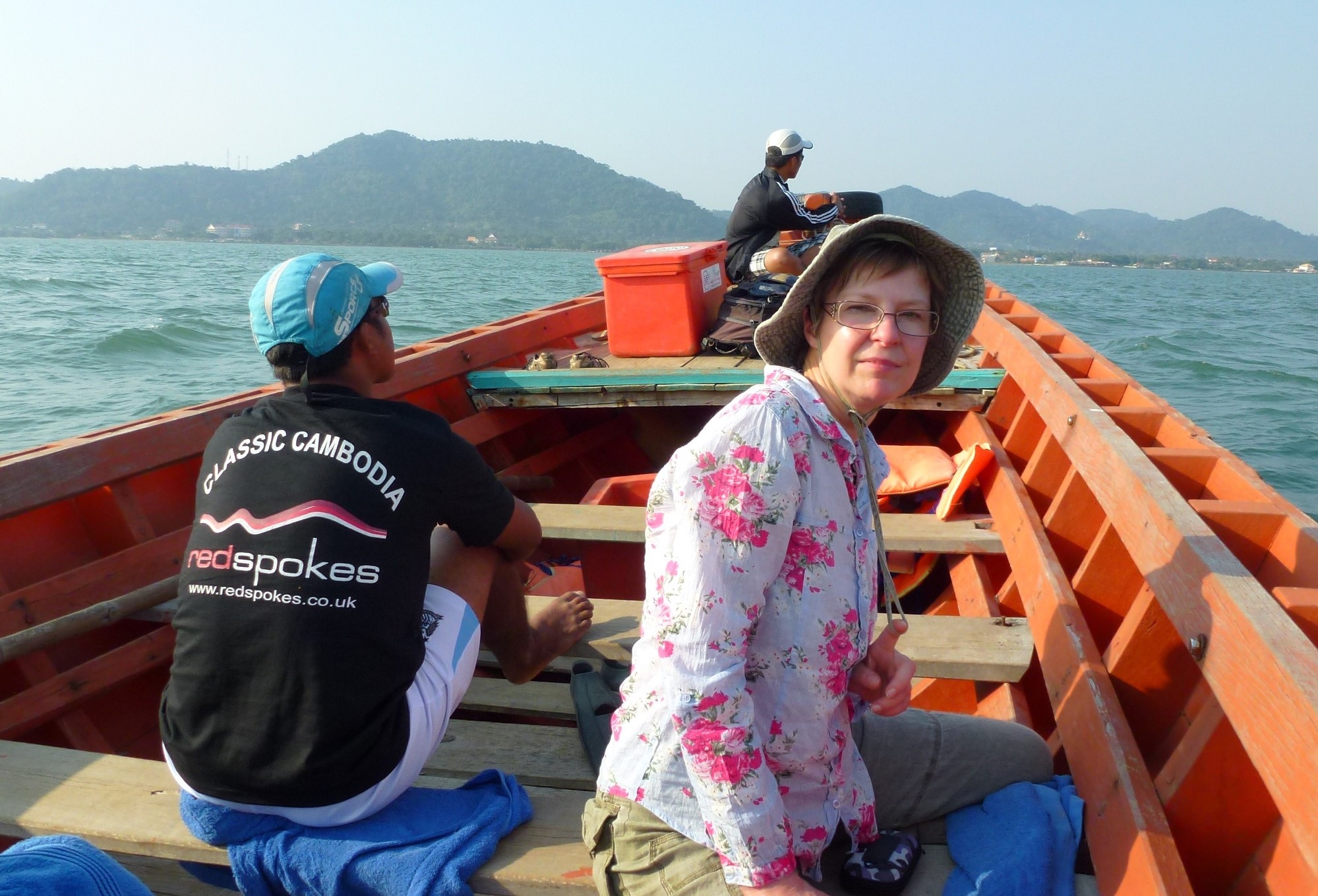
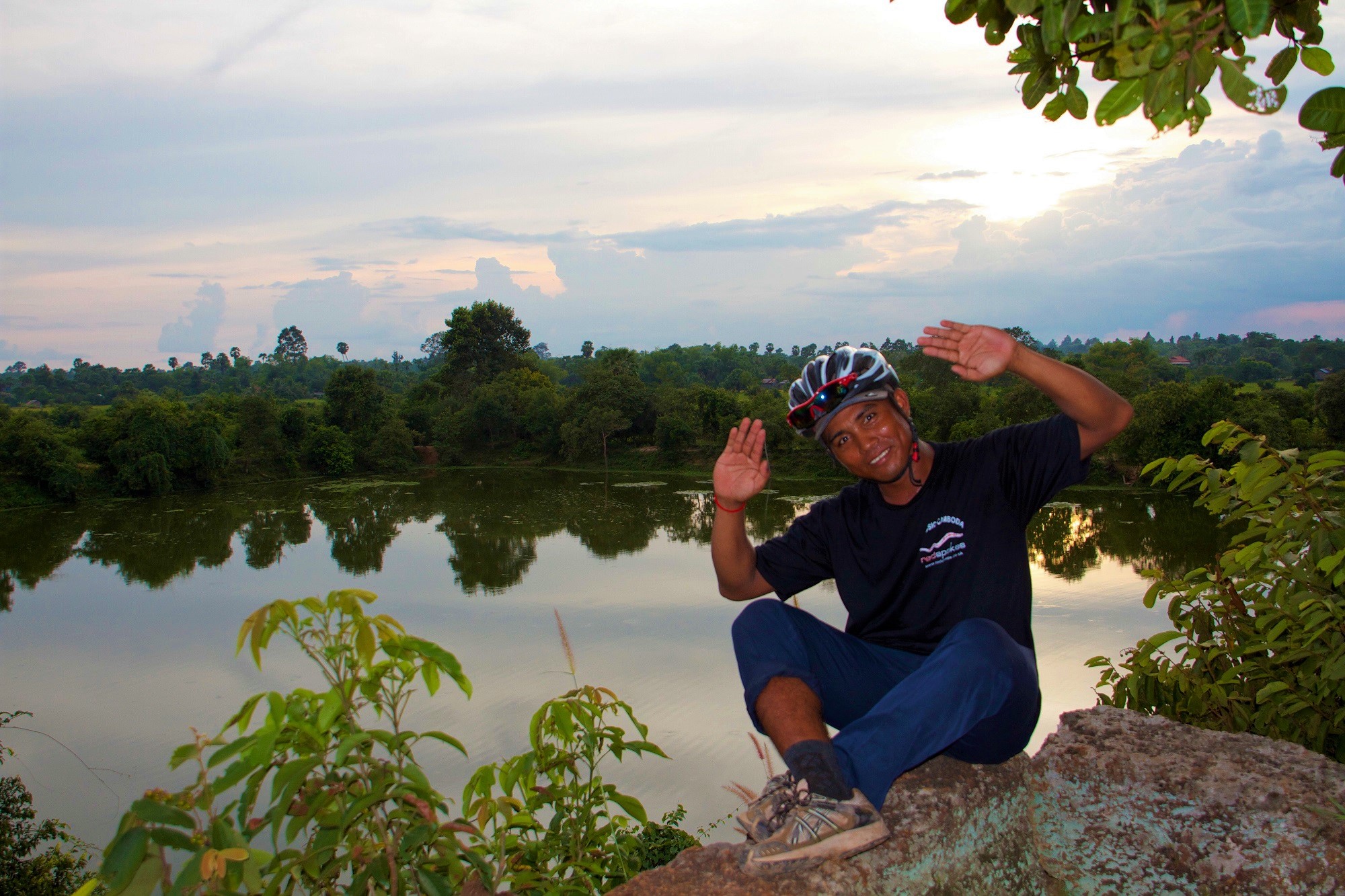
From our hotel we cycle along Siem Reap River and out into the countryside to Kampong Phluk fishing village. On our way we pass a few Rolous group temples from the 9th Century, Bakong, Lolei, and Preah Ko. An ancient Khmer city here was known as Hariharalaya. We take a boat trip on the Tonle Sap (Great Lake) the largest freshwater lake in Asia. Back on shore we transfer back to our hotel in Siem Reap.
Cycle Distance: 40km (25 miles)
Accommodation: Hotel (B, L)
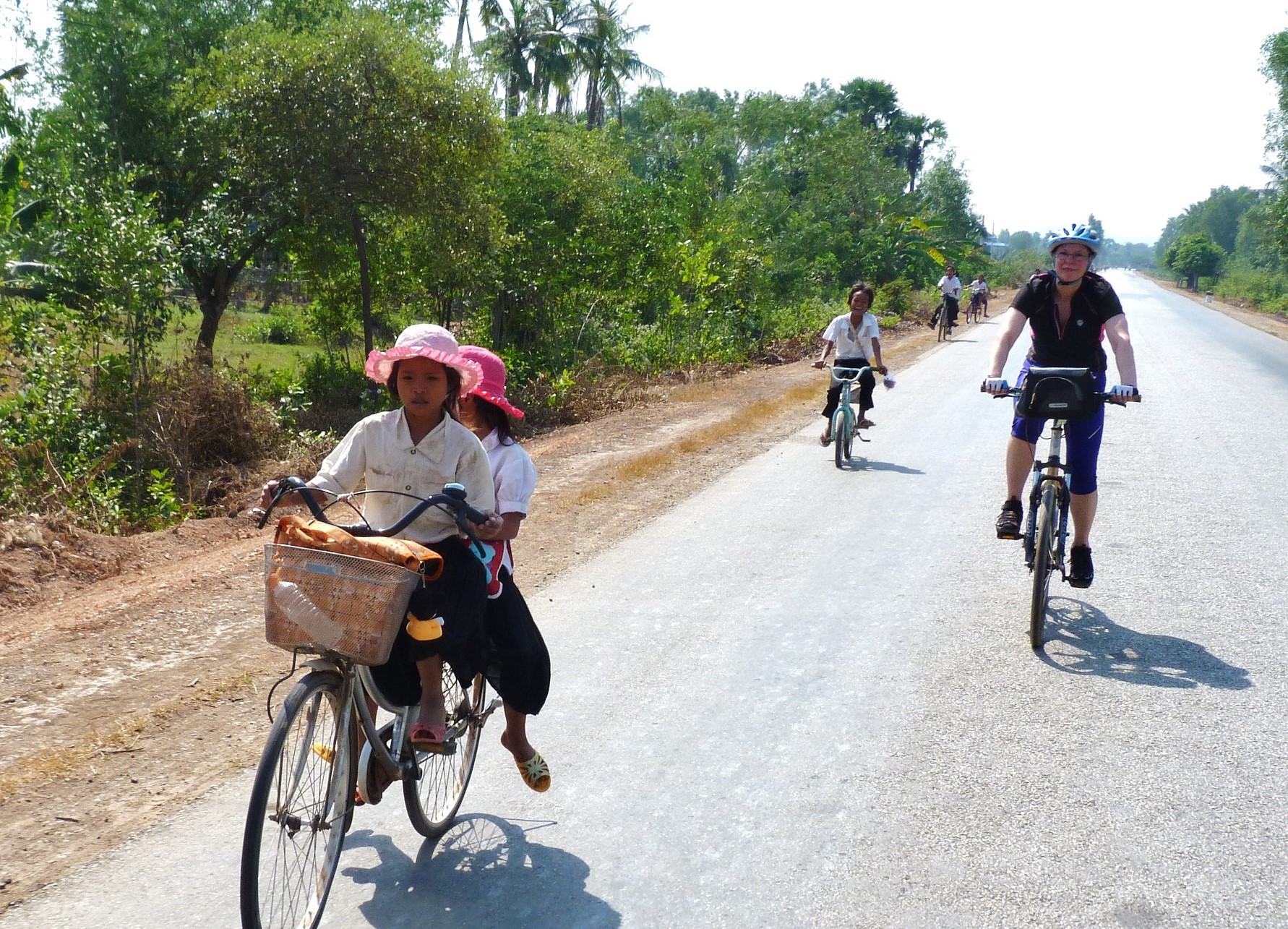
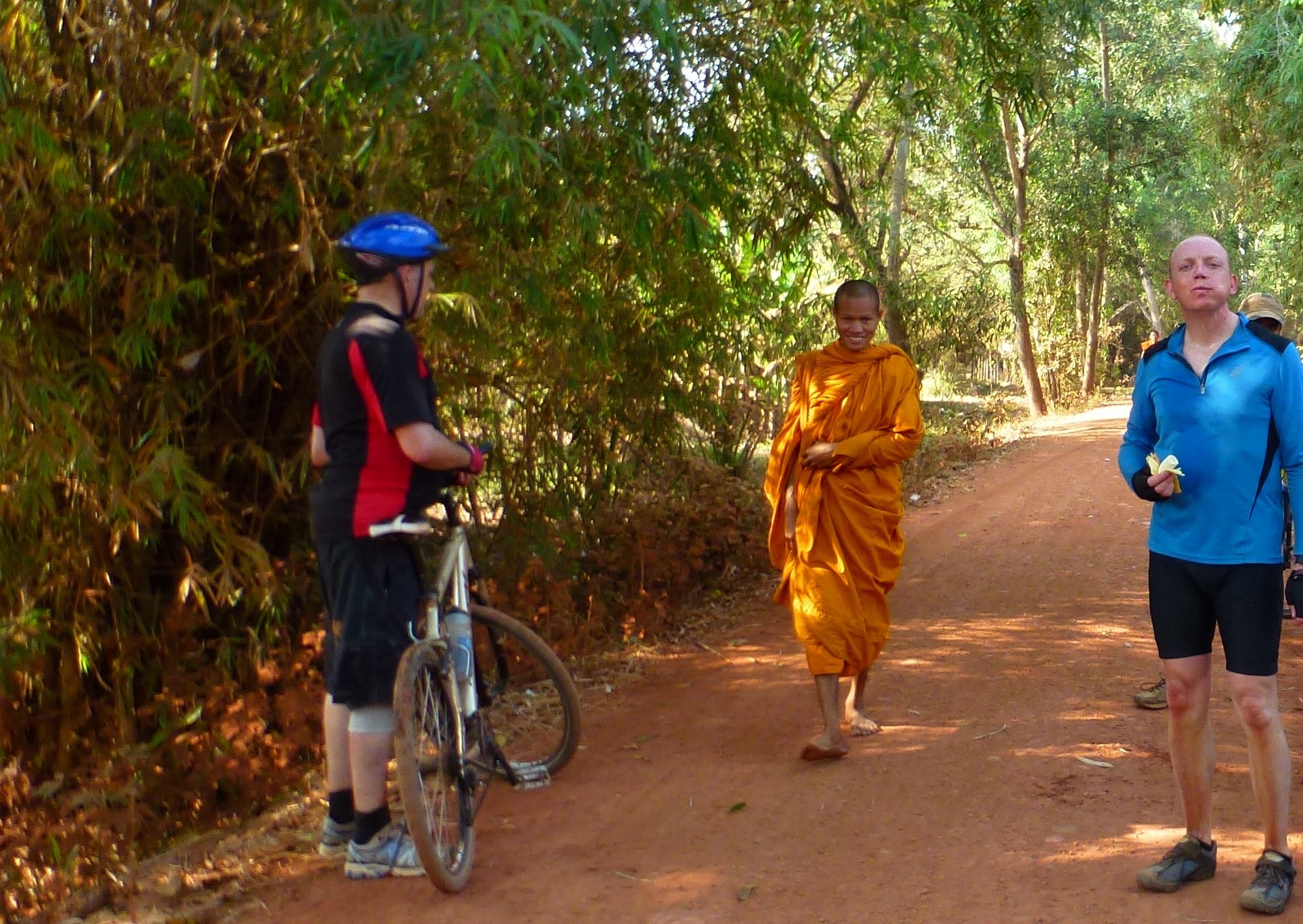
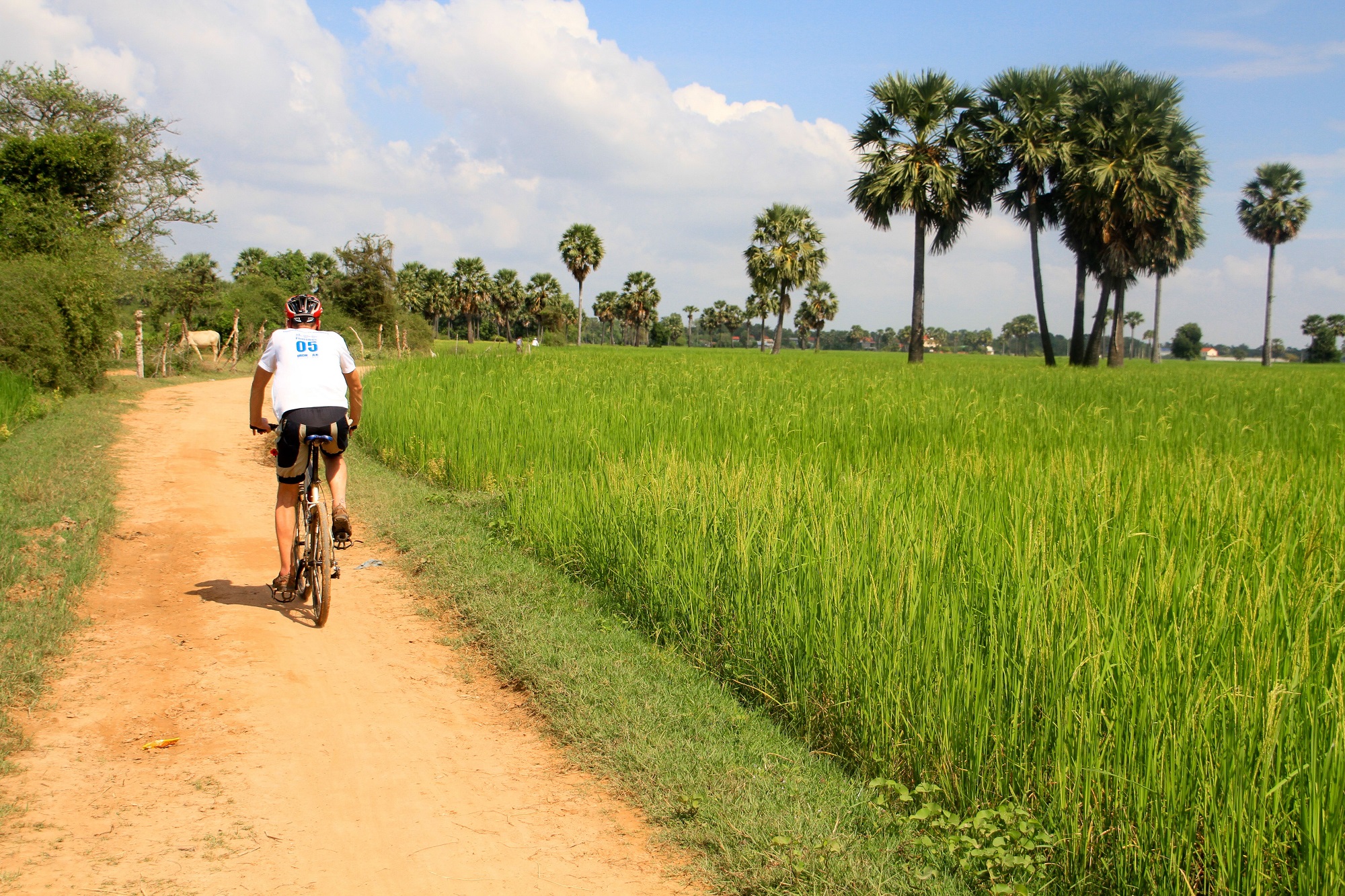
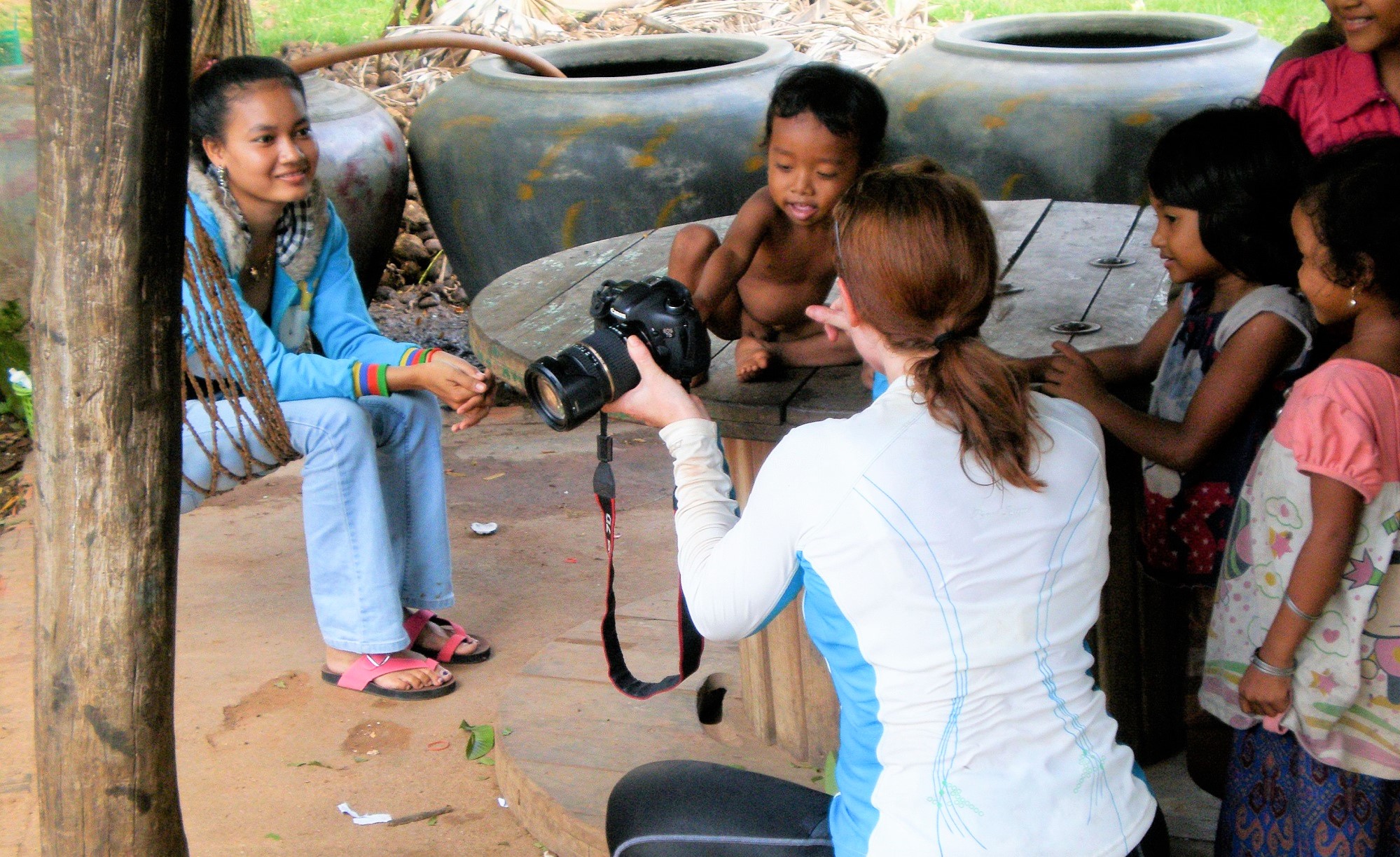
We set off from the hotel riding 30km out, through a landscape of paddy fields on small dirt roads passing through Cambodian villages. We will be greeted by the smiling faces of local people. We stop to visit a silk farm then have a vehicle transfer to Banteay Meanchey town for lunch and then continue to Battambong. Once we’ve checked in to our hotel, we have a late afternoon cycle out to the Bamboo Train. This is a unique railway. From O Dambong, 3.7km east of Battambang’s old French bridge (Wat Kor Bridge), all that remains of the track is 7km southeast to O Sra. The journey takes 20 minutes each way, with a 20-minute stop at O Sra Lav in between.
Each bamboo train (nori) – consists of a 3m-long wooden frame, covered with slats made of bamboo powered by a petrol engine.
Cycle Distance: 50km (31 miles)
Accommodation: Hotel (B,L,D)
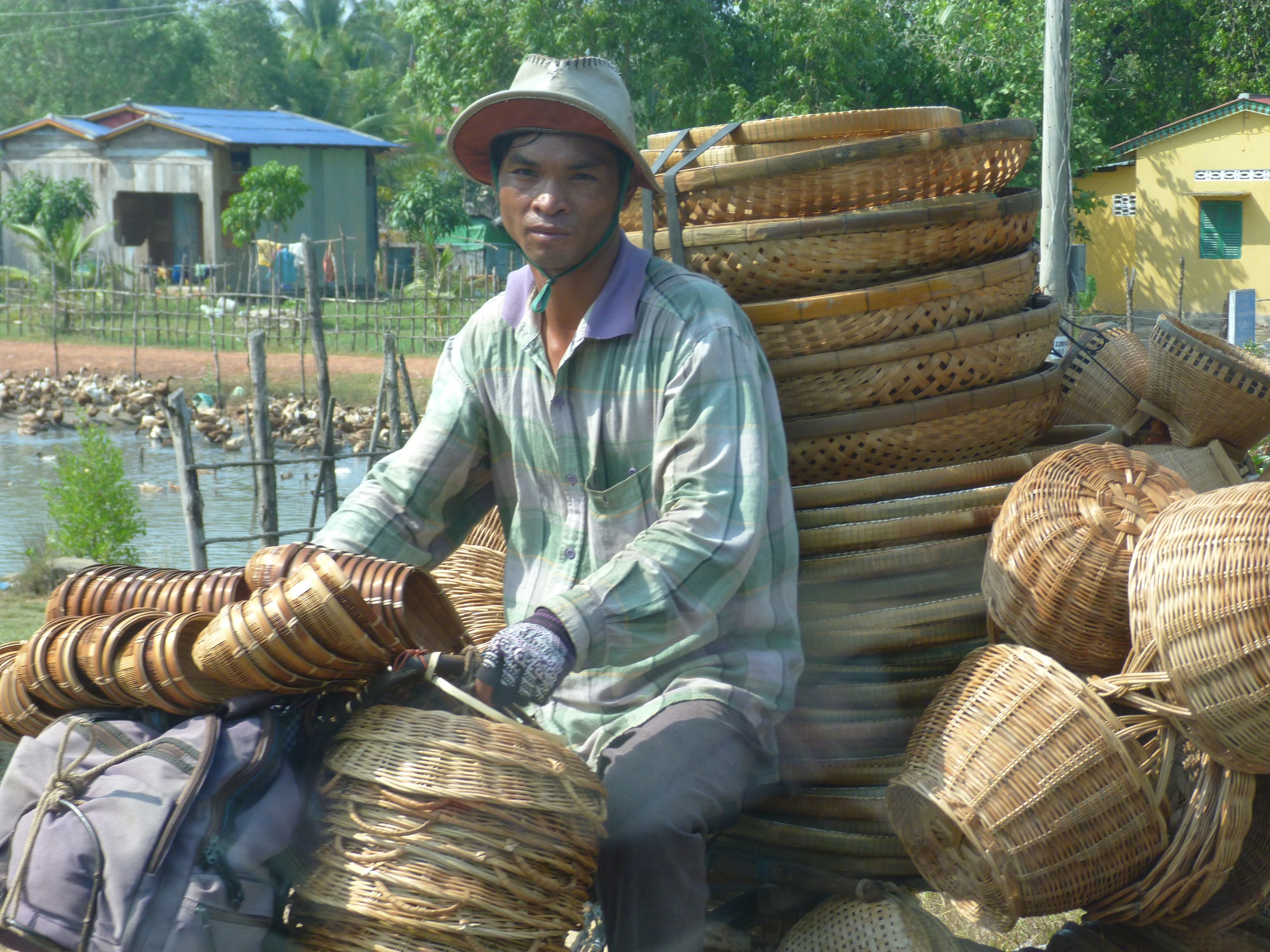
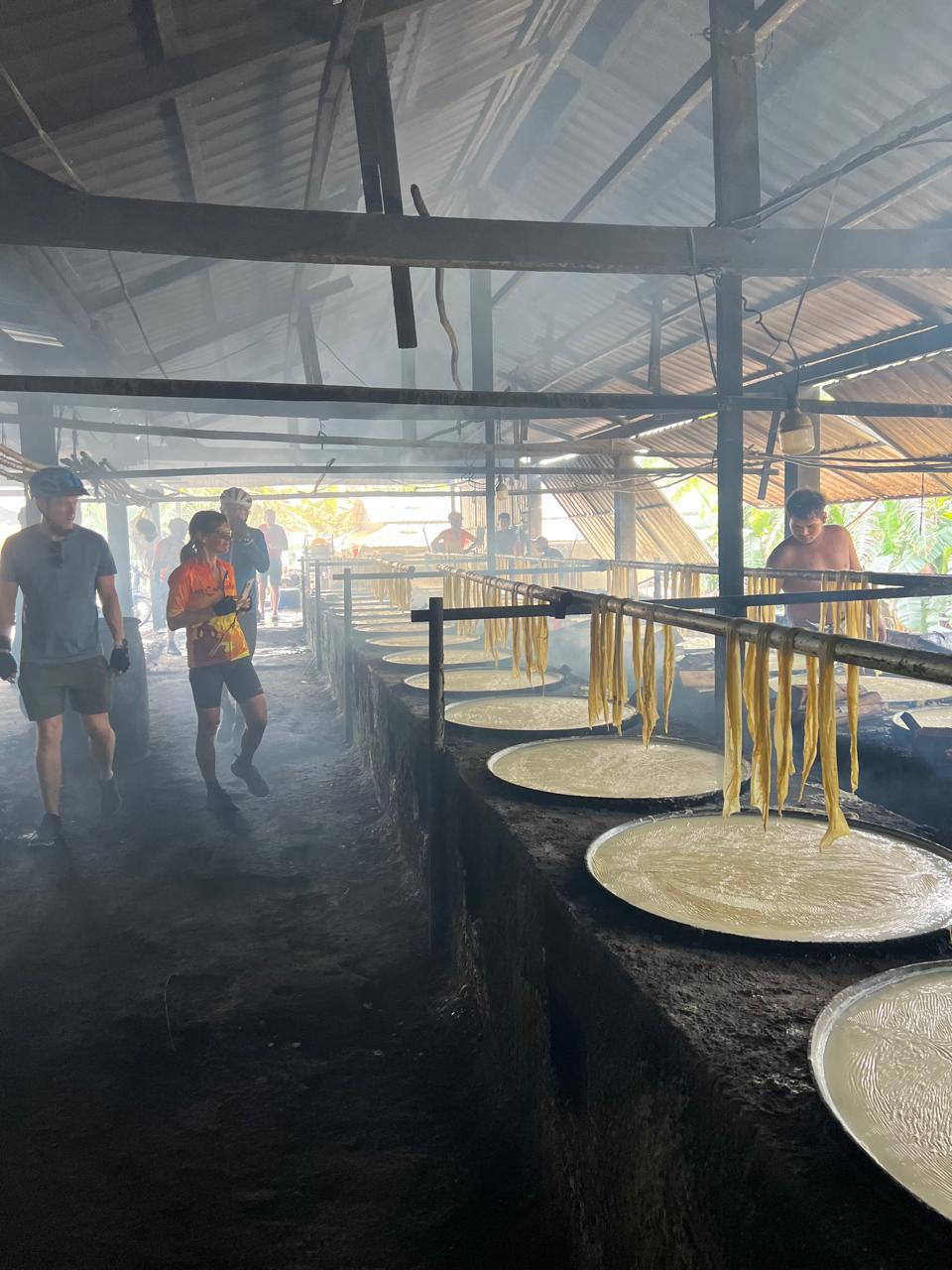
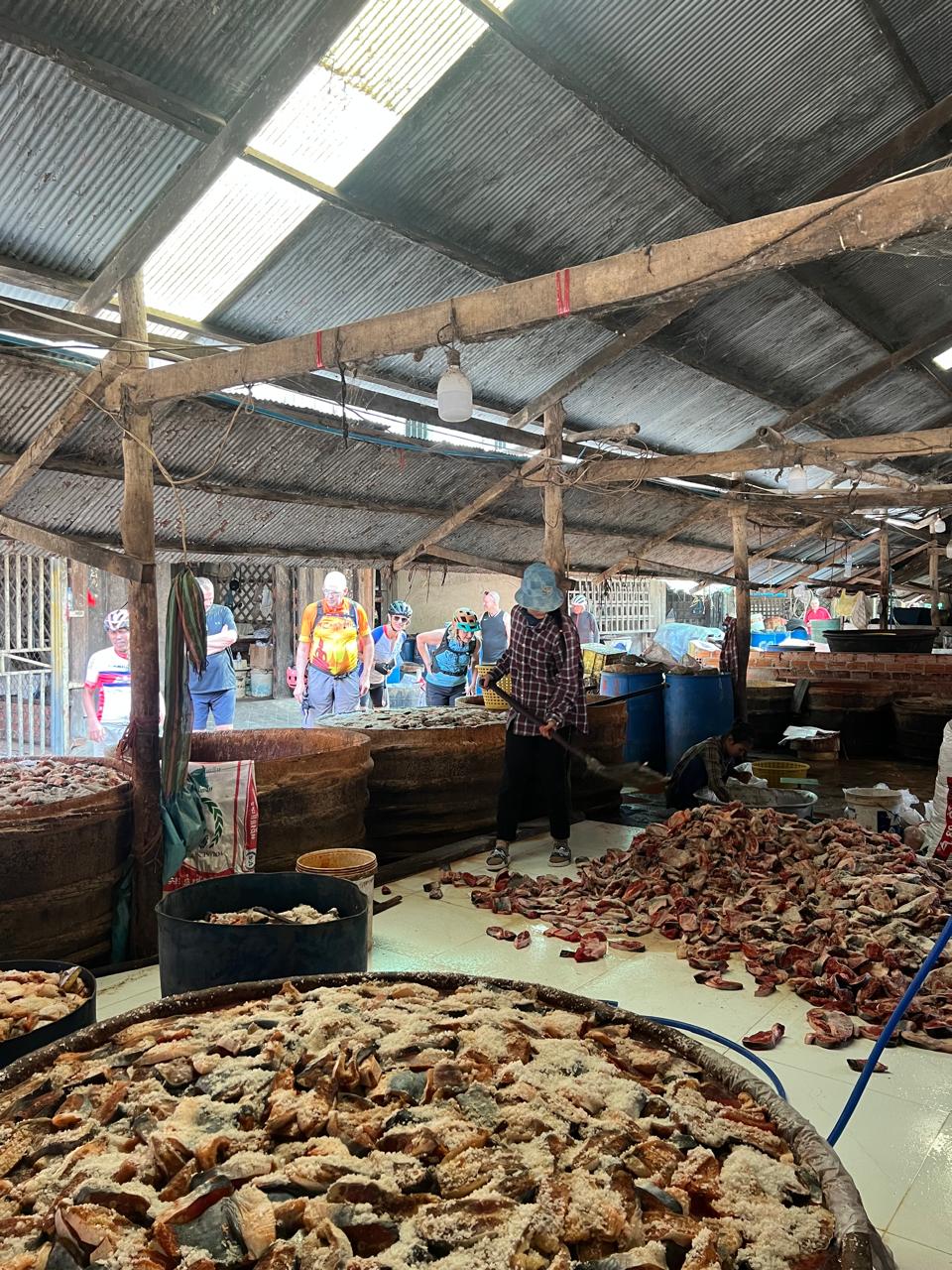
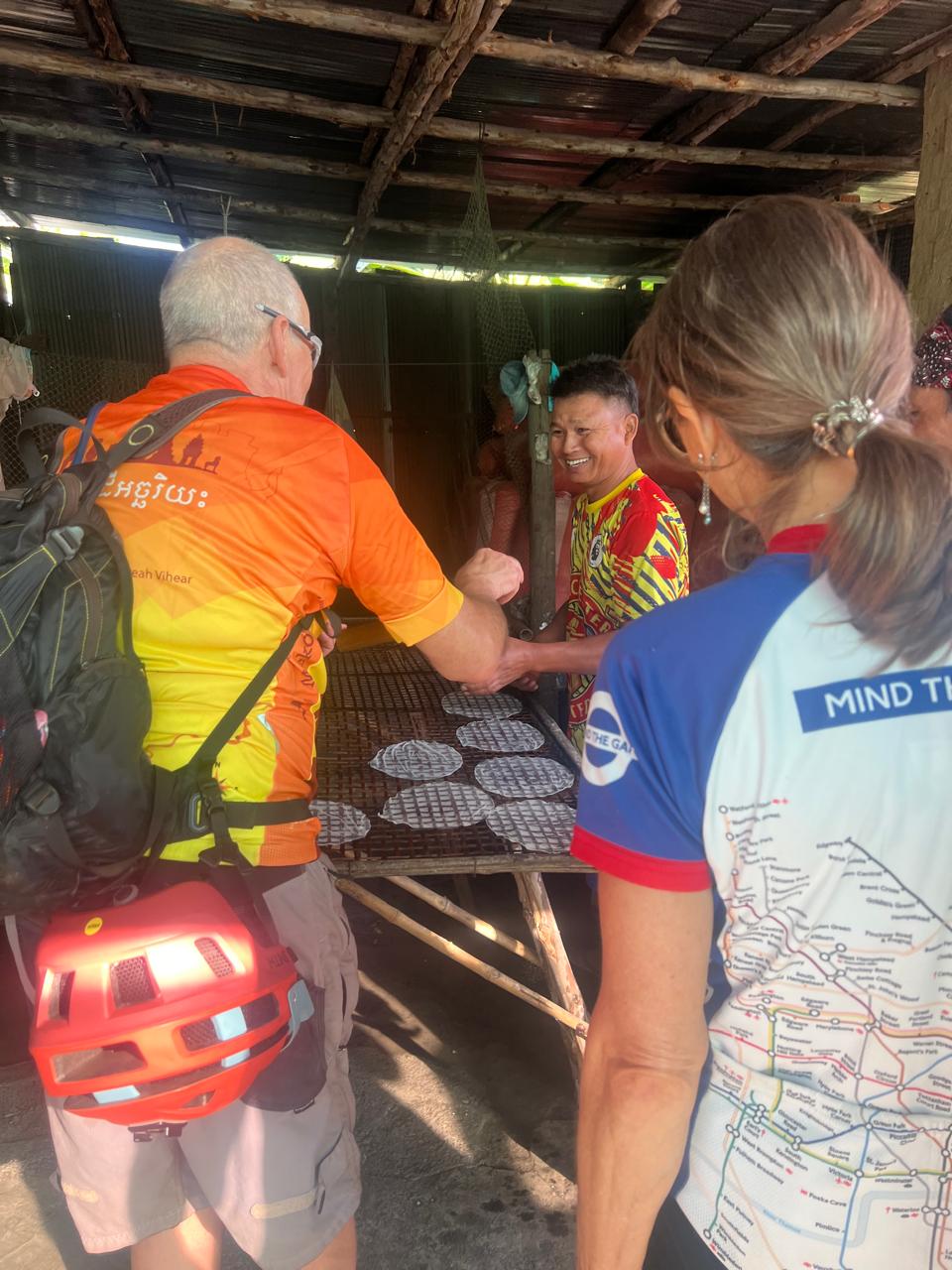
This morning we ride to the villages just outside Battambang to learn about the lives of local people living along the river. We stop to see rice paper making, banana drying, rice wine and prahok production, we can sample one of the most famous snacks in Cambodia, the kralanh (sticky rice cooked in the bamboo pipe). We ride back to Battambang. After lunch we transfer by vehicle to Kampong Chhnang. Late this afternoon we will visit floating villages on Tonle Sap Lake.
Cycle Distance: 30km (19 miles)
Accommodation: Basic Hotel (B,L,D)
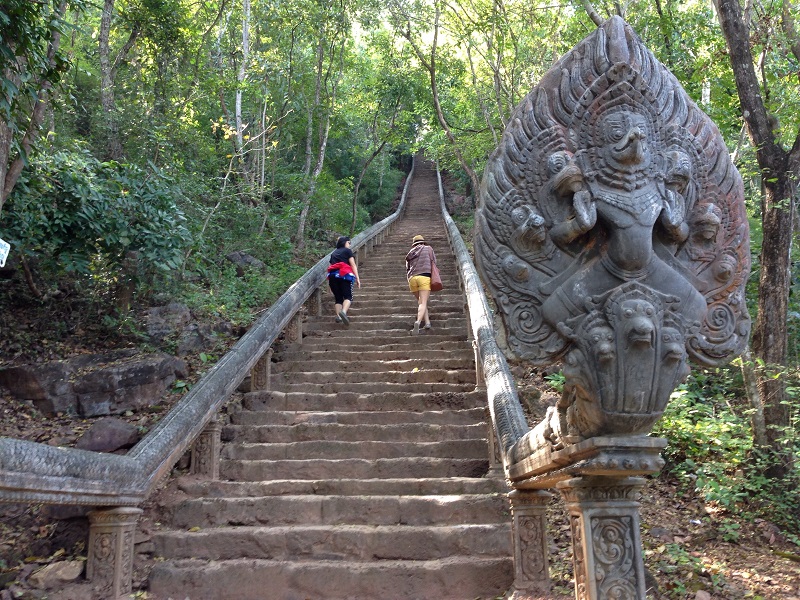
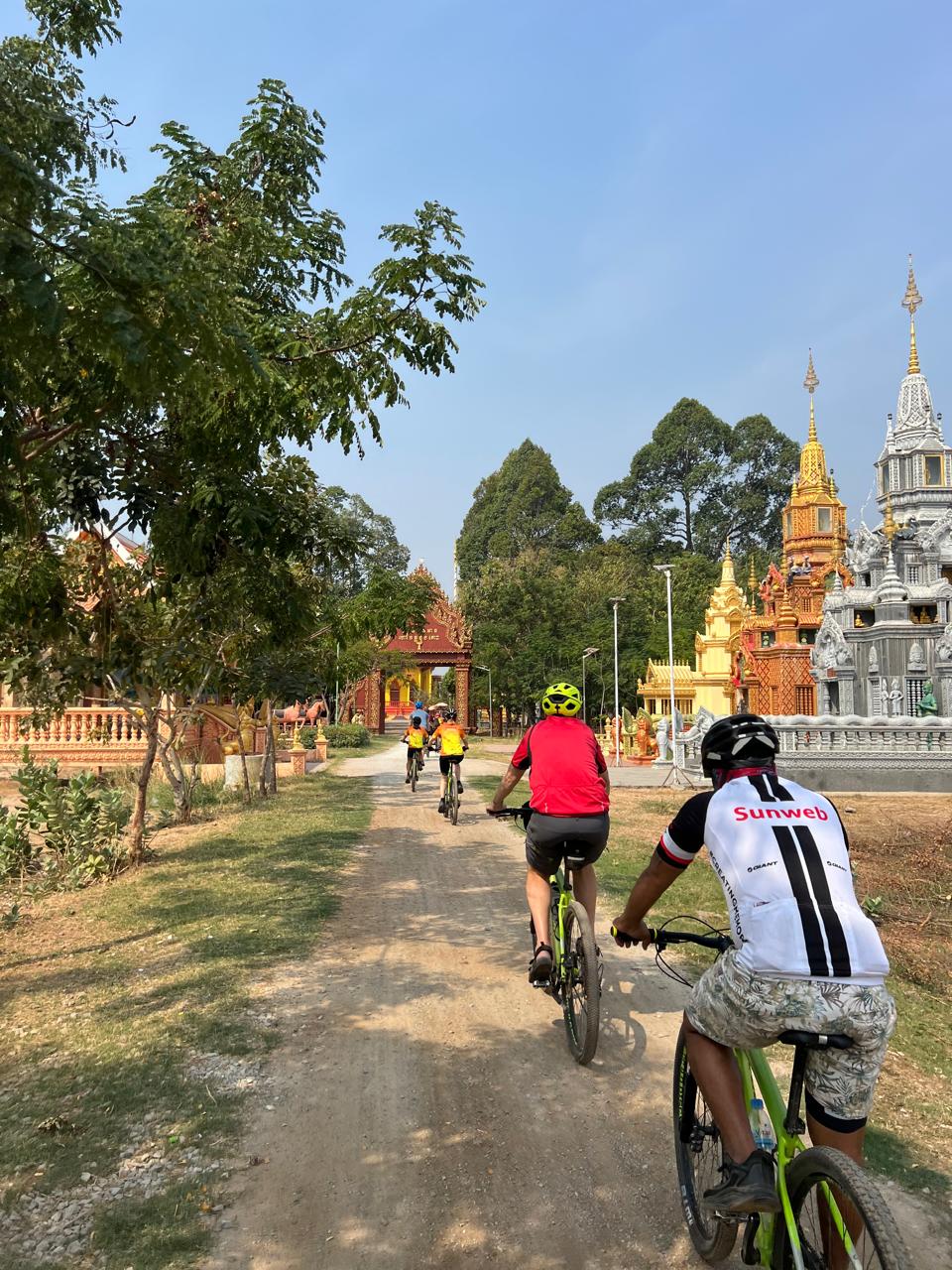
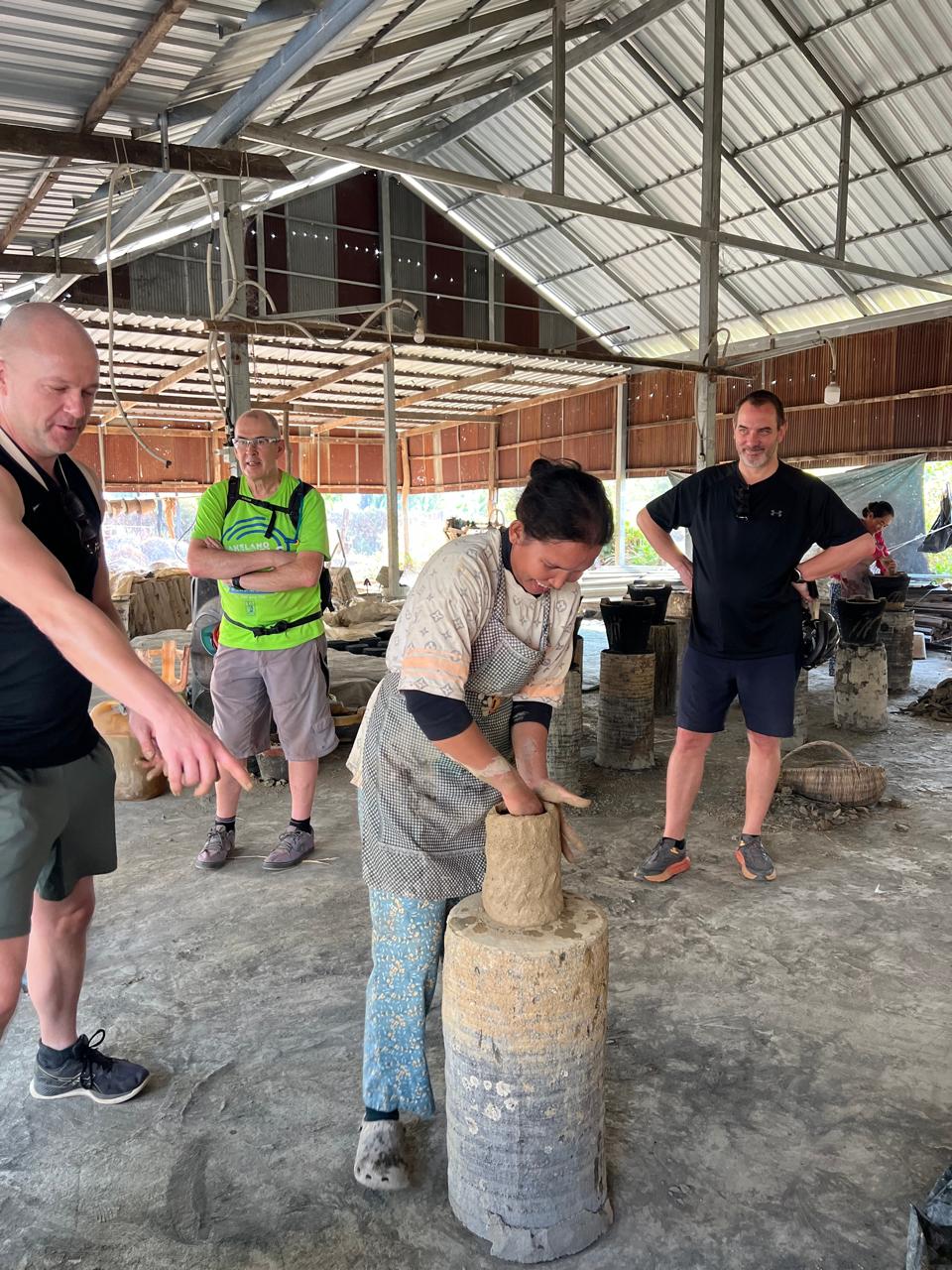
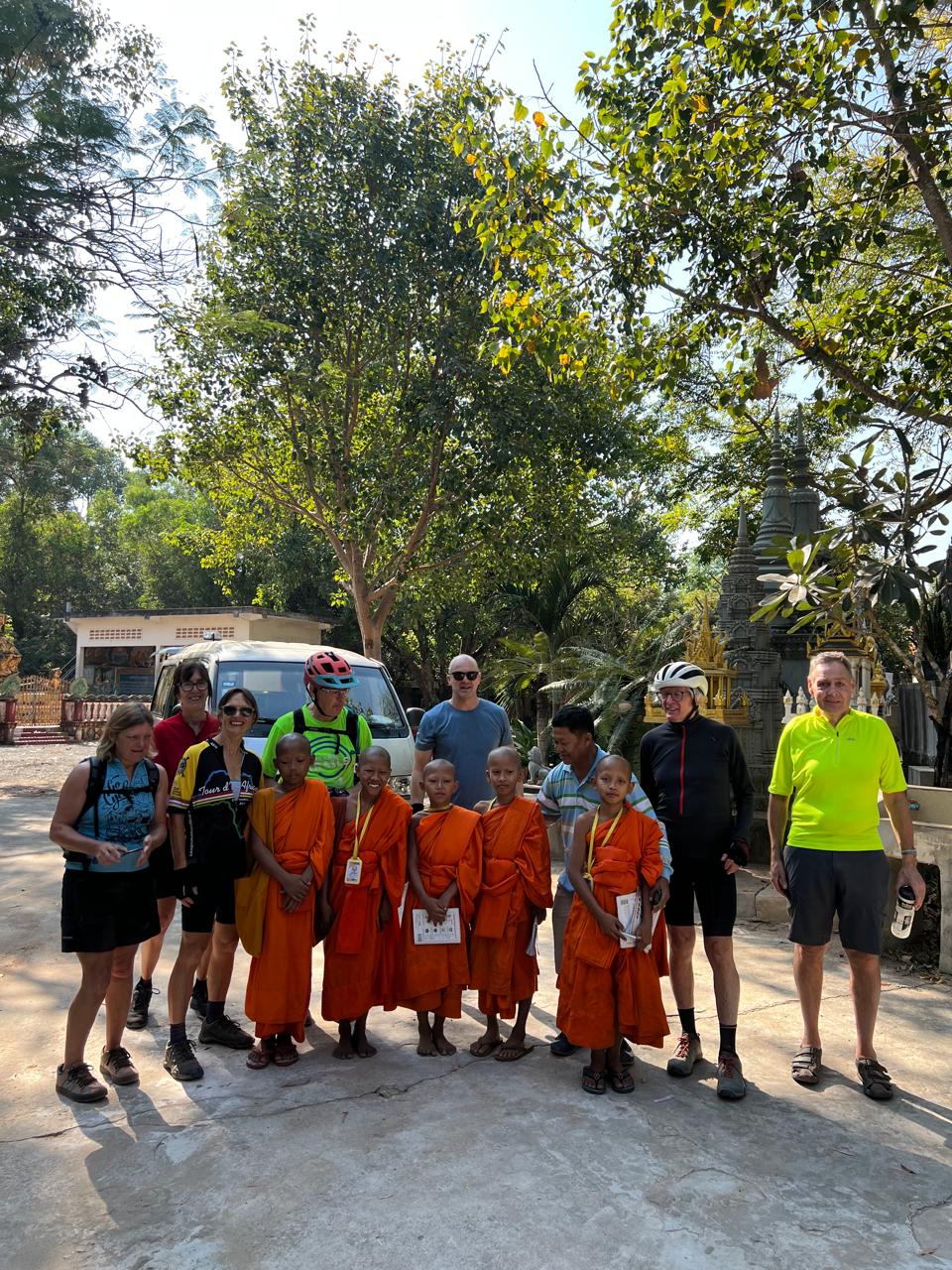
We set off from our hotel cycling to visit the pottery villages of Kampong Chhnang, we continue on riding through the rice paddy enjoying beautiful countryside. We make a stop to visit Oudong Mountain, the Capital of Cambodia for more than 200 years from the 17th to the 19th centuries. The 2 mounds of the mountain are connected by a ridge and dotted with stupas and shrines dedicated to former kings. After visiting the mountain- top temple we will ride on quiet back roads through the countryside to our hotel.
Cycle Distance: 100km (62 miles)
Accommodation: Hotel (B,L)
Today you are free to explore Phnom Penh. You can visit the sumptuous Silver Pagoda with 5000 silver floor tiles, located in the Royal Complex, the Royal Palace or the ancient Wat Phnom temple, set apart from the bustling streets. The city’s Psar Tuol Tom Pong (Russian Market) or the art-deco Psar Thmei (Central Market) offer the opportunity to do some bartering.
Accommodation: Hotel (B)
We cycle from our hotel this morning to catch a ferry boat across the Mekong. Disembarking we enjoy a 25km cycle ride through local villages where silk weaving is a principal industry. We take another ferry boat to Call Kah Oknha Tei Island and cycle through market gardens where crops of corn, papaya and mangoes growand learn about the people who live on the island.
We transfer back to Phnom Penh and this afternoon, bidding farewell to Cambodia, we take a speed boat to Chau Doc in Vietnam. As we reach our destination, we’ll see floating houses, people washing clothes and children bathing in the river. Chau Doc’s cultural diversity with mosques, temples, churches and nearby pilgrimage sites, makes it a fascinating place to explore. The area is defined by Sam Mountain a small but imposing pinnacle that rises dramatically out of the flat landscape. From the peak there are views right across the delta to Cambodia. The mountain is a sacred site for Buddhists, there are brightly painted temples and tombs and an unusual trail of ceramic dinosaurs that leads to the summit. A lookout tower is manned by Vietnamese military monitoring the Cambodian border.
It possible to ascend the peak at dawn and watch the sunrise from the mountain top.
Cycle Distance: 25km (15.5 miles)
Accommodation: Hotel (B,D)
We cycle along the Vinh Te canal to visit Ba Chuc killing fields. Pol Pot soldiers massacred over 3000 Vietnamese people here in 1978. An ossuary and memorial room mark these events. Our ride continues along the riverside where there are numerous brick kilns and we will see local workers farming the mud for brick production. We continue riding on village roads passing rice fields and frog farms.
Cycle Distance: 70km (43.5 miles)
Accommodation: Hotel (B,L,D)
We begin to day with a short transfer to visit to Bang Lang Stork Garden, a bird sanctuary with astonishing views of thousands of resident storks and snowy egrets. There is a tall viewing platform we can climb to survey the area. We begin cycling on quiet village backroads witnessing scenes of daily rural life in action. There are timber merchants, coconut shredders and rice farmers at work. Can Tho is the main city of the Mekong Delta.
Cycle Distance: 85km (53 miles)
Accommodation: Hotel (B,L,D)
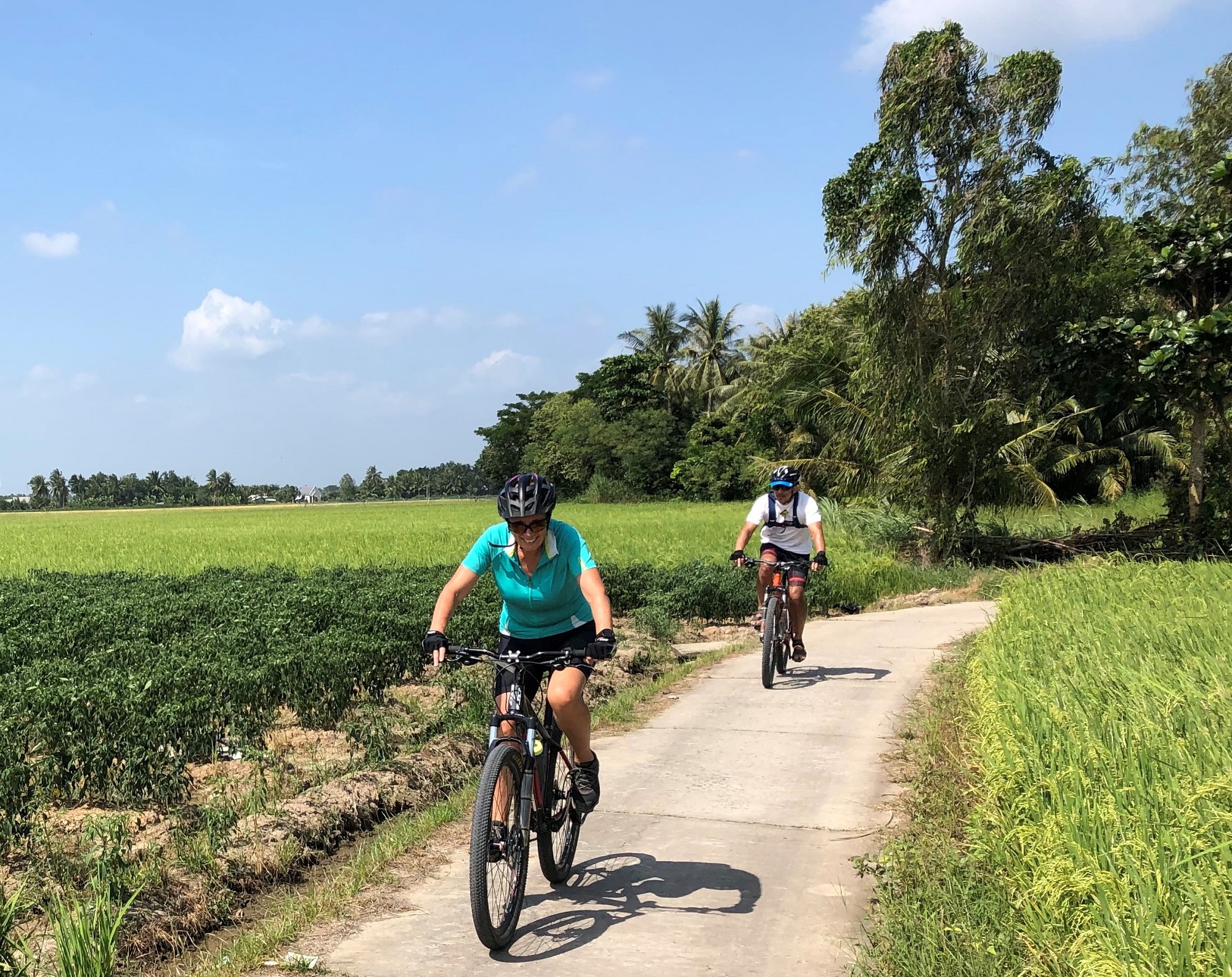
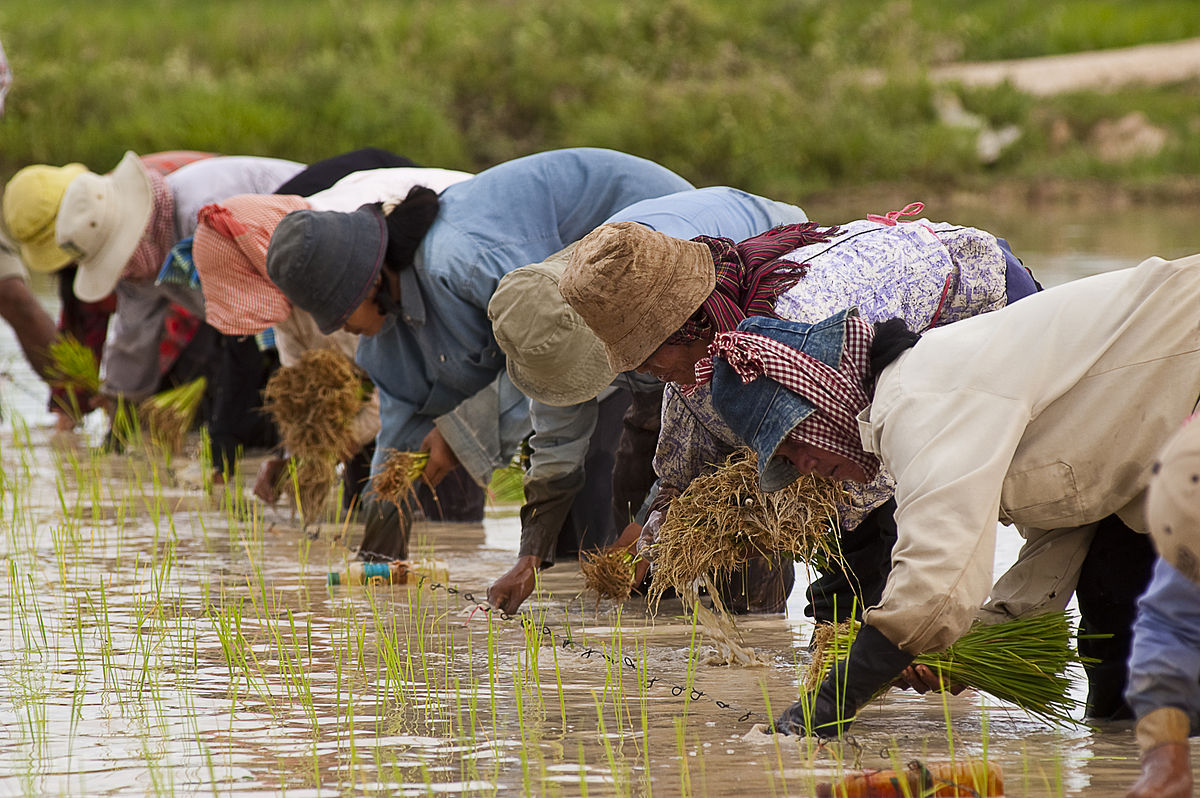
We visit the floating market in Can Tho, after the boat trip, then the bikes will be ready for you. Start riding along the small path in rice fields, stop for photo and you can learn how the farmer planting rice and sometime you can see how they harvest it. Visit a Khmer temple and a lotus pond on the way where the guide will tell you the history of this site.
We begin our day with a trip to the local floating market where we will see an array of fresh produce for sale. Back on dry land we set off, riding along small paths through rice fields. We make a stop to take photos and learn about the rice production and harvest. We cycle on to visit a Khmer temple and lotus pond on the way. The guide will give you the local history of the site. About 300,000 ethnic Khmer live in Tra Vinh province; they are Vietnamese speaking communities and there’s nothing distinctively different about their clothing or life style however, Khmer culture thrives in these areas of Vietnam. There is also a small Chinese community in Tra Vinh, one of few that remain in the Mekong Delta region.
Cycle Distance: 80km (50 miles)
Accommodation: Hotel (B,L,D)
Today we ride on paved country roads through the ‘coconut kingdom of Vietnam’, our route includes a ferry crossing, rice fields, and coconut farms. Our cycling ends at Ben Tre. Packing up the bikes we have a 2-hour transfer to our hotel in Ho Chi Minh City.
Cycle Distance: 65km (40 miles)
Accommodation: Hotel (B,L)
Our journey continues through small communities on quiet back roads, trails and paths. As we ride past rubber plantations and see rice paper making, we learn more about these village industries. Visiting Cu Chi our local guide will explain the workings of the tunnel network and what was essentially a subterranean settlement. Arriving at Cu Chi we have a guided tour. This war museum site of over 120 km of underground tunnels offers visitors a glimpse of the underground life of Vietnamese soldiers back in 1948; with trapdoors, living areas, kitchens, storage facilities, armoury, hospitals, and command centres. After the war against the French, Vietnamese soldiers expanded the tunnels and included effective air filtration systems, which helped them survive the Chu Chi carpet-bombings in 1969.
We will transfer by vehicle back to Ho Chi Minh City.
Cycle Distance: 40km (25 miles)
Accommodation: Hotel (B,L)
The tour ends today. You will be transferred to the airport for your flight home.
(B)
Tour Status Definitions
Booking & Payments
Small Group Note
For groups of fewer than four participants, the guide may lead from the support vehicle rather than cycling with the group, ensuring full logistical and guiding support.
Fully supported cycling holiday
Meal Key (used in the itinerary)
Tour Start
Tour End
Flights
Meals on Tour
Most meals are included in your tour price, except on rest days and a few other occasions.
Please check the itinerary for all meals provided.
Dietary Requirements
If you have any special dietary needs, please let us know at the time of booking.
We can cater for most diets, but advance notice is essential to ensure the best experience.
Cambodian Cuisine
Cambodian food is flavourful, balanced, and often centred around fresh, local ingredients. A typical meal might include:
Vietnamese Cuisine
Vietnamese meals are flavourful and fresh, typically including:
Common drinks include:
Support Vehicle
On-Ride Support
Helmet Policy
For this tour, we have the Cannondale Trail 4 available in a range of sizes (in Cambodia) and the Trek Marlin 5 (in Vietnam). In addition, we offer the Giant Stance Ebike and the Giant Talon Ebike, electric-assist mountain bikes (across both countries), ideal for riders who want a little extra support on climbs.
What’s Included with Bike Hire
Customising Your Bike
Yes! This tour is best suited for a tough hybrid or mountain bike—capable of handling a mix of paved and rougher terrain.
Pre-Tour Servicing
We strongly recommend having your bike fully serviced before the trip. Make sure to:
What to Pack for Your Bike
To keep your ride running smoothly, please bring the following essential spares and tools:
Luggage & Transport
Currency in Cambodia & Vietnam
What to Bring
Where to Exchange
Staff Tipping (optional but customary)
Apply for a Cambodia e-Visa (tourist)
Apply for a Vietnam e-Visa (tourist)
Travel Insurance
Mandatory for all participants and must cover:
Health & Vaccinations
Cambodia
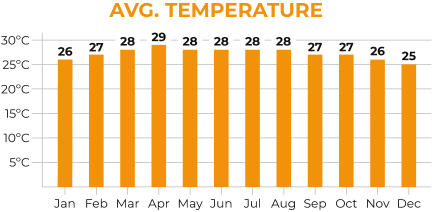
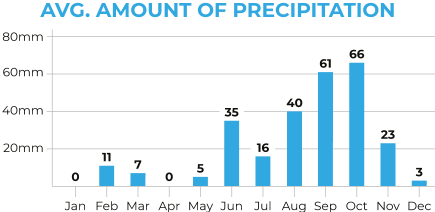
Cambodia has a tropical climate with two main seasons: dry and wet.
November – January
Start of the dry season. Expect comfortable temperatures (25–26°C), low humidity, and plenty of sunshine – ideal for cycling.
You may encounter a brief shower in early November.
August
This falls in the wet season, but rain usually arrives in the late afternoon or overnight, meaning it rarely disrupts our rides.
The countryside becomes especially lush and scenic during this time.
Vietnam
Vietnam’s weather varies by region with both tropical and temperate zones.
South Vietnam (e.g. Ho Chi Minh City)
North Vietnam
Staying Hydrated on Hot Rides – 6 Tips for Cyclists
As a cycling company, we know how important proper hydration is—especially when you’re out riding in hot conditions. Below are some general hydration tips that riders find helpful for staying fuelled and feeling strong on the bike.
Please note: We are not medical professionals and this information should not replace advice from a qualified healthcare provider. Each cyclist is different, so if you have specific health concerns or conditions, it is always best to consult your doctor and adhere to their advice.
1. Prioritize Gut Health
2. Time Your Hydration
3. Hydrate Beyond Water
4. Don’t Forget the Minerals
5. Absorb Water Better
6. Keep Your Electrolytes in Check
Clothing
Accessories
Personal First Aid Kit
(Our guides carry a group kit, but we recommend bringing your preferences)
Kingdom of Cambodia
Socialist Republic of Vietnam
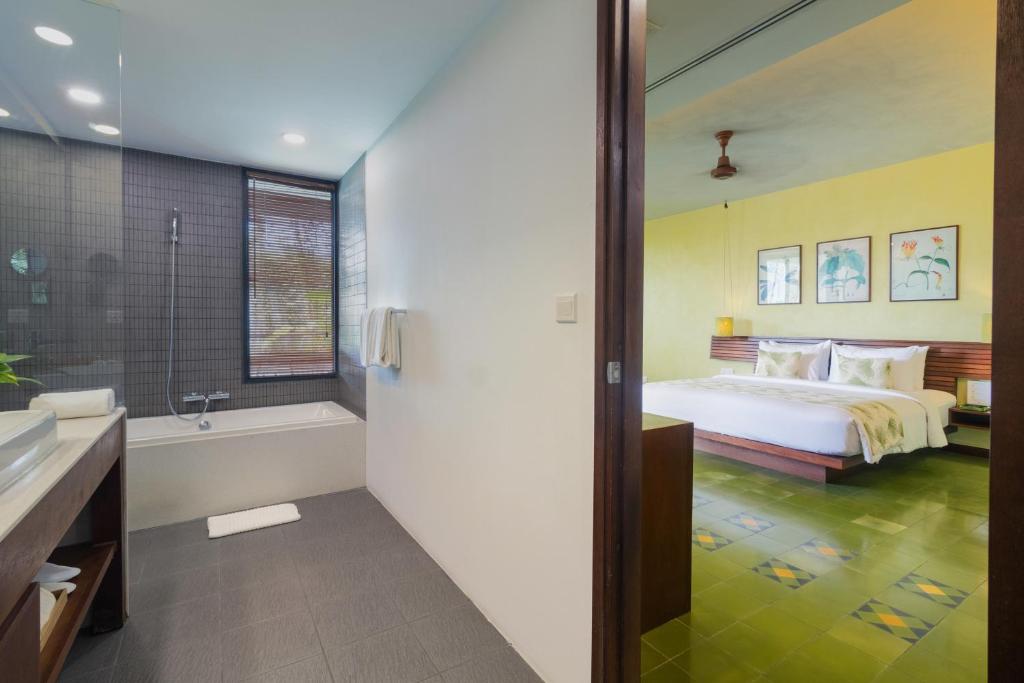
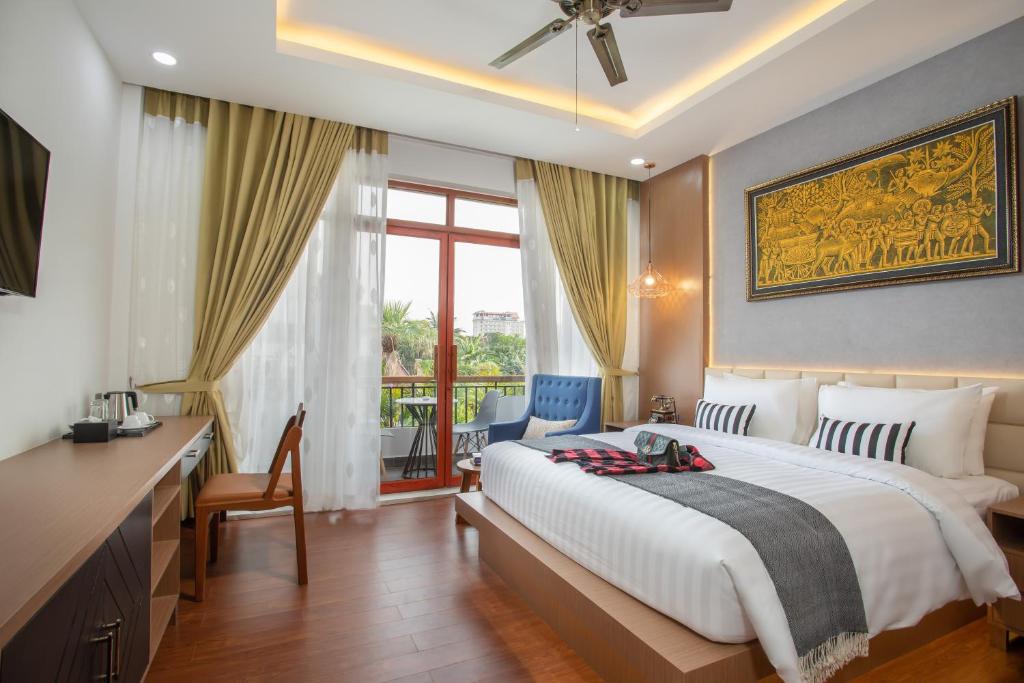
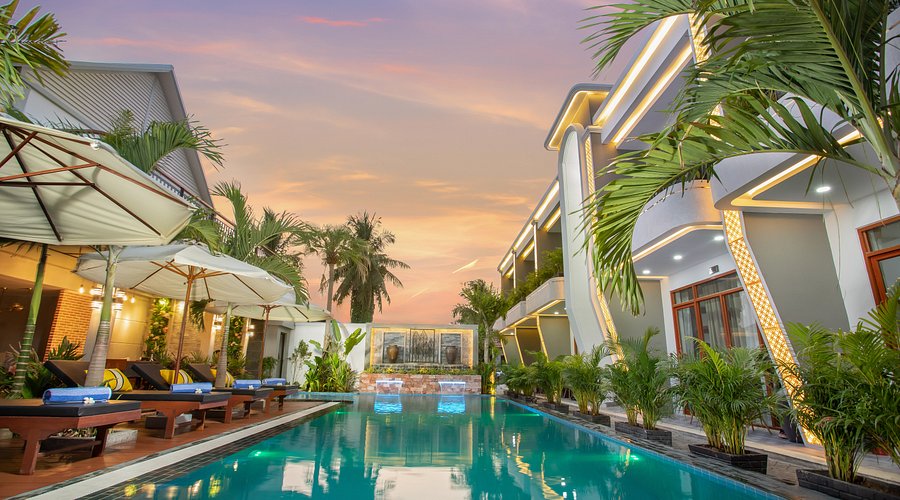
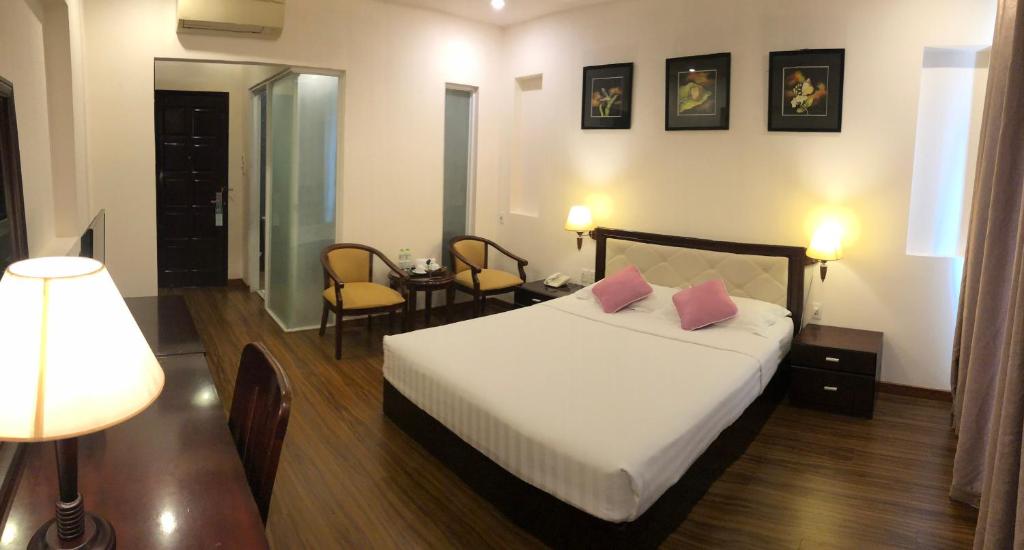
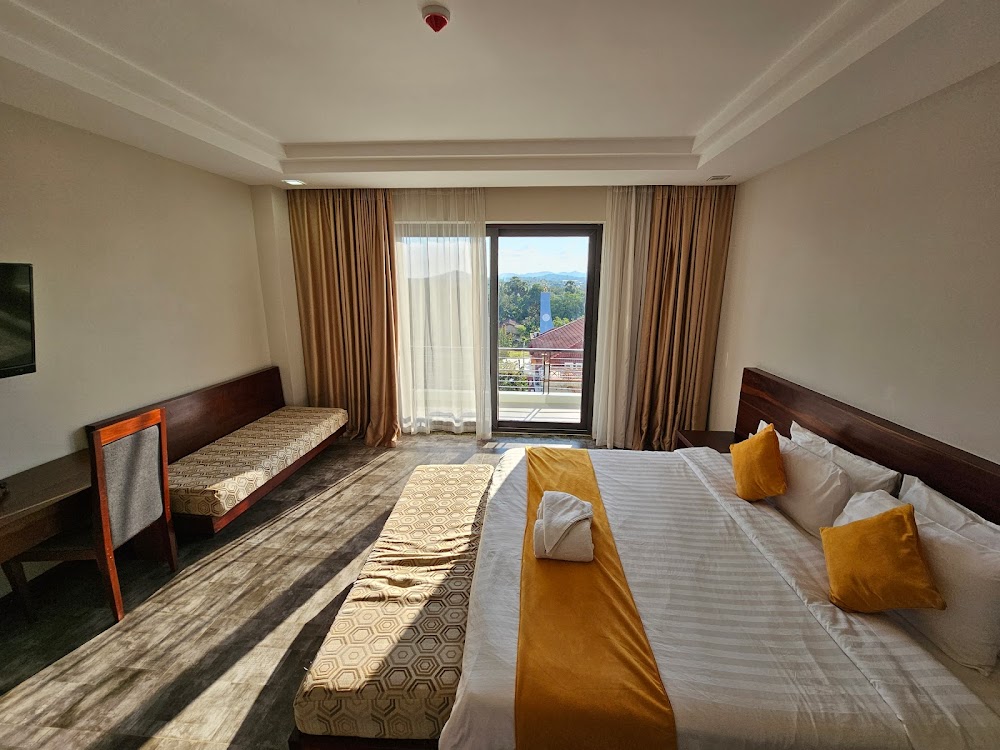
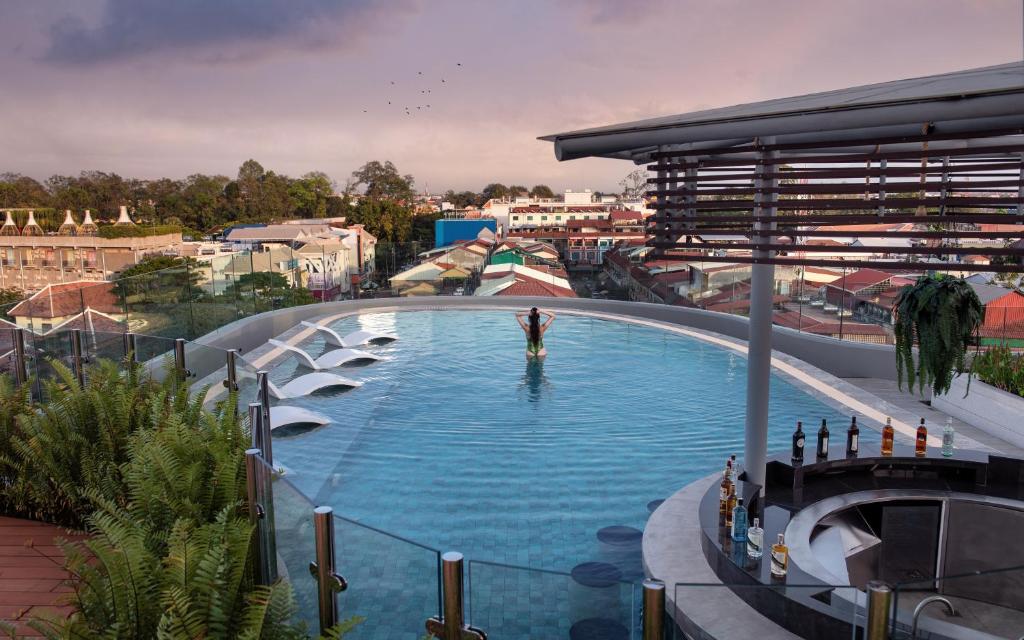
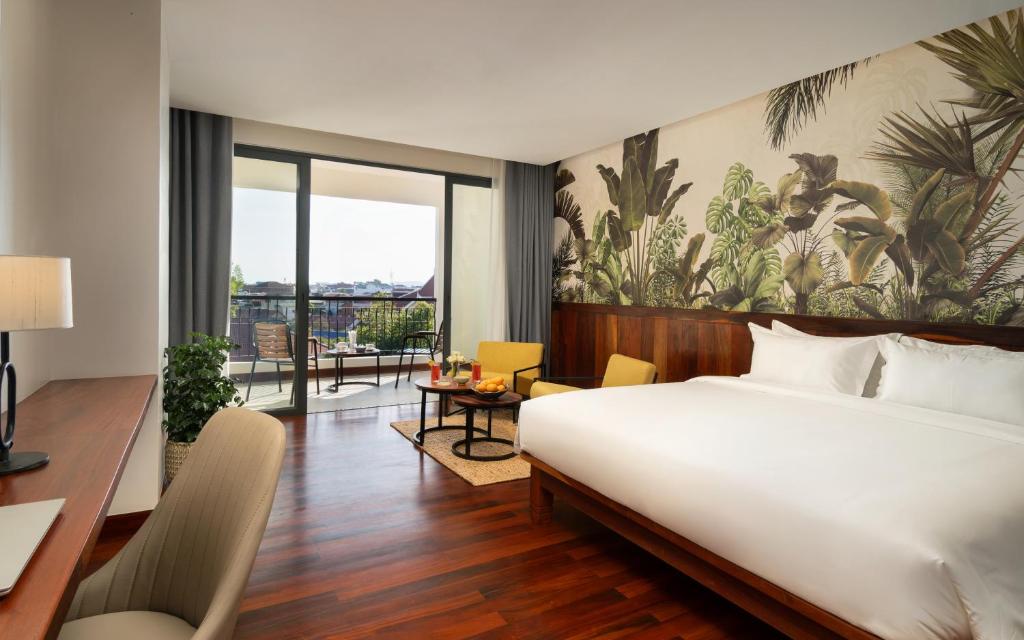
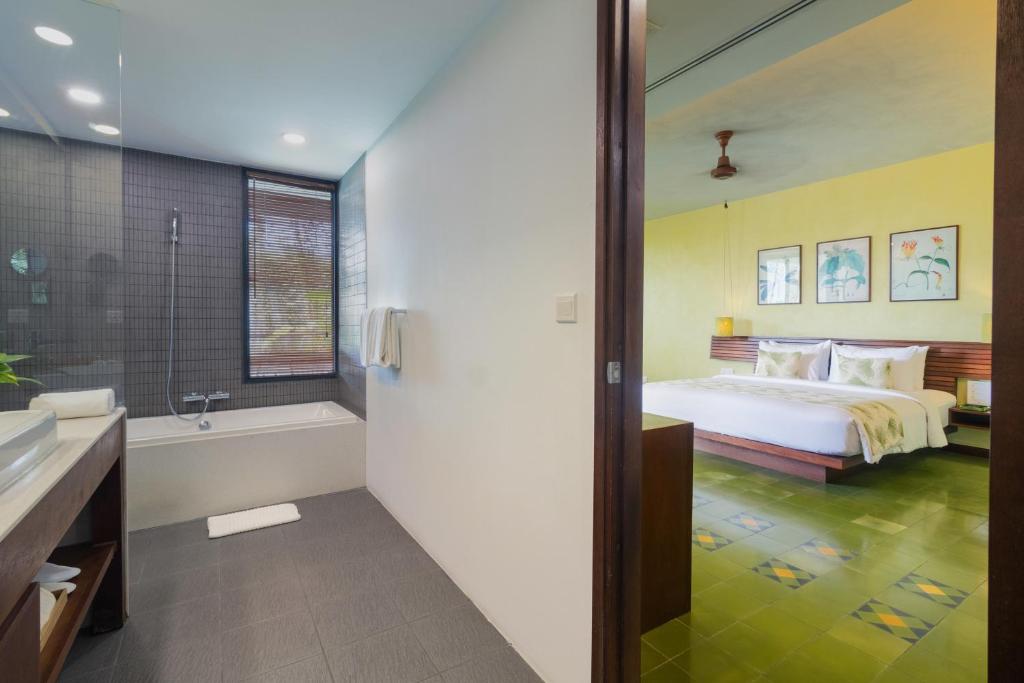
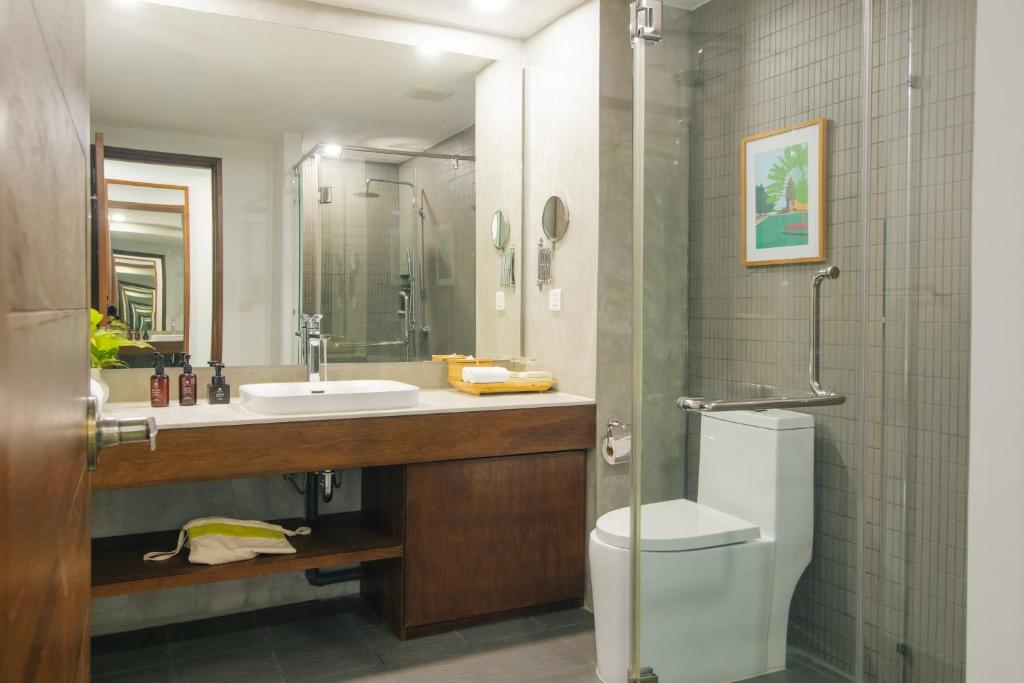
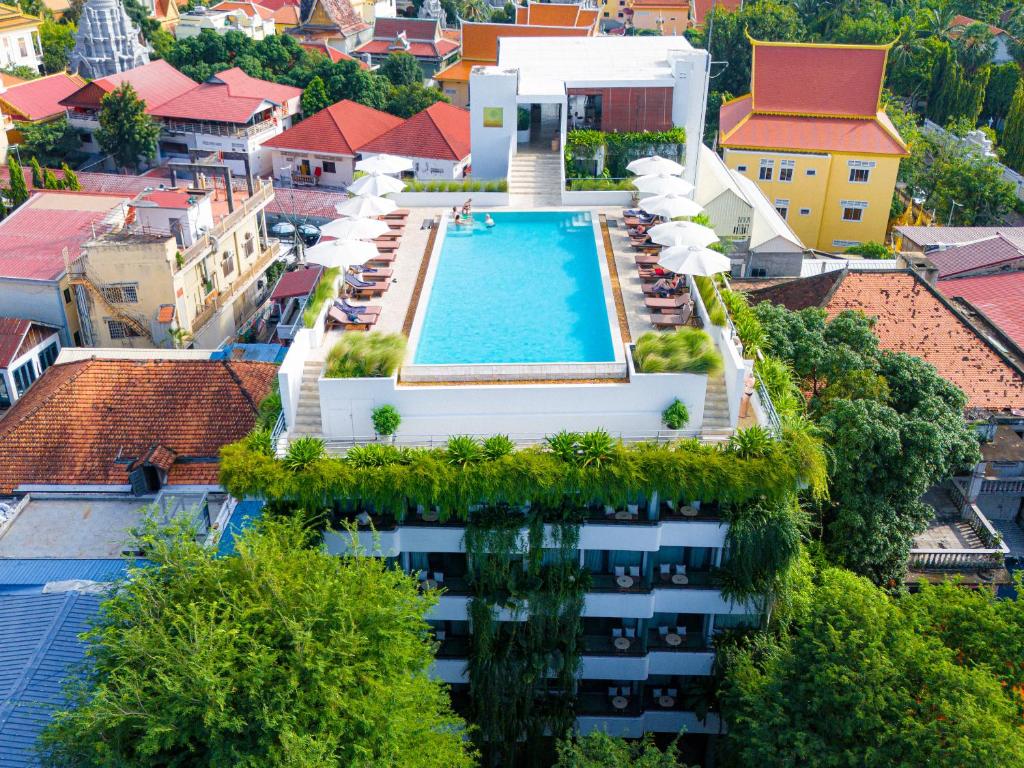
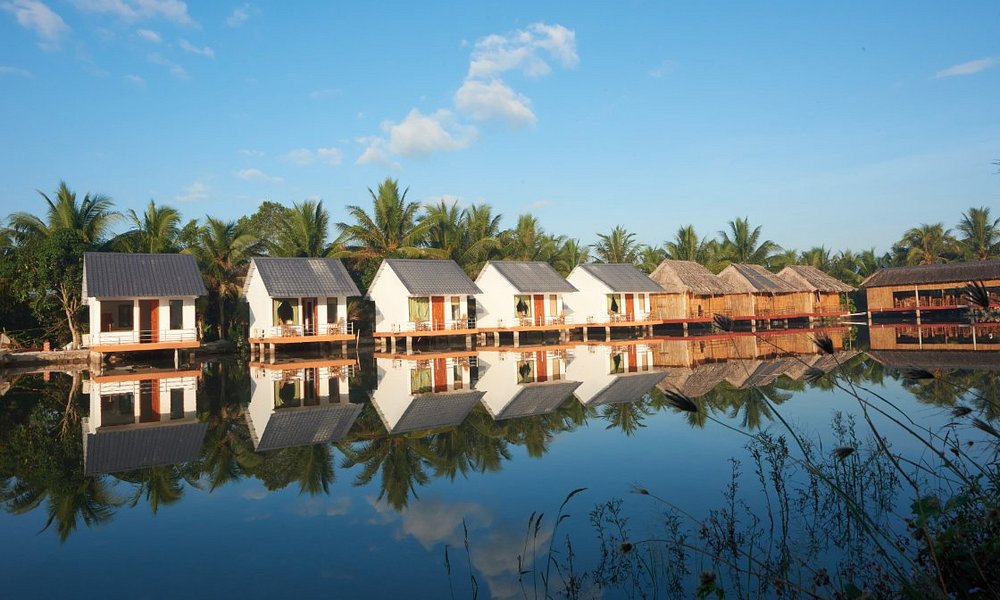
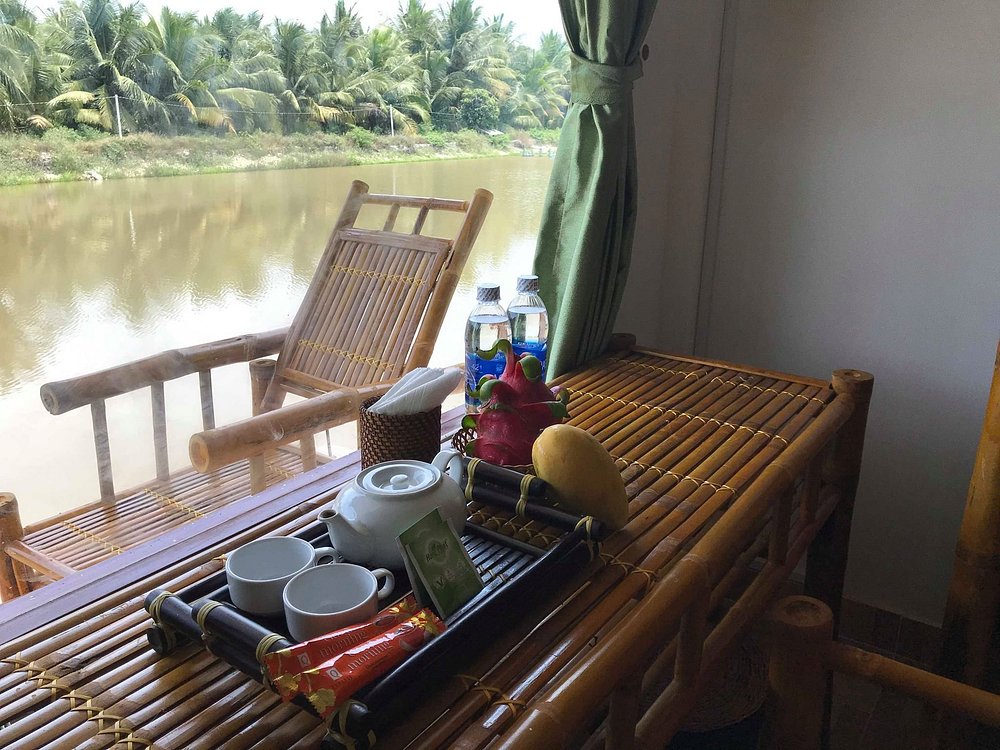
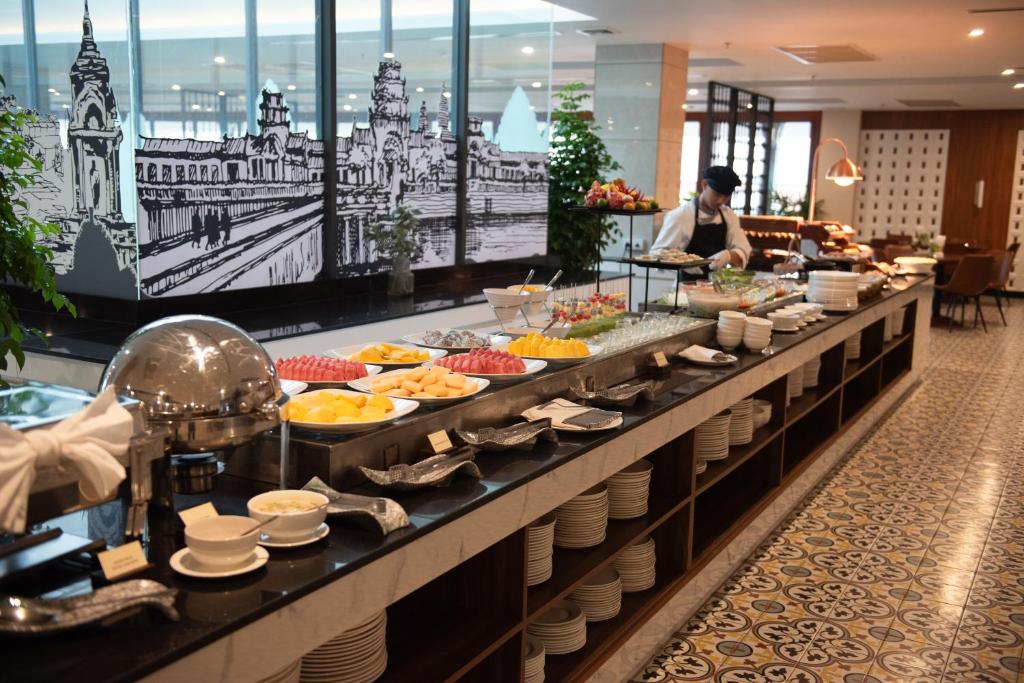
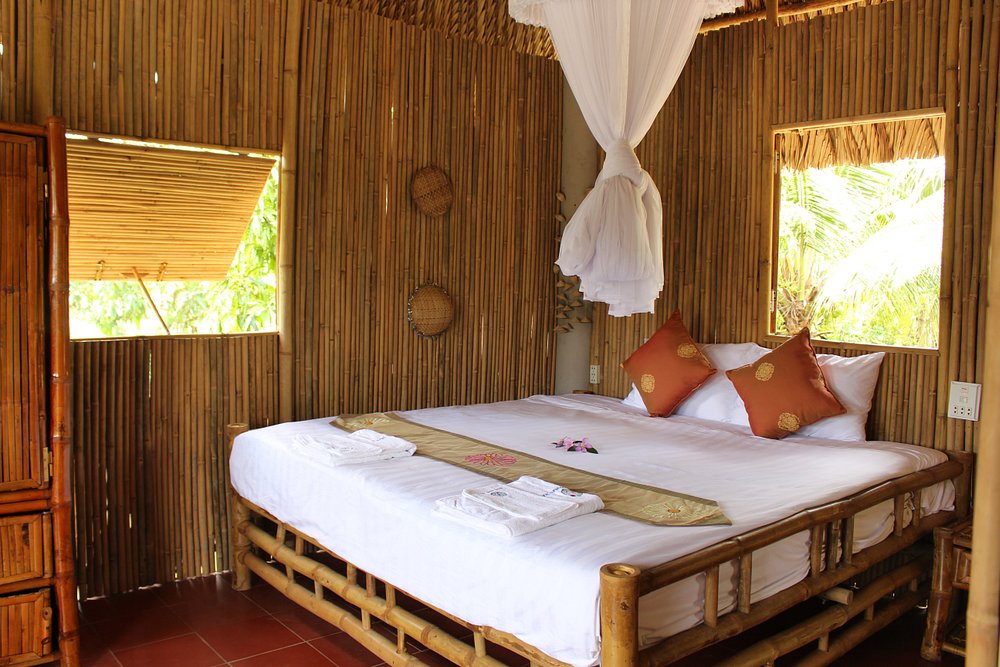
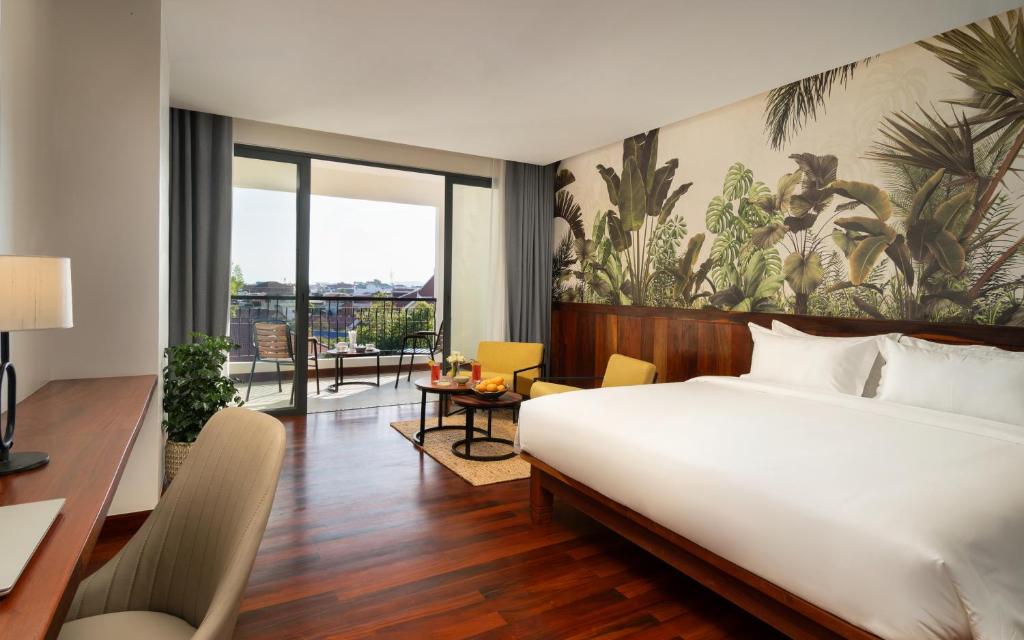
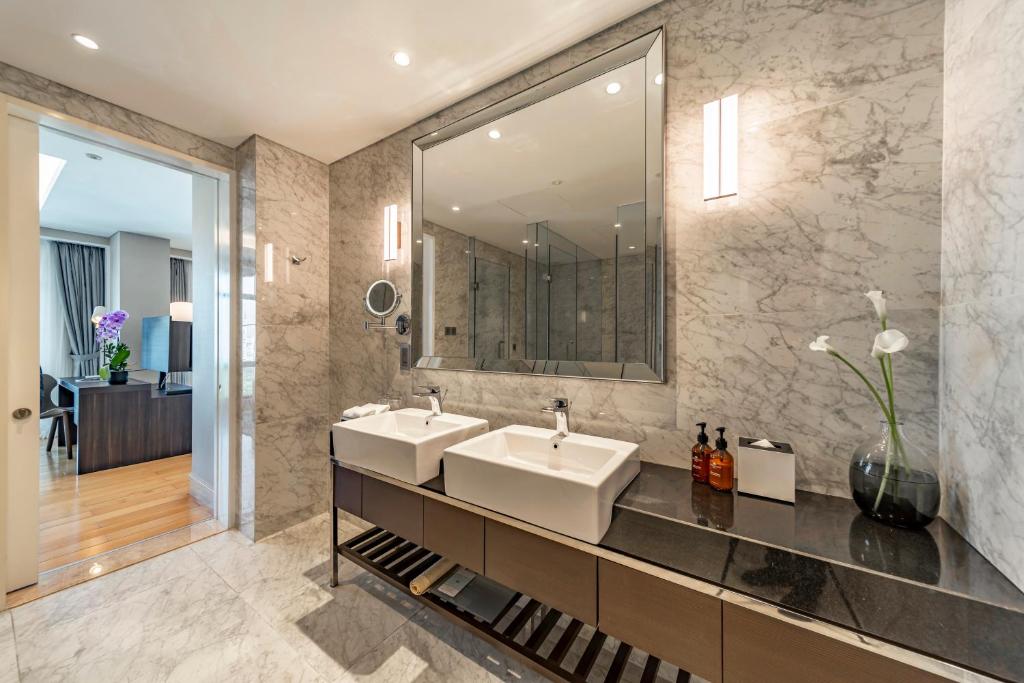
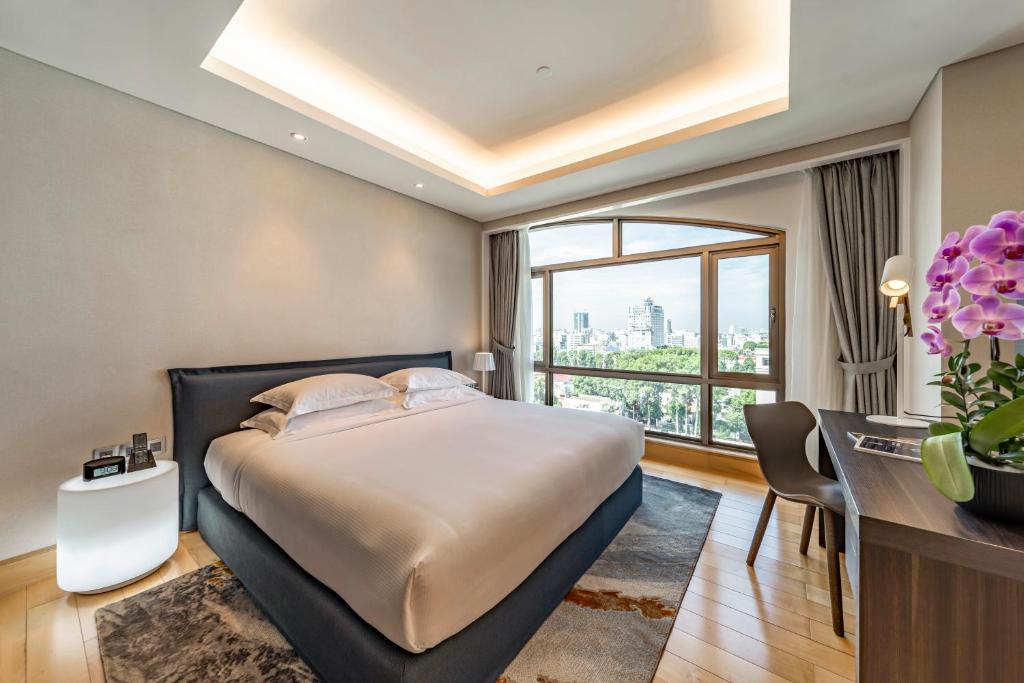
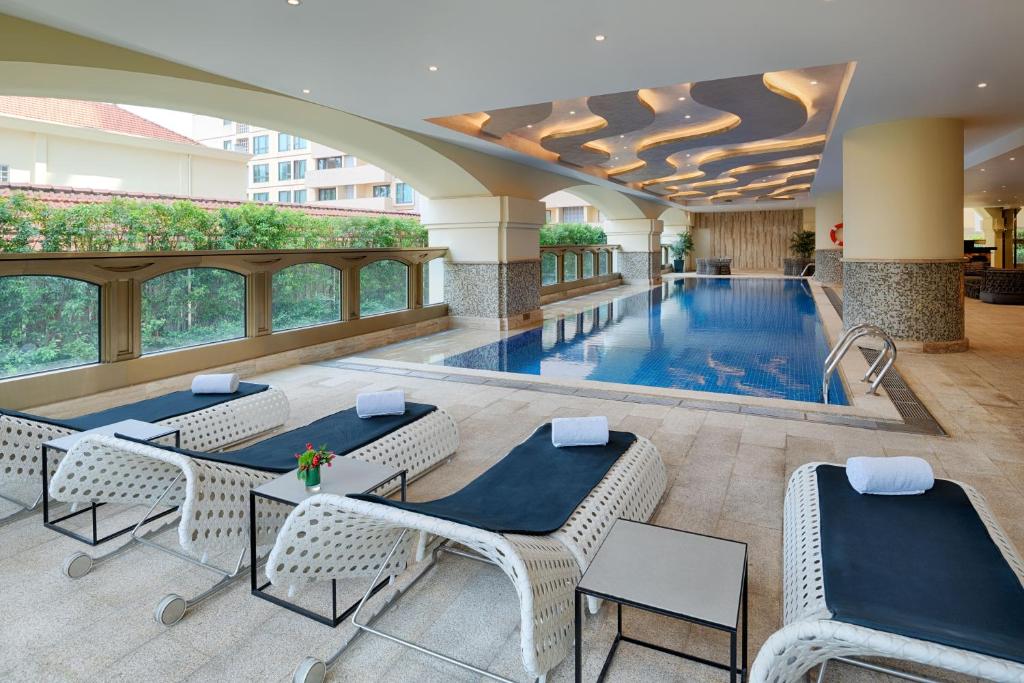
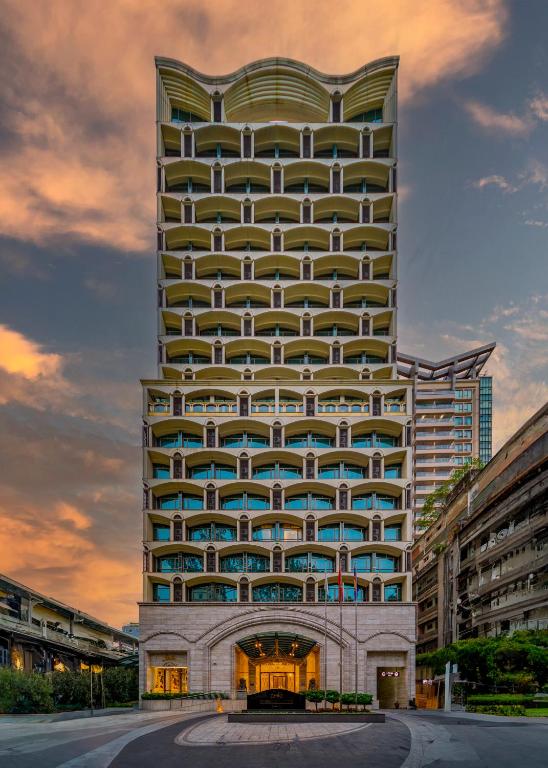
This cross-border tour offers a comfortable mix of boutique hotels, modern city properties and clean local stays as we travel from Siem Reap through rural Cambodia and into the Mekong Delta of Vietnam.
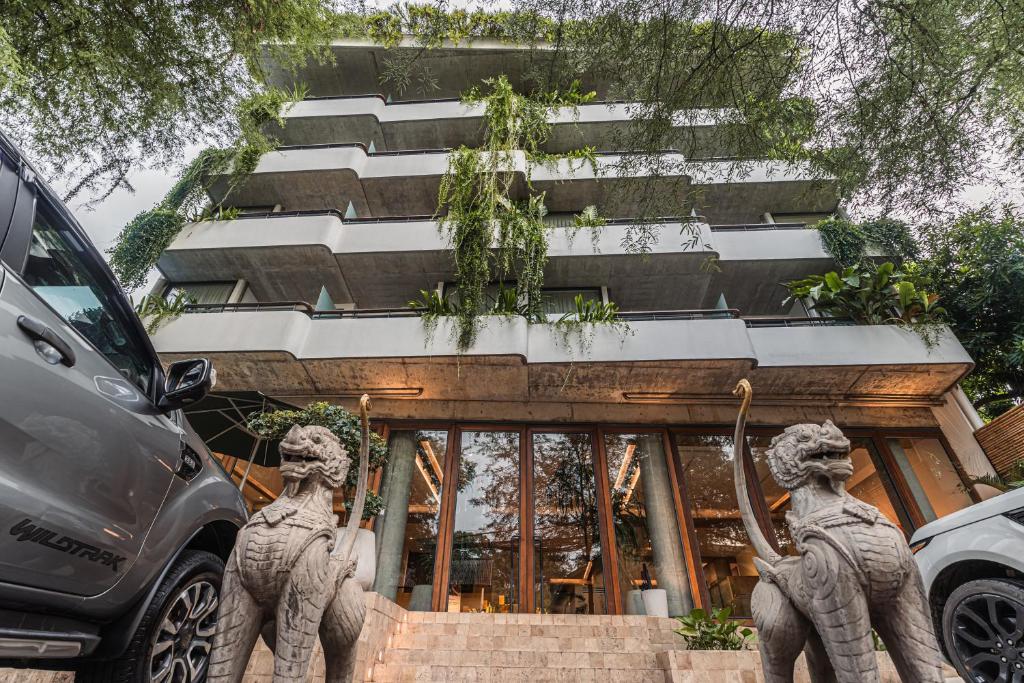
We begin at Koulen Central Hotel in Siem Reap, a modern and well-equipped property close to the temples. Nights in Cambodia include the stylish Cambana La Rivière Hotel (Battambang), the friendly Sovann Phum Hotel (Kampong Chhnang), and the centrally located Penh House Hotel in Phnom Penh.
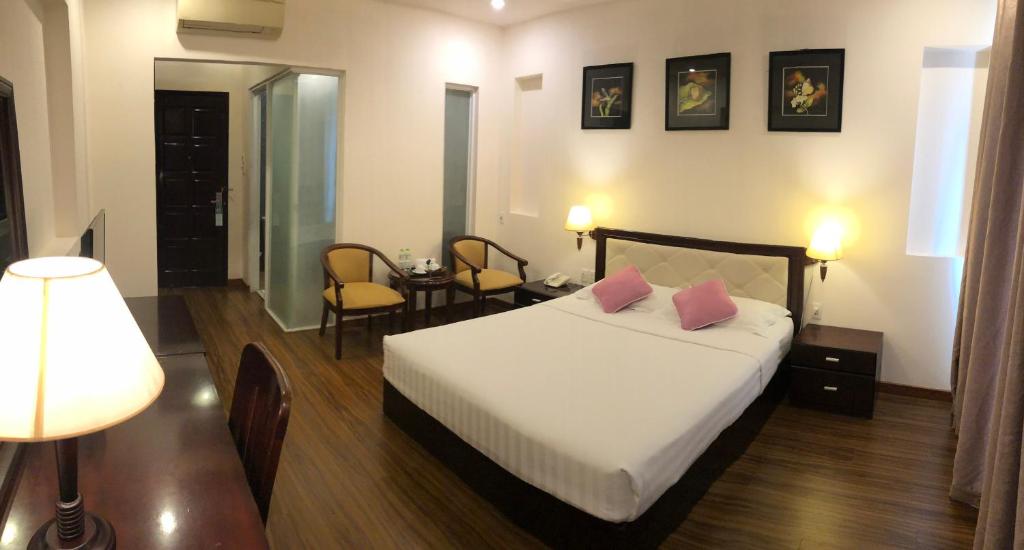
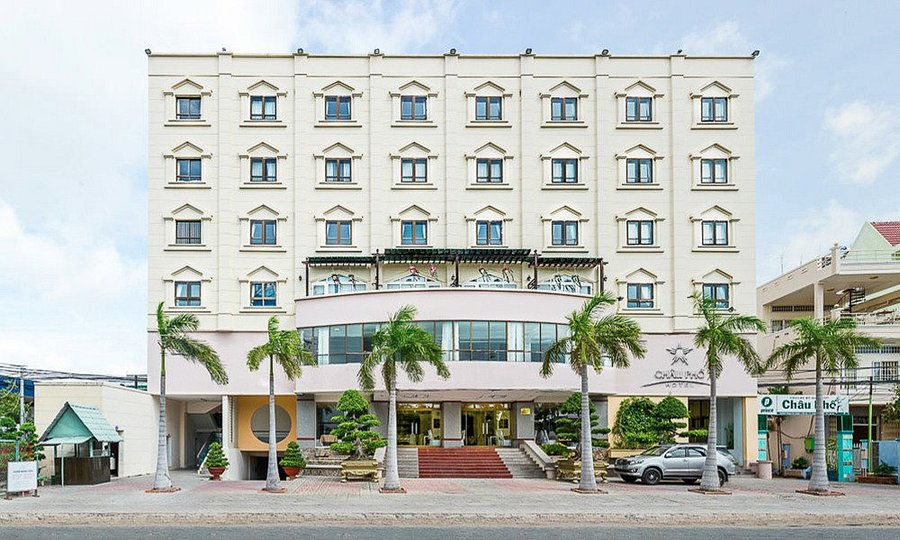
Crossing into Vietnam, we stay in comfortable mid-range hotels such as Chau Pho Hotel (Chau Doc), Hoa Binh 1 Hotel (Long Xuyen) and Nesta Hotel in Can Tho. In Tra Vinh, accommodation is simpler at Tra Vinh Guesthouse, offering clean rooms and local hospitality. The tour ends with an upgraded stay at Sherwood Suites in Ho Chi Minh City — spacious, modern and one of the most comfortable properties on the route.
Expect: