- Overview
- Itinerary
- Key Places
- Essential Info
- Accommodation
Scotland – The Wild West Cycling Holiday
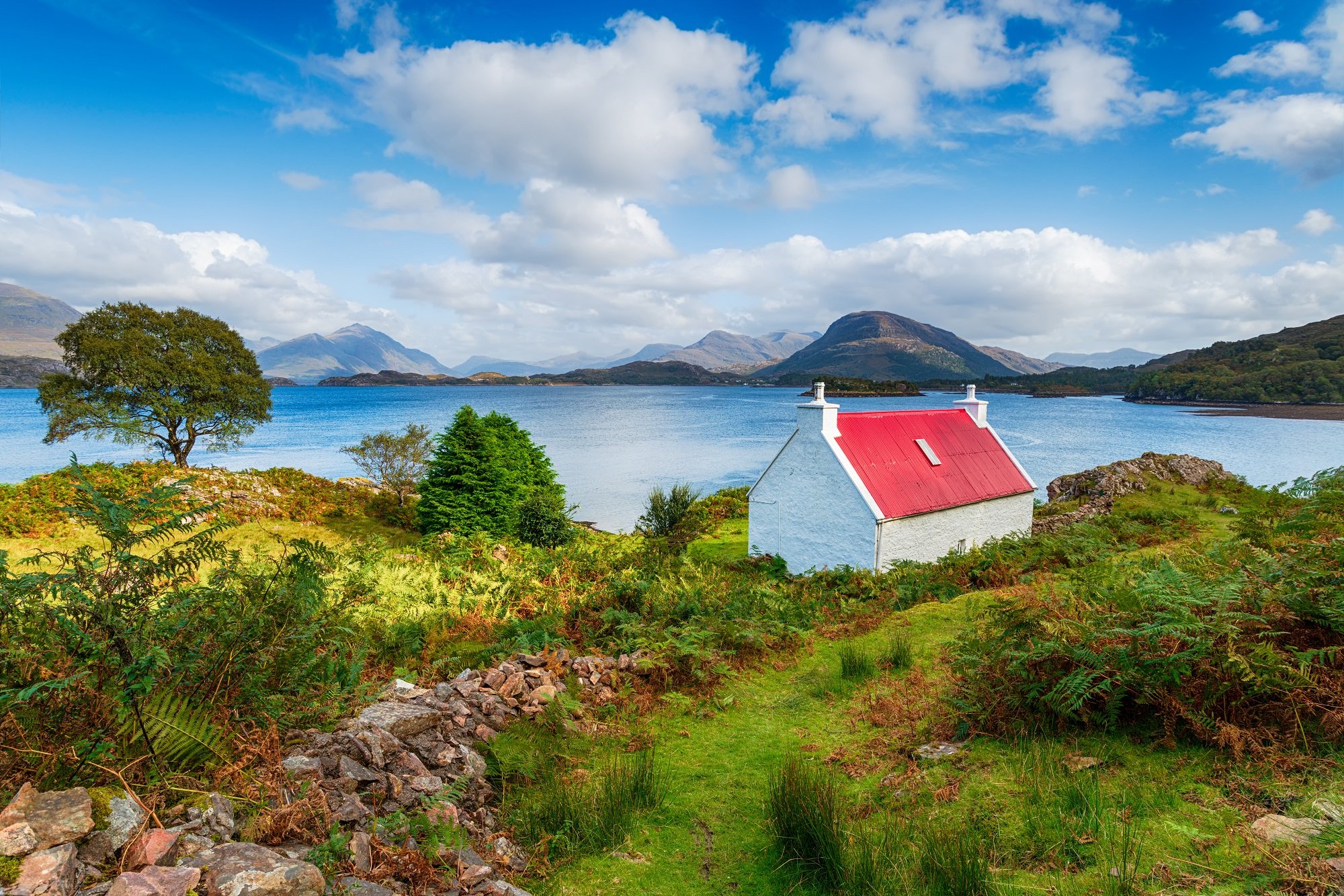
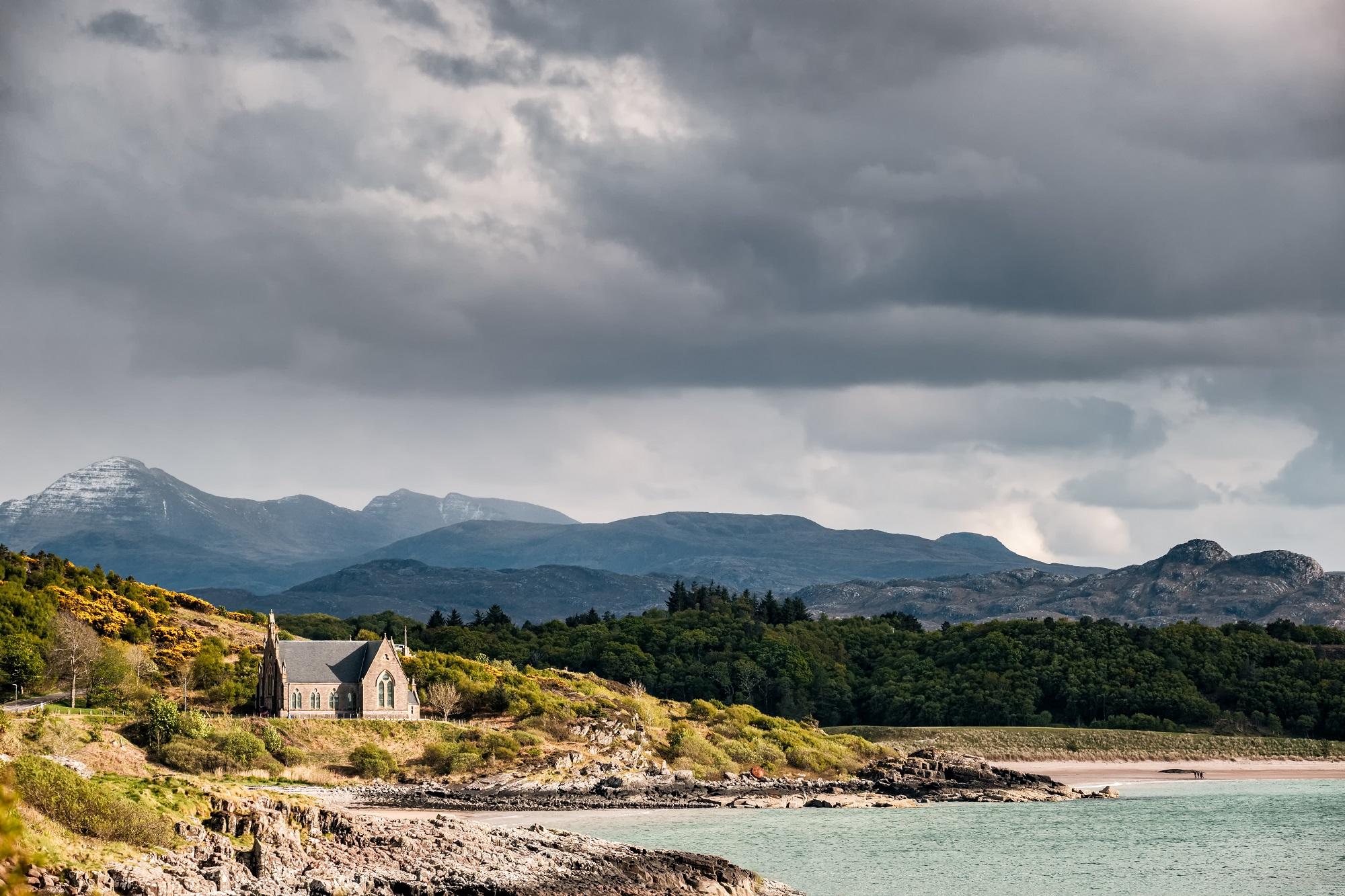
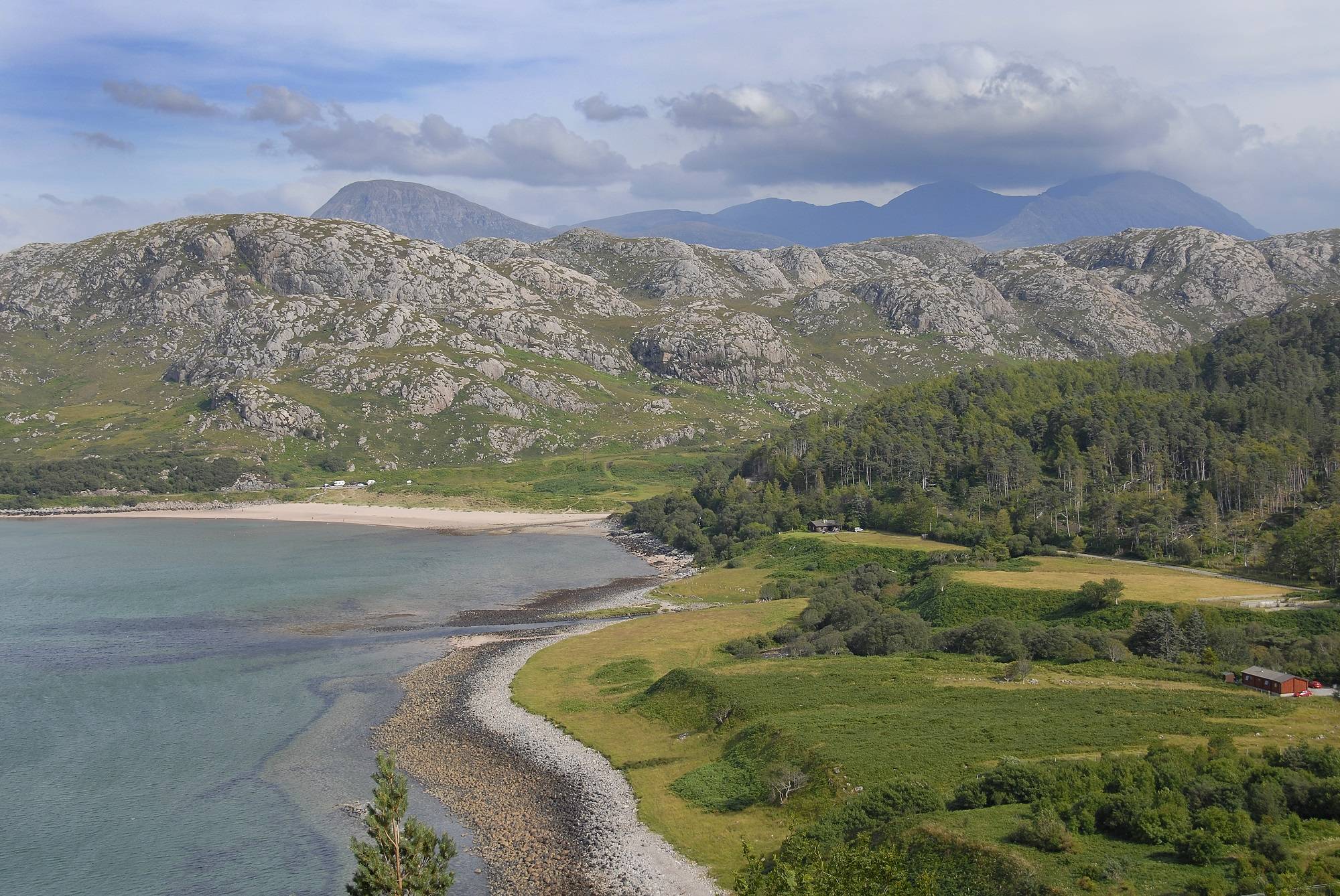
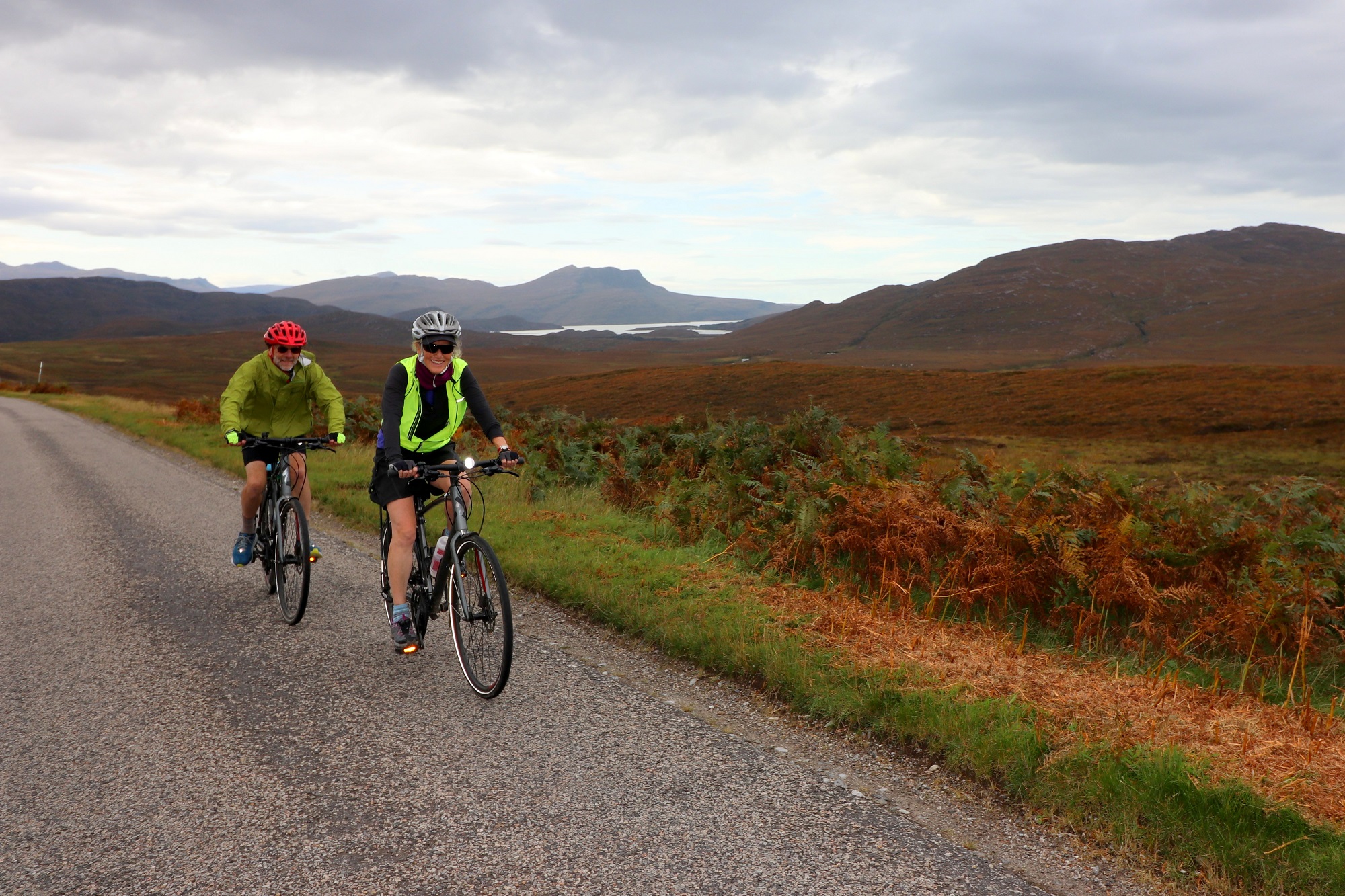
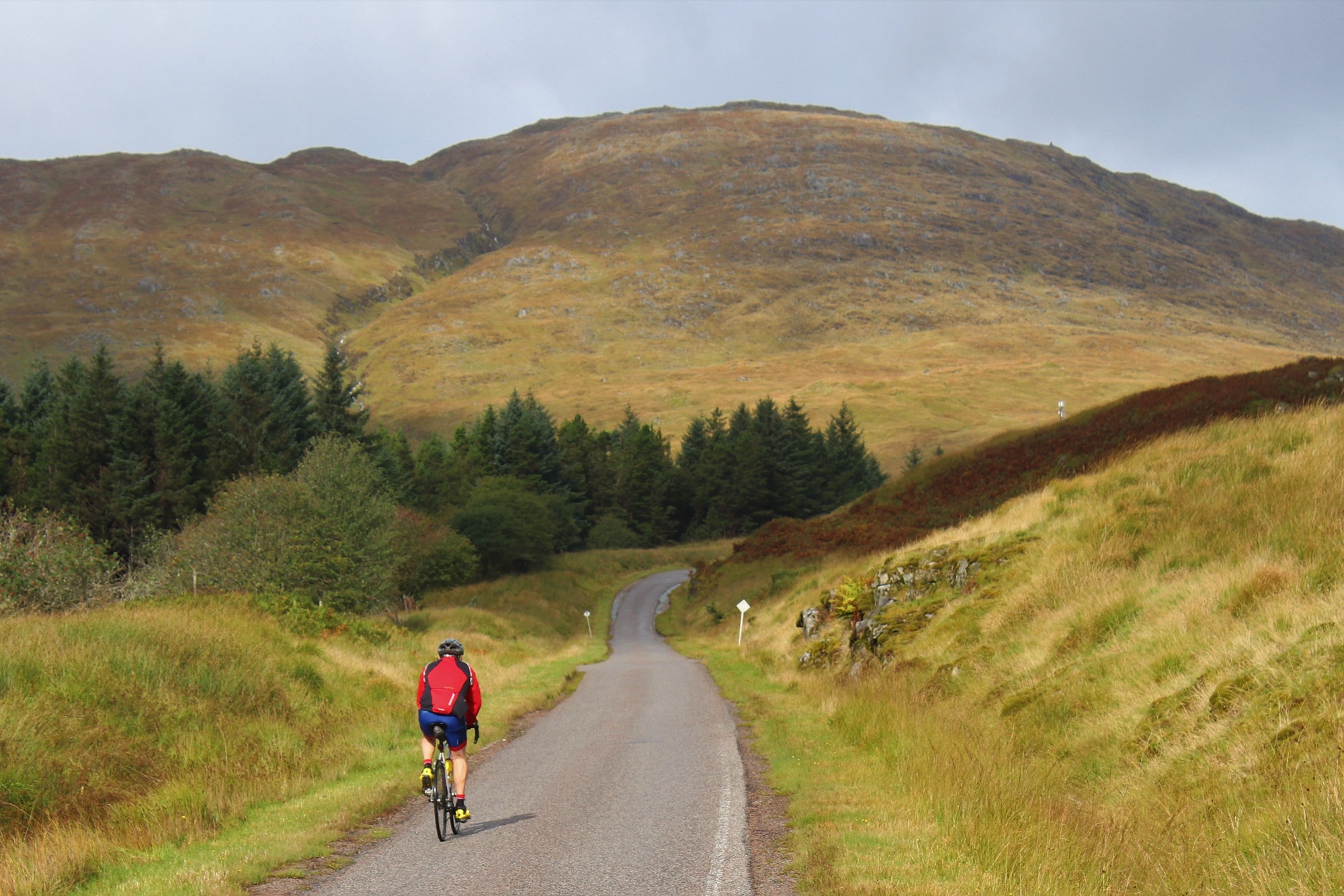
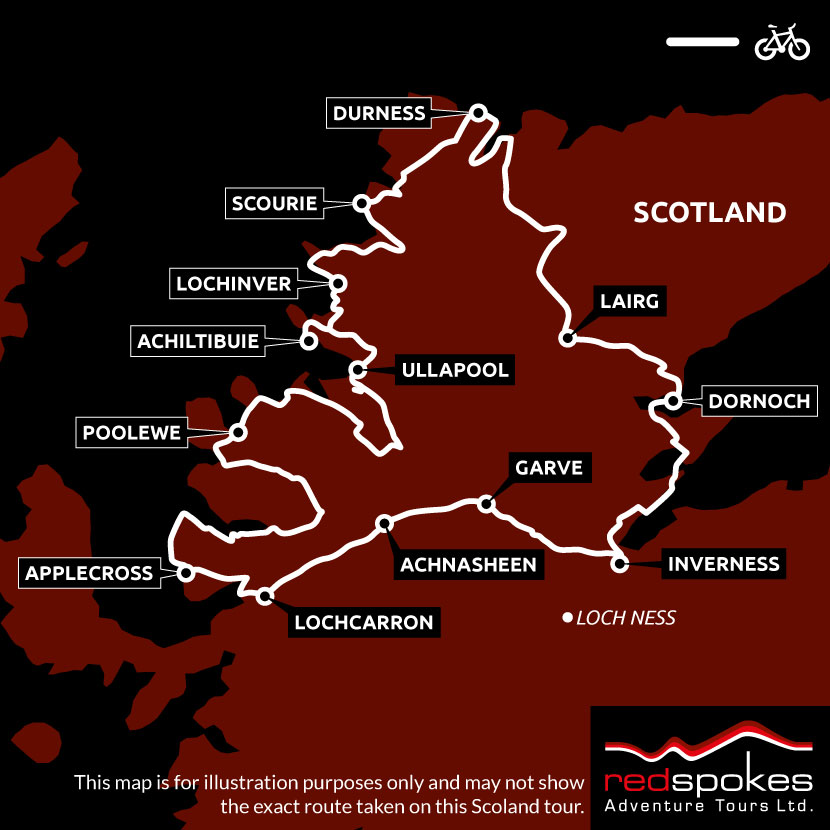
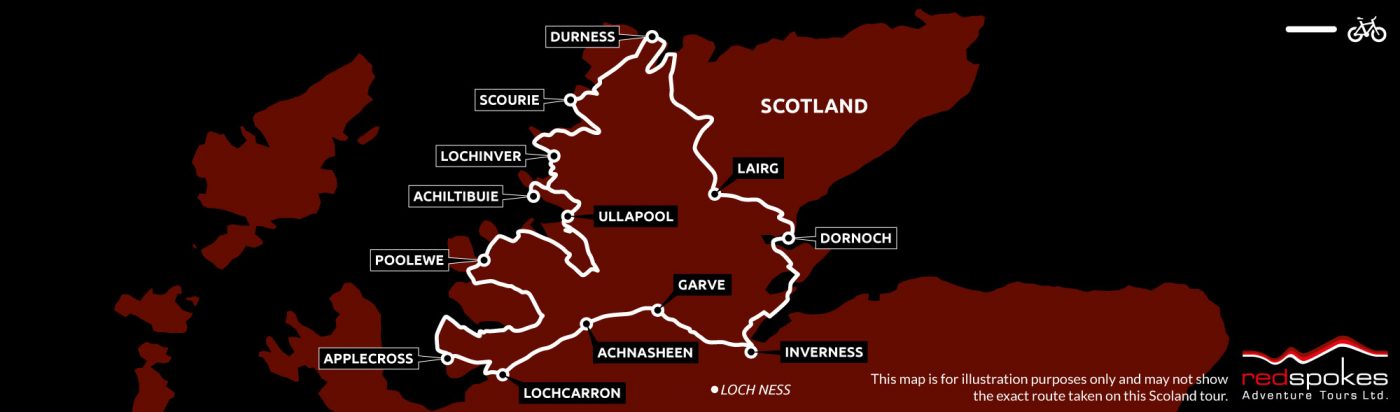
The Scottish Wild West cycling tour is a spectacular journey through the remote Highlands, beginning in Inverness and heading north across the Black Isle to the wild landscapes of Sutherland. Riding past coastal villages, lochs and historic towns, the route follows quiet roads through heather-clad moorland and along dramatic shorelines, with sweeping views of mountains carved by ancient glaciers.
From the rugged north coast and the fishing port of Lochinver, the adventure continues to Ullapool and along the Atlantic seaboard before tackling the legendary Bealach na Bà, the UK’s highest tarmac road. With thrilling descents, wildlife-rich nature reserves and classic Highland scenery, this tour combines physical challenge with some of Britain’s most breathtaking landscapes.
Achiltibuie
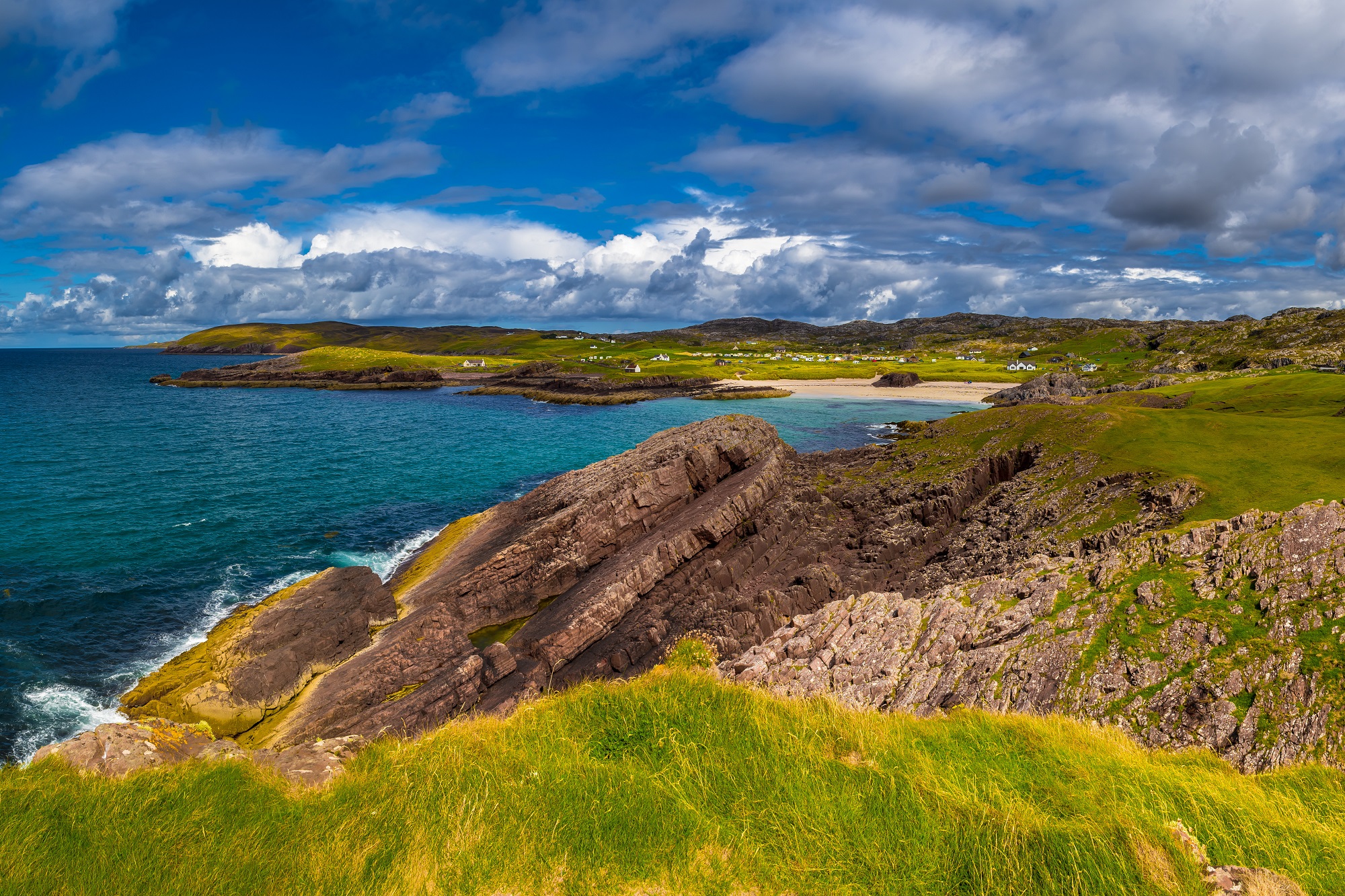
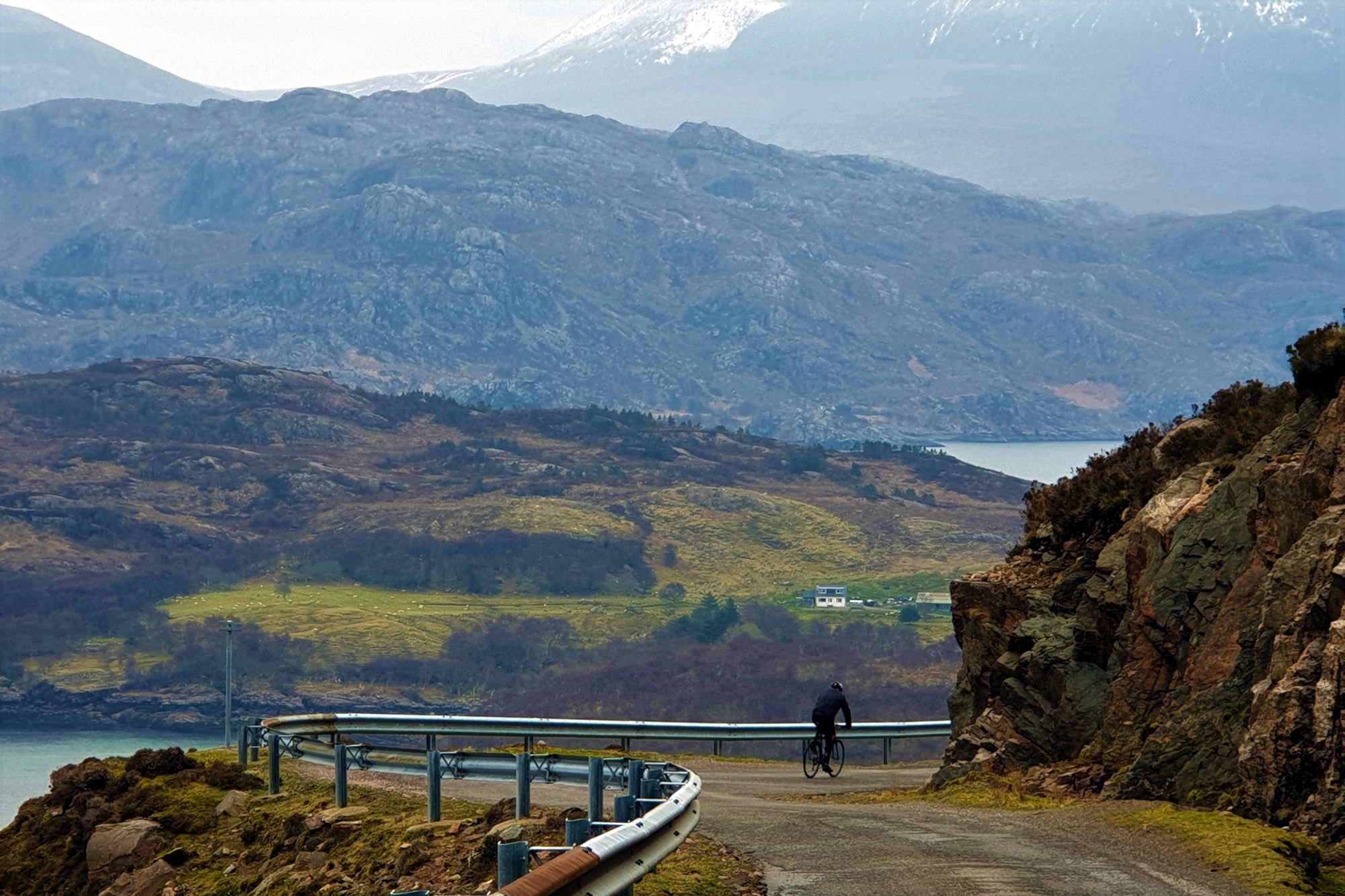
The village of Achiltibuie, can only be accessed via hilly and twisting single track road; it represents the north west of Scotland from a bygone era before new roads forged pathways across the landscape. Your efforts to get here will be rewarded by the beautiful natural mountain and coastal scenery.
Achiltibuie is the best known of a number of small settlements around the coast of western end of the Coigach Peninsula overlooking Badentarbet Bay to the west. To the south are Loch Broom and the Summer Isles: Tanera Mor, Tanera Beag and a couple of dozen smaller islands that are no longer permanently inhabited. Some of the islands can be accessed from the pier at the north-western end of Achiltibuie.
The village lies to the south of the Northwest Highlands Geopark. It is a National Scenic Area and forms the northern boundary of the newly designated Wester Ross Marine Protected Area.
Lochinver
Lochinver, in the Assynt district of Sutherland sits amidst a spectacular scenery of dramatic high cliffs, waterfalls and hills. The Assynt Hills are reported to be the oldest in Britain and contain some of the great mountains of the north such as Suilven, Canisp, Quinag and Ben More Assynt.
Lochinver is Scotland’s’ second largest fishing port, a key industry to the local community. In the 1990s the harbour area was rebuilt and developed.
The village is situated where the River Inver flows into the loch with dramatic views back across to Suilven’s peak and is a popular destination for hill walkers’, climbers and nature lovers. Local Birdlife includes the curlew, oyster catcher and hooded crow.
The Black Isle
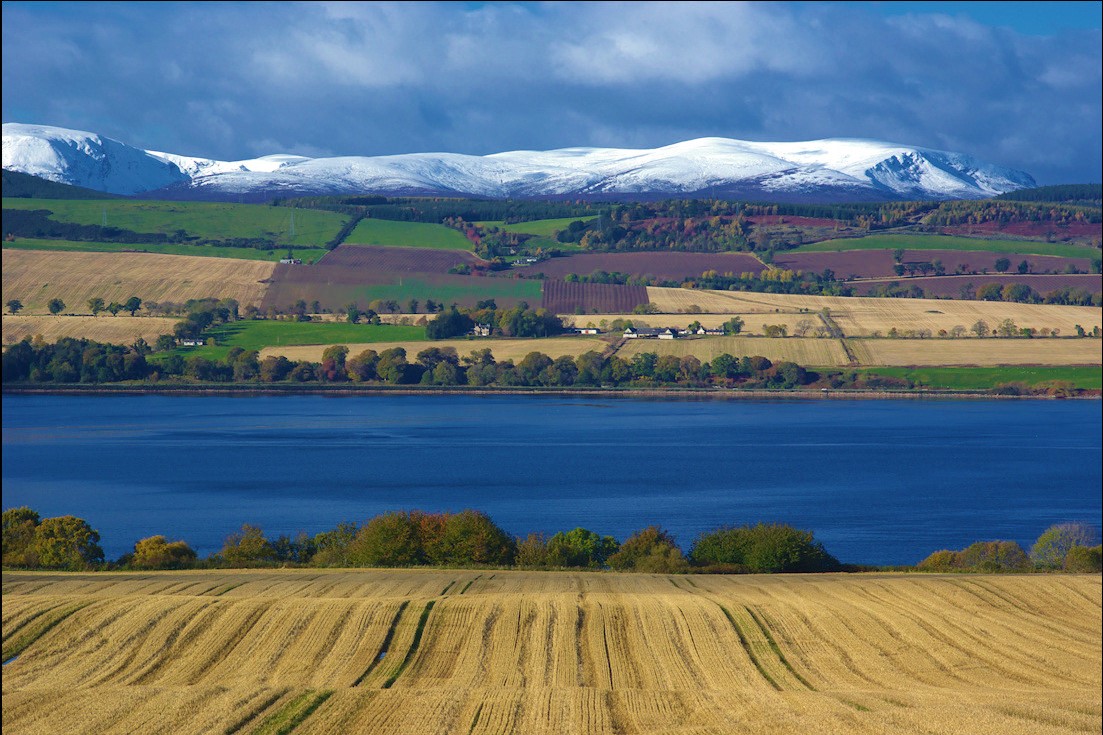
The rolling landscapes of the Black Isle peninsula make a distinct contrast to the craggy mountains of North West Scotland. The Black Isle was once covered in dense forest. The population of the area is around 12,000. This watery headland is surrounded by the Cromarty Firth to the north the Beauly Firth to the south and the Moray Firth to the east (famous for its resident pod of Bottlenose dolphins which can be most easily seen from Chanonry Point between Fortrose and Rosemarkie).
The Black Isle was one of the first areas of the highlands to experience the clearances. The area had its own dialect used mainly by the fishing communities this died along with its last native speaker Boggy Hogg in 2012.
The isle is home to 2 distinctive RSPB nature reserves Fairy Glen an enchanting habitat of woodland songbirds and wild flowers and Udale Bay where you’ll find migratory pink-footed geese.
Inverness
Inverness lies at the north-eastern end of the Great Glen (Gleann Mòr). The city is the area’s largest metropolis and regarded as the capital of the Highlands. Meaning ‘mouth of the river Ness’ in Gaelic, the city is located where the Ness River flows out of Loch Ness into the Moray Firth (famous for its resident pod of Bottlenose dolphins). Inverness is near to two key historic battle sites: the 11th-century battle of Blàr nam Fèinne against Norway which took place on The Aird to the west of the city and the 18th-century Battle of Culloden (the last battle fought on British soil). Inverness Castle now stands were, legend has it, was once the seat of 11th Century Gaelic king Mac Bethad Mac Findláich who murdered king Donnchad Mac Crinain, as fictionalised by Shakespeare in ‘the Scottish play’.
There are many other historic buildings, notably in the Old Town and Victorian Market. St Andrew’s Cathedral, built from Red Tarradale stone, with a nave of five bays, divided by columns of Peterhead granite, has an imposing position on the River Ness. You can take a circular walk from the castle along the river and through the Ness Islands. Other attractions in the city include Inverness Museum & Art Gallery, tropical gardens at Inverness Floral Hall and a Titanic Inverness Maritime Museum.
Above the city lies Craig Phadrig, an ancient hill fort and once the stronghold of Pictish Kings. From here you can enjoy forest walks and magnificent views of the Moray Firth.
Torridon
The area of Torridon encompasses Upper Loch Torridon, and regions to the west and north towards Kinlochewe where you will find some of Scotland’s most magnificent mountains. On the north eastern shore of the upper loch the village of Torridon sprawls along the shoreline. Until the 1950s it was known as Fasag. In the 19th Century the tenants of these communities were badly affected by the clearances at the hands of landowner Colonel McBarnet who’d made his fortune on plantations in the West Indies. In the village you can visit the National Trust for Scotland’s Torridon Countryside Centre and Deer Museum.
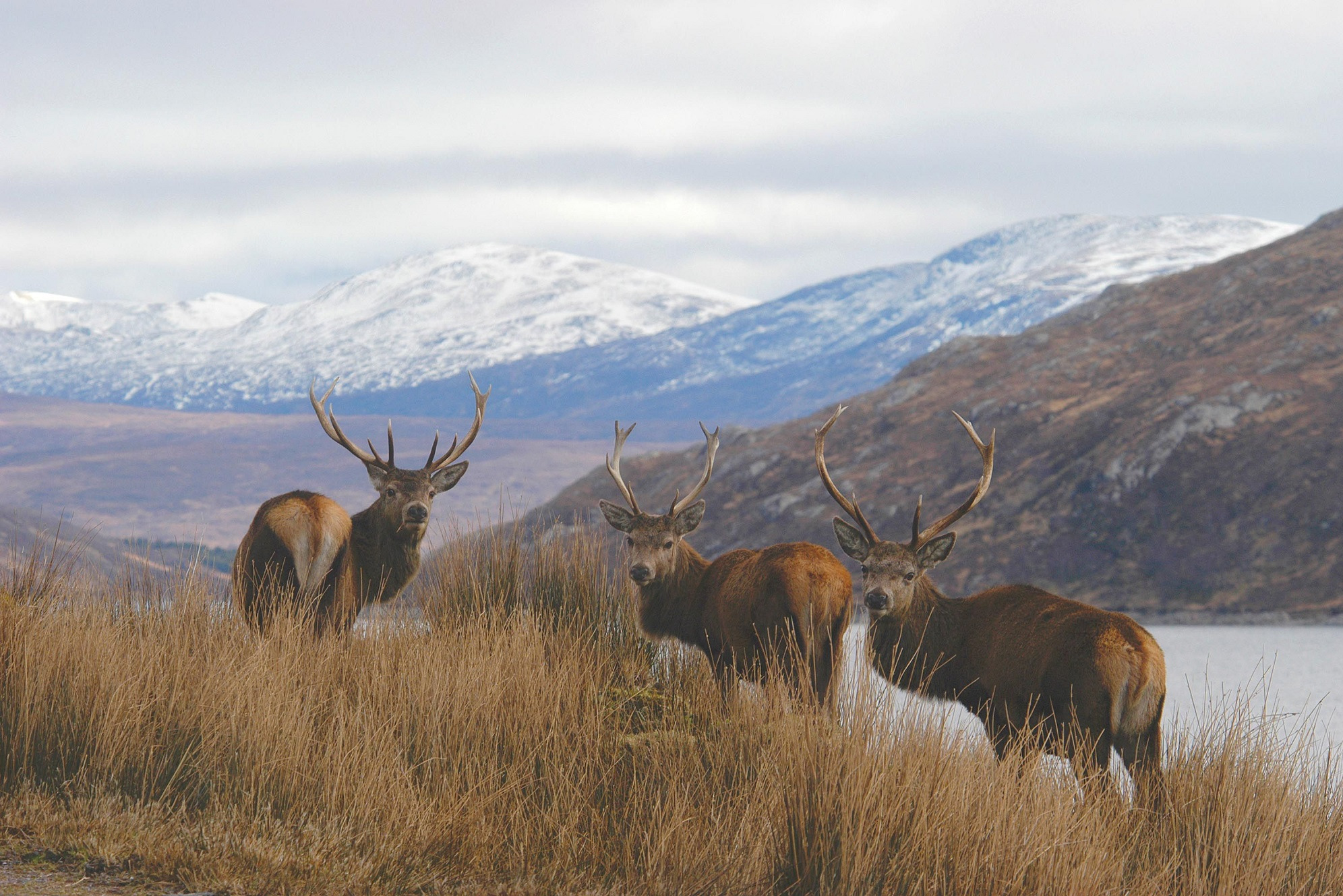
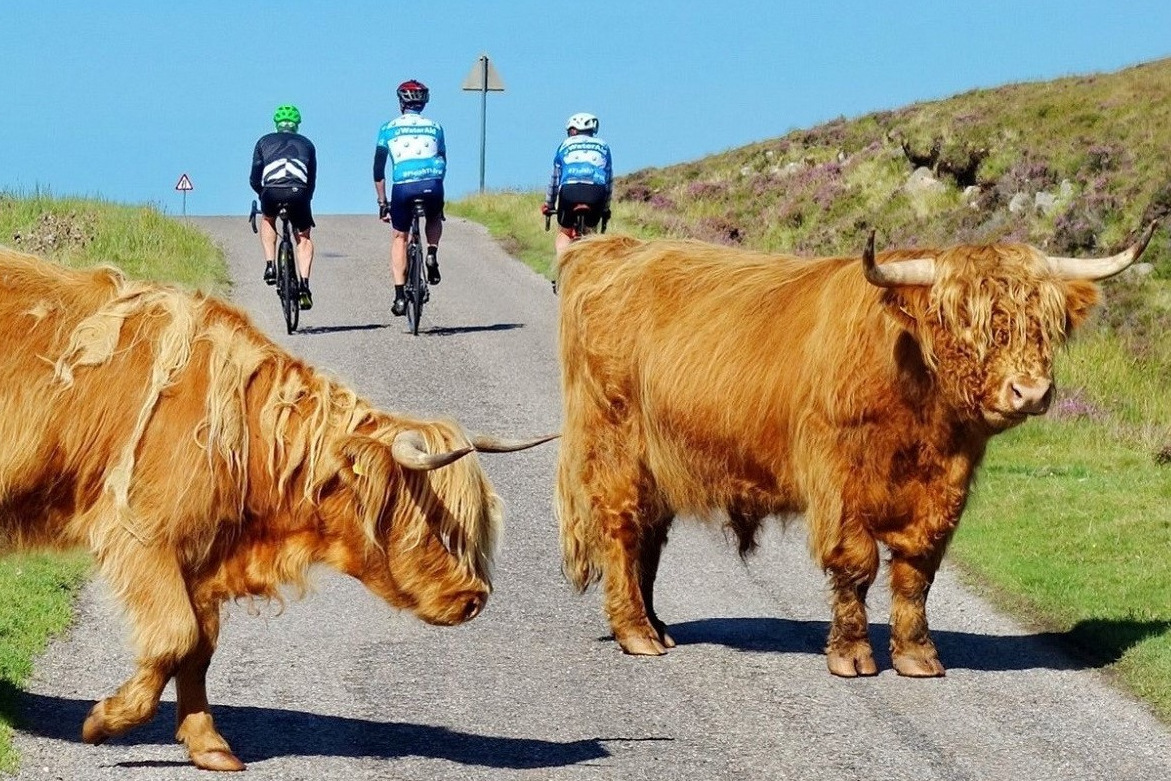
Beinn Alligin, Liathach and Beinn Eighe mountains – the Torridon Giants – rise around 1,000 metres from sea level to their peaks amongst a scenery of glens and lochs. There are as many as 46 munros in the area. Highland cattle and red deer graze the moors. Pine martens or otters can be spotted at the loch side or on the water. These ancient sandstone peaks and lochs create a rugged, raw scenery that is a delight for nature lovers, offering challenging terrain biking and breath-taking scenery.
Wester Ross
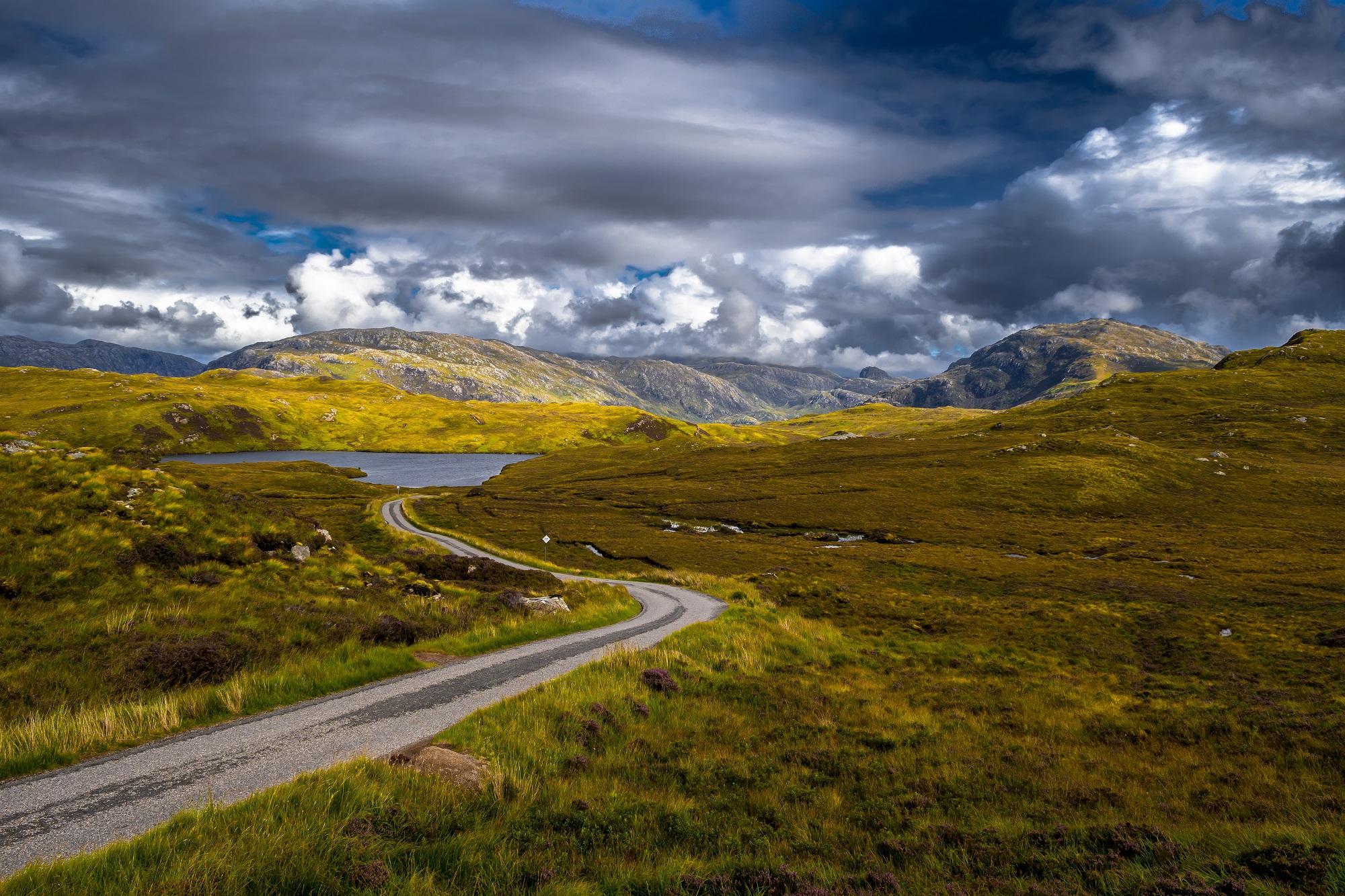
Wester Ross in the Northwest highlands of Scotland is an area between Loch Carron in the south, Loch Broom and Ullapool in the North, flanked by Achnasheen to the east. The area is remote and sparsely populated with just over 6,000 residents spread amongst one town and a sprinkling of villages and smaller settlements. This is one of the few places in Scotland where ancient remains of the ancient Caledonian forest live on. You can travel great swathes of the area without encountering another soul, as you ride on single track road amidst mountain scenery. The area is subject to sudden and dramatic weather changes so be prepared.
Loch Maree in the heart of Wester Ross, one of the most beautiful lochs in Scotland, rich in history and a wildlife oasis. The 20km long loch is the fourth largest freshwater loch in Scotland. Loch Maree contains five large wooded islands and over 25 smaller ones, many of which have their own lakelets.
Itinerary

redspokes Scotland Highlands cycling tour begins in the Highland capital Inverness. Flights to Inverness are routed from destinations across the UK and Europe. There are good coach and rail links to Inverness as well. Taxis are readily available to take you to your hotel. For details see Essential Information and your Joining Details. You have a free afternoon to explore the area. You could visit the Old Town and Victorian Market or St Andrew’s Cathedral. You can take a circular walk from the castle along the river and through the Ness Islands.
There will be a group meeting at 6pm this evening at our tour accommodation with introductions and a tour briefing.
Accommodation: Guest House (B,S,L)
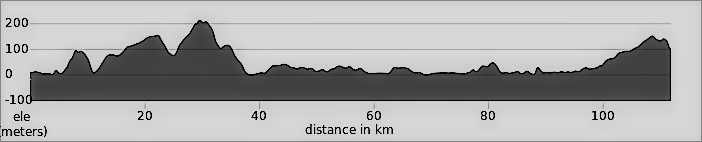
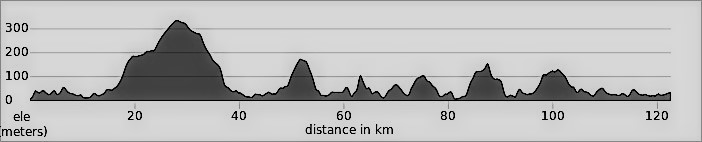
Today we depart Inverness cycling the Black Isle to Rosehall. The first part of our day is a ride to Cromarty; a delightful fishing town right at the tip of the Black Isle. From here we cross the Cromarty Firth; world-famous for its dolphin population, taking a ferry to reach Nigg. Known as ‘The King’s Ferry’, the route was taken by King James IV on pilgrimage to the shrine of St Duthac at Tain. This is one of the smallest car ferries in the world. From Nigg we cycle to the village of Shandwick, passing the ancient Shandwick Stone, which is in a glass case on your left, before the run down into the village. There are actually three villages here, Shandwick, Balintore and Hilton, known as the Seaboard villages. There are one or two shops and hotels here and a harbour. We cycle a short steep climb back up to the cliff top and ride on towards Portmahomack. We continue on, riding through farmland via Balnagall. We drop downhill to reach a long straight, level road, then cross a railway line before making another climb back up into the ancient town of Tain. There is a museum in Tain, and a display telling of the ancient kings of Scotland’s visits to this place. We ride on passing the famous Glenmorangie distillery before crossing the Dornoch Firth on the A9 bridge. Next, we reach Dornorch, an Edwardian resort town.
We ride up the coast northwards to Skelbo, cycling along the water’s edge following Loch Fleet inland. The area is a Scottish heritage nature reserve. The tidal basin is home to a wide range of habitats and species. We cross over the river at the tip of the loch and continue riding inland climbing over the next 9 miles to reach Muie, our route continues to follow the River Fleet. We ride a short drop before climbing again to our high point of the day, then drop down to reach Lairg.
Cycling Distance: 69.6 miles (112 km)
Cycling Ascent: 2,875 ft (870 m)
Cycling Descent: 2,575 ft (790 m)
Accommodation: Hotel (B,S,L)
Includes Ferry.
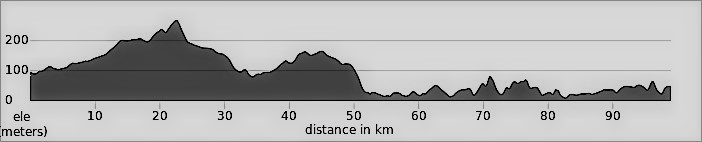
Departing Lairg, we cycle mile upon mile of barren moorland and forest, with hardly a vehicle in sight. We ride on northwards to the Crask Inn, a unique characterful pub set in the wilds of Sutherland with a welcoming peat fire and views of 3156-ft Ben Klibreck, the highest mountain in the district. The pub also serves the community as a place of worship under the auspices of the Scottish Episcopal Church.
We ride on with an 8-mile downhill cycle to Altnaharra and continue biking on narrow track across secluded green glen with just a few houses dotted here and there. Reaching Loch Hope we follow the shoreline on the east side before riding across land a short distance to the village of Heilam on the shores of Loch Eriboll. Eriboll has been used for centuries for deep-water anchorage as it is sheltered from the often-stormy sea. We ride all the way around the loch and follow the coast to picturesque Durness where we stay tonight. Nearby is Smoo Cave, the largest sea cave in Britain with a history dating all the way back to the 8th Century. Smoo has an active river with a deep sinkhole and underground waterfalls. You are also a short distance away from the beautiful Balnakeil beach.
Cycling Distance: 61.5 miles (99 km)
Cycling Ascent: 2,525 ft (770 m)
Cycling Descent: 2,675 ft (820 m)
Accommodation: B&B (B,S,L)
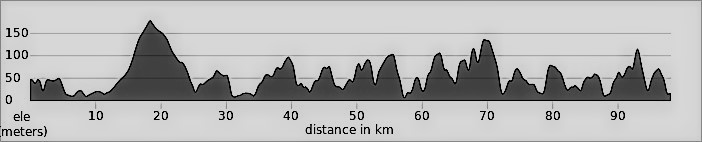
We set off from Durness cycling a route overlooking the Kyle of Durness. You will marvel at the sheer magnificence of the scenery: heather clad moorland alive with wildlife, picturesque lochs and rivers teeming with fish and the rugged grandeur of mountains rising from glens gouged during the last ice-age. As we cut across country, we are deep in Sutherland, one of the last remaining wildernesses in Europe; a lunar landscape of lochs and mountains across a vast upland in the remotest part of the UK.
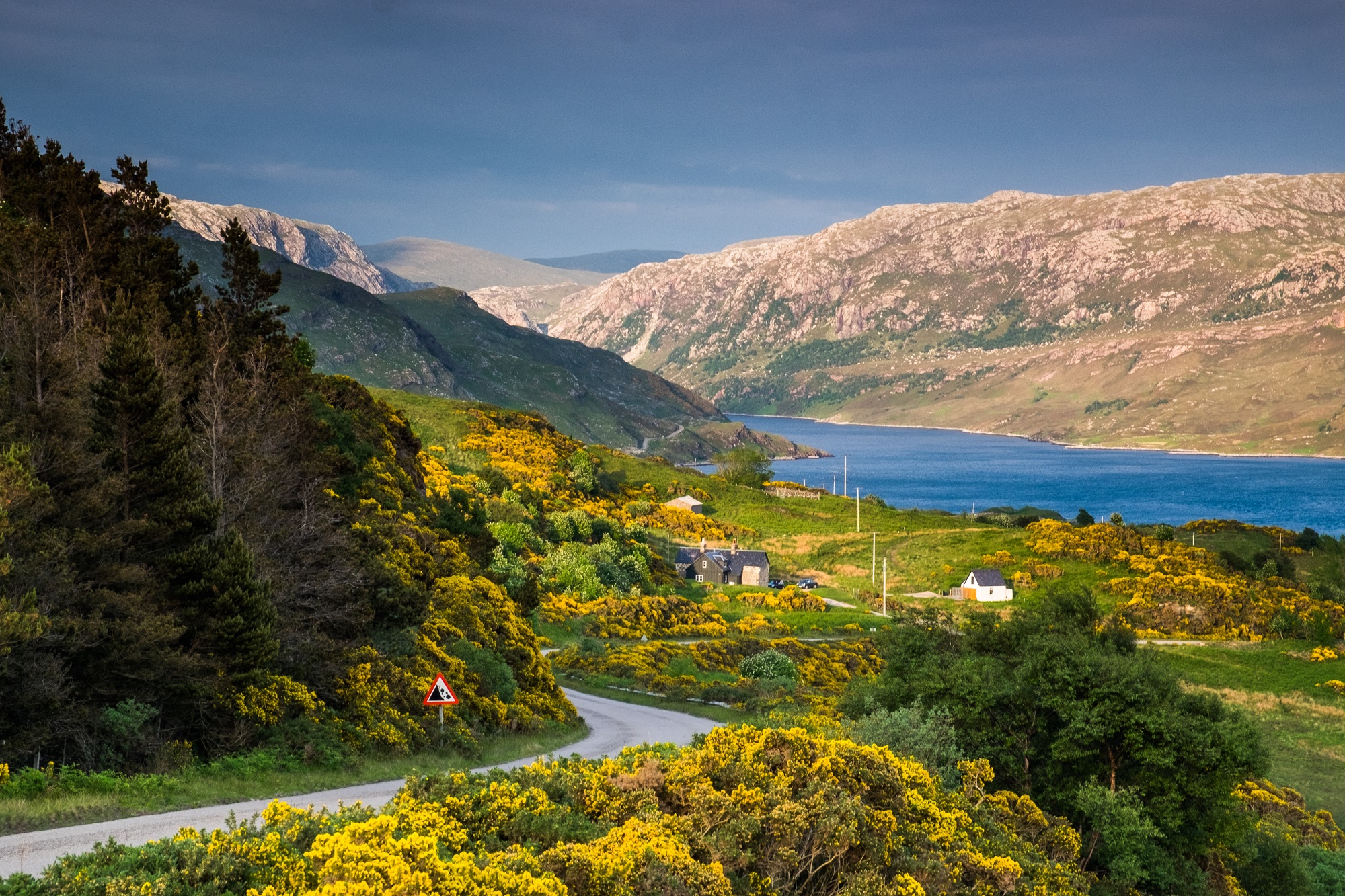
We cycle on passing the white sands of Scourie bay, this is arguably the most scenic route in Scotland, around the coast to Kylesku Bridge. The road twists and turns, undulating along the southern shore of Eddrachillis Bay, through the villages of Drumbeg and Stoer. Resident wild cats, wild deer, eagles and other birdlife have been enjoying this spectacular environment for centuries. Our day ends in Lochinver, the largest community in West Sutherland and a bustling fishing port where Scottish & European Boats unload their catch ready for the evening market.
Cycling Distance: 61.1 miles (98.3 km)
Cycling Ascent: 4,400 ft (1,340 m)
Cycling Descent: 4,500 ft (1,370 m)
Accommodation: Guest House (B,S,L)
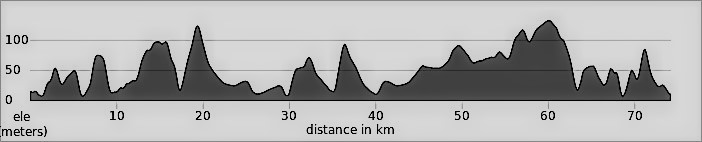
We’ll be riding a series of climbs and descents as we cycle south from Lochinver to Inverkirkaig where we skirt round the bay before heading inland again, following a stretch of water known as Elder’s Pool and then cross over the River Kirkaig. We climb again and head back downhill to Loch An Arbhair. We reach the coast and follow the water side for a short while before riding back inland with more climbs and descents to reach Loch Osgaig. On a fine day we’ll have a clear blue sky view out to sea. We continue on for a few miles on flat terrain to Loch Ra and then ride uphill to begin our loop around Achiltibuie.
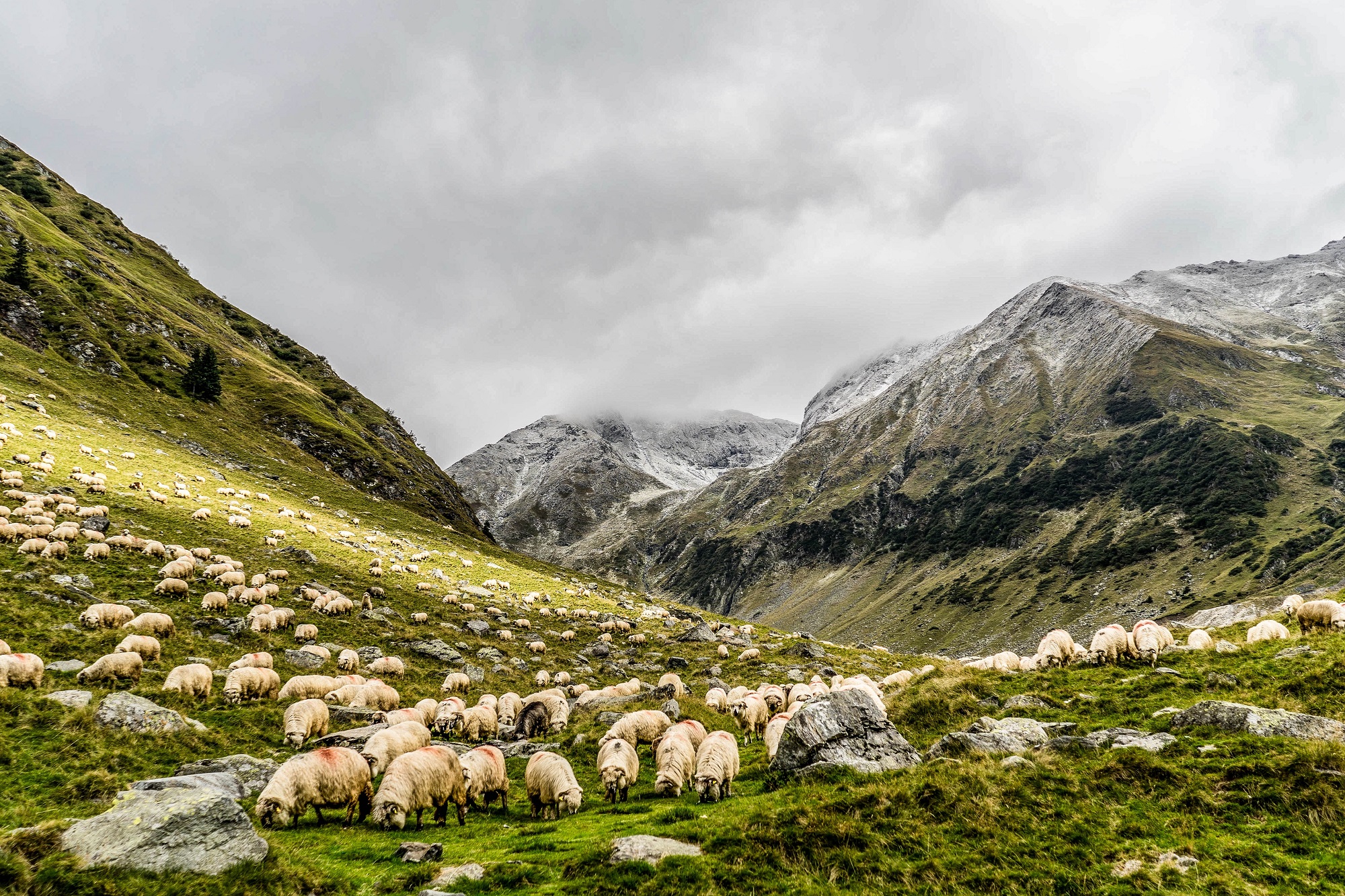
From Achnahaird we set off on in an undulating anti-clockwise direction; we ride on to Althandu and Polbain crossing moorland with little other than abandoned stone crofts and grazing sheep around us with views of the Summer Isles across the water, before we reach Achiltibuie. In Gaelic, romantically, Achiltibuie means ‘field of the yellow-haired boy’ and is one of the five fields that are collectively known as the area Coigach: an oasis of peace and scenic beauty.
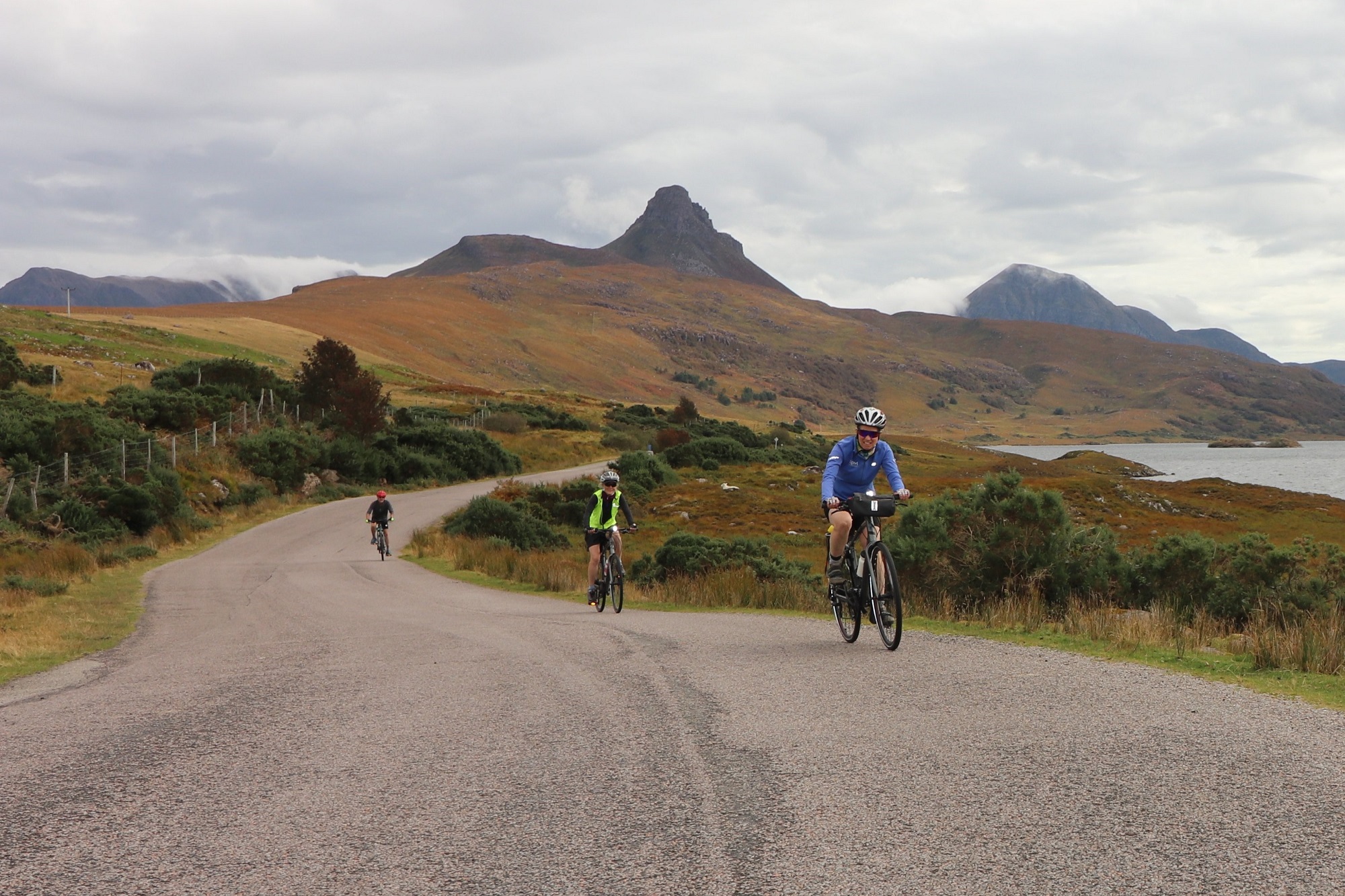
We head on up passing Loch Ra and loch Vatachan before we retrace our tracks passing Loch Osgaig again and take a twisting road climbing to Drumrunie with a few drops as we ride alongside Loch Bad a’ Ghaill and Loch Lurgainn with the dramatic Stac Pollaidh peak to our left. From Drumrunie we turn south west towards Strathcanaird from where we continue making a steep descent enjoying clear views of the Coigach Hills. We reach the coast again just before Ardmair before one final uphill ride of the day before we roll down into Ullapool.
Cycling Distance: 46.2 miles (74.3 km)
Cycling Ascent: 3,004 ft (921 m)
Cycling Descent: 3,053 ft (931 m)
Accommodation: Hotel (B,S,L)
Located on the eastern shores of Loch Broom. Ullapool is a distinctive white fishing village designed and built in 1788 by Thomas Telford and the British Fisheries Society. The town is also the terminus for the ferry to Stornoway.
Although a small community of 1500, Ullapool is the largest settlement in the area and an important port and tourist destination. If the weather is good there are many walking routes in the area from coastal routes to inland footpaths. If you it is not so good the town has a beautiful museum based in a Grade A listed building where you can find out more about crofting, fishing, the “klondykers and other local history. There are also many inviting pubs in the town you can retreat to.
Accommodation: Hotel (B)
We begin our ride along Loch Broom, you’ll likely be treated to scenic vistas of the surrounding mountains and forests, as well as the tranquil waters of the loch itself. Keep an eye out for wildlife like otters, seals, and a variety of bird species that call this area home.
As we make your way inland and uphill, we’ll begin to enter the Corrieshalloch Gorge National Nature Reserve. The forested area here is rich with biodiversity, and you may spot a variety of plants and animals as you cycle along the winding roads.
We continue cycling on with a downhill ride back to the coast reaching the banks of Little Loch Broom and Gruinard Bay, enjoying beautiful scenery. We ride along Loch Ewe and visit Inverewe Garden a unique Atlantic coast, botanical garden. There are red squirrel, red deer, otter, golden eagles and sea eagles in the area. We ride on encountering more headlands before reaching the shores of Loch Maree riding along a final flat stretch to reach Kinlochewe.
Cycling Distance: 76.3 miles (123 km)
Cycling Ascent: 4,658 ft (1,420m)
Cycling Descent: 4,560 ft (1,390m)
Accommodation: Hotel (B,S,L)
Includes Ferry.
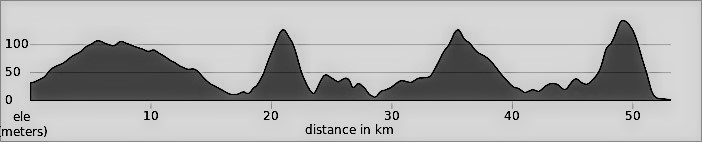
From Kinlochewe we cycle a single-track road as far as Torridon. Here we begin riding along sea lochs to Fearnmore with a series of short but quite steep climbs and descents for approximately 20km. Riding on from Fearnmore we have fantastic views across to Rhona, Raasay and Skye.
Reaching Applecross we turn back inland for our next challenge: to ride the UK’s highest tarmac road, Bealach Na Ba. Starting from near sea-level it rises 626m in 9.1km of uphill, reaching 20% at its steepest gradient. From the peak, we will have great views of the Cuillin mountain range across the water on Skye. Over the summit we cycle down a few hairpin bends followed by a stretch of straight descending road to Tornapress. From here there is a final gentler climb before we ride into Locharron.
Cycling Distance: 60.4 miles (97 km)
Cycling Ascent: 4,986 ft (1,520m)
Cycling Descent: 5,085 ft (1,550m)
Accommodation: Hotel (B,S,L)
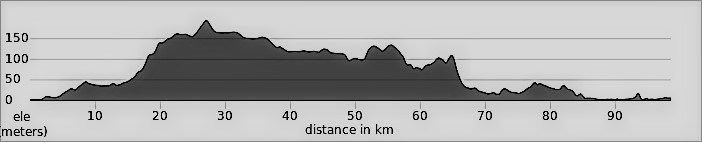
We begin cycling on the loch side on single track beginning an uphill climb, riding towards Achnasheen through beautiful countryside passing Loch Gowan on our right and Ledgowan Forest on our left. From Achnasheen we descend over the next 22 miles to Contin taking in a couple of hills on the way. We’ll pass more lochs and woodland. Just before Contin we reach Rogie Falls, a series of waterfalls on the Blackwater river with a dramatic suspension bridge that can hold just 5 people at a time. During August and September there’s a good chance that you might see wild salmon leaping upstream at the falls.
We ride on and begin another small climb to the Muir of Ord home to one of Scotland’s oldest distilleries. From here we drop down to the shores of the Beauly Firth riding our final few miles on quiet road. We’ll pass the 16th C ruins of Ederdour Castle at Redcastle, built on the site of a medieval fort. There are ancient fish traps on the shoreline and if you look out across the bay you can see the remains of a Pictish crannog. Also visible in the firth are ancient fish traps which were highly effective devices in past times. From the shore they look like piles of stone or rubble. But from an aerial perspective they appear like giant, man-made hooks. Reaching North Kessock we cross over the firth on the bridge that takes us into Inverness, where our tour ends.
Cycling Distance: 61.3 miles (98.7 km)
Cycling Ascent: 1,550 ft (470 m)
Cycling Descent: 1,547 ft (469 m)
Accommodation: B&B (B,S,L)
redspokes Highlands Highlights tour ends this morning.
Essential Info
The Essential Information for this tour is currently unavailable.
Accommodation
The Wild West – Scotland tour features a hand-picked collection of small Highland hotels, friendly guesthouses and cosy B&Bs, selected for their charm, warm hospitality and superb locations along the west coast and through the Highlands. You’ll stay in a variety of welcoming, characterful properties across Inverness, Strathglass, Gairloch, Ullapool and Poolewe.
Throughout the Wild West route you’ll enjoy stays in places such as Springfield Guest House, Woodland B&B, Bonnie Haven, Harbour House B&B, and the atmospheric Poolewe Hotel. Rooms are comfortable and typically en-suite, with hearty Scottish breakfasts, drying facilities for gear, and the friendly service that makes Highland travel so memorable.
Expect:
- Comfortable B&Bs, guesthouses and small hotels full of local character
- A warm personal welcome at Inverness House, with the chance to meet Dermot
- Home-cooked breakfasts and genuine Highland hospitality after a day’s ride
- Private rooms with en-suite facilities
- Beautiful settings — from coastal villages on the Atlantic to tranquil loch-side towns
- Simple but charming accommodation in the most remote stretches, always clean, friendly and cyclist-approved
Accommodation Level: comfortable
See our Accommodation Grading page for more details.