- Overview
- Itinerary
- Key Places
- Essential Info
- Accommodation
- Testimonials
- Gallery
- Book Now
Scotland – Far North
10 Day Guided: Road/Touring
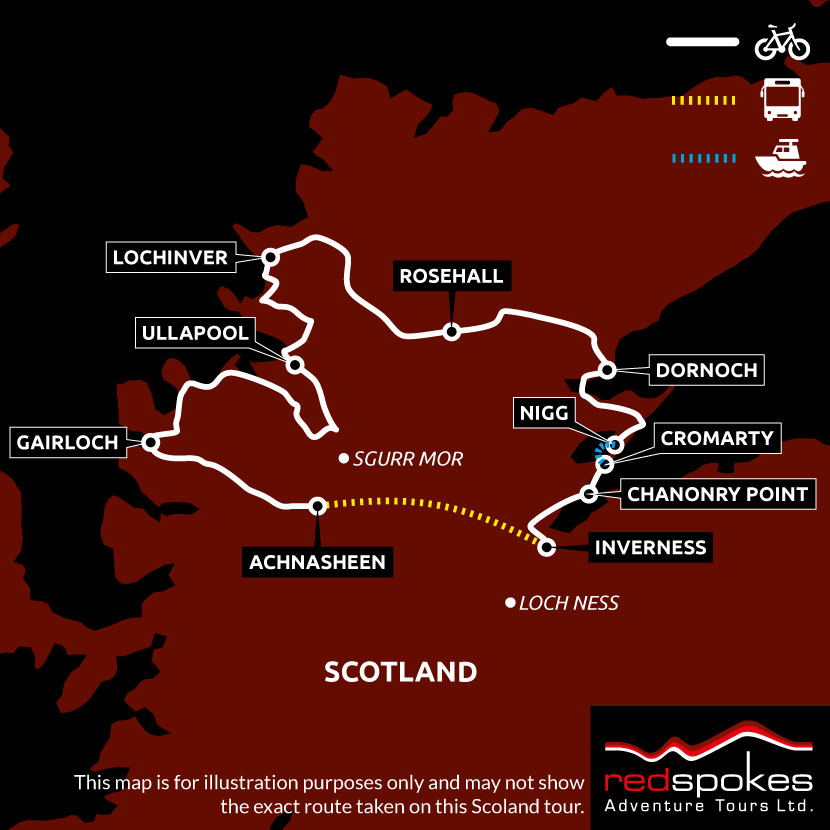
This 10-day guided cycling adventure explores the dramatic landscapes of Scotland’s far north, beginning in Inverness and tracing a route through ancient glens, coastal villages and vast Highland wilderness. From riding alongside Loch Ness to crossing the Black Isle and pedalling past Dunrobin Castle, the journey blends rolling hills, rewarding climbs and sweeping descents with ever-changing scenery.
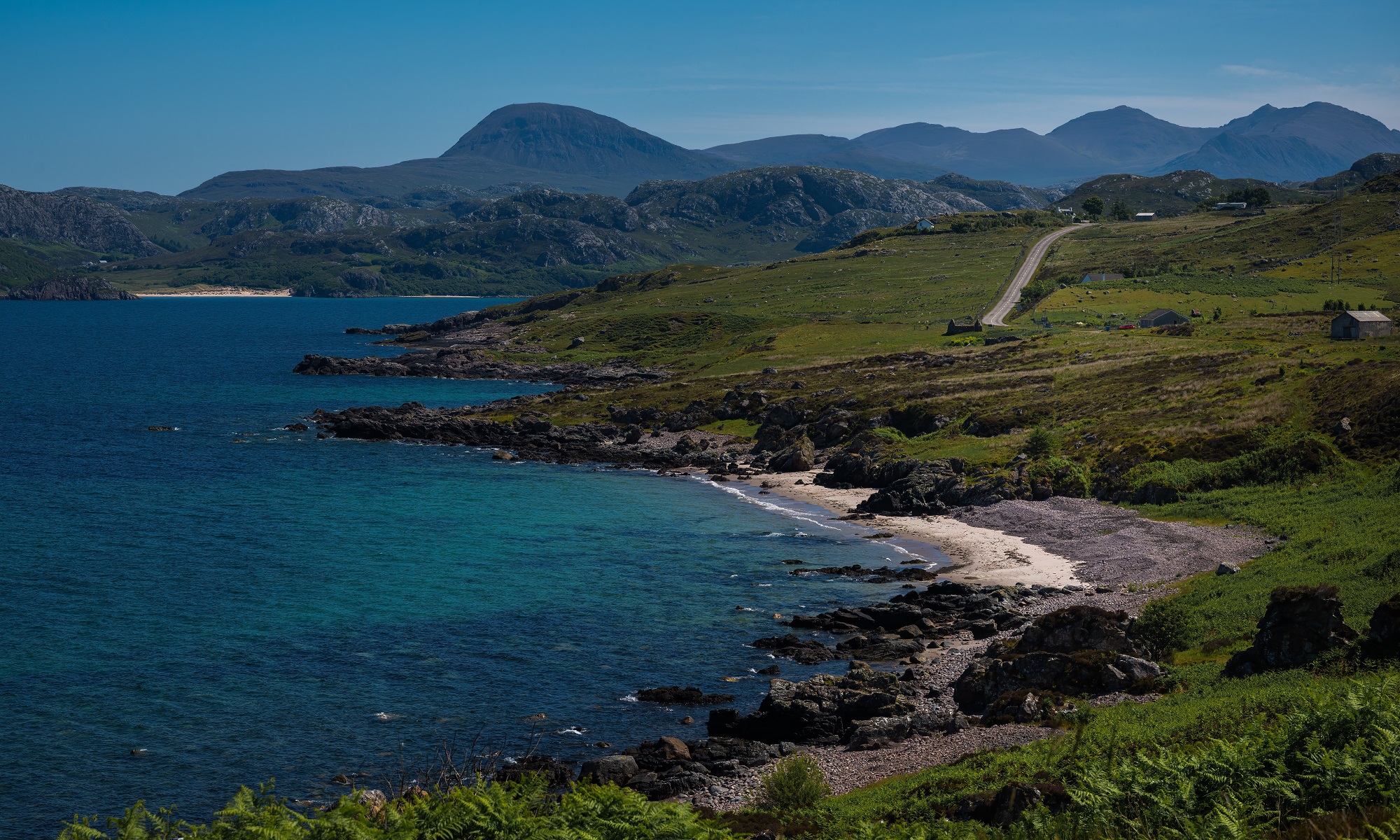
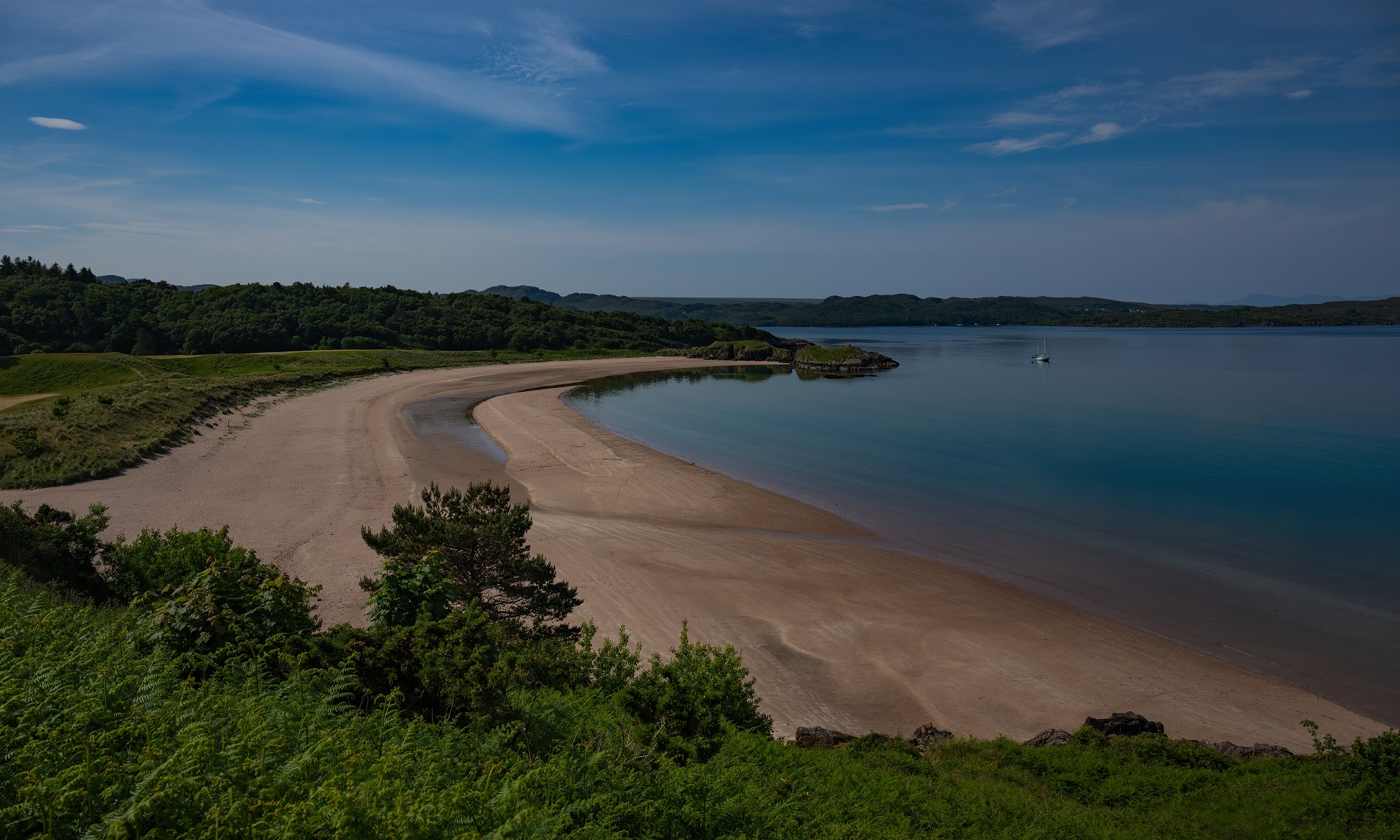
Heading west, the route reveals rugged Atlantic coastline, white-sand beaches and panoramic views across the Summer Isles before reaching Ullapool and continuing south past Loch Maree. Quiet roads, historic landmarks and expansive Highland vistas create a cycling experience that combines physical challenge with the rich natural and cultural heritage of the Scottish Highlands.
Inverness
Inverness is the gateway to the Scottish Highlands and a fitting start and finish point for this far north cycling adventure. Set beside the River Ness and close to the shores of Loch Ness, the city combines Highland history, riverside charm and easy access to some of Scotland’s most dramatic landscapes.
Before the ride begins, there is time to explore the city’s castle viewpoint, riverside paths, historic streets and welcoming pubs. From Inverness, the route heads north into quieter country, leaving the city behind for coastal roads, open moorland, lochs and remote Highland villages.
Tain & the Dornoch Firth
Tain is one of Scotland’s oldest royal burghs, with a peaceful town centre, historic buildings and a strong Highland character. The ride from Inverness towards Tain brings a rewarding mix of coastal scenery, farmland, woodland and views across the firths of the east coast.
This section introduces the quieter rhythm of the Highlands, with wide skies, rolling roads and glimpses of the sea. Nearby, the Dornoch Firth and surrounding countryside add to the sense of space, making Tain a gentle but memorable first stop on the route north.
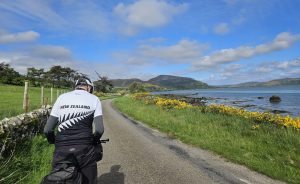
Lairg & the Heart of Sutherland
Lairg sits at the southern end of Loch Shin and is often described as a crossroads of the north Highlands. Surrounded by open moorland, forest, rivers and lochs, it marks the transition from the gentler east coast into the wilder landscapes of Sutherland.
Cycling towards Lairg gives a real sense of entering Scotland’s remote interior. The roads become quieter, the views broader and the landscape more rugged, with sweeping Highland scenery that captures the lonely beauty of the far north.
Lochinver & Assynt
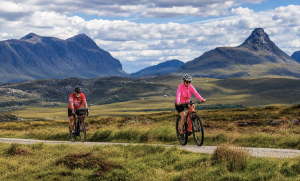
Lochinver is a small fishing village set on Scotland’s wild west coast, surrounded by some of the most distinctive mountain scenery in the Highlands. The journey from Lairg to Lochinver is one of the great scenic sections of the tour, leading through the dramatic landscapes of Assynt.
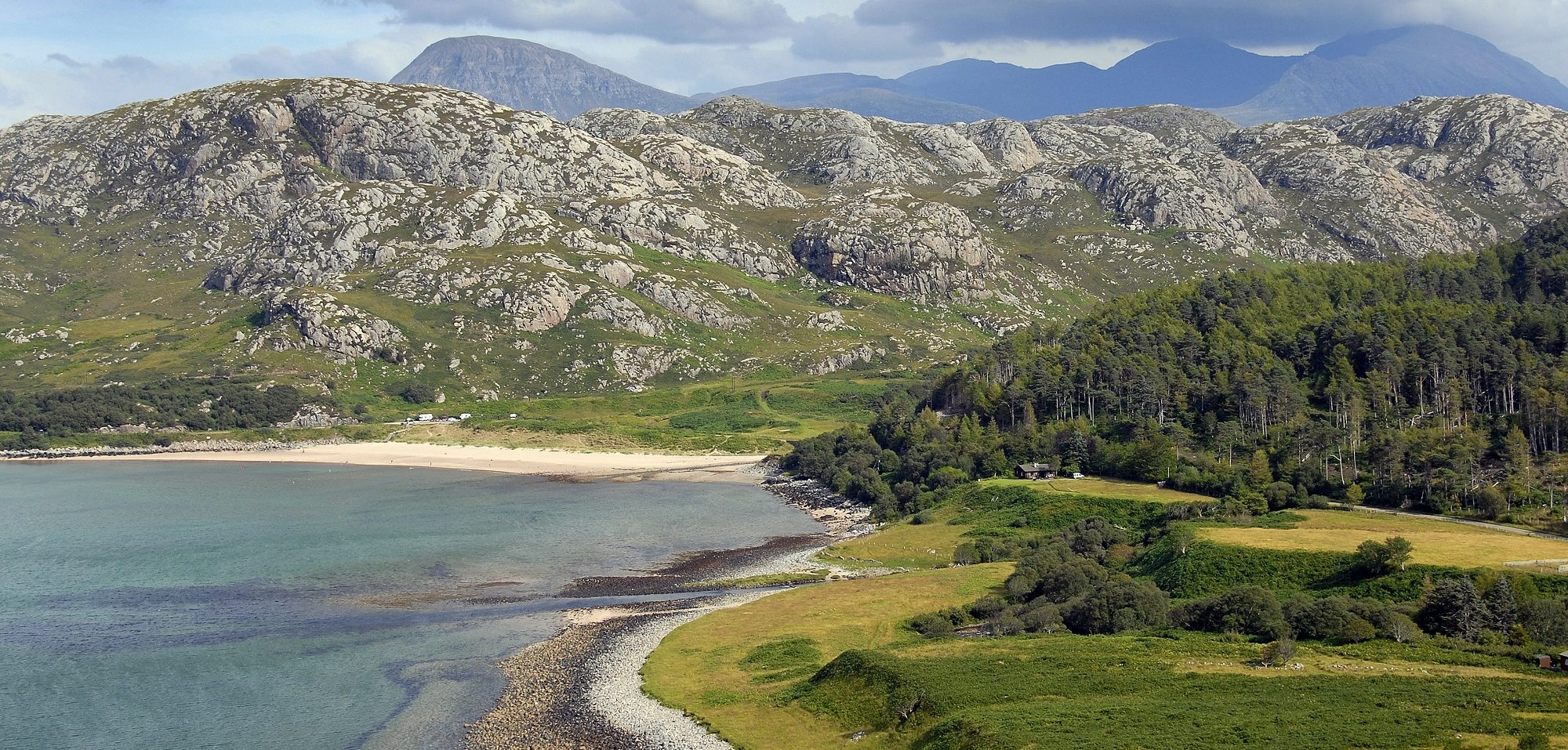
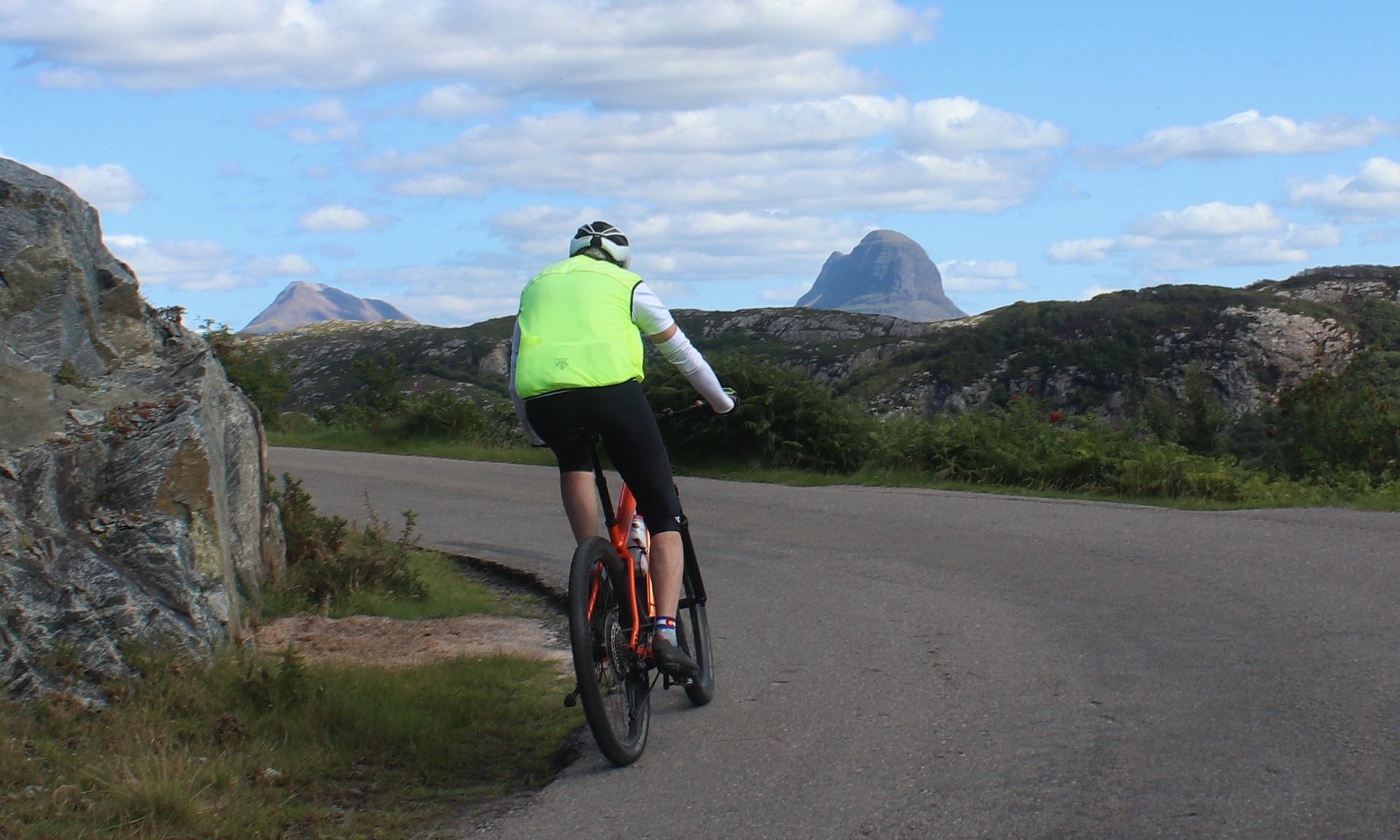
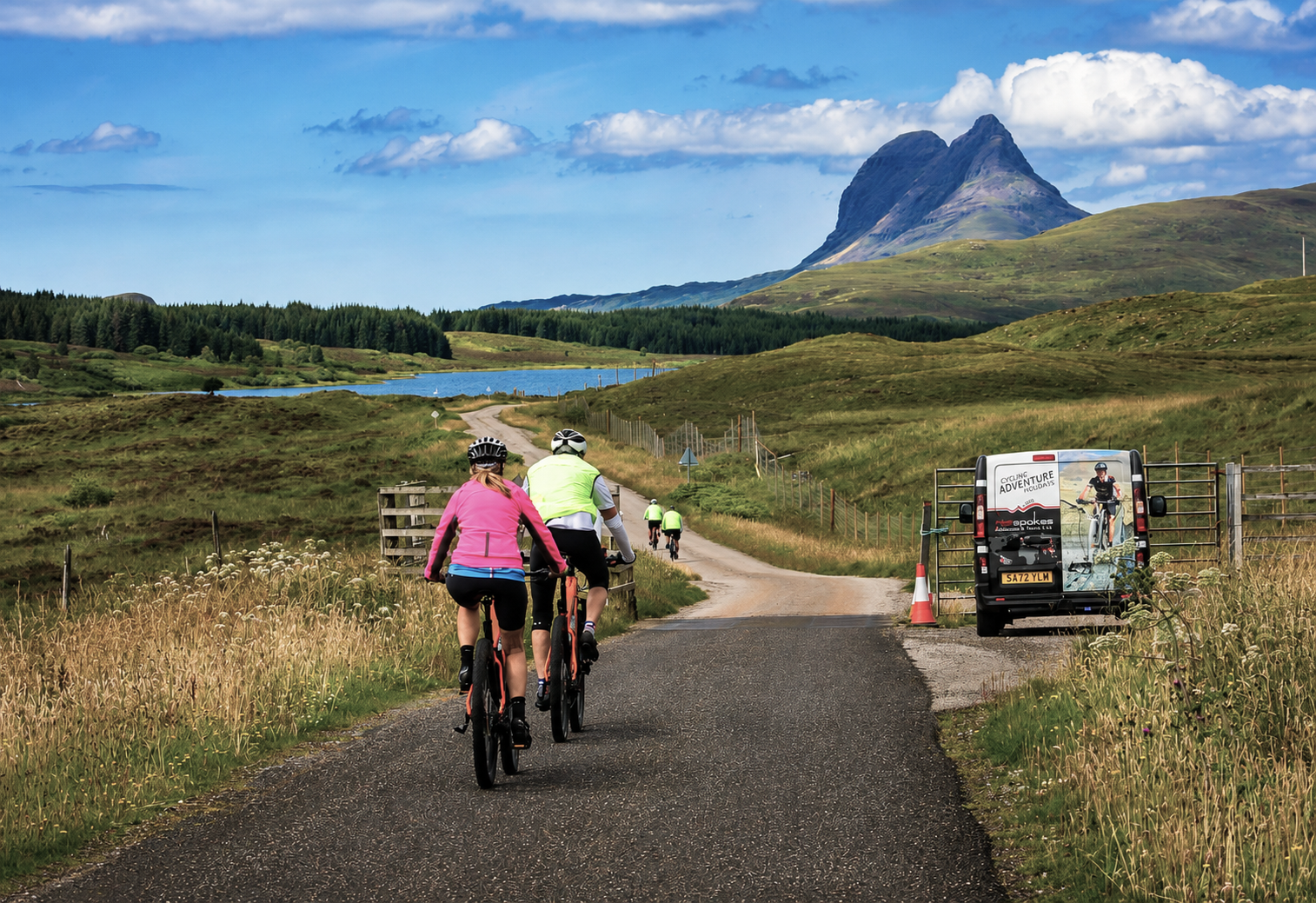
This is a region of ancient rock, sparkling lochs, white beaches and iconic peaks such as Suilven, Canisp and Quinag. A rest day in Lochinver offers time to enjoy the coast, explore the village, sample local seafood or simply soak up the atmosphere of one of Scotland’s most beautiful and remote corners.
Inverpolly Nature Reserve
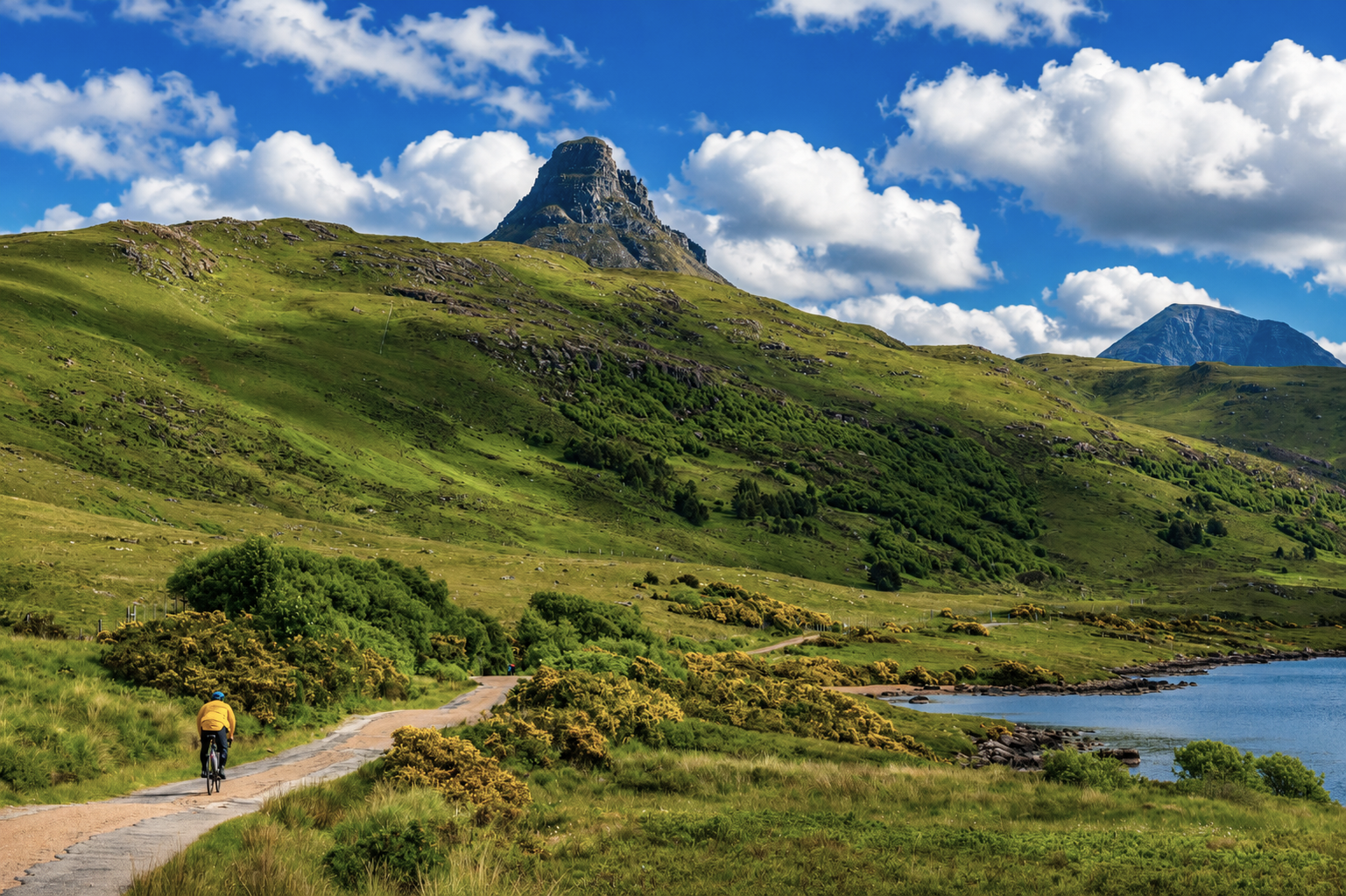
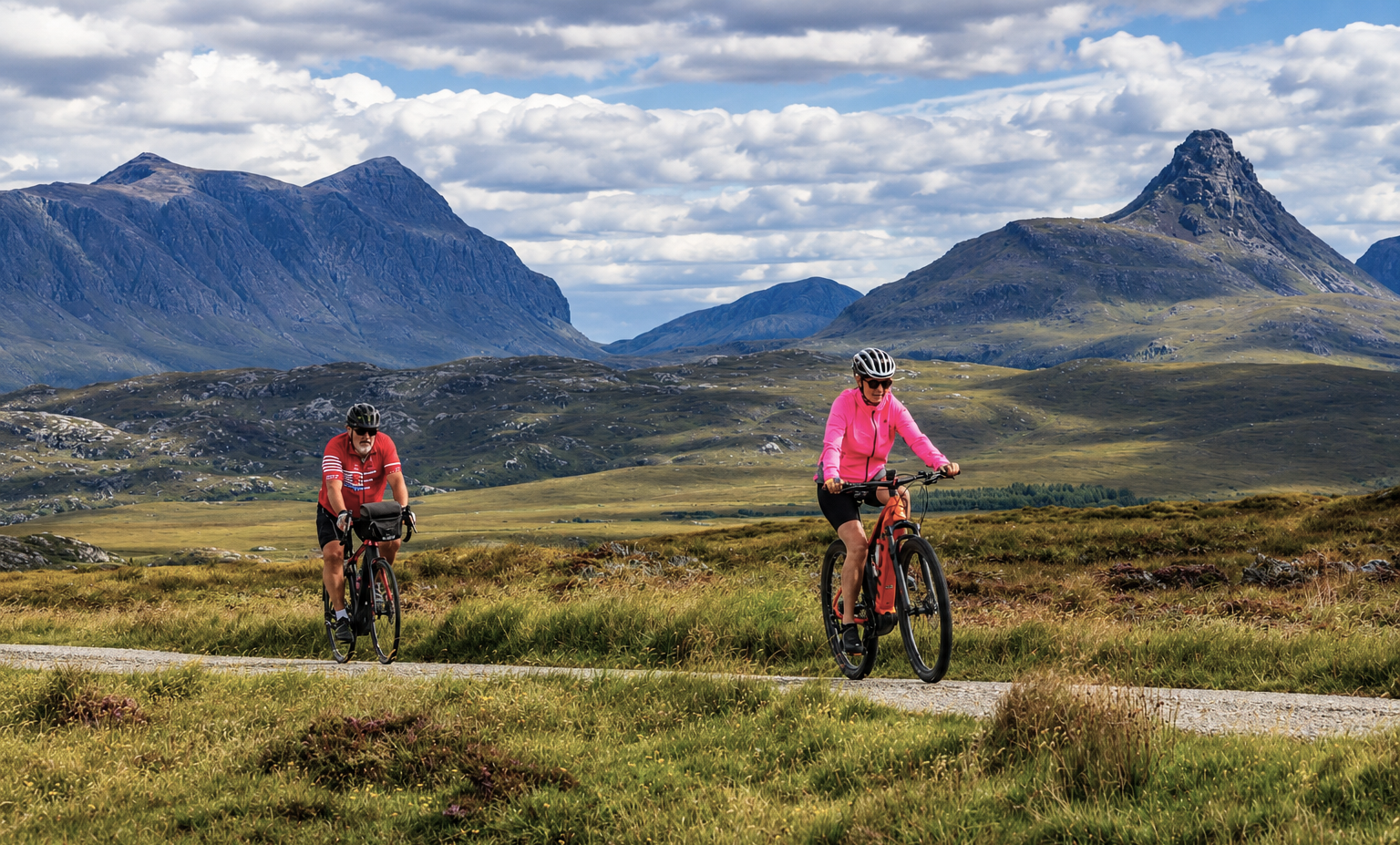
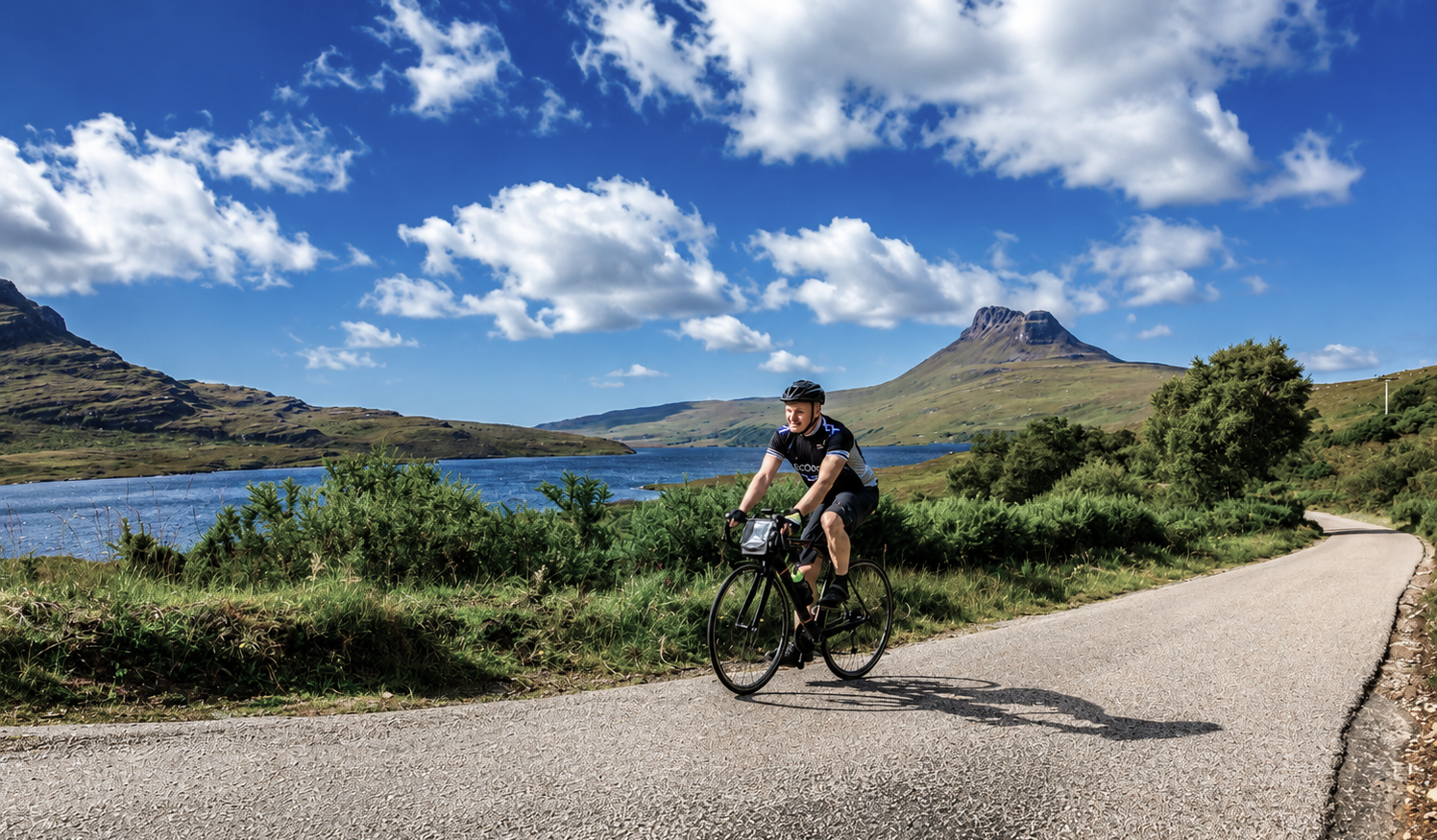
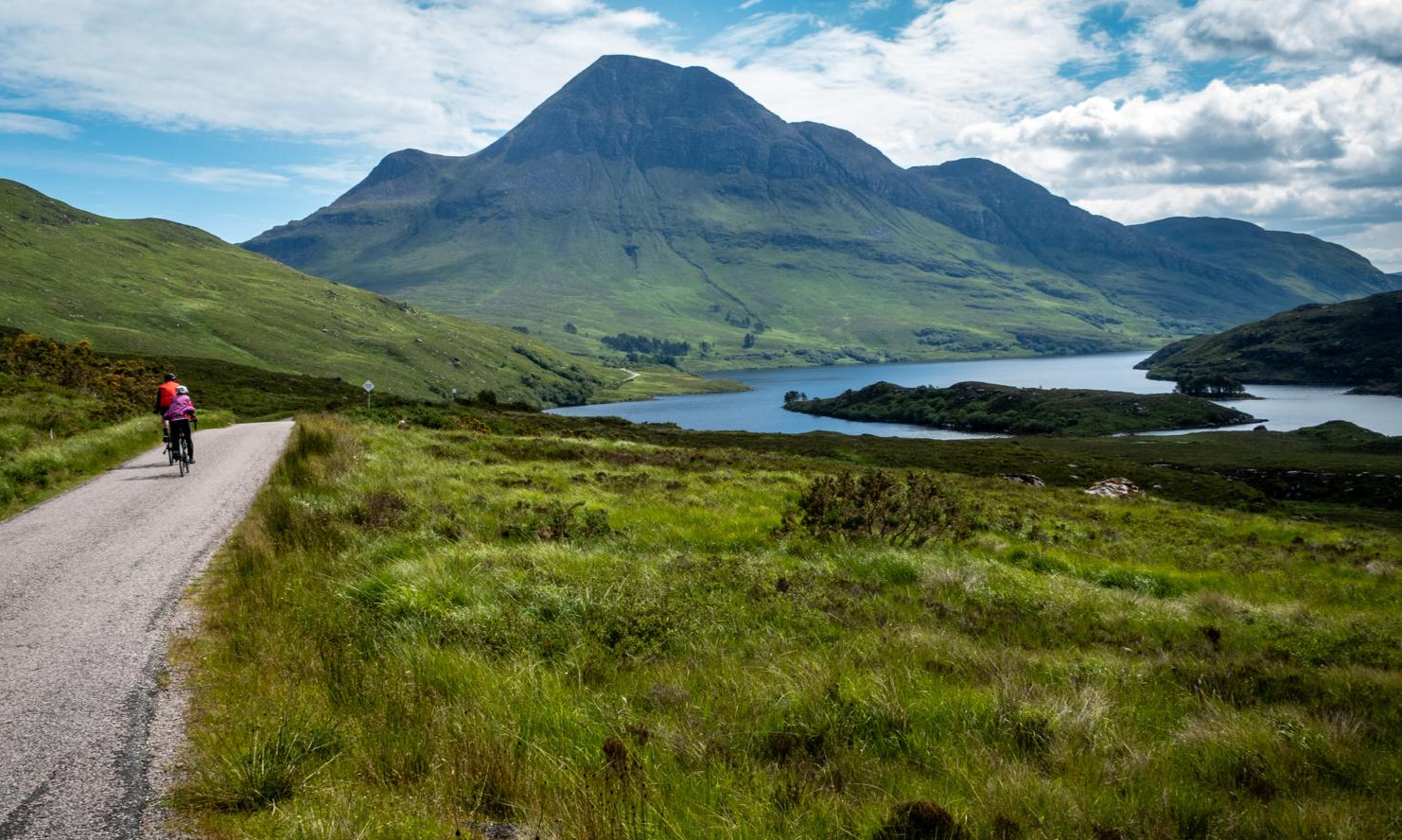
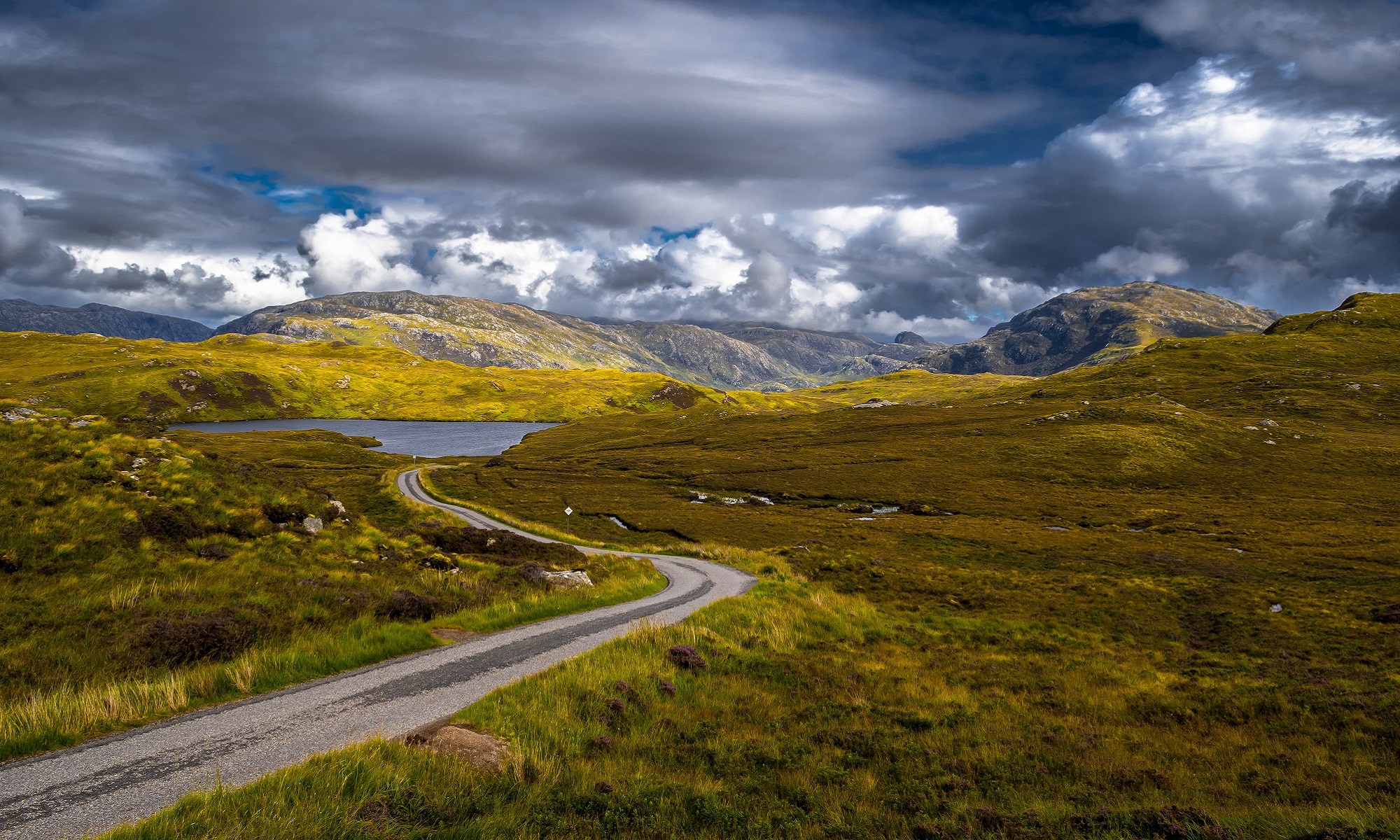
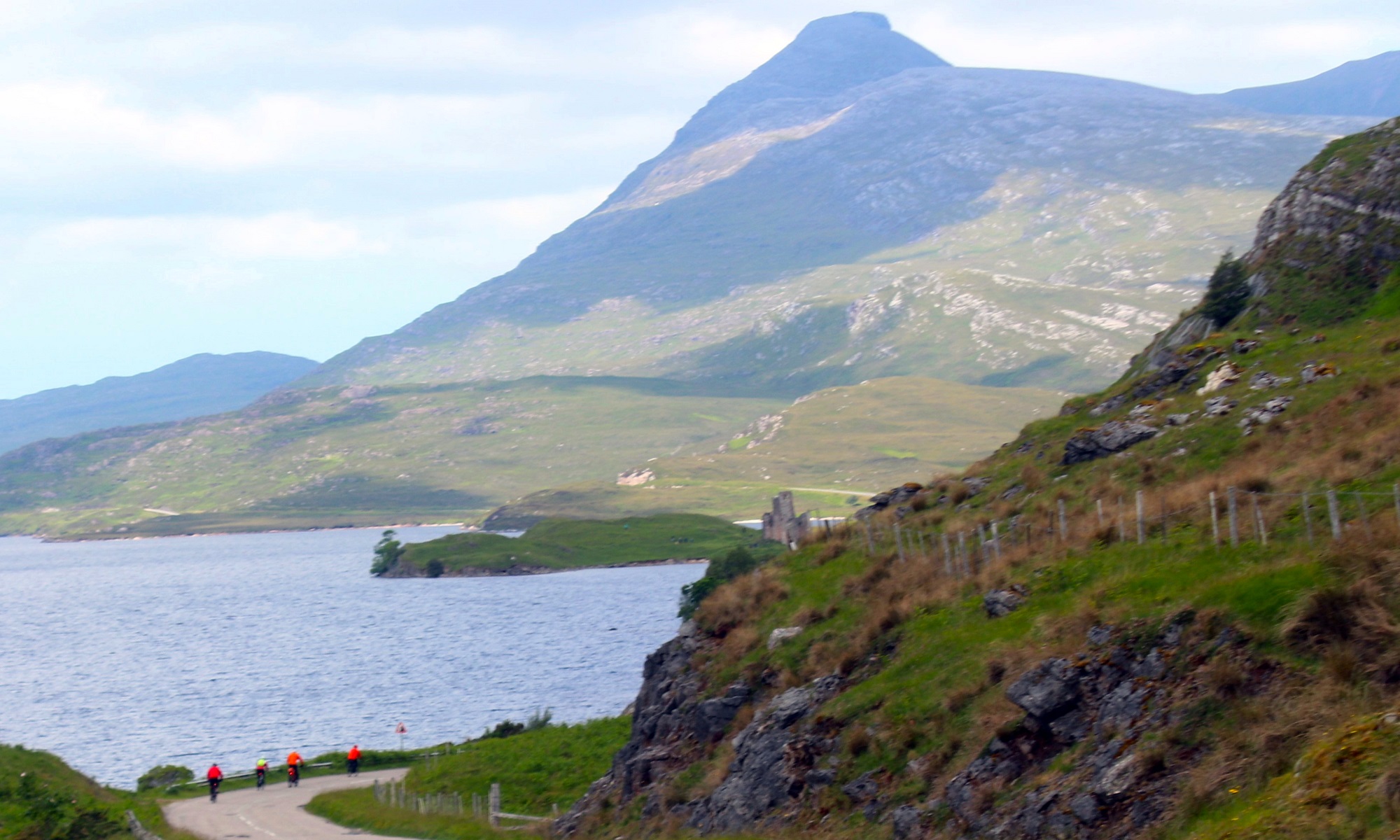
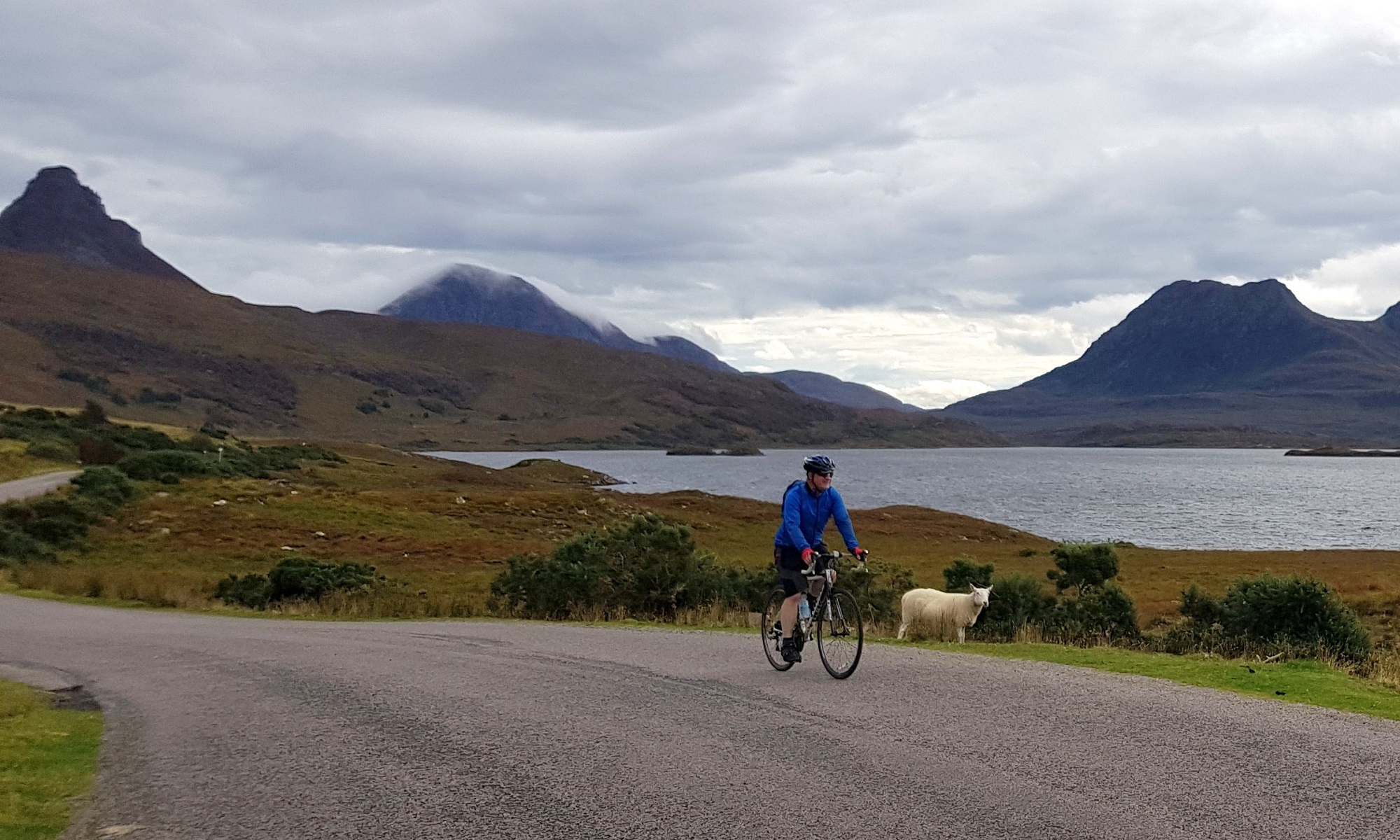
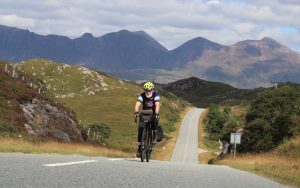
Inverpolly Nature Reserve is one of the wildest and most beautiful landscapes in the Scottish Highlands. Covering a vast area of rugged mountains, ancient lochs, peatlands, and remote wilderness, the reserve is home to some of Scotland’s most iconic scenery. Cycling through this region offers uninterrupted views of dramatic peaks such as Stac Pollaidh, Cul Mor, and Suilven, rising abruptly from the surrounding moorland.
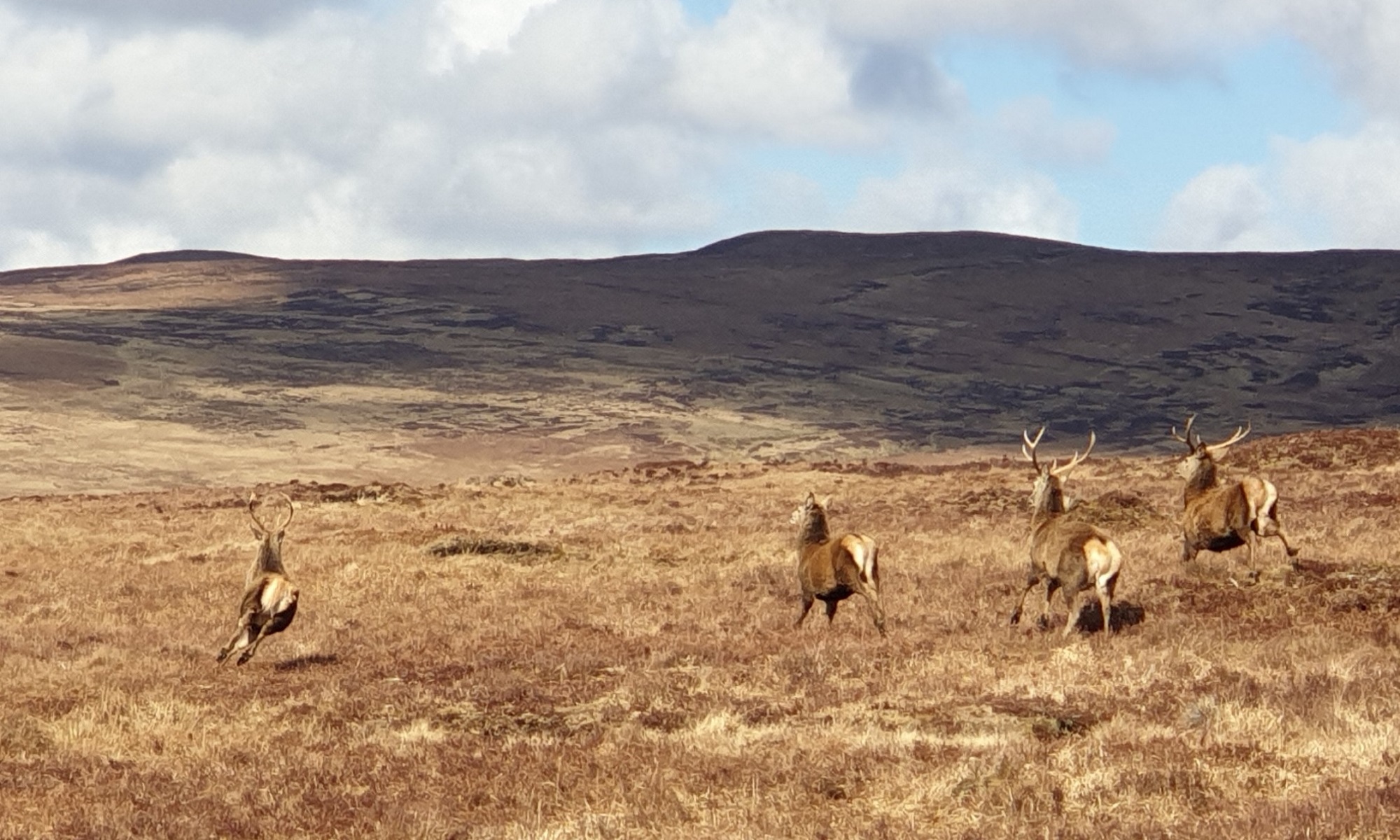
The reserve is also a haven for wildlife, with opportunities to spot golden eagles, red deer, otters, and a variety of rare birds. The quiet roads that wind through Inverpolly provide a true sense of remoteness and freedom, making this one of the most memorable sections of the tour. For many cyclists, the combination of spectacular mountain scenery, pristine lochs, and the sheer scale of the landscape represents the very essence of the Scottish Highlands.
Itinerary

Your redspokes Scotland cycling tour begins in the vibrant Highland capital of Inverness. The city is well-connected, with flights arriving from across the UK and Europe, along with excellent coach and rail links. Taxis are readily available at the airport, coach, and rail stations to transfer you to your hotel.
Upon arrival, you’ll have a free afternoon to explore the area at your own pace. Discover the charm of Inverness Old Town, browse the Victorian Market, or visit the historic St. Andrew’s Cathedral. For a scenic option, take a circular walk from the castle, following the river and crossing the tranquil Ness Islands.
Accommodation: Hotel/B&B
The first day of your cycling tour from Inverness to Loch Ness starts with a gentle ride along mostly flat terrain for the initial 20 kilometers. The route gradually climbs as it reaches Dores, offering beautiful views of the loch. However, the real challenge begins after Foyers, where the profile reveals a series of steep ascents, peaking at around 300 meters. The demanding climbs reward cyclists with panoramic views before rolling over undulating terrain. As the route nears its end, there’s a long, exhilarating descent back to Inverness, a perfect way to wrap up the first day’s ride with a rush of speed and satisfaction.
Cycling Distance: 72 km (45 miles)
Cycling Ascent: 570 m (1,870 ft)
Accommodation: Hotel/B&B (B, L)

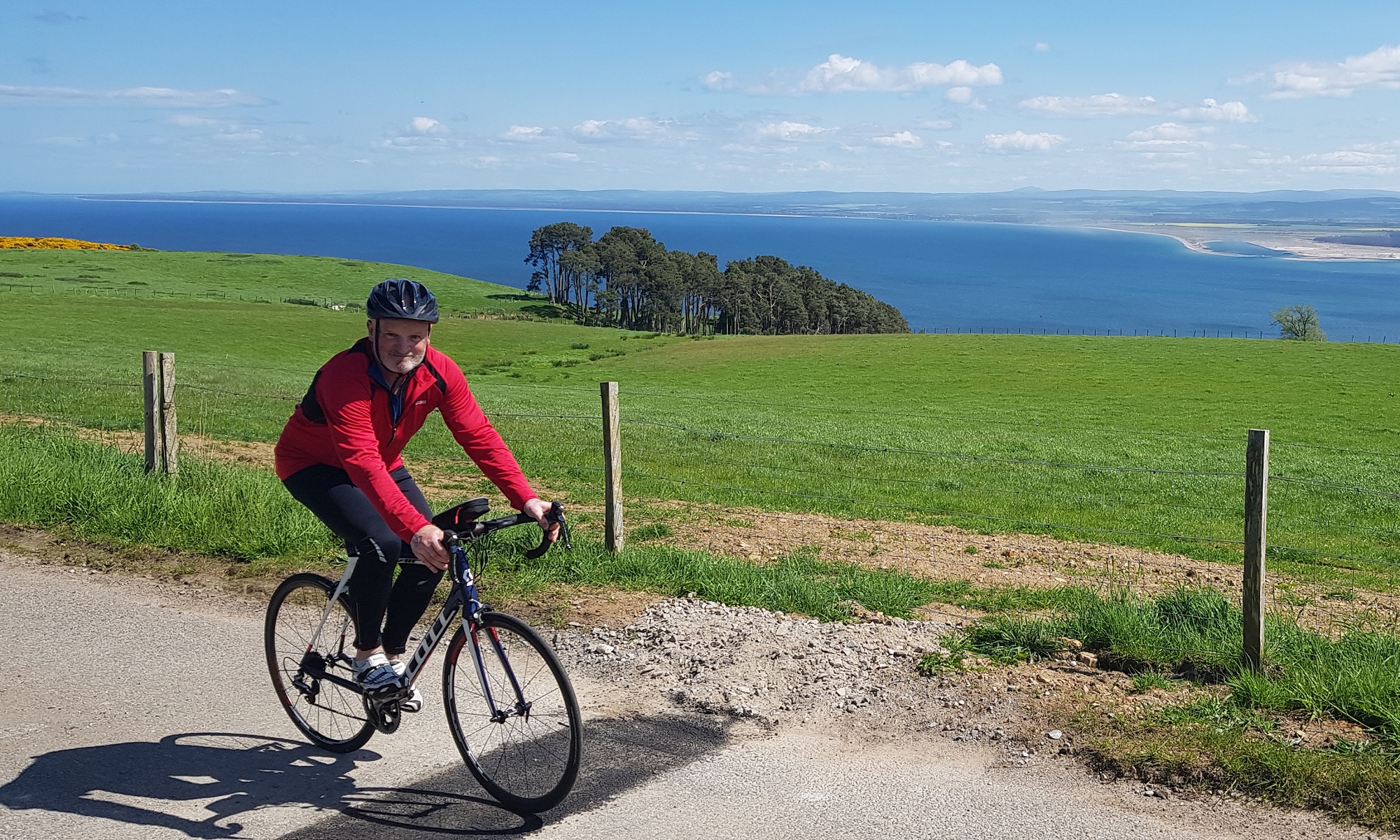
Today’s ride begins with a gentle section as we leave Inverness, heading towards Chanonry Point on the scenic Black Isle. The route features a short climb and descent around the 10 km mark, leading to one of the best coastal viewpoints for spotting dolphins, seals, and porpoises playing in the Moray Firth.
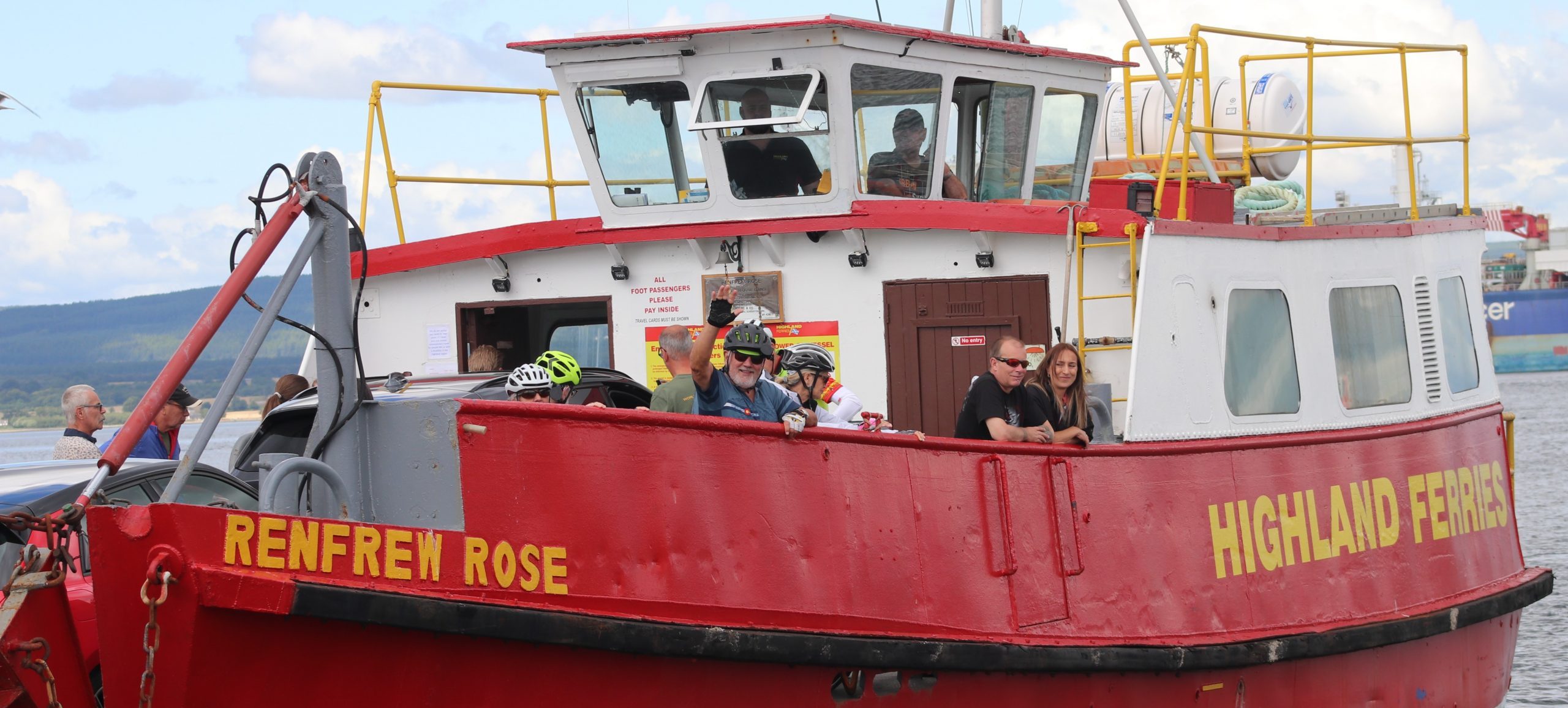
The real challenge of the day begins after Chanonry Point, as we tackle a significant climb reaching over 200 m around the 30 km mark. This rewarding ascent is followed by a long, thrilling descent as we approach Cromarty, the Highlands’ best-preserved historic town. Here, we take the iconic King’s Ferry across the Cromarty Firth to the village of Nigg. This ferry route, once traveled by King James IV, connects us to the quieter side of the Highlands.
From Nigg, we continue riding through peaceful farmland, passing the historic Shandwick Stone, a beautifully carved Pictish monument encased in glass for protection. The terrain flattens out as we cycle toward Balnagall, offering a relaxed ride with a mix of long, straight sections and gentle descents.
A final short climb brings us into the ancient town of Tain, Scotland’s oldest royal burgh. Here, you can explore its rich heritage, including a museum showcasing the stories of the ancient kings of Scotland who once visited this historic town.
Cycling Distance: 68 km (42 miles)
Cycling Ascent: 541 m (1,775 ft)
Accommodation: Hotel/B&B (B,L,S)
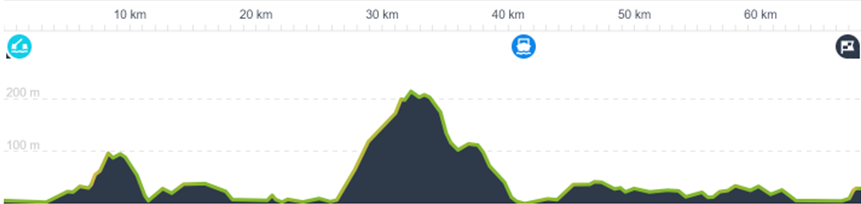
We start today’s ride with a gentle section passing the famous Glenmorangie distillery before crossing the Dornoch Firth on the A9 bridge. The route remains largely flat for the first 20 km as we reach Dornoch, a charming Edwardian resort town. We continue cycling northwards along the coast, hugging the shores of Loch Fleet, a Scottish heritage nature reserve teeming with diverse wildlife.
Around the 25 km mark, we encounter a few rolling hills as we ride another 7 miles inland to Dunrobin Castle, the largest in the Northern Highlands. With its fairytale French château design, beautiful gardens, and fascinating history, it’s the perfect spot for lunch and exploration.
After a well-deserved break, we begin a notable climb at approximately the 40 km mark. This steady 8 km (5 mile) ascent takes us through stunning, quiet backroads with rewarding views. Once at the top, the terrain levels out briefly before descending towards Lairg, where we finish today’s ride and settle into our accommodation.
Today’s route offers a mix of coastal flats, rolling hills, and one sustained climb, rewarding us with both history and spectacular Scottish scenery.
Cycling Distance: 71 km (44 miles)
Cycling Ascent: 560 m (1,837 ft)
Accommodation: Hotel/B&B (B,L,S)
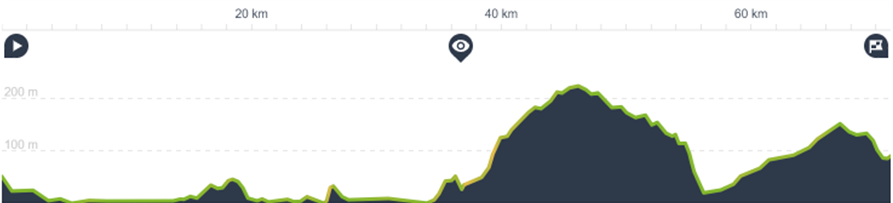
This morning, our tour continues as we ride along scenic back roads through lovely, wooded areas beside the River Oykel, which flows down from Ben More through an impressive ice-carved valley. The route starts with a moderate climb in the first 10 km, reaching over 200 m, before descending steeply to more level terrain around the 20 km mark.
We continue through a rugged section of the Western Highlands, an area dotted with nature reserves that foster harmony between visitors and the environment. Around 25 miles in (40 km), we cycle alongside Loch Borralan, followed by some gentle rolling terrain before reaching the intriguing Bone Caves. Located on the limestone cliffs of Creag nan Uamh, these caves offer a fascinating glimpse into Scotland’s ancient past.
From here, the route flattens significantly over the next 15 miles, leading us toward Lochinver.
Cycling Distance: 72 km (45 miles)
Cycling Ascent: 570 m (1,870 ft)
Accommodation: Hotel/B&B (B,L,S)
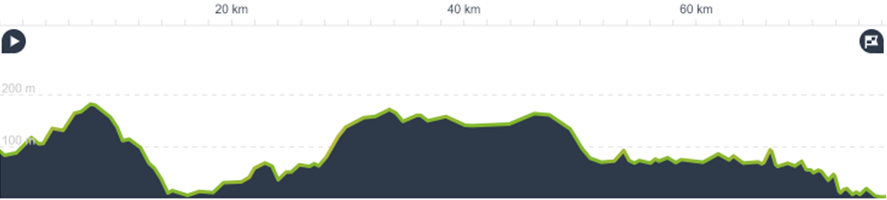
After five rewarding days in the saddle, today is a flexible rest day to enjoy Assynt at your own pace.
- Easy cycle option: Ride out to Achmelvich Bay, a short, scenic spin on quiet roads leading to one of the area’s most beautiful white-sand beaches—perfect for a relaxed picnic or a paddle.
- Walking / hiking option: Strong walkers can take on Suilven, an iconic out-and-back hike across wild moorland with superb views from the summit (a full but very rewarding day).
- Take it easy: Stay local and enjoy gentle walks around Lochinver—along the harbour, coastal paths, or woodland trails beside the River Inver—followed by café stops and well-earned rest.
A chance to recharge, explore, or simply slow down before the journey continues.
Accommodation: Hotel (B)
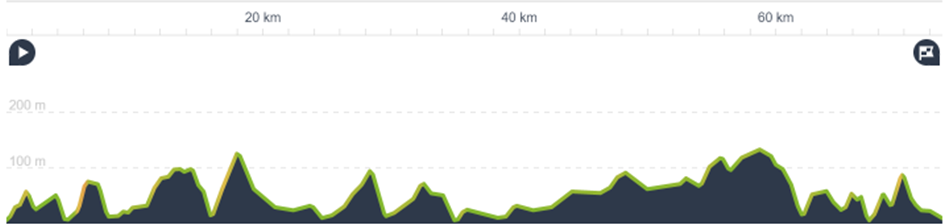
Today’s ride is an undulating adventure filled with climbs, descents, and stunning coastal views. The route starts with short, rolling hills as we cycle south from Lochinver to Inverkirkaig, skirting the picturesque bay. We head inland through tranquil landscapes, climbing gently before descending to Loch An Arbhair at the 20 km mark.
We rejoin the coast briefly before tackling a mix of climbs and descents toward Loch Osgaig. By the mid-point, the terrain levels off as we cycle along Loch Ra and ride uphill toward the Achiltibuie loop.
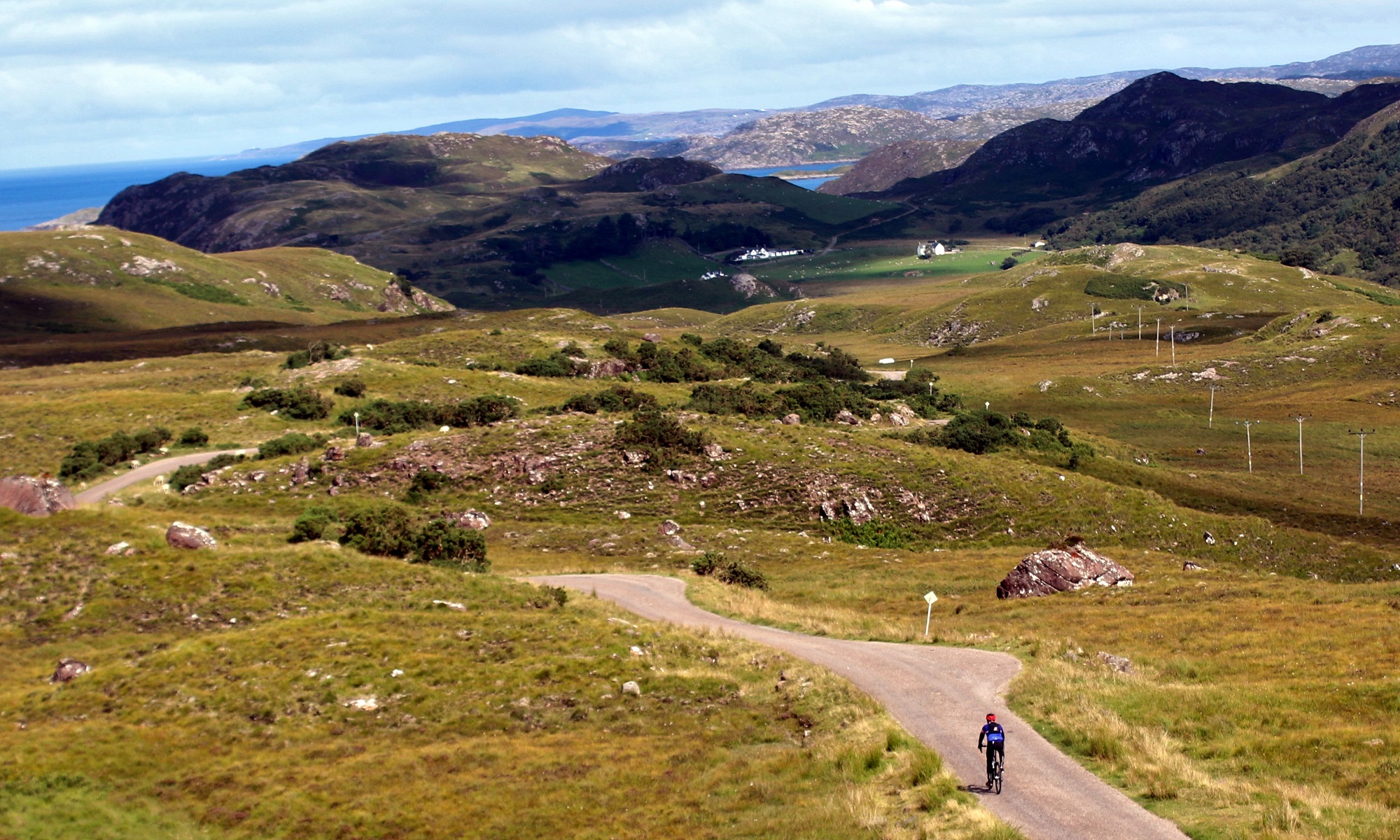
Here, the route becomes an undulating mix of moorland roads with dramatic views across the Summer Isles. Passing through Achnahaird, Althandu, and Polbain, we encounter abandoned stone crofts and grazing sheep, soaking in the peace of this remote area. Achiltibuie, romantically named the “field of the yellow-haired boy,” marks the loop’s highlight with its serene beauty.
As we leave Achiltibuie, the ride takes us alongside Loch Vatachan and retraces our route past Loch Osgaig, before a twisting climb to Drumrunie. From here, enjoy a steep and exhilarating descent toward Strathcanaird, with stunning views of the Coigach Hills.
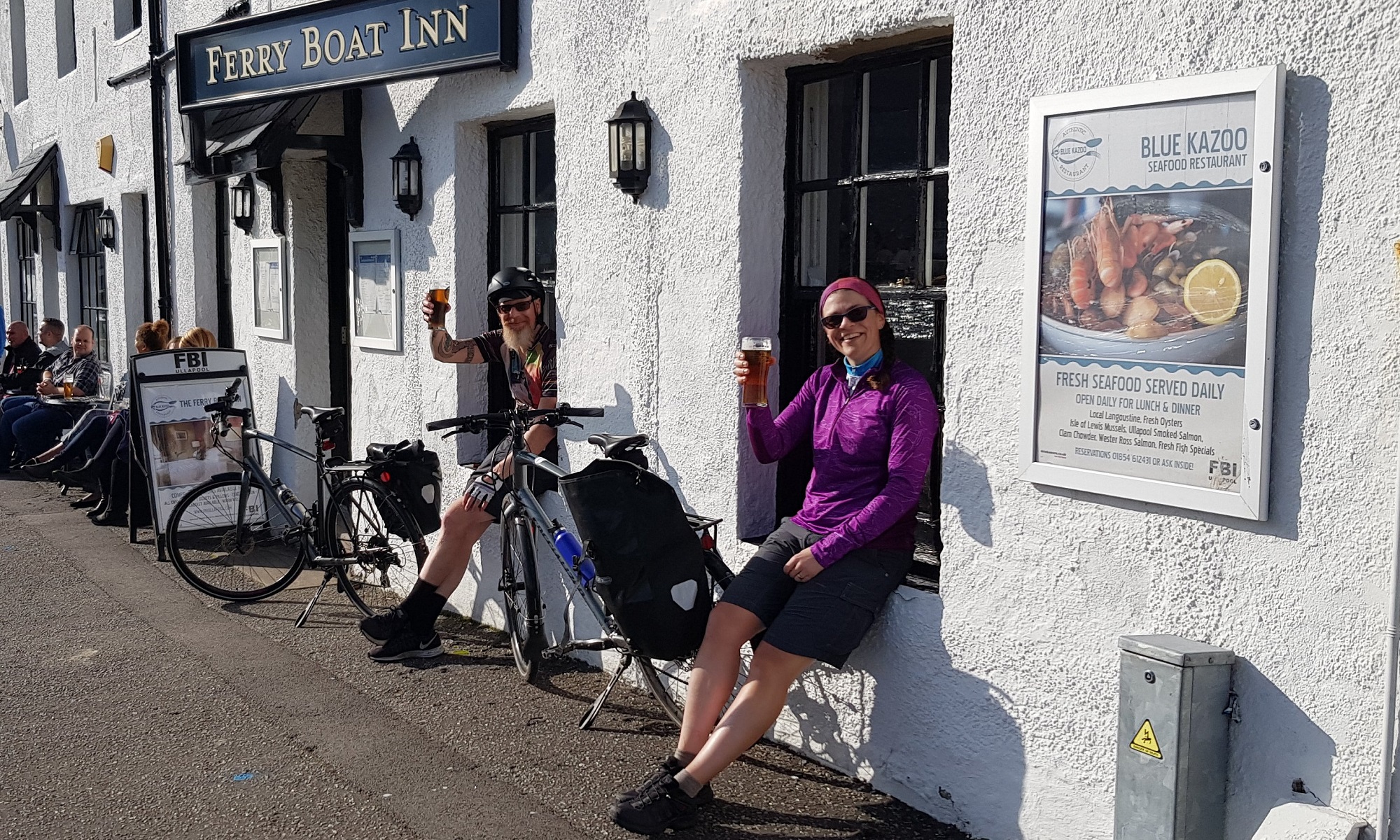
The final miles include one last climb near Ardmair, followed by a satisfying descent into the whitewashed fishing village of Ullapool, bringing an epic day in the saddle to a close. Ullapool is the largest settlement in the region and a key port as well as a popular base for visitors exploring the Highlands.
Cycling Distance: 74 km (46 miles)
Cycling Ascent: 915 m (3,004 ft)
Accommodation: Hotel (B,L,S)
Today’s ride offers a mix of dramatic climbs, thrilling descents, and breathtaking views. We start the day with a gentle ride along the shores of Loch Broom, warming up on relatively flat terrain for the first few kilometers. Soon, the route turns inland, and we begin a significant climb over the next 15 km, reaching an elevation of over 300 m as we ascend through the Corrieshalloch Gorge National Nature Reserve. This stunning area features dense forests and the roaring River Droma, cascading down a series of spectacular waterfalls.
From the peak, enjoy a rewarding and exhilarating long descent back to the coast, reaching the scenic shores of Little Loch Broom. The next section through Gruinard Bay offers a more relaxed ride with rolling hills and sweeping views of the rugged coastline.
As we approach the final section of the route, a few short, punchy climbs test our legs before leveling out near Loch Ewe. Just before reaching our final destination in Poolewe, a stop at the iconic Inverewe Gardens is highly recommended. This unique Atlantic Coast botanical garden showcases a variety of exotic plants, fostered by the Gulf Stream, and is also an excellent spot to observe red squirrels, otters, golden eagles, and sea eagles.
Cycling Distance: 79 km (49 miles)
Cycling Ascent: 998 m (3,275 ft)
Accommodation: Hotel/B&B (B,L,S)
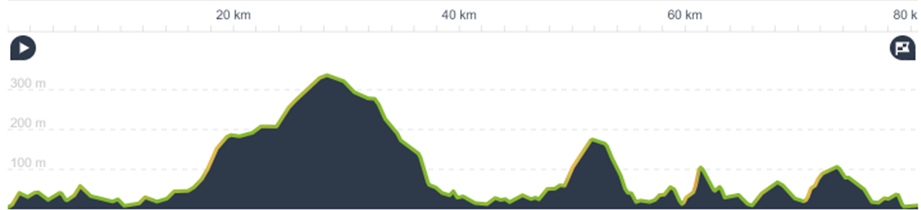
Our final day of cycling begins with a series of short climbs and descents as we leave Poolewe, passing through moorland landscapes and enjoying peaceful coastal views. The first 10 km features undulating terrain, providing a scenic warm-up for the day.
We continue toward the picturesque village of Gairloch, nestled amidst rugged moorland and celebrated for its stunning scenery, considered some of the most beautiful in the British Isles. From here, the route becomes flatter as we ride toward Loch Maree, one of Scotland’s most iconic natural landmarks. With its 30 scattered islands, bordered by the towering peak of Slioch (3,215 ft) and ancient Caledonian pine forests, Loch Maree is home to diverse wildlife, including black-throated divers, sea eagles, otters, and even red deer known to swim between the islands.
As we head inland, the terrain remains relatively flat until 40 km, where the route begins a notable climb, rising over 200 m. The steady ascent rewards us with expansive views of the remote Highlands before leveling out into gentler terrain. The final section takes us through quiet backroads, leading us to the remote village of Achnasheen, where our cycling journey ends.
From Achnasheen, we board a scenic train transfer bound for Inverness, offering a relaxing and picturesque journey through the Highlands. On arrival in Inverness, we will transfer you to your accommodation where you can unwind and reflect on the week’s incredible adventures.
Cycling Distance: 56 km (35 miles)
Cycling Ascent: 672 m (2,205 ft)
Accommodation: B&B (B,L,S)
After a final hearty breakfast, your Highland cycling adventure comes to a close. Reflect on the unforgettable landscapes, historic towns, and shared memories with fellow cyclists. Whether heading home or exploring further, you leave Inverness with a sense of achievement and the beauty of Scotland firmly in your heart.
(B)
Essential Info
The Essential Information for this tour is currently unavailable.
Accommodation
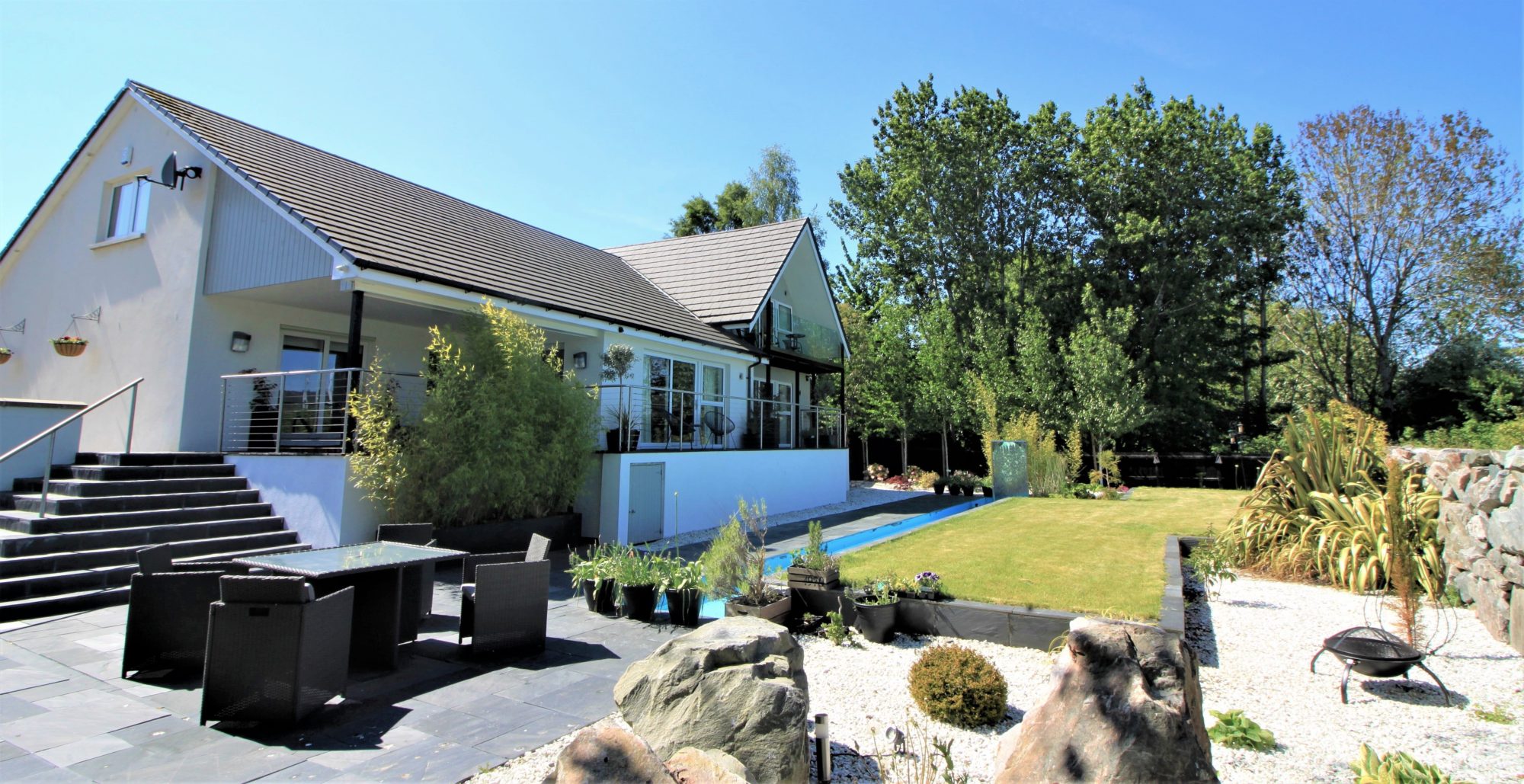
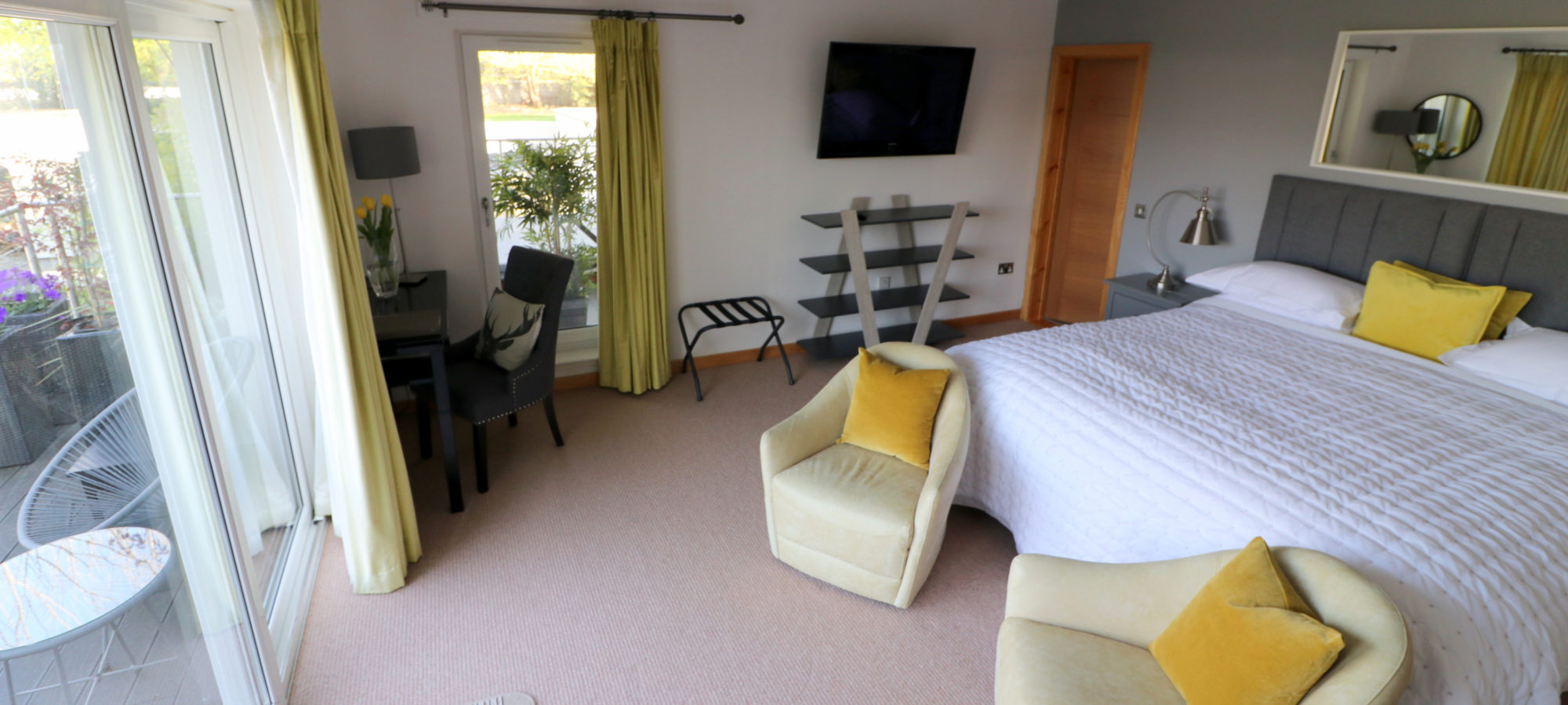
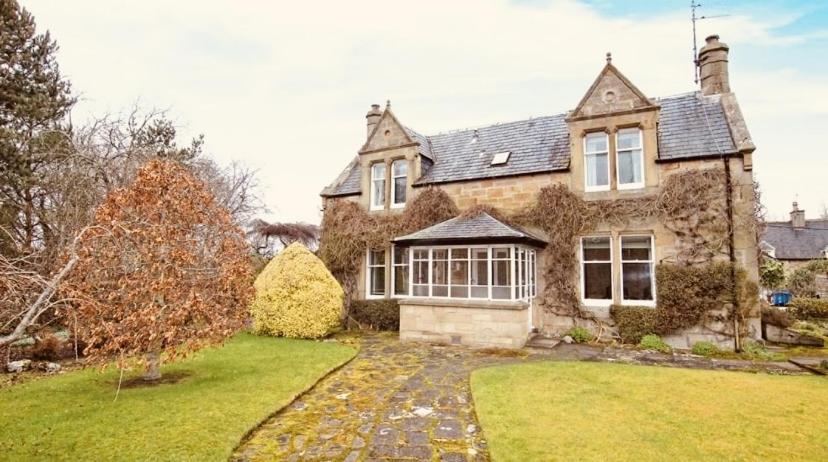
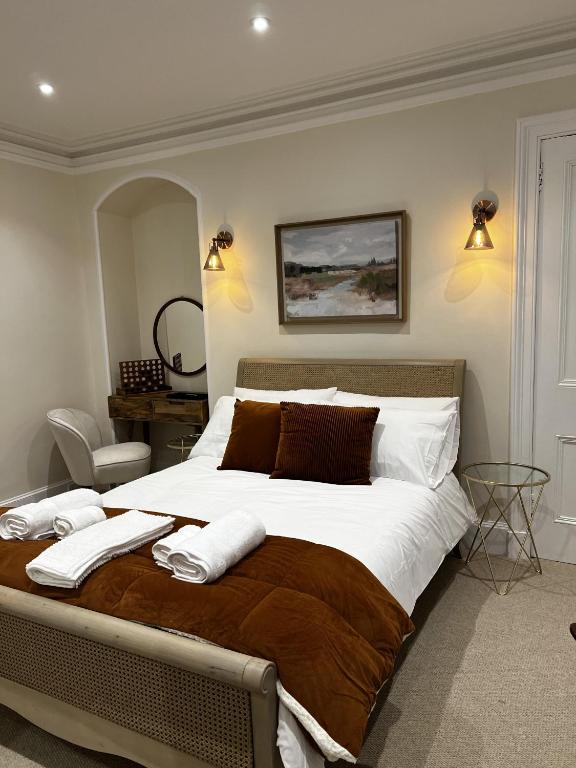
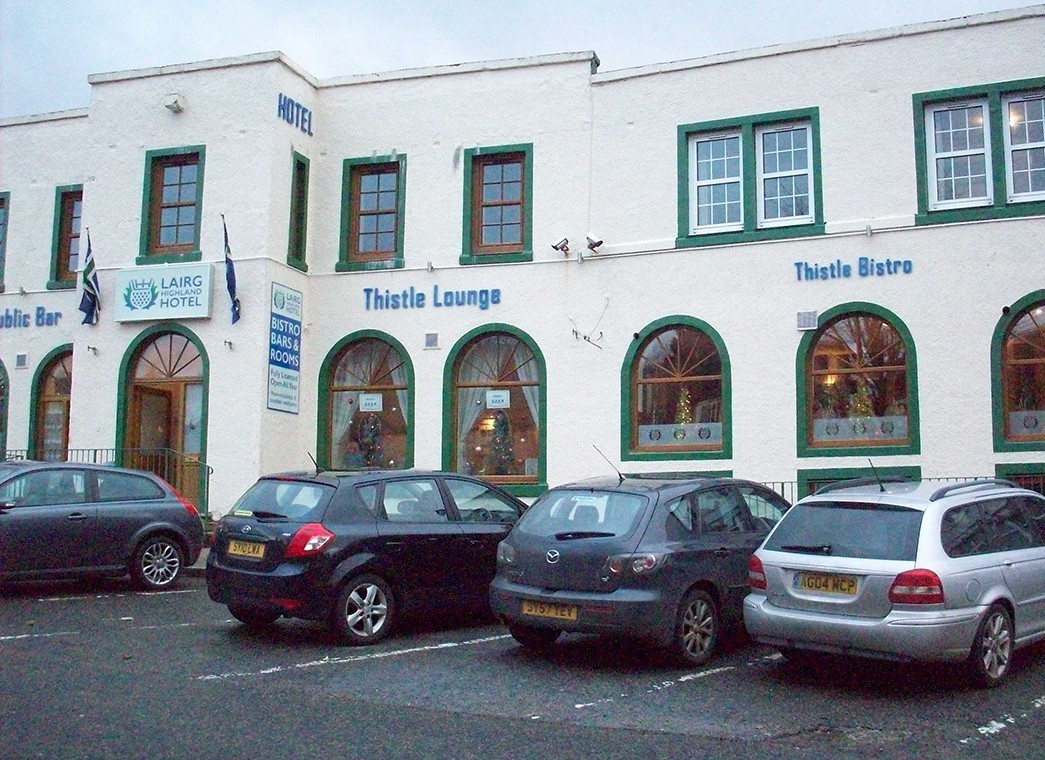
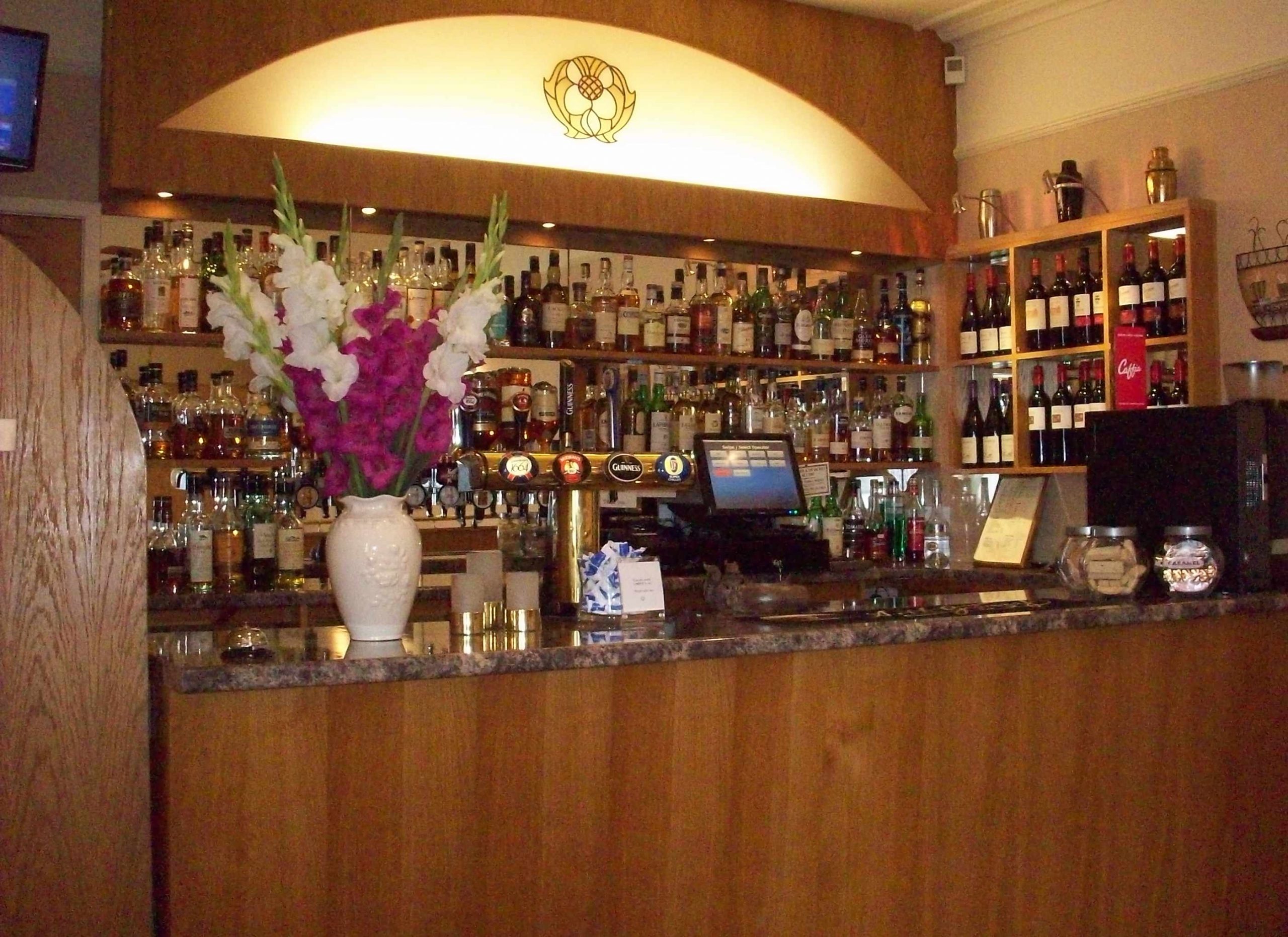
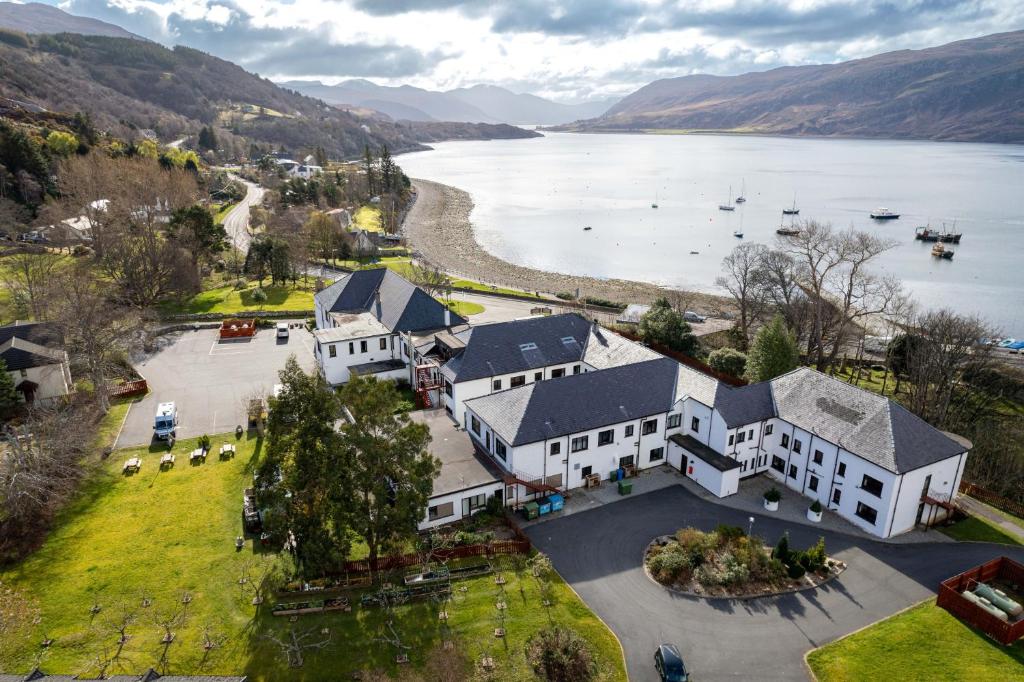
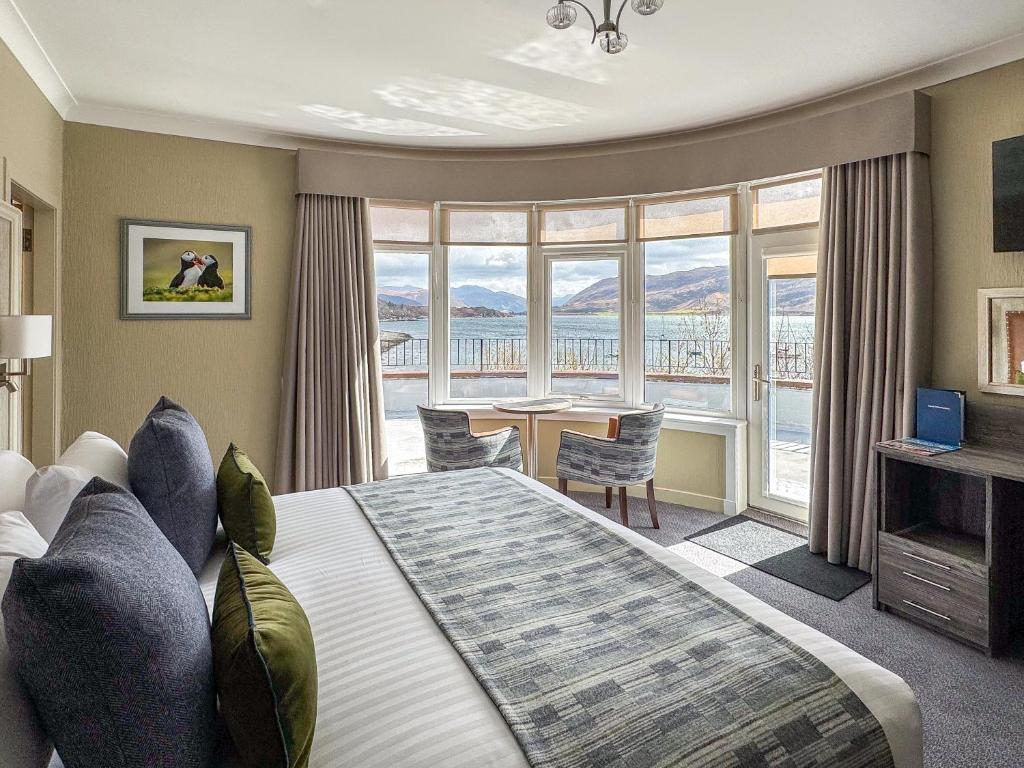
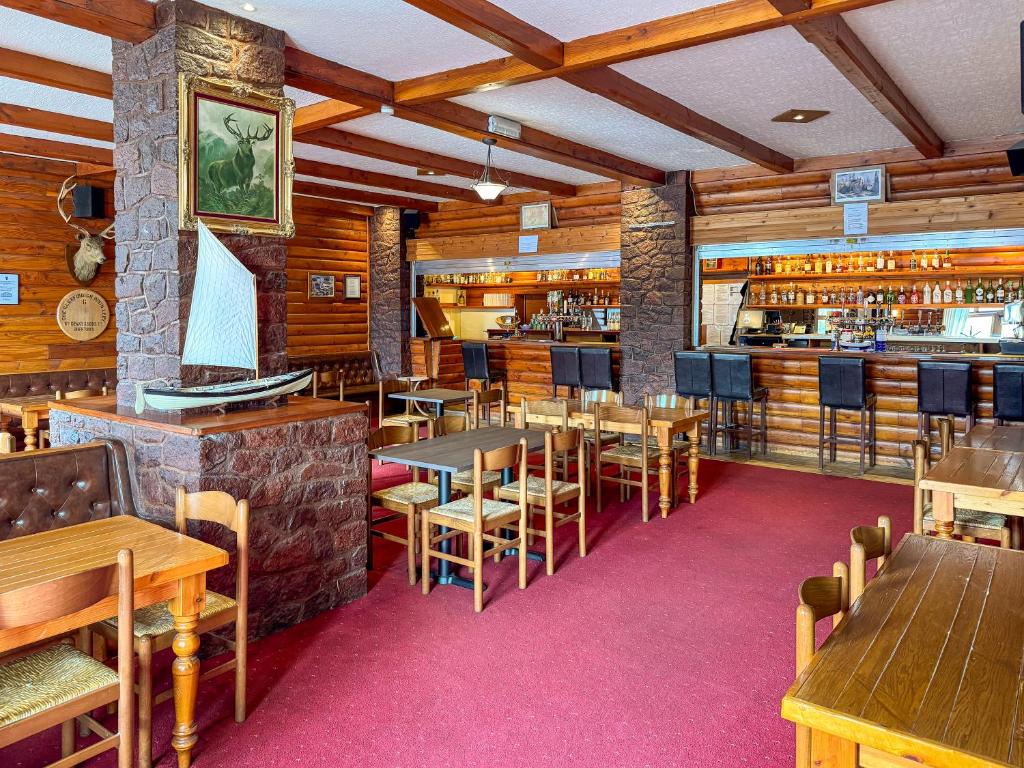
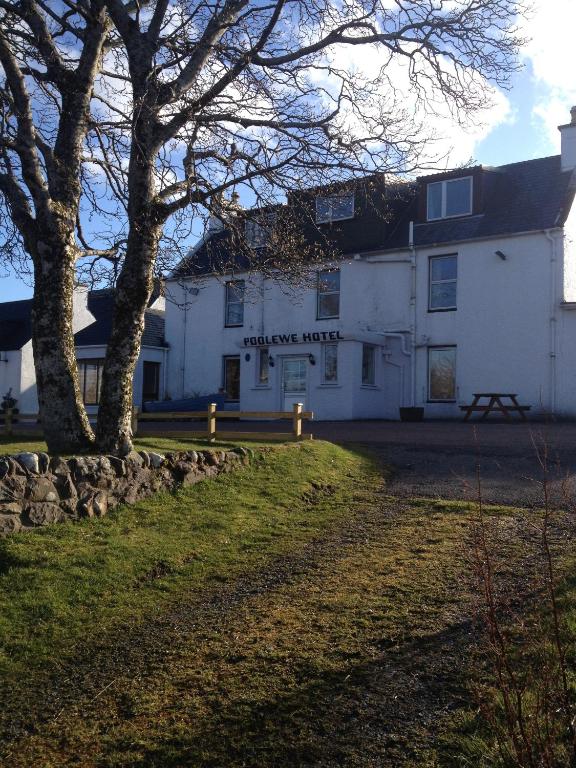
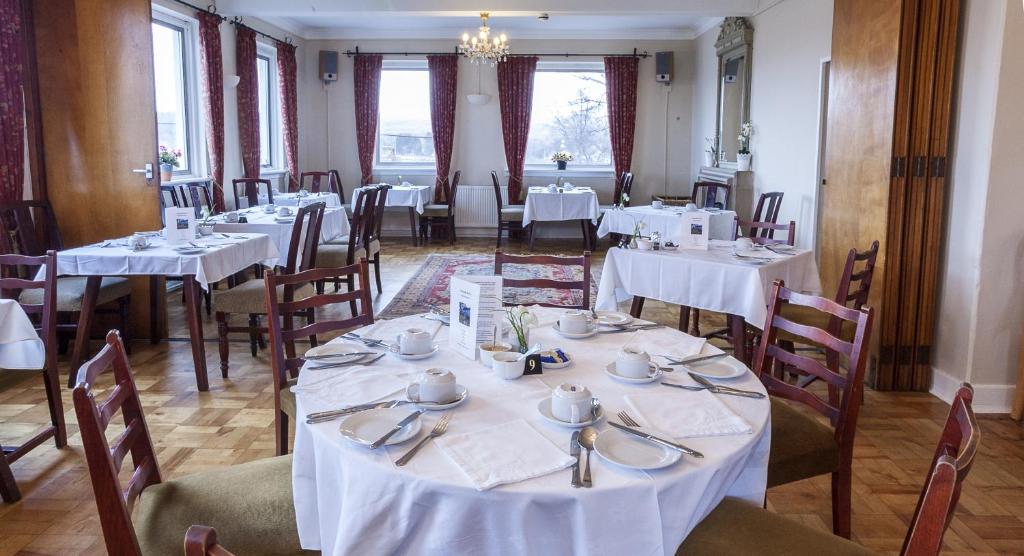
The Scotland Far North Tour offers a welcoming mix of small Highland hotels, friendly guesthouses and cosy B&Bs, chosen for charm, warm hospitality and their location close to each day’s route. You’ll stay in a selection of traditional properties across Inverness, Tain, Lairg, Lochinver, Ullapool and Poolewe.
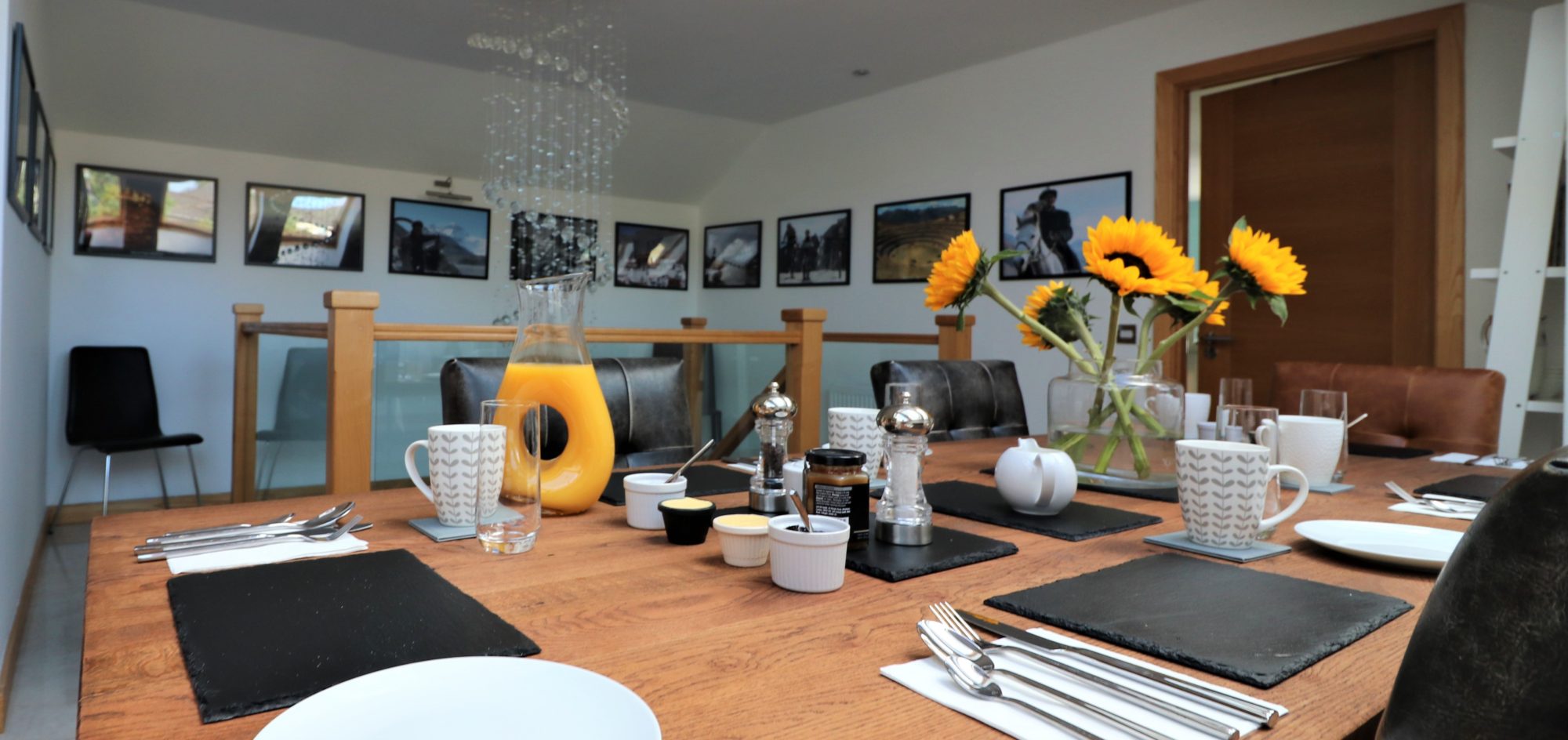
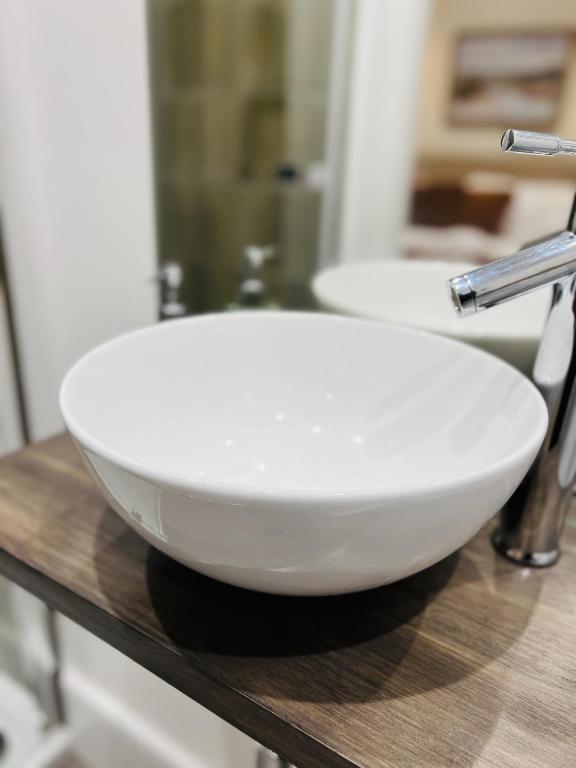
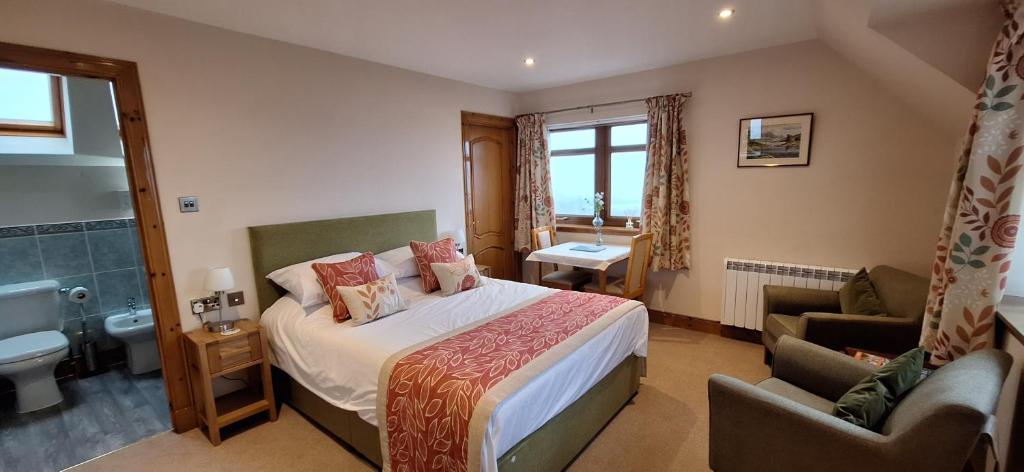
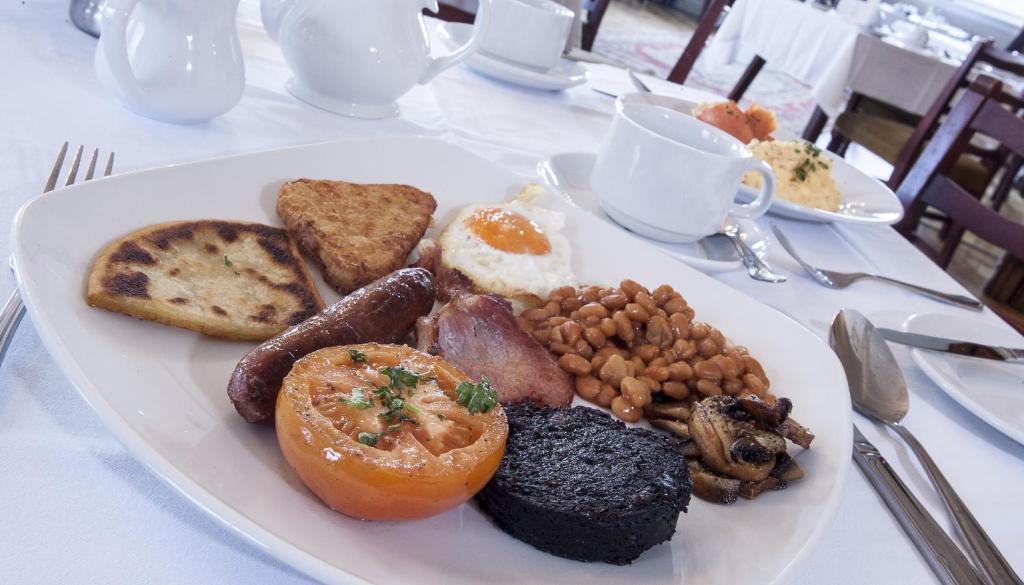
Across the Highlands, accommodation includes places such as Springfield Guest House, Woodland B&B, the characterful Poolewe Hotel, and traditional local lodges near the coast and lochs. Rooms are typically comfortable and en-suite, with hearty Scottish breakfasts, drying rooms for gear, and the kind of friendly service synonymous with the region.
Expect:
- Comfortable B&Bs, guesthouses and small hotels, full of Highland character
- Warm hospitality and home-cooked breakfasts, ideal after long days in the saddle
- Private rooms wherever possible, with en-suite facilities
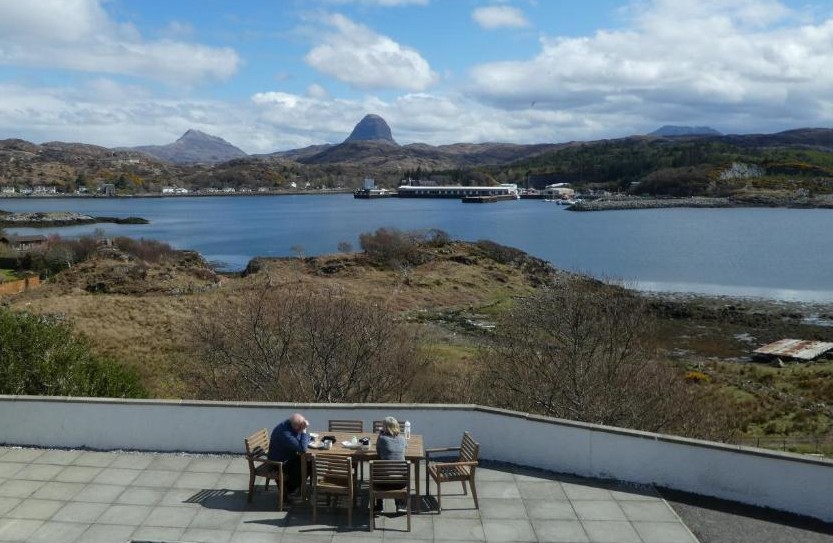
- Stunning rural locations — from coastal villages to moorland valleys and loch-side towns
- Simple but charming stays in the most remote sections, always clean, friendly and well-loved by cyclists
Testimonials
Here is what our customers have to say about our ‘Scotland – Far North’ Cycling holiday.
8-446x275.jpg)
 Directly from the customer
 Scotland – Far North
Ros and Jo were a wonderful team—keeping us going, keeping us fed, and keeping us entertained in the evenings. They could not have been kinder, more helpful, or better company, and their excellent picnic lunches kept us happy along the way. We all left as good friends. Grateful also to Dermot and Linette for giving us such a warm start and finish in their beautiful home. The route itself was gorgeous and varied—altogether a fabulous trip.
Judith and Peter Derbyshire, Glastonbury, England, UK4-446x275.jpg) Directly from the customer
Scotland – Far North
Directly from the customer
Scotland – Far North
A fantastic trip, with wonderful scenery, nice rolling hills to ride on, and two great leaders in Ros and Jo. I loved the picnic lunches. Everything went to plan, except for the near-total absence of rain and midges.
Best cycling holiday I have been on!
Duncan Squire, London, England, UK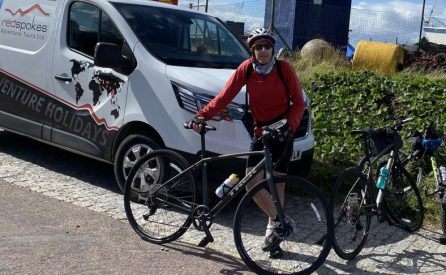 Directly from the customer
Scotland – Far North
Directly from the customer
Scotland – Far North
Jo and Ros did a great job and would definitely recommend them for other tours, we were lucky with the weather as avoided the rain mostly, breakfast at all the places was good, bike had enough gears to handle the hills, the scenery was great!
Nigel Lawson, Littleton, Colorado, United States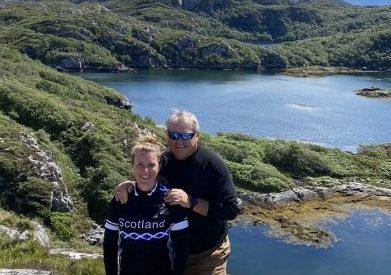 Directly from the customer
Scotland – Far North
Directly from the customer
Scotland – Far North
My husband and I recently completed an 9-day cycle trip in the Scotland Highlands with Redspokes Adventure Tours, and it was an unforgettable experience! The scenery was absolutely stunning, with breathtaking ocean views, majestic castles, and even a whole herd of Scottish stags.
Our guide, Dermot, was incredibly helpful and made sure we were well taken care of with great meals and snacks along the road. The accommodations were all top-notch, ranging from charming hotels to cozy B&Bs, and our nightly dinner reservations were at some truly delicious restaurants.
The entire trip was well-organized, making it easy to just enjoy the ride and the amazing surroundings. I would definitely do another tour with Redspokes and highly recommend it to anyone looking for an adventurous and scenic outdoor experience. Just be prepared to tough out the Scotland weather – it's all part of the adventure!
Francis Aho, Tennessee, United States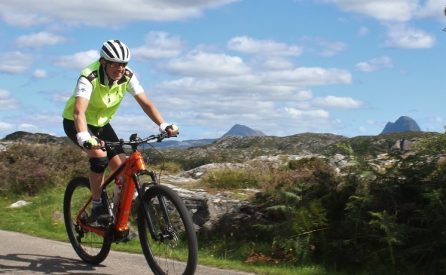 Directly from the customer
Scotland – Far North
Directly from the customer
Scotland – Far North
This tour was a BLAST!!!! Small group, incredible landscape, quiet countryside roads, good weather for cycling, enthusiastic tour leader, great roadside snacks at sites with a view, unique rural lodging sites, good food for vegetarians as well as the non-vegetarian, many memorable moments with a longing for more days on the road. I’m ready to go back to the Scottish Highlands for more of the same!
Gordon Gates, Colorado, USA-446x275.jpg) Directly from the customer
Scotland – Far North
Directly from the customer
Scotland – Far North
"….what better way to see them than from the saddle of a bicycle?"
So says the redspokes description of this tour from Inverness in the East to Ullapool on the West coast. Completely agree. Stunning scenery, quiet roads and understanding drivers, at your own pace and plenty of opportunity to stop and take it all in.
Backed up with superb organisation and support, including high quality bikes for hire. The redspokes van with tea and snacks (and chat) always waiting just when you need it. Good accommodation and food to look forward to at the end of the day. What`s not to like?
John Lingford, London, England, UK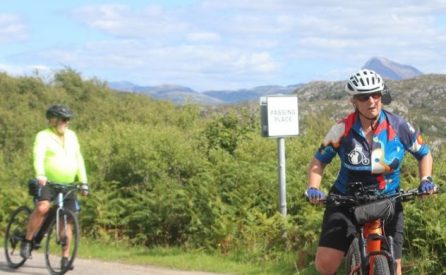 Directly from the customer
Scotland – Far North
Directly from the customer
Scotland – Far North
We truly loved riding in the highlands of Scotland and having a true scot for a leader was the best!
Dermot planned and executed the details of the tour down to the smallest detail – even having midge spray in the van! we really enjoyed having a small group and the various positives that come with fewer people. if I were to grade this trip: scenery – A+, trip leader – A+, snacks and support van – A+, accommodations – A-, bikes – B+, pretrip info – A, office support staff A+. If given the opportunity, we would definitely do this trip or another with red spokes again!!!
Karen & Darrell Rott, Boulder Colorado, USA-446x275.jpg) Directly from the customer
Scotland – Far North
Directly from the customer
Scotland – Far North
My wife and I truly had an unforgettable tour across Scotland’s Highlands. This being our ninth Redspokes tour we were excited to cycle across this beautiful country. We were blessed with amazing warm weather, sunshine and no rain during the entire tour. Both Redspokes guides (Susanne and Graham) offered deep narrative of Scotland’s amazing history and they truly complimented each other capabilities with charm and attentiveness.
As we crossed east to west we encountered the wonderful changes in geography sprinkled in with some of the most courteous motorists we have ever come across. As expected the seafood was amazing and our accommodations offered a unique mix of clean and comfortable lodging. Cycling Scotland in June offered extended sunlight thus ensuring no concerns of racing the darkness.
One can only absorb so much during the tour and now am compelled to crack the books on Scotlands history purchased during our tour …..of course accompanied but a few drams of whisky that some how made its way into our luggage!
Michael Glodowski, Wisconsin, USA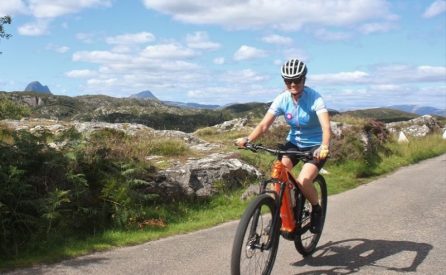 Directly from the customer
Scotland – Far North
Directly from the customer
Scotland – Far North
This trip was a very positive experience! I appreciated Dermot and Linette's attention to all of our needs. The route was very scenic with many surprises in the countryside. Around every corner was breathaking scenery. The routes were well planned and the food provided was in abundance.
I would highly recommend this tour!
Jan Gates, Boulder Colorado, USA-446x275.jpg) Directly from the customer
Directly from the customer
 Scotland – Far North
Redspokes’ Far North Tour affords the cycling tourist a taste of the best the Highlands has to offer. Spectacular mountain and coastal scenery, accommodation in culturally interesting villages and in the countryside, and visits to sites of historic interest are interspersed with just the right amount of challenging cycling. An altogether great experience!
Bill McNeill, Washington, USA-446x275.jpg) Directly from the customer
Scotland – Far North
Directly from the customer
Scotland – Far North
It was a great tour with a lot of outstanding scenery, and company. The food throughout thew trip was great and the towns we visited were charming.
Susanne and Graham were great and a lot of fun during the trip.
Michael Magee, Washington, USA-446x275.jpg) Directly from the customer
Scotland – Far North
Directly from the customer
Scotland – Far North
This was an adventurous trip with great roads to ride on (the cars are very courteous to cyclists). Scenery and locations we visited are out of the way and amazing. It was great to experience the foods at different locations and found it very good, no bad meals. Food was plentiful.
Graham our cycle guide was entertaining, great with people, witty and fun to be around. Make the trip a little more special. Susan was the support driver. She has vast knowledge of the history and landscape, speaks Gaelic and knows the history of scotland.
Alex De Moraes, California, USA_2-446x275.jpg) Directly from the customer
Scotland – Far North
Directly from the customer
Scotland – Far North
The redspokes Scotland trip is tough but extremely rewarding. The route really had something for everyone … narrow roads, gravel short-cuts, rolling hills, steep climbs, screaming downhills, and crossings of ancient viaducts, not to mention the verdant valleys, distant mountains, and whimsical villages. Our guides were strong, funny, well-organized, flexible, and attentive. Even though this is arguably redspokes' only trip in a developed country, I usually felt that I was "out there" in the beautiful wilds of Scotland (but with a comfortable B&B at the end of the day).
Highly recommended!
Jonas Barter, Almonte, Canada_400x0-400x275.jpg) Directly from the customer
Scotland – Far North
Directly from the customer
Scotland – Far North
This trip was as exciting as all the other redspokes trips I have been on. The quality of the accommodations, the stunning scenery and the challenging rides made up all the ingredients for a memorable tour. A special thanks to the redspokes team Carl, Clare and Richard for their support and dedication. This Scottish week will stay in my memory for a long time and confirms redspokes as my first choice for outdoor adventures.
Pierre Albert Gaspard, Beirut, Lebanon_400x0-400x275.jpg) Directly from the customer
Scotland – Far North
Directly from the customer
Scotland – Far North
Great tour covering a very scenic part of Scotland, the whole tour was fantastic. Loved the cycling, scenery, cycling companions and the fabulous accommodation, particularly the nights in Ardtornish, a truly magical place. The support from Carl, Clare and Richard during the tour was beyond the call of duty! I thoroughly enjoyed it and would absolutely recommend it to anyone.
Fadi Asmar, Beirut, Lebanon_400x0.jpg) Directly from the customer
Scotland – Far North
Directly from the customer
Scotland – Far North
It was great to ride with redspokes again, this was a potentially tricky tour with quite a few ferries to catch, variable Scottish weather, not too many alternative choices of food or accommodation if timings went wrong, Demot made it all look effortless, modifying the rides if necessary to ensure we stayed on track. He is a very motivating and enthusiastic tour leader, always being there when some encouragement is needed to get to the top of a hill.
The group rode well together, no one really ahead or behind, again with Dermot watching out to make sure we could all cope with the route, and providing a much needed stop with a cake and cup of tea at the critical moments.
A really enjoyable tour, with the hills and the weather providing a nice challenge and sense of achievement at the end of each day
David Mercer, Middlesbrough, England_400x0.jpg) Directly from the customer
Scotland – Far North
Directly from the customer
Scotland – Far North
It was great to see parts of Scotland which I hadn't seen before, and I will definitely be going back to some of the places again. Keeping away from the tourist areas and speaking to locals was also nice, rather than being caught up with the masses all the time.
Andrew Richards, Stratford-upon-Avon, EnglandPhotos
Here are a selection of photos for our ‘Scotland – Far North’ Cycling holiday.