

- Overview
- Itinerary
- Key Places
- Essential Info
- Accommodation
- Testimonials
- Gallery
- Book Now
Mongolia Bulgan
Mongolia Explorer
Cycling through Mongolia is a true frontier adventure, crossing vast grasslands, wooded mountains and sweeping valleys where the landscape feels timeless and untouched. Beginning in Ulaanbaatar, the journey introduces Mongolia’s rich heritage before heading deep into the countryside, where nomadic traditions remain central to daily life and herds roam freely across open steppe.
Riding through the UNESCO-listed Orkhon Valley and over remote mountain passes, the route blends physical challenge with cultural immersion. Encounters with nomadic families, stays in traditional yurts and evenings beneath immense star-filled skies create an unforgettable experience. Mongolia offers not just dramatic scenery, but a rare sense of space, silence and connection.
Ulaanbaatar
Mongolia’s capital is a fascinating starting point for the journey, where modern city life meets deep nomadic tradition. Set in a broad valley along the Tuul River, Ulaanbaatar has changed rapidly in recent decades, with new development rising alongside Soviet-era architecture, Buddhist temples, busy markets and sprawling ger districts on the edge of the city.
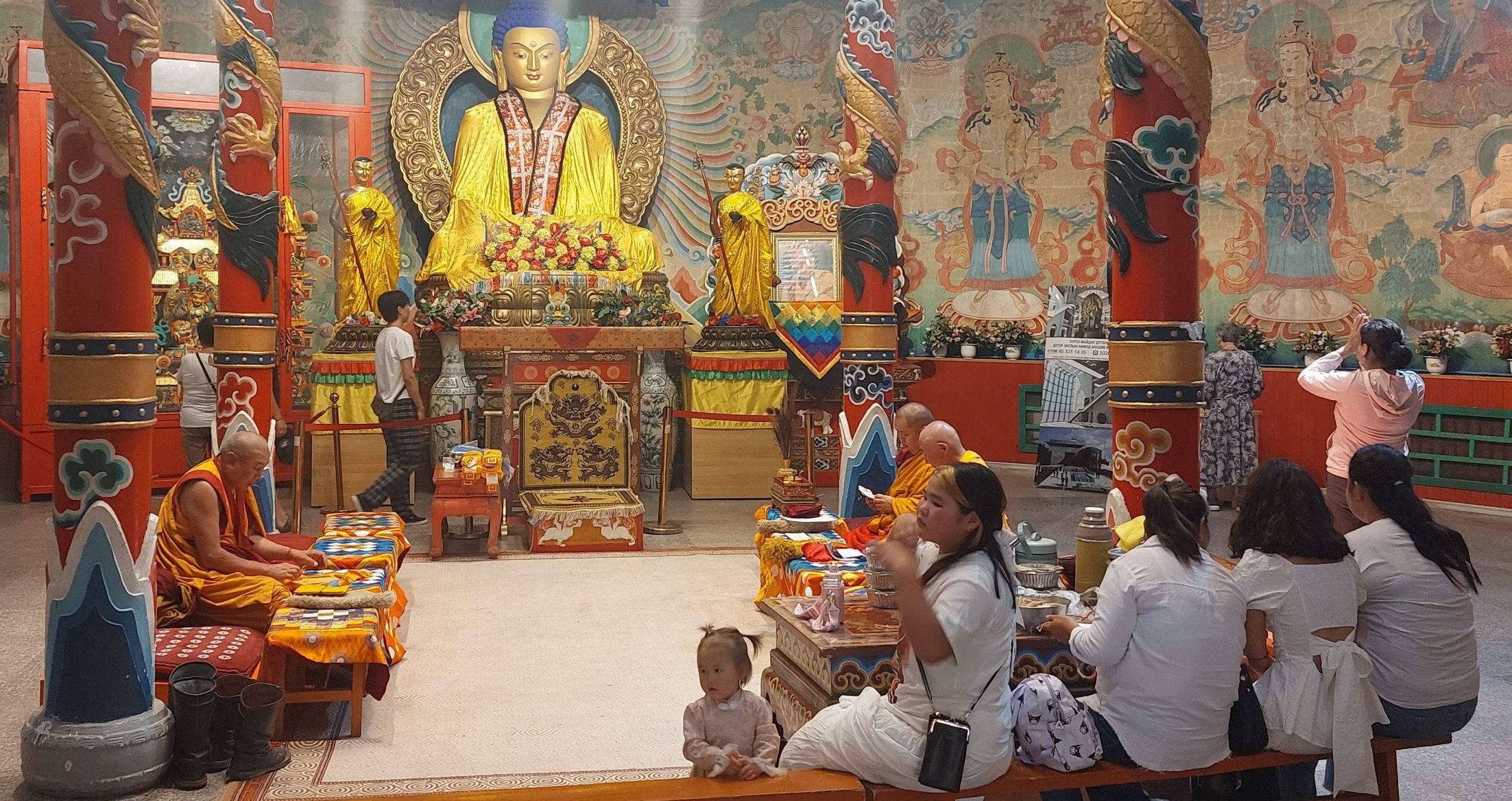
A city tour offers an introduction to Mongolia’s history and culture before the journey heads into the open steppe. Highlights may include Gandantegchinlen Monastery, Mongolia’s principal Buddhist temple, Sükhbaatar Square, the National Museum and the Zaisan Memorial, where panoramic views stretch across the capital and towards the surrounding hills.
Erdenet & the Open Steppe
Erdenet is Mongolia’s second largest city and an important gateway to the country’s north-central region. Built around one of Asia’s major copper-mining centres, it offers an interesting contrast to the remote landscapes that follow.
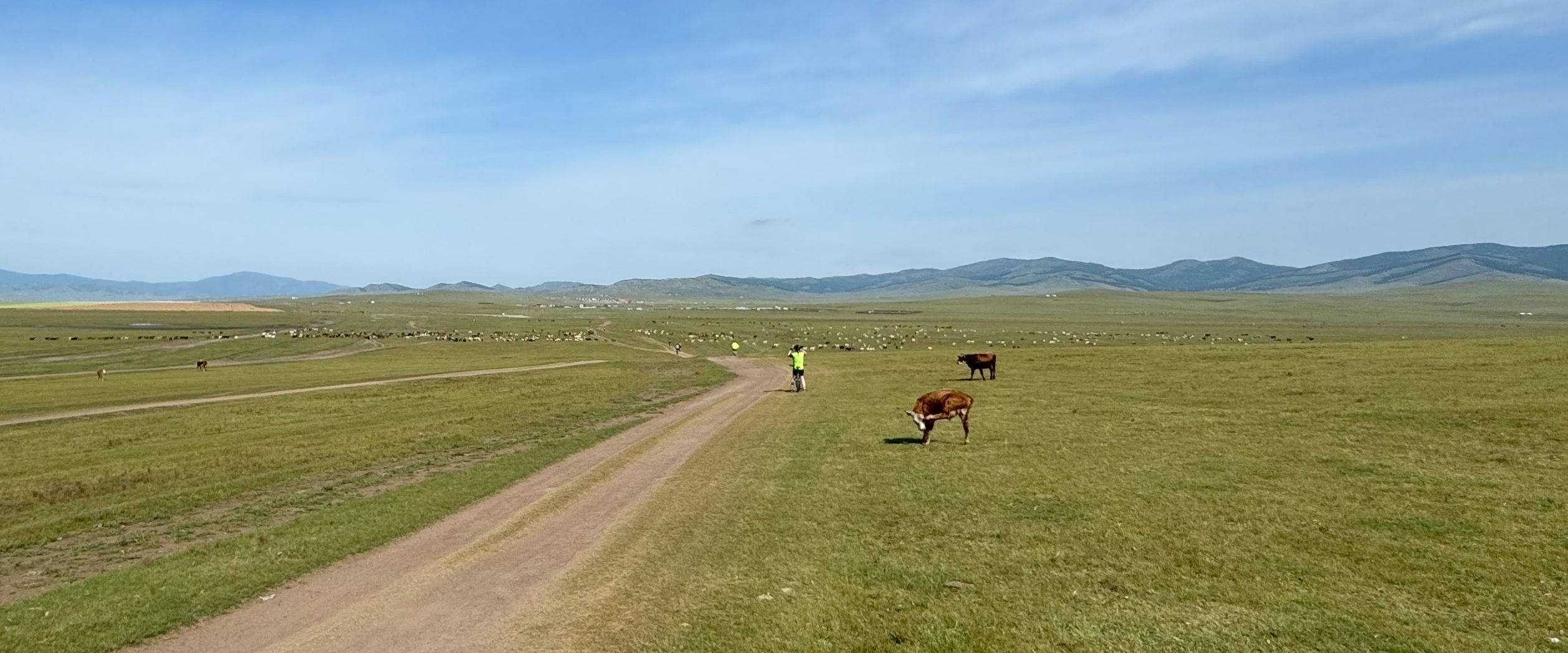
From Erdenet, the ride begins to open out into wide valleys, rolling plains and quiet tracks. This is where the sense of space becomes truly striking: big skies, distant horizons, grazing livestock and traditional herder life unfolding across the grasslands. It is a memorable first taste of the scale, silence and freedom that make cycling in Mongolia so special.
Tsetserleg & the Khangai Mountains
Tsetserleg is one of Mongolia’s most attractive provincial towns, set among the forested slopes and open valleys of the Khangai Mountains. Its name means “garden”, and the town has a relaxed, green feel, with mountain views, monastery heritage and a strong sense of place.
The ride towards Tsetserleg along the Khangai range is a highlight of the journey, with sweeping landscapes, changing light and a more mountainous backdrop after days on the open steppe. This section beautifully captures the variety of Mongolia’s central highlands, from broad grasslands to wooded hills and remote river valleys.
Tsenkher Hot Springs
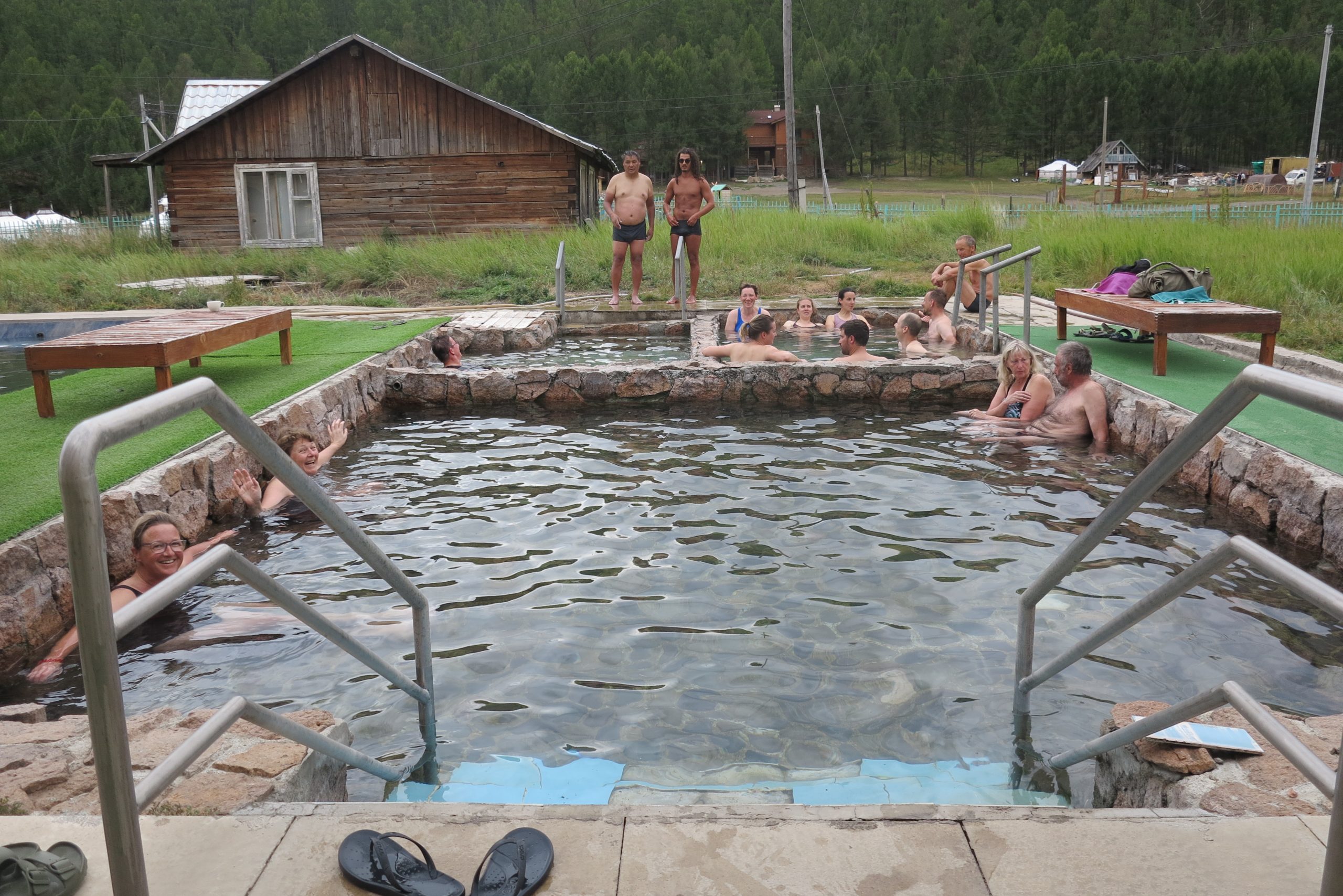
Set in the forested foothills of the Khangai Mountains, Tsenkher Hot Springs is one of Mongolia’s best-known natural thermal spring areas. After days of riding through open valleys, grasslands and remote steppe country, the springs offer a welcome chance to relax and soak tired legs in naturally heated mineral water.
The surrounding landscape is classic central Mongolia: rolling hills, wooded slopes, wide skies and traditional ger camps scattered through the countryside. For riders, Tsenkher is not just a rest stop, but part of the experience of travelling through Mongolia’s wild interior — combining simple comfort, natural beauty and the restorative tradition of bathing in hot springs beneath the open sky.
Orkhon Valley & Karakorum
The Orkhon Valley is one of Mongolia’s great historic landscapes and a UNESCO World Heritage Site. Located in central Mongolia at the foot of the Khangai Mountains, this broad river valley has been inhabited for thousands of years and is regarded as an ancient heartland of nomadic culture. Today, its wide pastures, river scenery and open steppe make it a superb setting for cycling.
The journey continues to Karakorum, once one of the most important cities on the Silk Road and the capital of the Mongol Empire under Ögedei Khan, son of Genghis Khan. Although little remains of the original city, modern Kharkhorin is home to the impressive Erdene Zuu Monastery and a fascinating museum with artefacts from Mongolia’s imperial past. Arriving here by bike brings together the great themes of the tour: open steppe, ancient history, nomadic culture and the vast beauty of Mongolia’s heartland.
Itinerary

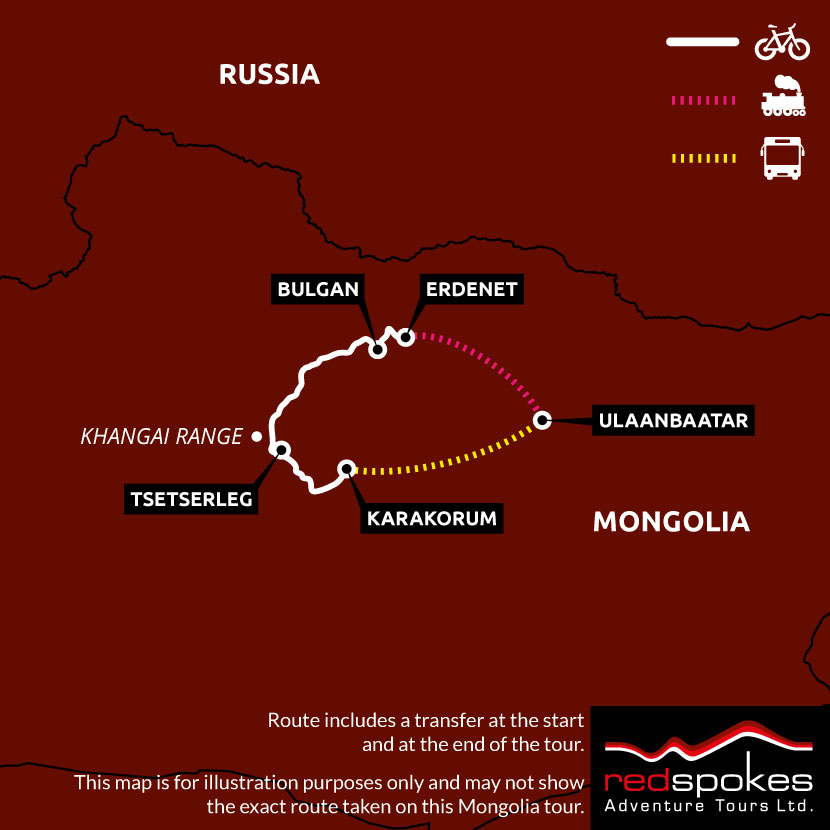
redspokes Mongolia Bulgan cycling tour begins in capital city Ulaanbaatar (which translates as red hero). Nomadic, Bhuddhist, Soviet and contemporary influences converge in this vibrant capital where ancient culture and 21st Century traditions forge a unique path. You will be met on arrival at the airport and transferred to your joining hotel. You are free for the rest of the day to explore the city. This evening we will have a welcome dinner and group introductions. Your guide will give you a trip briefing.
Accommodation: Hotel (D)
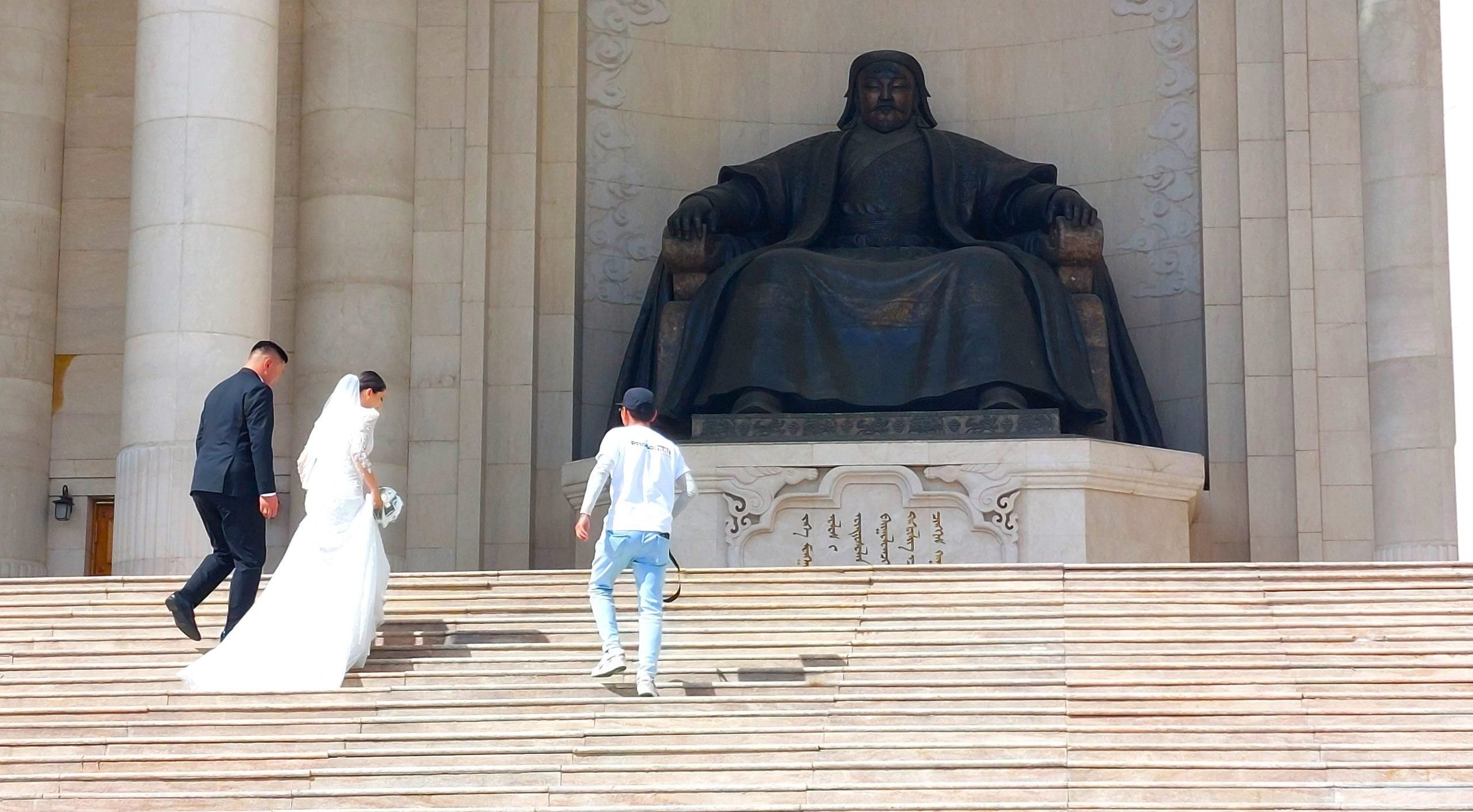
This morning we will learn more about Ulaanbaatar on a city tour. We begin with a visit to Gandantegchinlen Monastery; this in Mongolia’s principal Buddhist temple. A gigantic gold-plated Buddha statue is the main object of devotion. We will see many local worshippers, dressed in traditional brightly coloured garments. Next we will visit the central Sükhbaatar Square named after Mongolia’s revolutionary hero Damdin Sükhbaatar shortly after his death in 1923. In 2013 the square’s name was changed to Chinggis Square in honor of Genghis Khan. Adjacent to the square, is the parliament building with a facade adorned by marble statues of Genghis Khan and his successors. The area throngs with newlyweds, reunification parties and the public in general, all eager for photo opportunities here for their celebrations.
We go on to visit the National Museum and hear an overview of Mongolia’s history from stone age times to the modern era. The Paleontology Museum of Mongolia is a twenty minute walk away from the national museum. It containing artefacts such as dinosaur fossils, intact nests containing eggs, carnivores fighting herbivores and embryos still in their shells. Following this, a visit to the Zaisan memorial in the south of Ulaanbaatar offers panoramic views of the city. There is a 300 step climb to reach the memorial which features a circular painting depicting scenes of friendship between the people of the USSR and Mongolia. Our tour concludes with a traditional music show including a performance of traditional throat singing.
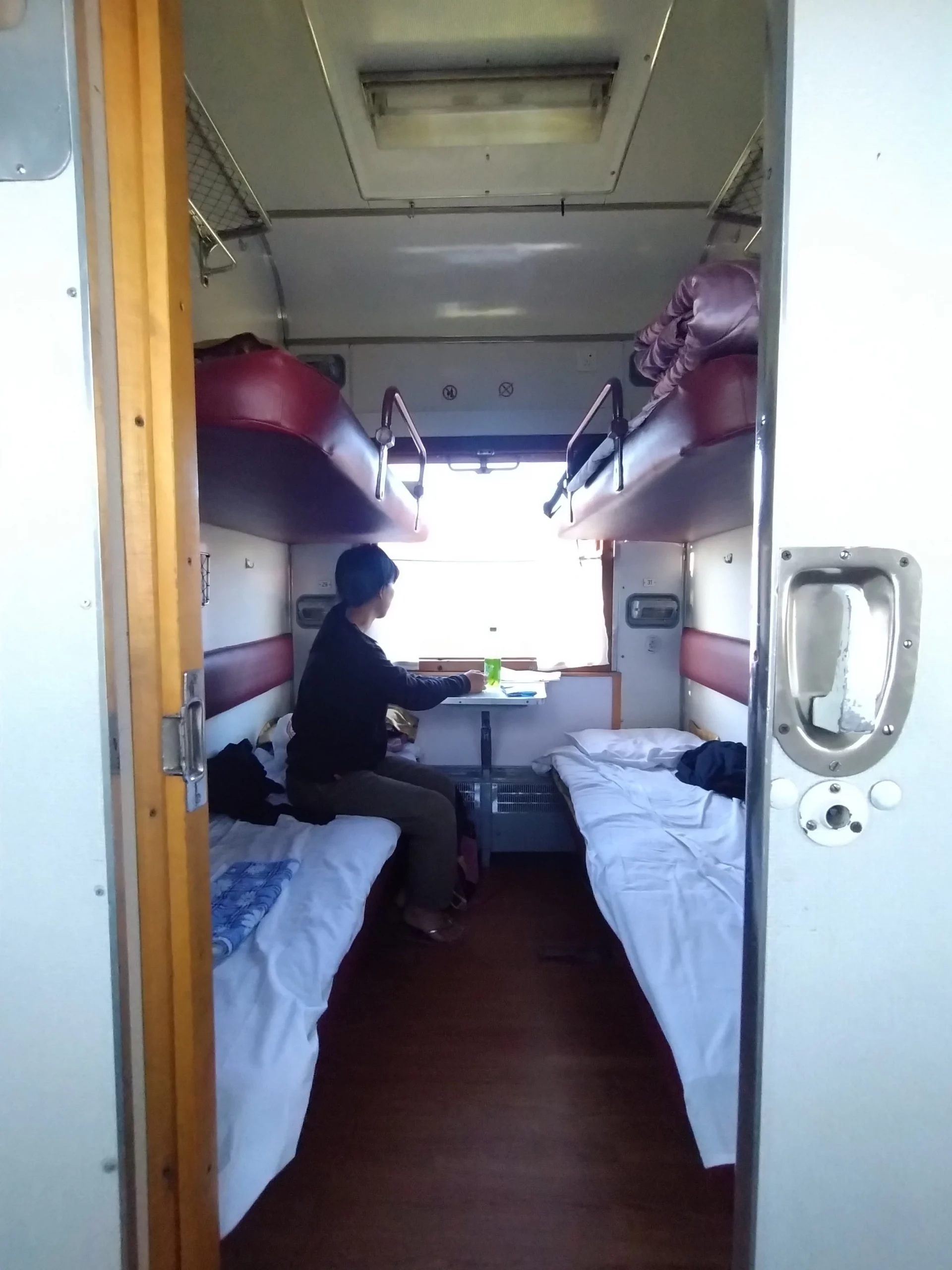
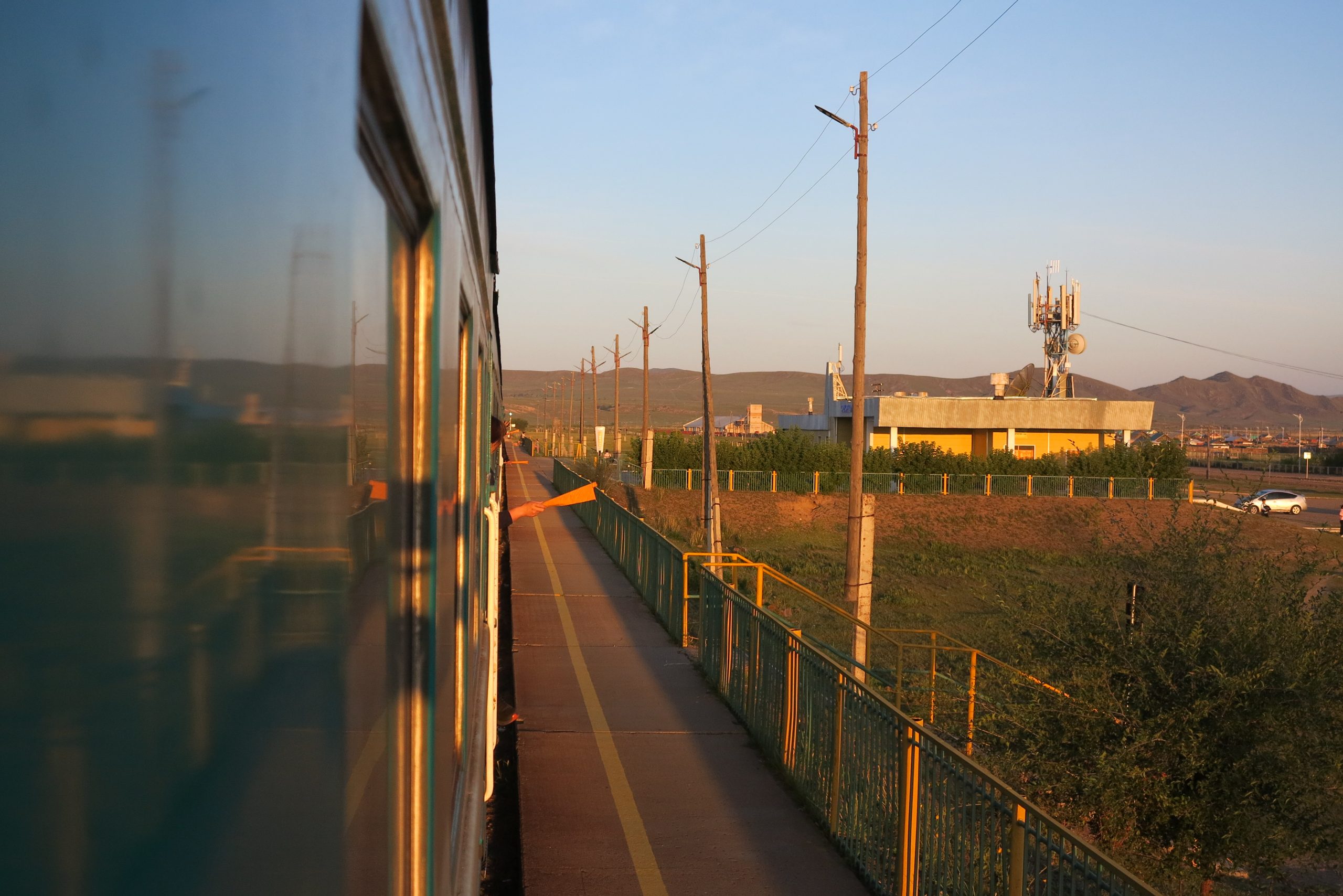
This evening we board a Soviet Era steam train which will take us overnight to Erdenet in the north of Mongolia. We travel alongside local passengers and enjoy pastoral agricultural scenes as we journey through the central wheat producing areas of the country.
Accommodation: Sleeper train (B,L,D)
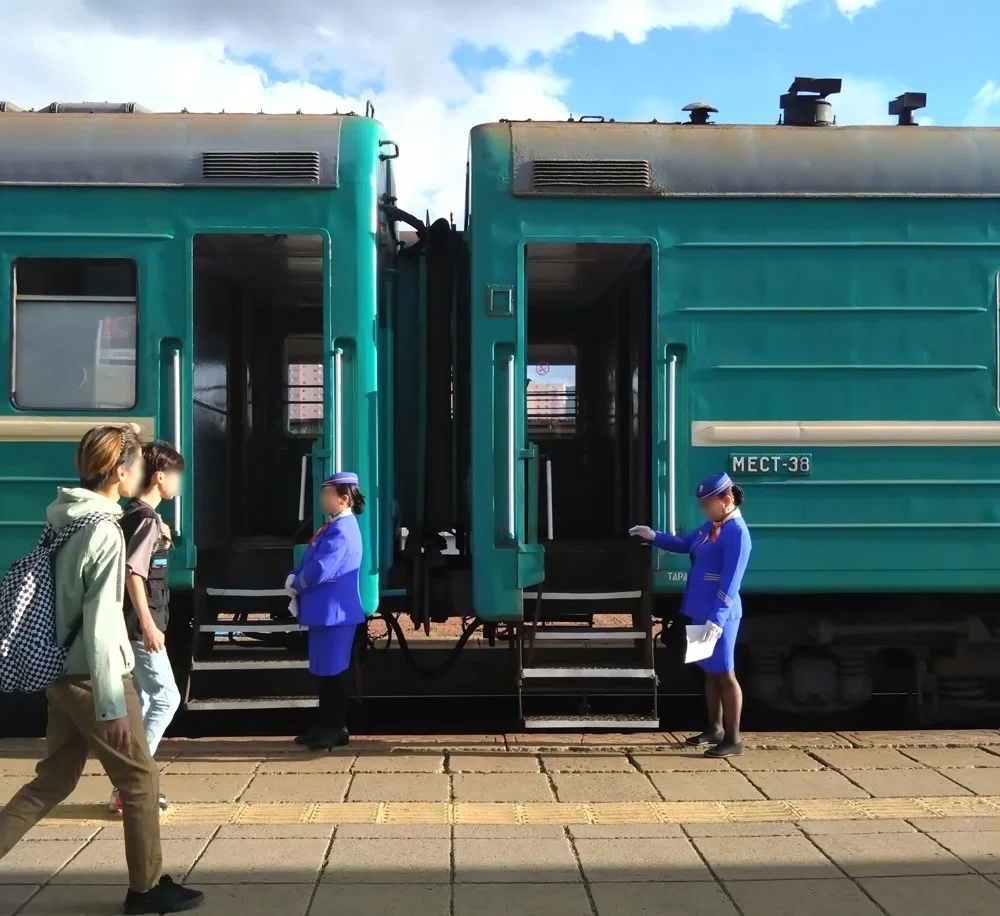
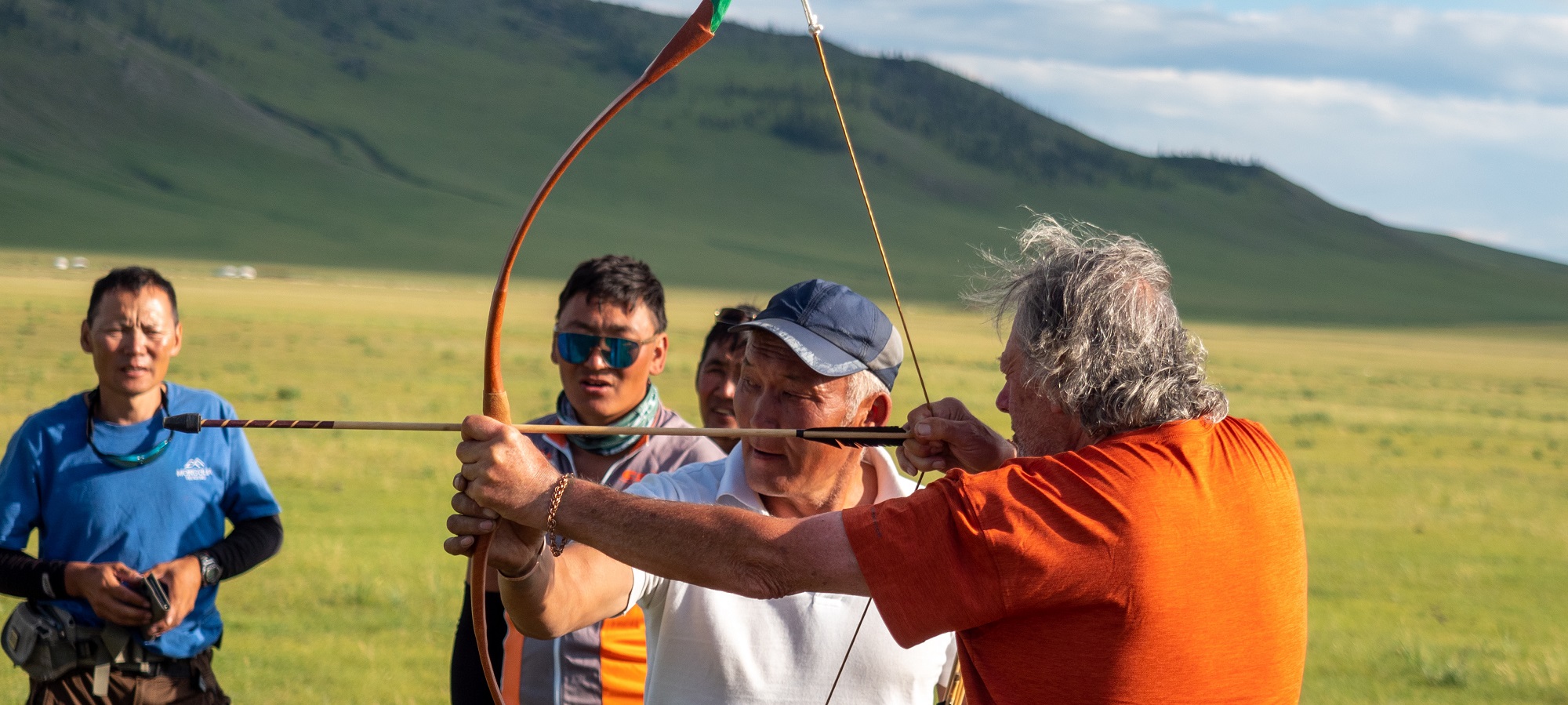
We arrive in Erdenet in time for breakfast and will meet our cycling support team. Erdenet is a mineral rich area with Asia’s largest copper mine which is open for public visits with a blasting that can be watched every Friday. Erdenet is also famous for its traditional archery team. Your guide will give you a history of the area.
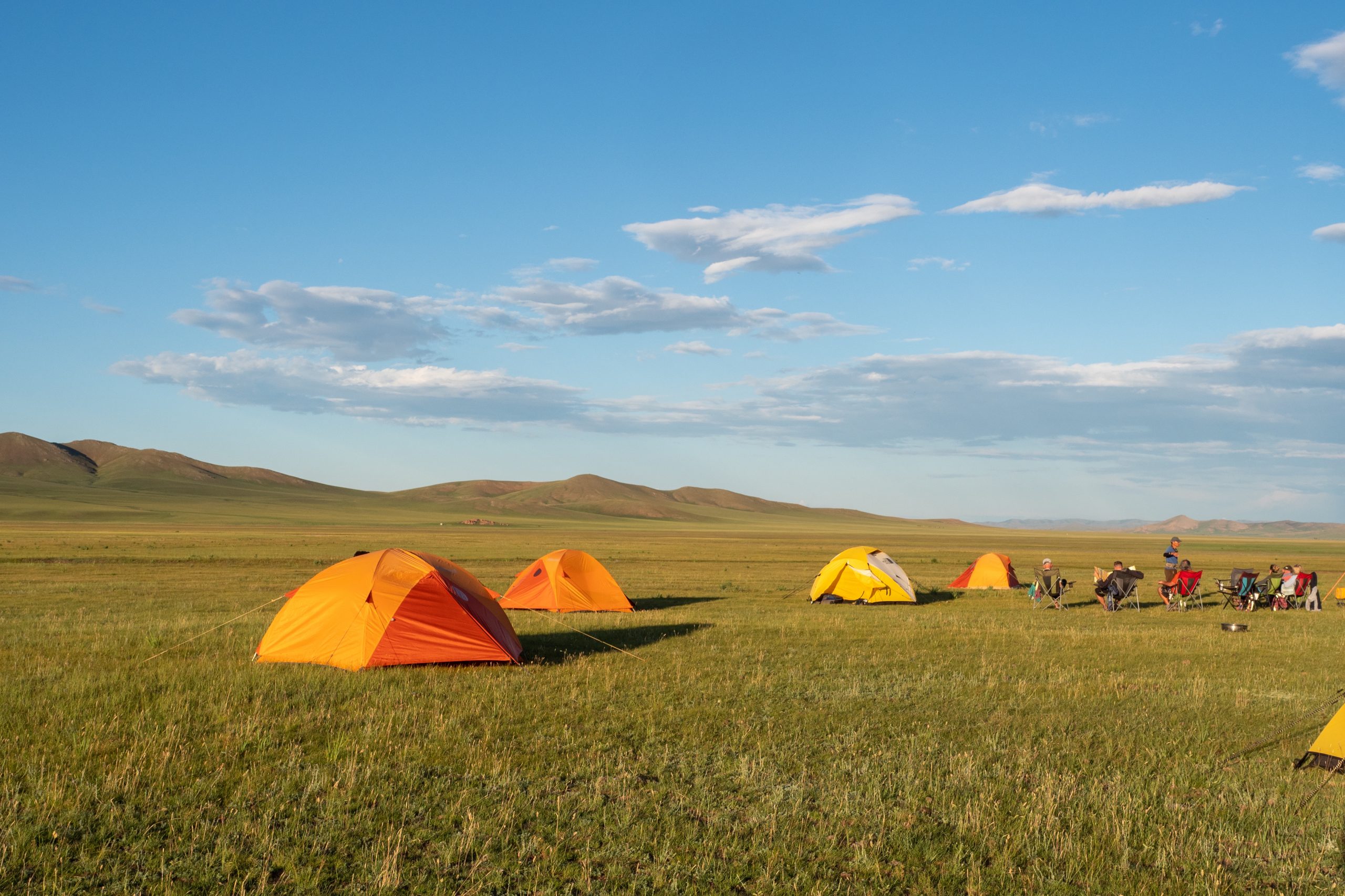
Our cycling begins as we set off riding through the suburbs and more rural areas on the outskirts of the city. We ride on through forested areas and valley cycling along a few ridges. We camp under the stars tonight and dinner will be prepared by your Mongolian chef.
Cycling distance: 52km (32.2 miles)
Total Climb: 473m (784ft)
Total Descent: 485m (1552ft)
Accommodation: Tent (B,L,D)
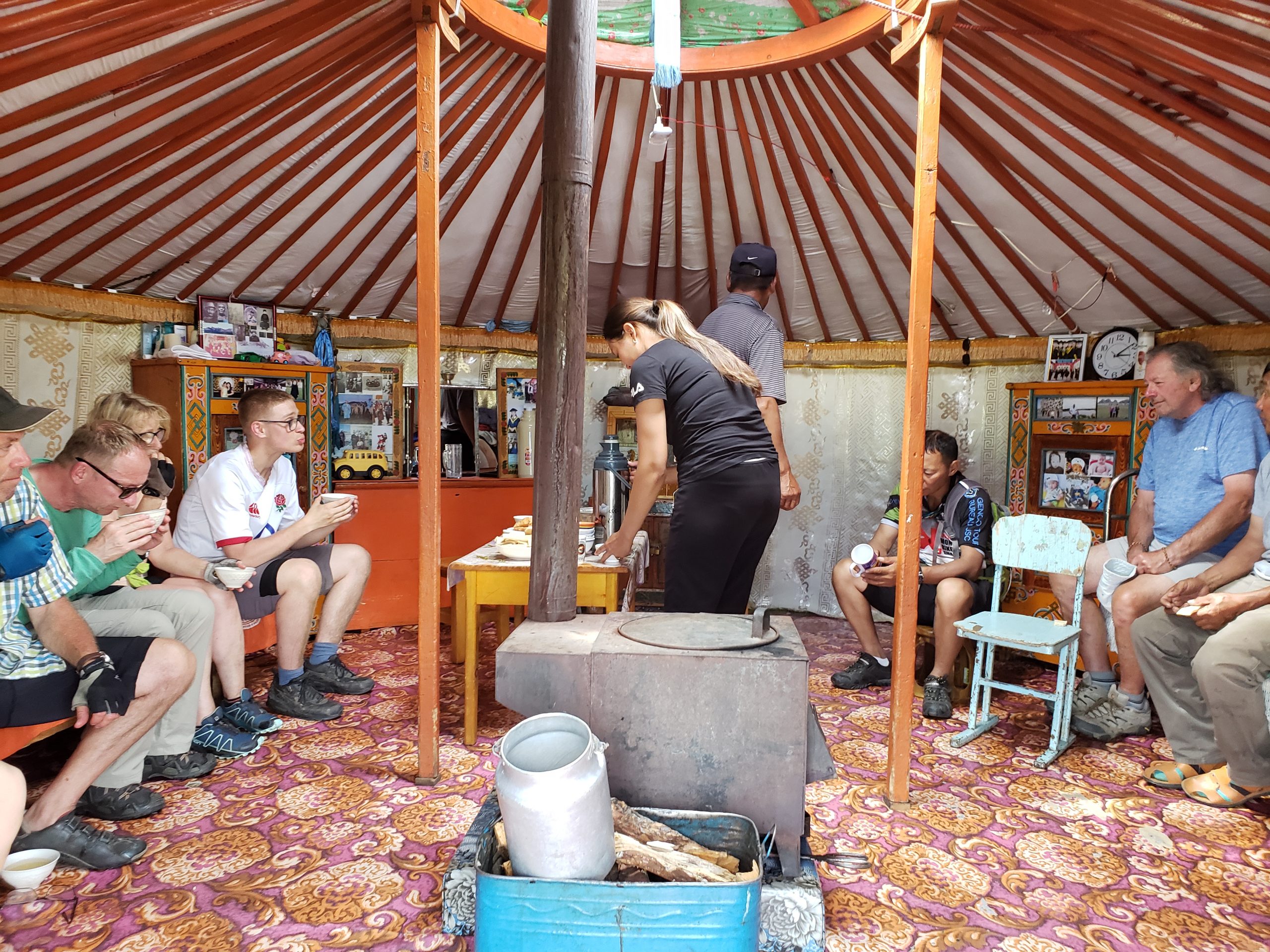
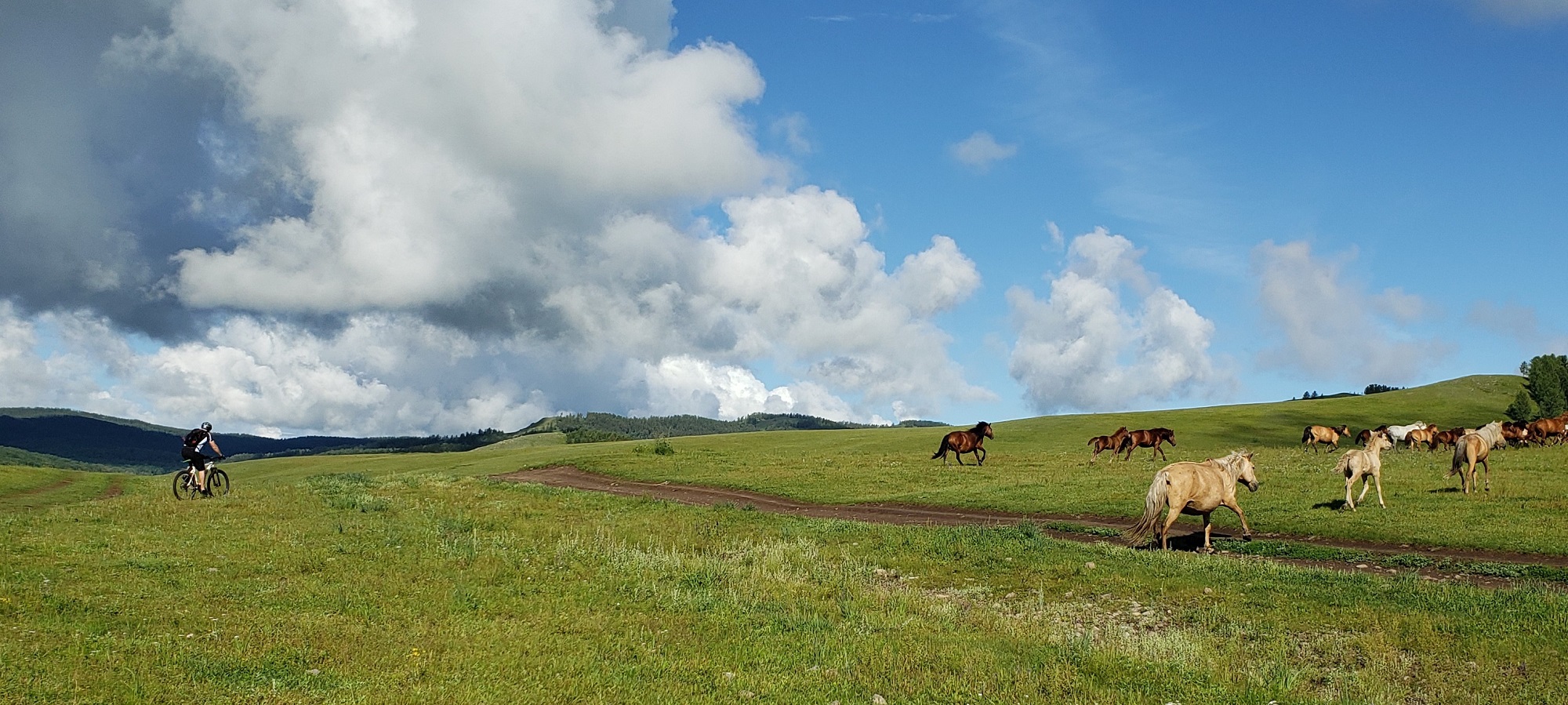
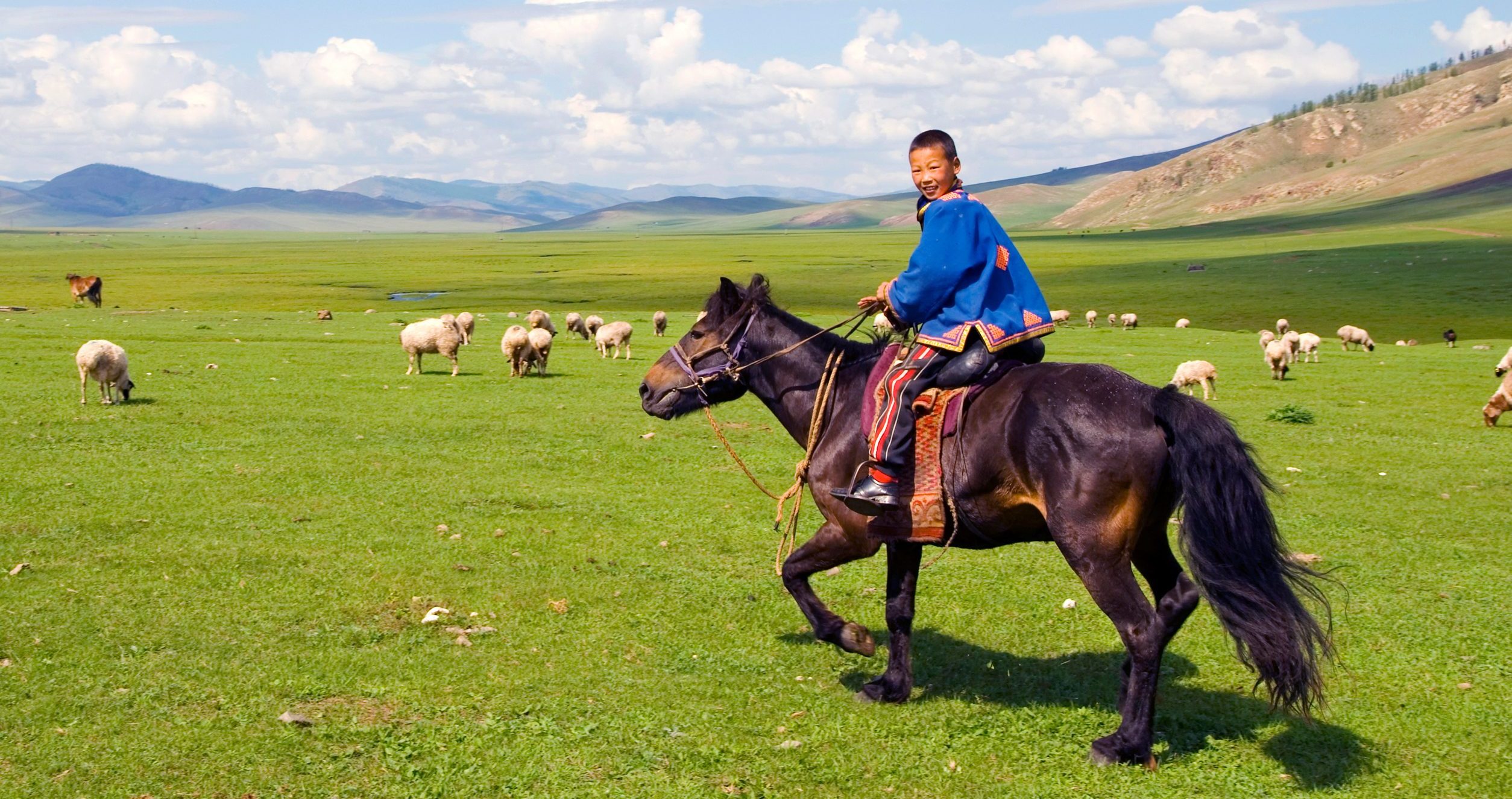
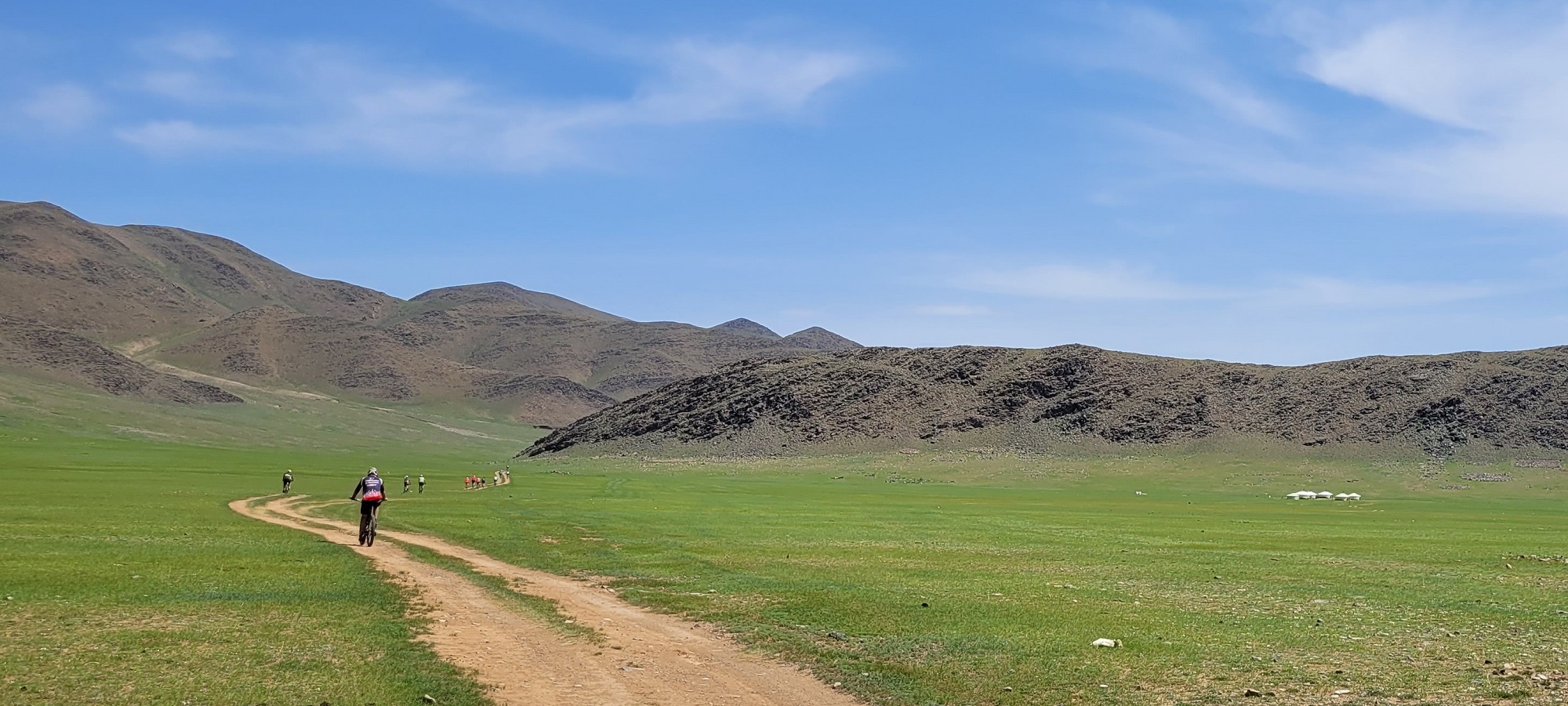
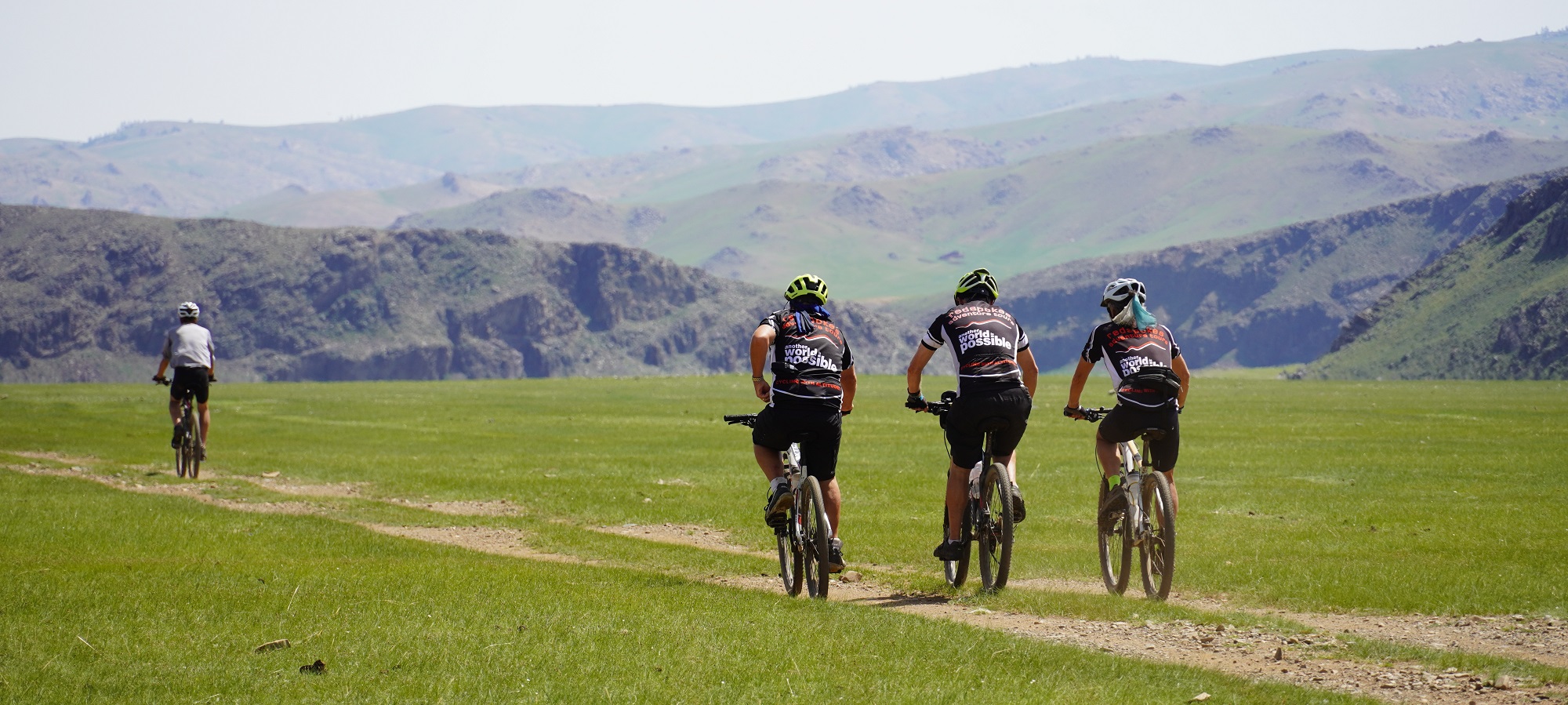
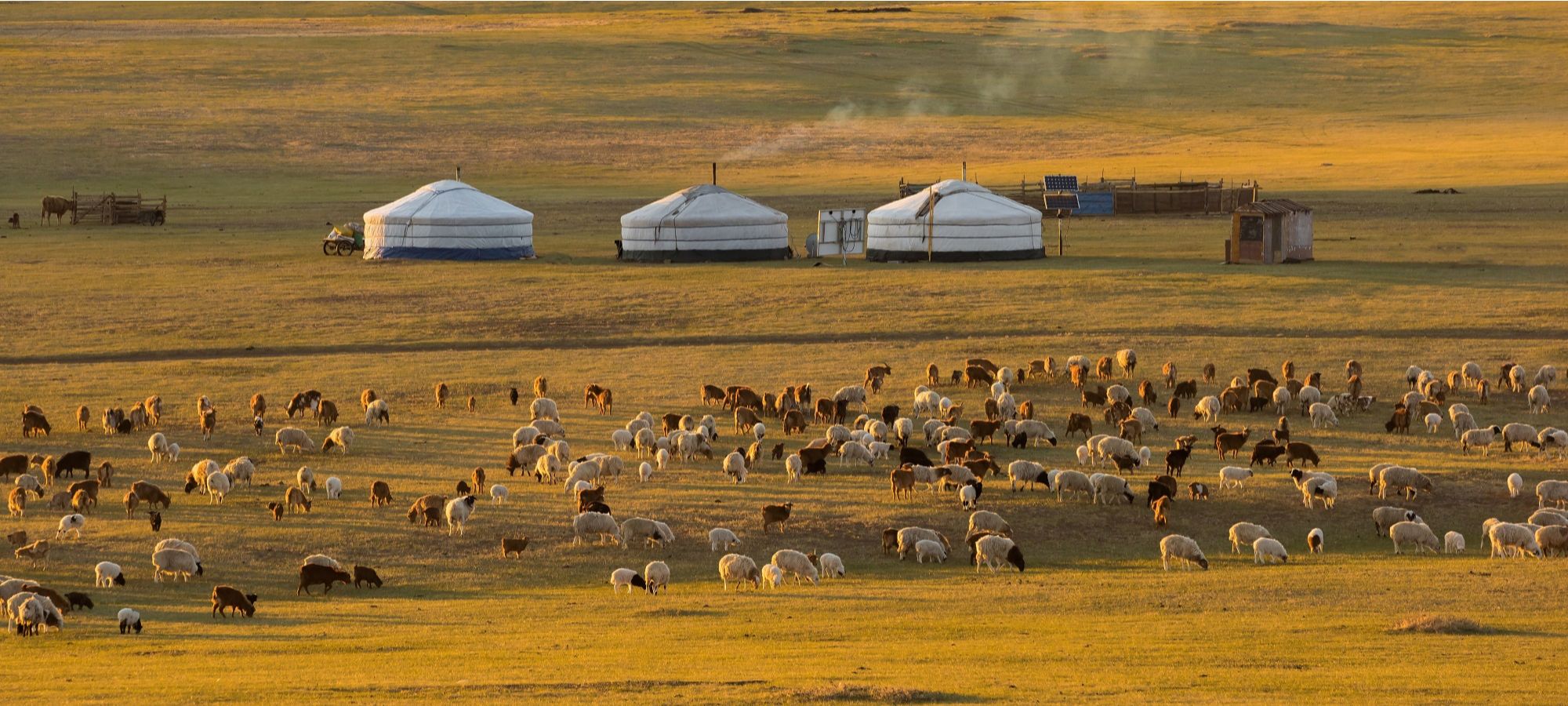
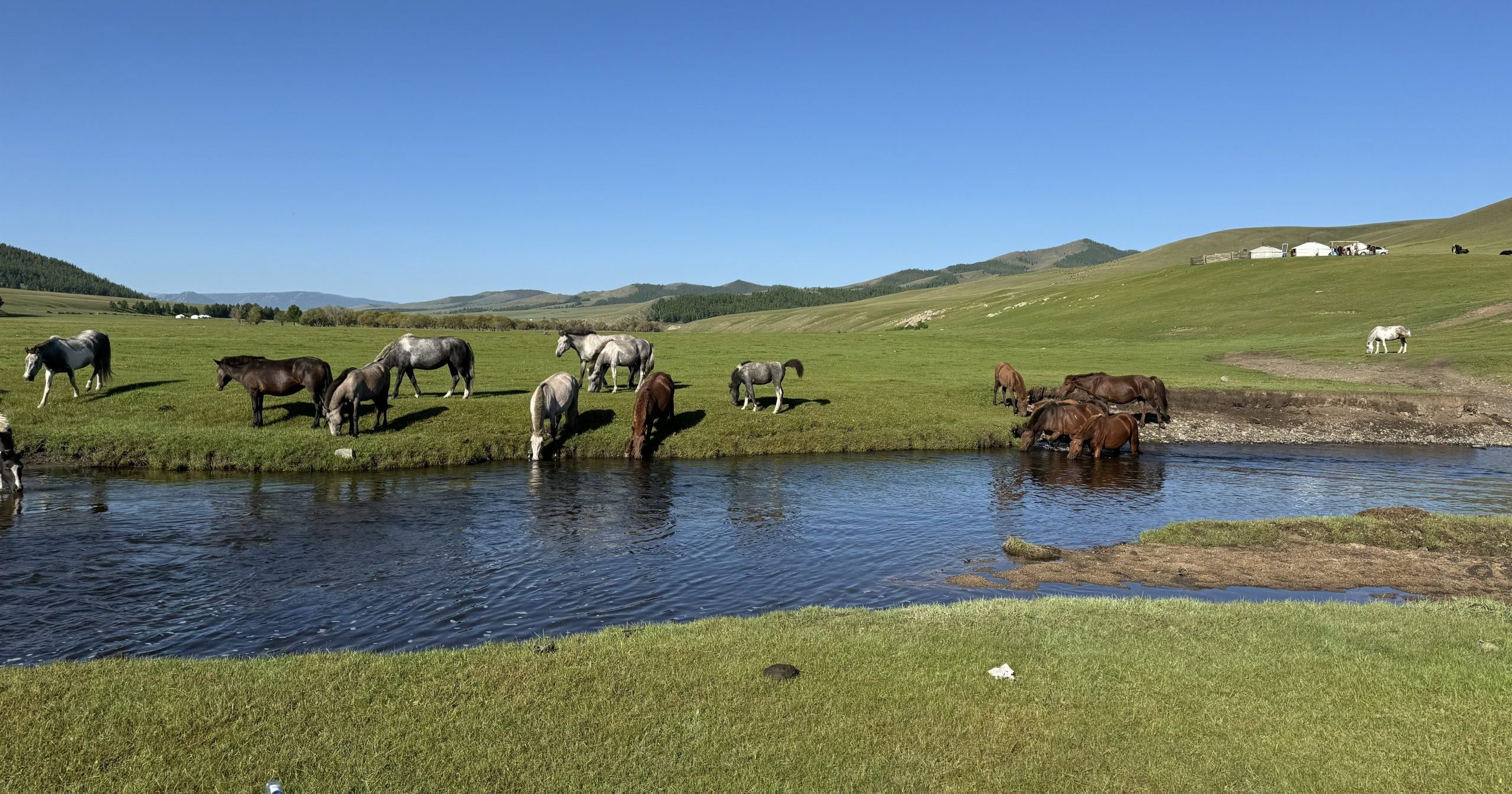
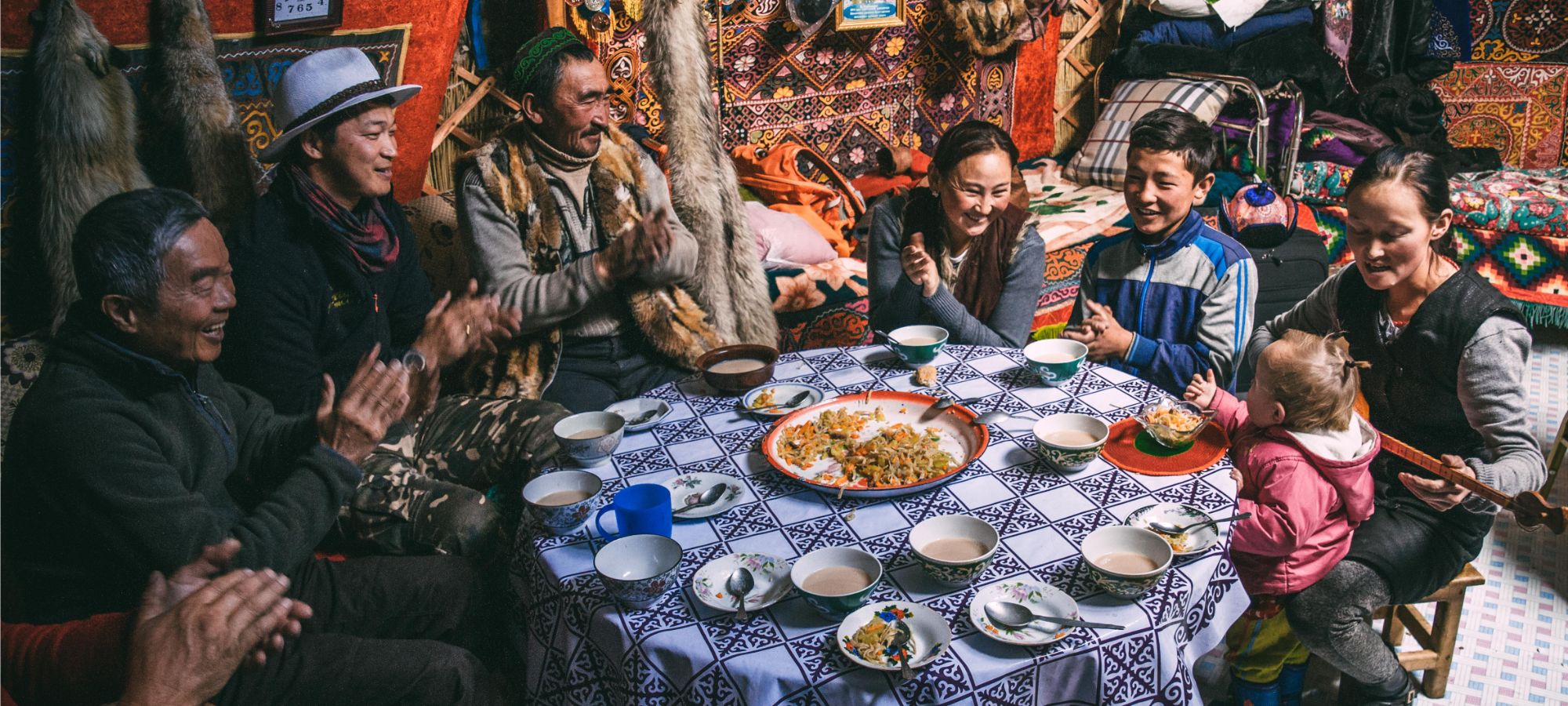
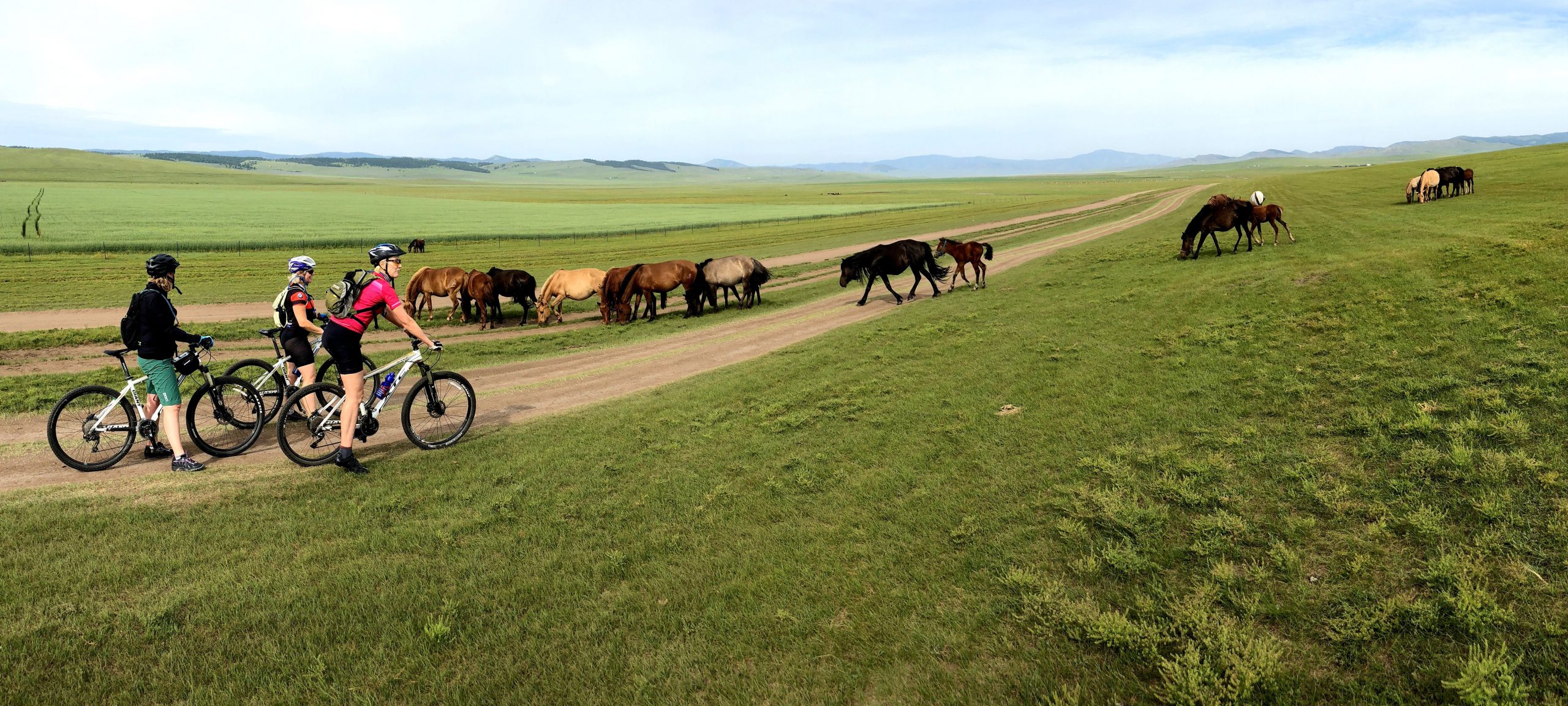
We set off cycling this morning, enjoying the fresh cool morning air. Today’s ride begins with a 400m gradual climb to reach the peak of a rocky pass and continues on through lush meadows and forests of larch and birch. Over the peak we ride through forested areas and open grassy valleys. After a few more gentle climbs we cycle down through the Dundat valley passing nomadic settlements and huge herds of livestock. Sheep outnumber humans in Mongolia by 35 to 1 and horses by 13 to 1. You will receive a friendly welcome from local horses who may decide to gallop alongside us for a stretch. The nomads will welcome us offering war – a milky, salty tea and other dairy products. Tonight, we camp on a grassy site at the base of a wooded mountain.
Cycling distance: 37km (23 miles)
Total Climb: 529m (1736 ft)
Total Descent: 587m (1926 ft)
Accommodation: Tent (B,L,D)
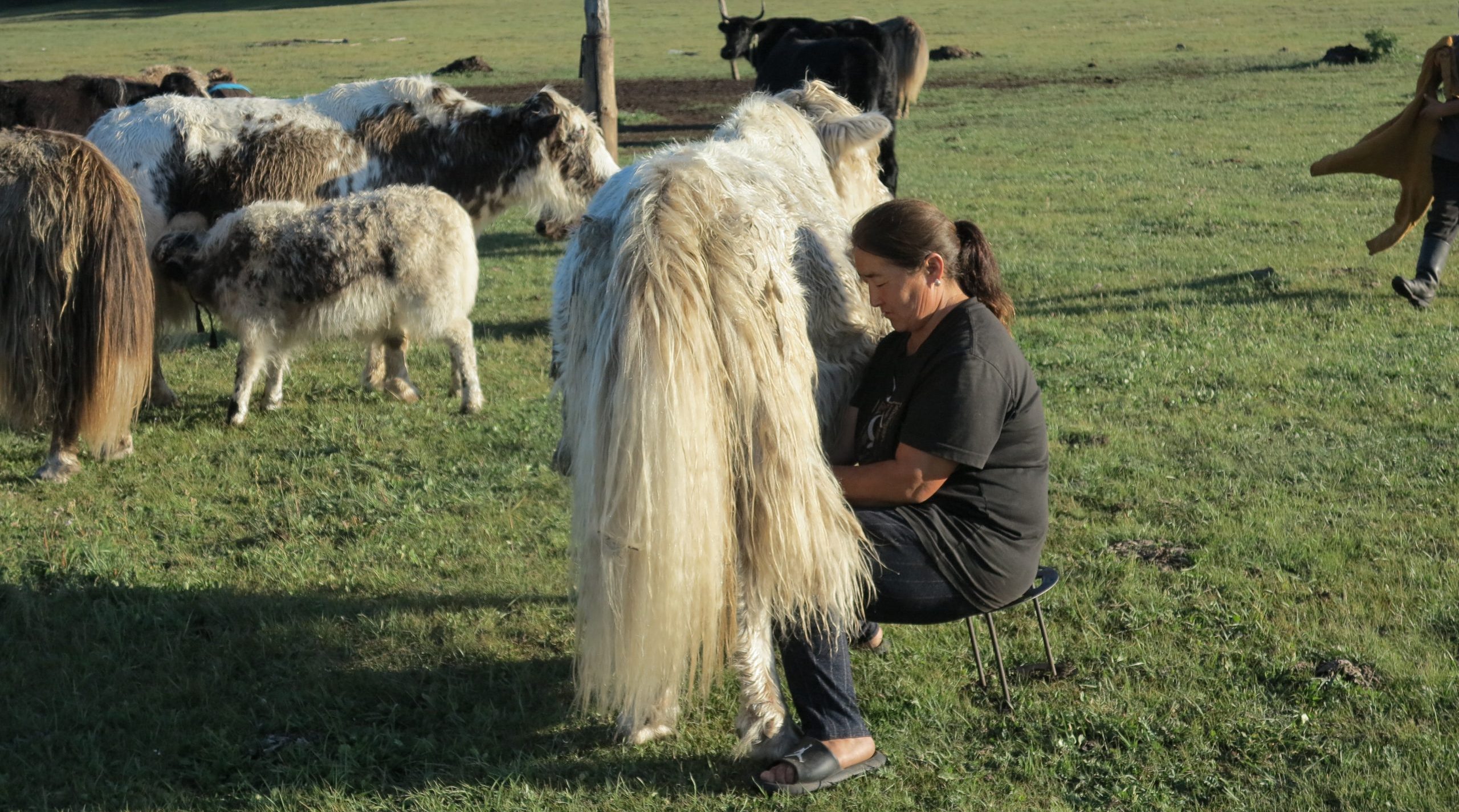
Our ride continues today through a beautiful rural scenery of ever wider grasslands where traditional herding life continues. The regional specialty here is Airag a fermented horse milk which is considered to be of exceptional quality and flavor. Mares and foals are tethered apart from one another outside the nomad tents. Production of Airag is a continuous and arduous process. The mares are milked every two hours and intensive churning of their milk is required over many hours to boost the fermentation process in large barrels or in sacks made of Ox hide.
From our campsite we will enjoy scenic views of the mountains in the distance.
Cycling distance: 66km (41 miles)
Total Climb: 491m (1,610 ft)
Total Descent: 800m (2,624 ft)
Accommodation: Tent (B,L,D)
We set off today cycling a couple of passes, riding on grassy track that leads us to a typical rural town, that could be the set of a wild west movie. We can stop for an ice cream or a cold drink and people-watch as a typical day ensues. Mongolian horsemen are believed to have invented ice cream over 700 years ago. They were transporting cream in containers on horseback in the winter across the Gobi Desert and it shook until it became ice cream.
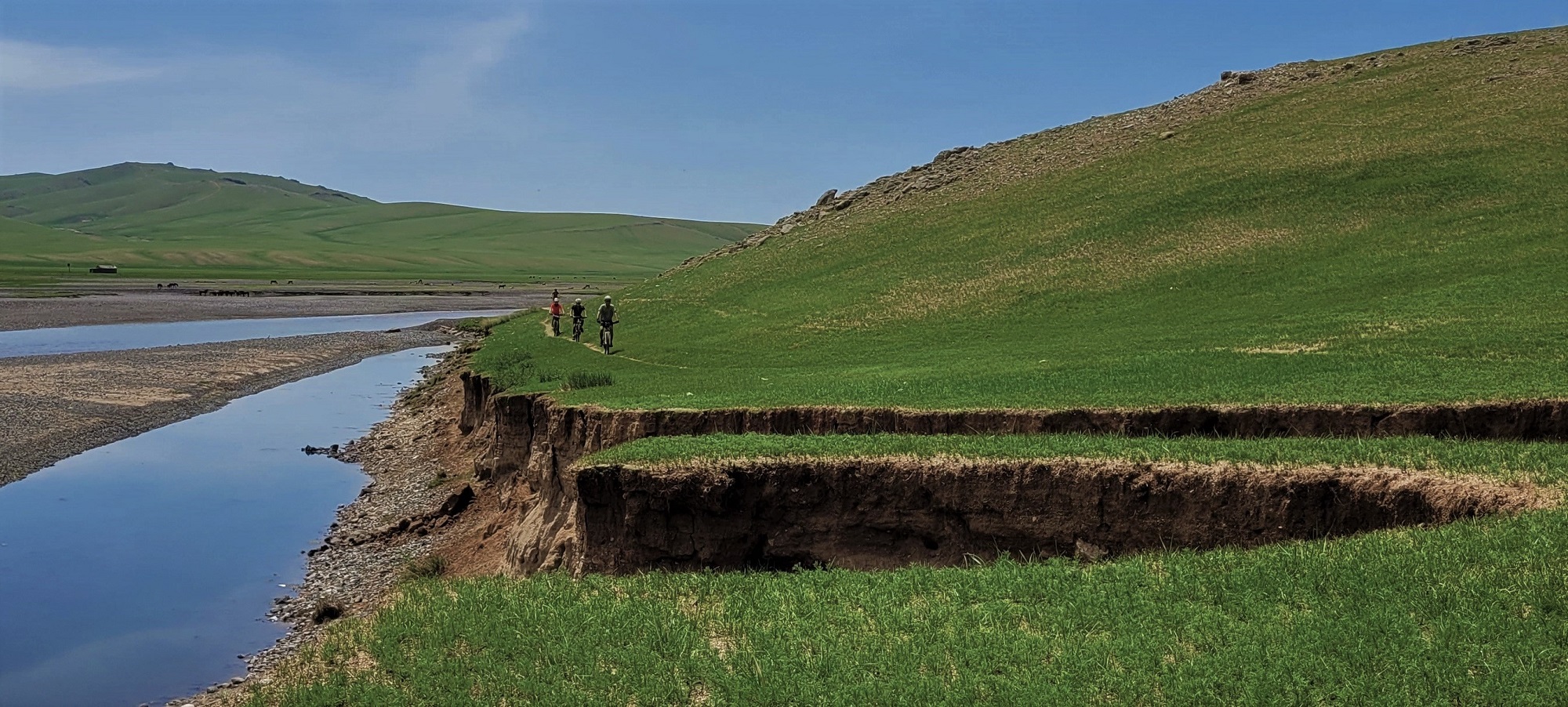
Later today we ride along the Khanui river valley enjoying a beautiful mountain scenery of rock formations and pine trees. Small lakes where reeds grow along the shoreline are important habitats for migrating birds, including rare and protected species, who come here to breed and nest.
Tonight, we will be camping near to local herding nomads and their animals.
Cycling distance: 62.2km (39 miles)
Total Climb: 561m (1,840ft)
Total Descent: 459m (1,505ft)
Accommodation: Tent (B,L,D)
Today we continue cycling at a gentle pace and enjoy our picturesque, wooded surroundings as we ride through mountainside and rocky ridge. We will stop to visit a Bronze Age cultural site. There are deer stone statutes and a number of khirgisuurs and slab burials. This site is one of the largest situated in a river valley. The stones were part of the Bronze age nomadic funeral ritual, the term Deer Stone derives from the animal illustrations on the stones. The stones are created from long blocks of granite with four flat sides, on which deer and other images are engraved. The stones have three ornamented anthropomorphic sections: a ‘face’, ‘torso’, and ‘lower body’ section. The face part contains human faces, symbol of sun and moon and earrings while deer, elk and occasionally horses and ibexes are engraved in the torso. In the lower body parts, there are images of weapons, belt and horse riders. The main decoration, deer images are classically depicted in a superimposed abstract style.
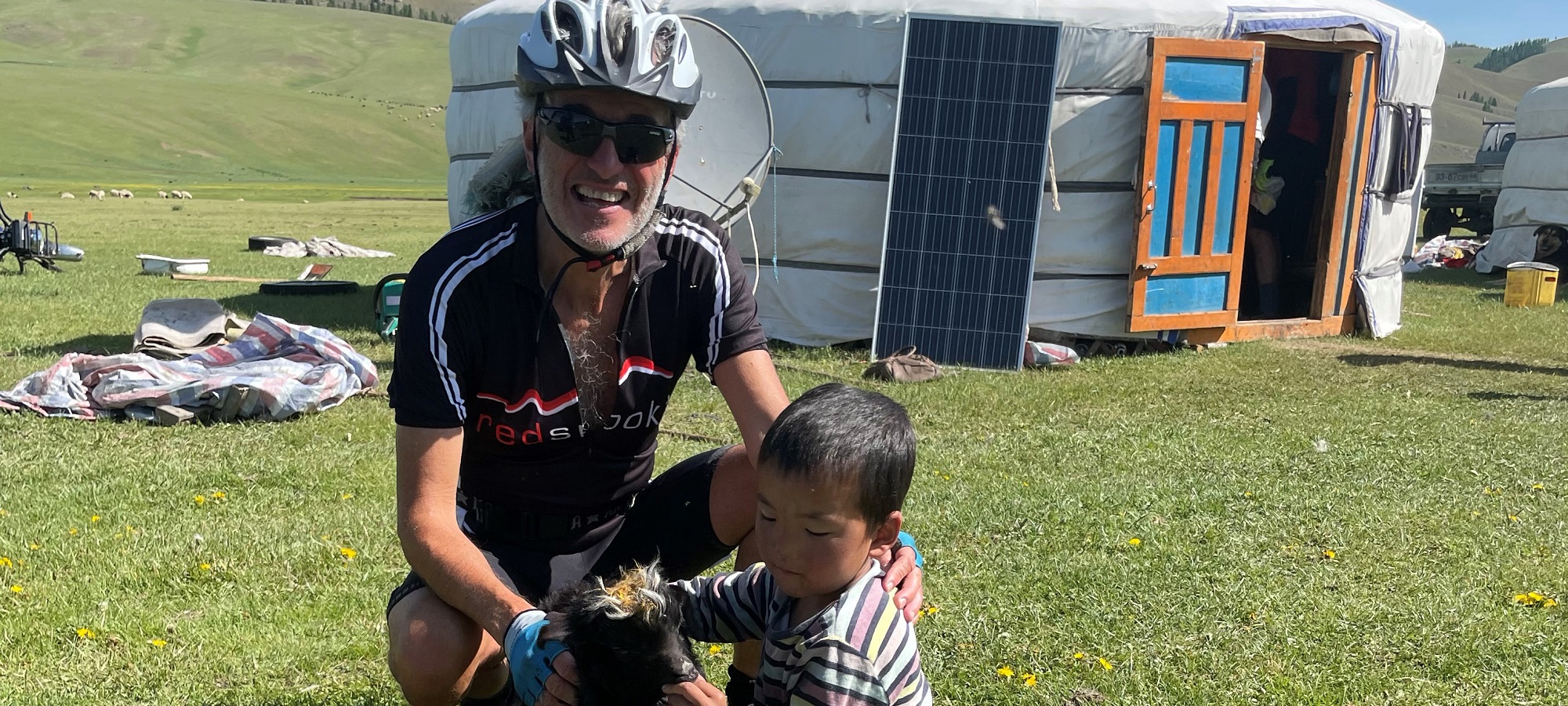
Researchers believe that these elaborate statues were dedicated to leaders and great tribal warriors. We ride on to visit a summer nomad camp and experience their traditional lifestyle which has not changed in centuries. After lunch we cycle up a pass to the highpoint of today’s ride and enjoy a fast downhill of 25km to reach our campsite.
Cycling distance: 96.3km (60 miles)
Total Climb: 563m (1,847ft)
Total Descent: 434m (1,423ft)
Accommodation: Tent (B,L,D)
Today will be the most demanding of the trip so far. All our riding over the previous days has been preparation for the ultimate challenge of the trip. This morning we will ride to the foothills of the Khangai Mountain range We cross over Tamir river and follow a twisting road through narrow grassy valleys and dense woodland. We stop for lunch at the highpoint of today’s ride just shy of 2000m. This afternoon we enjoy a speedy downhill ride and cycle onward with a brief climb that leads us to Tsetserleg town; a pretty provincial centre that sits in the shelter of an imposing granite ridge. As we climb we will have views of the town’s brightly coloured traditional roof tops laid out in a neat geometric pattern. There is time to visit the busy market where pine nuts, wild berries and other local products are on sale.
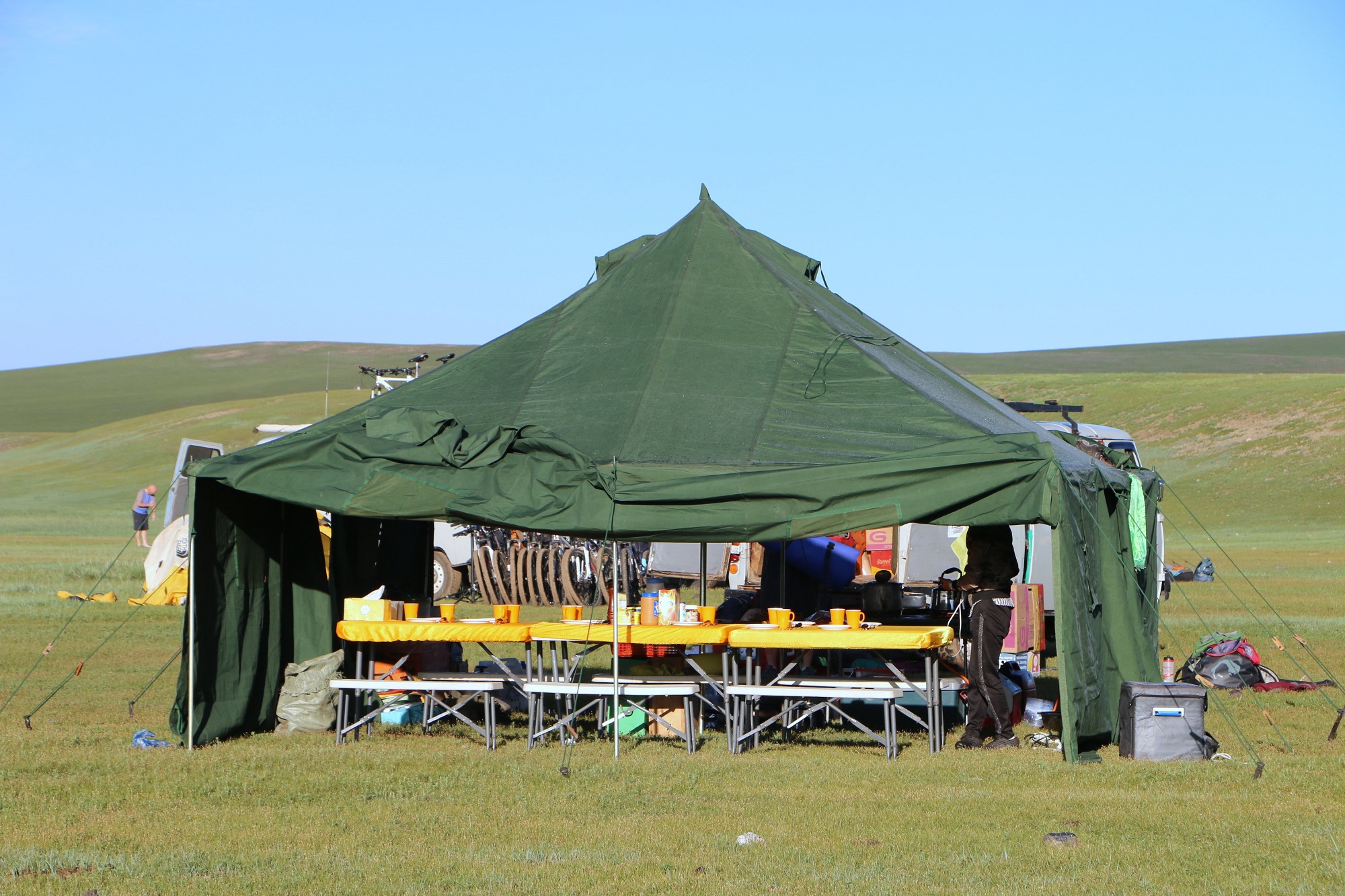
We ride on for another 30 minutes to reach our camp site for our first evening sleeping in a traditional Ger camp complete with dining tent and shower tents. A welcome change after 5 nights of camping.
Cycling distance: 70.8km (44 miles)
Total Climb: 690m (2,263ft)
Total Descent: 595m (1952ft)
Accommodation: Ger Camp (B,L,D)
This morning we will tackle three short but steep passes to visit the Tsenkher hot springs. Located in a lush wooded valley, the area is renowned for its hot springs and a popular destination for both locals and tourists during the summer months. A soak in the mineral rich waters will be the perfect tonic for tired cyclists’ legs. We also have the opportunity this afternoon to use a laundry service.
Cycling distance: 25.4km (15 miles)
Total Climb: 436m (1,430ft)
Total Descent: 325m (1,066ft)
Accommodation: Ger Camp (B,L,D)
A fast day’s riding on well surfaced road as we ride towards the Orkhon river valley. We tackle a few steep mountain climbs and will enjoy spectacular views of the immense wilderness beneath us as we reach the peak of each pass. From the top of the last pass of the day you will be able to see extinct volcano craters. There area is a UNESCO world heritage site and scattered with volcanic rock and ancient burial mounds. From here we will enjoy riding a 20km breathtaking downhill to reach the Orkhon valley floor. The Orkhon valley is rich in historic and archeological treasures such as burial mounds, deer stones and prehistoric settlements. We camp tonight at the riverside and can take a refreshing dip in the water before dinner.
Cycling distance: 76km (47 miles)
Total Climb: 1056m (3464ft)
Total Descent: 1135m (3723ft)
Accommodation: Tent (B,L,D)
Today’s ride is a gradual descent with a few undulations, as we cycle downhill following the river downstream to reach Karakorum the ancient 13th century Mongol Empire Capital; a city built by nomads constructed under the direction of the second son of Genghis Khan. We cycle on to our ger camp to leave the bikes, take a quick shower and set off to explore the sights of Karakorum. The ancient city was destroyed in the late 14th C by invading Chinese armies. There is a monastery museum Erdene Zuu established in 16th century by a Mongol khan as part of introduction of Buddhism as the main religion. The monastery was almost entirely destroyed during the anti-religion campaign in the 1930s. Just a dozen temples survive. We visit the monastery and museum to see the few surviving artifacts of the old capital This evening we will mark the end of our cycling adventure with a celebratory meal.
Cycling distance: 72km (44 miles)
Total Climb: 529m (1,735ft)
Total Descent: 754m (2,473ft)
Accommodation: Tent (B,L,D)
After breakfast we set off on our journey back to Ulaanbaatar. During the 7 hour drive we stop for a picnic lunch at a scenic spot along the way. Be sure to keep a look out for eagles circling above. The route takes you past roadside shrines called ‘ovoos’. The stone shrines are erected by local families and travellers to show gratitude and respect, and to honour the spirits of the surrounding land. It is customary that ovoos are circled three times in a clockwise direction and a small offering is made in order to ensure the safety of a trip or to ensure good fortune in life.
We aim to reach our hotel by mid-afternoon with time for you to check in and take a rest before we congregate with all our support team for a farewell dinner.
Accommodation: Hotel (B,L,D)
redspokes Mongolia Bulgan Tour ends today. You will be transferred to Ulaanbaatar airport for your departure flight.
Accommodation: B

Essential Info
- Each tour requires a minimum number of participants to run
- Tour status updates automatically as bookings are received
- Do not book flights until the tour status is marked Guaranteed
Tour Status Definitions
- Guaranteed – Tour is confirmed and open for booking
- Guaranteed – Limited – Confirmed, with limited spaces remaining
- Available – 2 More to Guarantee – Needs two more bookings to confirm
- Available – Open for booking but not yet confirmed
- Contact – Please get in touch to discuss availability
- Fully Booked – No places remaining
Booking & Payments
- A £350 deposit confirms your place on the tour
- Deposits are refundable until the tour becomes Guaranteed
- Final balance is due 56 days before the tour start date
- By booking, you agree to our booking conditions (please read in full)
Small Group Note
For groups of fewer than four participants, the guide may lead from the support vehicle rather than cycling with the group, ensuring full logistical and guiding support.
Fully supported cycling holiday
- Support vehicle for luggage transport and rider assistance
- Accommodation throughout the tour (twin share unless stated)
- Overnight train – twin share (single upgrade available)
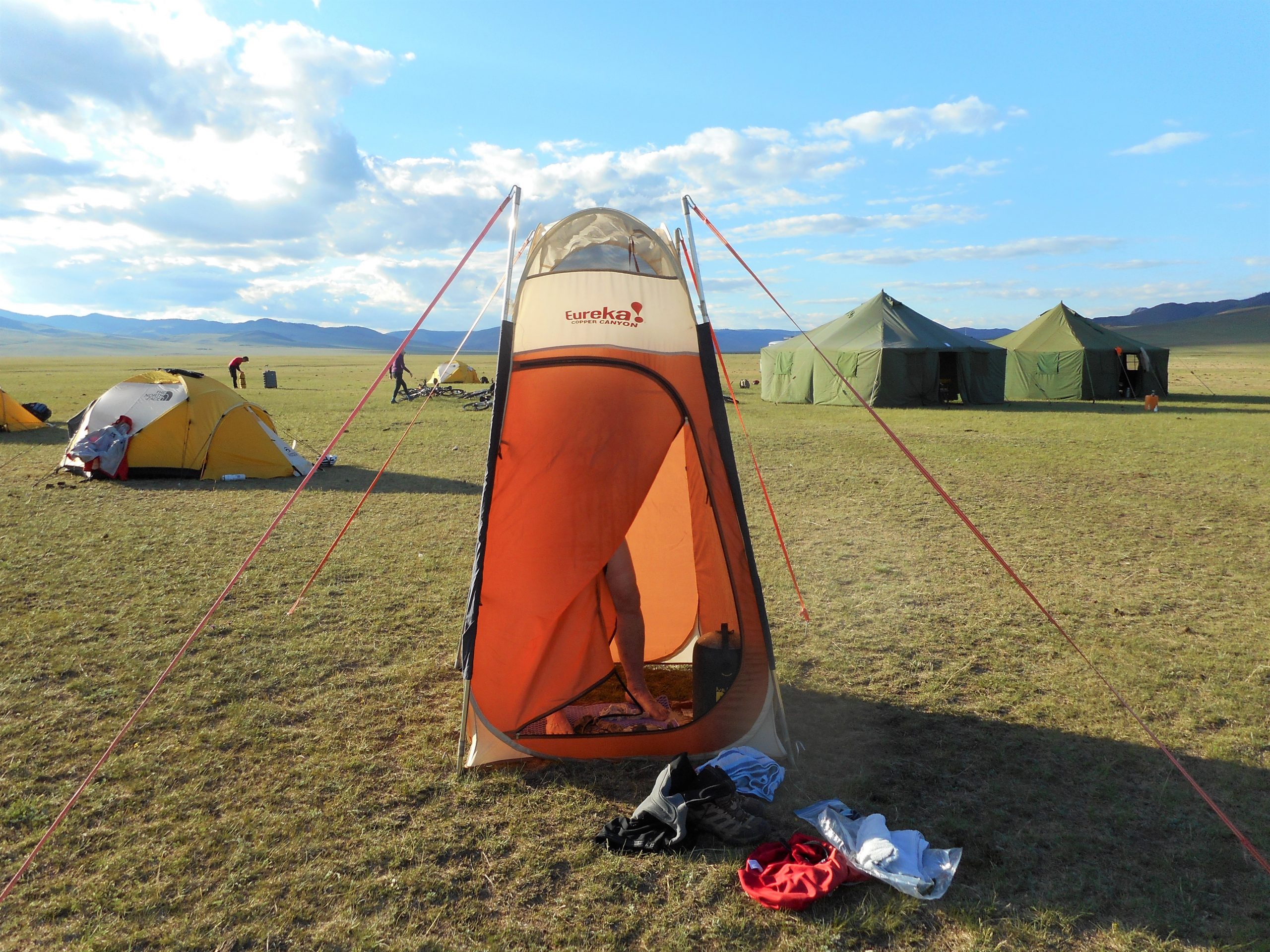
- Camping Equipment – Sleeping mats, dining, shower, and toilet tents
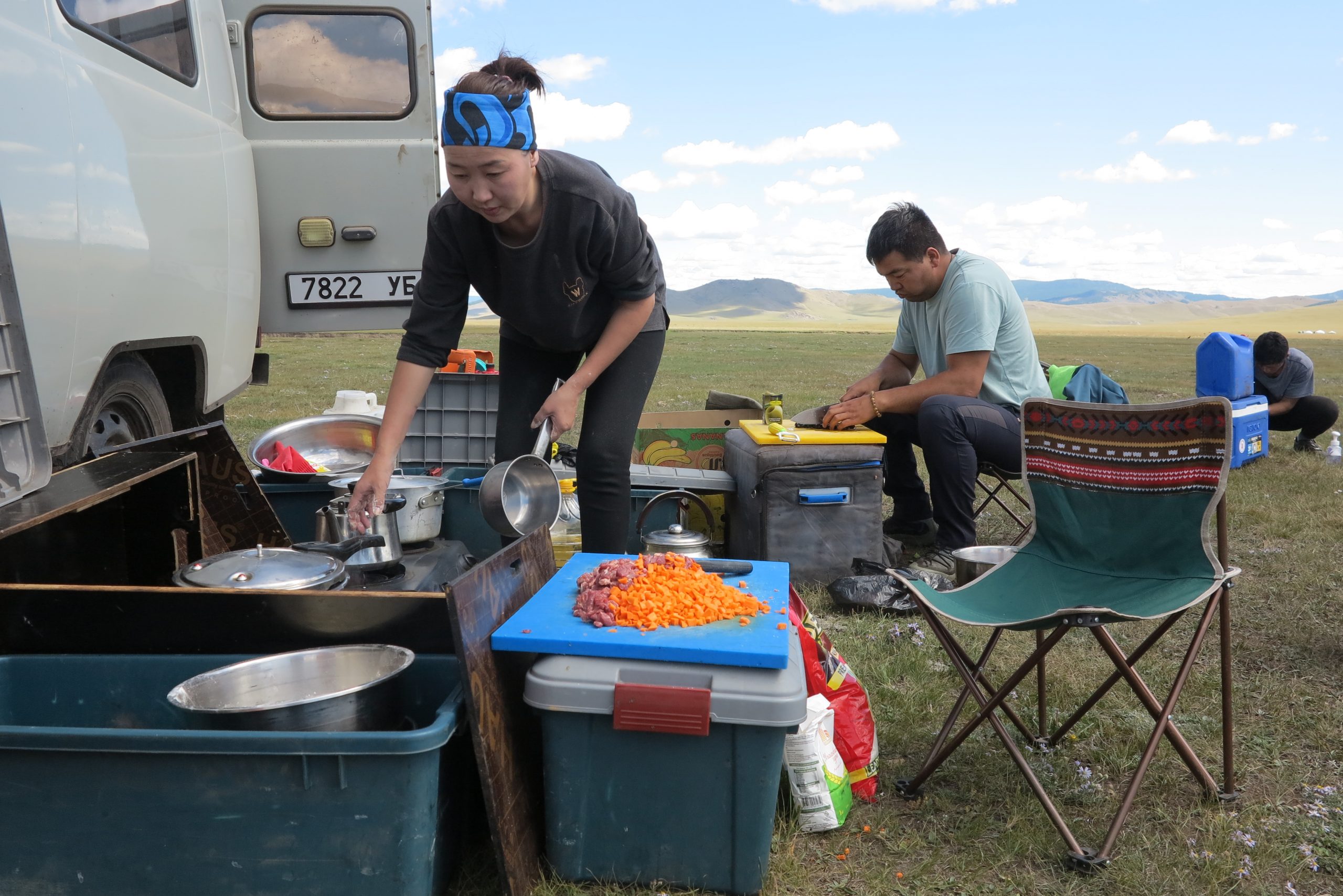
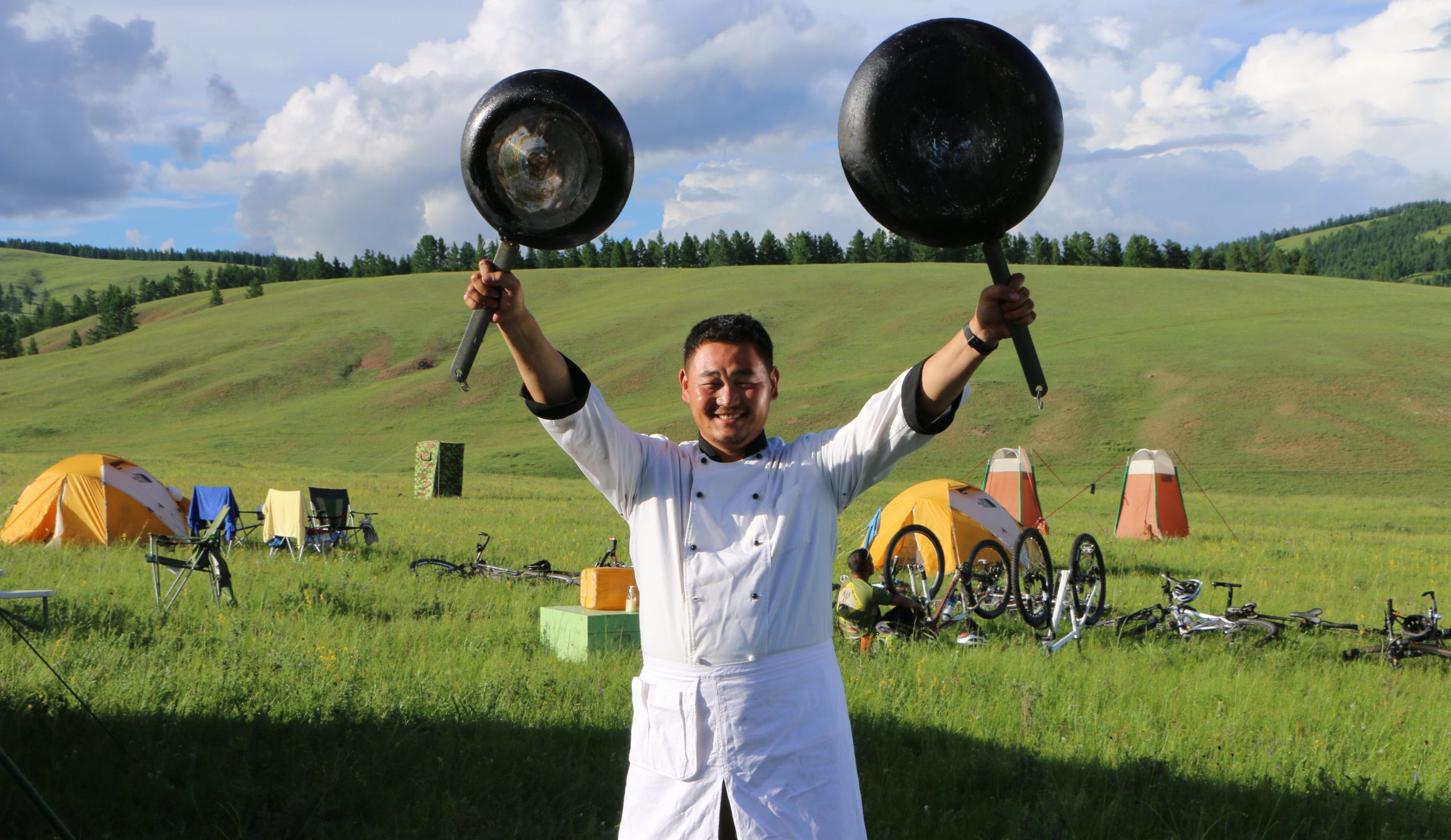
- Expedition Cook & Gear – Full camping and cooking equipment with experienced expedition cook(s)
- Sightseeing & Permit Fees – All visits, national park fees and permits included
- Most meals (see itinerary using the BLD key below)
- Snacks and mineral water on cycling days
- Airport transfers on the first and last day of the tour
- English-speaking local guide(s)
- Mechanical assistance for minor bike repairs
Meal Key (used in the itinerary)
- B = Breakfast
- L = Lunch
- D = Dinner
- Example: B, L means breakfast and lunch are included that day.
- Special dietary requirements can usually be catered for with advance notice. Please advise us at the time of booking.
- International flights
- Travel insurance (mandatory)
- Visa fees (if applicable)
- Alcoholic drinks
- Meals not specified in the itinerary
- Tips for guides and support staff
- Bike hire
- Single room/tent supplement
- Sleeping Bags:
You will need to bring your own 3-4 season sleeping bag
- Start location: Ulaanbaatar – UBN — Chinggis Khaan International Airport
- Airport transfers included on the tour start date, regardless of arrival time
- Early arrivals may need to wait for hotel check-in (subject to availability)
Tour End
- End location: Ulaanbaatar – UBN — Chinggis Khaan International Airport
- Airport transfers included if departing on the final tour day
- Extra nights and transfers can be arranged at additional cost
Flights
- International flights are not included
- We are happy to advise on suitable arrival and departure airports
- Our Mongolia tour includes a variety of accommodation styles for a unique experience
- Hotel (3 nights), tent (6 nights), ger camp (2 nights), train (1 night) on a twin-share basis
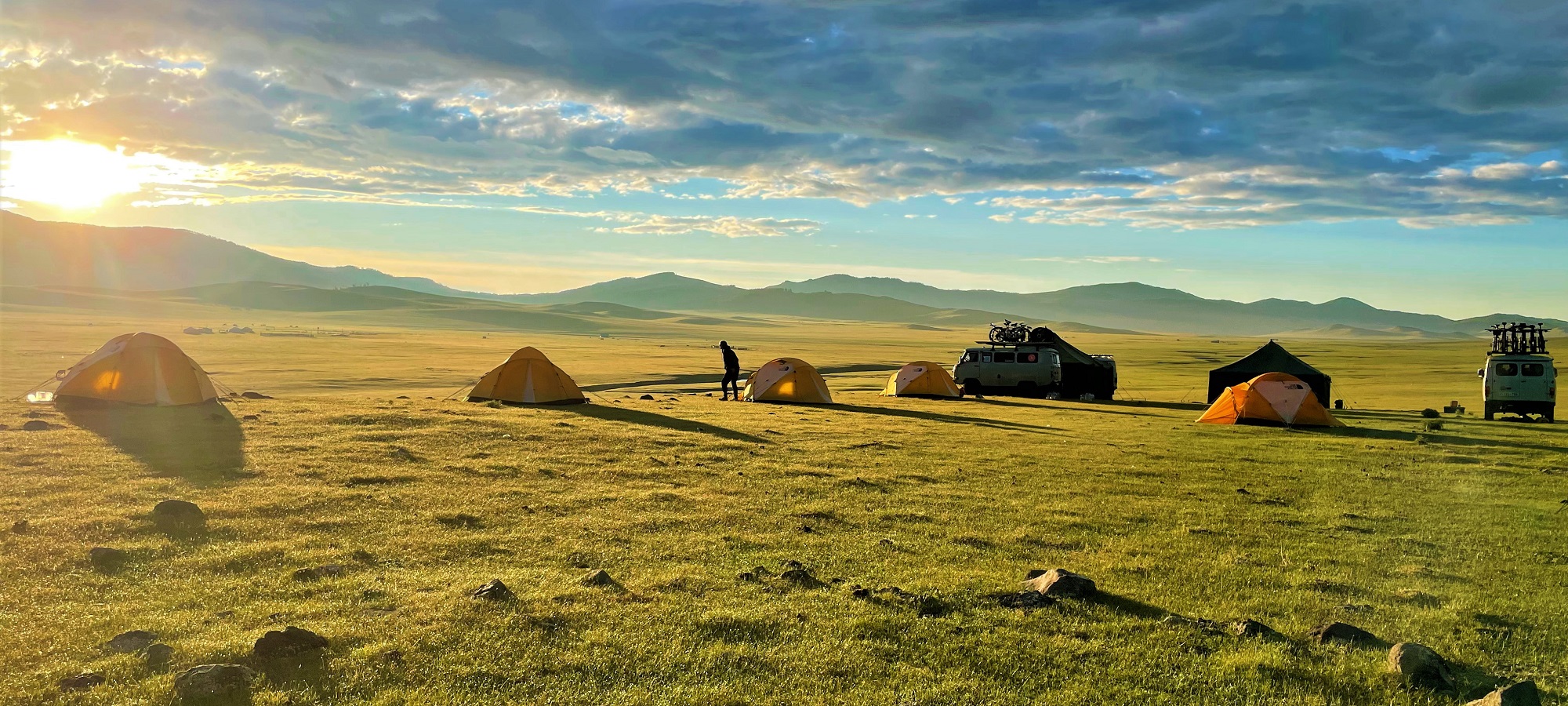
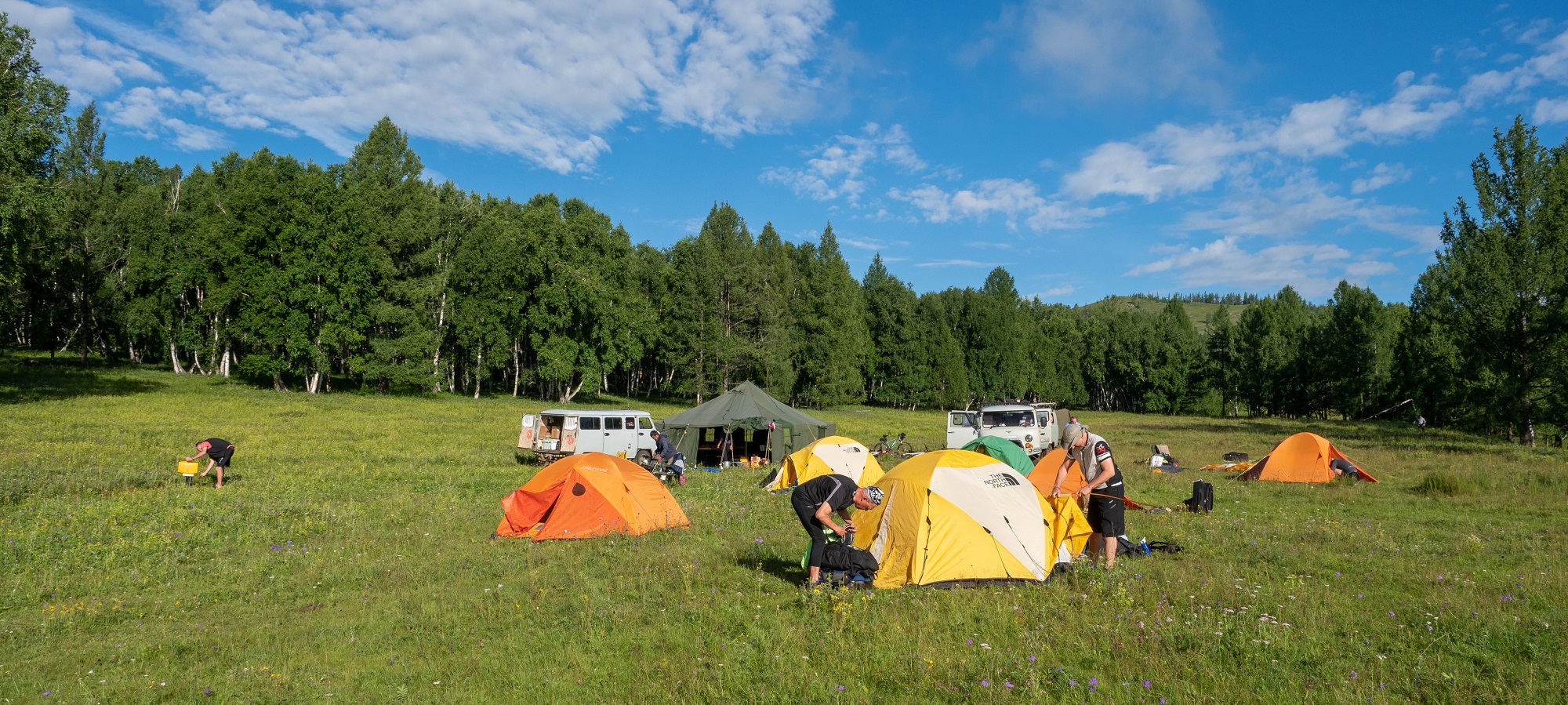
- Tents – During remote sections of the tour – we provide 3-person Northface tents for both twins and singles
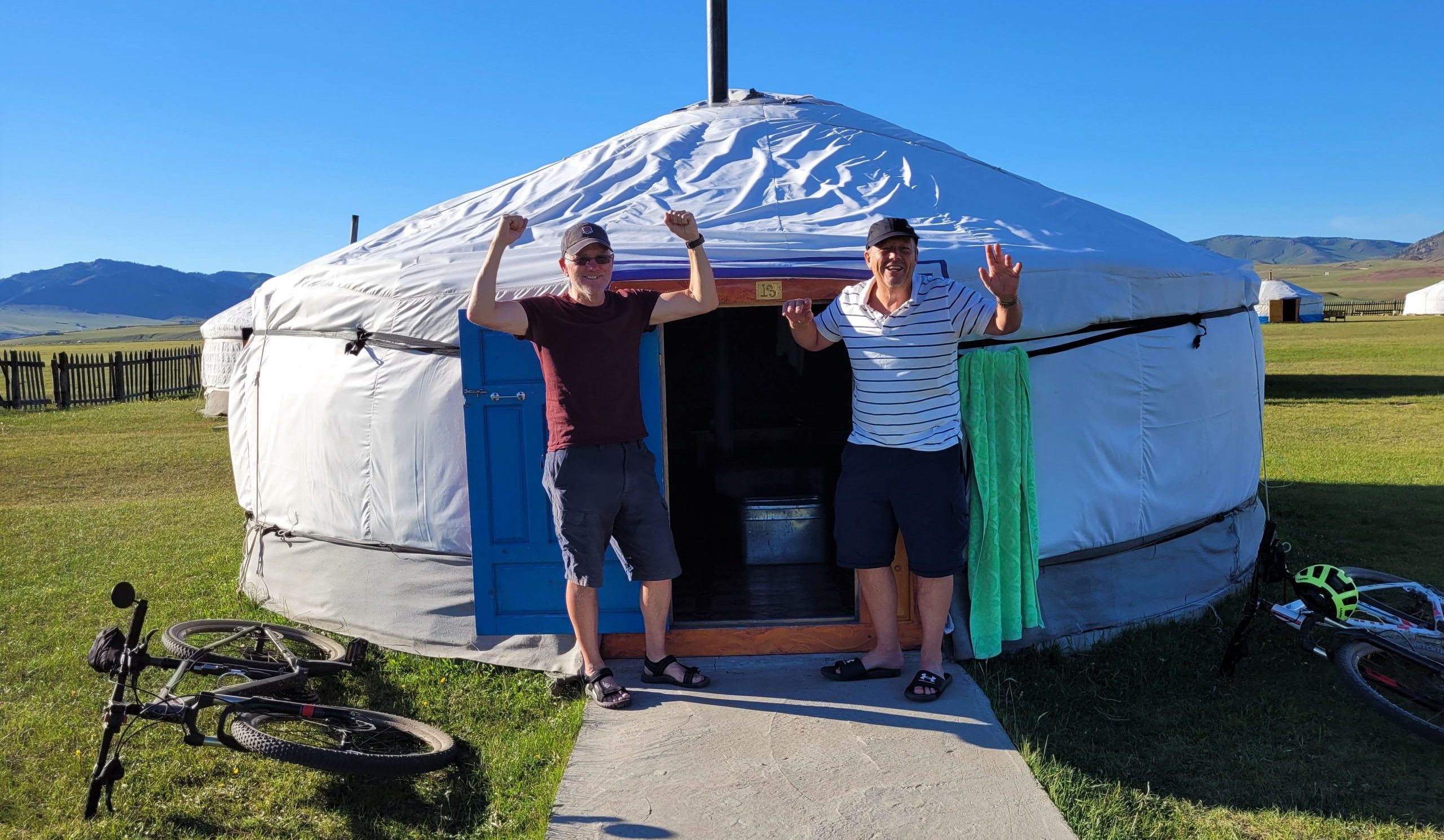
- Ger Camps – Traditional Mongolian yurts – all on a shared basis – no single occupancy
- Hotels – Comfortable stays on the first and last night of the tour in Ulaanbaatar
Most meals are included in your tour price, please consult the itinerary.
Typical Daily Meals
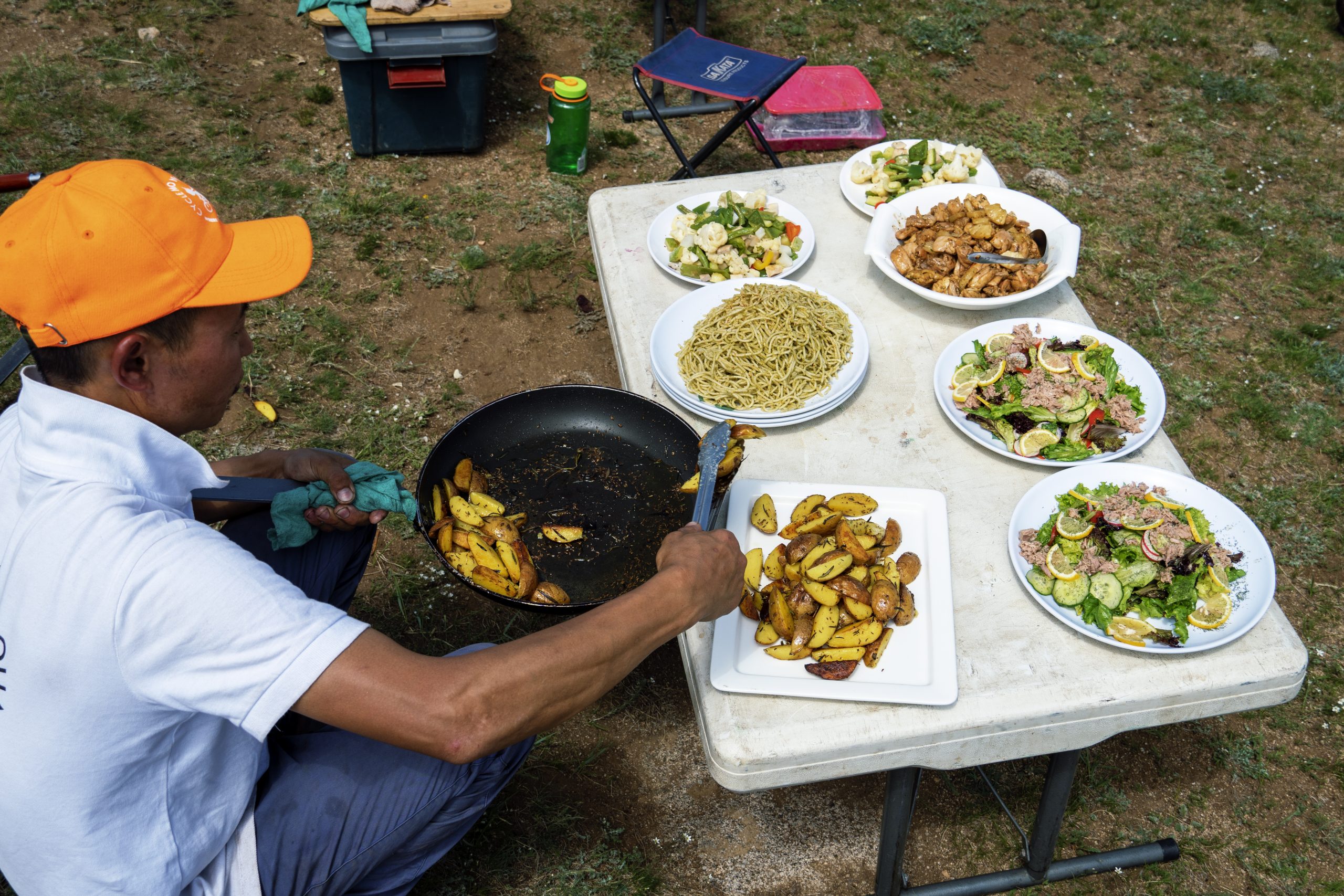
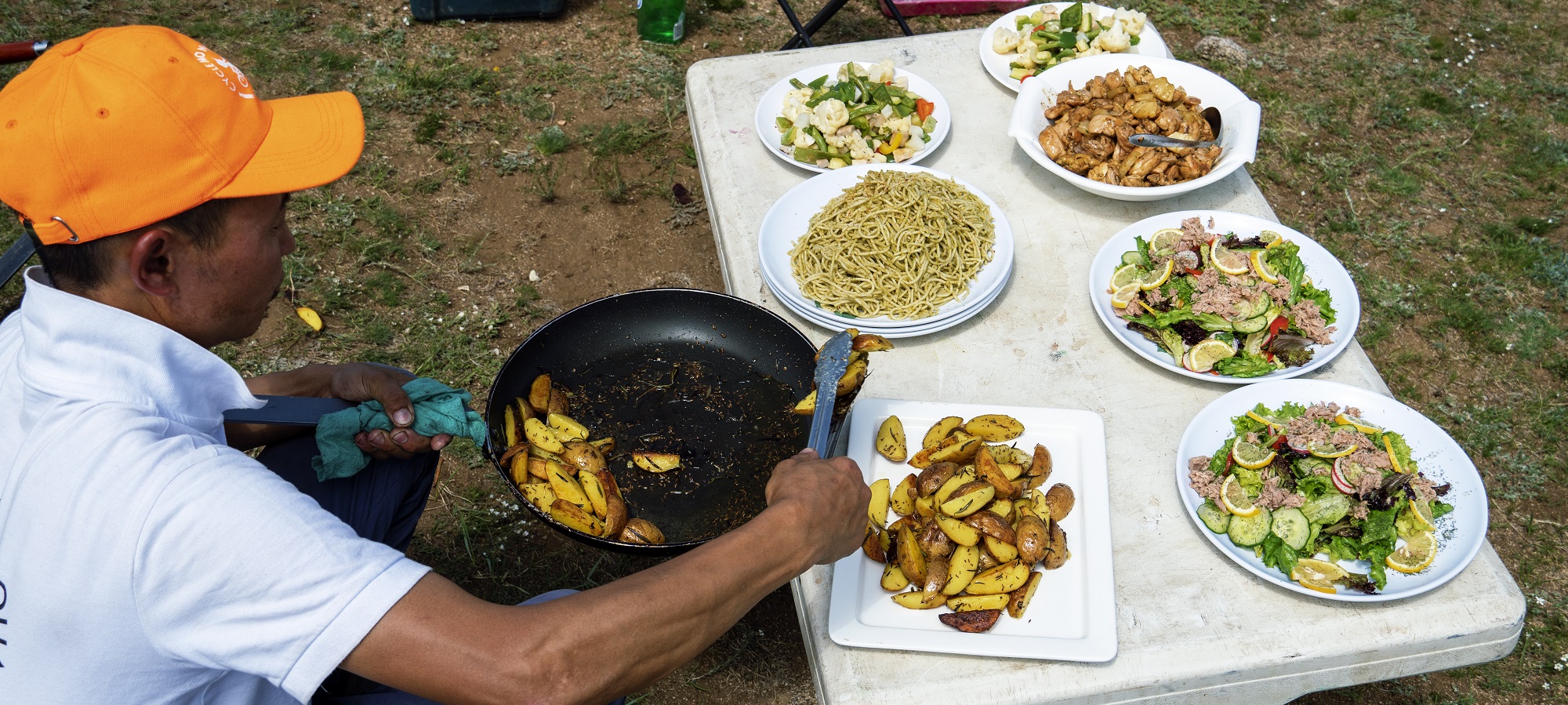
We provide western-style meals with a touch of traditional Mongolian cuisine.
Breakfast: A variety of hot and cold options including:
- Porridge (oatmeal, rice, semolina)
- Fried or baked breads
- Butter, spreads, eggs, sausages
- Tea and coffee
Lunch: Usually starts with a light soup, followed by a main course such as:
- Stir-fried meat and vegetables
- Rice, pasta, or noodles
Dinner: Evening meals are hearty and satisfying:
- Fresh vegetables and salads
- A main course with meat or vegetarian options
Snacks & Tea Stops: Around 11am each cycling day, we take a break with:
- Dried fruit, nuts, crisps
- Tea, coffee, or soft drinks
- Granola bars are also provided
- During “happy hour” at camp (post-ride), enjoy nibbles while relaxing before dinner.
Drinks
Canned beer, wine, and soft drinks are available on request at extra cost. Please let us know in advance if you would like these arranged.
Dietary Requirements
- We can cater for vegetarian, vegan and gluten-free diets.
- Please inform us at time of booking if you have any special dietary needs.
A Taste of Mongolia
- While meals are tailored to western preferences, you will also sample some local favourites:
- Khuushur: Deep-fried mutton-filled pastry
- Buuz: Mongolia’s national dish: steamed dumplings filled with mutton or goat, onion, garlic, and caraway
- Salty Milk Tea (“War”): A traditional Mongolian beverage
- Fun Fact: Mongolian horsemen are thought to have invented ice cream 700+ years ago by shaking cream in winter while crossing the Gobi Desert!
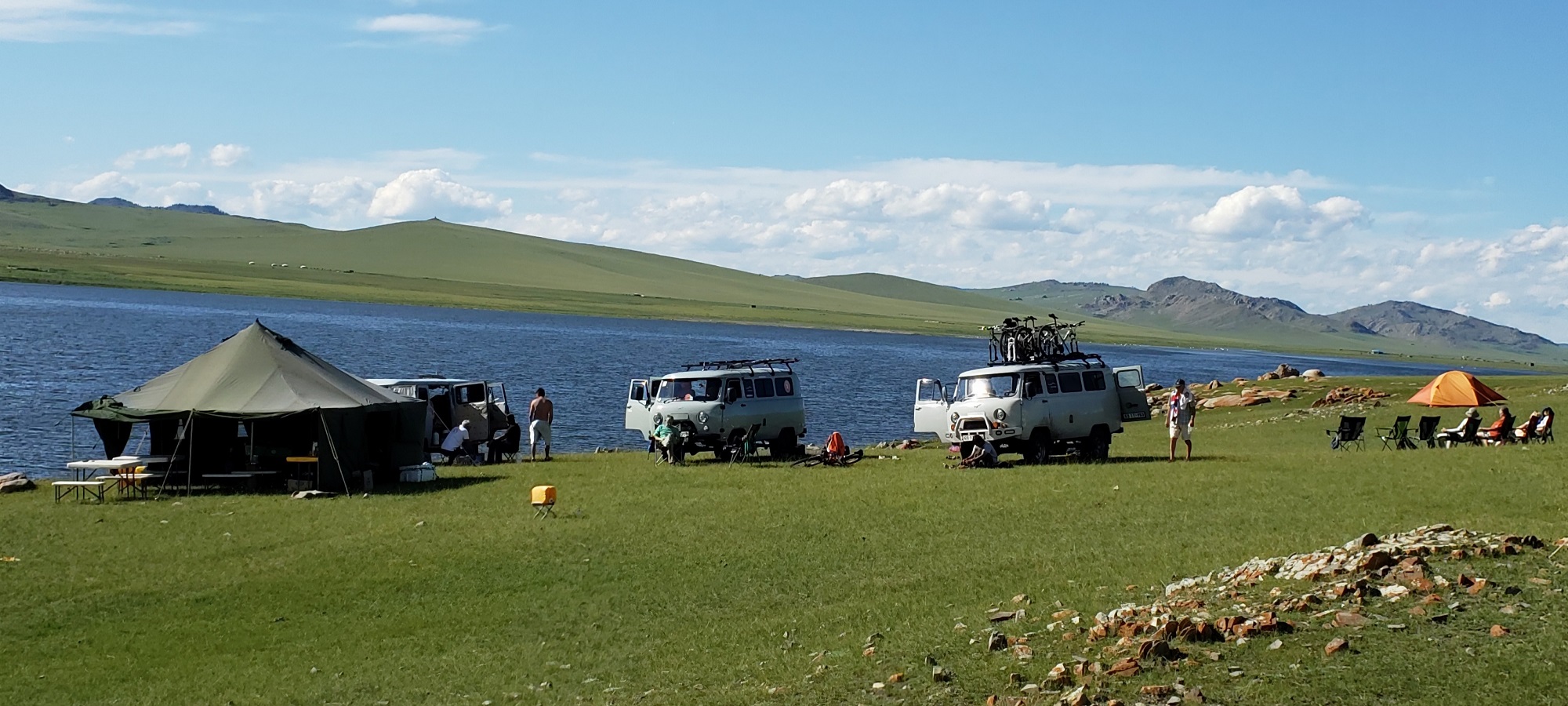
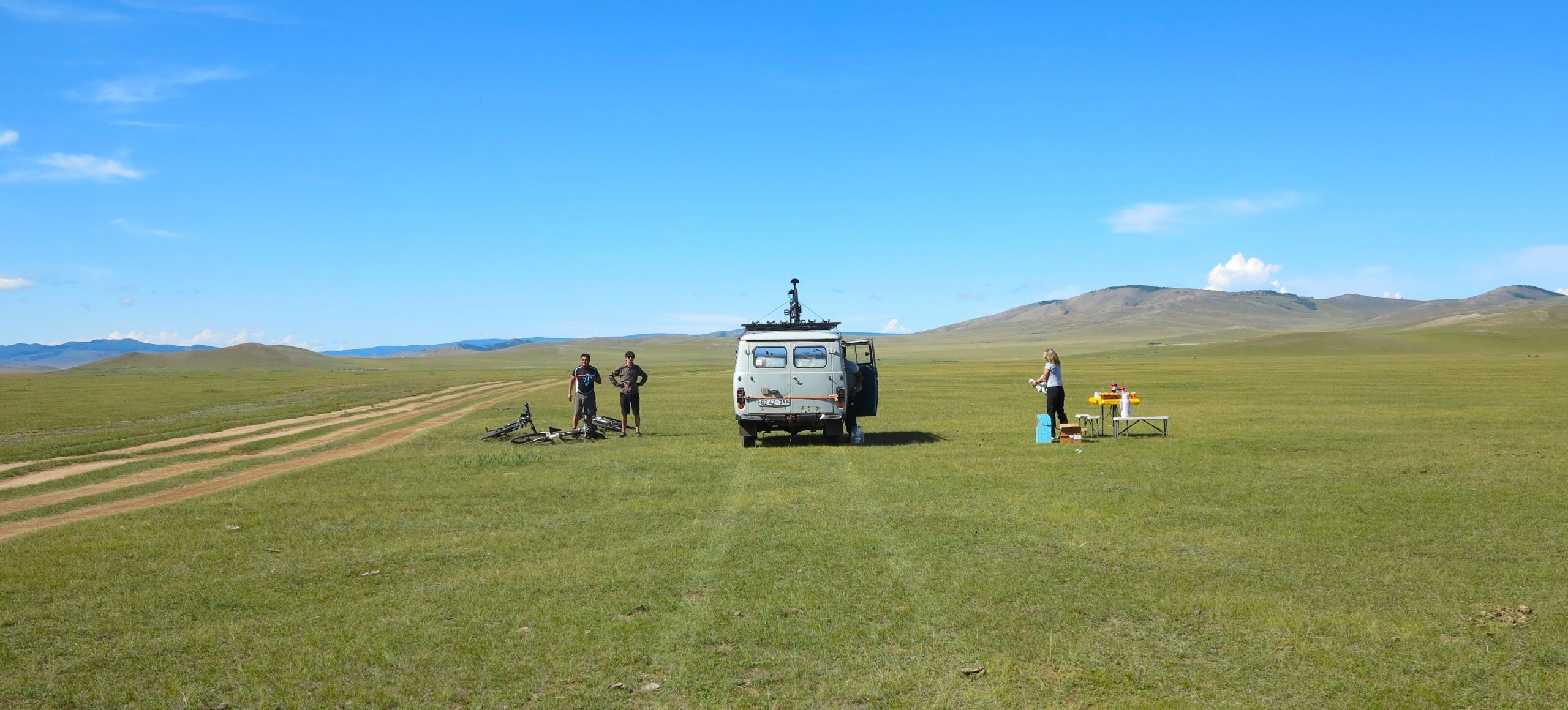
- Two or three support vehicles (depending on participant numbers) accompanies the group throughout the tour
- Transports main luggage between overnight stops
- Available for rest breaks or if you need a lift
- Typically stops every 20 km / 12 miles
On-Ride Support
- Guides carry tools for minor repairs
- You only need a small daypack while riding
Helmet Policy
- Helmets are mandatory while cycling
- Helmet hire cannot be guaranteed locally
- You must bring your own helmet
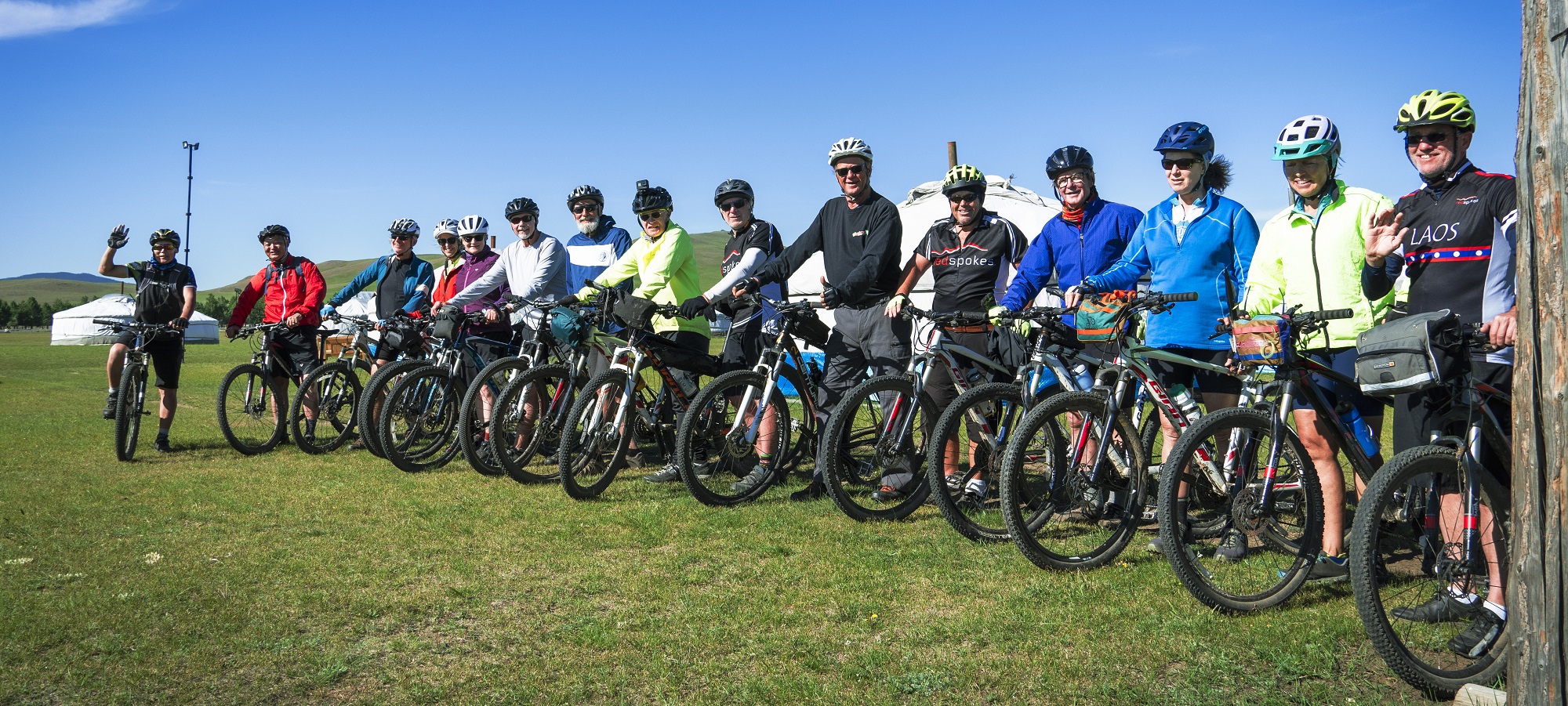
For this tour we have Giant XTC 3 bikes. A lightweight hardtail that combines 27.5 or 29 inch wheels with front suspension for a smooth, responsive performance in a range of sizes.
What’s Included with Bike Hire
- Standard flat pedals
- Basic spares and mechanical support
Customising Your Bike
- You may bring your own pedals (SPD / clip-in)
- You may bring your own saddle if preferred
- Our guide will help fit pedals and saddles on arrival
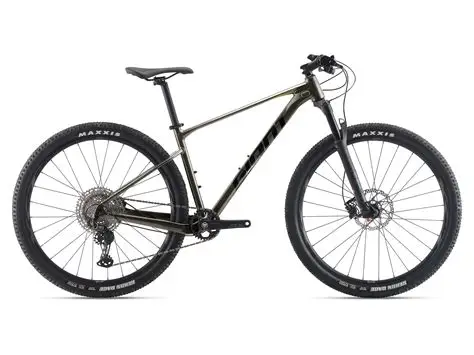
Yes, mountain bikes are recommended for this tour due to the mixed terrain.
Pre-trip bike servicing
We strongly recommend having your bike fully serviced before travelling. Please make sure:
- All bearings are properly greased
- Wheel spokes are correctly tensioned
- Gear and brake cables are functioning well
- All nuts and bolts are tightened securely
- Chain, tyres and quick-release clamps are checked
- New inner tubes are installed
- Wheel rims are not excessively worn
- If you are unsure, ask your local bike shop to carry out a pre-tour inspection.
What to bring
We recommend packing the following essential items:
- Multi-tool
- Tyre levers
- Pump
- Spare inner tubes
- Spare spokes
- Chain links or quick links
- Spare brake pads (ensure compatibility with disc or rim brakes)
- Any specialist tools, fluids or parts specific to your bike, such as a bleed kit.
Travelling with your bike
- Your bike will need to be packed within your luggage allowance. A bike packed in a cardboard box typically weighs between 15–20 kg, and some airlines may charge excess baggage fees.
- If you would prefer not to travel with your own bike, bike hire is available — simply request this when booking.
The local currency in Mongolia is the Mongolian Tögrög (also spelled Tugrik or Tugrug), with the currency code MNT.
What to Bring
Travellers from the UK, EU, US, Canada, Australia, and New Zealand should bring USD or Euros. These are widely accepted and preferred for exchange in Mongolia.
Where to Exchange
- You’ll get the best exchange rates at licensed money exchange offices and ATMs in Ulaanbaatar.
- Avoid exchanging money at the airport or in hotels, as rates are often less favorable. Your local redspokes guide will help you find the best exchange options and ATMs during the trip.
Spending Money
- Spending needs vary based on personal preferences, but we estimate that £200 / $270 will be more than enough for the 13-day tour.
Staff Tipping
- Tipping is customary in Mongolia and a valued way to thank your guides and support crew.
- Recommended: £60–£80 per person or $80–$100 equivalent
- Tips are usually pooled at the end of the tour and distributed fairly by your guide.
- While tipping is voluntary, it’s always appreciated when service has been exceptional. redspokes ensures all local staff are paid fairly—tips are personal tokens of appreciation.
- Bike hire
- Single room supplement
- Single berth supplement for the overnight train
- Extra nights before or after the tour
- Additional airport transfers
- Optional excursions or rest-day activities
- Solo travellers are very welcome
- Prices are based on twin-share accommodation
- We will pair solo travellers with someone of the same gender where possible
- Single rooms/tents are usually available for an additional charge
- A valid passport is required
- Passport must usually be valid for at least 6 months after return
- Visa requirements vary by nationality and can change
- You are responsible for checking current entry requirements
- Government travel advice websites are the most reliable source
Travel Insurance
Mandatory for all participants and must cover:
- Medical expenses and emergency evacuation
- Cycling and adventure activities
- Loss or damage to luggage and hired equipment
- Trip cancellation or curtailment
- Insurance should be taken out at the time of booking
Health & Vaccinations
- Consult your GP or travel clinic at least 8 weeks before departure
- Follow advice from official travel health authorities
Best Time to Visit Mongolia:
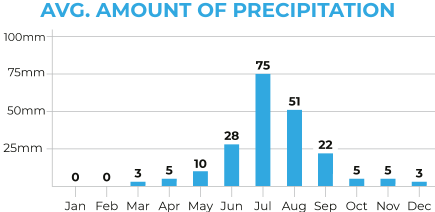
- Summer (June – August) Daytime: 20°C – 30°C/Evening: Around 10°C. Expect some rain and occasional thunderstorms
- Autumn (September – October): Cooler days as temperatures begin to drop, ideal for those who prefer milder conditions
Staying Hydrated on Hot Rides – 6 Tips for Cyclists
As a cycling company, we know how important proper hydration is—especially when you’re out riding in hot conditions. Below are some general hydration tips that riders find helpful for staying fuelled and feeling strong on the bike.
Please note: We are not medical professionals and this information should not replace advice from a qualified healthcare provider. Each cyclist is different, so if you have specific health concerns or conditions, it is always best to consult your doctor and adhere to their advice.
1. Prioritize Gut Health
- Why it matters: A healthy gut boosts absorption of water and nutrients.
- How to do it: Feed your microbiome with probiotics (yogurt, kefir, sauerkraut) and prebiotics (garlic, onions, bananas) to keep digestion and hydration strong.
2. Time Your Hydration
- Why it matters: When you drink can matter as much as how much.
- How to do it: Start the day with a big glass of water—add lemon or a pinch of sea salt for an extra boost.
3. Hydrate Beyond Water
- Why it matters: Water isn’t the only way to stay hydrated.
- How to do it: Include coconut water, bone broth, or other nutrient-rich drinks to hydrate and replace electrolytes—especially during long rides or after heavy sweating.
4. Don’t Forget the Minerals
- Why it matters: Minerals like sodium, calcium, and magnesium help retain water.
- How to do it: Eat mineral-rich foods such as salted nuts, seeds, and dairy—or take a quality mineral supplement if needed.
5. Absorb Water Better
- Why it matters: Drinking water too fast can flush out nutrients and reduce absorption.
- How to do it: Sip steadily throughout the day. Add a pinch of sea salt to your bottle and eat water-rich foods like watermelon, cucumbers, and pineapple.
6. Keep Your Electrolytes in Check
- Why it matters: Electrolytes regulate fluid balance, nerve function, and muscle contractions.
- How to do it: Eat potassium- and magnesium-rich foods like bananas, avocados, and leafy greens. Add electrolyte tablets or sea salt to your water after intense sweat sessions.
Sleeping Gear
- 3–4 season sleeping bag (recommended for cold nights)
- Sleeping mat: For added comfort on our wild camping nights in Mongolia, you may wish to bring a lightweight self-inflating mattress, as the standard non-inflating sleep mats we provide are more basic
Cycling Essentials
- Cycle helmet (mandatory and must be worn at all times while cycling)
- Small bike bag or daypack for essentials
- Water bottles or a CamelBak hydration pack
- Sunglasses
Clothing
- Base layer tops
- Fleece jacket/pullover
- Waterproof cycling jacket (breathable)
- Baggy trekking shorts
- Long cycling trousers / trekking trousers
- T-shirts – lightweight
- Long-sleeved shirt
- Padded cycling shorts
- Trekking shoes or cycle shoes
- Lightweight & heavyweight socks
- Fingerless cycling gloves
- Thermal gloves
- Fleece hat
- Cap (to wear under helmet)
- Buff or neck gaiter
- Flip-flops or sandals for around camp
Thermal Layers
- Long johns
- Thermal tops
Toiletries & Protection
- Towel
- Lip balm
- High-factor sunscreen
- Insect repellent
- Hand sanitizer
- Antiseptic wet wipes
First Aid Kit (Recommended Personal Items)
- Paracetamol / Ibuprofen
- Lomotil or Diacalm (for digestive issues)
- Rehydration salts (e.g., Dioralyte)
- Antiseptic cream
- Throat lozenges
- Plasters (band-aids)
- Nasal spray
- Eye drops
- Ear plugs
Extras
- Energy bars, gels, or power snacks
- Energy/recovery drinks
- Camera (optional but great for capturing memories)
- Mobile Phone & SIM Card: Stay connected during your adventure with local SIM or eSIM options.
- SIM Cards
Where to Buy: Ulaanbaatar airport, the State Department Store or provider shops (passport required). - A few providers:
- MobiCom – best rural coverage
- Unitel – reliable with eSIM support
- Skytel & G-Mobile – good urban options
- Tourist SIMs: available with data packages from 7 to 90 days.
- eSIM Options
Use eSIMs like GoMoWorld, Yesim, or BNESIM—ideal for short stays. - Activate before or on arrival.
- Make sure your phone supports eSIM.
- Download key apps offline before rural travel.
- Consider a portable Wi-Fi device if constant connectivity is essential.
- In Mongolia, the standard electricity supply is Voltage: 220 volts and Frequency: 50 Hz.
- The power sockets in Mongolia are Type C and Type E sockets
- Capital: Ulaanbaatar (Ulan Bator)
- Population: 8 million (2012 estimate)
- Area: 1.56 million sq km (603,909 sq miles)
- Major Language: Mongolian
- Major Religion: Buddhism
- Life Expectancy: Men: 65 years / Women: 73 years
- Currency: Togrog (₮)
- Main Exports: Copper concentrate / Dehaired cashmere / Textiles / Hides
- Internet Domain: .mn
- International Dialling Code: +976
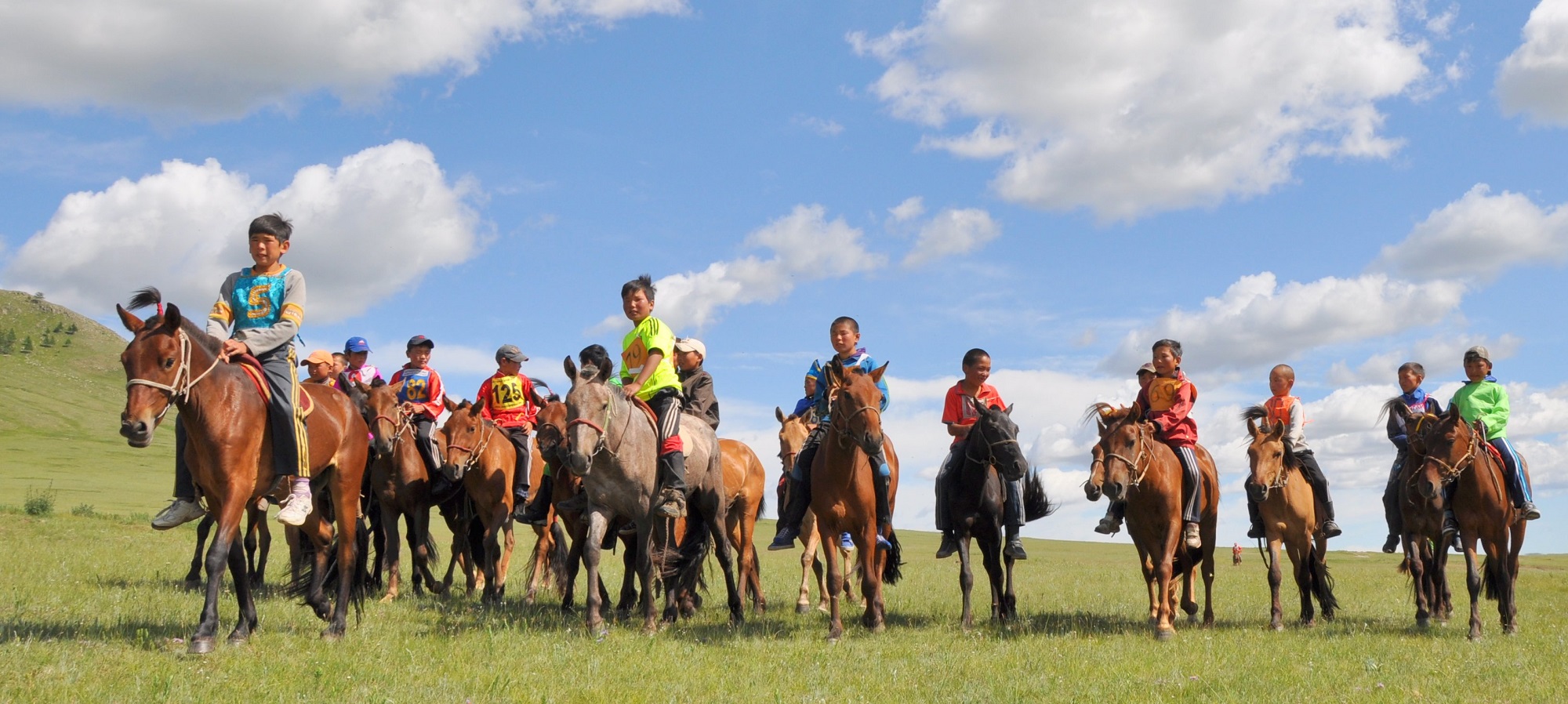
- Mongolia’s independence declared during the 1921 revolution is celebrated every July with the Naadam Festival often referred to as the “Mongolian Olympics”. This includes The Three Games of Men (“Eriin Gurvan Naadam”); Wrestling (men only); Archery; Horse Racing
- The grand opening ceremony in Ulaanbaatar features parades, traditional dancing, and military processions, attracting large crowds from across the country and beyond.
- Attending Naadam is a powerful cultural experience and a unique opportunity for visitors to connect with Mongolia’s rich heritage.
Accommodation
Accommodation on this tour reflects the adventurous nature of travelling in Mongolia, combining comfortable city hotels with traditional ger camps and fully supported wild camping.
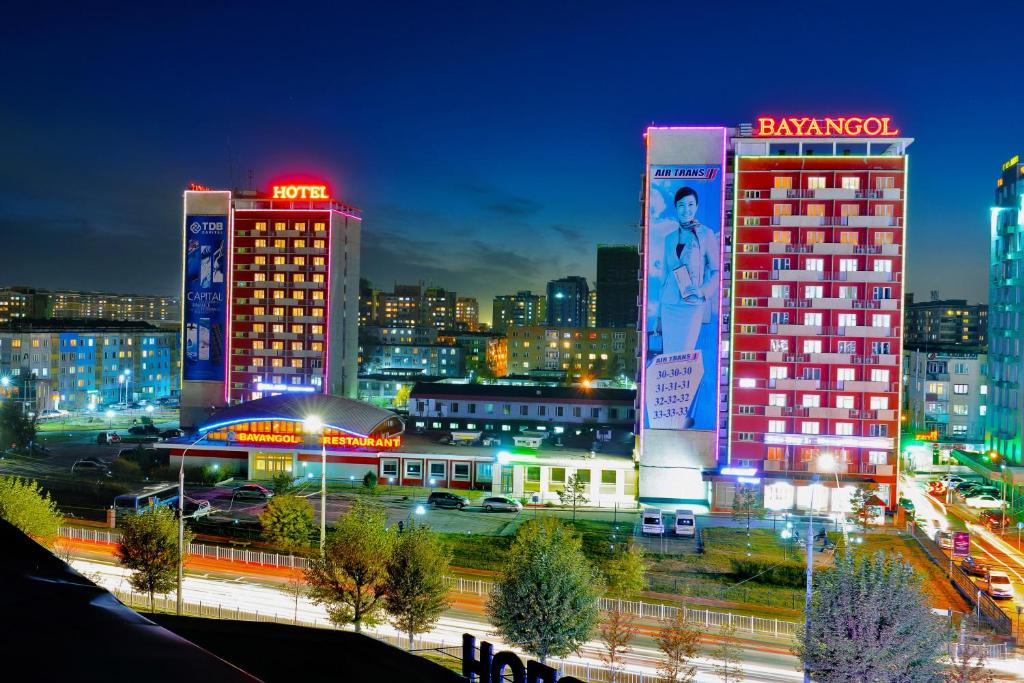
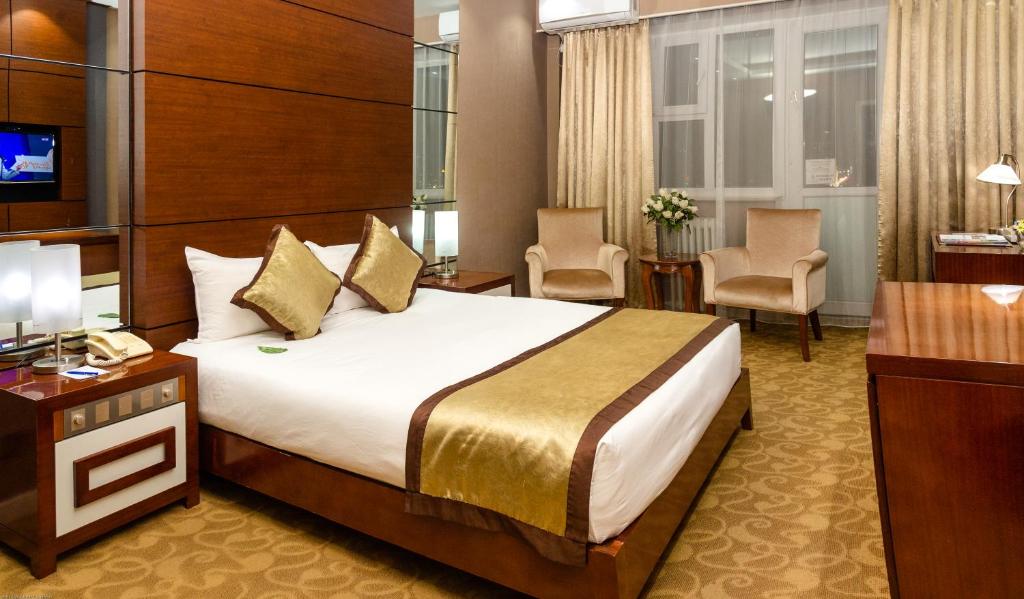
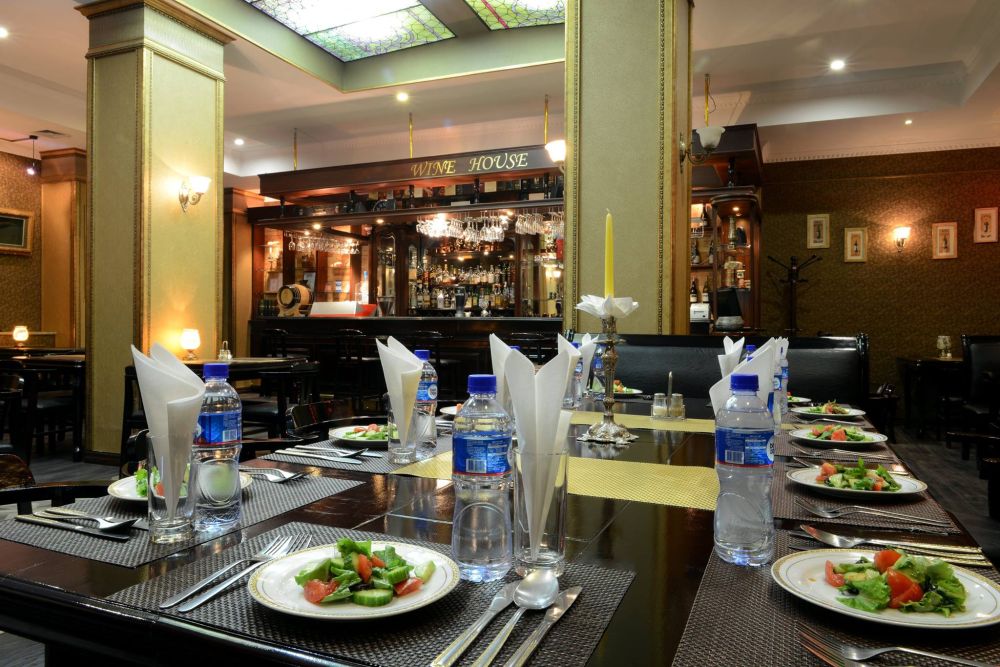
At the beginning and end of the tour, we stay in a comfortable, well-located hotel in Ulaanbaatar. Rooms are twin-share with en-suite facilities, providing a good level of comfort after international travel and before departure.
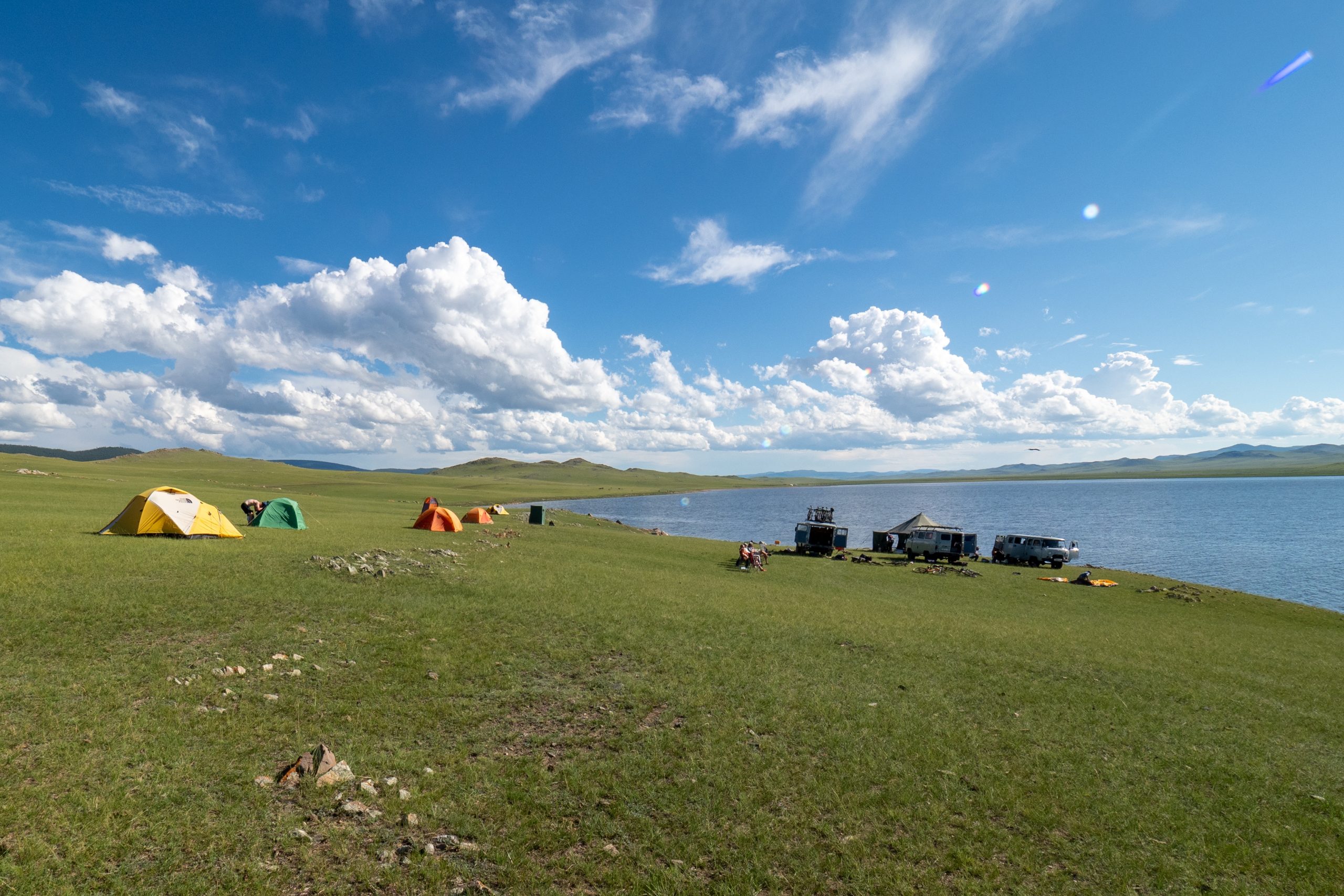
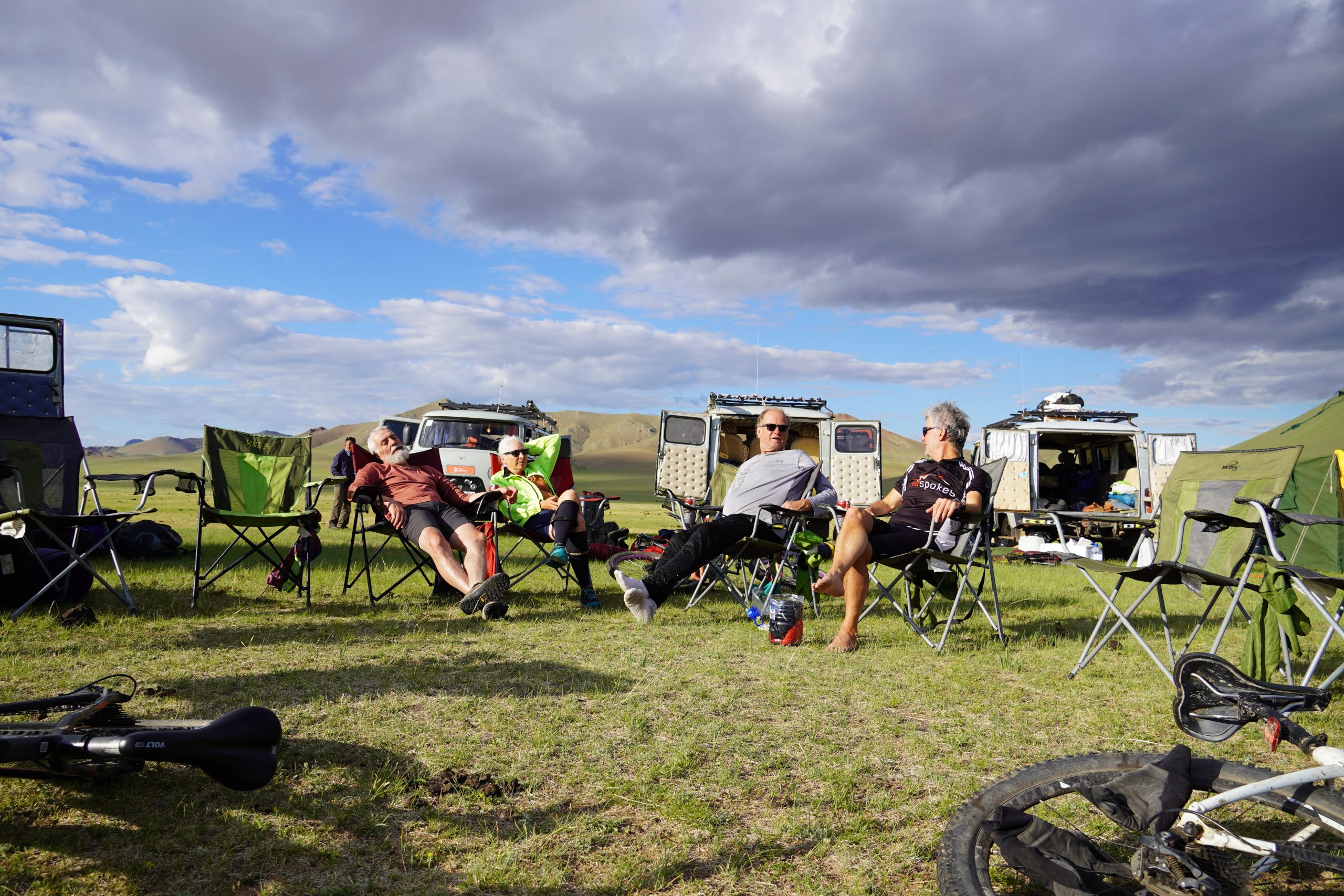
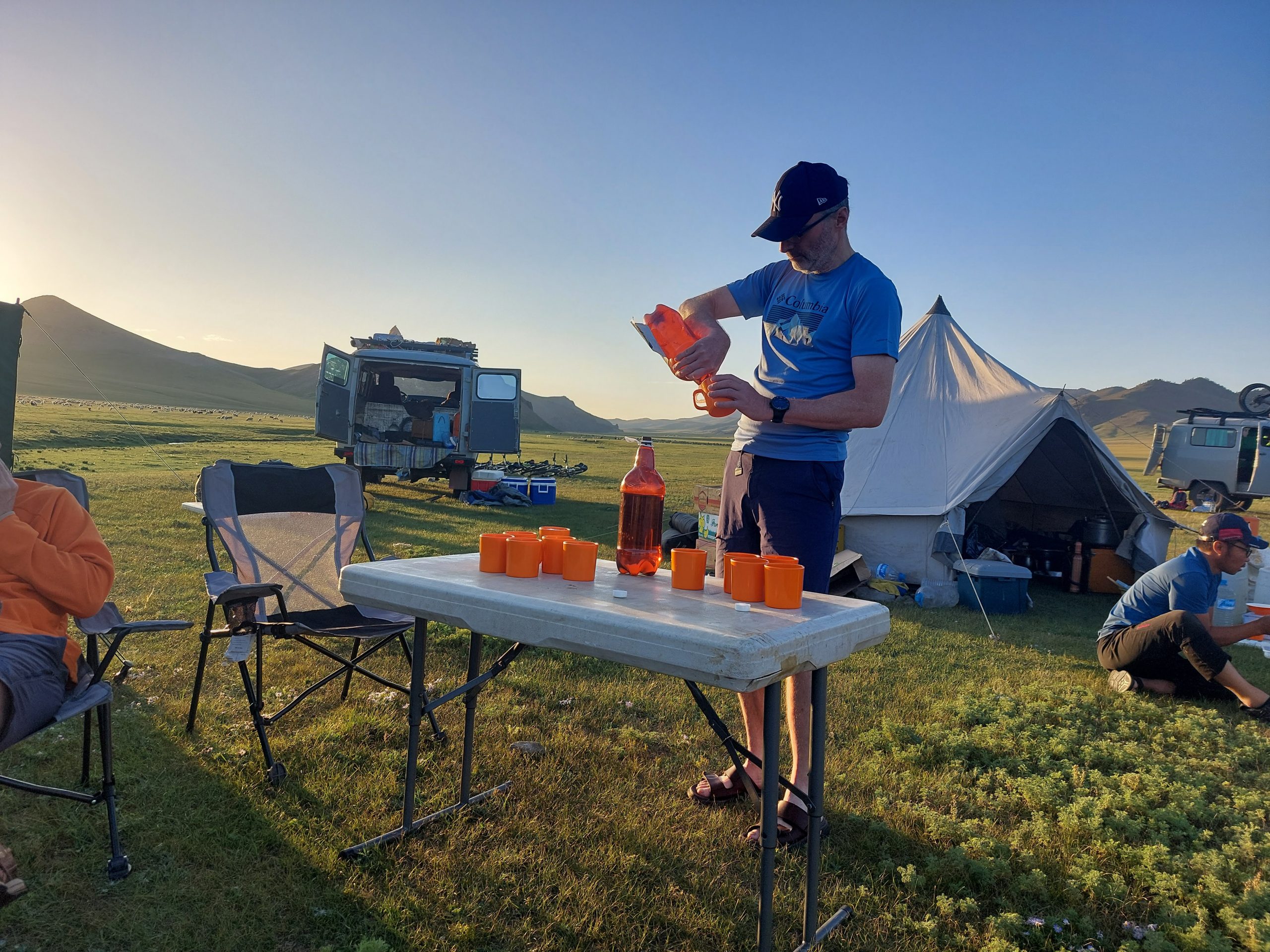
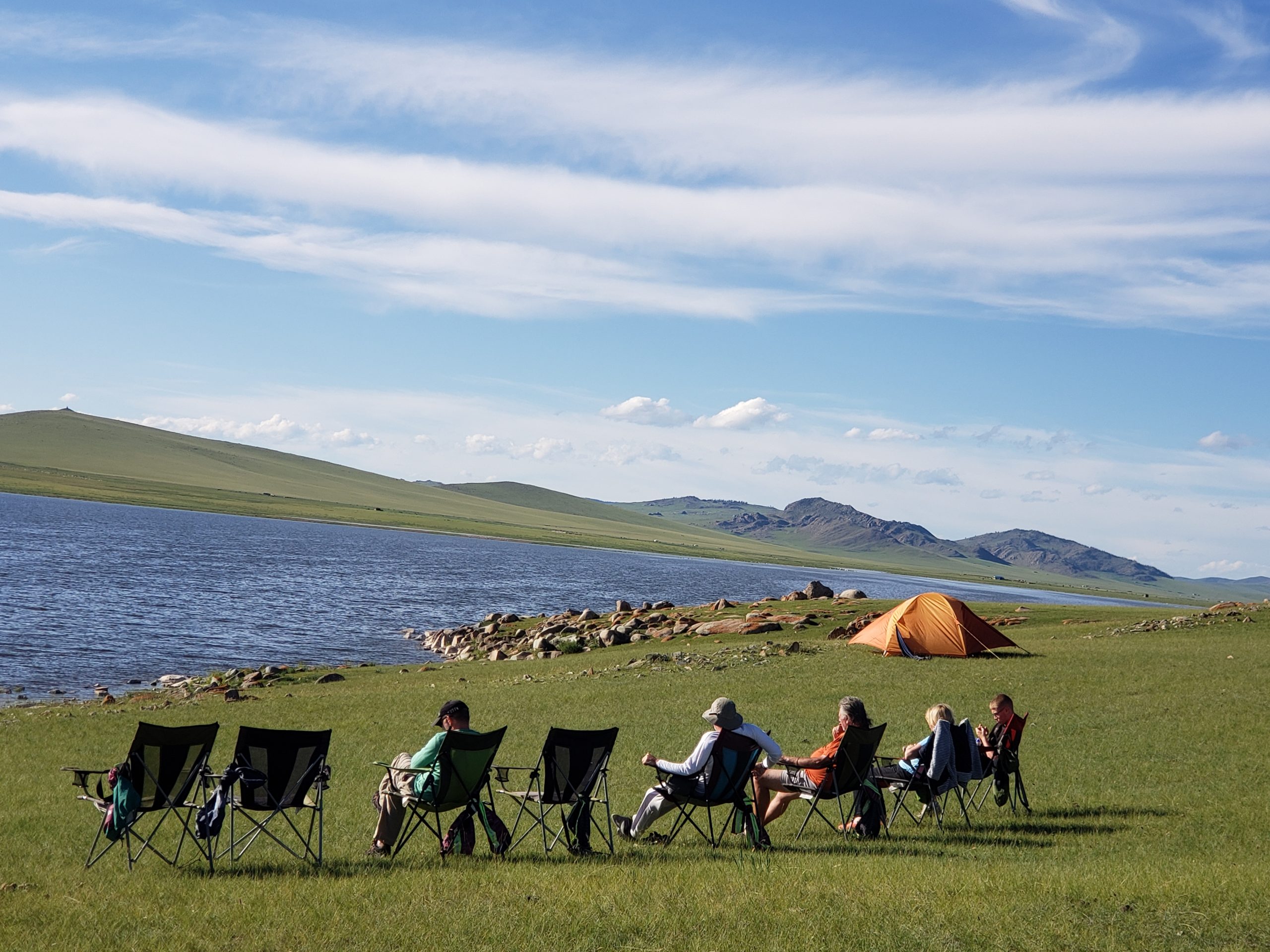
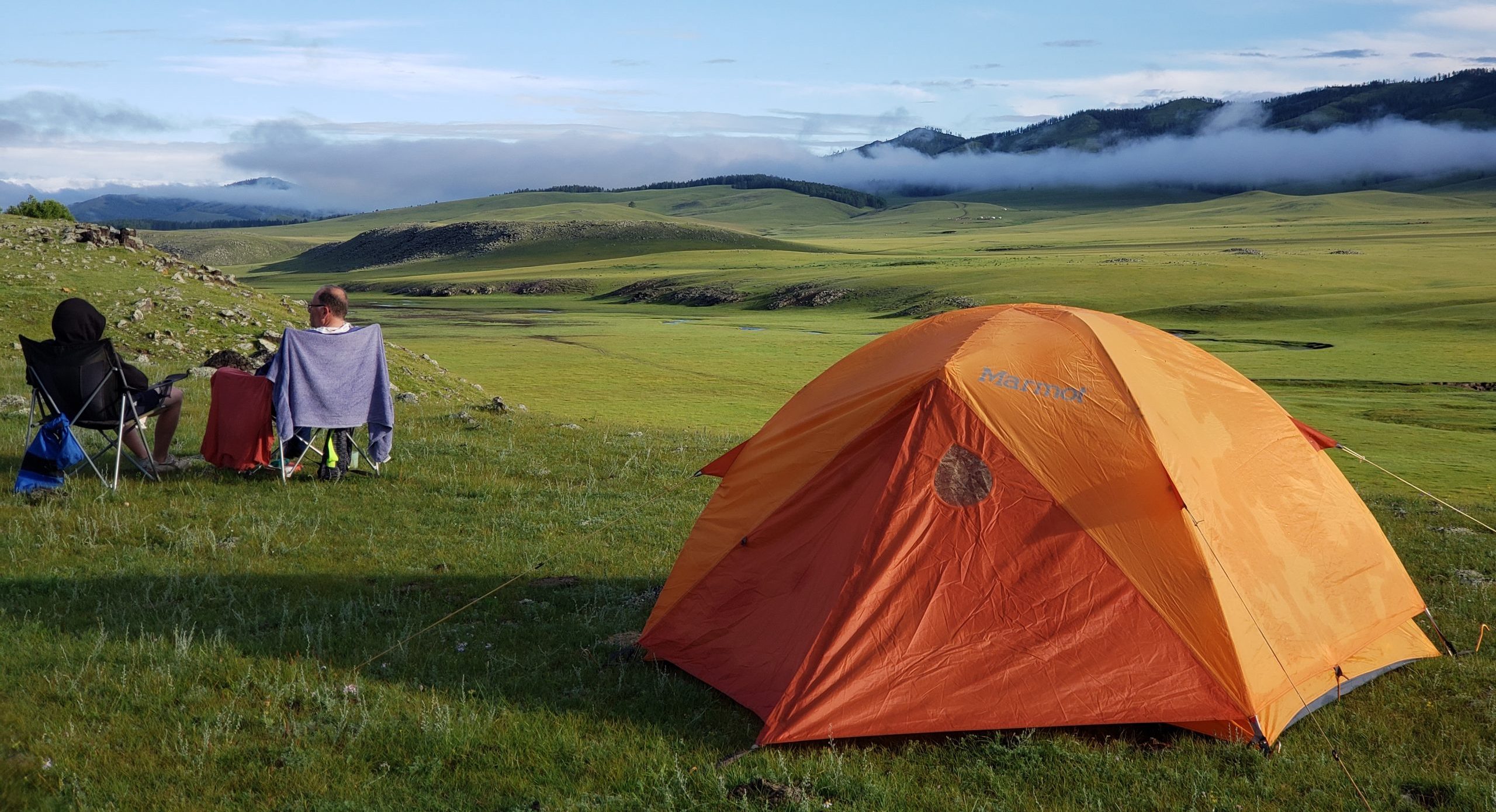
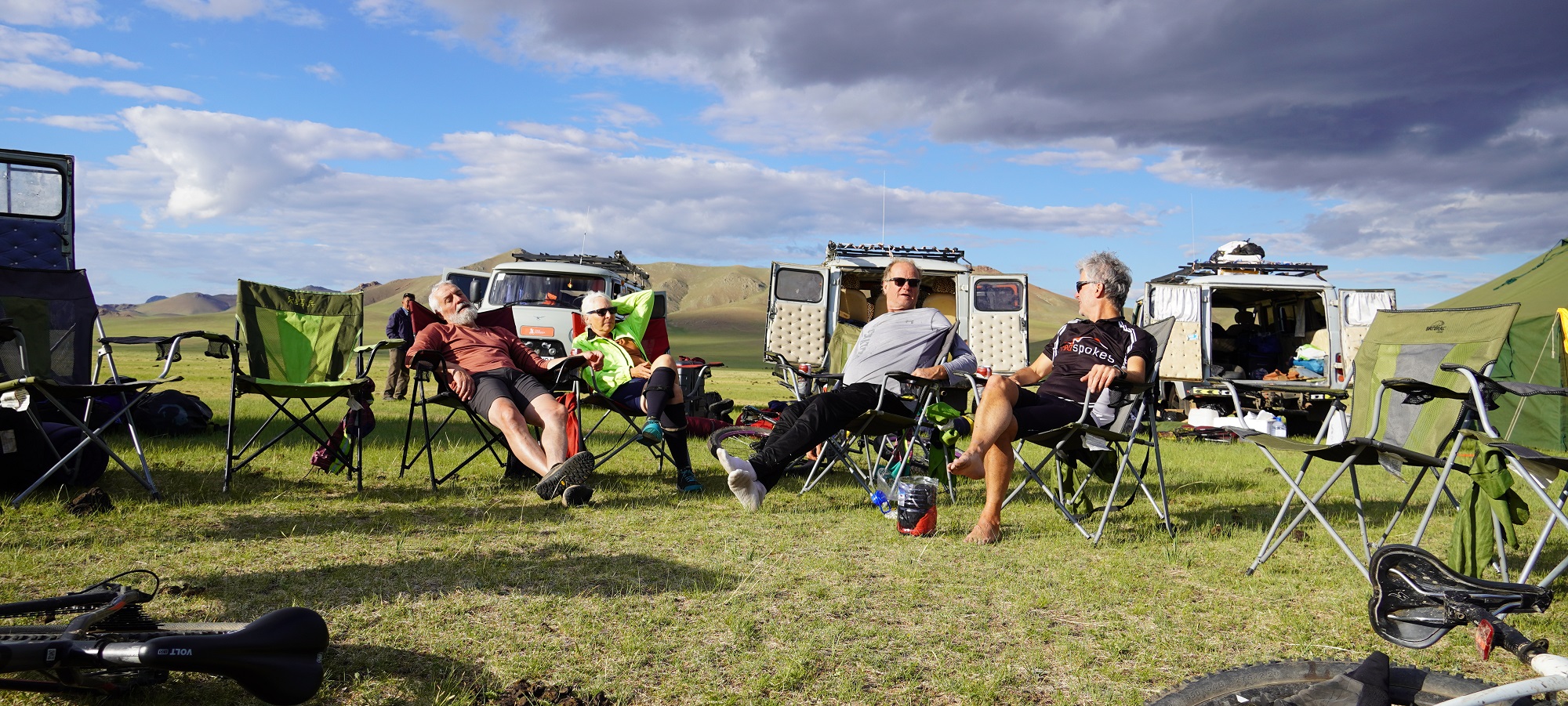
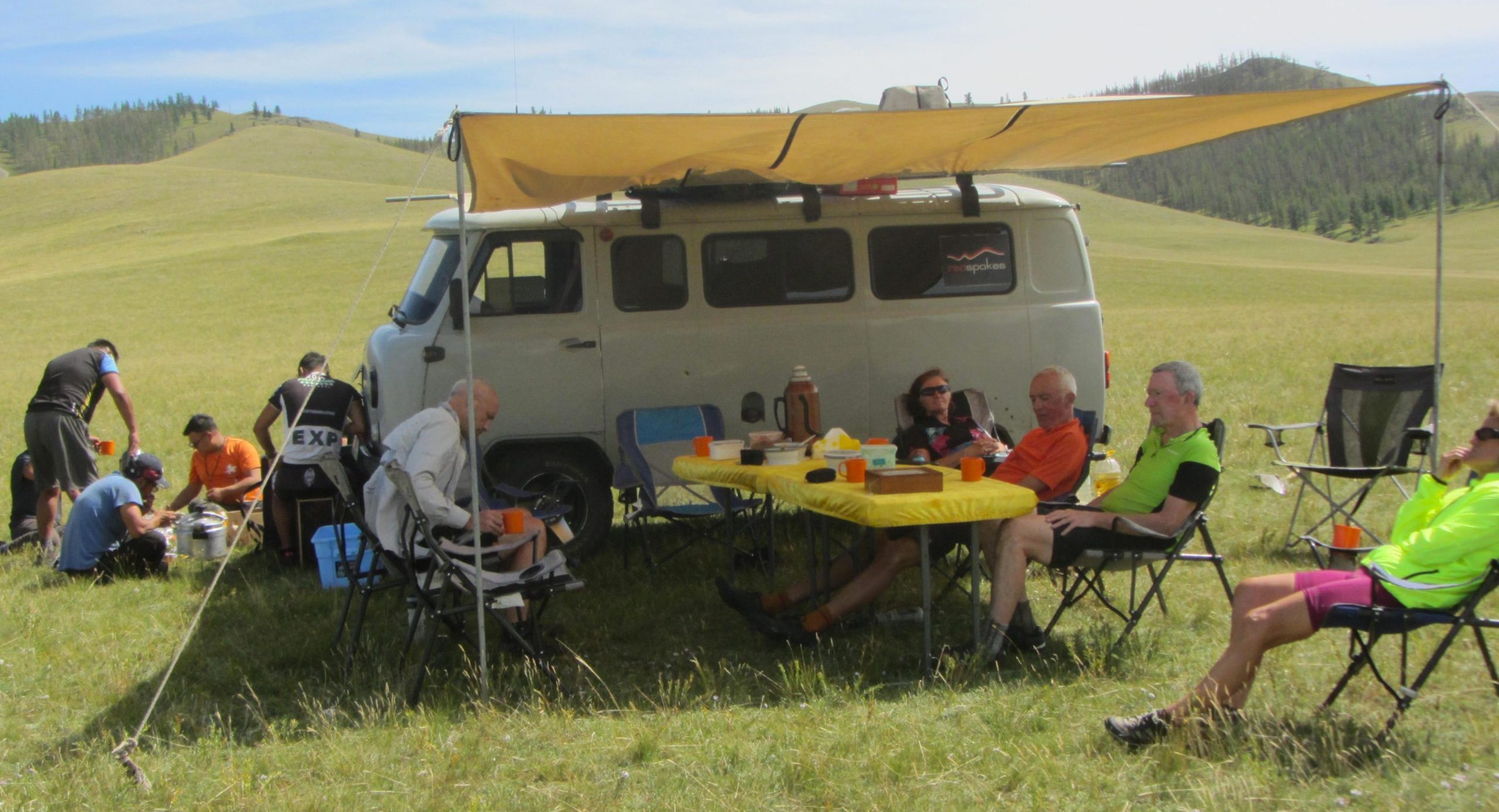
For much of the tour, we camp in remote and beautiful natural settings. These are fully supported camping nights, with tents, sleeping mats and all equipment provided. Our local team takes care of setting up camp and preparing meals, allowing you to relax and enjoy the surroundings. Campsites are chosen for their scenic locations, often by rivers, in valleys or open grasslands, offering a true sense of Mongolia’s vast wilderness. Facilities are basic, and a flexible, adventurous approach is important.
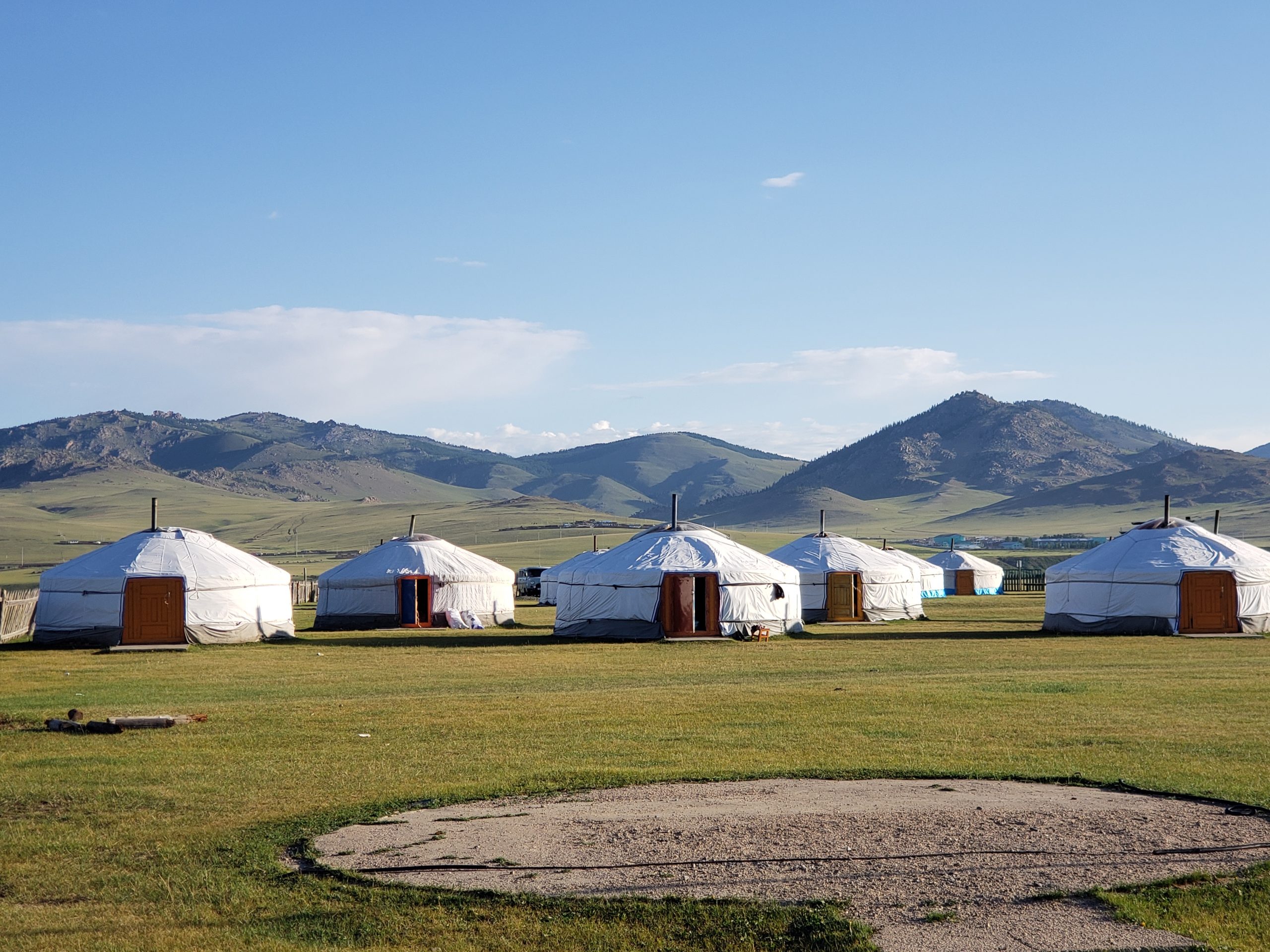
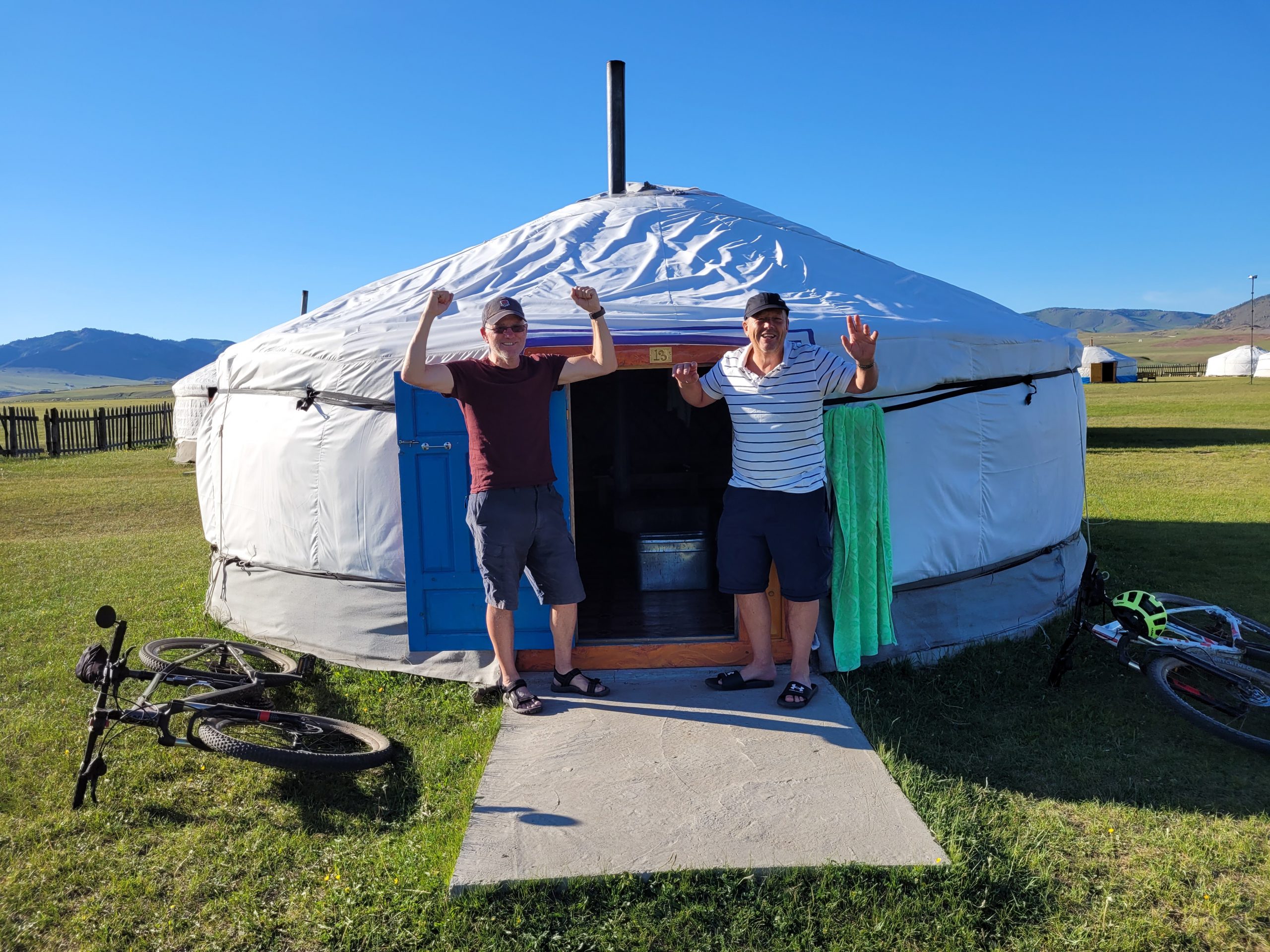
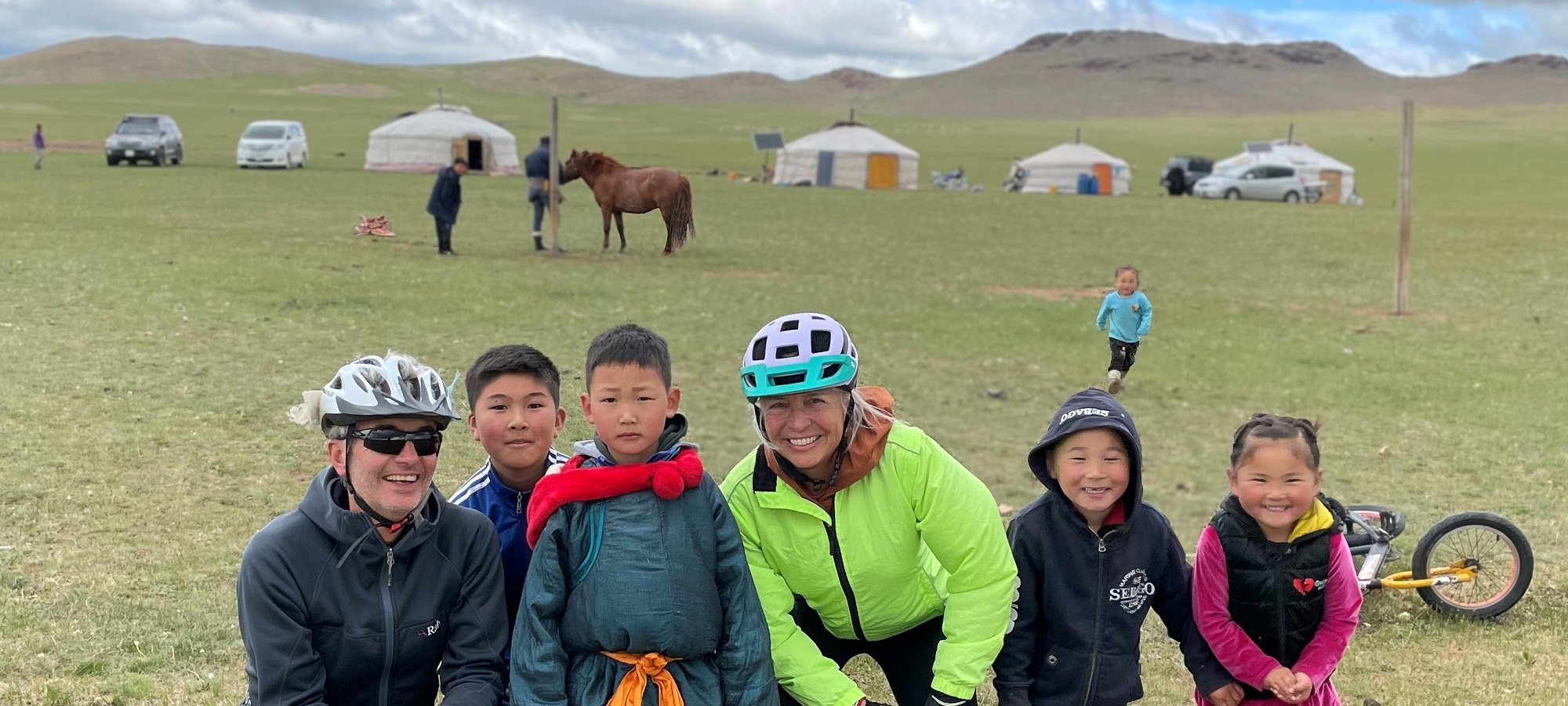
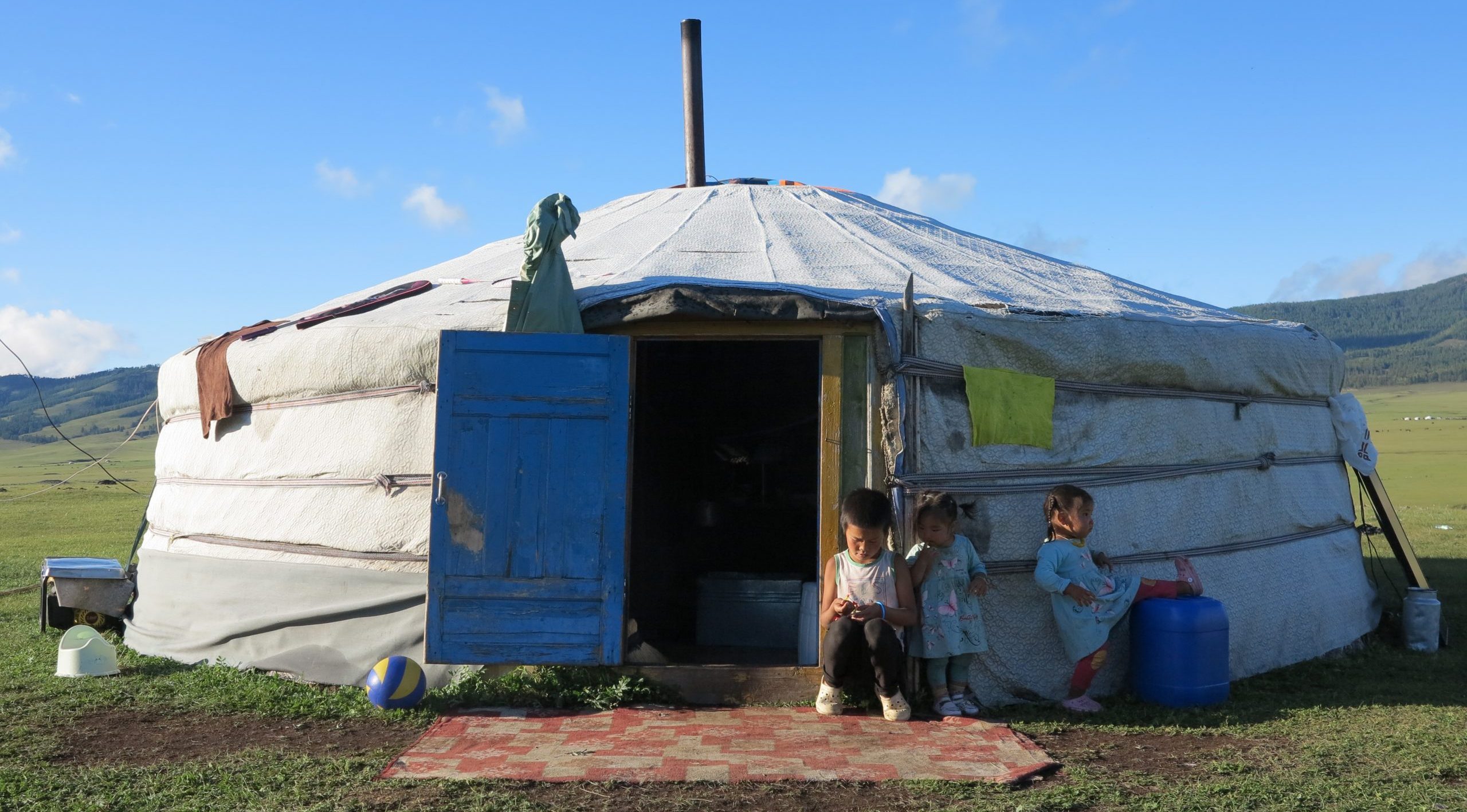
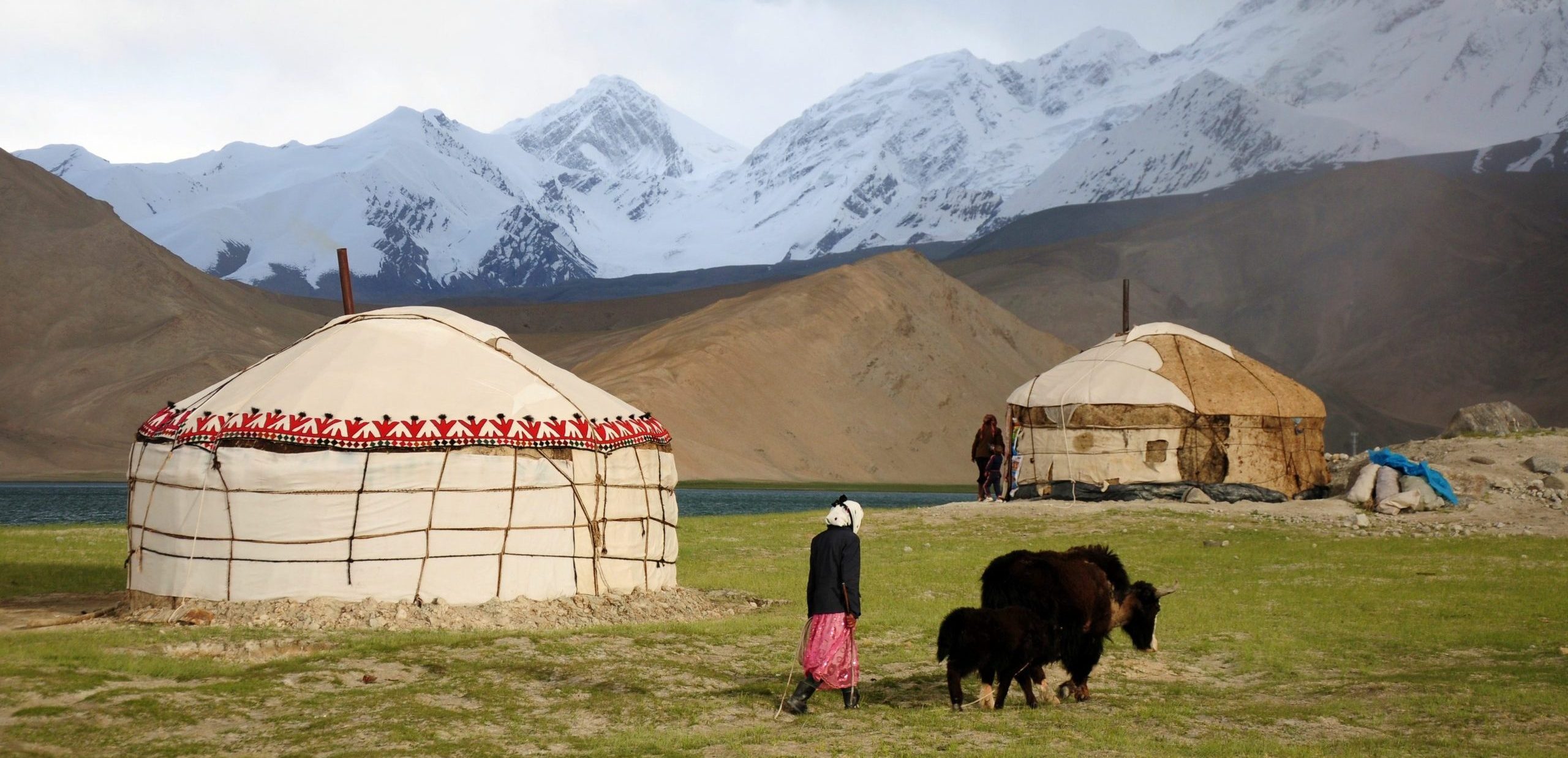
We also spend several nights in traditional Mongolian ger camps. These circular felt tents are a key part of nomadic life and offer a more comfortable alternative to camping. Gers are typically shared and furnished with beds and bedding, with toilet and washing facilities located in separate shared buildings. Staying in a ger camp provides a unique insight into Mongolia’s traditional way of life.
Overall, accommodation on this tour is simple but rewarding, and forms an integral part of the experience. This trip is best suited to those who are happy to embrace a more adventurous style of travel in return for access to some of Mongolia’s most remote and spectacular landscapes.
Testimonials
Here is what our customers have to say about our ‘Mongolia Bulgan’ Cycling holiday.

 Directly from the customer
 Mongolia Bulgan
Beautiful landscape and country. The weather was very varying with wind, rain and sun. The food was very good. As a vegetarian, there was variety in vegetables, tofu and much more. The support team and leader were very helpful and nice. They know what they're doing and have a good way to keep up the spirits in the group. The rhythm of the days was well organised with lunch on time and in between breaks.
Nynke Visser, Groningen, Netherlands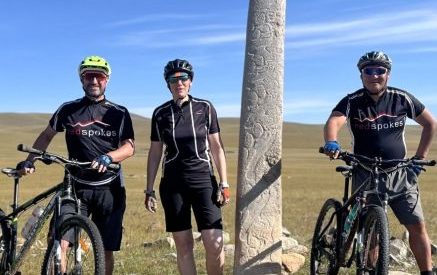 Directly from the customer
Mongolia Bulgan
Directly from the customer
Mongolia Bulgan
I had been looking forward to this trip for many years and when it become reality it was everything and more than I had hoped for. Timur, our guide was exceptional and tailored the daily routes to the weather , so that every day was a perfect experience. He shared his knowledge and culture freely and taught us so much about the country. He created special moments to make our trip even better such as potatoes cooked in the camp fire as an evening snack while star gazing. I didn't expect to come back raving about the food. Every meal, lunch and dinner were a total joy. Unexpectedly we got loads of salads and vegetables and every meal was different. All of this was topped by the incredible landscape. One has to experience the scale and openness of space to truly understand. Often we stoped in awe, struck by year another stunning view and vast landscape stretching out in front of us.
Katja Stille, London, England, UK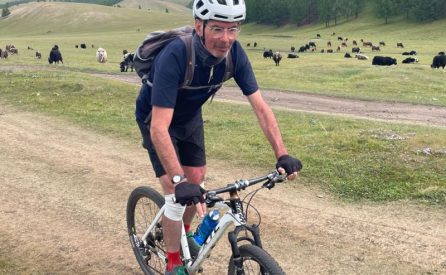 Directly from the customer
Mongolia Bulgan
Directly from the customer
Mongolia Bulgan
Mongolia Bulgan is a journey through space and time, a physical and mental journey, a journey filled with humor and lightheartedness, where the ordinary needs of everyday life blend into the fascinating tale of Mongolia's great history, told and experienced by Mr. Timur and his support team with strength, skill, and enthusiasm. We really enjoyed it!
Paolo Moretto, Angera, Italy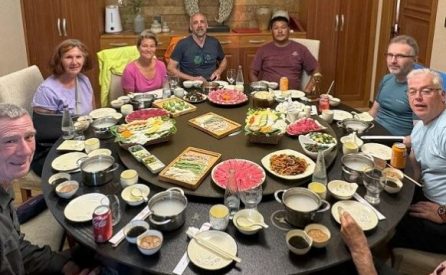 Directly from the customer
Mongolia Bulgan
Directly from the customer
Mongolia Bulgan
Back from my 6th tour with redspokes this time visited Mongolia 100% off road. This trip was the hardest one I completed but as always no one gets left behind , our guide Temur was brilliant with his motivation and information of what was coming our way Omega kept the bike working every night washed oiled gears checked.
For me one of the big highlights of this tour was the food Bola and inka feed us like Kings large tasty portions to load the carbohydrates needed for the energy used. Camping spots chosen by the water for washing in the summer sun just brilliant.
Paul Goulding, Birkenhead, England, UK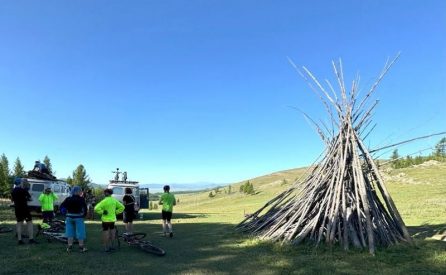 Directly from the customer
Mongolia Bulgan
Directly from the customer
Mongolia Bulgan
The tour in Mongolia-Bulgan was absolutely fantastic – I had SO MUCH FUN! The 9 days of cycling was all off-road and excellent and challenging. The camping, food, and logistics were awesome; an amazing crew, so great. The cycling group was really nice and gelled well. The Mongolian countryside and culture were extraordinary. Perfect trip!
Ms Janet Coffey, Nairobi, Kenya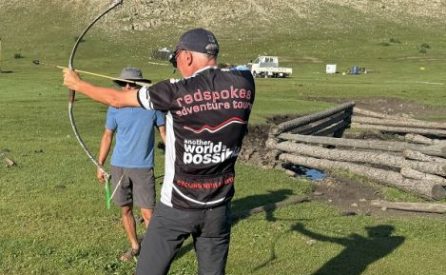 Directly from the customer
Mongolia Bulgan
Directly from the customer
Mongolia Bulgan
A huge thank you to Timur and the entire team for taking such great care of us. The food was incredible, and the warmth of the welcome we received throughout Mongolia was truly touching. Every night of camping felt special, with beautiful spots set up by rivers or lakes. The tents were spacious, high-quality, and passed every rainstorm without a hitch!
Special shoutout to Bulgra and Inca for preparing some of the best meals I’ve ever had on a cycling tour—truly exceptional. The team went above and beyond for us, and Timur kept everything running smoothly, handling any challenges quickly and keeping morale high, even pushing the meaning of “undulating” to new heights! Big thanks also to my fellow riders—it was a pleasure meeting you all!
John Homer, Bristol, England, United Kingdom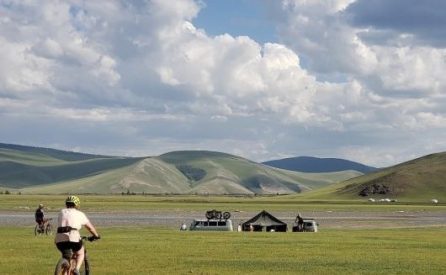 Directly from the customer
Mongolia Bulgan
Directly from the customer
Mongolia Bulgan
The entire team was remarkable – they really know what they are doing. They worked together seamlessly and we were looked after perfectly. Lovely friendly people too. Special mention to Gonde who is an incredible asset to the company and to his country. He is someone in whom redspokes should invest as his potential is fantastic.
The quality of the food was also spectacular, our chef was very talented and took great pride in his work. Also a special thank you for making all the rearrangements to get me to the start after my flight was delayed – everything went smoothly and I appreciated that everything was planned perfectly.
Jessica Moyer, Flic en Flac, Mauritius-414x275.jpg) Directly from the customer
Mongolia Bulgan
Directly from the customer
Mongolia Bulgan
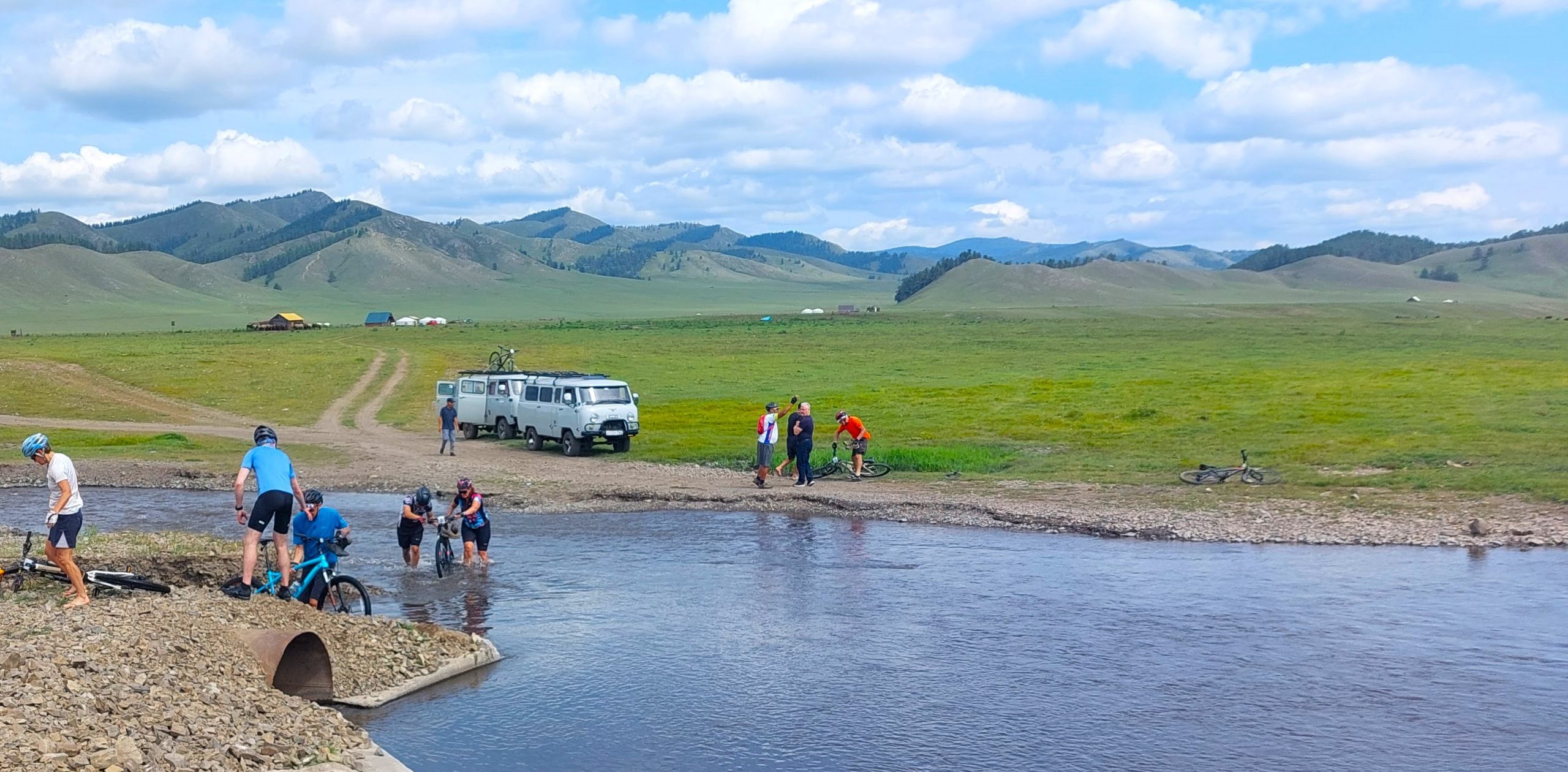
Having been on several of Redspokes' well-established Central Asian tours previously, I was attracted to this very remote, little-visited region. I came away totally captivated by Mongolia and would recommend to any fan of wilderness mountain-biking – 100% of it off-road. The routes provide a variety of challenges – wooded-trails, rocky descents, mud, river-crossings and glorious rolling descents through grassland steppes full of animals (horses, yaks, sheep, goats), but barely a sign of human habitation. Where it did exist, it was in the form of traditional gers (yurts) and it is one of the highlights of the trip to visit and enjoy the hospitality of these nomads. The team of local guides, drivers, cooks and mechanics who made the trip possible, were superb; led by Bat & Samba they provided amazing food, great campsites, detailed local knowledge and always the option to hop in a support van if things got too tough! Highly recommended for a proper cycling adventure!
Ged Browne, London, UK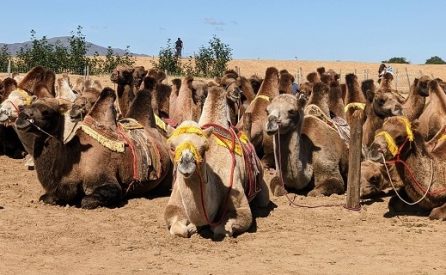 Directly from the customer
Mongolia Bulgan
Directly from the customer
Mongolia Bulgan
I only have praise for the team that supported us throughout our trip. From our leaders Samba and Bat to our mechanical expert, Tool, to the excellent chef and kitchen staff to our amazing drivers, all were diligent, worked well together, anticipated needs and solved challenges cooperatively. Amazing!
Kathryn Cotnam, Ontario, Canada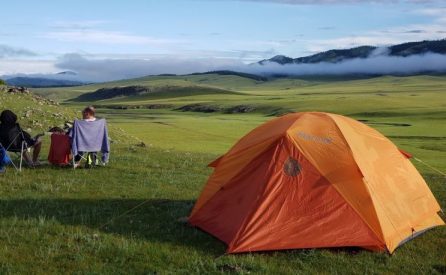 Directly from the customer
Mongolia Bulgan
Directly from the customer
Mongolia Bulgan
The crew on our trip in north central Mongolia was unbelievably superb. We ate like kings, three meals every day were mouth watering. Our chef, Bagge, was a bit of a celebrity in Ulanbattar, and in fact, does judging of cooking shows on TV all over the world. Could not have asked for a more excellent group.
Rick Canham, Portland, Oregon, USA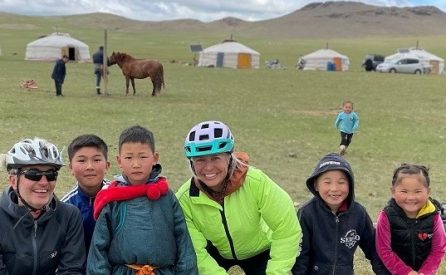 Directly from the customer
Mongolia Bulgan
Directly from the customer
Mongolia Bulgan
Redspokes local team created for us an incredible 12 day adventure. From the bikes to the meals, the miles of Mongolian beauty through valleys and river crossings to passes covered with wild flowers.
The guide,mechanic,drivers,chef and support team are all top notch! A truly wonderful experience.
Bobbie Sturrock, Colorado, USA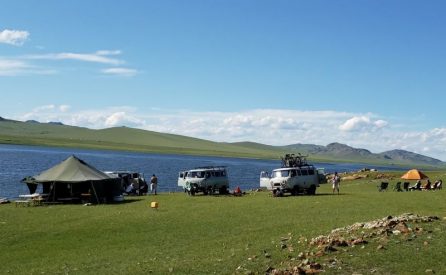 Directly from the customer
Mongolia Bulgan
Directly from the customer
Mongolia Bulgan
We followed trails that took in breathtaking scenery, our guides and support team really kept us going -great people and as for the catering it was very good, camping locations just perfect. It really made for a brilliant holiday – we can't thank the support team and redspokes enough.
Nick & Deborah, Solihull, England-001-404x275.jpg) Directly from the customer
Mongolia Bulgan
Directly from the customer
Mongolia Bulgan
The support team for this tour are excellent. The chefs produced a constant supply of delicious meals; amazing skills given we only had a basic field kitchen. The hire bikes were well maintained during the trip. Mr Gonde, our guide, obviously had good understanding of the route and the current conditions. He managed all of our abilities and expectations with patience and understanding.
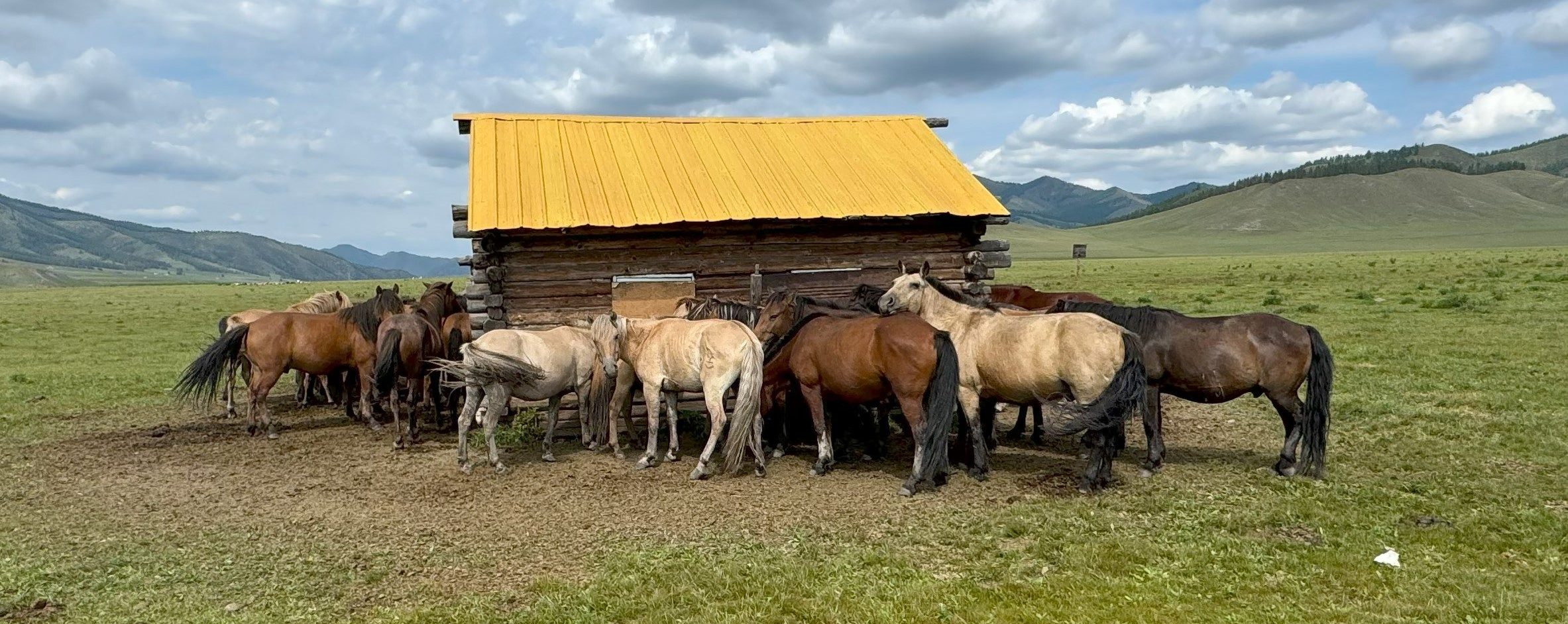
The cycling can be hard going in places but the rewards are more than worth the effort: Herds of horses running free alongside, birds of prey circling overhead, wild flower meadows, ancient sites and a deep connection with nature and the nomadic lifestyle.
Andrew Green, Isle of Wight Directly from the customer
Mongolia Bulgan
Directly from the customer
Mongolia Bulgan
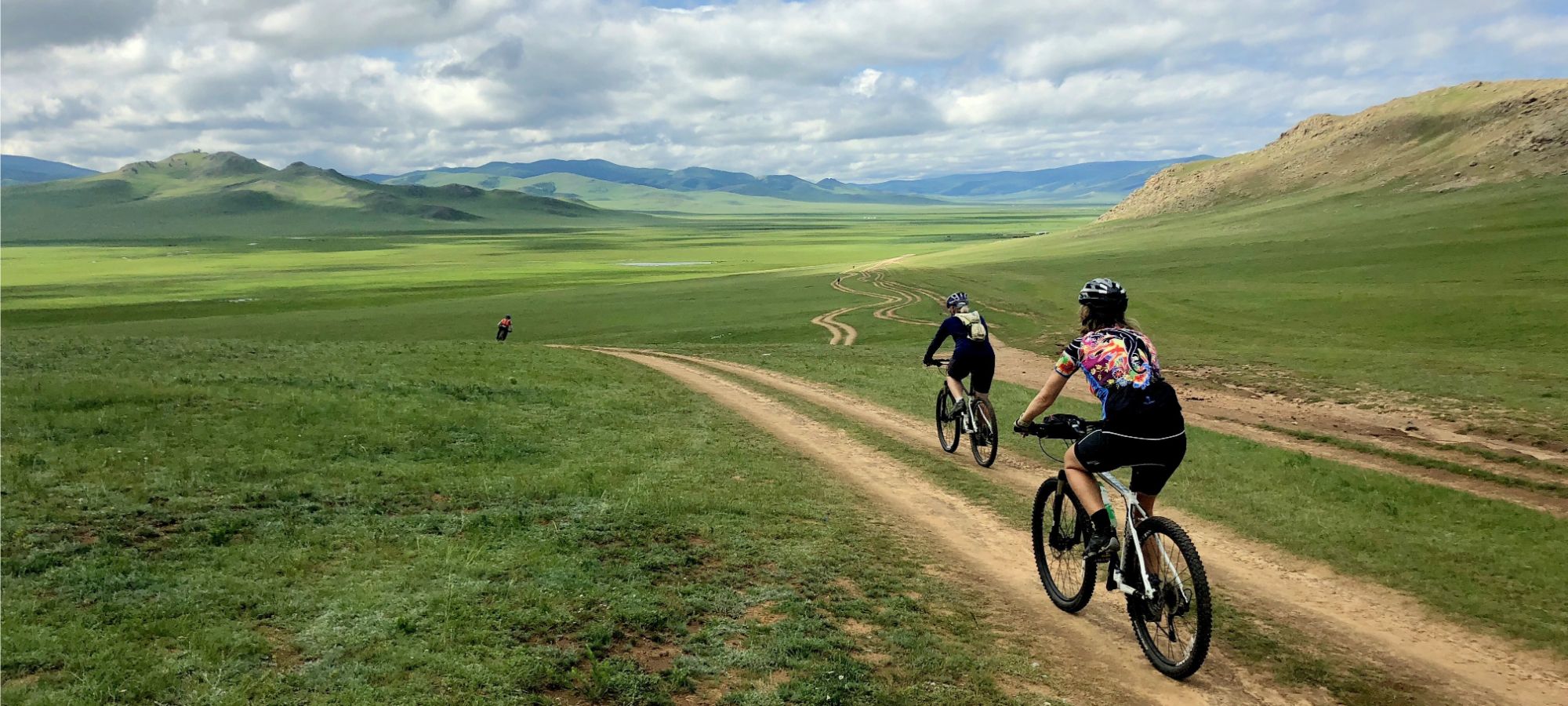
This was truly the trip of a lifetime. The cycling was unlike any I have encountered anywhere before. You might call it “technical double-track”, with always the option of simply heading off across the grass of the Mongolian steppe! What freedom! The overwhelming impression of the country is … space; wide open space with distant vistas, green pasture land, massive herds of animals, stream and river crossings, and billions of midnight stars overhead. It’s like a land ocean. There were lots of long steep climbs to mountain passes followed by the rewards of screaming down 10+ km trails on the other side.
Hired bikes were excellent and well maintained. Food was five-star and plentiful. Support crew was attentive and … supportive. Guides were very knowledgeable and perfectly fluent in English. Every day was an enormous and ever-changing adventure. Until you have heard the thundering hooves of 200 horses, galloping full-tilt alongside your bike, you can’t really appreciate Mongolia. Go. Simply go.
Jonas Barter, Almonte, Canada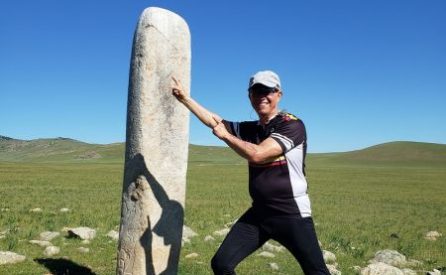 Directly from the customer
Mongolia Bulgan
Directly from the customer
Mongolia Bulgan
MONGOLIA
Mountains and plains
Green expanse,
Rivers, creecks and water Stearns
Colorful artistically shaped clouds.
Cattle roaming free,
Sheeps and goats
Horses in speedy stampede,
cows placidly grassing
Yaks, looking like cows
wearing long warm coats,
A Mongolian GER
Sparsely seen here and there,
Pedaling up and down
over a green expanse
Open space full with emptiness
Blessed solitude
Where poems and dreams may sprout.
Eli Baron, Texas, USA-446x275.jpg) Directly from the customer
Mongolia Bulgan
Directly from the customer
Mongolia Bulgan
The on site Team was superb. We had excellent riding support. The food was delicious and plentiful. The staff were always helpful and available even during several difficult weather (rain storms) conditions. They were especially accommodating in mounting or dismounting our bikes from/to the vans when we needed a rest. The staff each had a sense of humour which provided us encouragement when we needed it.
Stephen Cotnam, Ontario, Canada-407x275.jpg) Directly from the customer
Mongolia Bulgan
Directly from the customer
Mongolia Bulgan
What a tour , this was my first cycling tour and the first time I had been on a mountain bike but what fun . most days were tough but I did expect that with a few hills to climb but that also meant some great downhill sections through open meadows with grazing sheep, cows , goats and yaks and on many occasions wild horses running next to us . We regularly had to stop to navigate streams and small rivers which was great fun.
The team were brilliant and don’t expect to lose weight as there was so much tasty food available . We also had impromptu stops to visit families in their own environment and when needed the routes were changed slightly to arrive at camps in time for meals . Everyone one was allowed to go at their own pace there was always a team member at the front middle and the back member was there to help the stragglers and also pick up anyone who had problems with their bikes as he was mechanic . Thank you Red Spokes and their support team
Tony Leake, Welwyn, Englandsmall-446x275.jpg) Directly from the customer
Mongolia Bulgan
Directly from the customer
Mongolia Bulgan
Our local support team was one of the most professional and exceptional tour operators I have ever traveled with. On a 14 day trip bicycling in Bulgan provence, I was continually impressed by the quality of the tour, the guides (Bat and Samba), the chefs — really amazing food, and the drivers. They went above and beyond to have our tour be enjoyable, fun, and safe. Recommend them wholeheartedly.
Karen Karnuta, Colorado, USA-001-446x275.jpg) Directly from the customer
Mongolia Bulgan
Directly from the customer
Mongolia Bulgan
What an experience! Challenging and rewarding cycling: tough uphills and thrilling downhills, matched by breathtaking views of expansive plains flanked by mountains.
Being stalked by herds of inquisitive horses, the sight of thousands of sheep, goats and cattle with kites and other birds of prey soaring overhead, and the generosity of the locals when we dropped into their Gers I will not forget. Bat, Samba and the crew worked tirelessly to ensure our needs were more than met. Thank you for a memorable tour.
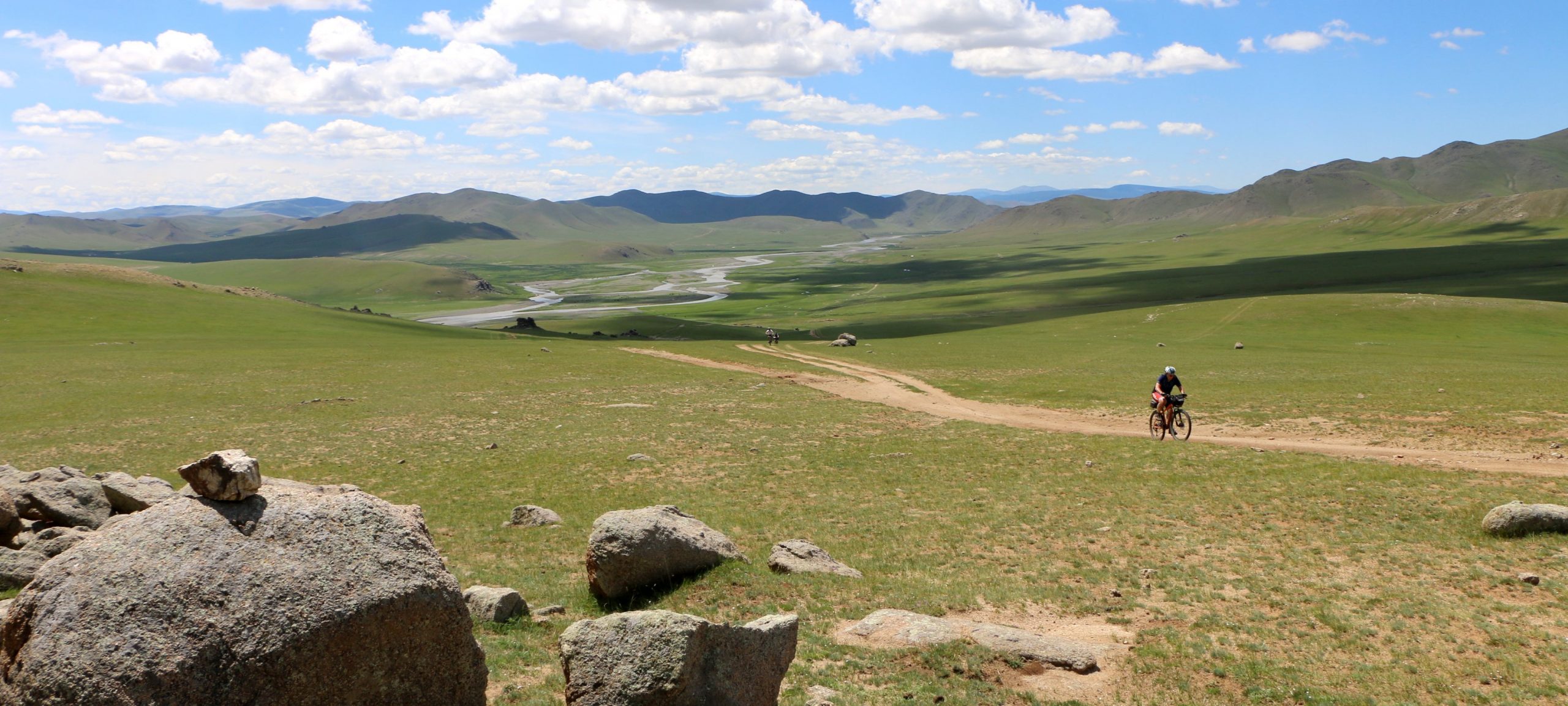
Paul Massie, Hatfield, England, UKPhotos
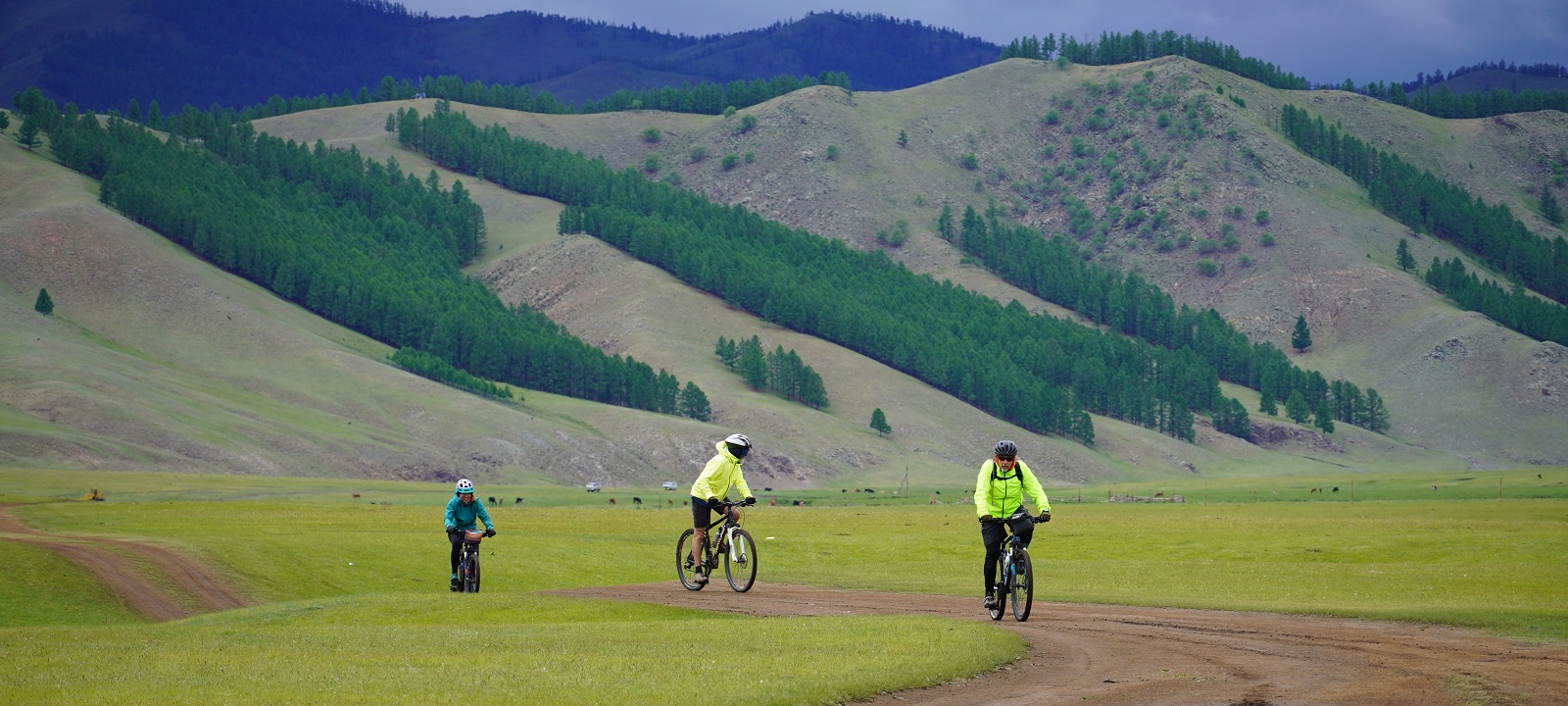
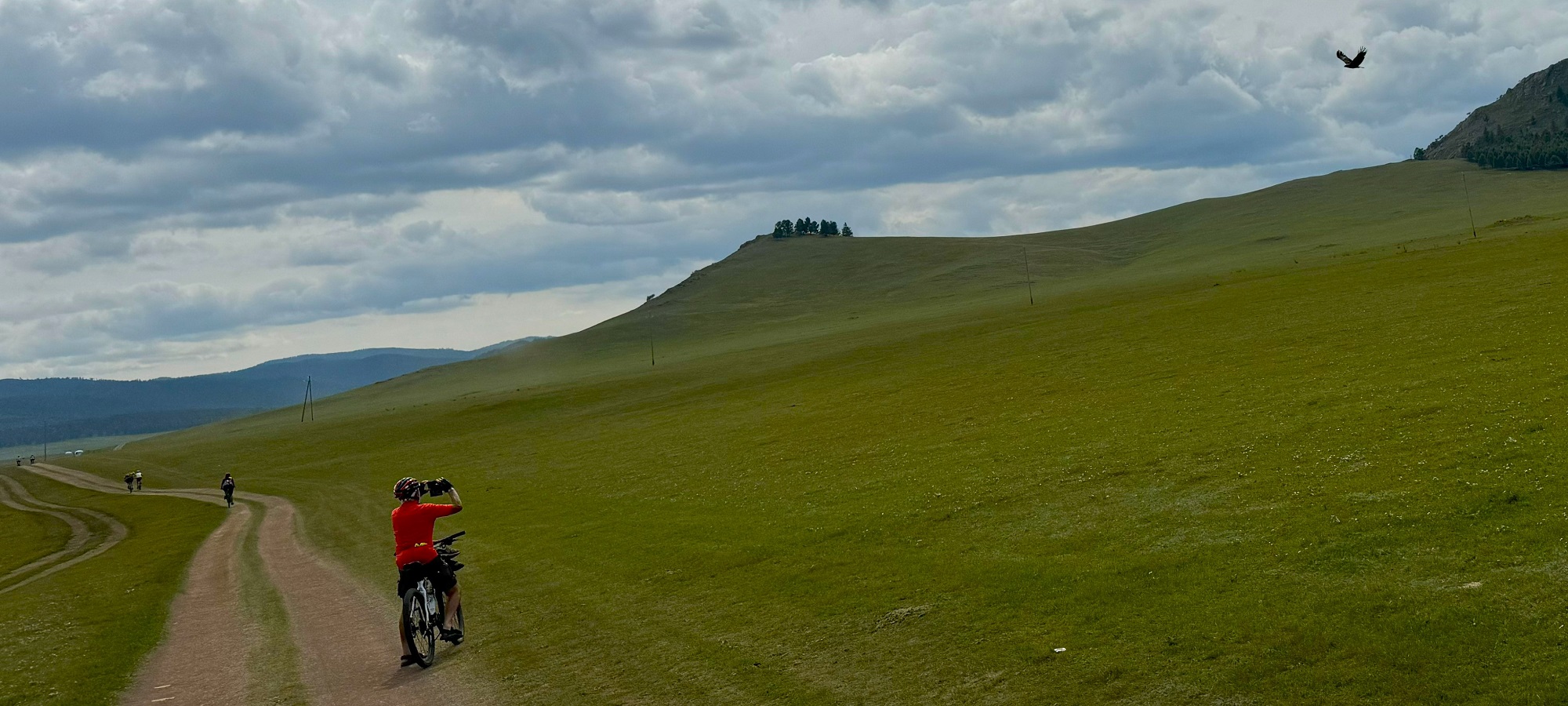
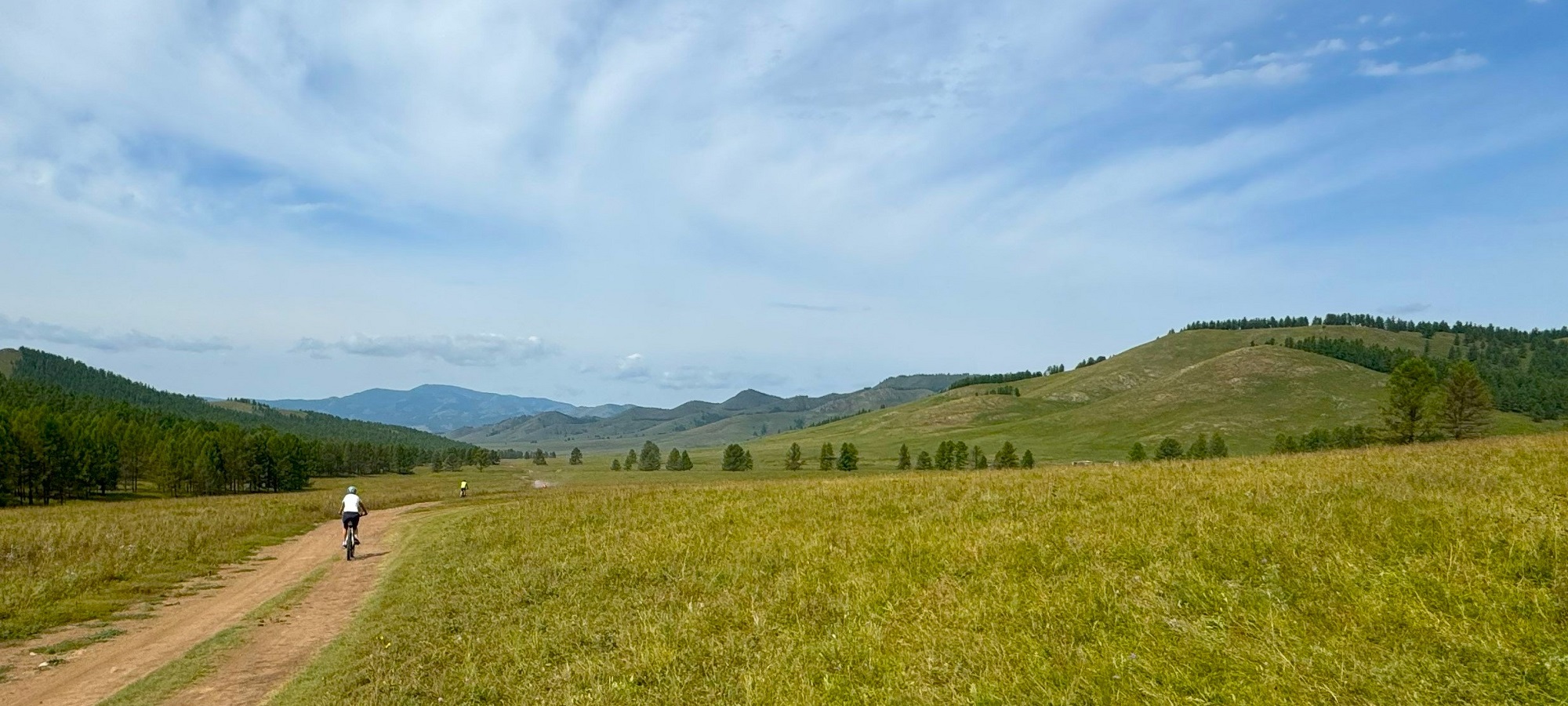
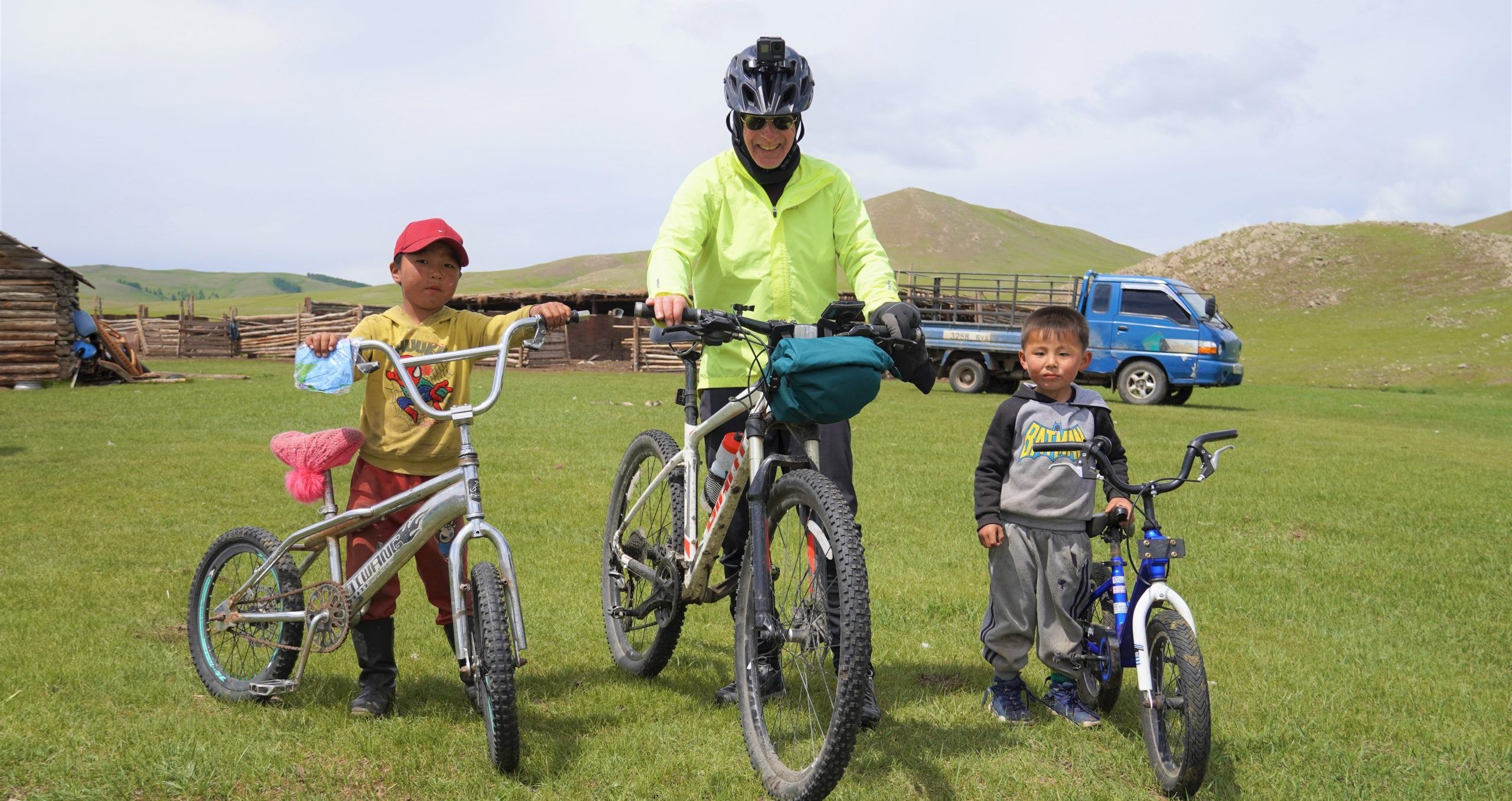
Here are a selection of photos for our ‘Mongolia Bulgan’ Cycling holiday.
Videos
Here are a selection of videos for our ‘Mongolia Bulgan’ Cycling holiday.