- Overview
- Itinerary
- Key Places
- Essential Info
- Accommodation
- Testimonials
- Gallery
- Book Now
Scotland – Far North – Self Guided
10 Day Self-Guided: Road/Touring
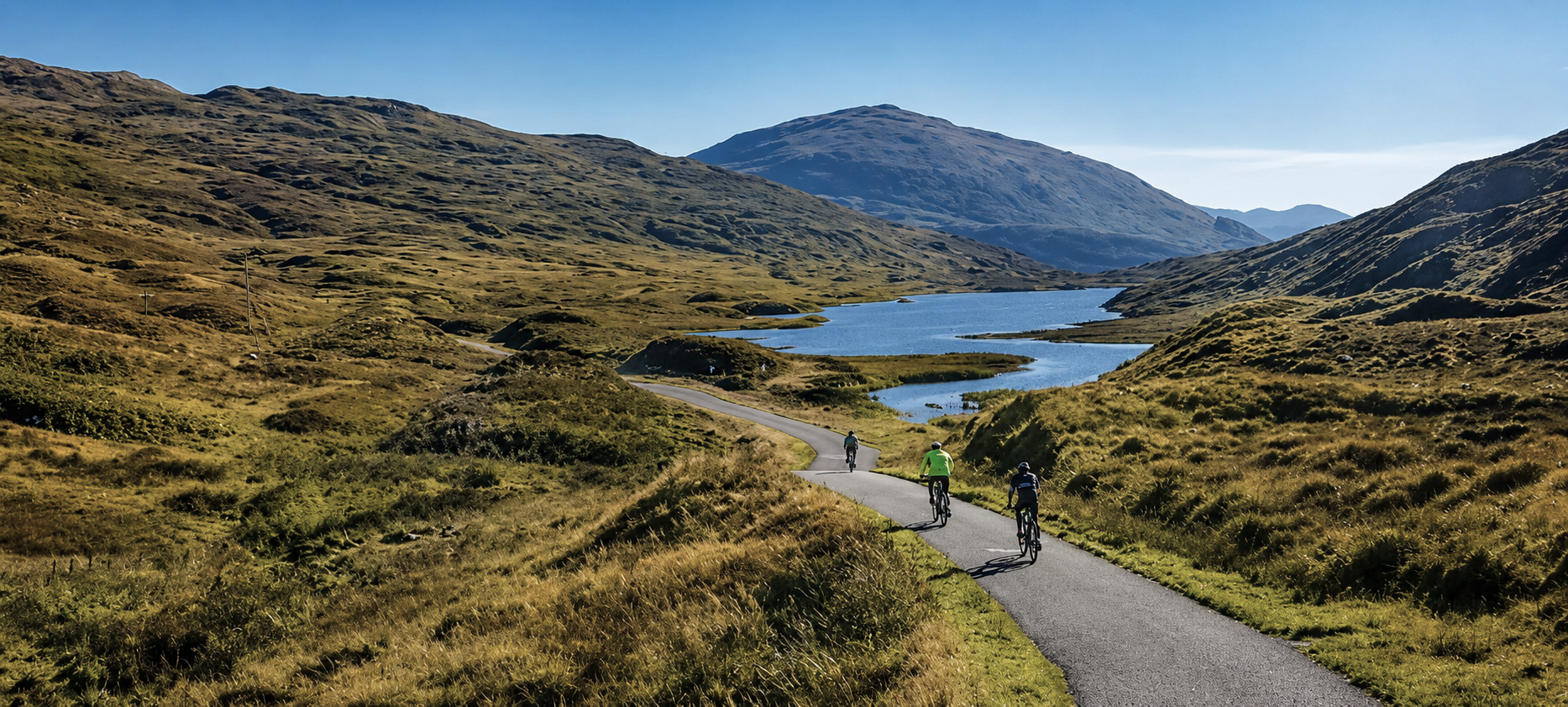
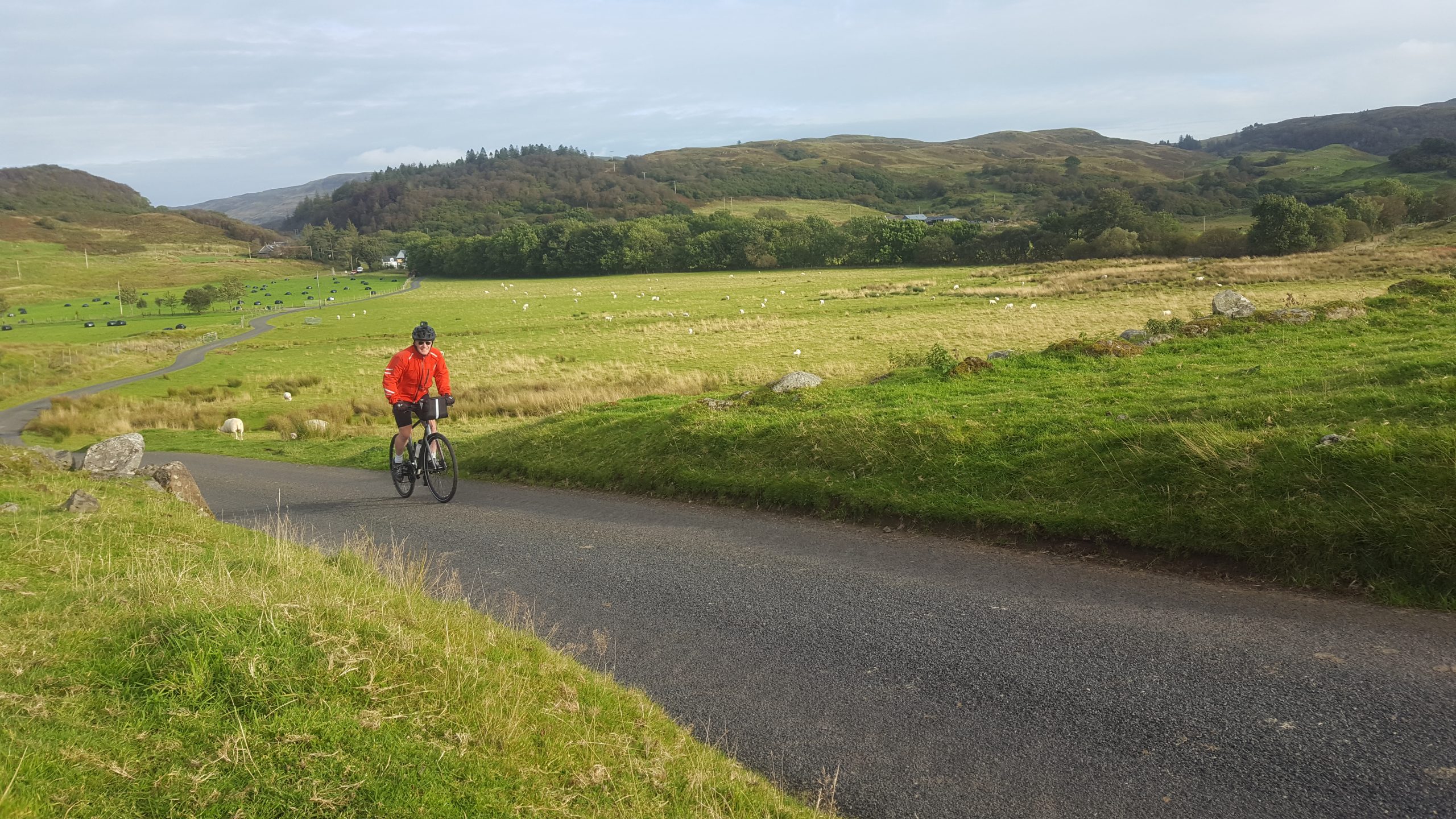
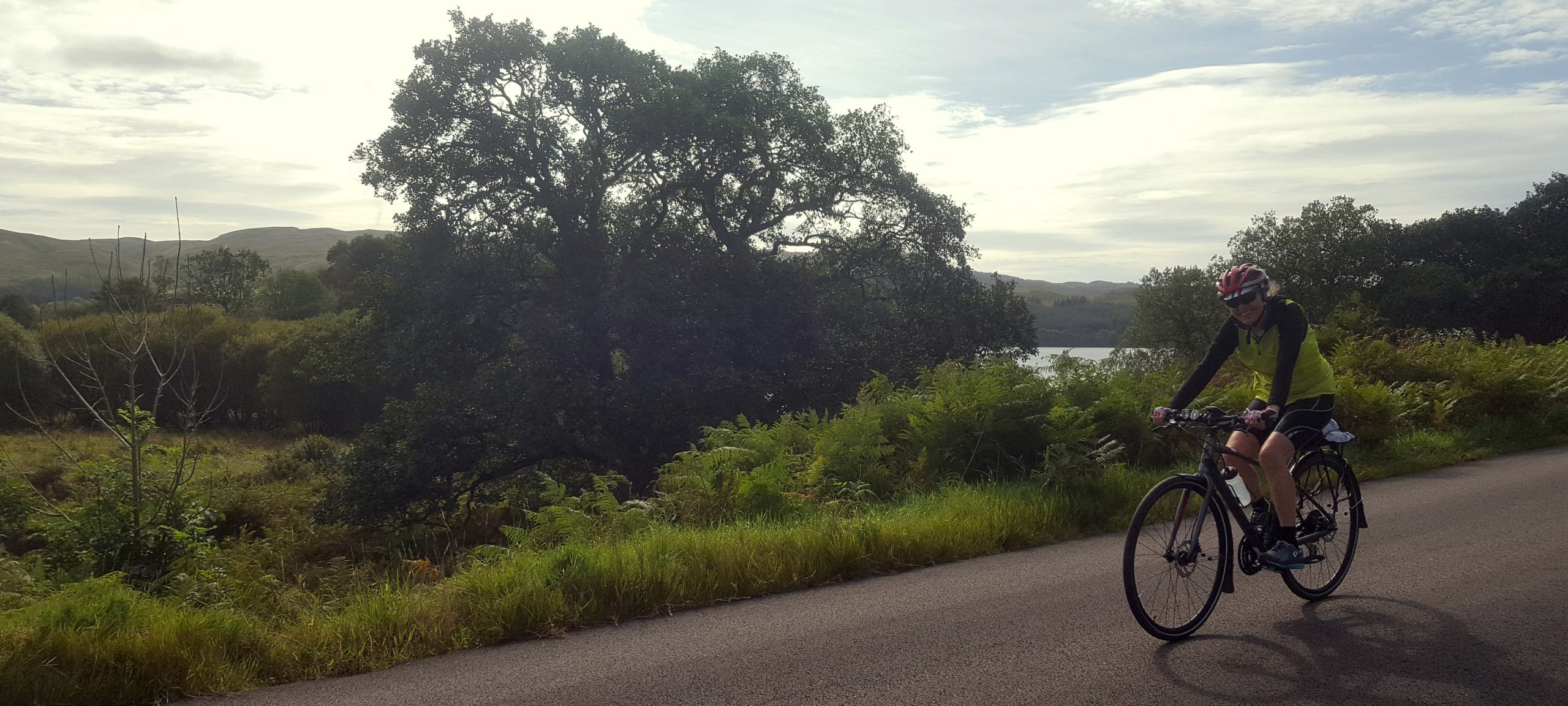
This self-guided cycling tour explores Scotland’s far north, a vast wilderness of heather-clad hills, sea cliffs and ancient glens. Starting in Inverness, the route crosses the Black Isle to Cromarty before following quiet coastal and inland roads past historic towns, whisky distilleries and wildlife-rich nature reserves.
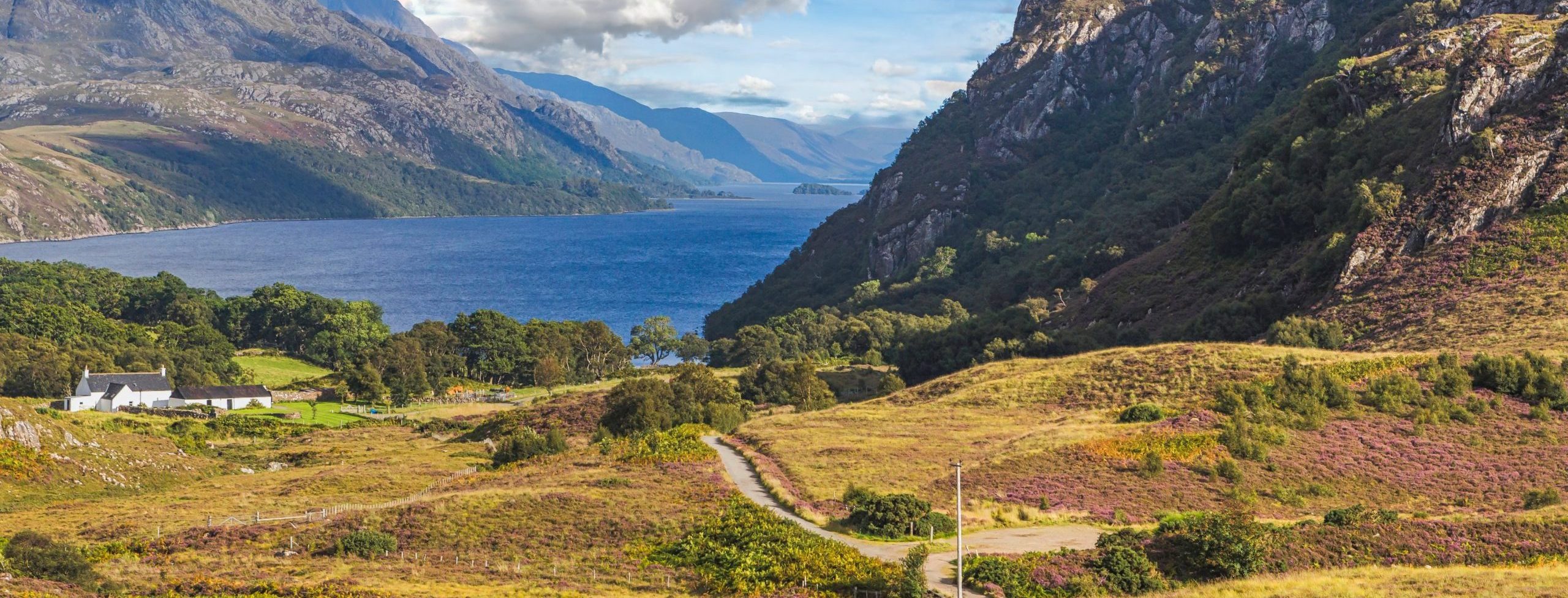
Riding west toward Lochinver and Ullapool, the scenery grows ever more dramatic, with rugged mountains, sparkling lochs and Atlantic coastline unfolding at every turn. After a rest day in Ullapool, the journey continues past Corrieshalloch Gorge and along the shores of Loch Maree before finishing at Achnasheen, a fitting end to this remote and rewarding Highland adventure.
Inverness
Inverness is the gateway to the Scottish Highlands and a fitting start and finish point for this far north cycling adventure. Set beside the River Ness and close to the shores of Loch Ness, the city combines Highland history, riverside charm and easy access to some of Scotland’s most dramatic landscapes.
Before the ride begins, there is time to explore the city’s castle viewpoint, riverside paths, historic streets and welcoming pubs. From Inverness, the route heads north into quieter country, leaving the city behind for coastal roads, open moorland, lochs and remote Highland villages.
Tain & the Dornoch Firth
Tain is one of Scotland’s oldest royal burghs, with a peaceful town centre, historic buildings and a strong Highland character. The ride from Inverness towards Tain brings a rewarding mix of coastal scenery, farmland, woodland and views across the firths of the east coast.
This section introduces the quieter rhythm of the Highlands, with wide skies, rolling roads and glimpses of the sea. Nearby, the Dornoch Firth and surrounding countryside add to the sense of space, making Tain a gentle but memorable first stop on the route north.
Lairg & the Heart of Sutherland
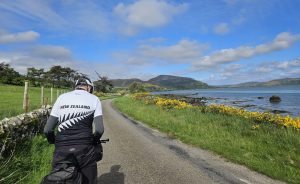
Lairg sits at the southern end of Loch Shin and is often described as a crossroads of the north Highlands. Surrounded by open moorland, forest, rivers and lochs, it marks the transition from the gentler east coast into the wilder landscapes of Sutherland.
Cycling towards Lairg gives a real sense of entering Scotland’s remote interior. The roads become quieter, the views broader and the landscape more rugged, with sweeping Highland scenery that captures the lonely beauty of the far north.
Lochinver & Assynt
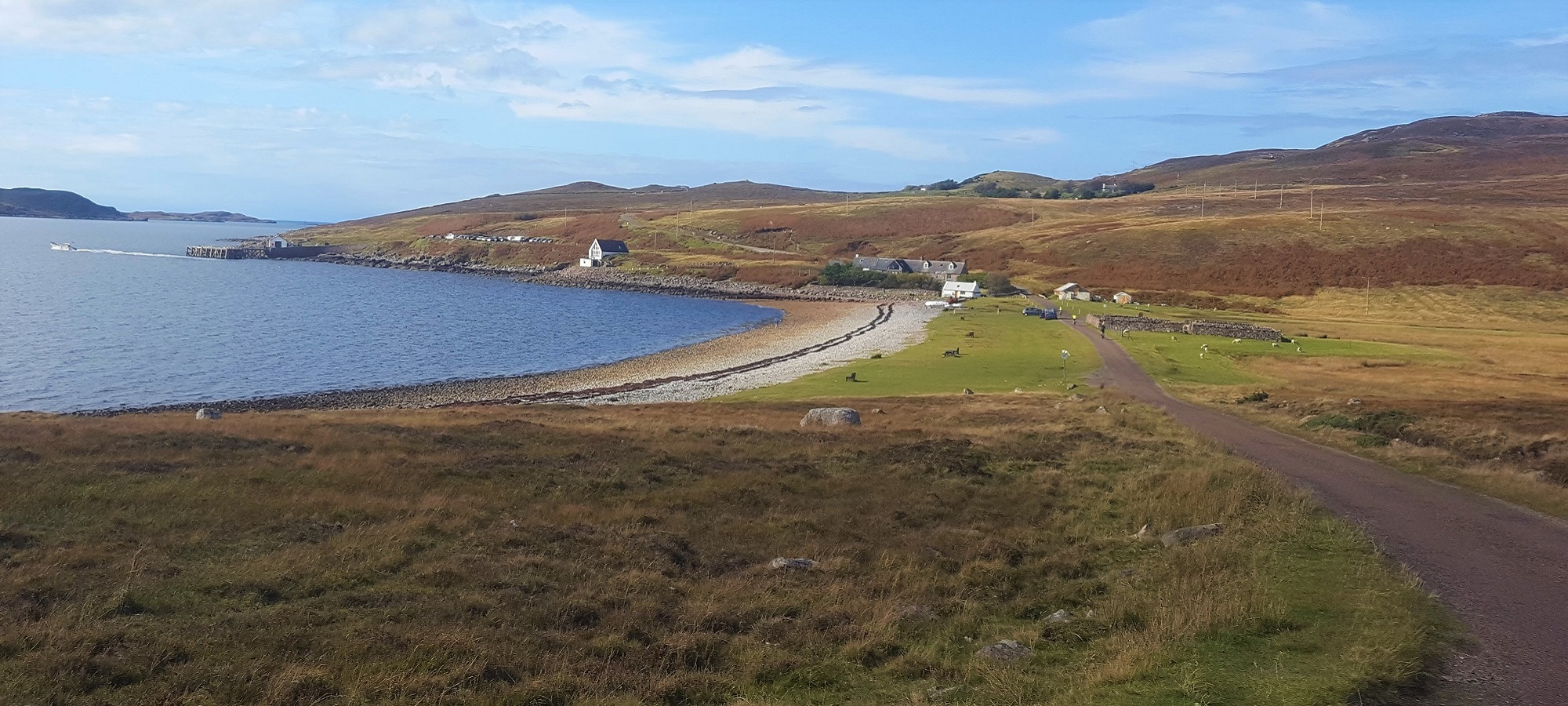
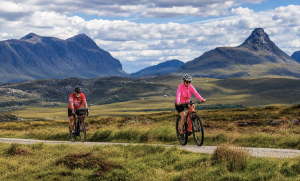
Lochinver is a small fishing village set on Scotland’s wild west coast, surrounded by some of the most distinctive mountain scenery in the Highlands. The journey from Lairg to Lochinver is one of the great scenic sections of the tour, leading through the dramatic landscapes of Assynt.
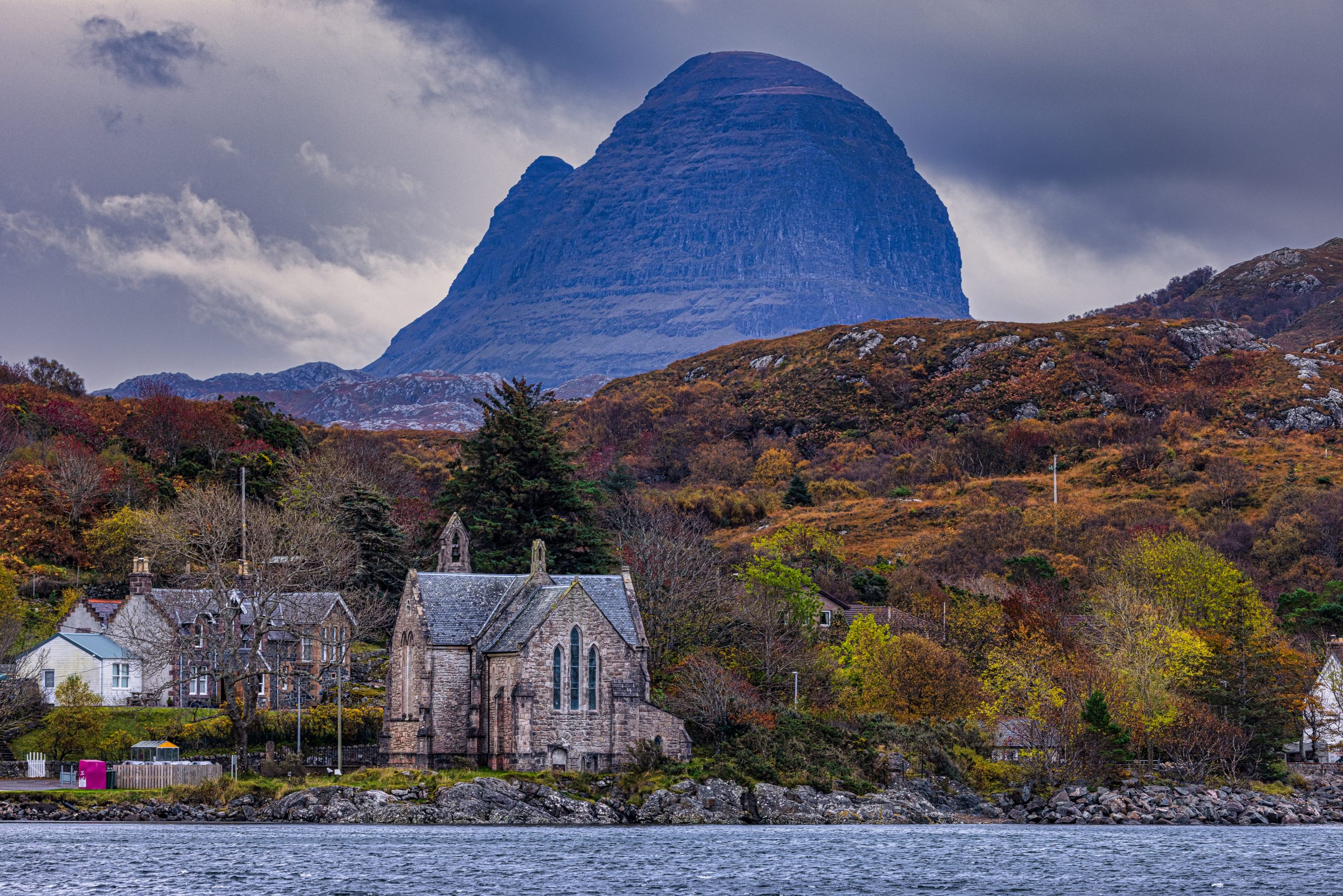
This is a region of ancient rock, sparkling lochs, white beaches and iconic peaks such as Suilven, Canisp and Quinag. A rest day in Lochinver offers time to enjoy the coast, explore the village, sample local seafood or simply soak up the atmosphere of one of Scotland’s most beautiful and remote corners.
Inverpolly Nature Reserve
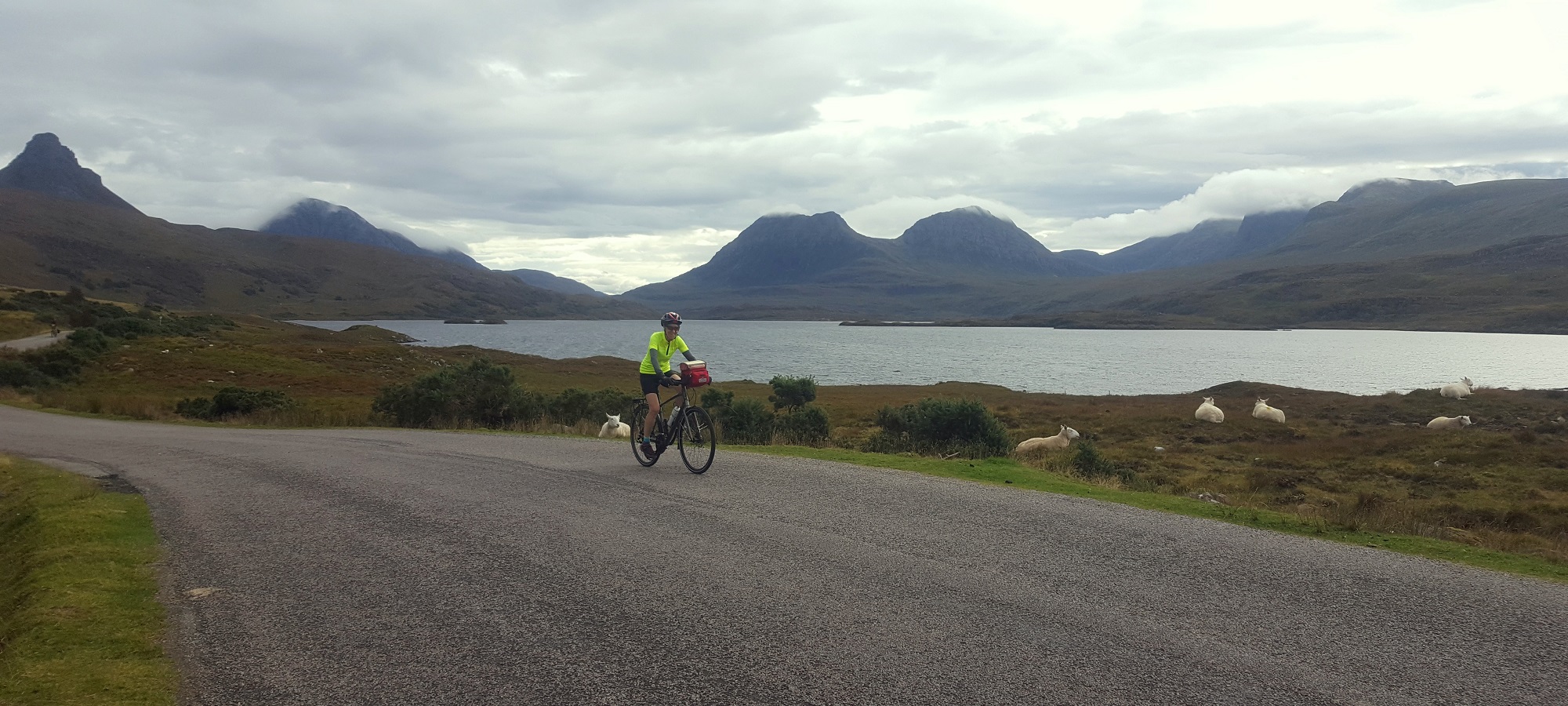
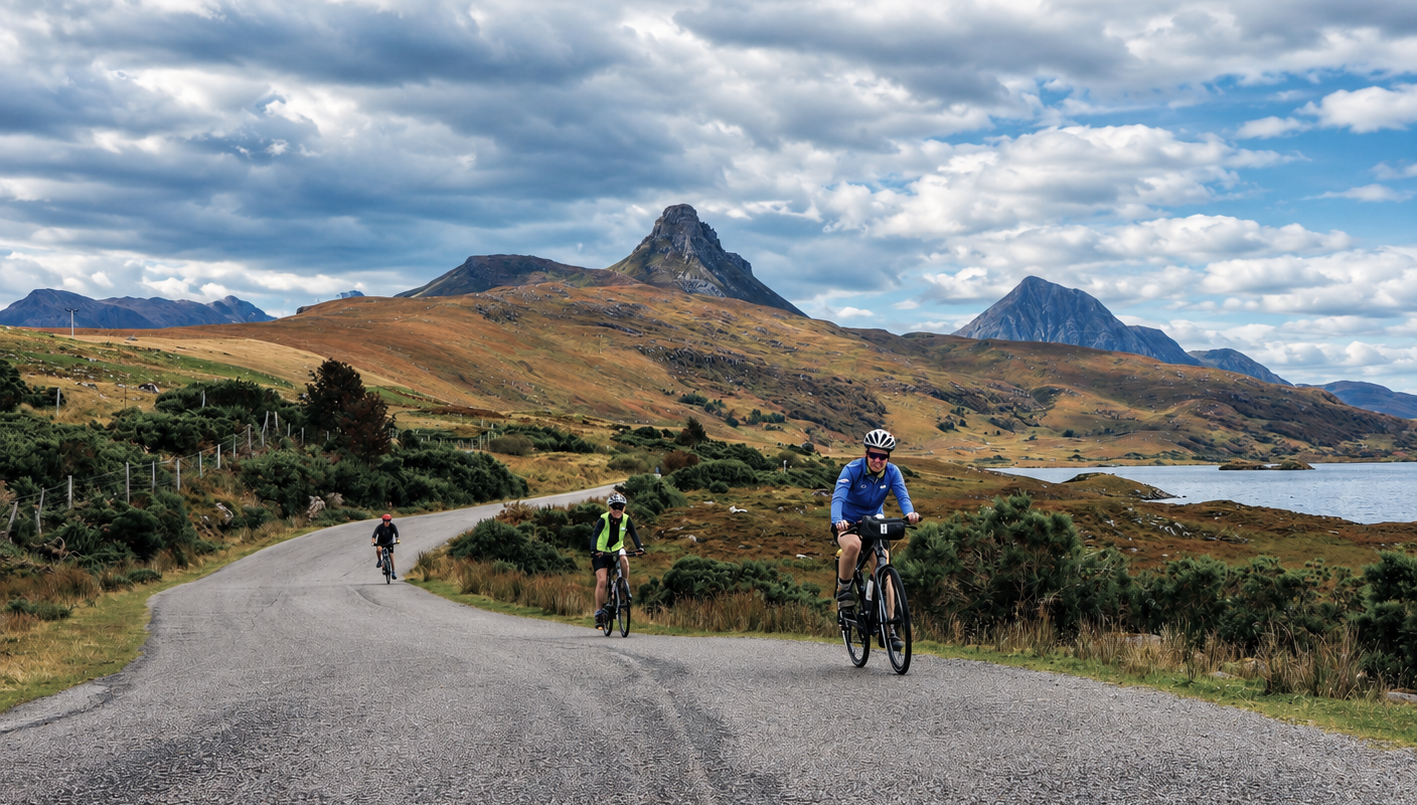
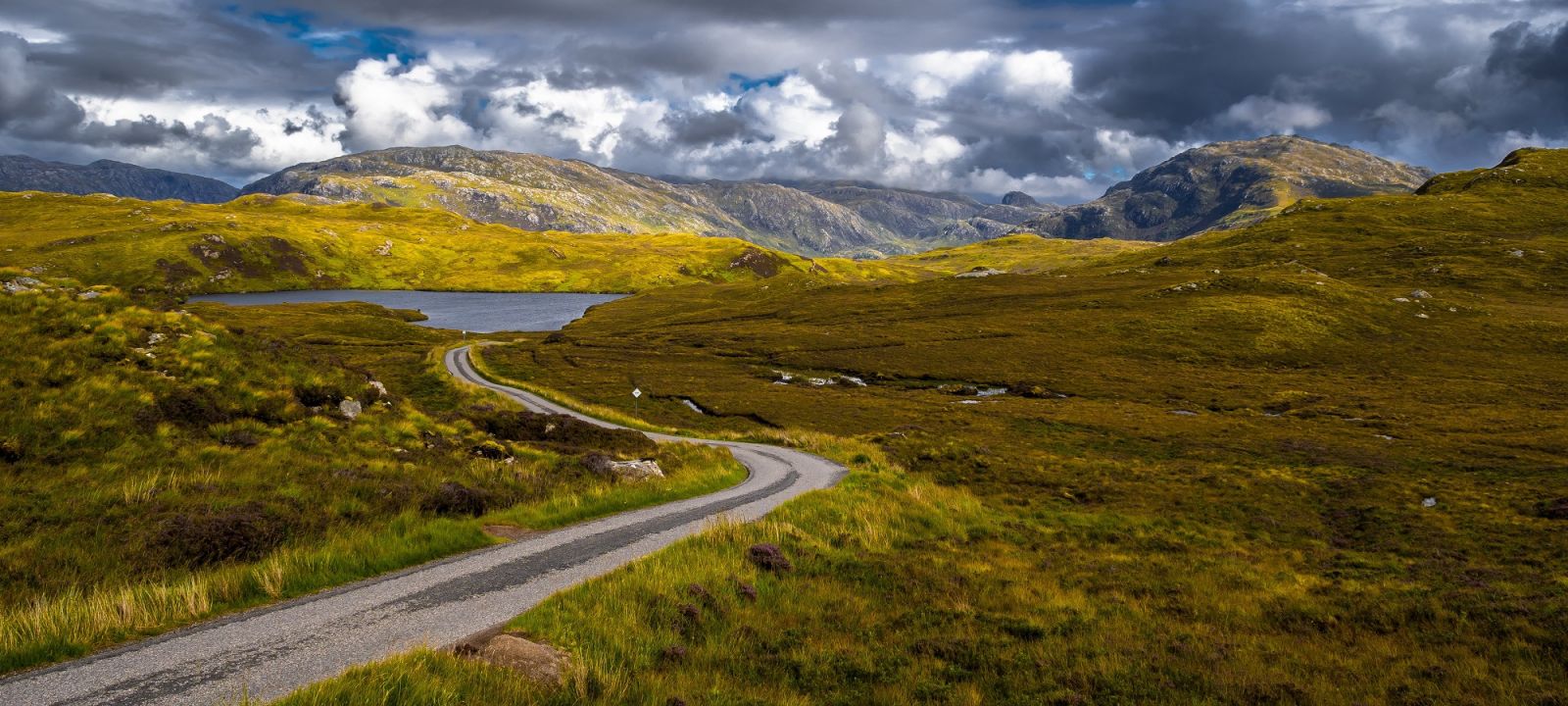
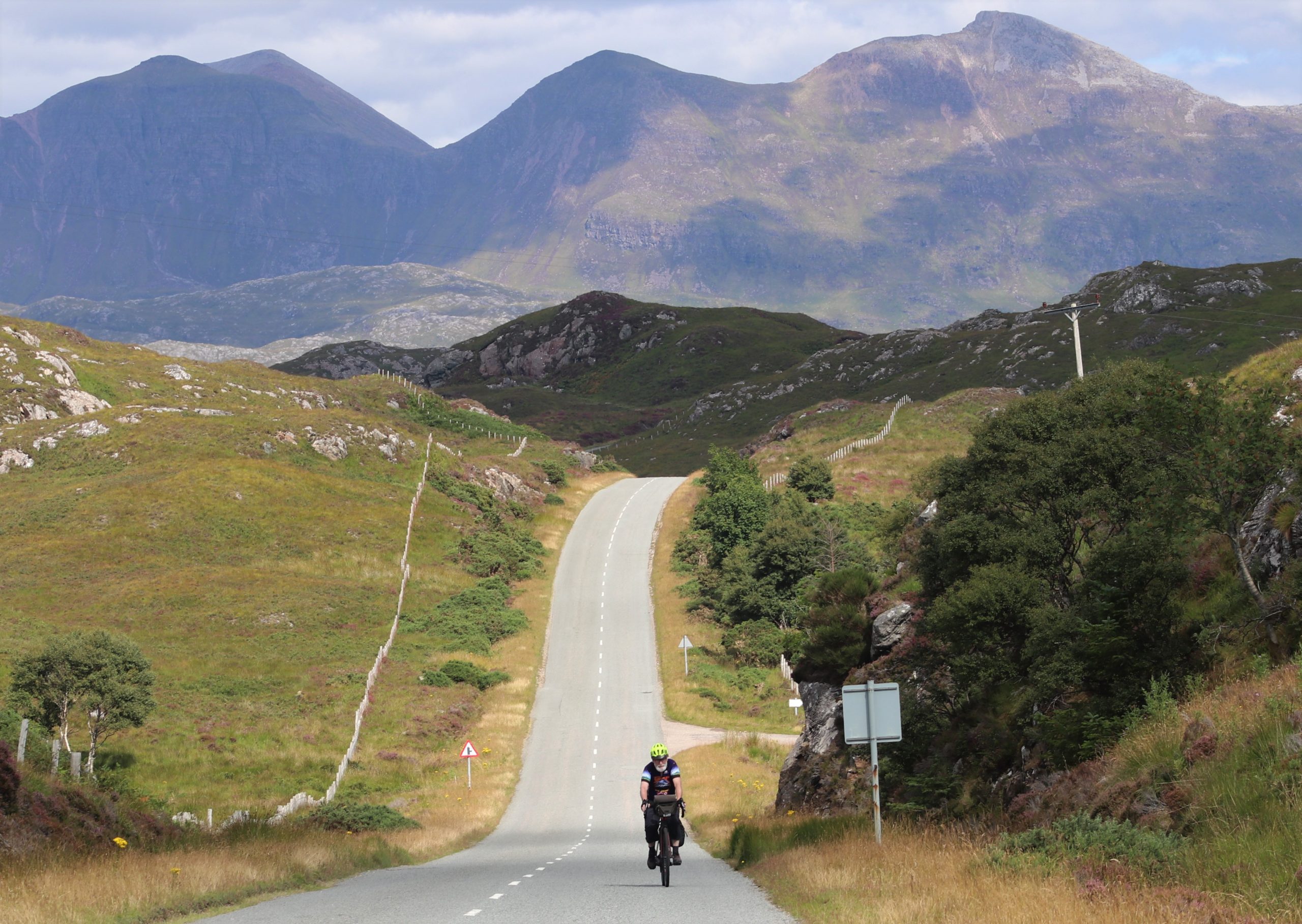
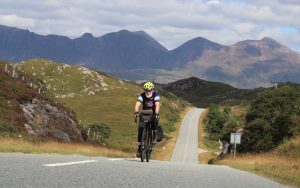
Inverpolly Nature Reserve is one of the wildest and most beautiful landscapes in the Scottish Highlands. Covering a vast area of rugged mountains, ancient lochs, peatlands, and remote wilderness, the reserve is home to some of Scotland’s most iconic scenery. Cycling through this region offers uninterrupted views of dramatic peaks such as Stac Pollaidh, Cul Mor, and Suilven, rising abruptly from the surrounding moorland.
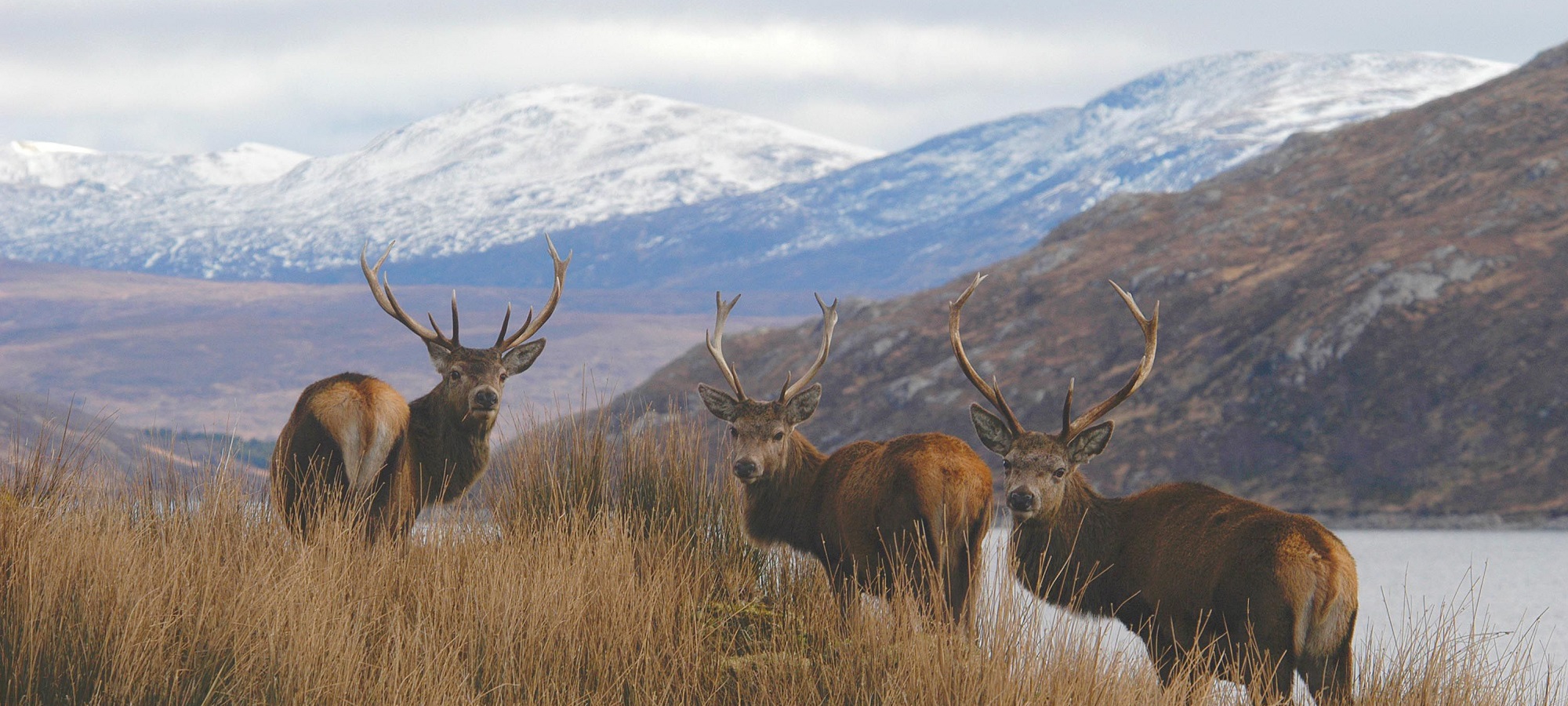
The reserve is also a haven for wildlife, with opportunities to spot golden eagles, red deer, otters, and a variety of rare birds. The quiet roads that wind through Inverpolly provide a true sense of remoteness and freedom, making this one of the most memorable sections of the tour. For many cyclists, the combination of spectacular mountain scenery, pristine lochs, and the sheer scale of the landscape represents the very essence of the Scottish Highlands.
Itinerary

Your redspokes self-guided Scotland cycling tour begins in the Highland capital, Inverness. Flights to Inverness are routed from destinations across the UK and Europe. There are good coach and rail links to Inverness as well. From the airport, coach and rail stations taxis are readily available to take you to your hotel. For details see Essential Information as well as your Joining Instructions. On arrival, you have a free afternoon to explore the area. You could visit Inverness Old Town, the Victorian Market or St Andrew’s Cathedral or take a circular walk from the castle along the river and through the Ness Islands.
You will be met at 6pm this evening at your accommodation by a redspokes representative with introductions and a tour briefing for your forthcoming self-guided tour.
Accommodation: B&B
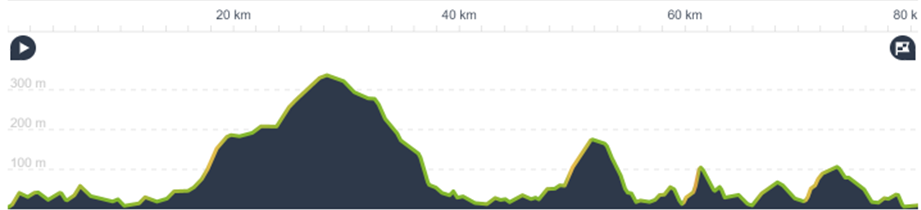
The first day of your cycling tour from Inverness to Loch Ness starts with a gentle ride along mostly flat terrain for the initial 20 kilometers. The route gradually climbs as it reaches Dores, offering beautiful views of the loch. However, the real challenge begins after Foyers, where the profile reveals a series of steep ascents, peaking at around 300 meters. The demanding climbs reward cyclists with panoramic views before rolling over undulating terrain. As the route nears its end, there’s a long, exhilarating descent back to Inverness, a perfect way to wrap up the first day’s ride with a rush of speed and satisfaction.
Cycling Distance: 72 km (45 miles)
Cycling Ascent: 570 m (1,870 ft)
Accommodation: Hotel (B)
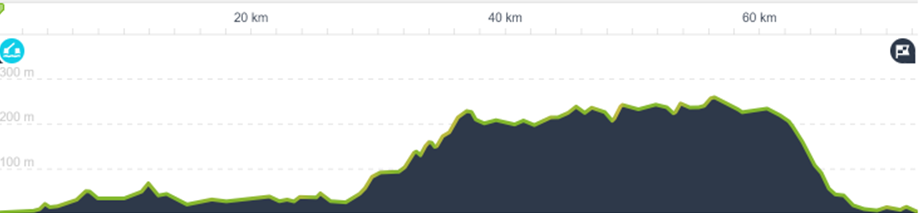
The first part of our day is a ride to Chanonry Point on the scenic Black Isle, one of the best coastal vantage points for observing dolphins, seals and porpoises. From here you continue to Cromarty, the Highlands’ best preserved historic town, where we take a ferry to reach Nigg. Known as ‘The King’s Ferry’, this route was taken by King James IV on pilgrimage to the shrine of St Duthac at Tain. This is one of the smallest car ferries in the world.
From Nigg you cycle to the village of Shandwick, passing the ancient Shandwick Stone, which is in a glass case on your left, before the run down into the village. You continue, riding through farmland via Balnagall. You drop downhill to reach a long straight, level road, then cross a railway line before making another climb back up into the ancient town of Tain where you stop for the night. There is a museum in Tain, and a display telling of the ancient kings of Scotland who visited this place.
Cycling Distance: 68 km (42 miles)
Cycling Ascent: 541 m (1,775 ft)
Accommodation: Hotel (B)
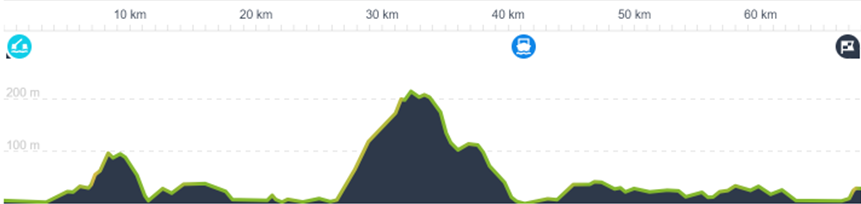
You start today’s self guided ride by passing the famous Glenmorangie distillery before crossing the Dornoch Firth on the A9 bridge. Next, you reach Dornorch, an Edwardian resort town. You ride up the coast northwards to Skelbo, cycling along the water’s edge following Loch Fleet inland. The area is a Scottish heritage nature reserve. The tidal basin is home to a wide range of habitats and species. You cross over the river at the tip of the loch and continue riding inland climbing over the next 9 miles to reach Muie, your route continues to follow the River Fleet. You ride a short drop before climbing again to your high point of the day before dropping down to reach your hotel at Rosehall.
Cycling Distance: 63 km (39 miles)
Cycling Ascent: 379 m (1,425 ft)
Accommodation: Hotel (B)
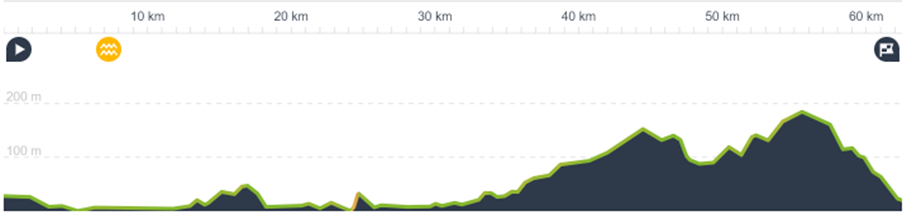
This morning your self-guided tour continues as you ride along back roads through lovely, wooded scenery beside the river Oykel. The Oykel flows down the slopes of Ben More and through an ice-gouged valley. This is a particularly rugged area of the Western Highlands and includes several nature reserves that foster a responsible connection between visitors, communities and natural environments. After approximately 25 miles you cycle alongside Loch Borralan before turning north towards “The Bone Caves” which are certainly worth a visit. They are a series of natural caves located high on a limestone cliff, Creag nan Uamh (Crag of the Caves). From here it’s fairly flat for 15 miles to reach your accommodation at Lochinver.
Cycling Distance: 64 km (40 miles)
Cycling Ascent: 594 m (1,950 ft)
Accommodation: B&B (B)
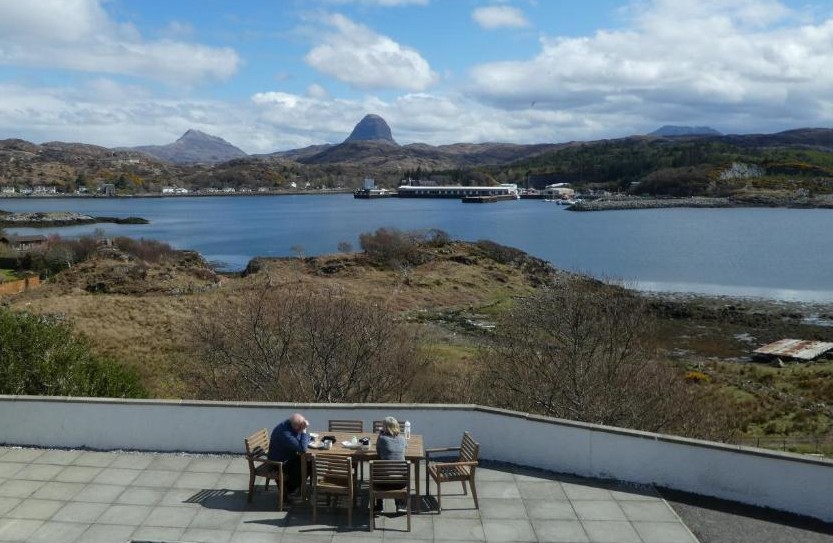
Tucked into the Assynt coast and nestled between dramatic mountain backdrops, Lochinver is a peaceful fishing village on the western shores of Scotland’s Highlands. With a population of around 650, it remains a small but welcoming community and offers an ideal base for a rest day, rich in both natural beauty and local character.
Historically, Lochinver developed as a herring port in the 19th century and today is still home to a busy harbour, supporting both local fishing and visiting boats. The harbour remains the heart of the village and offers scenic views of Suilven, the iconic sugarloaf-shaped mountain that dominates the Assynt skyline.
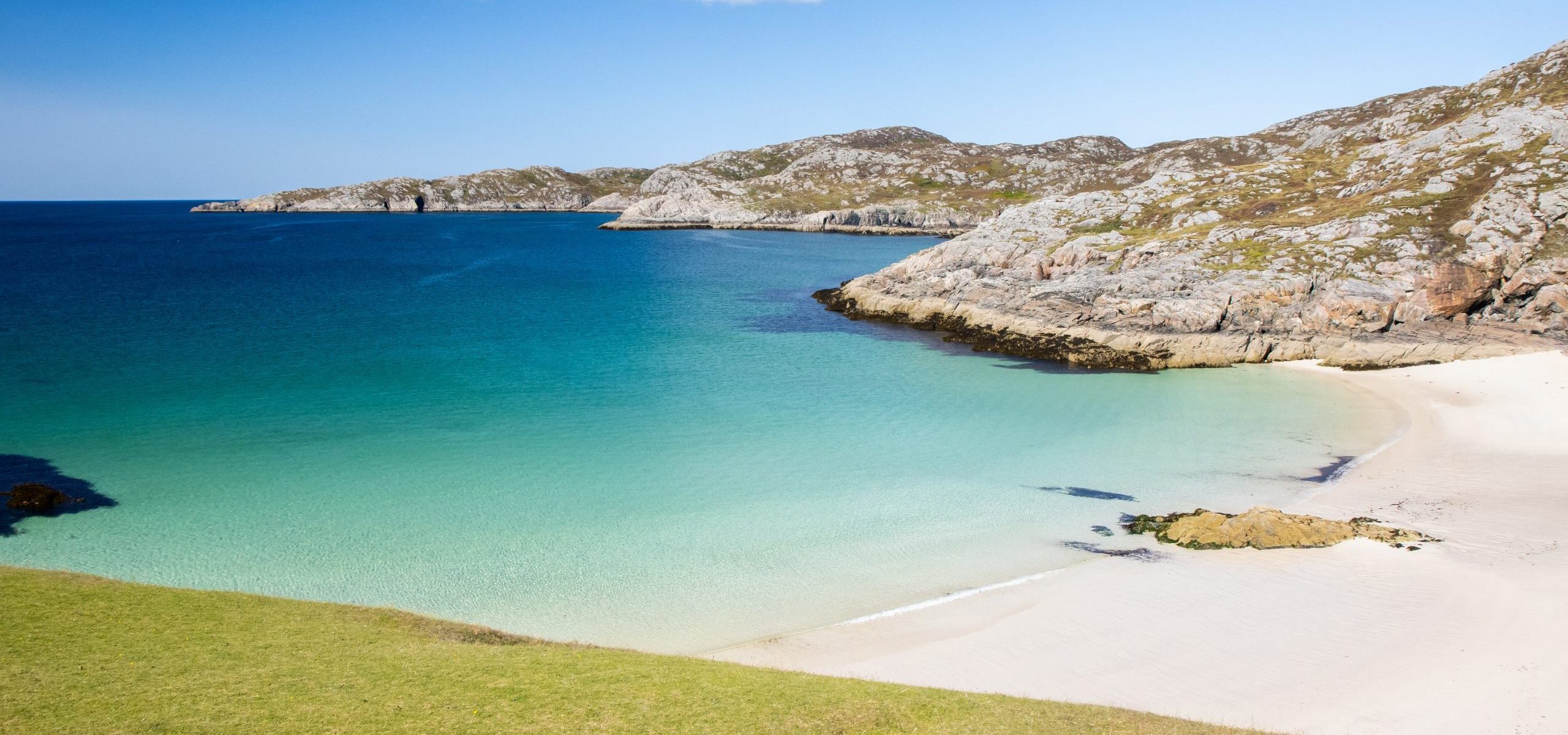
From Lochinver, there are several rewarding short rides or walks suitable for a rest day. Just a few miles away, the white sands of Achmelvich Beach offer turquoise waters and a striking contrast to the rugged coastline—perfect for a picnic or a refreshing dip.
If you have more eneregy a short cycle or hike futher takes you to Clachtoll Beach, known for its dramatic rock formations and ancient geology, part of the North West Highlands Geopark. For a more relaxed outing, stroll around the village, visit the Assynt Visitor Centre, or enjoy coffee and freshly baked treats at the famous Lochinver Larder, renowned for its hearty pies.
Accommodation: Hotel (B)
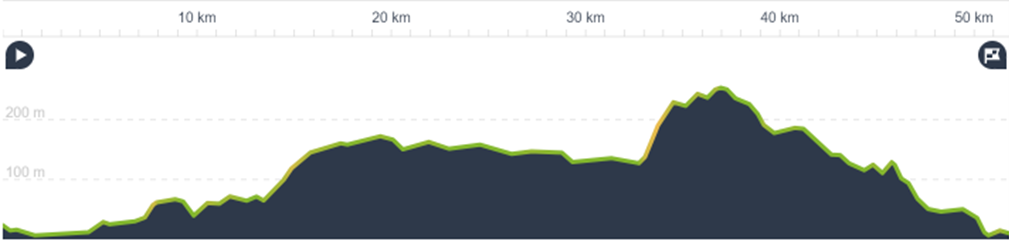
You’ll be riding a series of climbs and descents as you cycle south from Lochinver to Inverkirkaig where you skirt round the bay before heading inland again, following a stretch of water known as Elder’s Pool and then cross over the River Kirkaig. You climb again and head back downhill to Loch An Arbhair. You reach the coast and follow the waterside for a short while before riding back inland with more climbs and descents to reach Loch Osgaig. On a fine day you’ll have a clear blue sky view out to sea. You continue for a few miles on flat terrain to Loch Ra and then ride uphill to begin our loop around Achiltibuie.
From Achnahaird you set off in an undulating anti-clockwise direction; you ride on to Althandu and Polbain crossing moorland with little other than abandoned stone crofts and grazing sheep around you with views of the Summer Isles across the water, before you reach Achiltibuie. In Gaelic, romantically, Achiltibuie means ‘field of the yellow-haired boy’ and is one of the five fields that are collectively known as the area Coigach: an oasis of peace and scenic beauty.
You head on up passing Loch Ra and Loch Vatachan before you retrace our tracks passing Loch Osgaig again and take a twisting road climbing to Drumrunie with a few drops as you ride alongside Loch Bad a’ Ghaill and Loch Lurgainn with the dramatic Stac Pollaidh peak to our left. From Drumrunie you turn southwest towards Strathcanaird from where you continue making a steep descent enjoying clear views of the Coigach Hills. You reach the coast again just before Ardmair before one final uphill ride of the day before you roll down into Ullapool.
Cycling Distance: 74 km (46 miles)
Cycling Ascent: 915 m (3,004 ft)
Accommodation: Hotel (B)
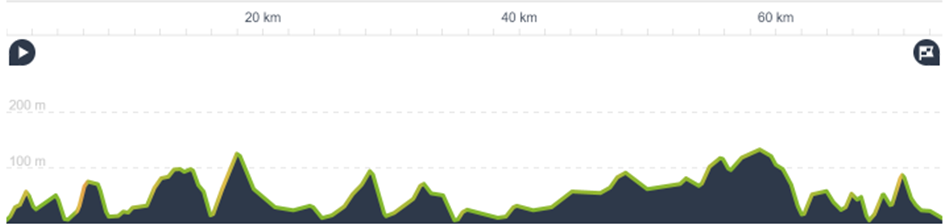
You start the day cycling along Loch Broom, then turn and begin cycling inland and uphill along the Corrieshalloch Gorge National Nature Reserve. This is a beautiful, forested area where the river Droma rushes along a series of tumbling waterfalls.
You continue cycling on a downhill ride back to the coast reaching the banks of Little Loch Broom and Gruinard Bay, enjoying beautiful scenery. From here the ride continues along Loch Ewe and just before arriving at Poolewe, a visit to Inverewe Gardens, a unique Atlantic coast botanical garden is a must. This area is a good place to spot red squirrels, red deer, otters, golden eagles and sea eagles.
Cycling Distance: 79 km (49 miles)
Cycling Ascent: 998 m (3,275 ft)
Accommodation: Hotel (B)
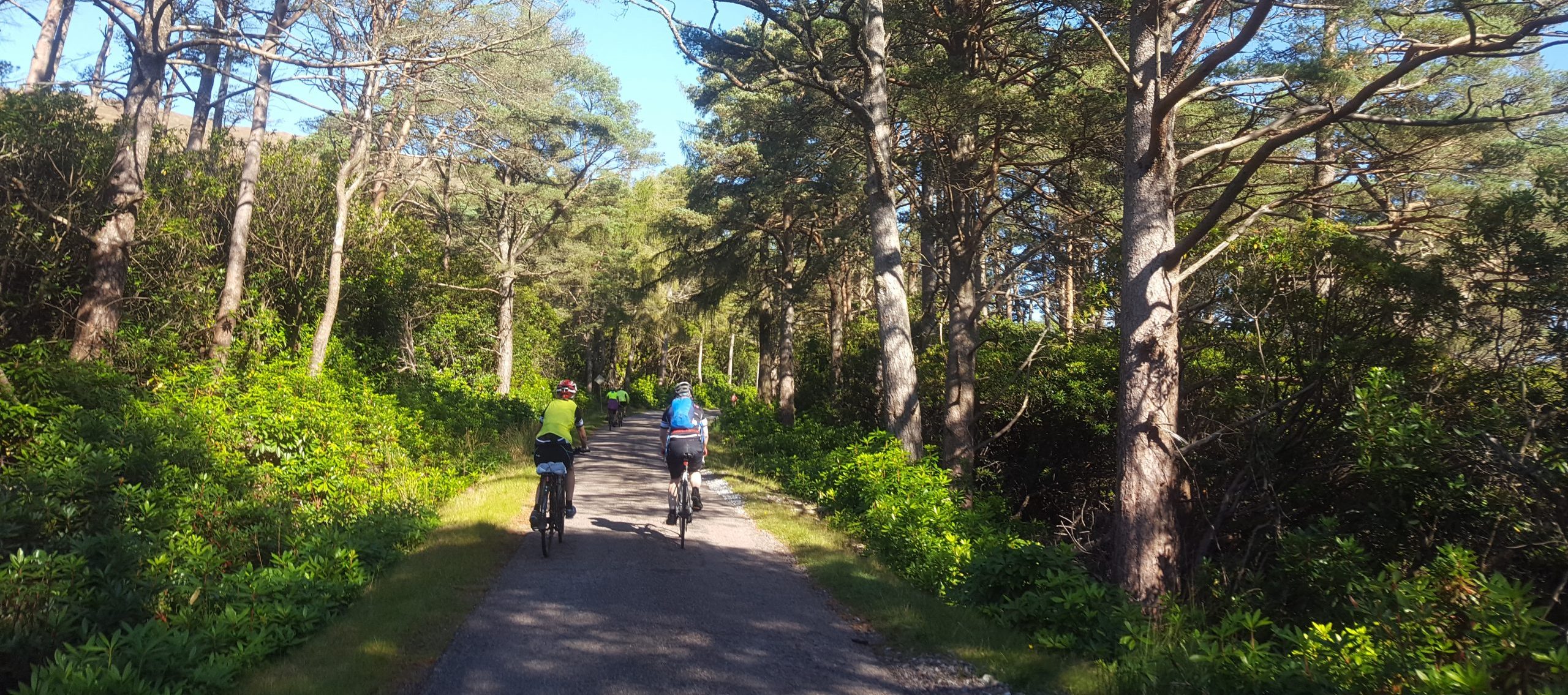
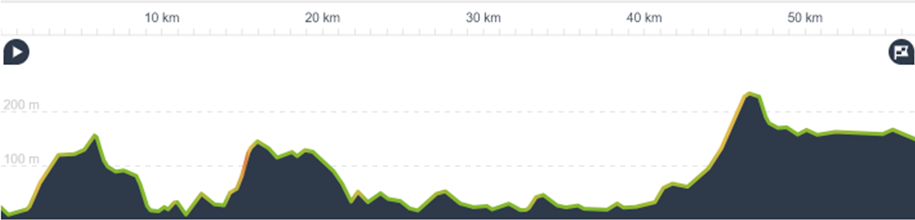
Your last day of cycling is rewarded with a scenic ride to the picturesque village of Gairloch. Set amidst rugged moorland it has some of the prettiest scenery in the whole of the British Isles. A few miles from here, you get views of Loch Maree, named recently as one of Britain’s favourite scenic views in a national newspaper poll. Dotted with 30 islands and bordered by the mass of Slioch (3,215 ft) to the north and ancient Caledonian pine forest to the south, its home to the Black-throated divers, Sea Eagle, Otters and Red Deer, that are known to swim from the mainland. Your cycling finishes a few miles further on at the remote village of Achnasheen where you will be transferred by train back to Inverness. The journey takes about 1.5 hours, arriving into the city around 4.30pm.
Cycling Distance: 56 km (35 miles)
Cycling Ascent: 672 m (2,205 ft)
Accommodation: B&B (B)
Your self-guided Scottish cycling tour officially ends this morning.
(B)
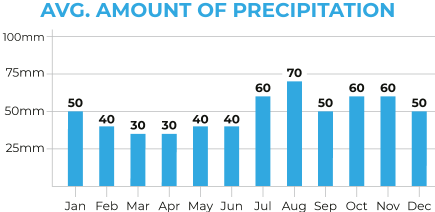
Essential Info
The Essential Information for this tour is currently unavailable.
Accommodation
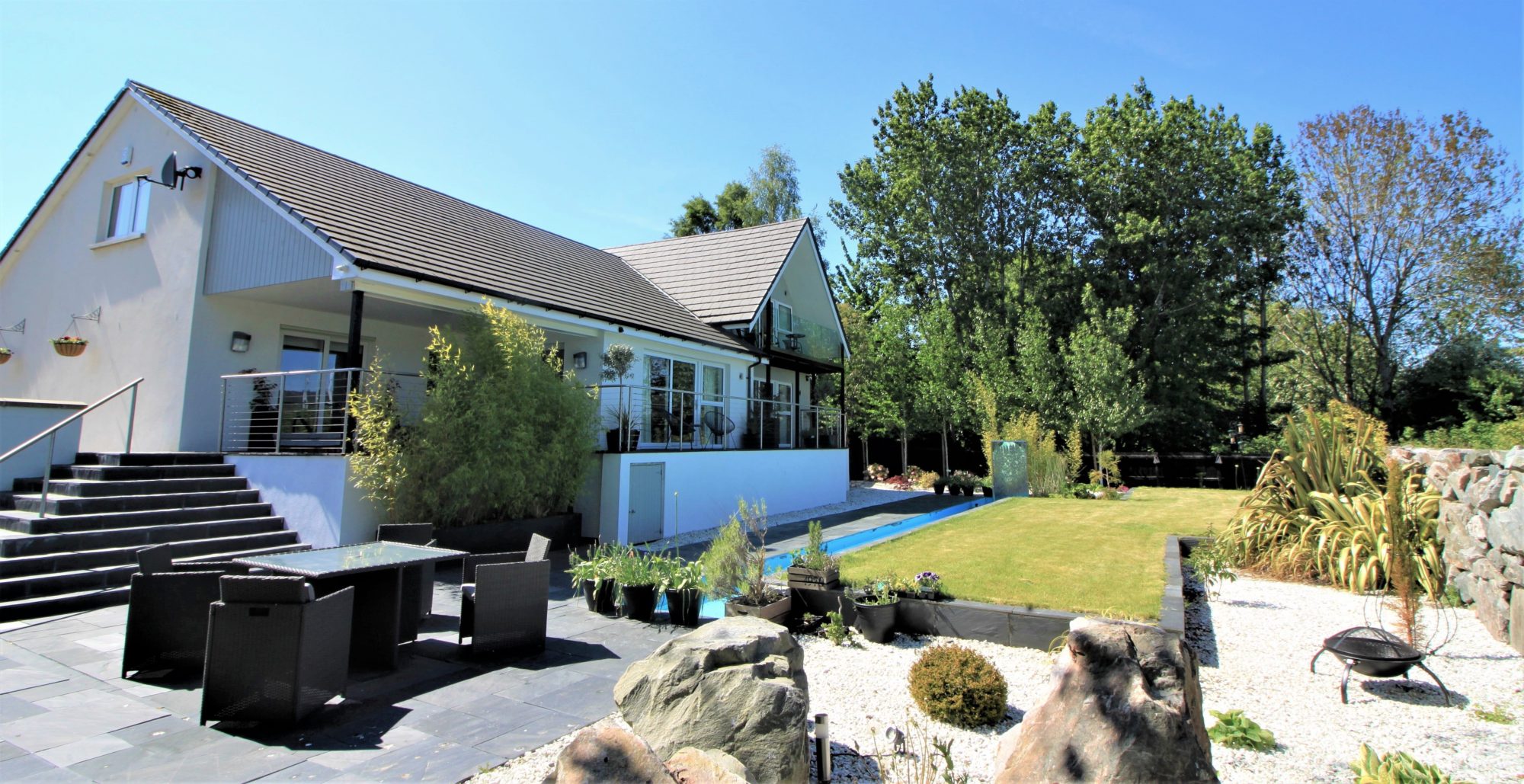
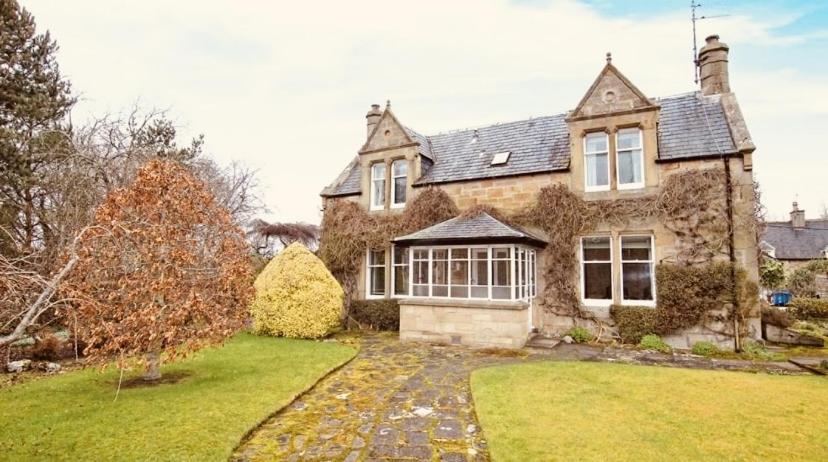
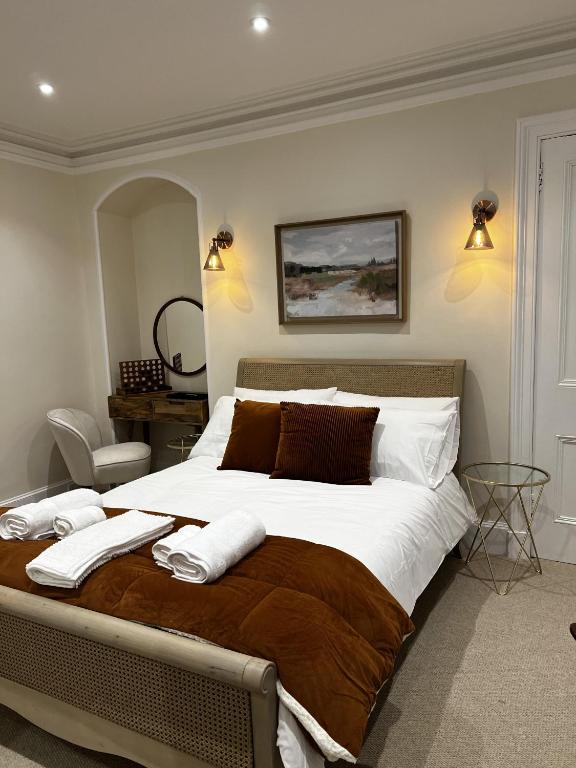
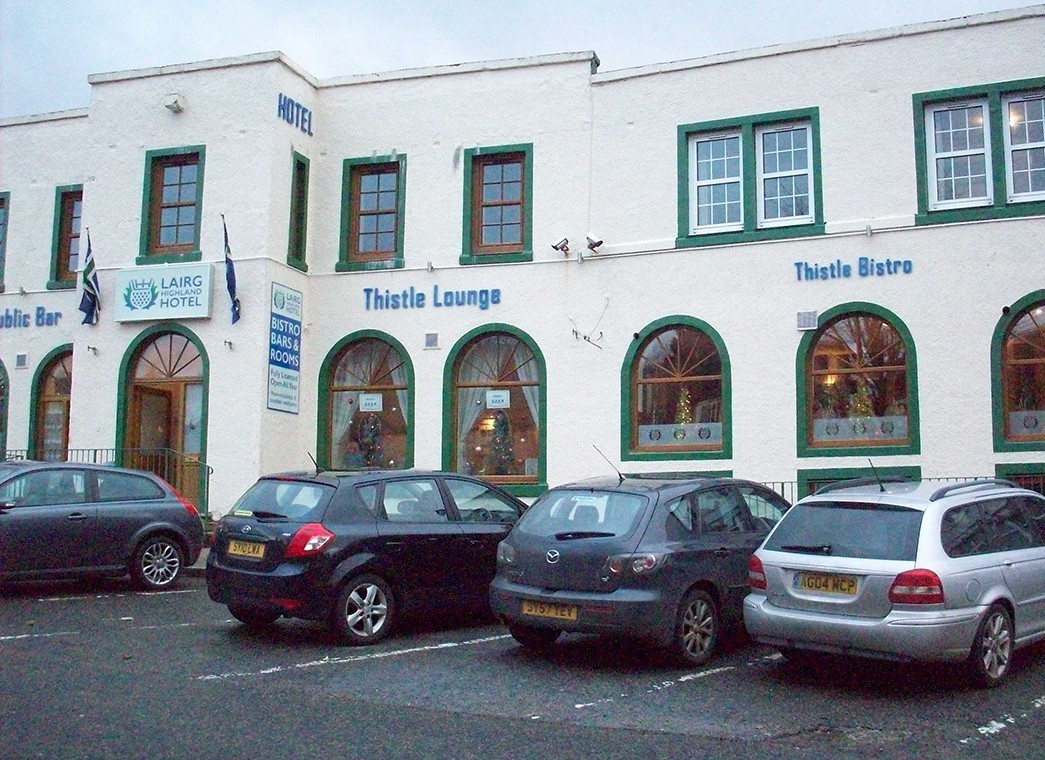
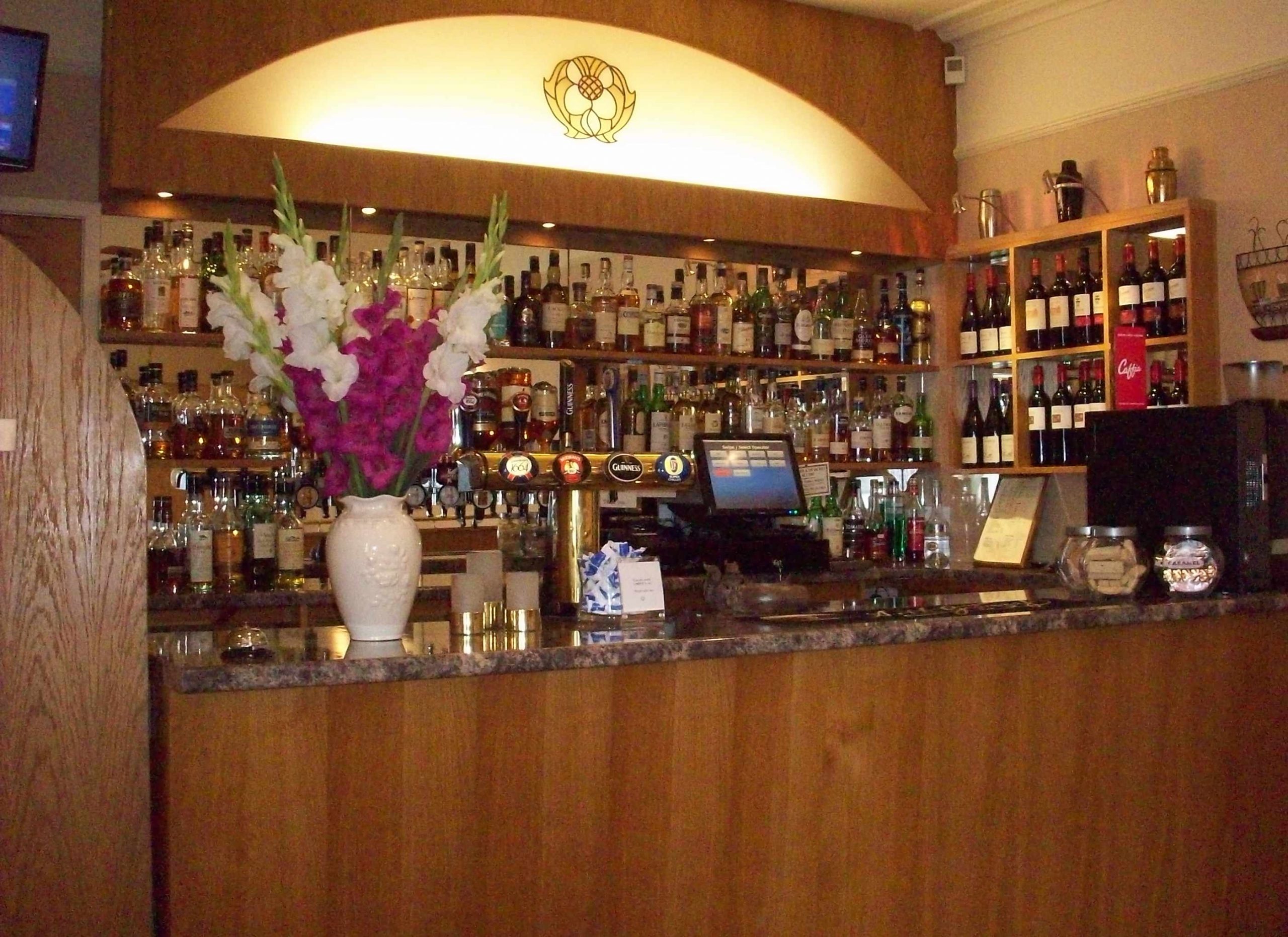
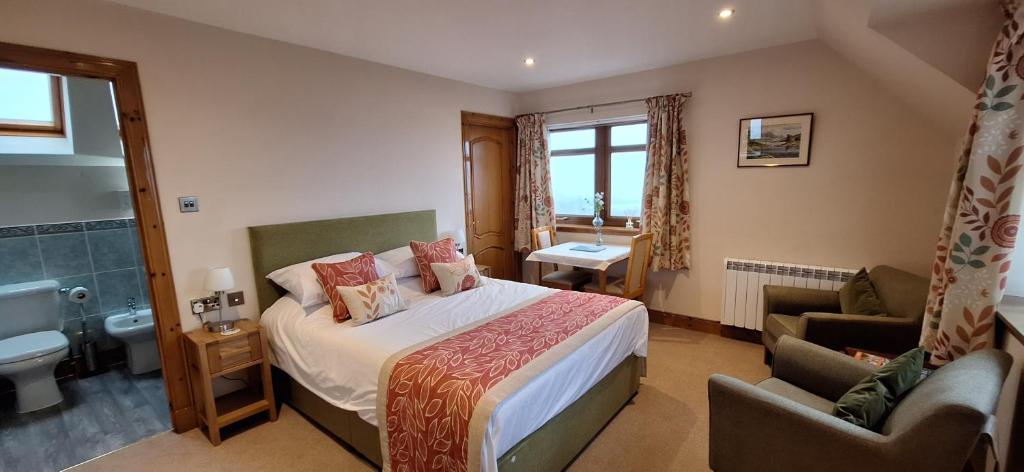
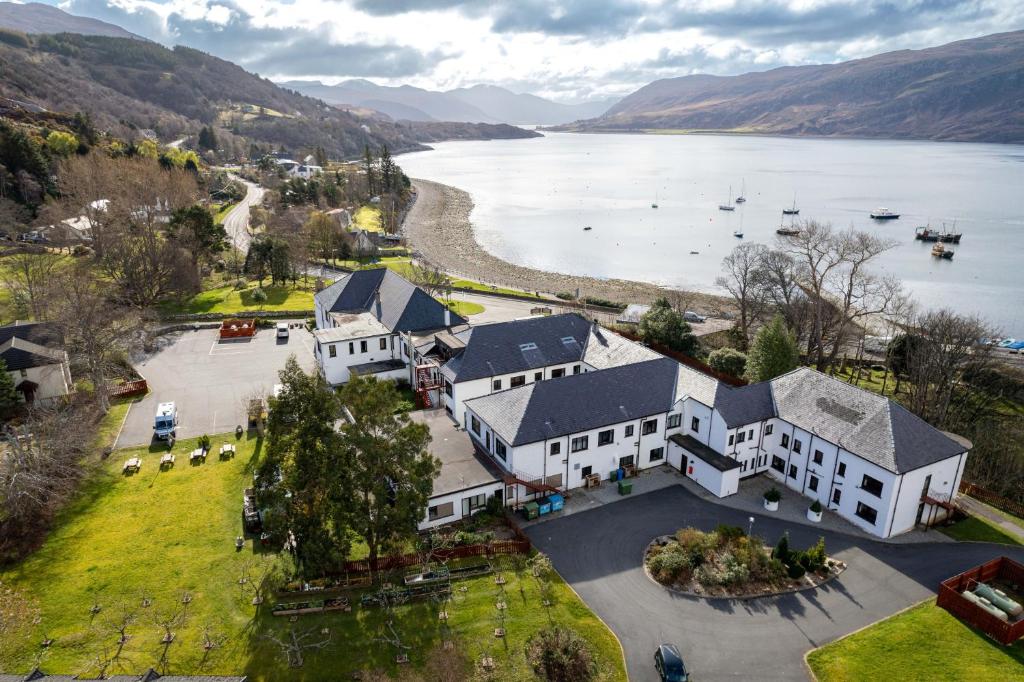
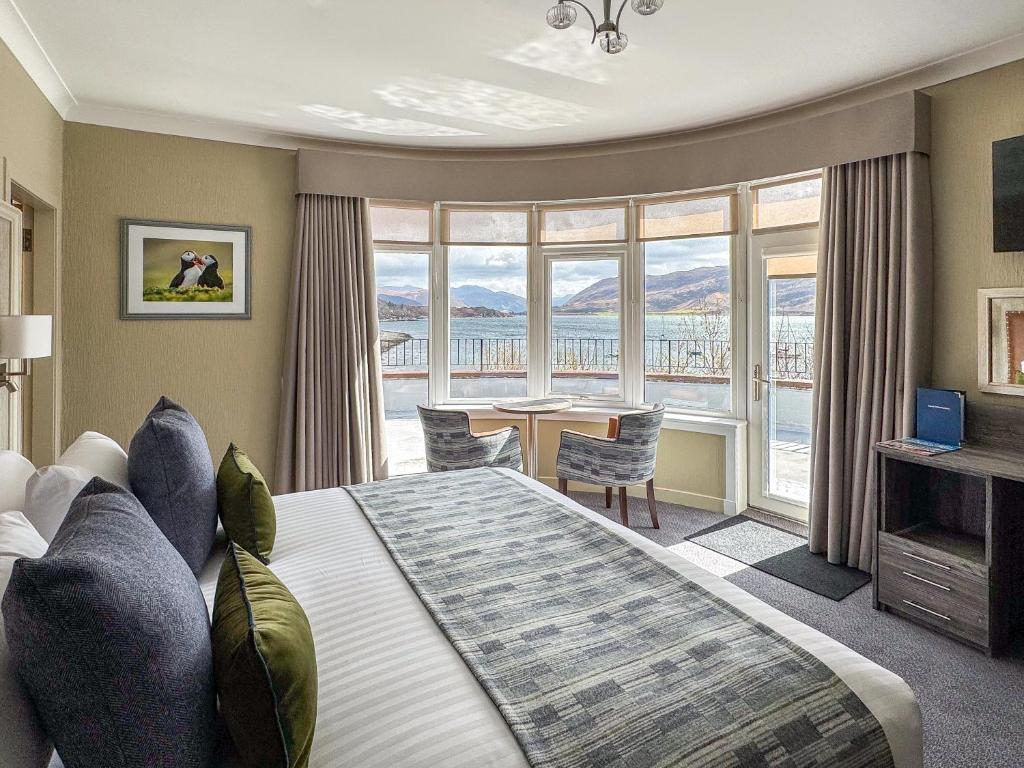
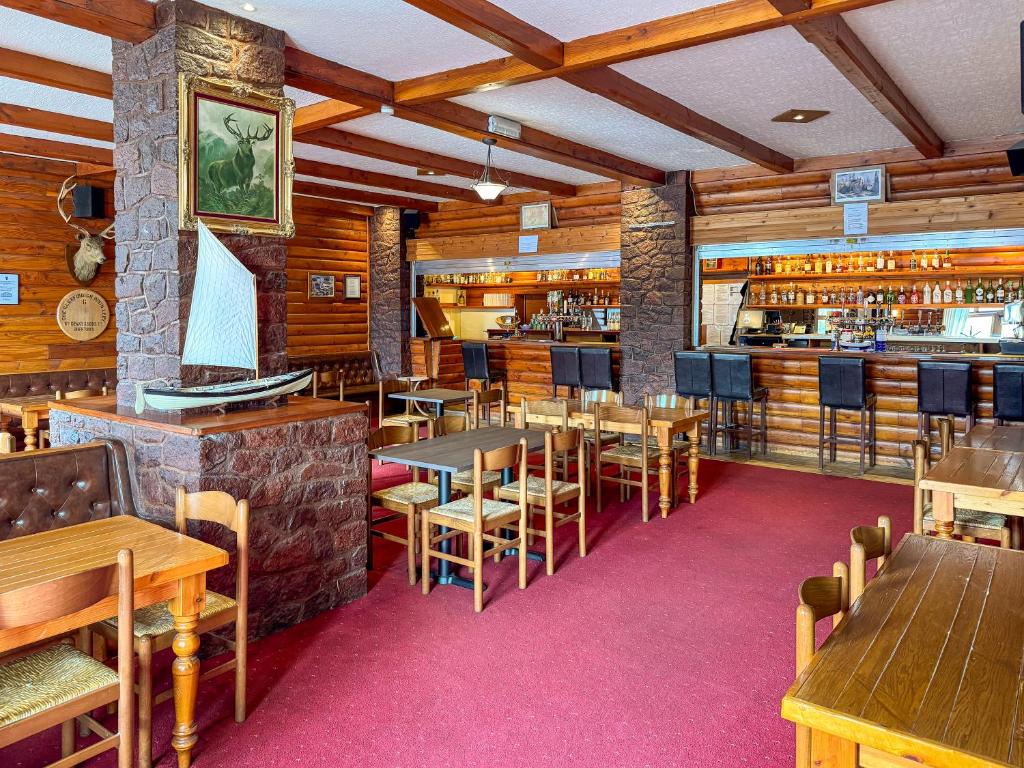
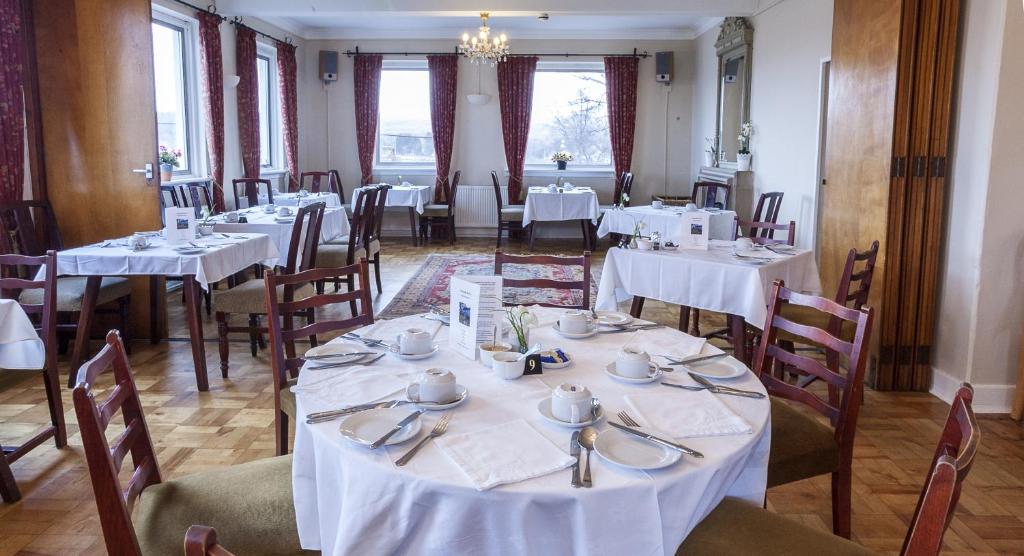
The Far North self-guided tour features a welcoming mix of comfortable B&Bs, small hotels and traditional Highland guesthouses. Each stay is chosen for location, character and friendly local hospitality — the perfect match for this remote and dramatic corner of Scotland.
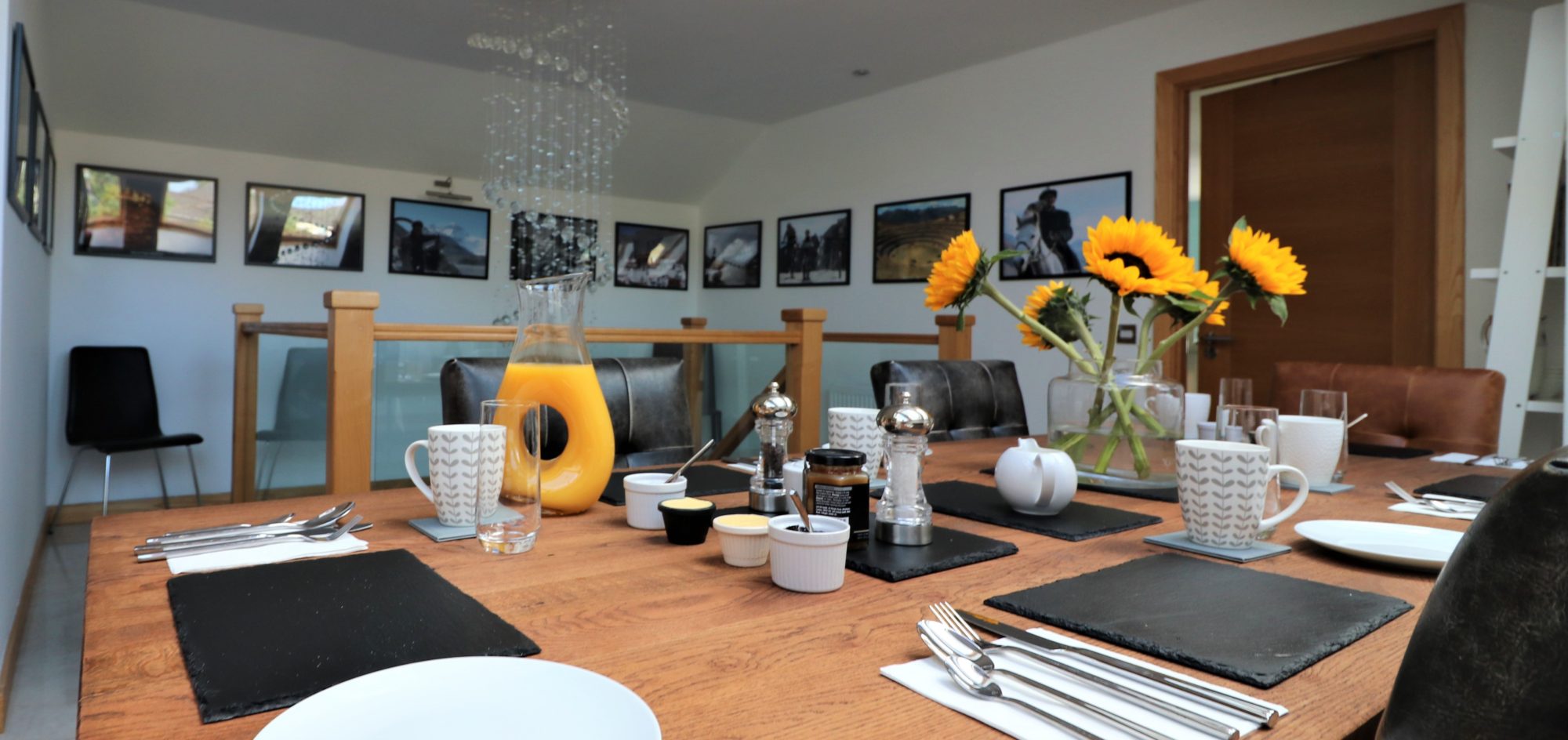
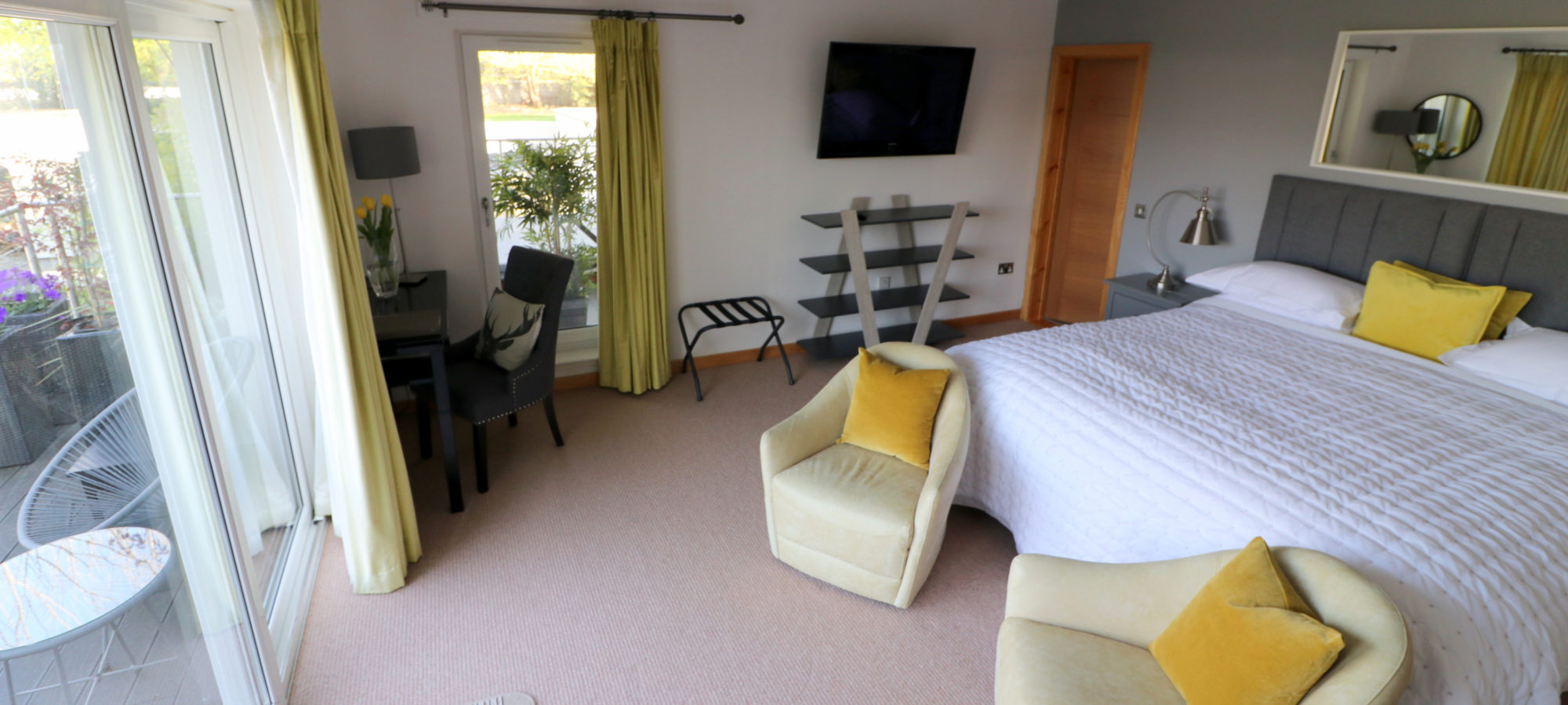
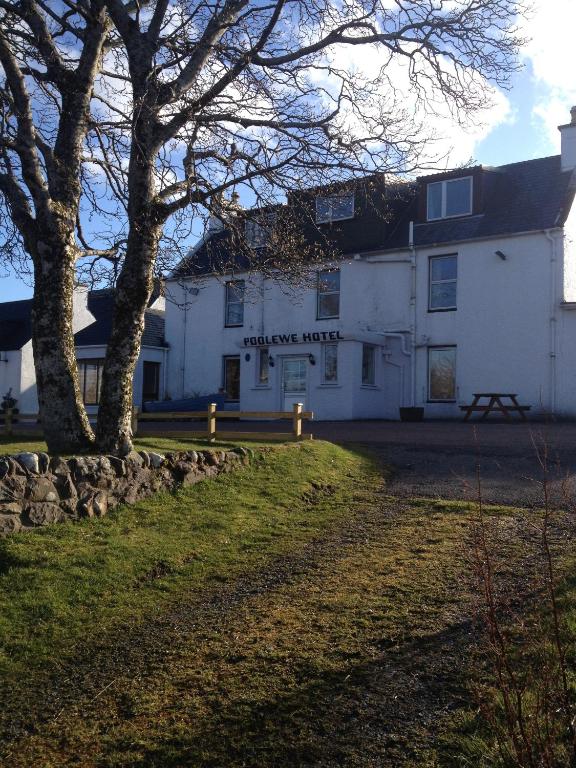
You’ll stay in charming, family-run properties such as Springfield Guest House, Woodland B&B, Poolewe Hotel, and Inverness House. Standards vary slightly in the most remote areas, as expected in the Highlands, but every property offers a comfortable place to unwind after a day on the bike, with personal service and an authentic local feel.
Expect:
- Comfortable, welcoming B&Bs and small hotels with plenty of Highland charm
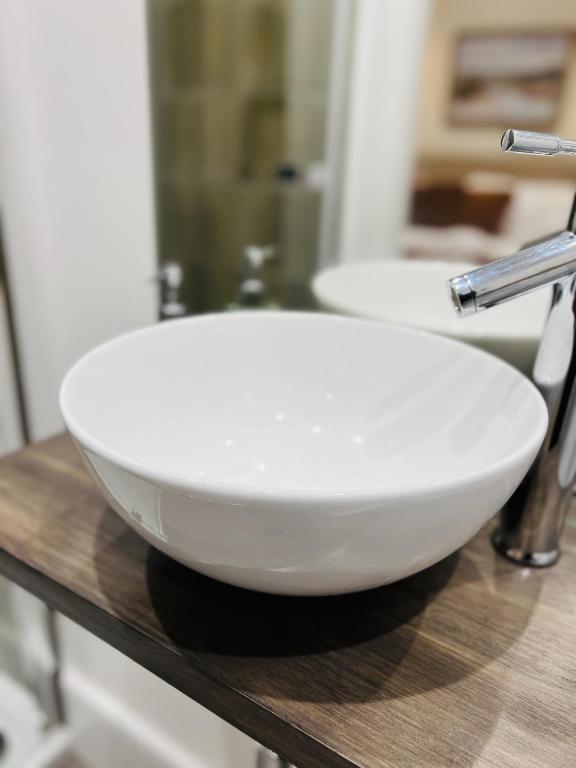
- En-suite rooms wherever available, and thoughtfully furnished spaces
- A personal experience, often hosted by local families who know the area well
- Beautiful settings ranging from coastal villages to peaceful woodland and glen-side houses
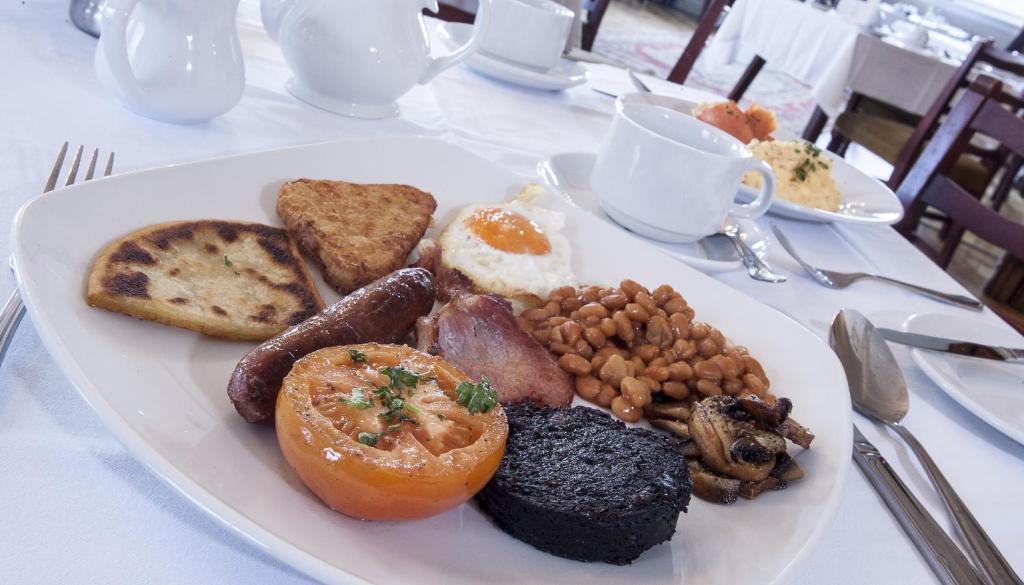
- Hearty Scottish breakfasts and friendly hosts who enjoy looking after cyclists
Testimonials
Here is what our customers have to say about our ‘Scotland – Far North – Self Guided’ Cycling holiday.
 Directly from the customer
 Scotland – Far North – Self Guided
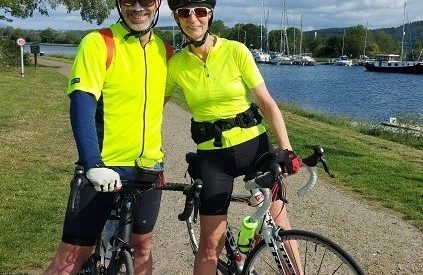
We had a fantastic tour through Scotland’s Far North with redspokes. Dermot and Linette were incredibly welcoming and helpful from start to finish, going out of their way to make sure everything ran smoothly.
The route was thoughtfully planned, taking us along beautiful, quiet back roads with stunning scenery. The mix of rural landscapes, great accommodation, and friendly hosts made each day memorable. Starting and ending at Inverness House was a lovely touch — a great way to bookend the trip. Having dinner reservations arranged in advance was also a real bonus.
We wouldn’t hesitate to recommend redspokes to anyone looking for a well-organized and truly enjoyable cycling trip in the Scottish Highlands.
Pam and Jeff North, Hamilton, Canada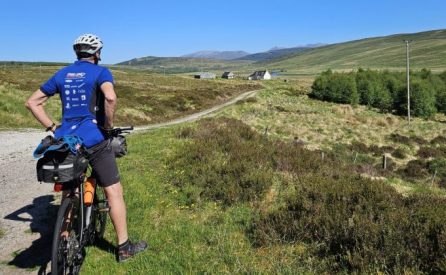 Directly from the customer
Scotland – Far North – Self Guided
Directly from the customer
Scotland – Far North – Self Guided
An epic beautiful journey through the byways of the Scottish Highlands, the charming West Coast, with the wonderful entertaining and friendly locals! Superb ! Cheers Dermot, thanks to you and your team.
Jane and Peter Wardell, Lake Hawea, New Zealand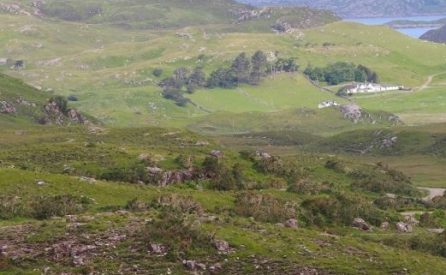 Directly from the customer
Scotland – Far North – Self Guided
Directly from the customer
Scotland – Far North – Self Guided
My husband and I had an incredible experience on the Far North tour. From the Highland capital of Inverness to the breathtaking landscapes of Tain, Rosehall, Lochinver, and Ullapool, every day brought new adventures and stunning scenery.
The route was well-planned, and the accommodations were comfortable and welcoming. Highlights included cycling along the coast, exploring historic towns, and encountering the natural beauty of the Western Highlands. We highly recommend this tour for anyone seeking a memorable and picturesque cycling journey through Scotland.
Helen and Robert Chambers, Yeppoon, Queensland, Australia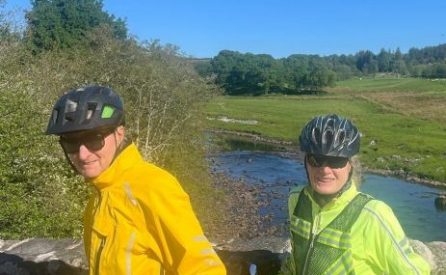 Directly from the customer
Scotland – Far North – Self Guided
Directly from the customer
Scotland – Far North – Self Guided
Our Red Spokes self-guided Far North Scotland cycling trip was enjoyable and interesting. We arrived in Inverness to start the trip prepared for any kind of weather. As it turned out we had amazing weather for the entire tour.
Accommodation and meals, starting with the first night at our host’s (Dermot and Linette) beautiful home in Inverness, were great. The cycling terrain and daily distances were a good workout but not overly challenging. The scenery along the way was a beautiful combination of ocean inlets, lochs, mountains, and open highland heath. We particularly enjoyed visiting the small towns and villages, like Ullapool, along the way. All-in-all the trip was a great “wee” adventure, and we definitely recommend it.
Alan and Elspeth, Vancouver, Canada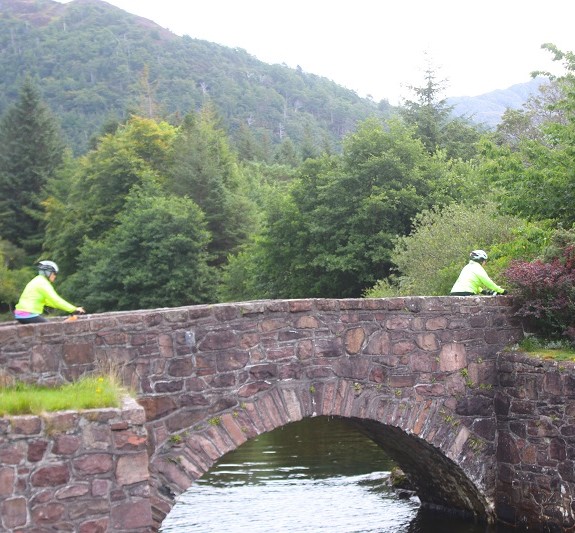 Directly from the customer
Scotland – Far North – Self Guided
Directly from the customer
Scotland – Far North – Self Guided
Our tour was just fantastic! We were lucky to spot dolphins at Chanonry Point, which was a magical start to our journey. Each day brought new highlights, from cycling through historic towns to discovering stunning beaches along the west coast.
The rugged landscapes, combined with well-planned routes and comfortable accommodations, made this tour truly unforgettable. Highly recommended for anyone looking to explore Scotland's natural beauty at their own pace!
Kristina Batty, Redding, California, USAPhotos
Here are a selection of photos for our ‘Scotland – Far North – Self Guided’ Cycling holiday.